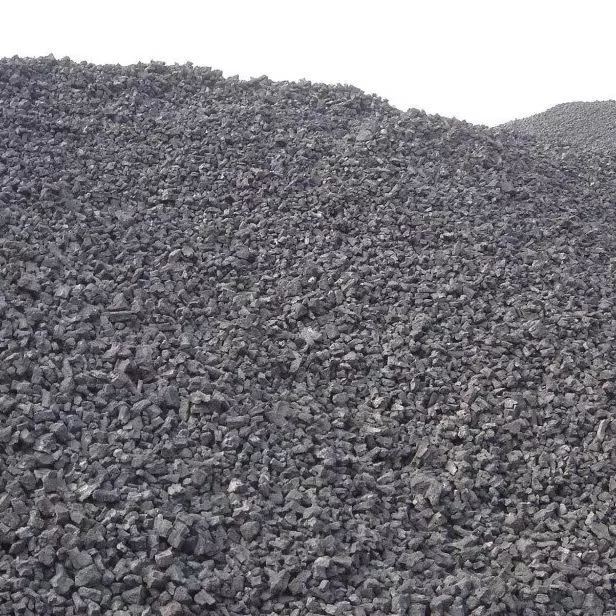
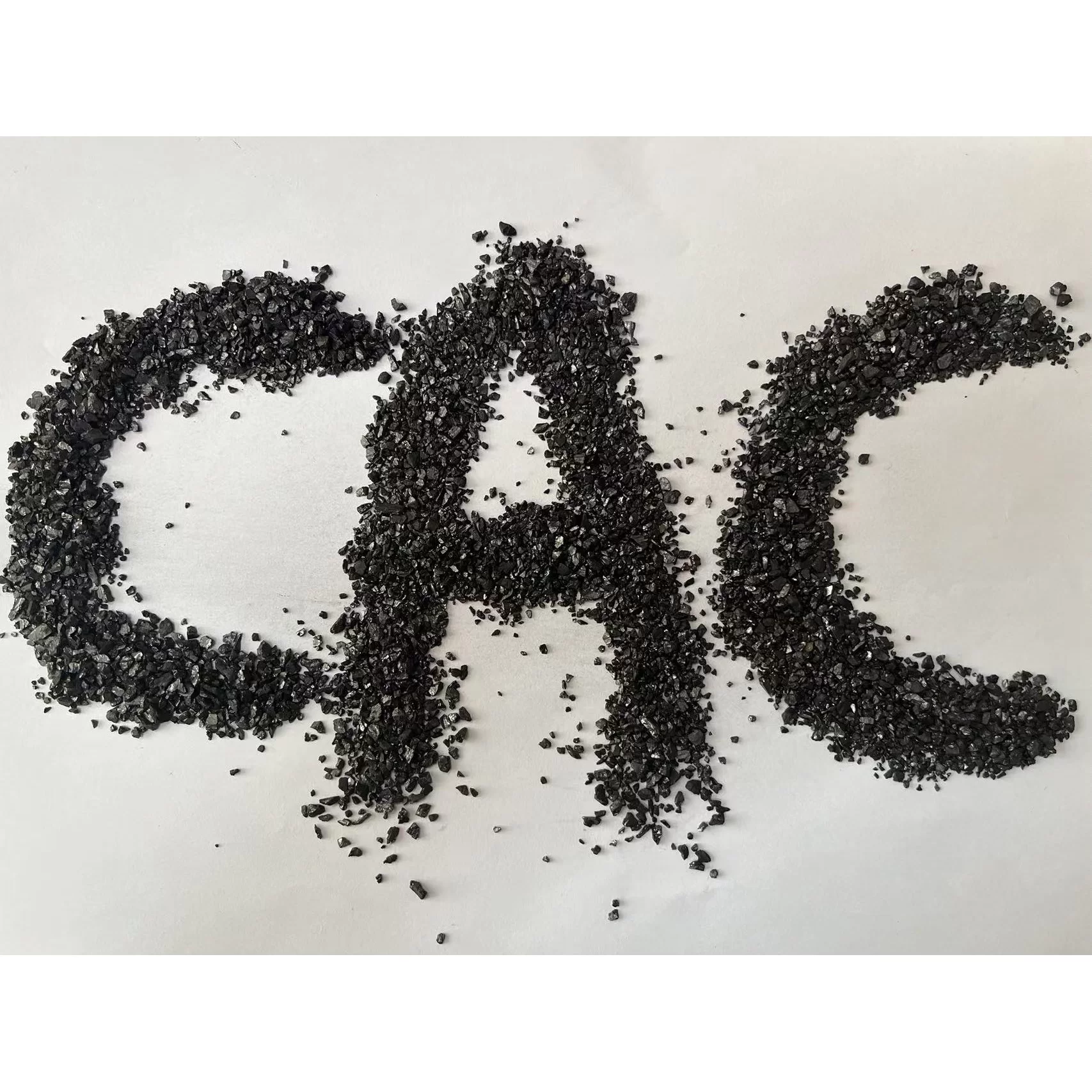
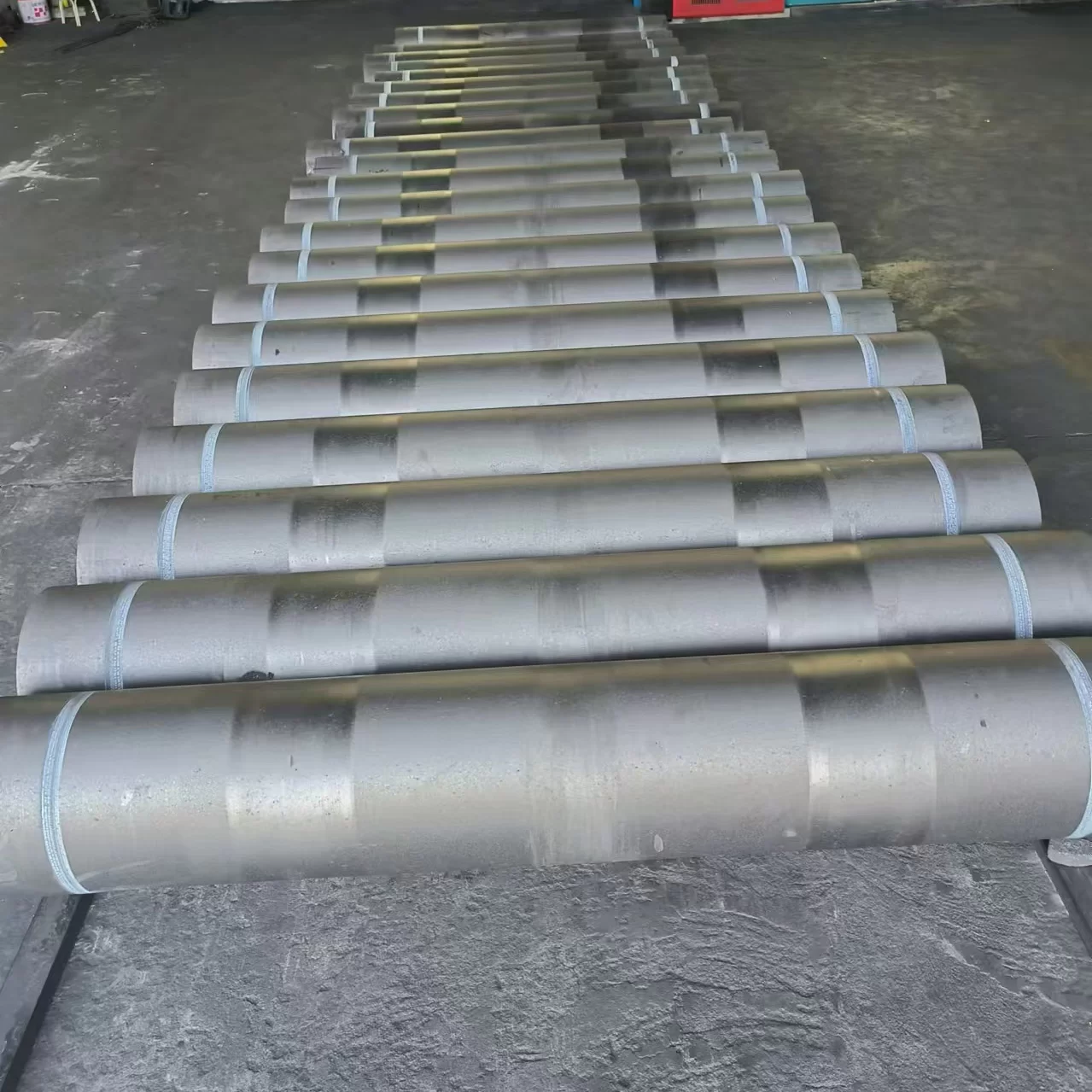
The Philippine manufacturing sector, particularly in non-metallic mineral processing, faces unique challenges due to the country's humid tropical climate and fragmented logistics. The demand for high-quality calcined petroleum coke is driven by the local need for efficient recarburization in steel plants, where moisture control during storage is critical to prevent material degradation.
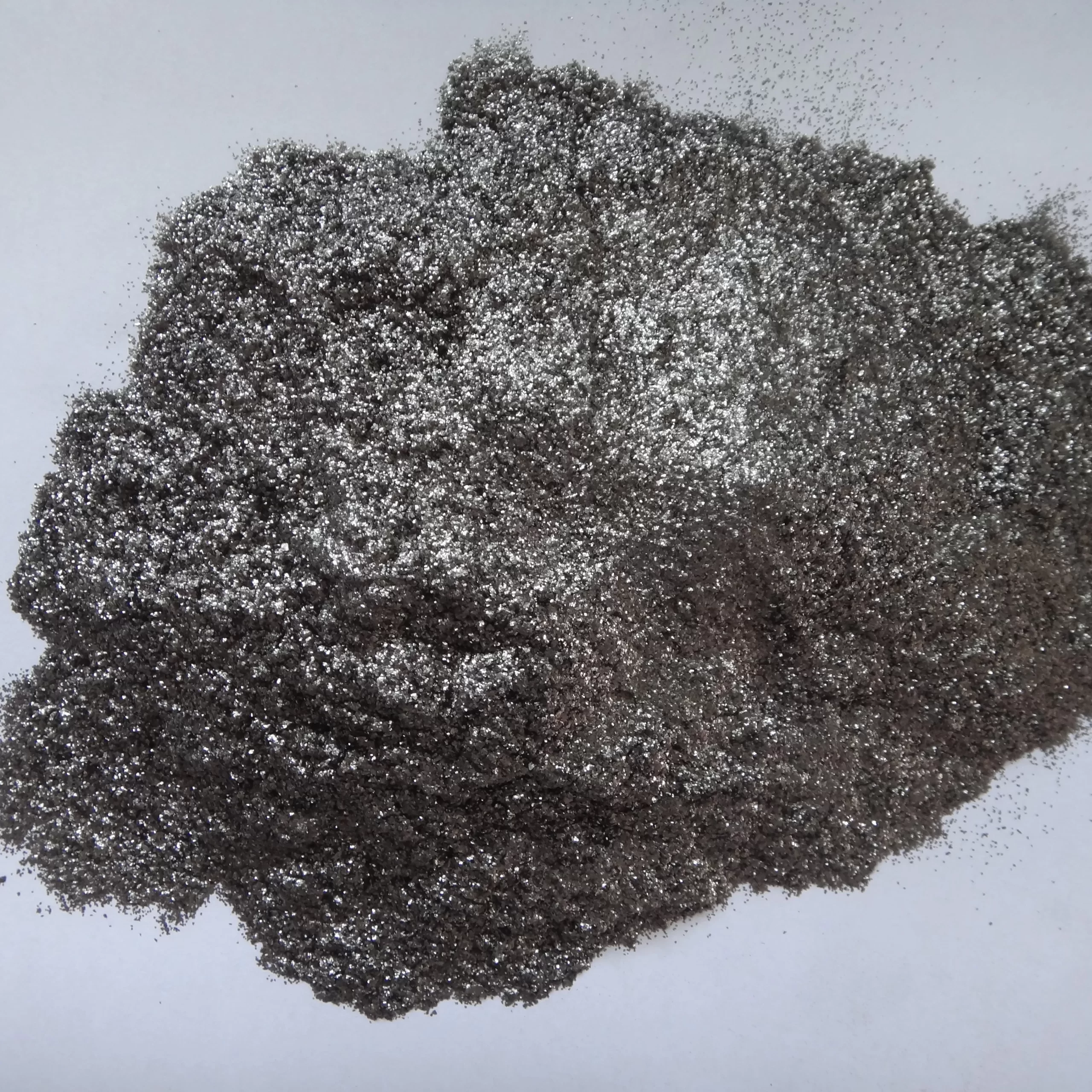
Currently, the market relies heavily on imported carbon materials to support its growing infrastructure projects. The adoption of graphitized petroleum coke has increased as local foundries transition toward higher precision casting and improved electrical conductivity in their production lines.
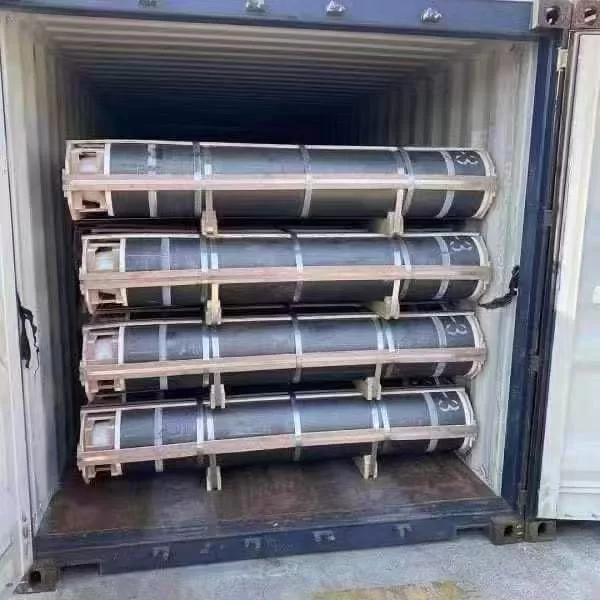
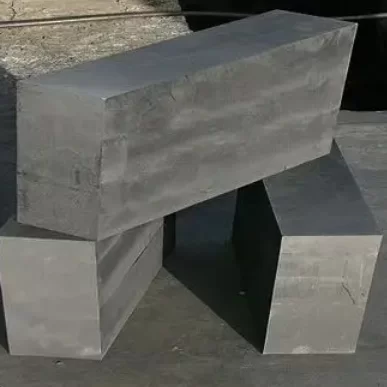
Economically, the Philippines is shifting toward more sustainable smelting practices. This shift necessitates a move away from low-grade carbons toward high-density graphite blocks that offer better thermal shock resistance, reducing downtime in the harsh industrial environments of Luzon and Mindanao.