HighPerformance arc furnace electrodes Solutions for Philippines Industrial Steel

HighPerformance arc furnace electrodes Solutions for Philippines Industrial Steel

High-Performance arc furnace electrodes Solutions for Philippines Industrial Steel

Optimizing smelting efficiency and carbon precision for the Philippine metallurgical sector with world-class graphite and carbon products.

High-Performance arc furnace electrodes Solutions for Philippines Industrial Steel

Providing a comprehensive range of carbon materials engineered to withstand the extreme thermal demands of the Philippine smelting industry, ensuring maximum conductivity and durability.

Carbon Industry Landscape in Asia - Philippines

Analyzing the intersection of resource availability and industrial demand in the Philippine archipelago.

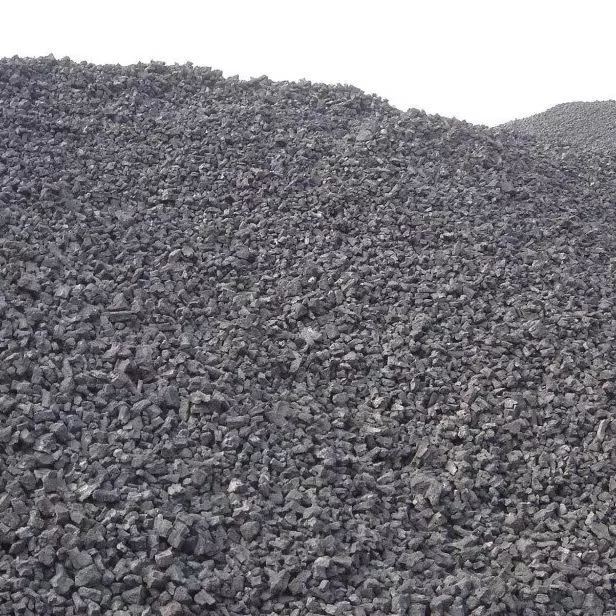
The Philippine manufacturing sector, particularly in non-metallic mineral processing, faces unique challenges due to the country's humid tropical climate and fragmented logistics. The demand for high-quality calcined petroleum coke is driven by the local need for efficient recarburization in steel plants, where moisture control during storage is critical to prevent material degradation.

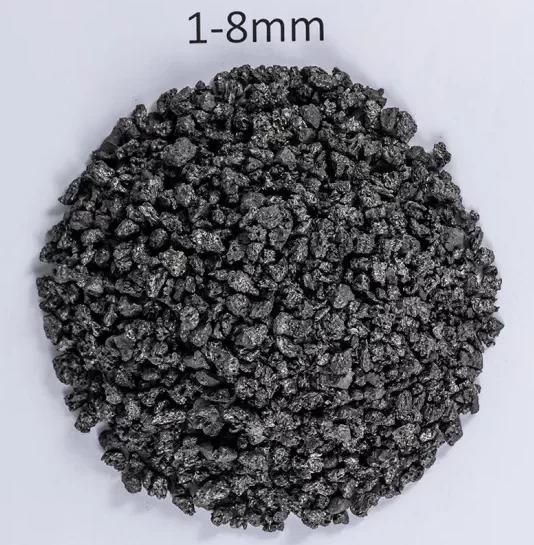
Currently, the market relies heavily on imported carbon materials to support its growing infrastructure projects. The adoption of graphitized petroleum coke has increased as local foundries transition toward higher precision casting and improved electrical conductivity in their production lines.

Economically, the Philippines is shifting toward more sustainable smelting practices. This shift necessitates a move away from low-grade carbons toward high-density graphite blocks that offer better thermal shock resistance, reducing downtime in the harsh industrial environments of Luzon and Mindanao.
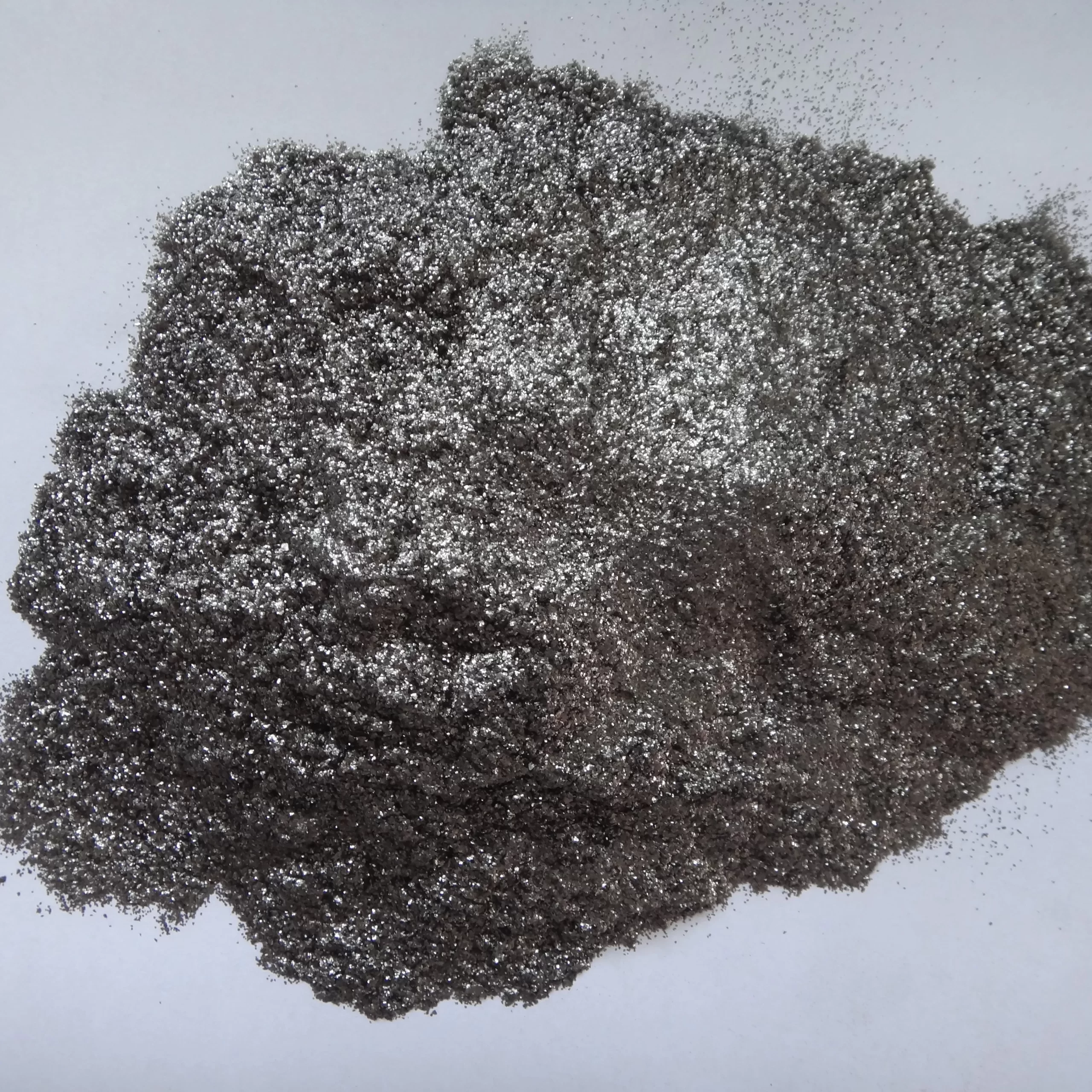
Evolution and Trajectory of Carbon Products in the Philippines

From basic carbon additives to advanced graphitized structural components.

Market Development History

Prior to 2010, the Philippine industry primarily utilized basic coke products with limited purity, leading to inconsistent slag quality in electric arc furnaces. The focus was on volume rather than technical specifications.

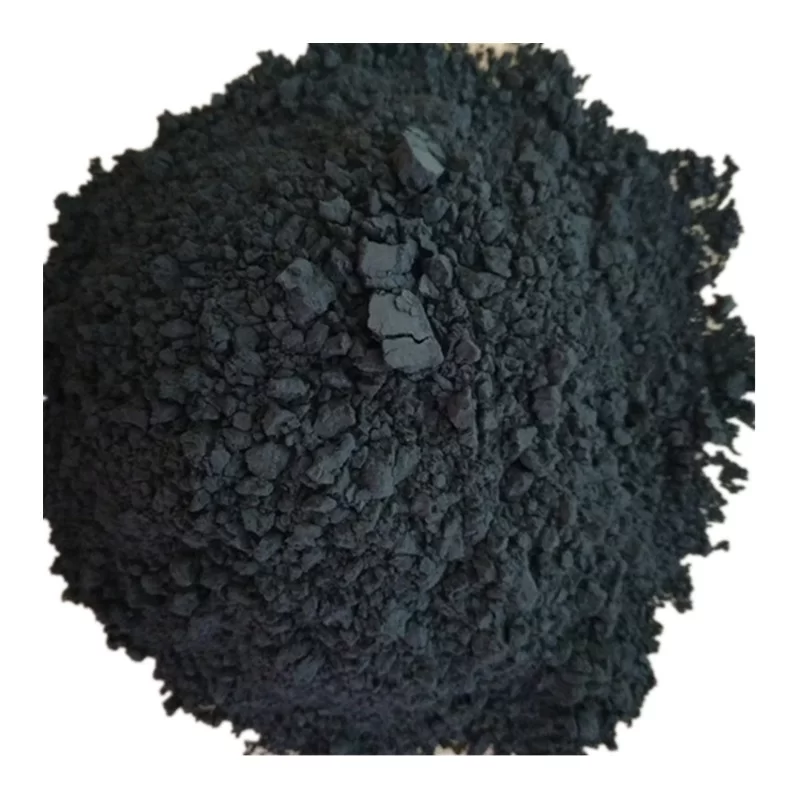
Between 2010 and 2020, there was a significant shift toward specialized materials. The introduction of premium graphite powder allowed for more precise lubricant and additive applications in the emerging electronics and automotive parts manufacturing sectors.

Post-2020, the focus has shifted toward "Industry 4.0" compatibility, where carbon materials are now evaluated based on their carbon footprint and their ability to integrate into automated smelting systems with minimal waste.

Future Development Trends

Ultra-High Purity Integration

Expect a surge in demand for 99.9% purity materials to support the semiconductor and high-tech manufacturing clusters growing in the Philippines.

Eco-Friendly Calcination

The shift toward "Green Carbon" will drive the adoption of petroleum coke processed via low-emission technology to meet stricter ASEAN environmental regulations.

Thermal Management Innovation

Development of composite graphite structures that can withstand higher amperage without premature oxidation, extending the life cycle of furnace linings.

Future Outlook of the Graphite & Carbon Sector

Strategic foresight into the technological shifts affecting the Philippine mineral processing industry.

Smart Conductivity Optimization
Integration of sensors within graphite components to monitor real-time wear and electrical efficiency in furnace operations.
Sustainable Recarburization
Developing low-sulfur additives to reduce the environmental impact of steel production in Philippine industrial zones.
Advanced Thermal Shielding
Custom-engineered graphite blocks designed for the specific heat-flux patterns of modern EAF reactors.
Precision Nano-Carbon
Scaling the use of ultra-fine powders for the high-precision lubricant markets in the Philippine aerospace and electronics sectors.

Industry Outlook

Based on Google search trends in the Southeast Asian industrial sector, there is a growing volume of queries regarding "carbon neutrality in steelmaking." This indicates that the Philippine market will soon prioritize carbon additives that facilitate lower melting temperatures and reduced energy consumption.

Furthermore, as the Philippines expands its mining and mineral processing capabilities, the demand for wear-resistant graphite components will grow by an estimated 15% CAGR over the next 3-5 years, favoring suppliers who can offer technical support and customized engineering.

Localized Application Scenarios in the Philippines

Real-world deployment of high-grade carbon materials across Philippine industries.

1. Steel Smelting in Luzon Industrial Zones

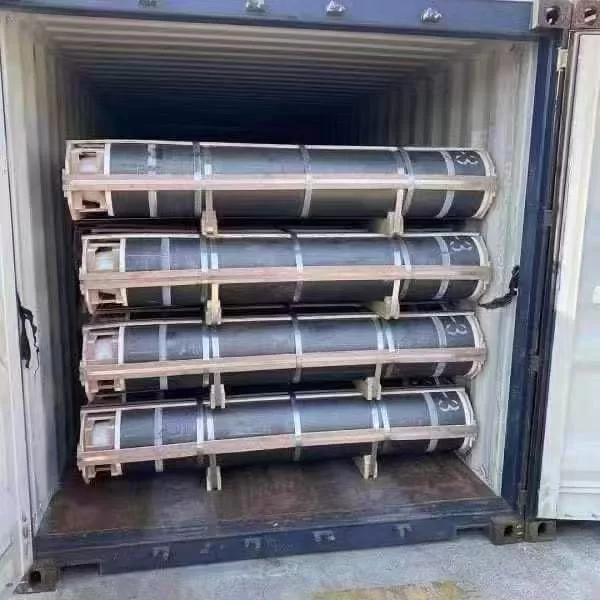
Utilization of arc furnace electrodes in large-scale steel mills to ensure stable electrical arcs and minimize electrode consumption during continuous casting.

2. Foundries in Cebu and Davao

Application of calcined petroleum coke as a high-efficiency recarburizer to achieve precise carbon content in specialty alloys for the maritime industry.

3. Electronics Manufacturing in Laguna

Use of high-purity graphite powder as a conductive additive in heat sinks and electromagnetic shielding components for consumer electronics.

4. Mining Equipment Maintenance in Mindanao

Deployment of custom graphite blocks for high-temperature furnace linings and wear-resistant guides in mineral processing plants.

5. Precision Casting for Automotive Parts

Implementation of graphitized petroleum coke to improve the fluidity and surface finish of aluminum and steel automotive components.

Brand Story

Global Development History of Hebei Tiksen Carbon Co., Ltd.

Foundation & Quality Focus

Established with a vision to redefine carbon purity, we began by mastering the fundamental calcination processes to eliminate impurities from petroleum coke.

Technological Breakthroughs

Invested in advanced graphitization furnaces, allowing us to produce materials with superior electrical conductivity and thermal stability for global markets.

Global Market Expansion

Expanded our footprint into Asia, specifically tailoring our logistics and product grades to meet the unique humidity and industrial requirements of the Philippines.

Commitment to Sustainability

Integrated green manufacturing protocols to reduce the carbon footprint of our production, supporting our clients' ESG goals worldwide.

Industry Leadership

Today, we stand as a leading provider of carbon solutions, solving the toughest pain points in heat resistance and electrical conductivity for the smelting industry.

Complete Carbon Product Portfolio for Philippines Market

Integrated solutions designed for the unique demands of the Philippine metallurgical and manufacturing sectors.

Frequently Asked Questions - Philippines Carbon Industry

Expert answers to common technical and logistical queries from our local partners.

How do I prevent moisture degradation in calcined petroleum coke during Philippine shipping?

We utilize specialized moisture-proof vacuum packaging and reinforced liners to protect the material from the high humidity typical of Philippine ports, ensuring the carbon purity remains intact.

What is the lifespan of arc furnace electrodes in high-amperage smelting?

Lifespan depends on the current density and slag chemistry, but our high-density electrodes are engineered to reduce oxidation rates, typically extending service life by 15-20% compared to standard grades.

Can graphitized petroleum coke be used for precision automotive casting?

Yes, its superior conductivity and purity make it an ideal recarburizer for achieving the precise carbon thresholds required for automotive-grade steel and aluminum alloys.

What are the primary advantages of graphite blocks over traditional furnace linings?

Graphite blocks offer unmatched thermal shock resistance and higher thermal conductivity, which prevents lining cracks and reduces energy loss in high-temperature industrial furnaces.

Is your graphite powder suitable for electronic conductive coatings?

Absolutely. Our ultra-fine graphite powder is processed to ensure a consistent particle size distribution, providing excellent dispersion and conductivity for electronic applications.

What certification standards do your carbon products follow for the Asia-Pacific region?

All our products comply with international ISO standards and are tested for chemical purity and physical properties to meet the strict requirements of the Philippine manufacturing sector.

Consult Our Carbon Specialists

Ready to optimize your industrial efficiency? Contact us today for customized carbon material solutions delivered across the Philippines.

Contact Us Now

If you are interested in our products, you can choose to leave your information here, and we will be in touch with you shortly.

  • captcha