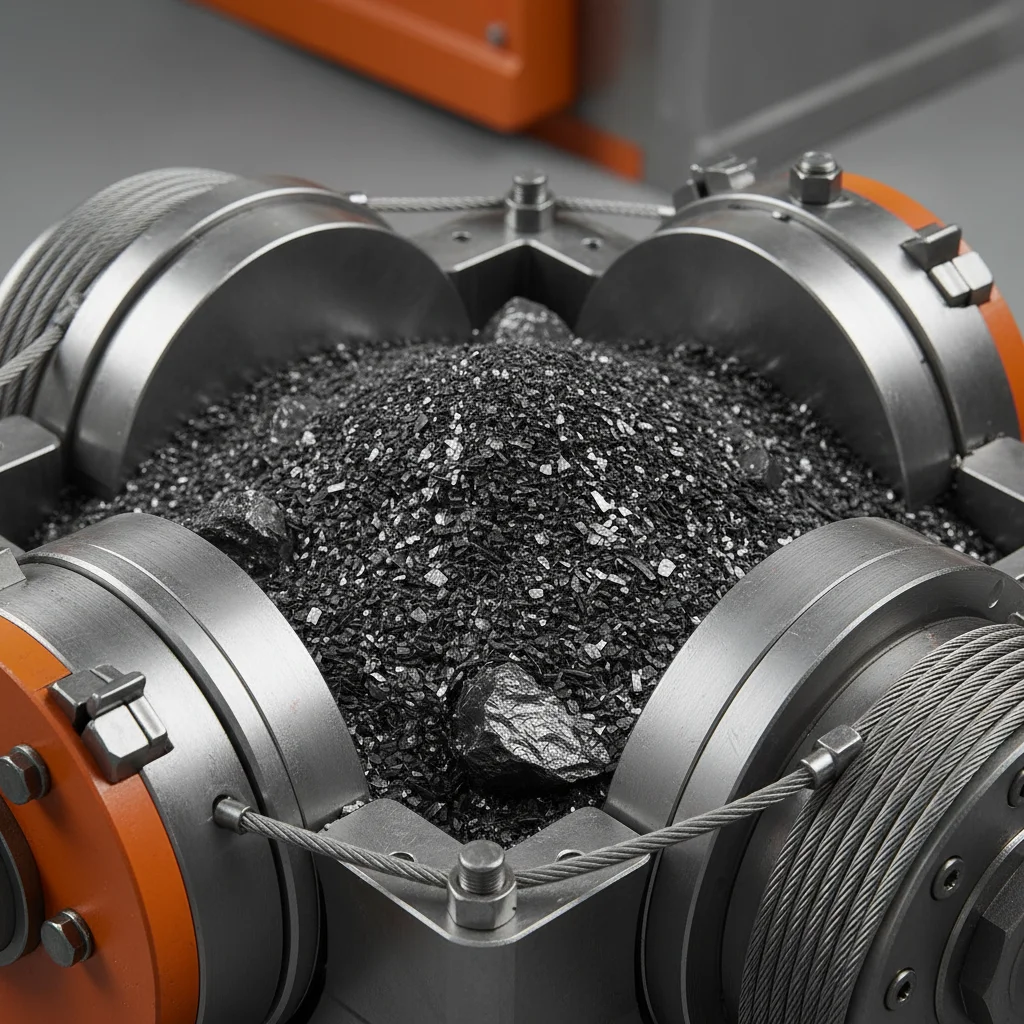
In the complex landscape of modern metallurgy and industrial lubrication, powdered graphite stands as a cornerstone material, providing essential properties that facilitate high-temperature stability and friction reduction. As global manufacturing shifts toward higher efficiency and lower environmental impact, the demand for high-purity carbon solutions has surged, making the understanding of graphite powders critical for engineers and procurement specialists alike.
The global market for carbon products is currently witnessing a paradigm shift, driven by the rise of electric vehicle batteries and advanced aerospace components. According to recent industrial trends aligned with ISO quality standards, the precise calibration of particle size and purity in powdered graphite can determine the success of a metallurgical process, directly affecting the structural integrity of the final alloy or the longevity of a mechanical part.
Despite its ubiquity, many industries struggle with the inconsistencies of raw carbon sources, leading to premature wear in machinery or inefficiencies in recarburization. By leveraging high-grade powdered graphite, manufacturers can overcome these challenges, ensuring a seamless integration of lubrication and carbon addition that optimizes production cycles and reduces operational downtime across the global supply chain.
Global Industry Context of Powdered Graphite
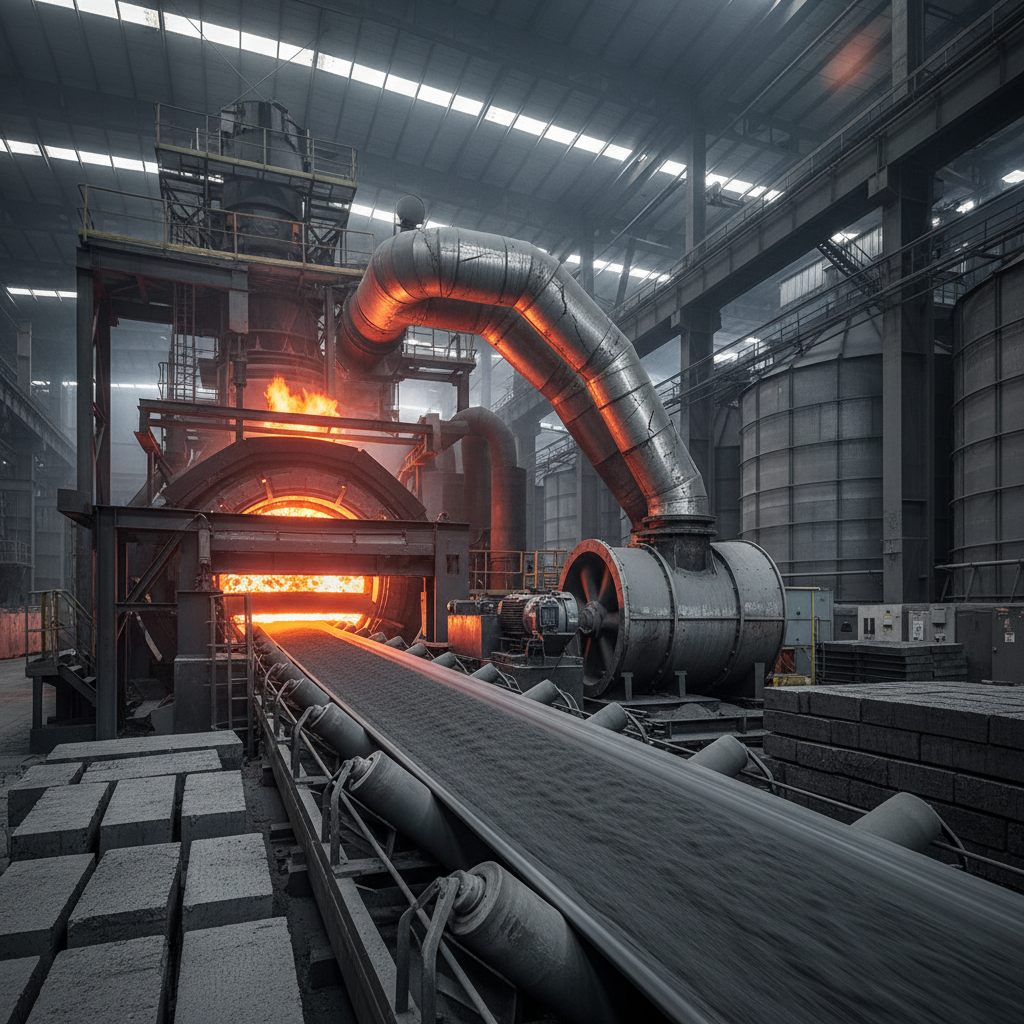
The industrial application of powdered graphite is deeply intertwined with the evolution of the steel and aluminum industries. On a global scale, the necessity for precise carbon control in smelting—known as recarburization—has made this material indispensable. From the heavy industrial zones of East Asia to the precision engineering hubs of Europe, the ability to introduce carbon uniformly into a melt is what separates premium alloys from substandard materials.
Furthermore, the shift toward green energy has catapulted carbon materials into the spotlight. The production of synthetic and natural graphite powders is now a critical link in the energy storage value chain. As nations strive to meet carbon neutrality goals, the purity and conductivity of these powders are no longer just technical specifications but strategic economic assets.
Technical Definition and Industrial Meaning
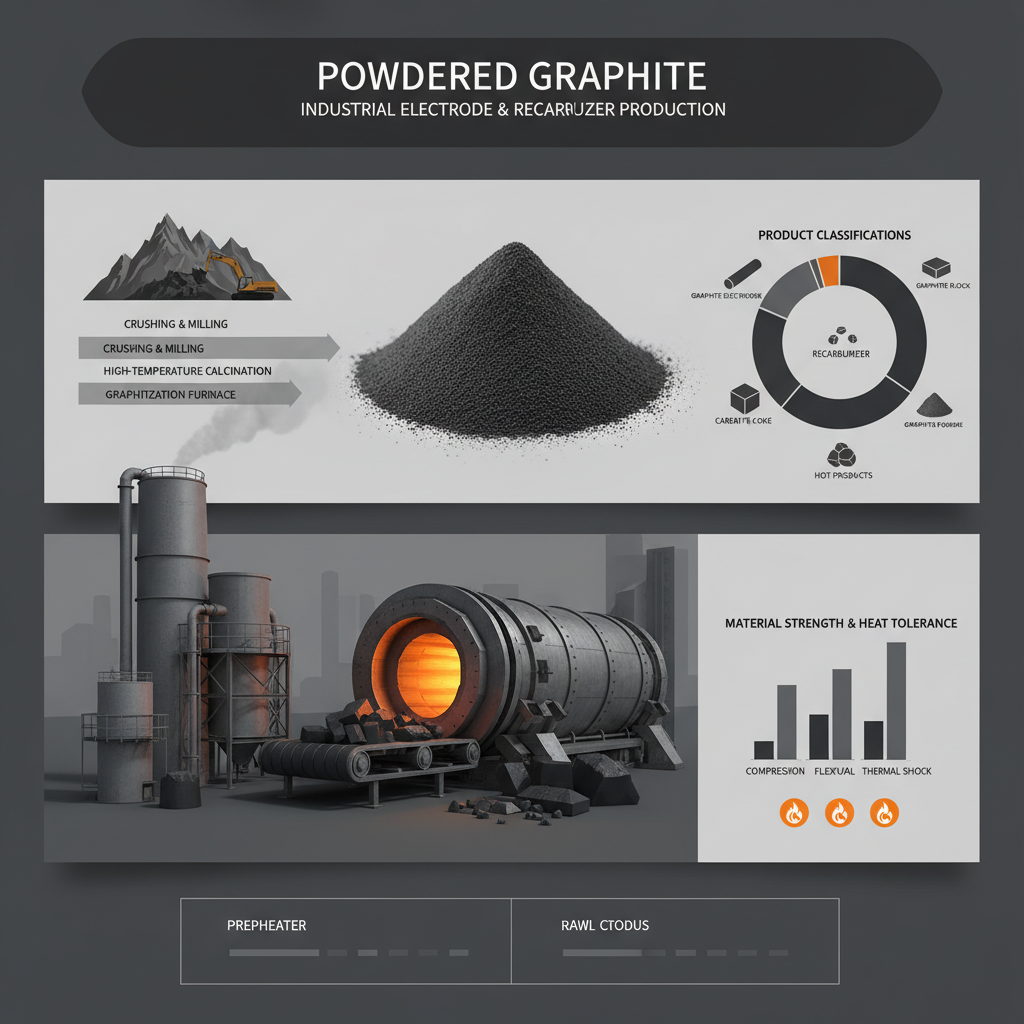
In its simplest technical terms, powdered graphite is a finely milled form of crystalline carbon, characterized by its hexagonal layered structure. This unique atomic arrangement allows the layers to slide over one another with minimal resistance, which is precisely why the material is prized as a dry lubricant and a highly conductive additive in various industrial composites.
Beyond the chemistry, the industrial meaning of this material lies in its versatility. Whether it is being used as a conductive filler in polymers or as a critical agent in the production of high-strength electrodes, the "powder" form ensures a high surface-area-to-volume ratio. This enables faster reaction rates in chemical processes and more uniform dispersion in material blending.
In the context of modern humanitarian and infrastructure needs, the reliability of graphite-based lubricants ensures that critical machinery—from water pumps in remote regions to high-speed rail systems—operates with minimal friction. This reduces the frequency of part replacements and lowers the total cost of ownership for essential public utilities.
Core Components of High-Performance Graphite Powders
The primary determinant of quality in powdered graphite is its purity level. Low-ash content is essential for high-end applications, as impurities can lead to unwanted slag formation in metallurgy or electrical instability in electronics. The removal of sulfur and iron is particularly critical for those producing aerospace-grade components.
Particle size distribution (PSD) is the second core component. Depending on the application, a manufacturer may require "micronized" powder for coatings or a coarser grade for recarburizers. A tight PSD ensures that the graphite blends uniformly without clumping, which is vital for maintaining the consistency of industrial batches.
Lastly, the crystallinity and lubrication grade define the operational efficiency. High-crystallinity powders offer superior electrical conductivity and thermal stability, making them ideal for electrodes, while specialized lubrication grades are treated to ensure they adhere to metal surfaces even under extreme pressure and temperature fluctuations.
Global Applications and Industrial Use Cases
The application of powdered graphite spans a dizzying array of sectors. In the automotive industry, it is used in die-casting lubricants to ensure that molten aluminum releases smoothly from molds, preventing defects and reducing waste. In the energy sector, it serves as a critical additive in the production of carbon brushes for electric motors, ensuring efficient current transfer.
Real-world implementation is particularly evident in remote industrial zones where liquid lubricants would evaporate or freeze. For instance, in Arctic mining operations, powdered graphite is used as a dry lubricant for heavy-duty conveyors, providing a reliable barrier against friction where oils would fail. Similarly, in the semiconductor industry, ultra-high purity graphite powders are used in the creation of crucibles for silicon crystal growth.
Performance Metrics of Powdered Graphite Variants
Long-Term Economic and Technical Value
Investing in high-quality powdered graphite yields tangible economic benefits through the reduction of machine wear and tear. By lowering the coefficient of friction in heavy machinery, companies can extend the mean time between failures (MTBF), which directly translates to lower maintenance costs and higher production throughput.
From a sustainability perspective, the move toward dry graphite lubrication reduces the reliance on petroleum-based oils and greases, which are often toxic and difficult to dispose of. This transition not only aligns with ESG (Environmental, Social, and Governance) goals but also enhances worker safety by eliminating the slip hazards and chemical fumes associated with liquid lubricants.
Future Trends in Carbon Material Innovation
The future of powdered graphite is closely tied to the digital transformation of materials science. We are seeing the emergence of "smart powders"—graphite particles coated with nano-layers that can change their lubrication properties based on temperature or electrical stimuli. This will allow for self-adjusting machinery that optimizes its own friction levels in real-time.
Additionally, the integration of automation in the milling process is enabling "custom-grain" production. Instead of choosing from standard grades, manufacturers can now order powders with a precise Gaussian distribution of particle sizes, tailored exactly to the viscosity of their specific polymer or the chemistry of their specific alloy.
Green energy will continue to be the primary driver. The development of silicon-graphite composite powders for next-generation anode materials is expected to double the energy density of batteries, making carbon powders a focal point of the global race for electric mobility and grid-scale energy storage.
Overcoming Challenges in Graphite Implementation
One of the most significant challenges in using powdered graphite is its tendency to become airborne, which can lead to contamination in clean-room environments or respiratory concerns for workers. The industry has responded by developing "spherical" graphite powders, which have lower dustability and better flowability, reducing waste and improving safety.
Another hurdle is the oxidation of graphite at extremely high temperatures. While graphite is stable, in oxygen-rich environments above 400°C, it can begin to burn. Expert solutions involve the use of boron-modified graphite powders or the application of protective ceramic coatings that seal the carbon core, extending the operational life of the material in furnace applications.
Finally, the variability in raw material sourcing often leads to inconsistent product performance. The solution lies in the adoption of rigorous batch-testing and the use of advanced spectroscopy to verify purity before the powder ever enters the production line, ensuring that every kilogram of material meets the stringent demands of the end application.
Comparative Analysis of Graphite Powder Grades and Performance
| Grade Type |
Purity Level |
Primary Use Case |
Performance Score |
| Ultra-Pure Synthetic |
>99.9% |
Semiconductor Crucibles |
9.8 |
| Industrial Natural |
95% - 98% |
Steel Recarburization |
8.2 |
| Lubrication Grade |
90% - 95% |
Dry Bearing Lubricant |
8.5 |
| Conductive Filler |
97% - 99% |
Conductive Polymers |
9.0 |
| Micronized Powder |
94% - 97% |
Precision Coatings |
7.9 |
| Low-Ash Grade |
>99% |
High-End Metallurgy |
9.2 |
FAQS
Natural powdered graphite is mined from the earth and processed to remove impurities, offering a cost-effective solution for lubrication and metallurgy. Synthetic graphite is produced through the graphitization of petroleum coke at extremely high temperatures, resulting in much higher purity and more consistent particle sizes, which is essential for electronics and battery anodes.
Choice depends on the goal: for recarburization, a slightly coarser powder prevents excessive dusting and integrates better into the melt. For lubrication or conductive coatings, micronized or nano-scale powders are preferred as they provide better surface coverage and a smoother finish. Always consult the particle size distribution (PSD) chart provided by the supplier.
Yes, in many cases. Graphite is an ideal replacement in environments where oil would evaporate (high heat), freeze (extreme cold), or attract dust and grit (dirty environments). However, it is a "dry" lubricant, meaning it does not provide the same cooling or sealing properties as oil, so it is best suited for sliding surfaces.
Absolutely. Due to its delocalized electrons, graphite is highly conductive. In its powdered form, it is frequently used as a conductive filler in plastics or as a contact material in brushes. The level of conductivity depends on the crystallinity and purity of the powder; higher purity generally leads to lower electrical resistance.
Graphite powder should be stored in airtight, moisture-proof containers in a cool, dry area. Because it is a fine powder, it can easily absorb moisture or be contaminated by airborne particles. Keeping it in sealed bags within industrial drums is the standard practice to maintain purity and ensure flowability during use.
The primary concern is inhalation of fine dust. It is highly recommended to use dust masks (N95 or equivalent) and ensure proper ventilation or local exhaust systems are in place. While graphite is chemically inert, the physical nature of the powder can irritate the respiratory system if handled improperly over long periods.
Conclusion
In summary, powdered graphite is far more than a simple industrial additive; it is a versatile material that enables precision in metallurgy, efficiency in lubrication, and innovation in energy storage. By understanding the critical balance between purity, particle size, and crystallinity, manufacturers can significantly optimize their production processes, reduce operational costs, and enhance the lifespan of their critical infrastructure.
As we look toward a future defined by green energy and smart manufacturing, the role of high-performance carbon materials will only expand. We encourage industry professionals to prioritize the sourcing of high-purity, consistent graphite powders to ensure their operations remain competitive and sustainable. For premium carbon solutions and expert guidance, visit our website: www.dahcarbon.com.