Arc furnace electrodes are the unsung heroes of modern steelmaking. You spend any time on a plant floor, and you quickly realize everything hinges on these things. Without reliable electrodes, you're dead in the water – production halts, costs skyrocket, and quality suffers. It’s not just about melting scrap metal; it’s about the entire efficiency of the process. We’re talking about a multi-billion dollar industry globally, and increasingly, the demand is tied to greener steel production, making electrode performance and longevity even more critical. It’s a complex field, a lot more than just graphite sticks, and if you’re not paying attention to the details, you’ll be in trouble.
For decades, the electric arc furnace (EAF) has been central to steel recycling, and electrodes are the consumable in that process. The global steel industry, driven by construction, automotive, and infrastructure projects, relies heavily on EAF technology. According to the World Steel Association, EAF steel production accounted for roughly 40% of global steel output in 2023. The push for sustainable practices, specifically reducing carbon footprints, is accelerating the shift towards EAFs due to their lower emissions compared to traditional blast furnaces. This means a higher demand for high-quality, durable arc furnace electrodes.
The challenge? The sheer intensity of the process. These electrodes are subjected to incredibly high temperatures and extreme electrical loads. They're constantly being consumed, and ensuring a consistent supply of electrodes that meet exacting specifications is a constant headache for plant managers. That’s where understanding the nuances of electrode performance becomes crucial – it’s not just about price, it's about total cost of ownership, and that’s what I tell my guys on site every day.
Introduction to Arc Furnace Electrodes
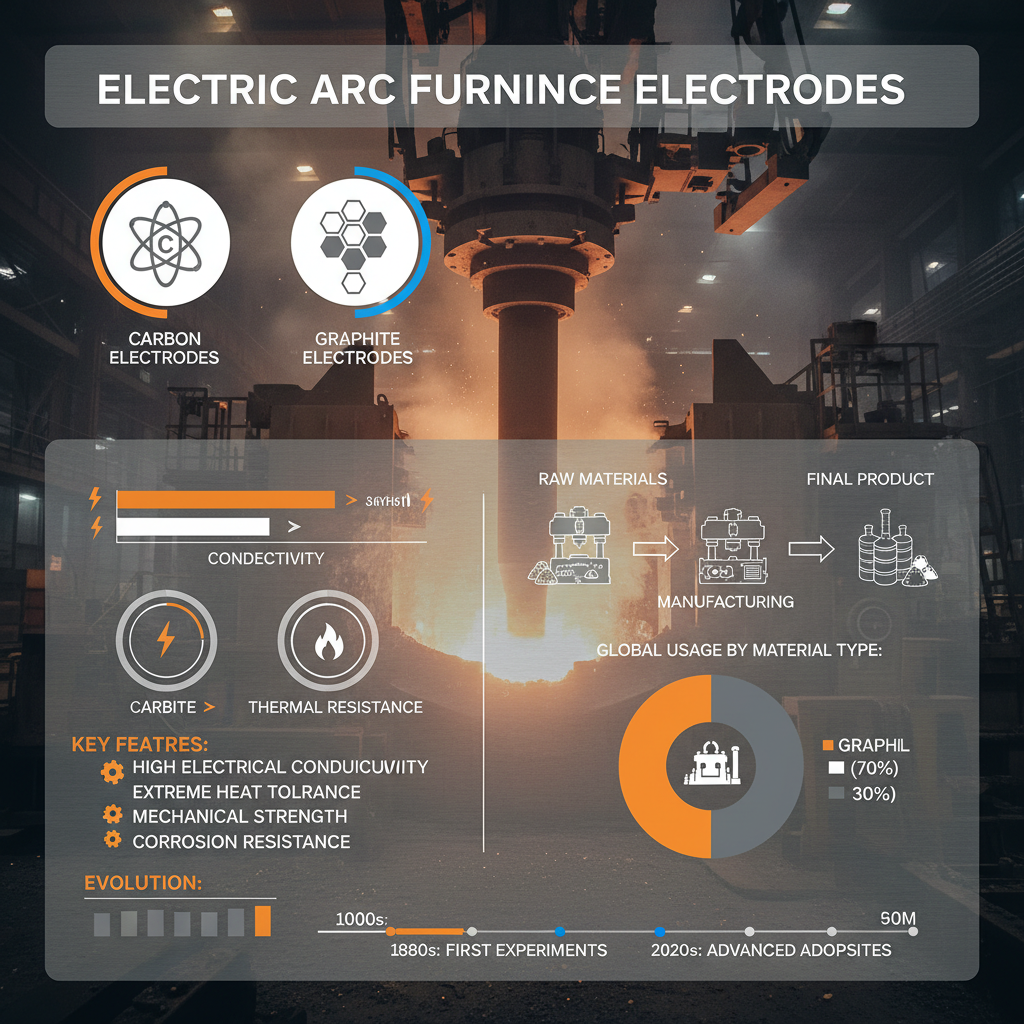
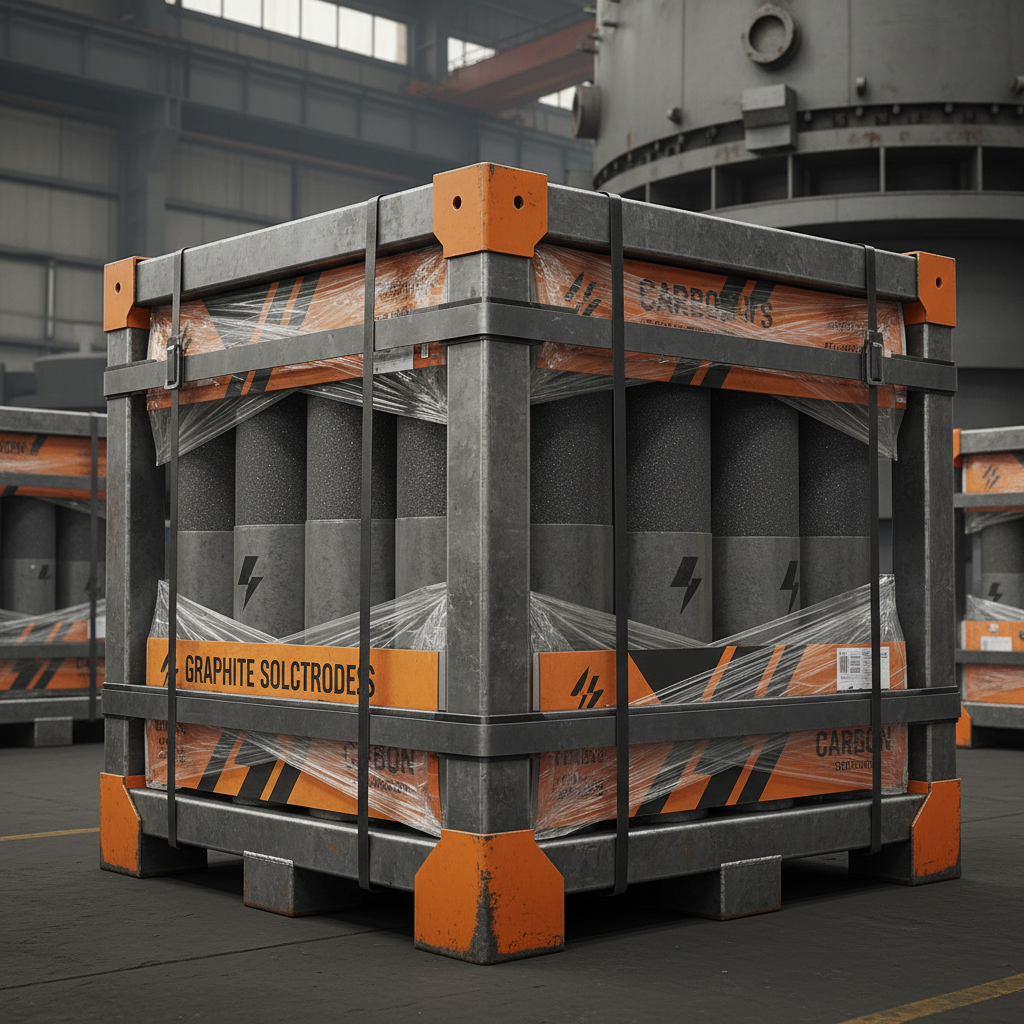
Arc furnace electrodes aren't glamorous, but they're absolutely essential. Think of them as the 'spark plugs' of the steel industry. They conduct the massive electrical current needed to melt scrap metal and other materials, initiating the steelmaking process. The quality and consistency of these electrodes directly impact the efficiency of the entire furnace operation, the quality of the steel produced, and ultimately, the profitability of the plant. I’ve seen plants lose days of production because of bad electrodes – days that cost millions.
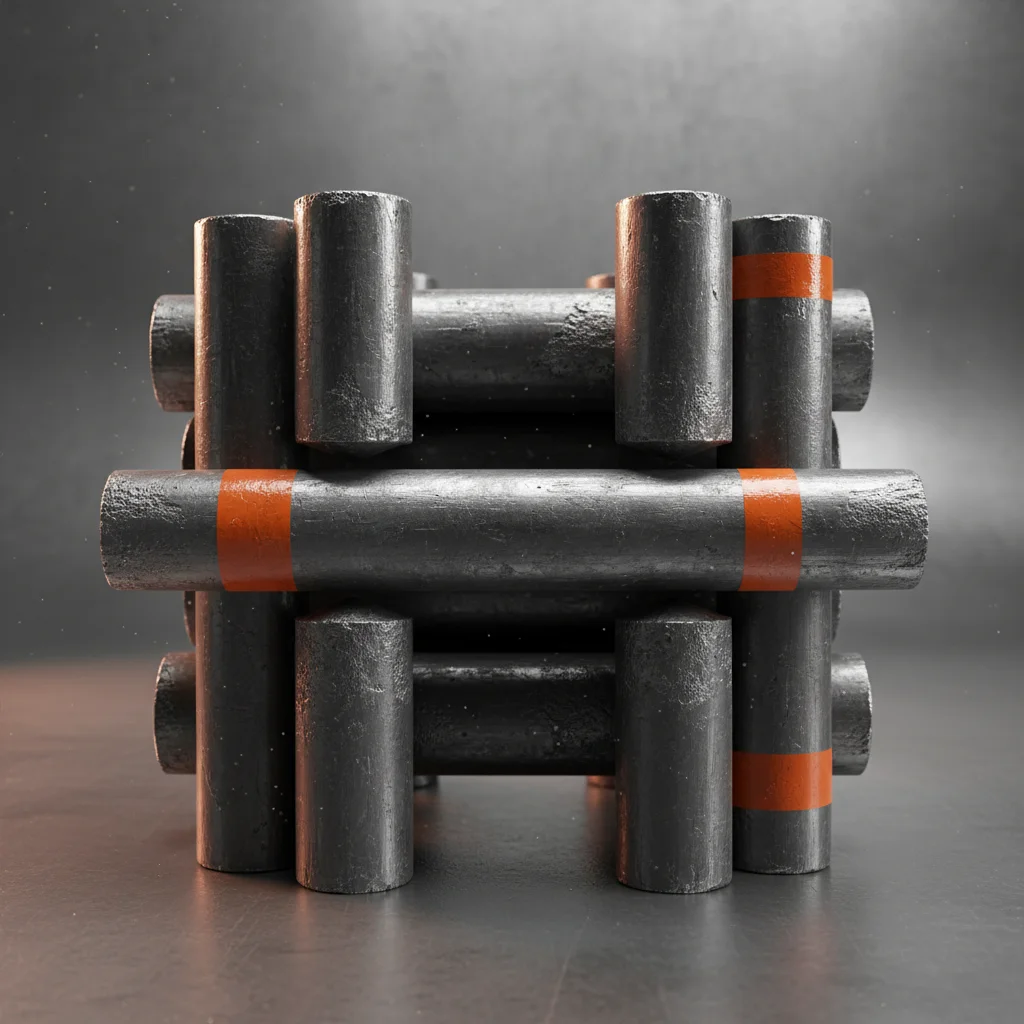
We’re talking about graphite, primarily, but it’s not just any graphite. It’s a highly engineered material, with specific properties tailored to withstand the extreme conditions within the electric arc furnace. Factors like density, resistivity, and mechanical strength are crucial. And with the industry pushing for greener steelmaking, the demand for electrodes that minimize consumption and maximize efficiency is only going to increase. It's a constantly evolving field, and staying ahead of the curve is vital.
FAQS
Electrode lifespan varies significantly based on furnace conditions, steel grade, and electrode quality. However, a typical lifespan ranges from 40 to 80 hours. Factors like proper current distribution, consistent feed rate, and minimizing thermal shocks greatly extend electrode life. We routinely see plants getting significantly more life out of high-density electrodes with optimized operating parameters.
Choosing the right electrode involves considering several factors, including furnace size, steel grade, power input, and operating conditions. High-density electrodes offer better performance in demanding applications, while regular graphite electrodes are suitable for less intensive processes. Consulting with an electrode supplier and conducting trials with different grades is highly recommended.
Premature breakage can stem from several issues, including mechanical damage during handling, poor electrical connections, uneven current distribution, and thermal shocks. Proper training of personnel, regular inspection of equipment, and maintaining optimal furnace conditions are crucial to prevent breakage.
Reducing electrode consumption requires a multi-faceted approach. Optimizing furnace parameters like current and voltage, ensuring proper cooling, utilizing high-density electrodes, and minimizing arc instability are all effective strategies. Regular monitoring of electrode performance and timely adjustments can yield significant savings.
The primary environmental concern relates to graphite dust generated during electrode consumption. Properly designed dust collection systems are essential to minimize emissions and comply with environmental regulations. Utilizing electrodes with lower ash content also helps reduce dust generation.
Electrode grades differ in density, resistivity, and mechanical strength. Higher-density electrodes offer superior performance in demanding applications, exhibiting lower consumption and increased resistance to thermal shock. Ultra-high power electrodes are specifically designed for high-intensity furnaces, while regular graphite electrodes are suitable for less demanding operations. Choosing the right grade directly impacts efficiency and cost.
Conclusion
Arc furnace electrodes are a critical, yet often overlooked, component of modern steelmaking. Their performance directly impacts the efficiency, quality, and sustainability of the entire process. From understanding the nuances of graphite properties to embracing innovative technologies, optimizing electrode usage is essential for steel plants striving to remain competitive in a rapidly evolving industry.
The future of arc furnace electrode technology lies in continuous improvement – developing materials with enhanced properties, leveraging data analytics for predictive maintenance, and embracing sustainable practices to minimize environmental impact. Investing in high-quality electrodes and expertise is not just a cost-saving measure; it’s a strategic investment in the future of steel production. Learn more about our arc furnace electrodes.