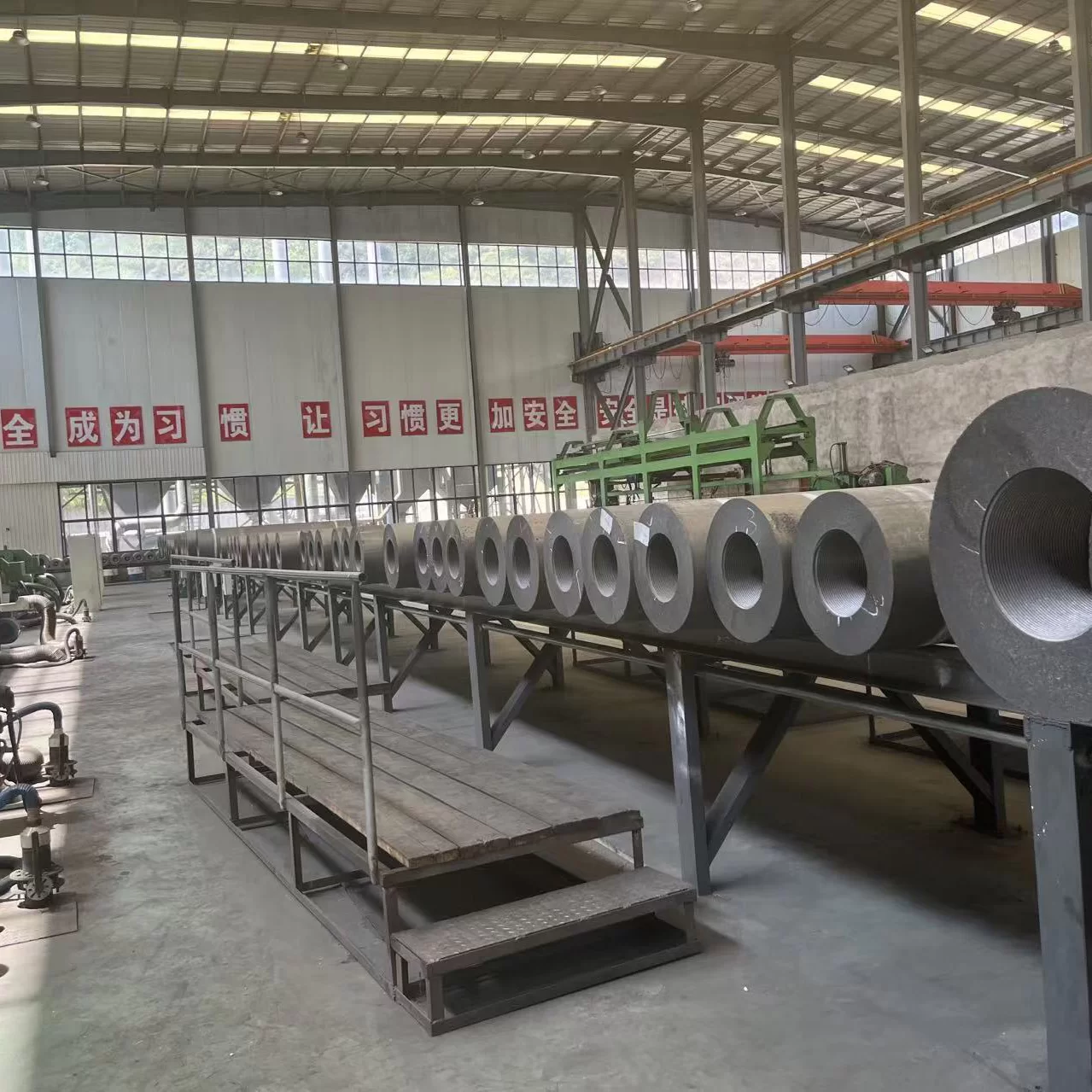
Artificial Graphite Powder—what buyers are really asking in 2025
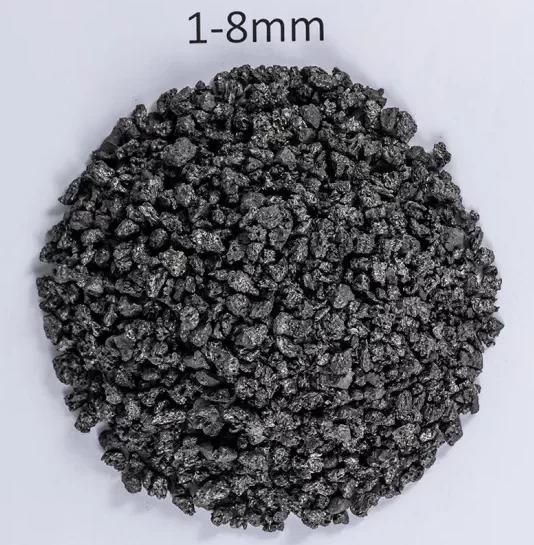
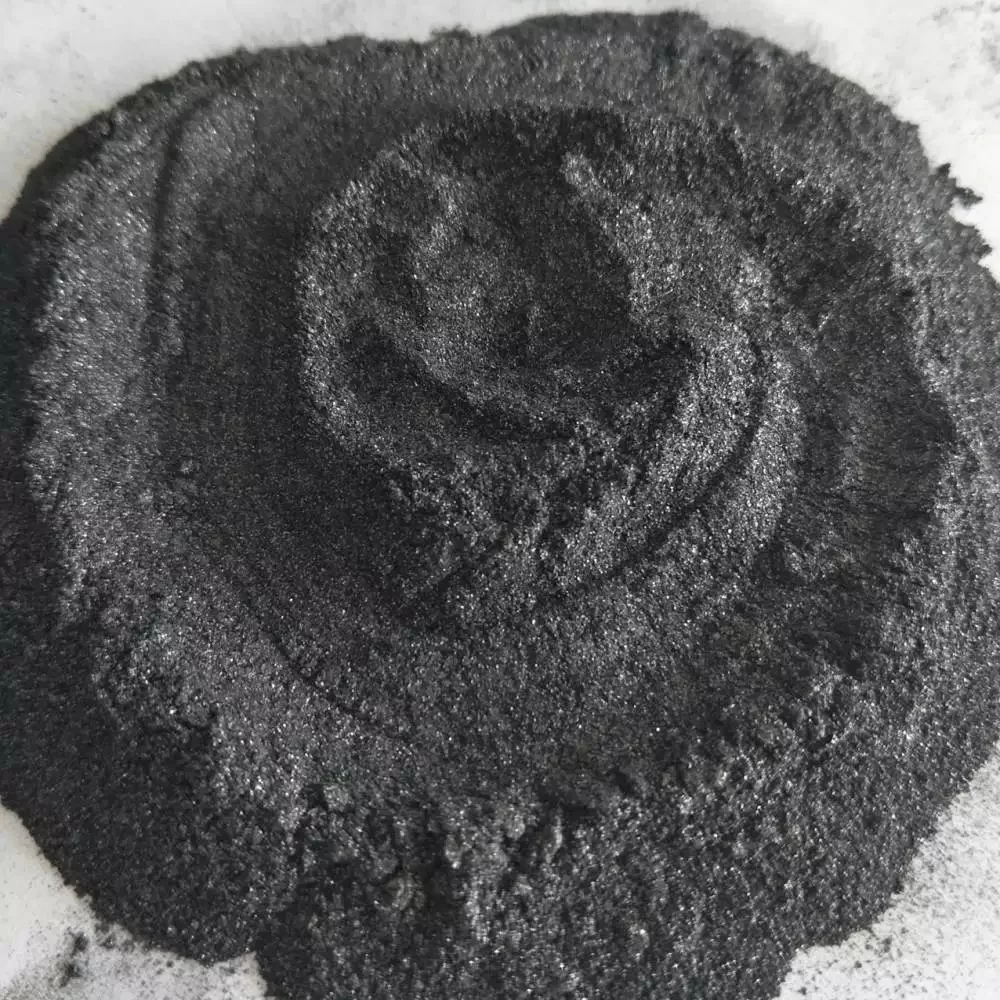
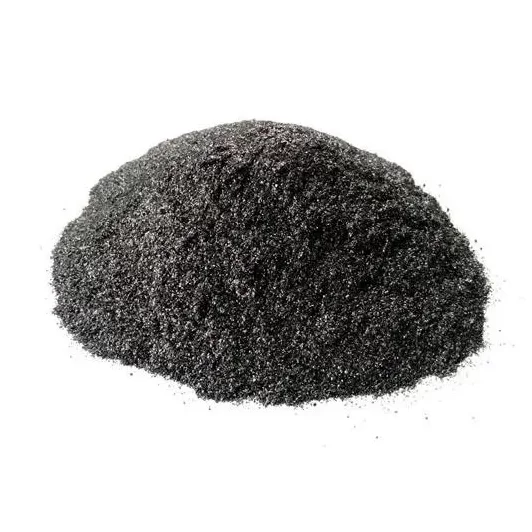
Origin: China. To be honest, the market has shifted fast. EV ramp-ups, energy storage, even powder metallurgy—all of them quietly depend on Artificial Graphite Powder. And yes, it’s still carbon at heart: soft, black-gray, a little greasy—many customers joke it “prints itself” onto gloves and paper.
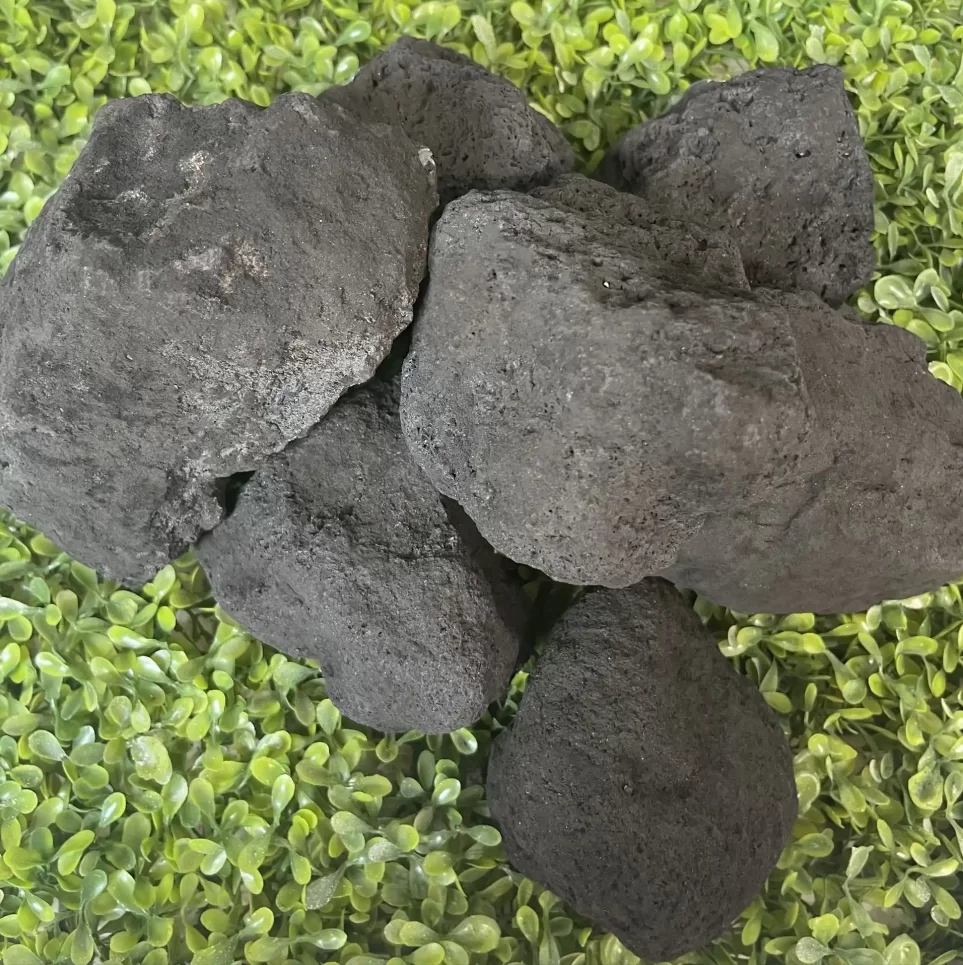
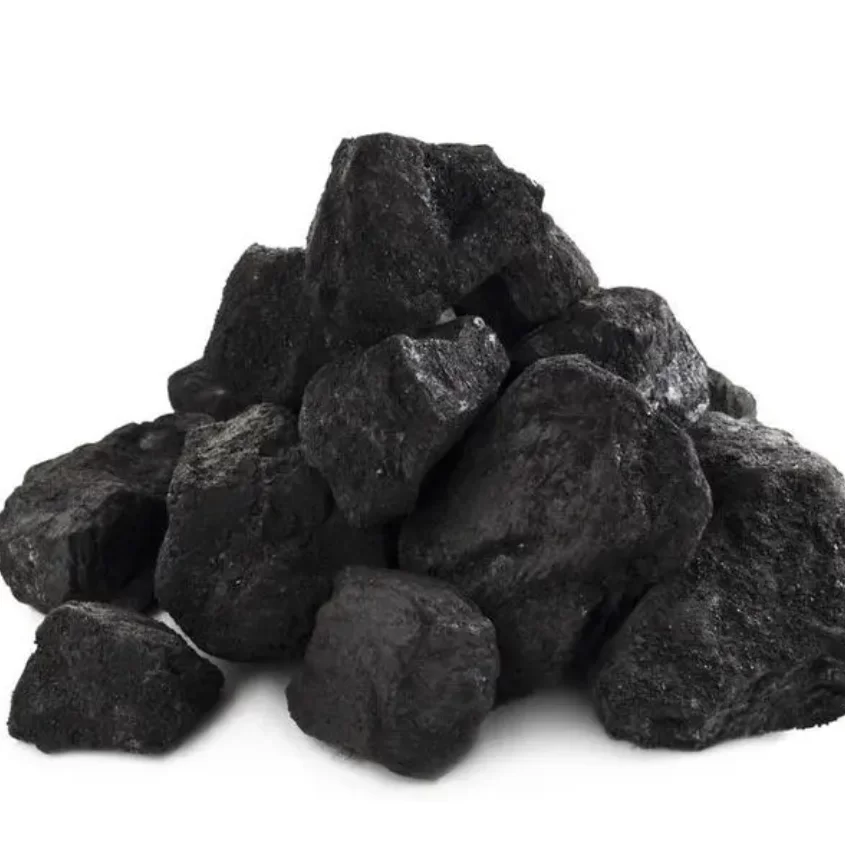
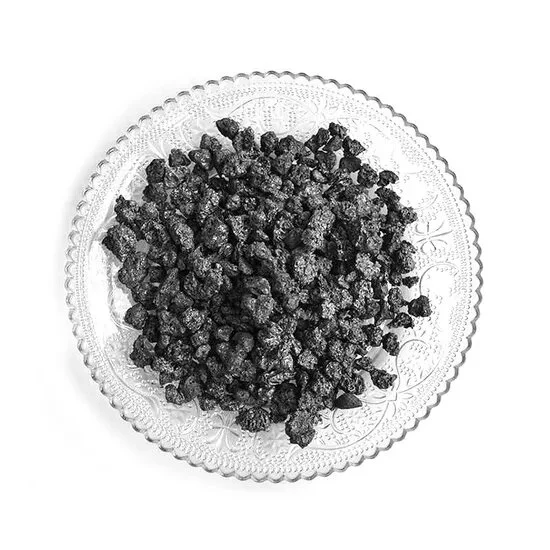
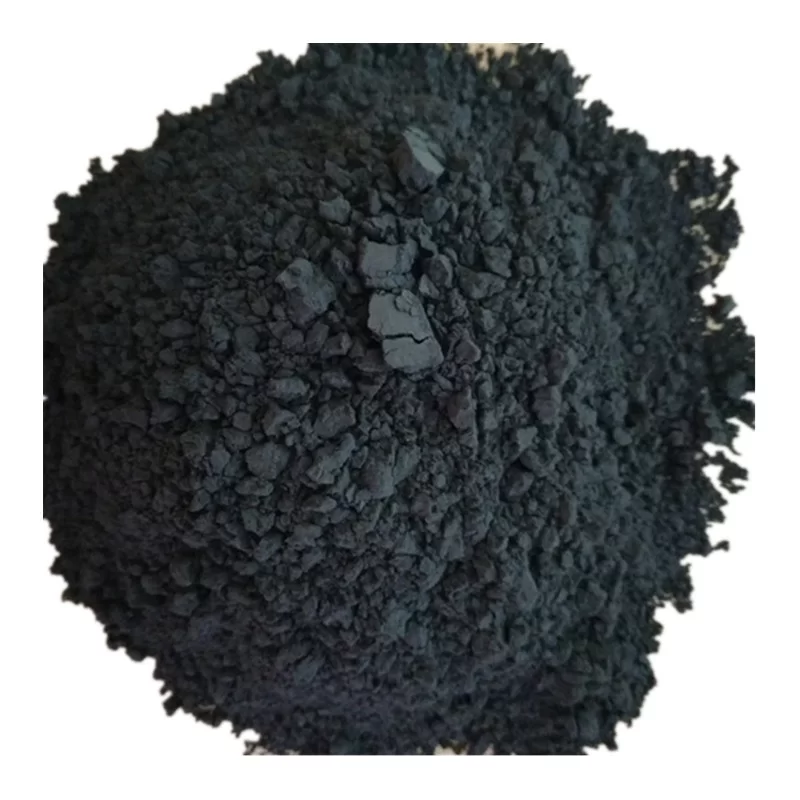
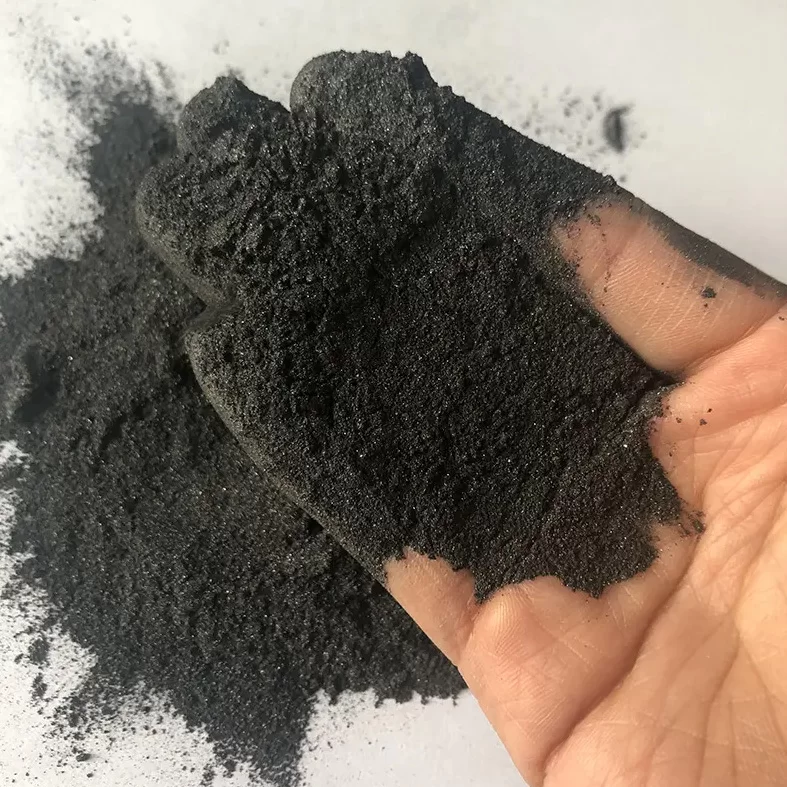
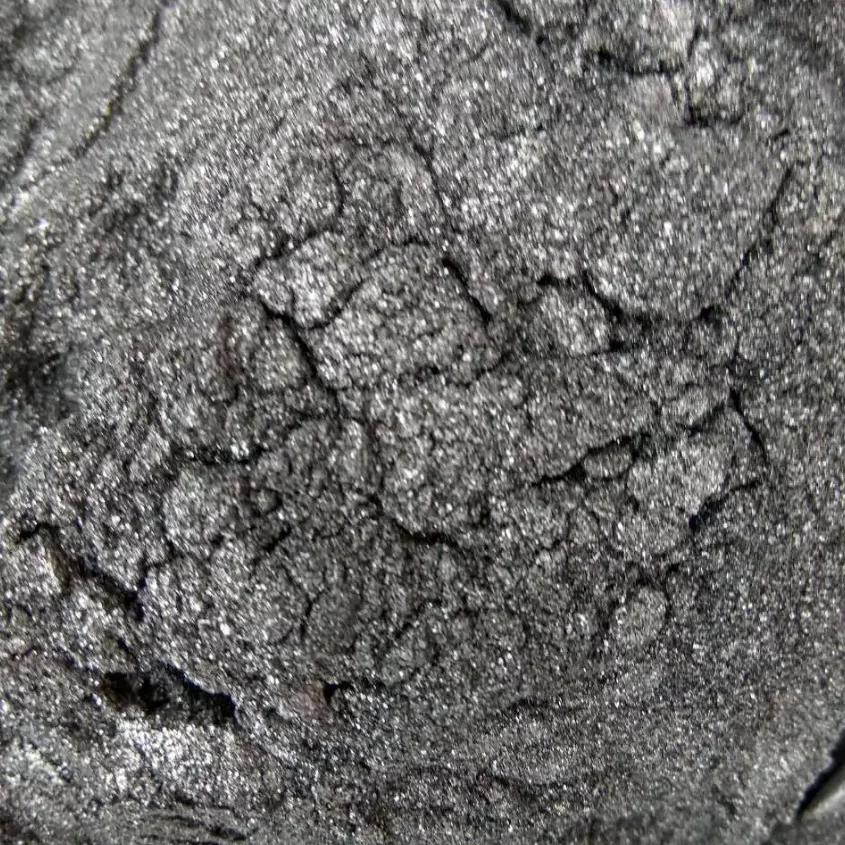
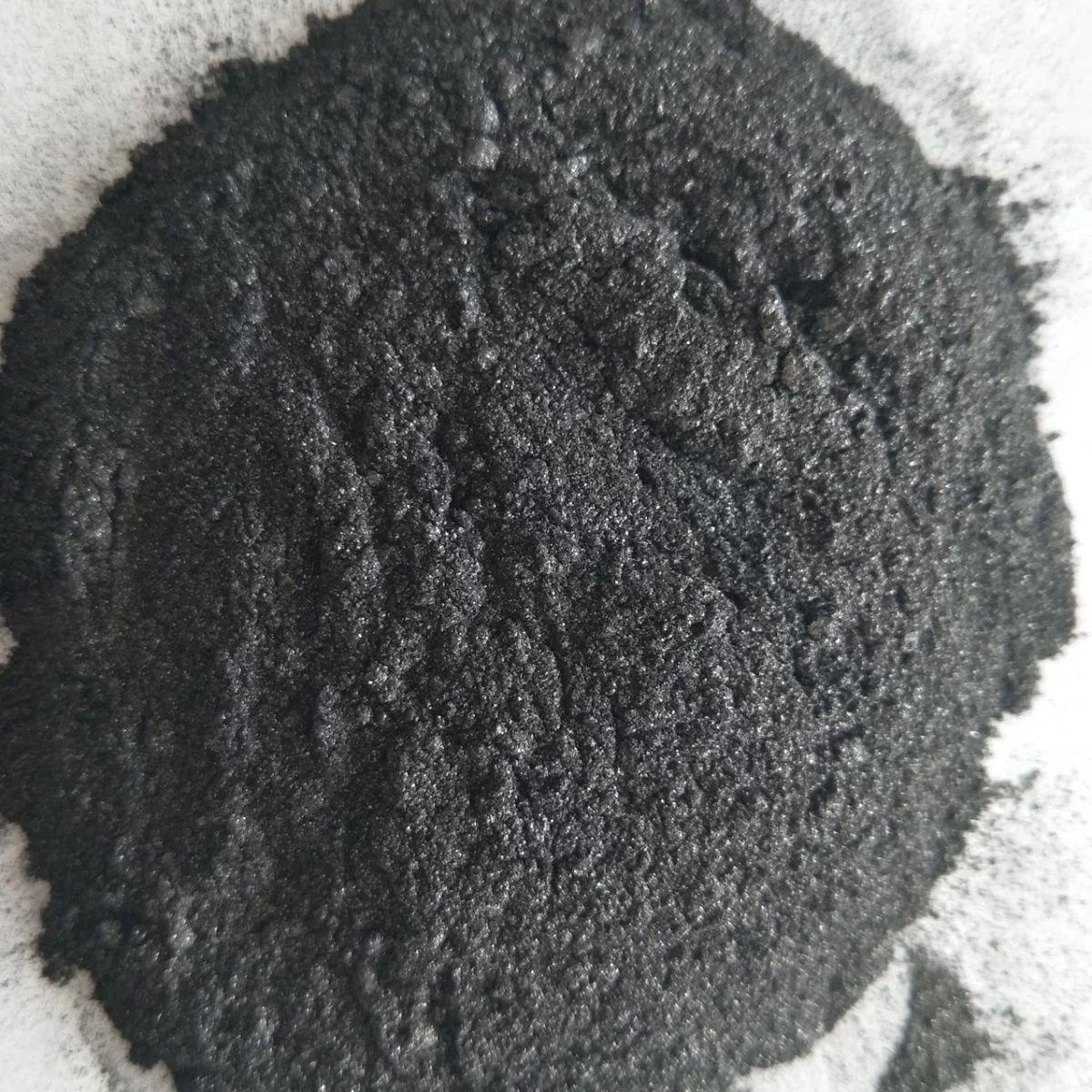
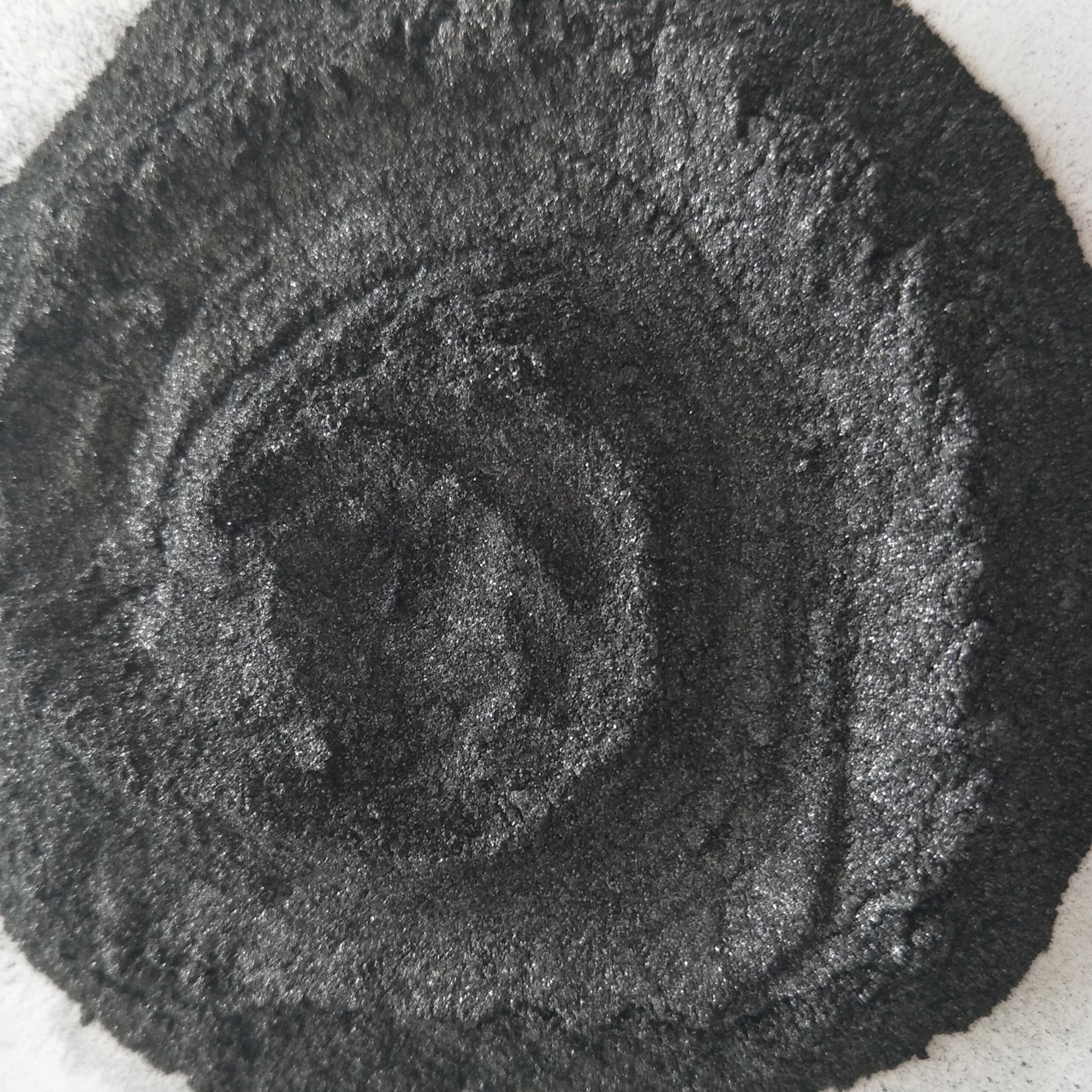
Graphite powder is a kind of mineral powder, mainly composed of simple carbon, soft, black gray; It is greasy and can contaminate the paper.
Industry pulse
Battery anodes dominate demand. It seems that customers now prefer higher tap density and tighter D50 control to squeeze out a few percent more energy density. Meanwhile, foundry and lubricant grades keep steady, though specs are less fussy. Surprisingly, ESG questions (RoHS/REACH, traceability) are now routine, even for non-battery buyers.
How it’s made (short version)
- Materials: petroleum/needle coke + pitch binder.
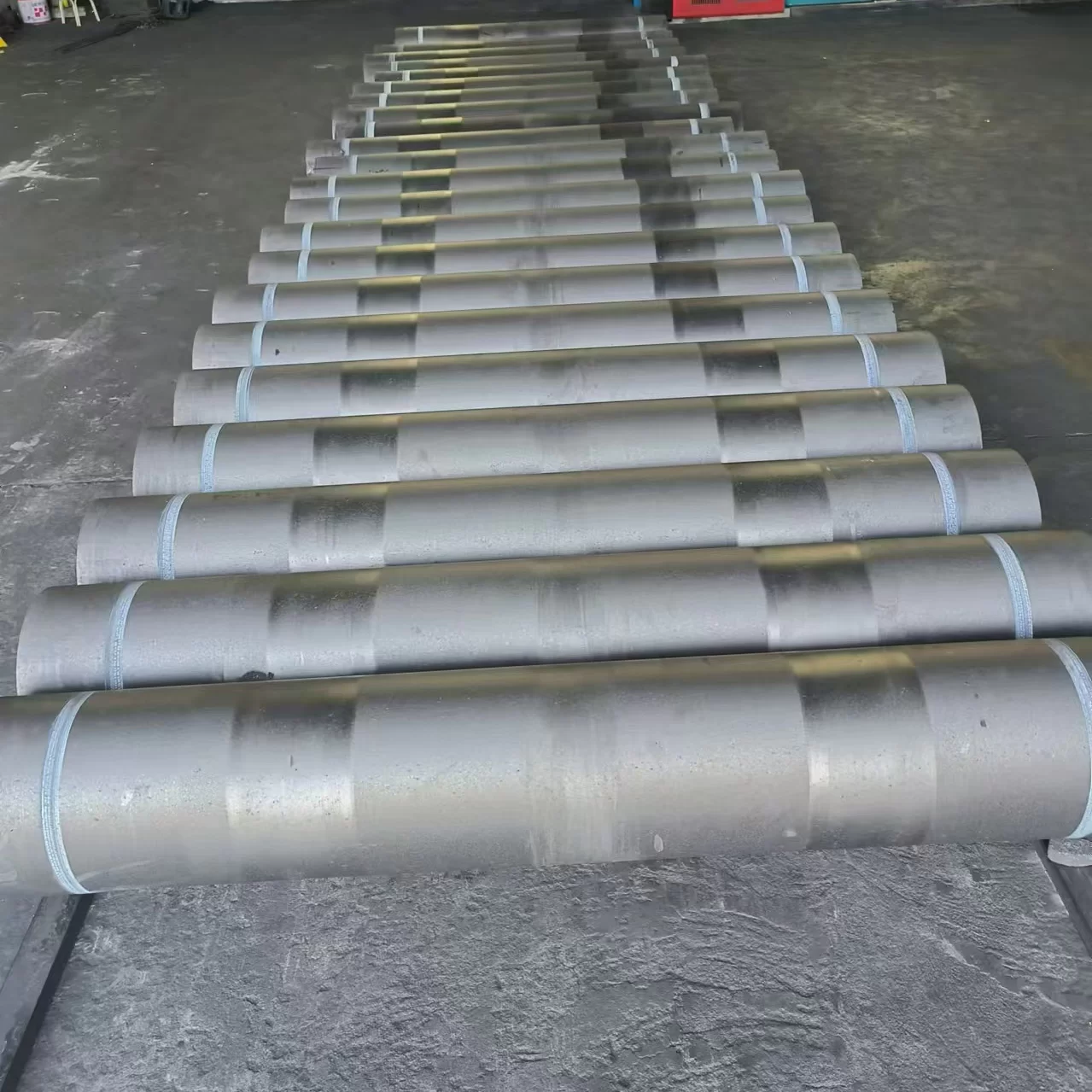
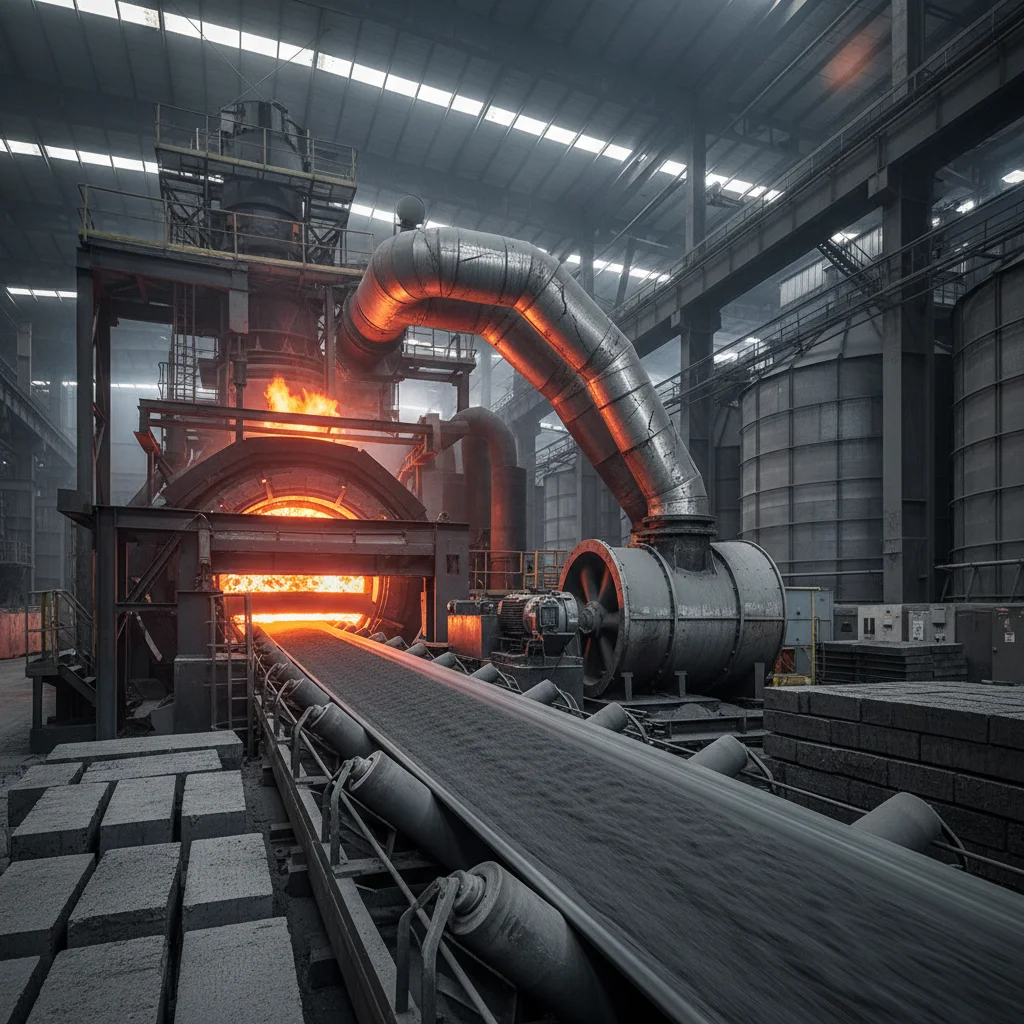
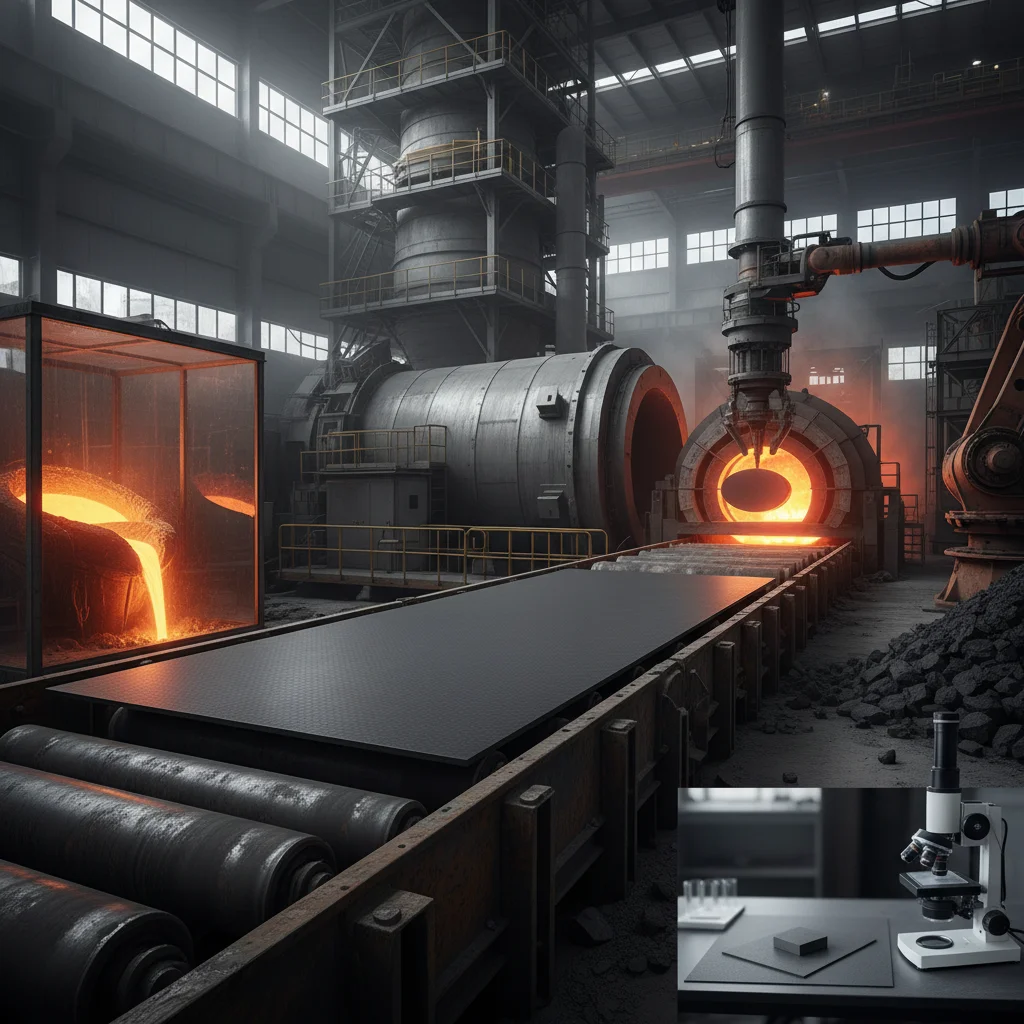
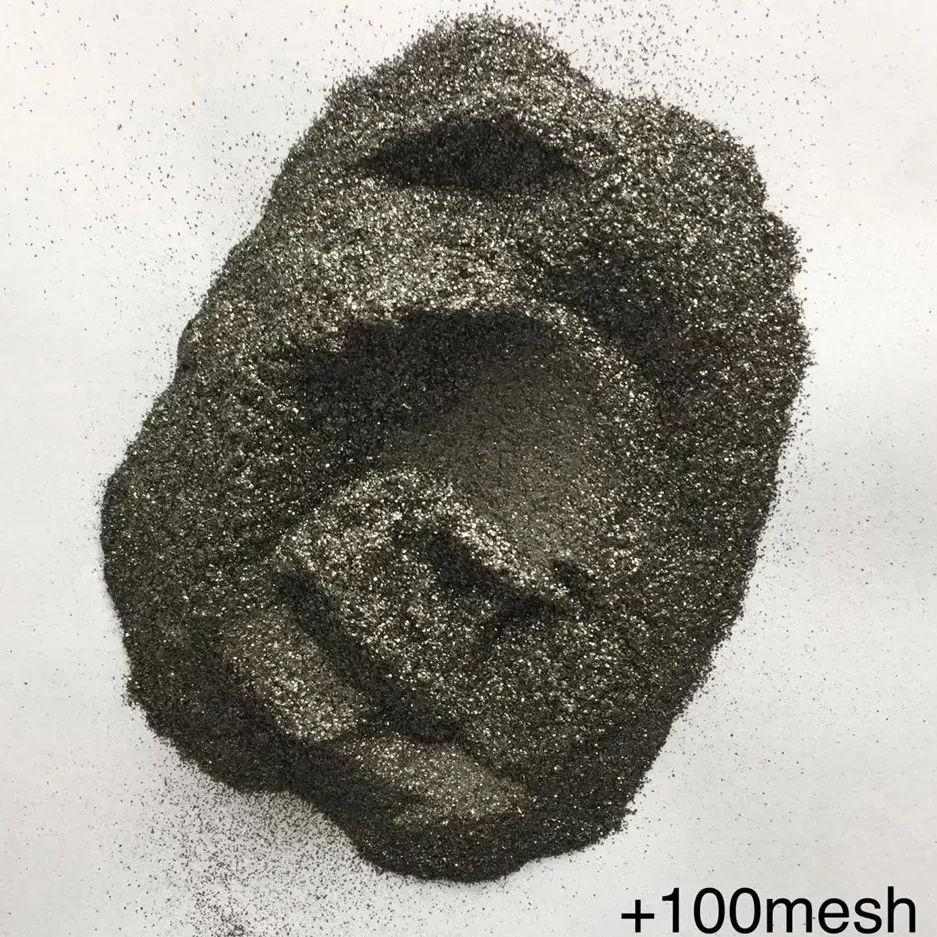
- Calcination → graphitization (≈2800–3000°C) → crushing/milling → spheroidization → classification → de-ashing/purification → surface coating (optional, e.g., carbon coating for anodes).
- Testing checkpoints: particle size (ISO 13320), BET (ISO 9277), tap density (ASTM B527), fixed carbon & S (ASTM E1019), moisture (ASTM D2216), electrical resistivity (ASTM C611).
- Service life notes: battery anode cycles ≈ 1,000–3,000 (cell-dependent); dry-film lubrication ≈ 8–24 h; EDM blends—tool wear reductions up to 10–20% in some shops (real-world use may vary).
Product specs (typical, customizable)
| Parameter | Typical Value |
|---|---|
| Fixed Carbon | ≥ 99.9% |
| Ash | ≤ 0.1% |
| Sulfur | ≤ 0.02% |
| D50 (µm) | ≈ 5–30 µm (tight bands on request) |
| Tap Density | ≈ 1.0–1.8 g/cm³ |
| BET Surface Area | ≈ 1–5 m²/g |
| Morphology | Spherical / flaky (grade-dependent) |
| Coating | Uncoated or carbon-coated |
Applications & advantages
- Li-ion/LFP anodes: higher first-cycle efficiency, stable SEI, fast-charge resilience.
- Conductive fillers (EMI gaskets, polymers): predictable resistivity; less batch drift.
- Foundry/recarburizer: clean burn, low S; consistent recovery.
- Dry lubricants/greases: good film strength; low friction coefficient.
Many customers say Artificial Graphite Powder is “boringly consistent”—which, in manufacturing, is perfect.
Vendor snapshot (comparative)
| Vendor | Origin | Fixed C | D50 Options | Lead Time | Certs |
|---|---|---|---|---|---|
| DAH CARBON | China | ≥99.9% | 5–30 µm | ≈ 2–4 weeks | ISO 9001, RoHS, REACH |
| Vendor A | EU | ≥99.5% | 7–20 µm | ≈ 4–6 weeks | ISO 9001/14001 |
| Vendor B | JP | ≥99.9% | 3–15 µm | ≈ 6–8 weeks | ISO 9001/45001 |
Figures are indicative; real-world availability may vary.
Customization, QC, and data
Custom D10/D50/D90, ash and S limits, and coated variants are common. Batch CoAs typically include ISO 13320 PSD curves, BET, tap density, C/S by combustion, and trace-metal ICP. One lab set we saw: D50 12.3 µm; tap density 1.45 g/cm³; BET 2.1 m²/g; fixed C 99.95%; S 0.008%.
Case notes
- EV anode pilot line (Shenzhen): +6% first-cycle efficiency vs. prior lot; smoother fast-charge at 2C.
- Foundry user (Ningbo): recarburizer yield up ~3–5%, thanks to low ash and low S.
- EMI gasket maker: tighter D90 improved dispersion, cut scrap by ~8%—their words, not mine.
Overall, Artificial Graphite Powder remains the “quiet hero” behind a lot of products you never think about.
Certifications and standards we see referenced
ISO 9001; RoHS/REACH declarations; testing per ASTM E1019, ISO 13320, ISO 9277, ASTM B527, ASTM C611. Battery customers occasionally request IEC 62660 cell tests (downstream).