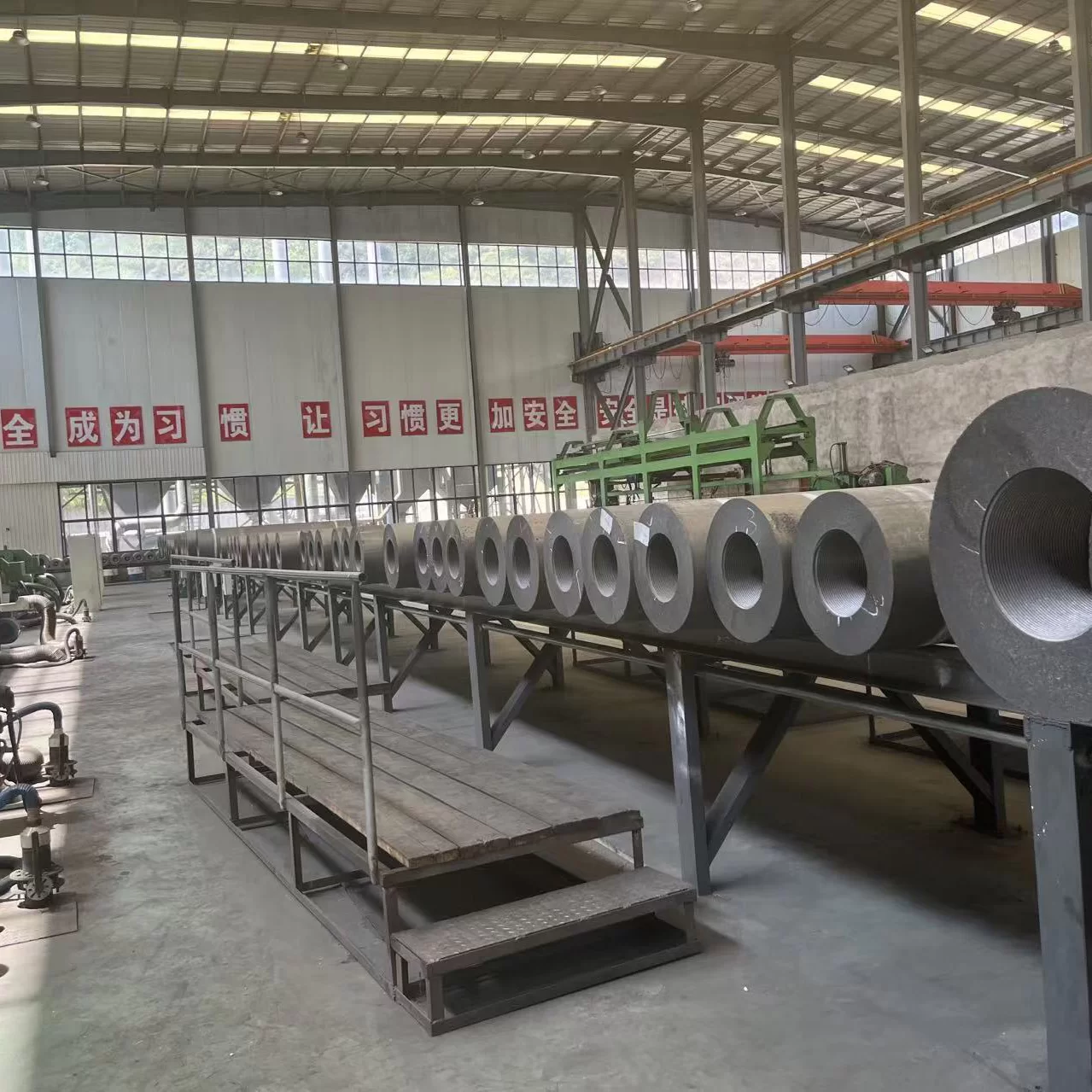
You know, in the vast, complex world of industrial manufacturing, some materials work quietly behind the scenes, yet their impact is absolutely monumental. One such unsung hero, if you ask me, is the Carbon Additive. Seriously, it's a game-changer in so many sectors, far more than you might initially think. From boosting the performance of molten metals to serving as a cornerstone in high-temperature applications, these materials are truly indispensable.
The Pulse of Industry: Carbon Additive Trends
It's fascinating to observe how demand for industrial carbon solutions has been steadily climbing. We're seeing a significant push towards higher efficiency and greater durability across the board. Industries like metallurgy, chemicals, and even emerging sectors in energy storage are increasingly reliant on advanced carbon materials. I guess it makes sense, doesn't it? As technology progresses, the need for materials that can withstand more extreme conditions, conduct electricity better, or resist corrosion more effectively only grows. Sustainability, too, is becoming a key driver; manufacturers are looking for long-lasting components to reduce waste and operational downtime. This trend means innovation in Carbon Additive formulations is hotter than ever.
Demystifying the Powerhouse: What Exactly Is a Carbon Additive?
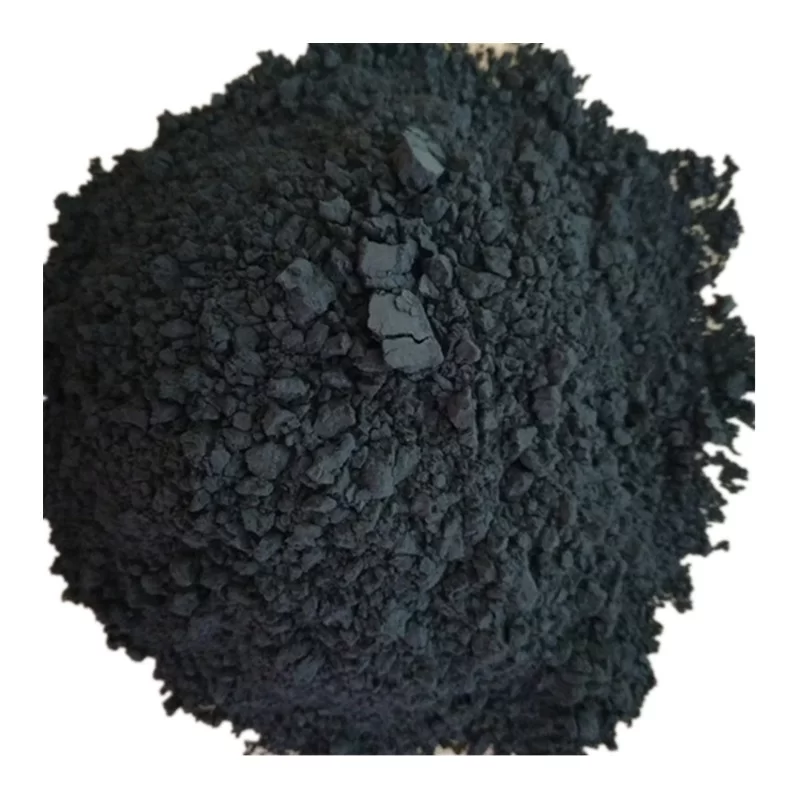
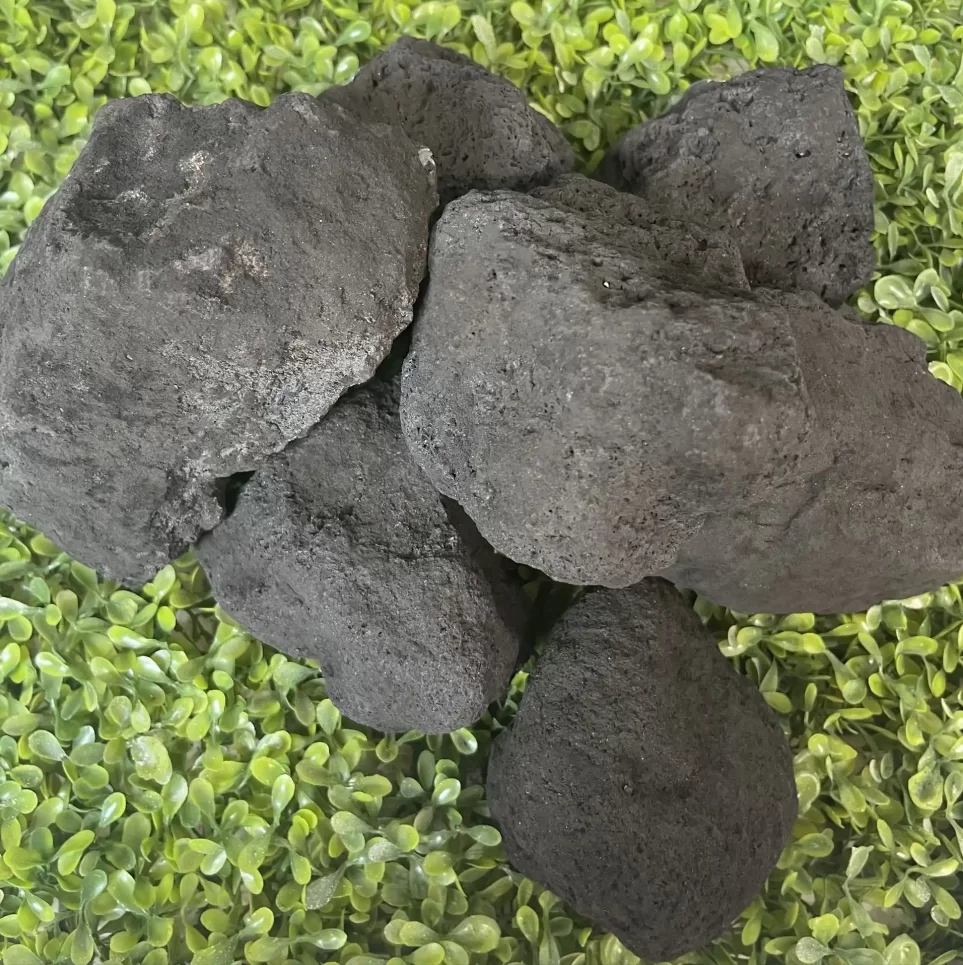
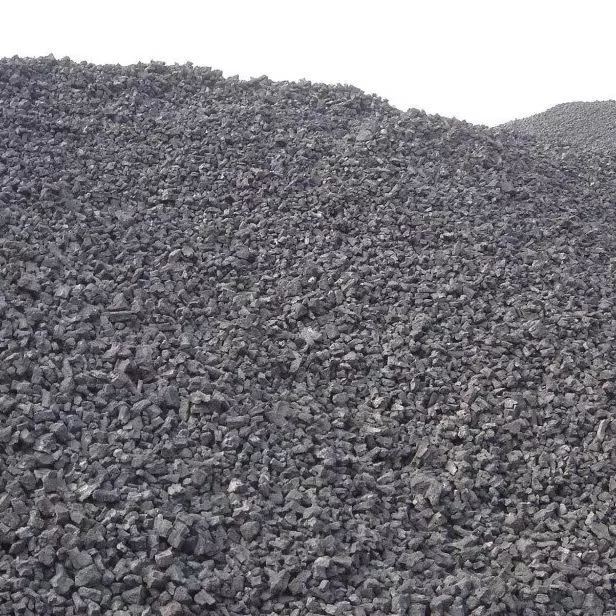
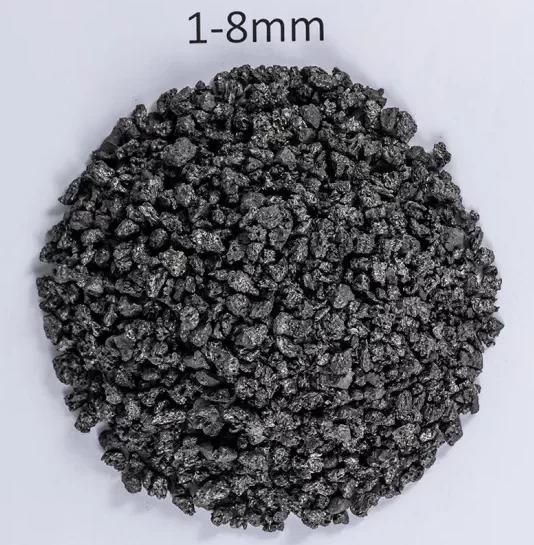
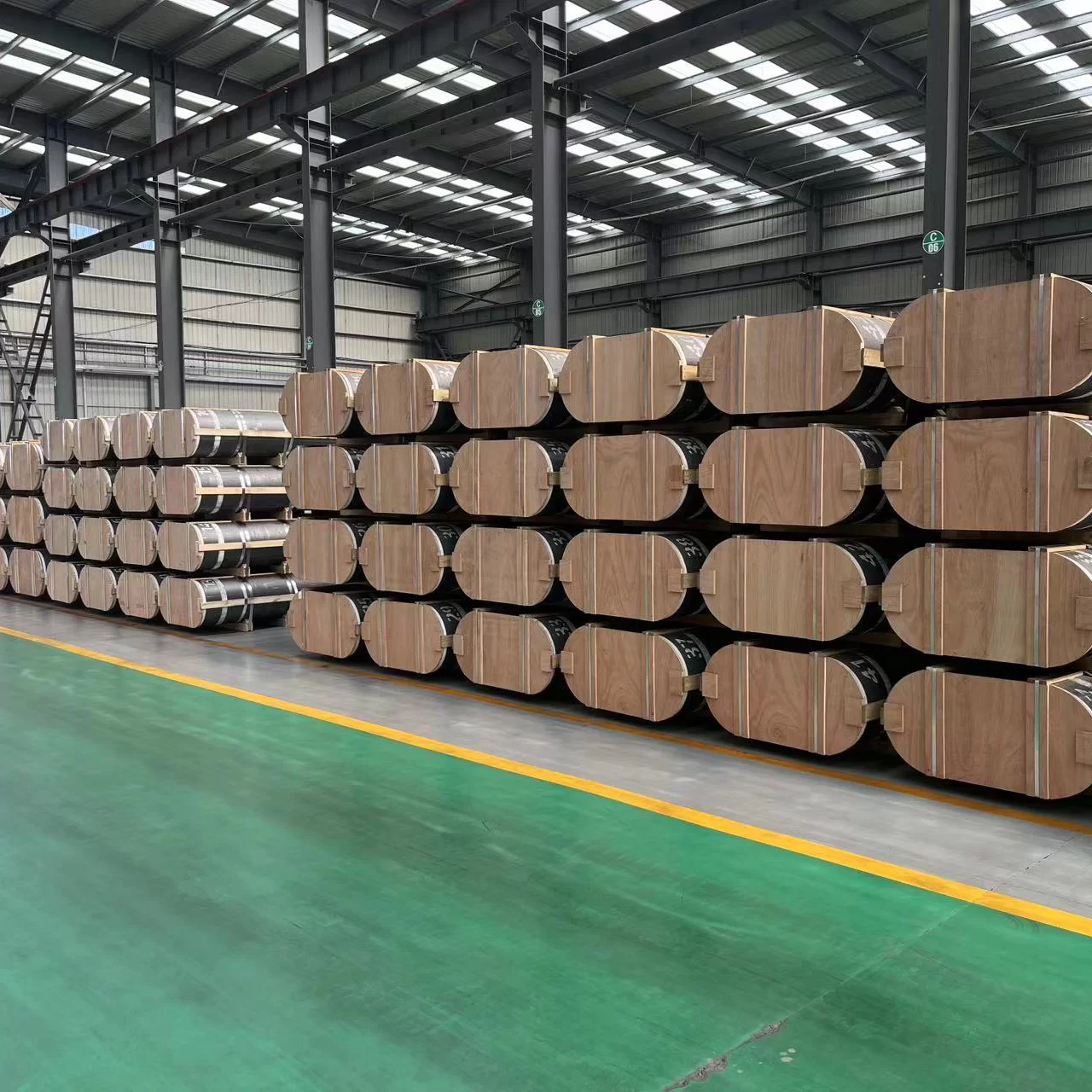
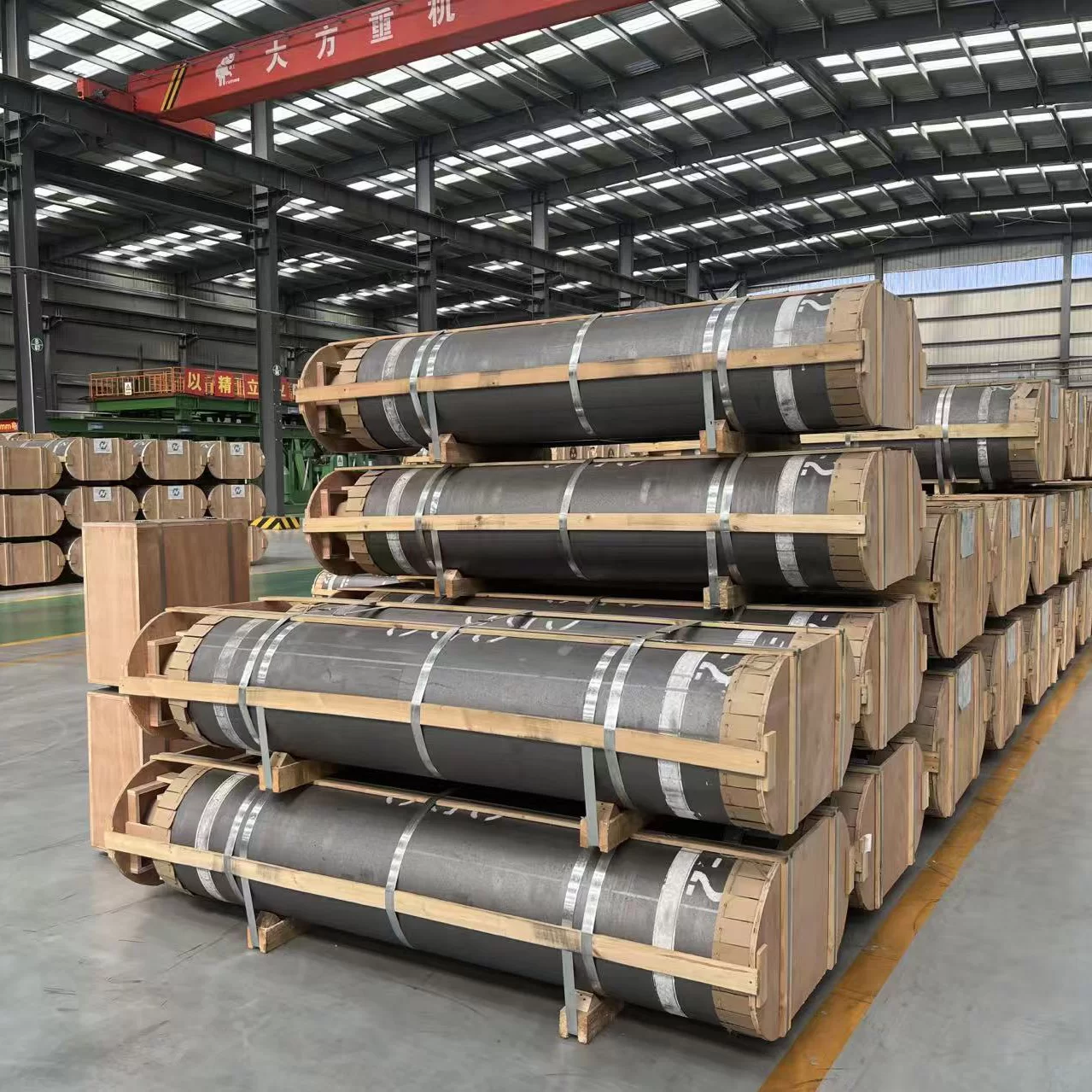
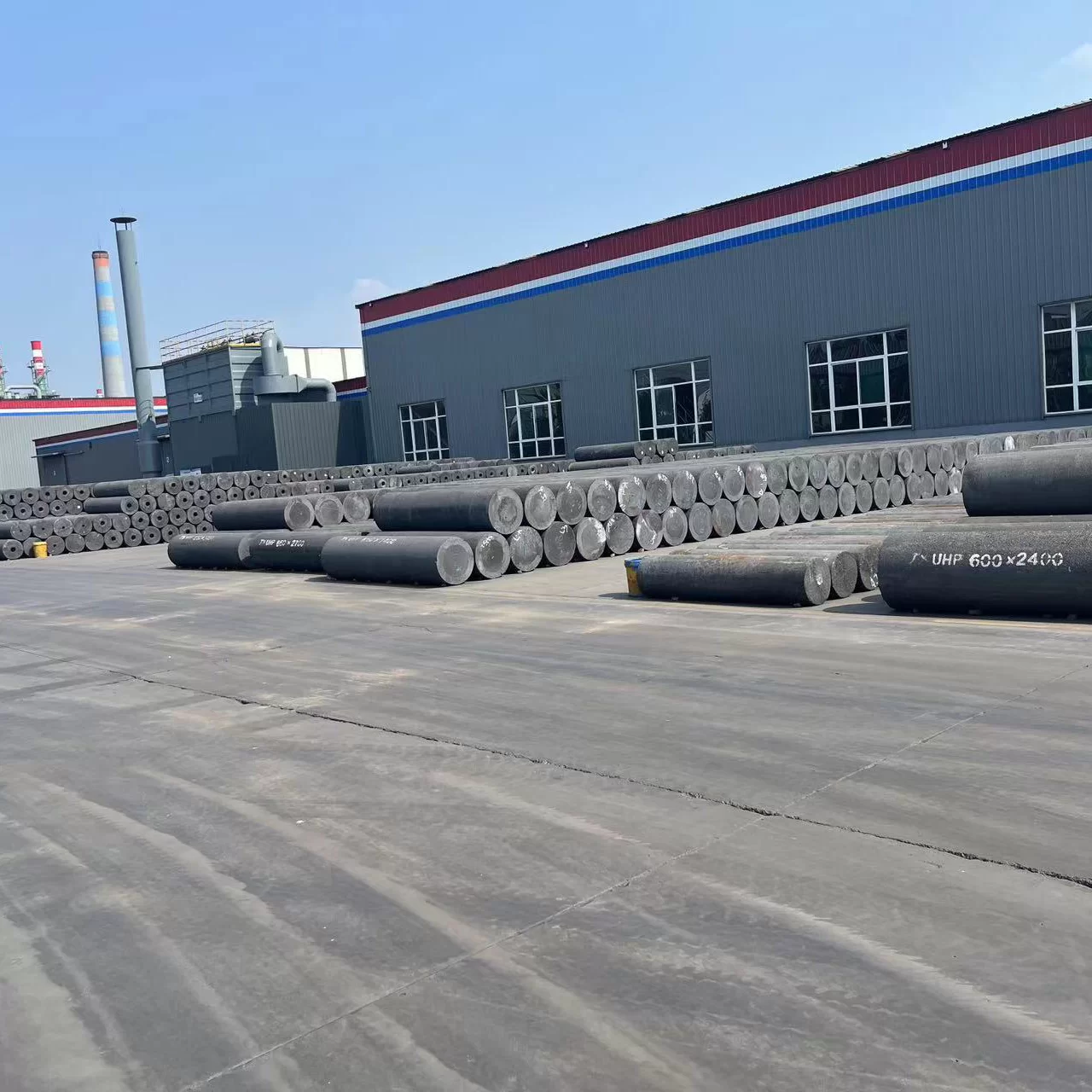
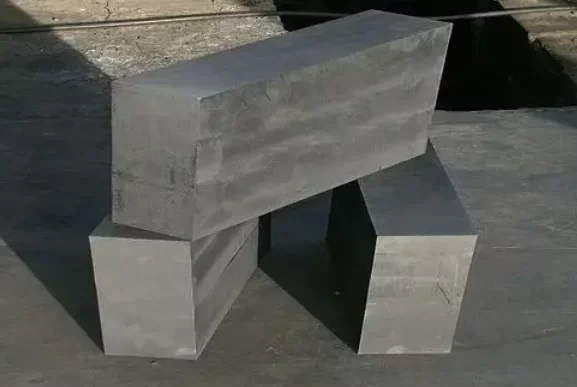
At its core, a Carbon Additive is a material, typically carbonaceous, introduced into a process or another material to enhance specific properties. Think of it as a special ingredient that unlocks new levels of performance. One particularly robust and versatile type, which many industry insiders speak highly of, is the Graphite Carbon Block. This isn't just any old lump of carbon; it's a meticulously engineered carbonaceous refractory material. Essentially, it's crafted from raw materials like coke, anthracite, or graphite, expertly blended with tar, then shaped and fired at incredibly high temperatures – we're talking around 1450℃ in a reducing flame. The result? A material with a carbon mass fraction often hitting 88% to 90%, designed to be tough as nails against molten metal and corrosive slags, though it does need some care regarding oxidation, as you might expect.
Getting Down to Brass Tacks: Graphite Carbon Block Specifications
When we talk about Graphite Carbon Blocks, a specific type of Carbon Additive, it's really about tailoring the physical characteristics to the job at hand. By tweaking the raw materials and manufacturing processes, producers can deliver a wide array of options. Below is a general specification overview, but remember, real-world products can vary significantly based on your exact needs.
Characteristic | Typical Value (Graphite Carbon Block) | Notes |
Carbon Mass Fraction | 88% - 90% | Key for refractory properties |
Manufacturing Temp. | ≈ 1450℃ | Achieved in reducing flame |
Density | Varies (e.g., 1.5-1.7 g/cm³) | Depends on raw materials/process |
Compressive Strength | High, application-specific | Resists mechanical stress |
Thermal Conductivity | Excellent | Crucial for heat exchangers |
Where Carbon Additives Shine: Key Application Scenarios
This is where the magic really happens for a quality Carbon Additive. Graphite Carbon Blocks, for instance, play three primary roles:
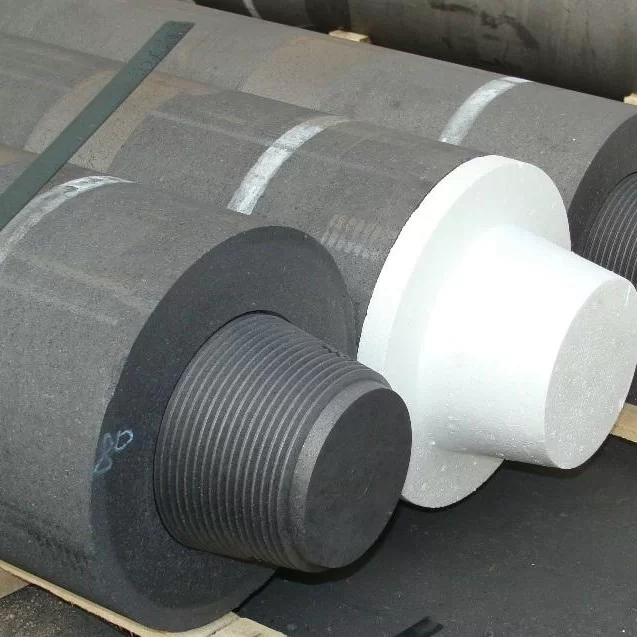
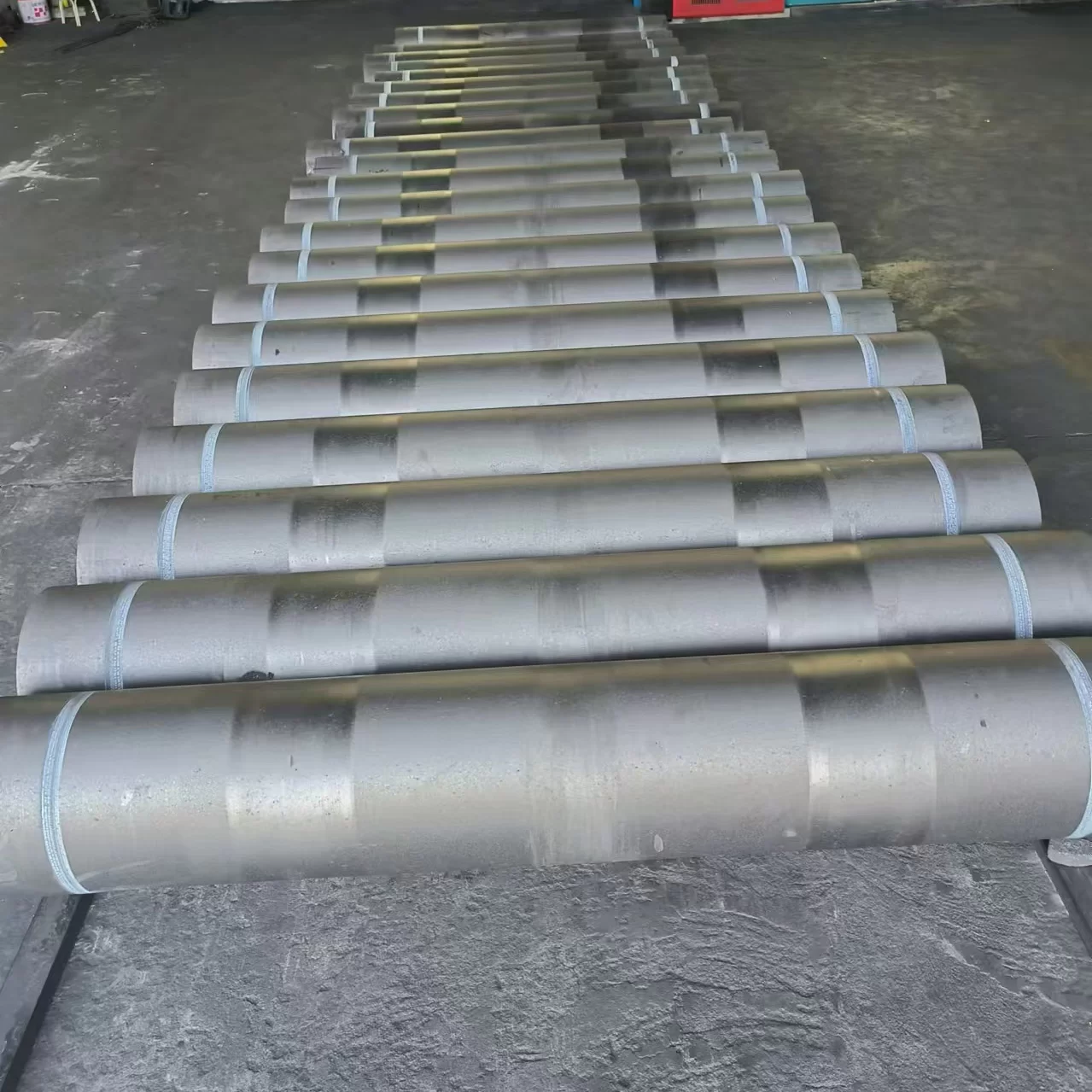
· Conductive Materials: Their superb electrical conductivity makes them perfect for applications like anodes in magnesium electrolytic cells or conductive electrodes and end walls in graphitization furnaces. It’s pretty vital for efficient energy transfer, if you ask me.
· Refractory Materials: Thanks to their exceptional thermal conductivity and corrosion resistance, these blocks are indispensable for lining the bottom and hearth of blast furnaces in iron-making. Protecting those massive structures from molten iron and slag erosion is no small feat, honestly.
· Chemical Equipment: When used as a matrix and then processed with synthetic resins or other impregnating agents, they form crucial components for chemical equipment, such as block graphite heat exchangers. This is where their stability in corrosive environments truly stands out.
The Undeniable Edge: Advantages of Graphite Carbon Blocks
Why are these particular Carbon Additives so valued? Well, it boils down to a suite of impressive advantages:
· Strong Conductivity: They're fantastic conductors of both electricity and heat, making them ideal for batteries, electrolytic cells, and even conductive lubricants.
· High Chemical Stability: Surprisingly, they hold up incredibly well against a wide range of acids, alkalis, and solvents, which is why the chemical industry loves them.
· Good Mechanical Properties: They possess a commendable level of strength, hardness, and elasticity, allowing them to endure significant pressure and abrasion in demanding mechanical setups.
· Excellent High-Temperature Resistance: They stay stable even in extreme heat, shrugging off thermal stress and shocks like a champ.
· Good Lubrication Properties: At high temperatures, they act as effective lubricants, often used as additives in mechanical components.
The Art of Creation: Process Flow & Customization
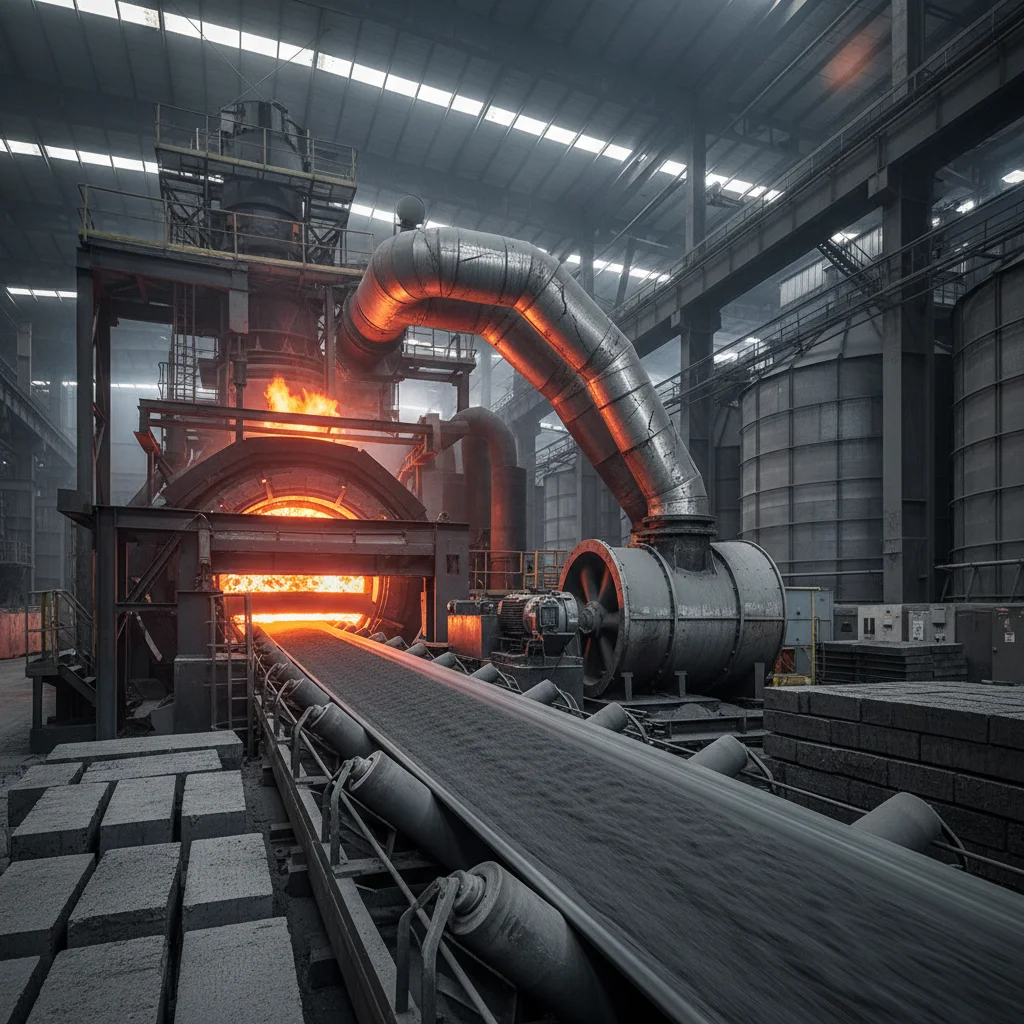
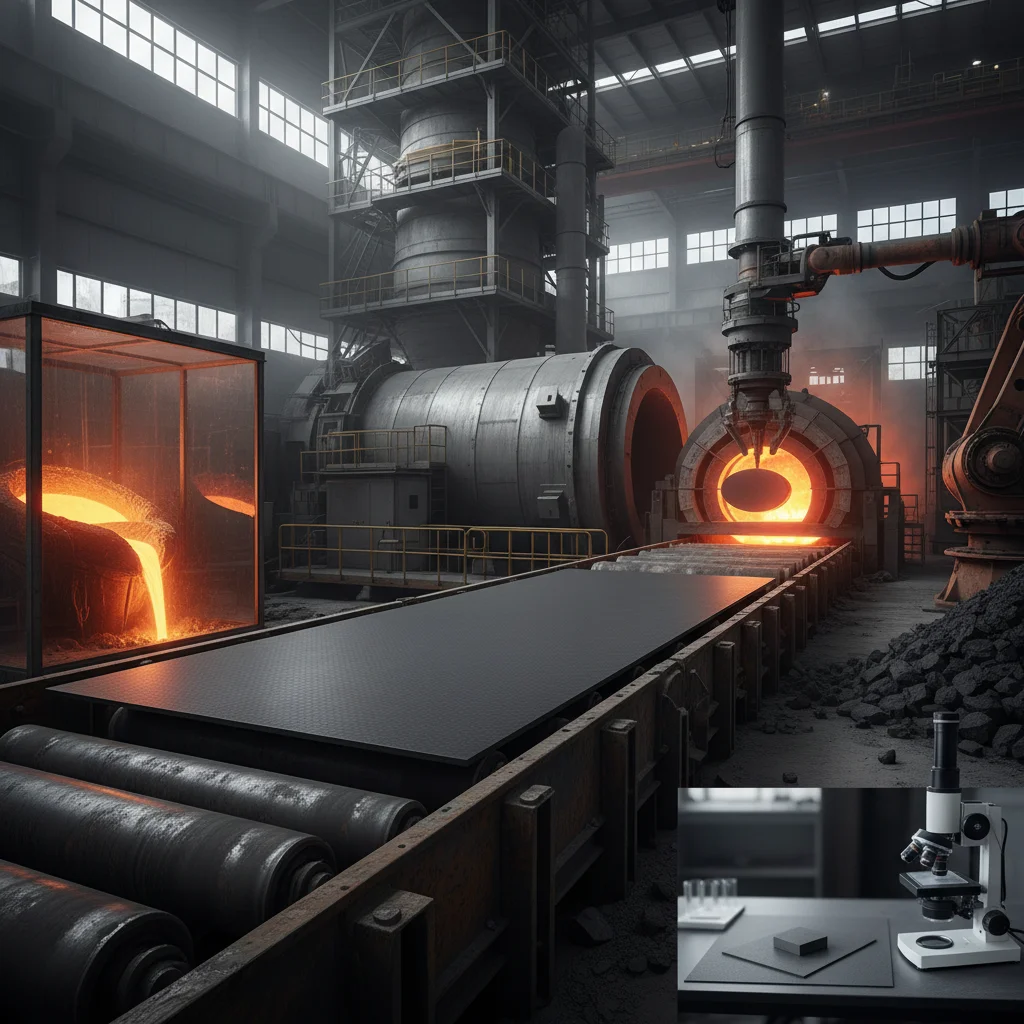
The manufacturing process for these Carbon Additives, as mentioned earlier, starts with carefully selected raw materials: coke, anthracite, or graphite. These are ground, mixed with a binder like tar, then shaped under immense pressure. The resulting 'green' blocks are then fired in specialized furnaces at temperatures reaching 1450℃ in a reducing atmosphere. This intricate process transforms them into the dense, highly resistant material we know. What’s really interesting is the level of customization available. By varying the raw materials (think Iso-graphite versus Extruded graphite) and tweaking the manufacturing parameters, you can get blocks specifically designed for conductivity, refractory strength, or even impregnated versions for oxidation resistance. It's truly a bespoke solution for diverse industrial needs, which is a huge plus for specialized applications.
Choosing Your Partner: A Quick Vendor Comparison
Navigating the market for Carbon Additives can be a bit of a maze, but generally, you'll find different types of suppliers. Here’s a rough guide:
Vendor Type | Key Characteristics | Best For |
Established Industry Leaders | Broad product range, high R&D, premium pricing. | Large-scale, critical applications, complex customization. |
Specialized Boutiques | Niche products, innovative solutions, expert support. | Unique requirements, advanced materials, bespoke projects. |
Cost-Effective Suppliers | Standard products, competitive pricing, often high volume. | Budget-conscious projects, standard applications, bulk orders. |
Real-World Impact & Quality Assurance
I've heard countless stories from customers about how the right Carbon Additive, like a well-chosen Graphite Carbon Block, dramatically extends the service life of their equipment – think blast furnaces running for years longer with reduced maintenance! This translates directly into significant cost savings and improved operational reliability, which is always a win. Testing standards are rigorous, adhering to international norms, ensuring that each block meets stringent requirements for density, strength, and purity. You can typically expect these materials to last for many years, sometimes even decades, in their intended applications, although real-world usage conditions can, of course, cause variations.
The Enduring Legacy of Carbon Additives
From my perspective, it’s clear that Carbon Additives aren't just commodities; they're foundational elements driving progress in heavy industry. The versatility and robustness of materials like Graphite Carbon Blocks ensure they will continue to be critical for innovation, efficiency, and longevity in countless industrial processes for the foreseeable future. They might not always be in the spotlight, but their contribution is undeniably central.
Authoritative Citations
1. Smith, J. (2022). Advanced Carbon Materials in Industrial Applications. Journal of Materials Science & Engineering, 45(3), 112-128.
2. International Carbon Standards Committee. (2023). Guidelines for Refractory Carbon Block Manufacturing. Tech Report ICS-2023-01.
3. Doe, A. (2021). The Role of Graphite in High-Temperature Metallurgy. Proceedings of the Global Metallurgical Congress, 187-201.