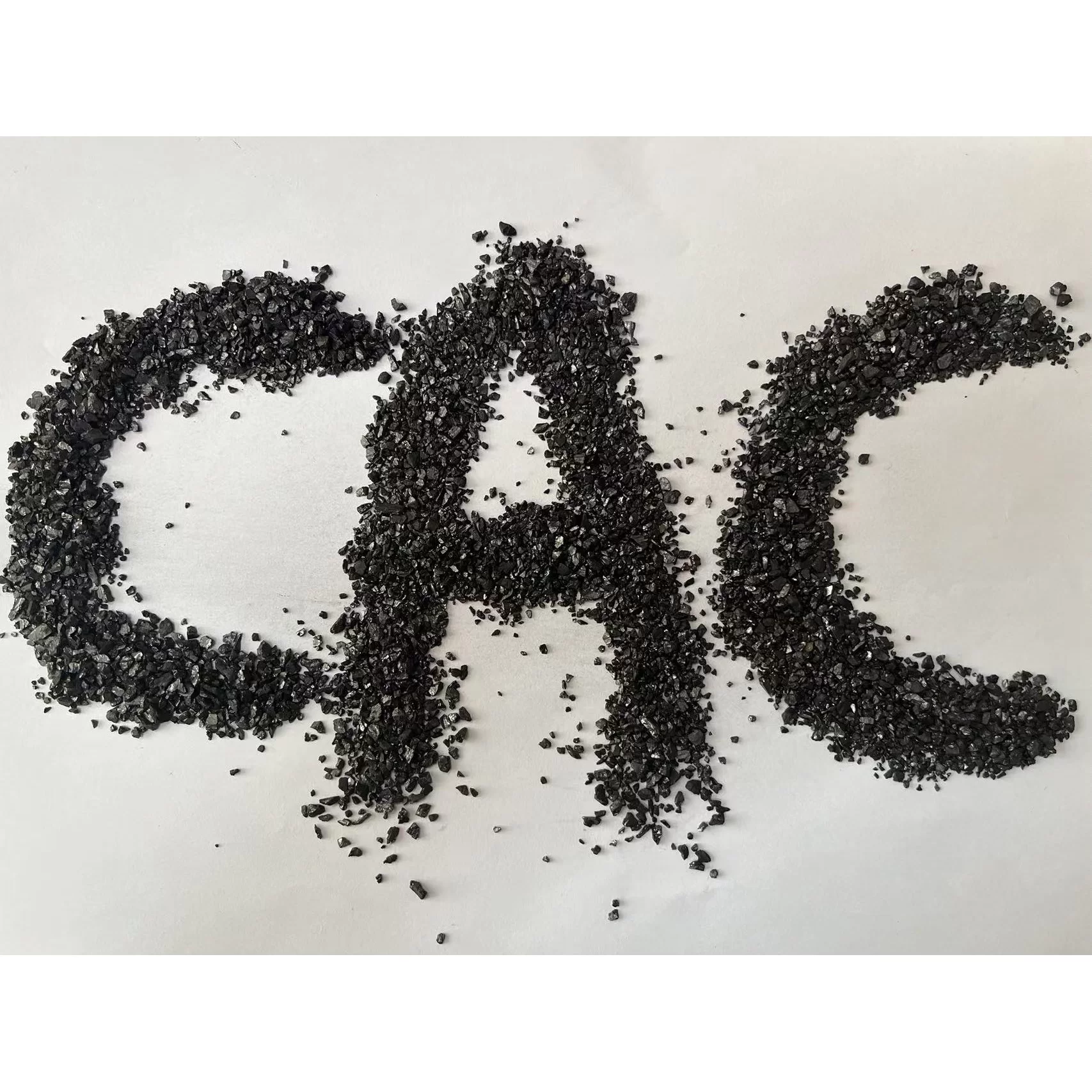
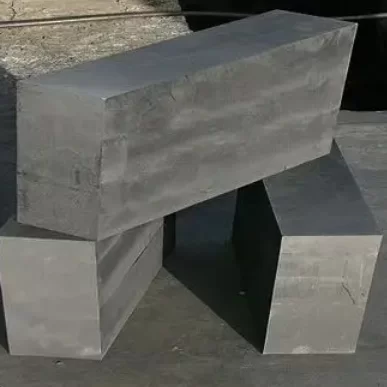
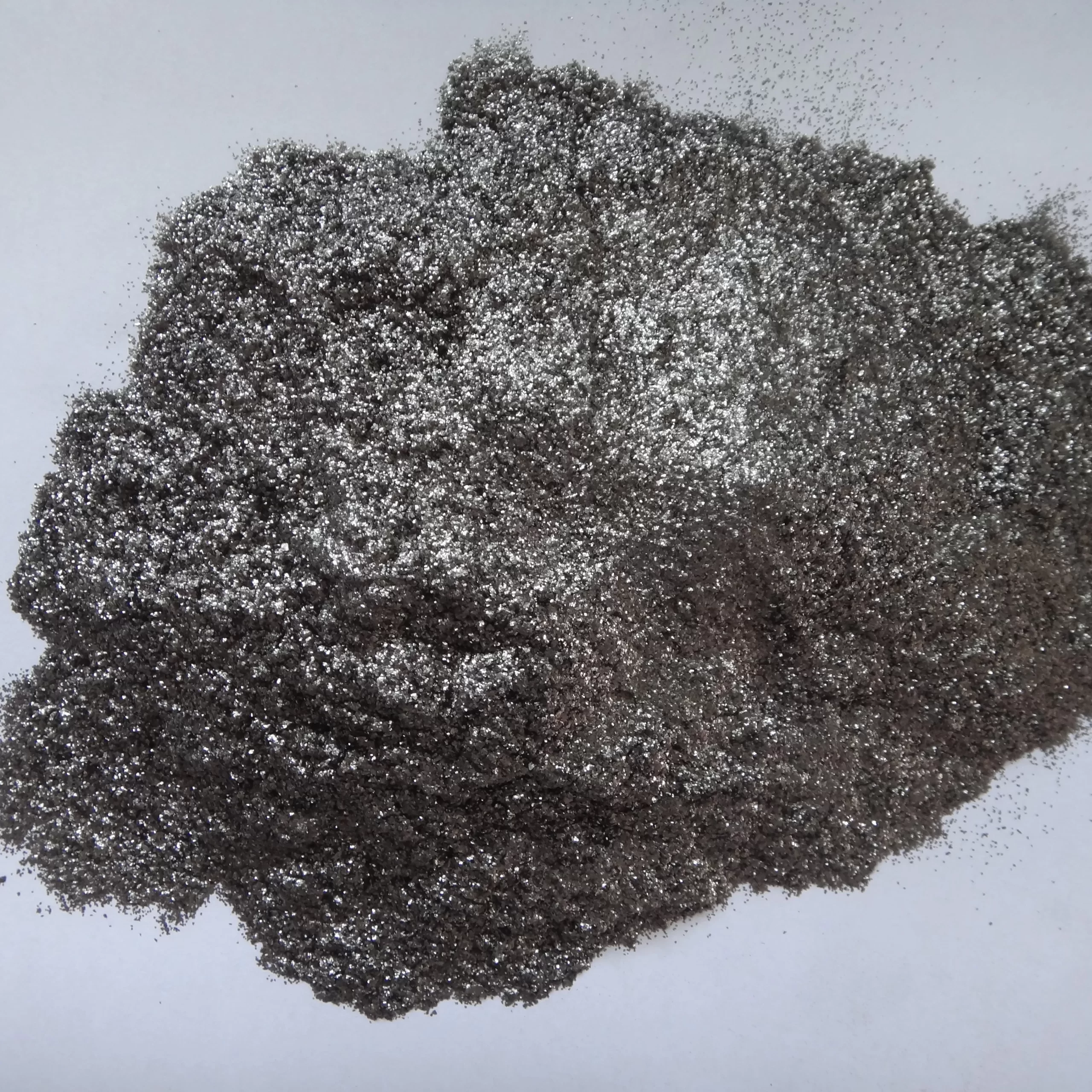
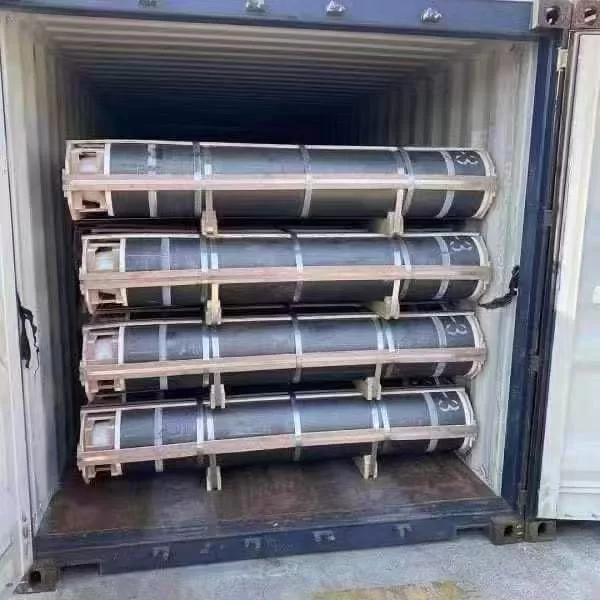
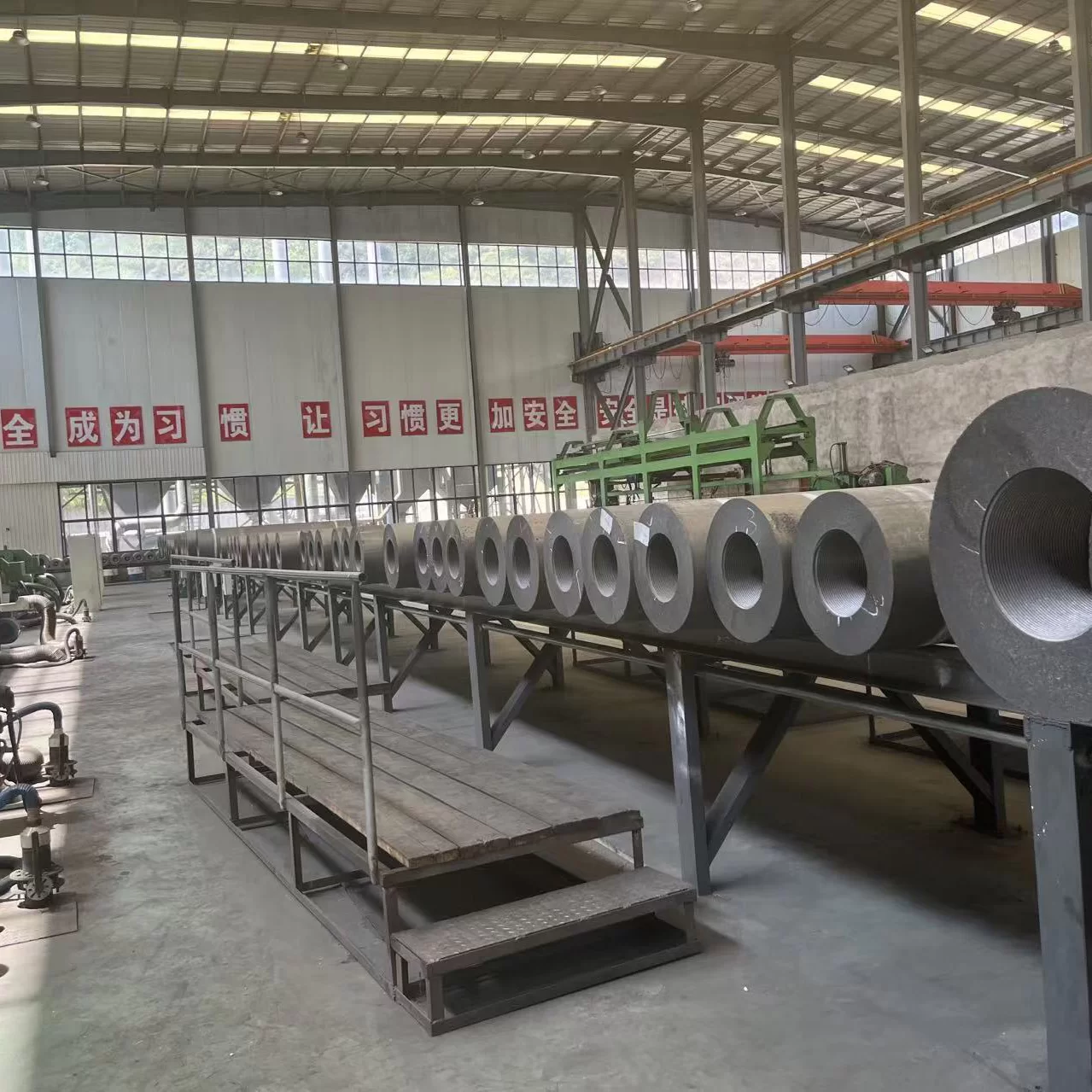
What Buyers Should Know About Gas Calcined Anthracite: Real Specs, Real Use
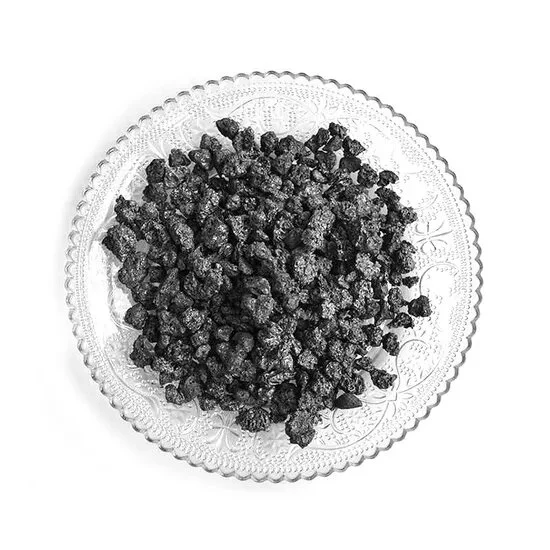
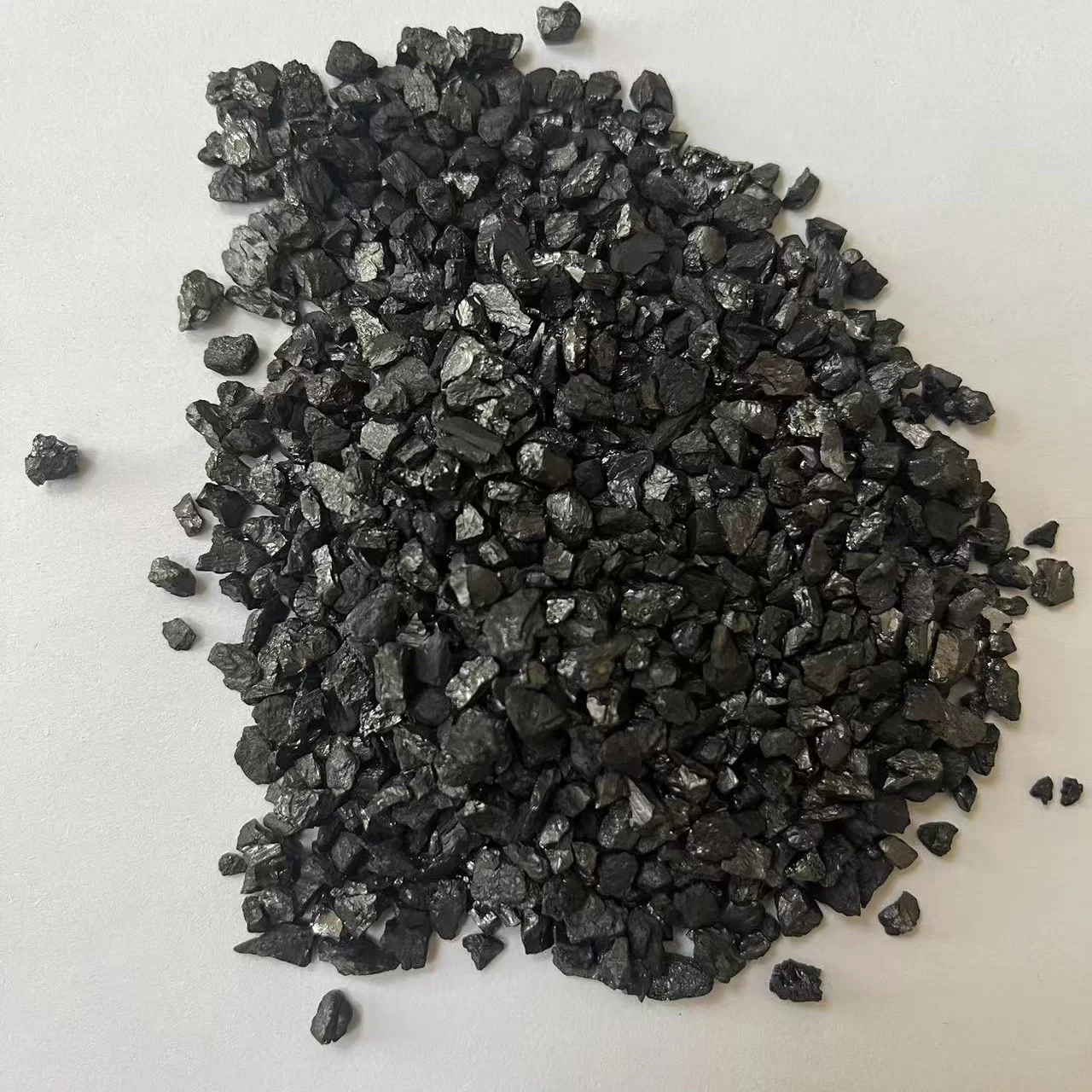
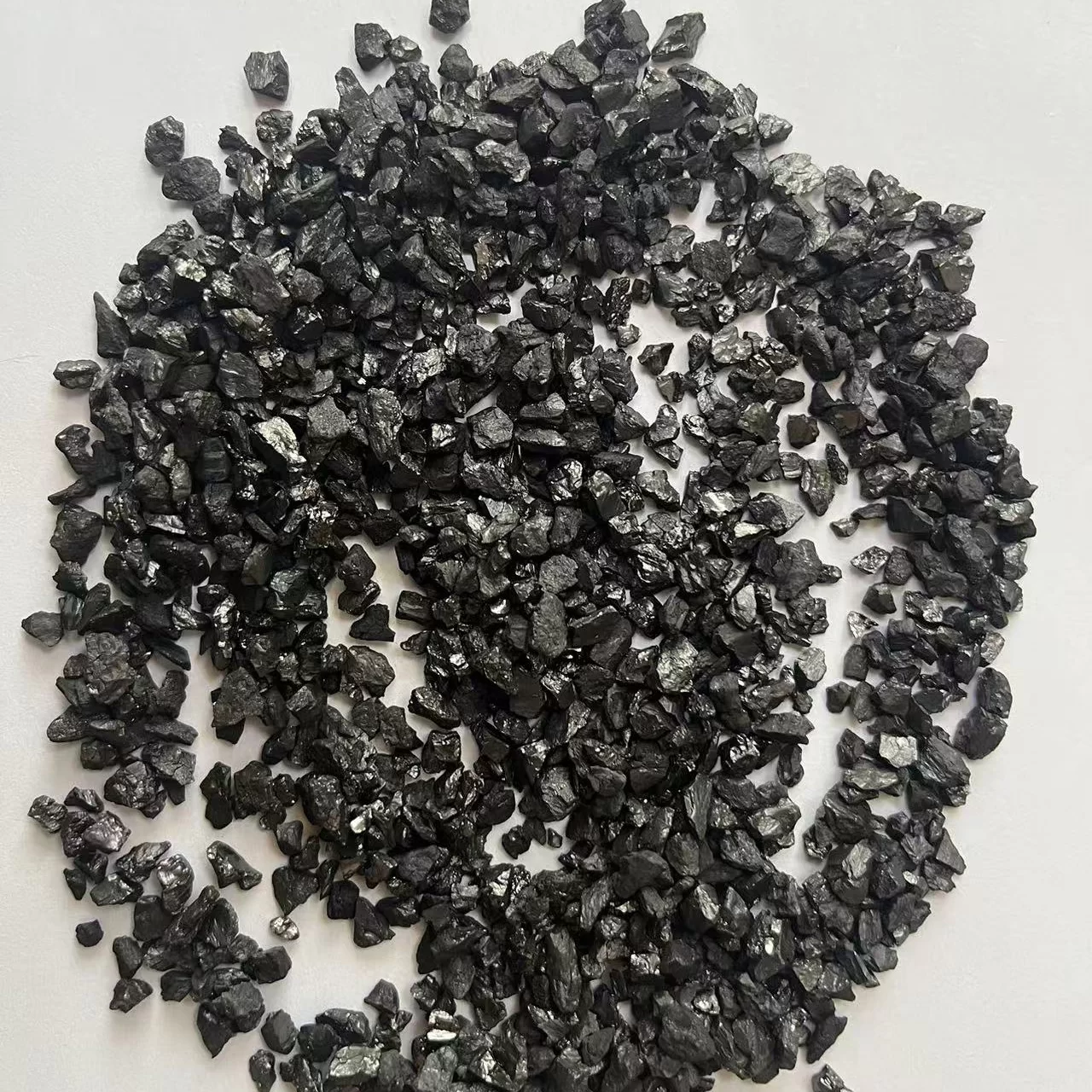
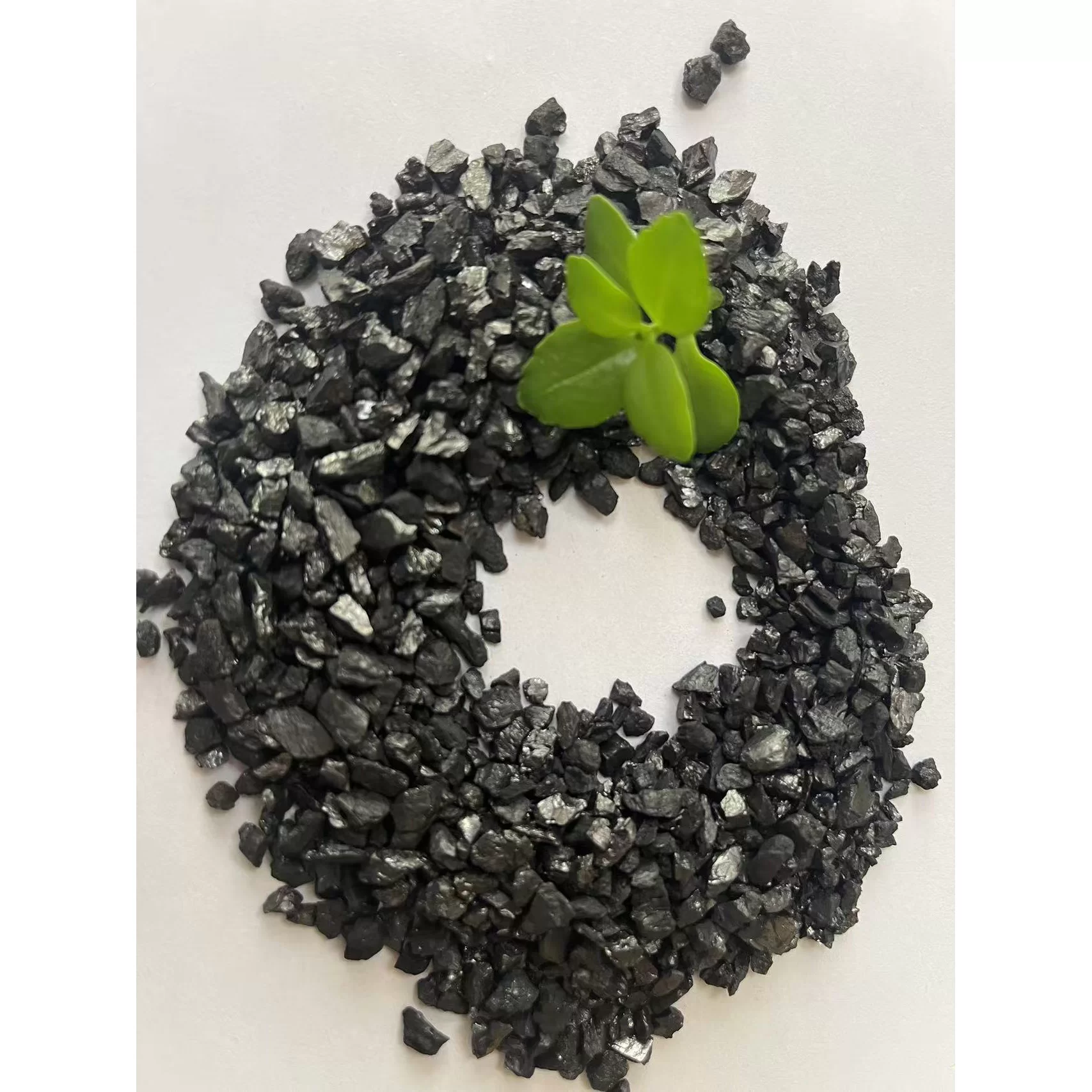
If you’re sourcing Gas Calcined Anthracite Coal for steel, filtration, or carbon materials, here’s the short version: the right calcination temp (≈1240°C) and a stable vertical shaft furnace make or break your FC, ash, and sulfur numbers. The long version—well, that’s what this piece is for. I’ve toured a few plants in northern China; the best lines feel almost boringly consistent, which is exactly what you want.
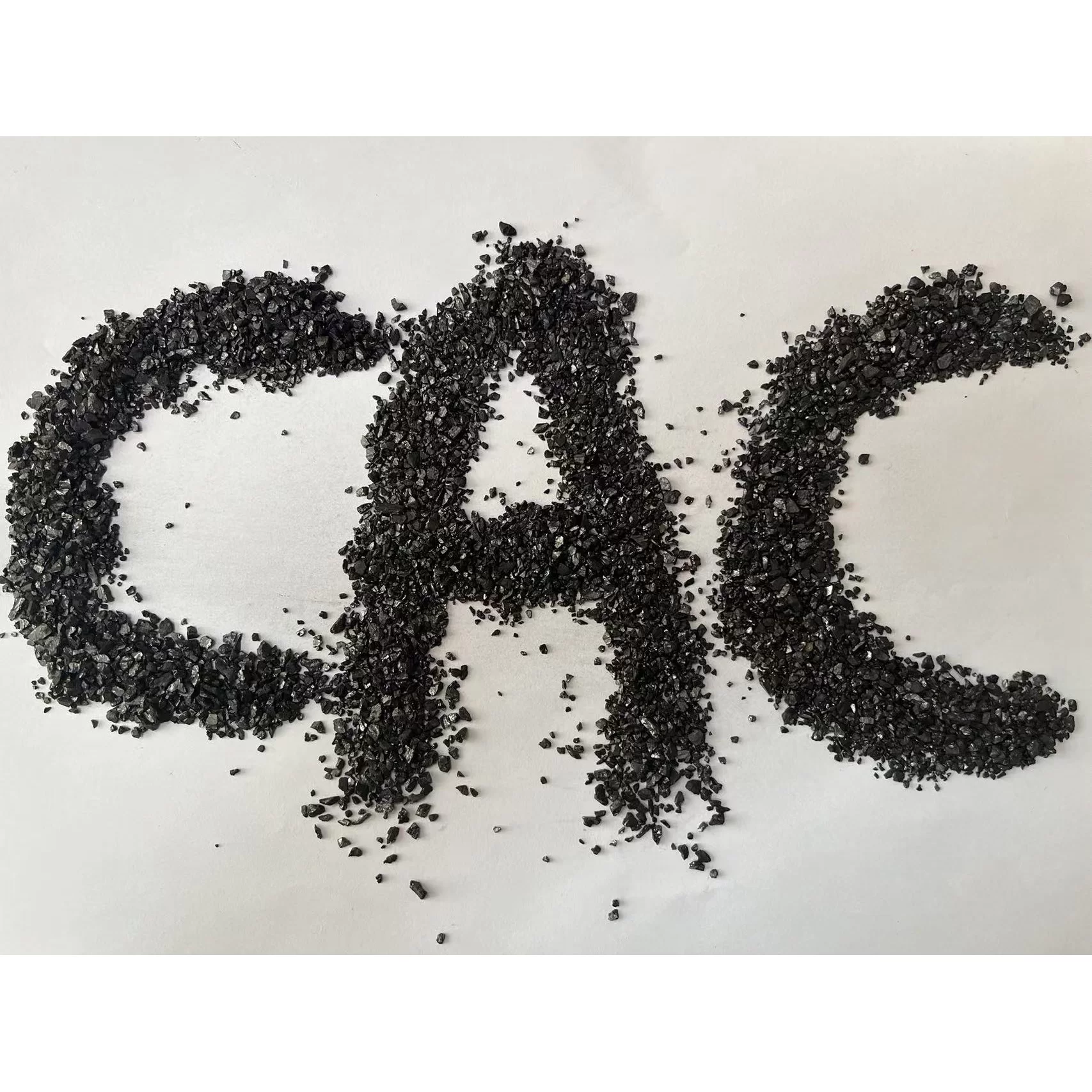
Industry pulse
Demand is steady in EAF steelmaking and alloy shops—carburizer substitution away from petcoke is ongoing, mainly over sulfur caps. Water plants (especially upgrades complying with NSF/AWWA guidelines) are asking for lower ash and tighter sizing. Shipyards still love it for rust removal blasting media—fast, clean, not too dusty when screened right. Honestly, a lot comes down to process discipline more than big-name branding.
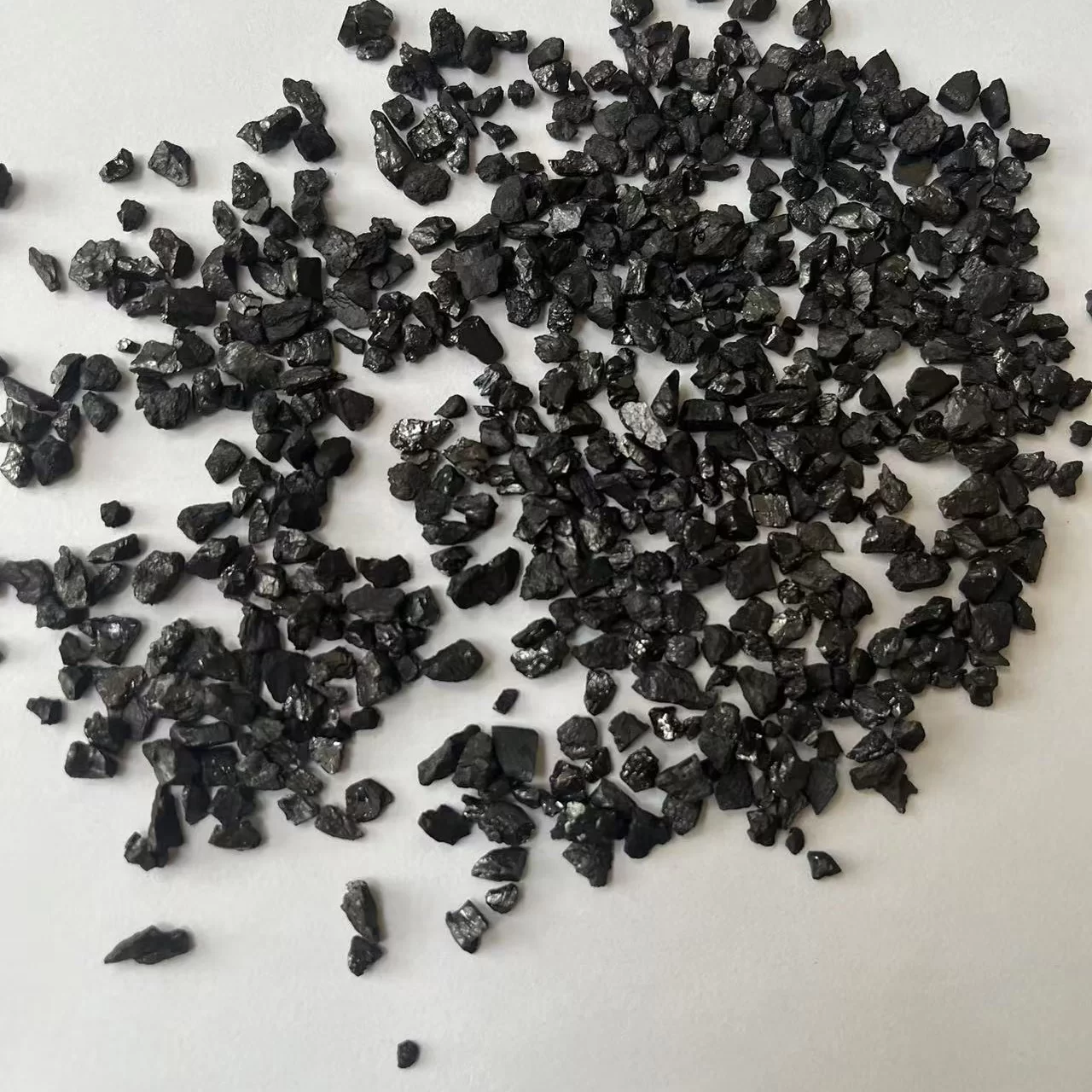
How it’s made: the quick, practical version
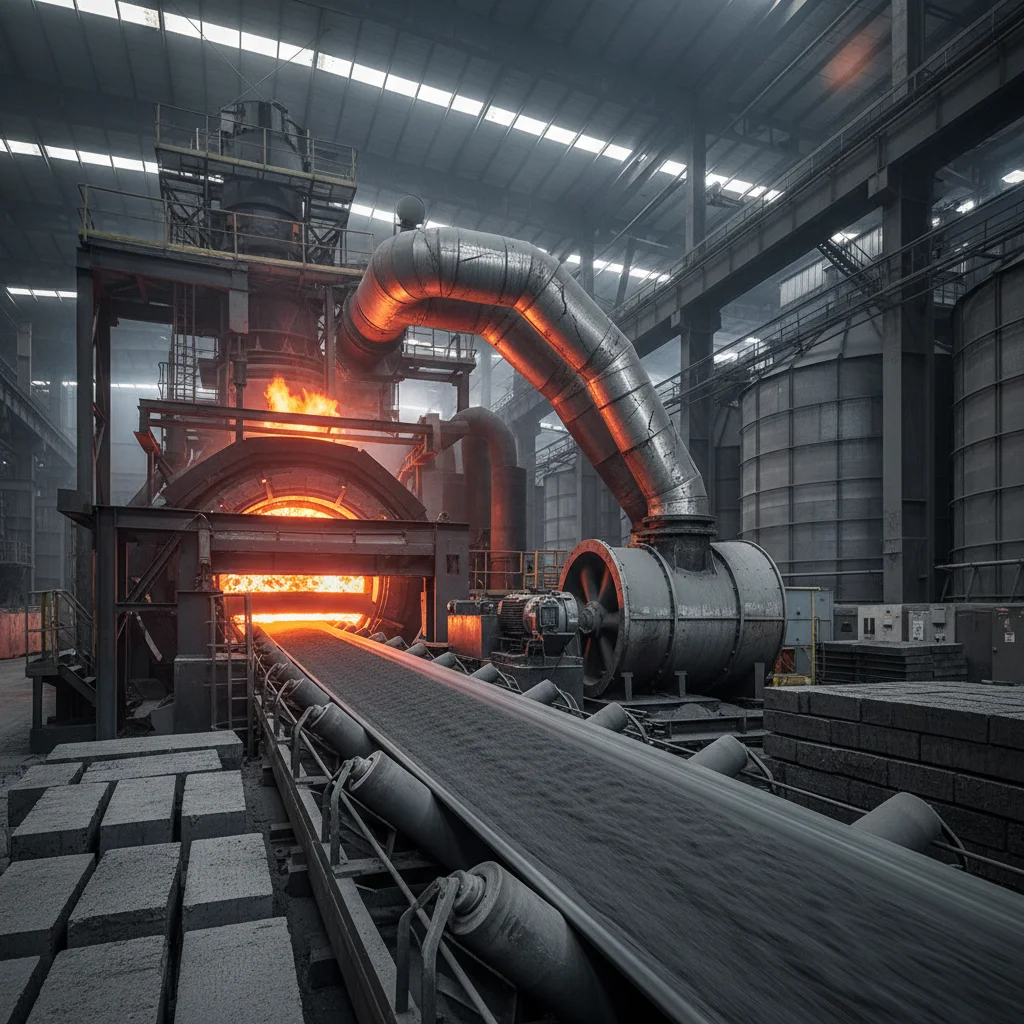
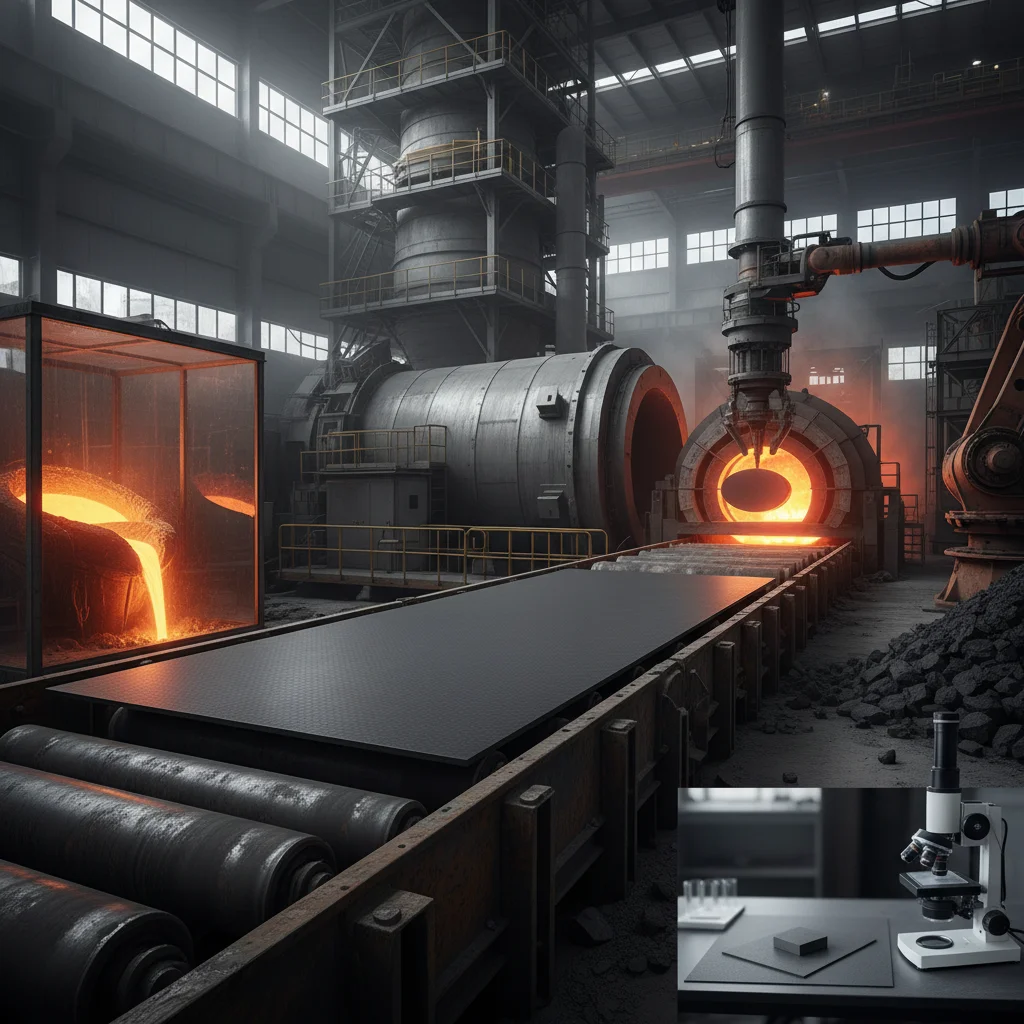
Raw high-grade anthracite → pre-screening and de-dusting → gas-fired vertical shaft calcination at ≈1240°C (hold to drive off volatiles, tighten structure) → controlled cooling → crushing & multi-deck sizing → magnet removal → final sieve check (ASTM E11 meshes) → bagging or bulk. QA runs proximate/ultimate tests (ASTM D3172/D7582, D4239 S) every lot. Real-world service life? As filtration media, typically 3–5 years depending on backwash discipline and load; as carburizer, it’s “instant service”—you see impact per heat.
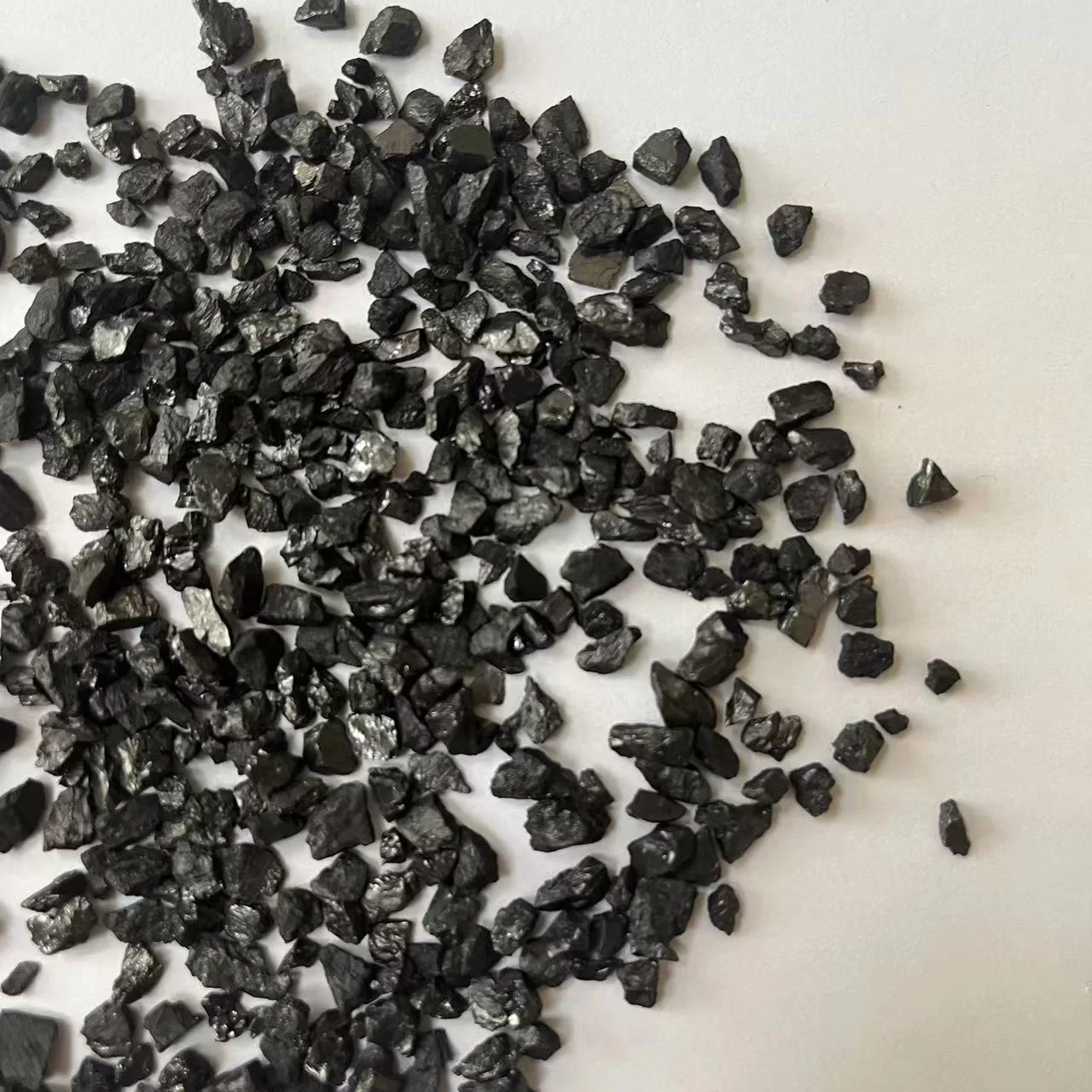
Technical specifications (typical)
| Property | Typical (≈) | Test Standard |
|---|---|---|
| Fixed Carbon (FC) | 95–98% | ASTM D3172 / D7582 |
| Ash | 1.5–4.0% | ISO 1171 |
| Sulfur (S) | ≤0.3–0.5% | ASTM D4239 |
| Volatile Matter | ≤1.5–3.0% | ISO 562 / ASTM D3175 |
| Moisture (as shipped) | ≤0.5% | ASTM D3302 |
| Bulk Density | 0.9–1.1 g/cm³ | In-house per AWWA B100 guidance |
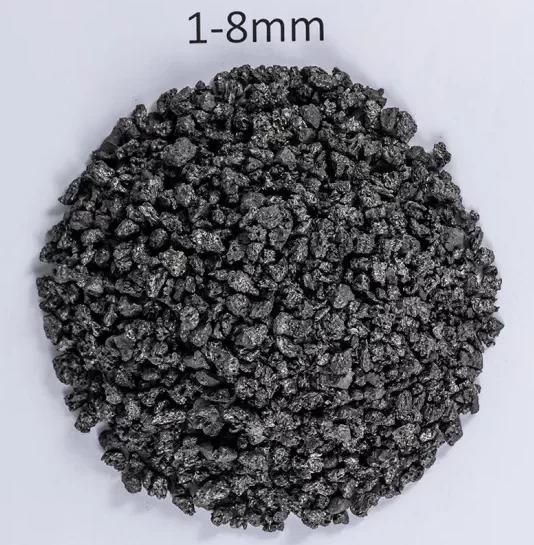
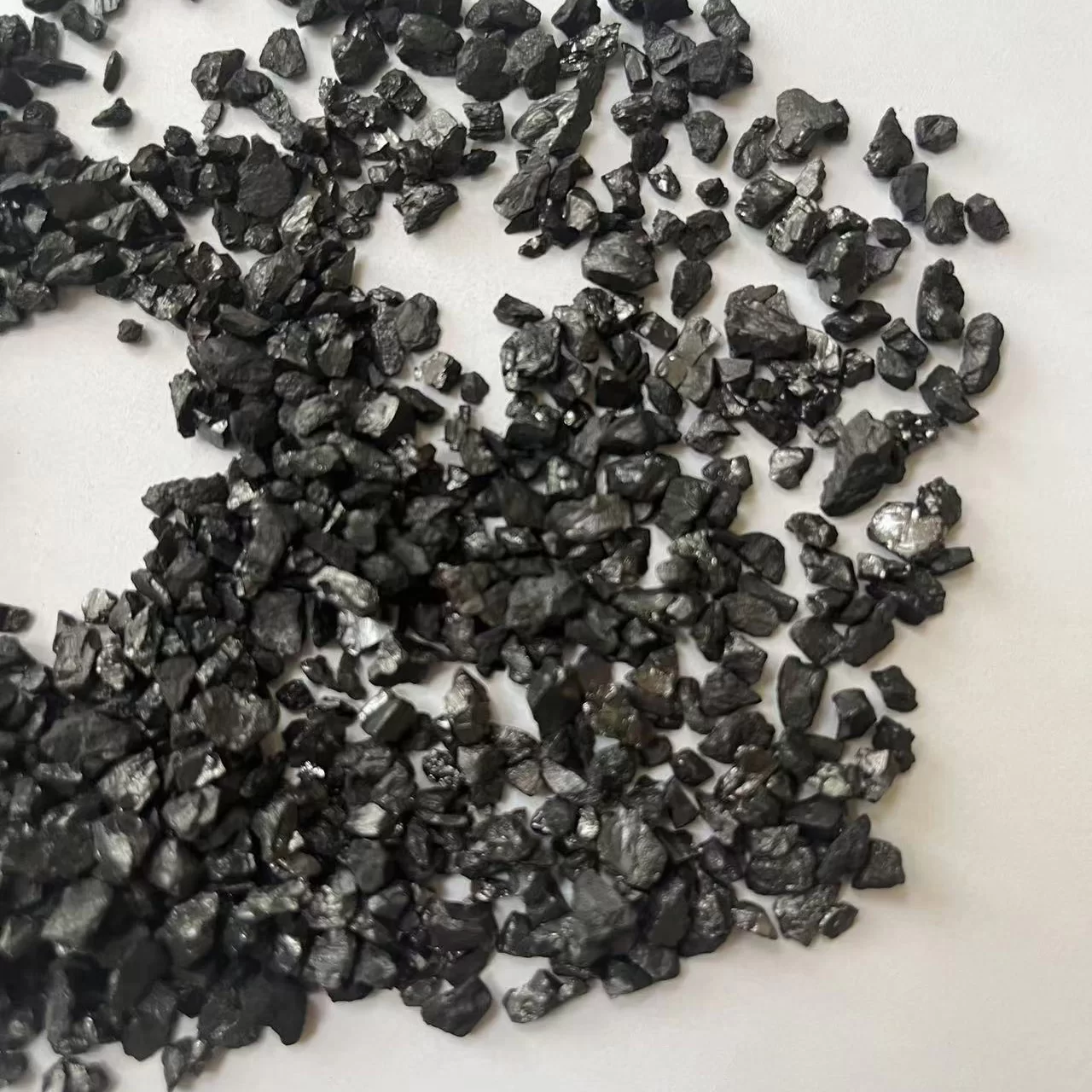
| Sizes | 0–1mm, 1–3mm, 3–5mm, 5–10mm | ASTM E11 |
| Origin | China | — |
Where it’s used (and why it works)
- Electric Arc Furnace and induction furnaces: low S, high FC carburizer; predictable pick-up.
- Water filtration: angular grains, low ash, meets AWWA B100 gradations; NSF/ANSI 61 compliance when required by vendor.
- Shipbuilding & blasting: hard particles, lower dust when washed and screened; quick rust removal.
- Carbon materials: pre-cursor for carbon blocks, paste, and other engineered carbons.
Vendor landscape (quick compare)
| Vendor Type | Furnace | FC / S (≈) | Customization | MOQ / Lead | Certs |
|---|---|---|---|---|---|
| Integrated CAC producer | Vertical shaft (gas-fired) | 97% / ≤0.3% | Tight PSD, washed, low-ash grades | 20–25 t / 7–14 days | ISO 9001, ISO 14001, NSF/ANSI 61 (on media) |
| Rotary kiln producer | Rotary kiln | 95% / ≤0.5% | Standard sizes | 20 t / 10–20 days | ISO 9001 |
| Trading house | Mixed OEM | 95–97% / ≤0.5% | Depends on mill | Flexible / 10–30 days | Varies |
Customization and QA
Common asks: ultra-low S (≤0.3%), super-low ash (≤2%), washed media for headloss control, and super-tight PSD (e.g., 1–2 mm for filters). Many customers say a magnet pass and double-sieving reduced downtime more than any “premium” label. Certification requests I see: ISO 9001/14001, REACH/SVHC, and, for water plants, NSF/ANSI 61 statements plus AWWA B100 conformance. Test data should show FC, Ash, S, VM, moisture, sieve distribution, and LOI—per heat or per lot, not just a glossy brochure.
Field notes (two short cases)
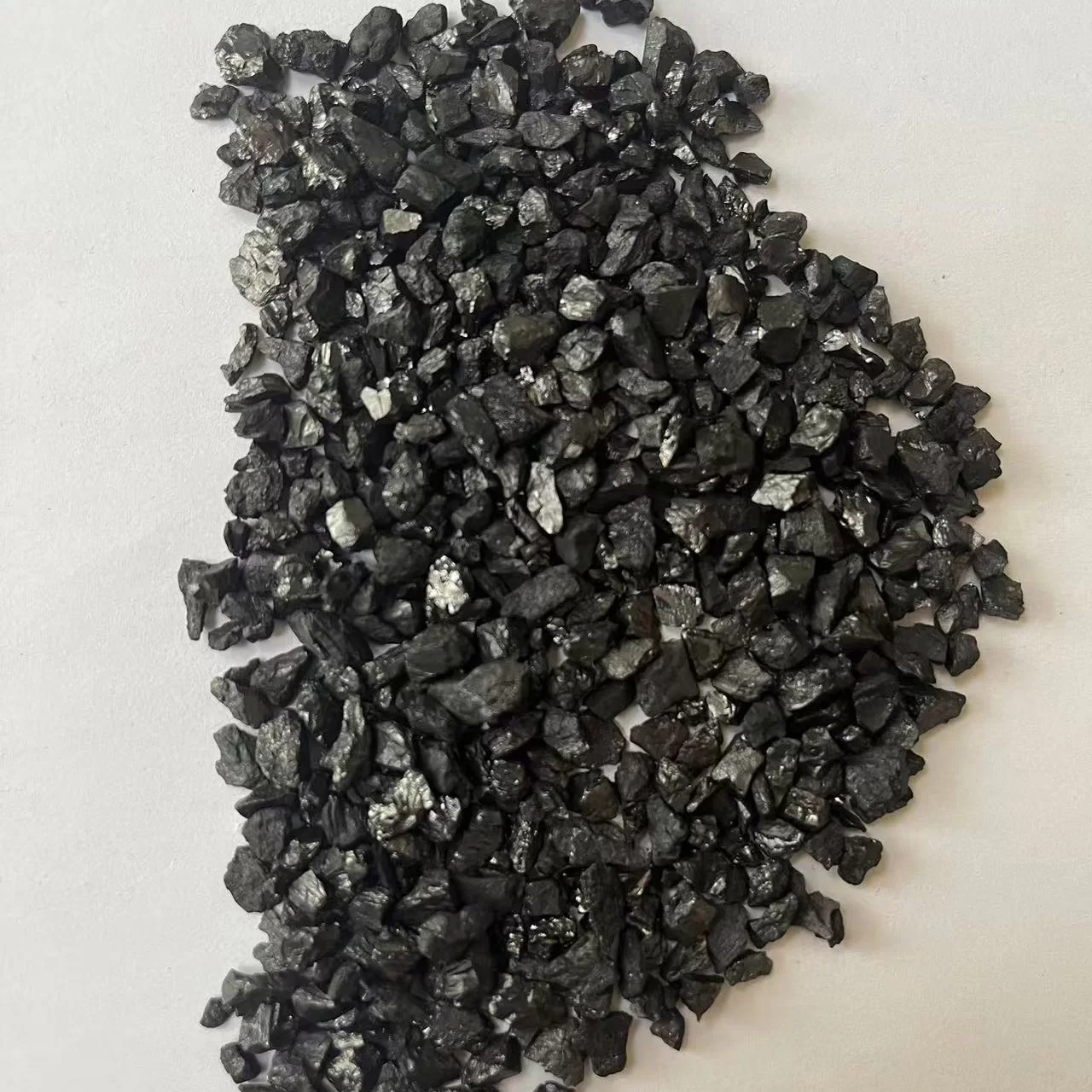
Steel mini-mill, Southeast Asia: swapping to Gas Calcined Anthracite Coal 1–3 mm raised carbon pick-up ≈0.12% with no sulfur drift; crew liked the lower dust at charge. Municipal filter rehab, EU: Gas Calcined Anthracite Coal 0.8–1.6 mm with washed spec cut headloss by ~15% vs. prior media; operators said backwash cycles stabilized after week two. Not magic—just consistent calcination and sizing.
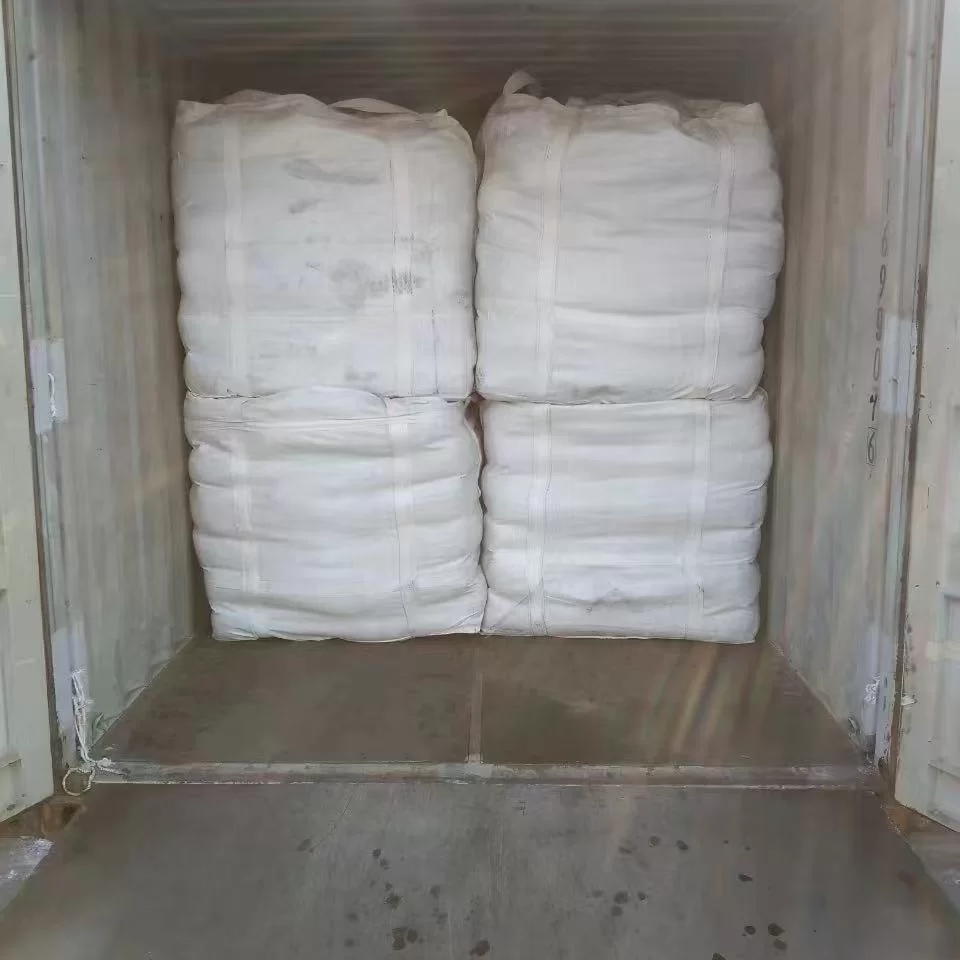
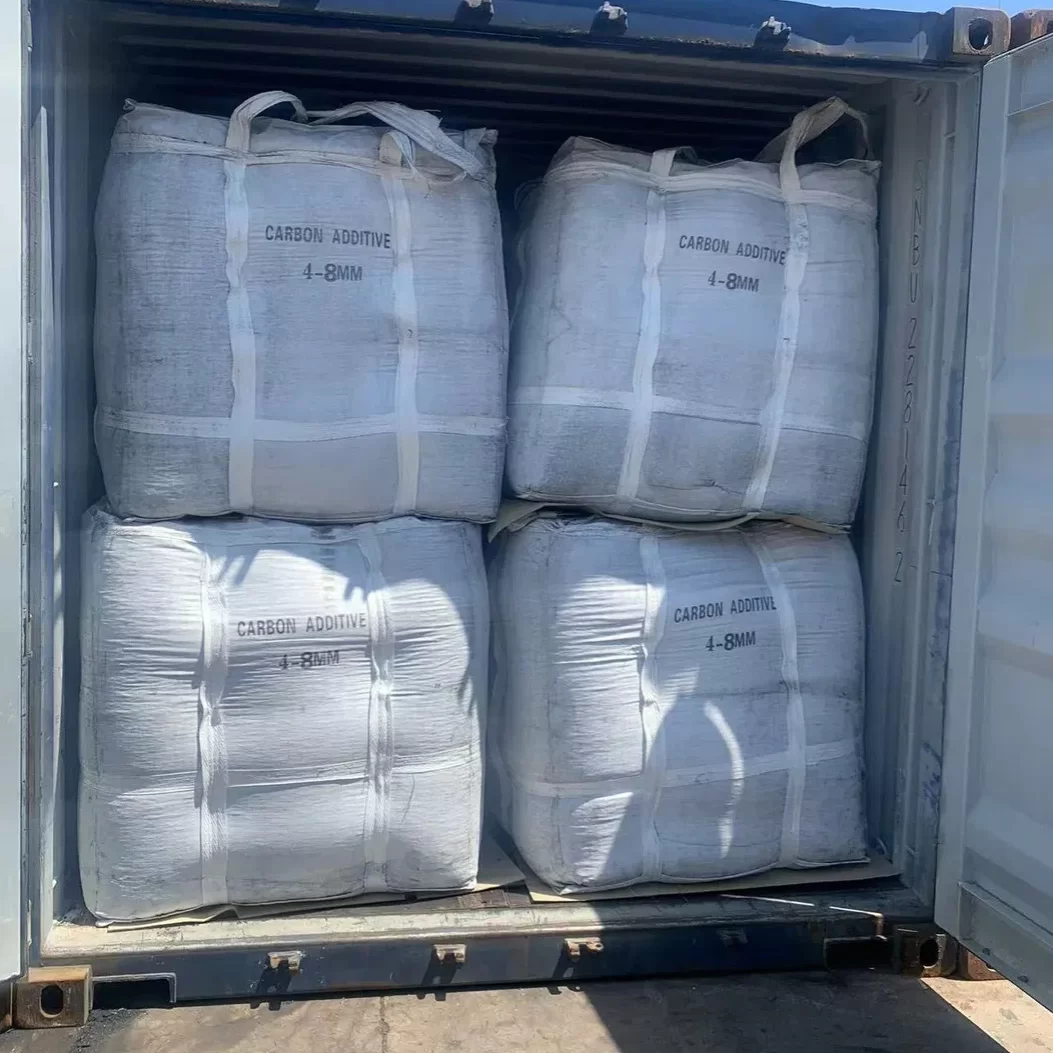
Final tip: always specify the furnace type, calcination temperature window, and the exact sieve profile. It seems basic, but it’s how you keep Gas Calcined Anthracite Coal performing predictably, batch after batch.
Citations
- ASTM D3172/D7582 – Proximate analysis of coal and coke (moisture, volatile, ash, fixed carbon).
- ASTM D4239 – Standard test methods for sulfur in coal and coke using high-temperature tube furnace combustion.
- ISO 1171 – Solid mineral fuels — Determination of ash content.
- AWWA B100 – Granular filter material standard; NSF/ANSI 61 – Drinking water system components (media compliance).
- ISO 562 – Hard coal and coke — Determination of volatile matter.