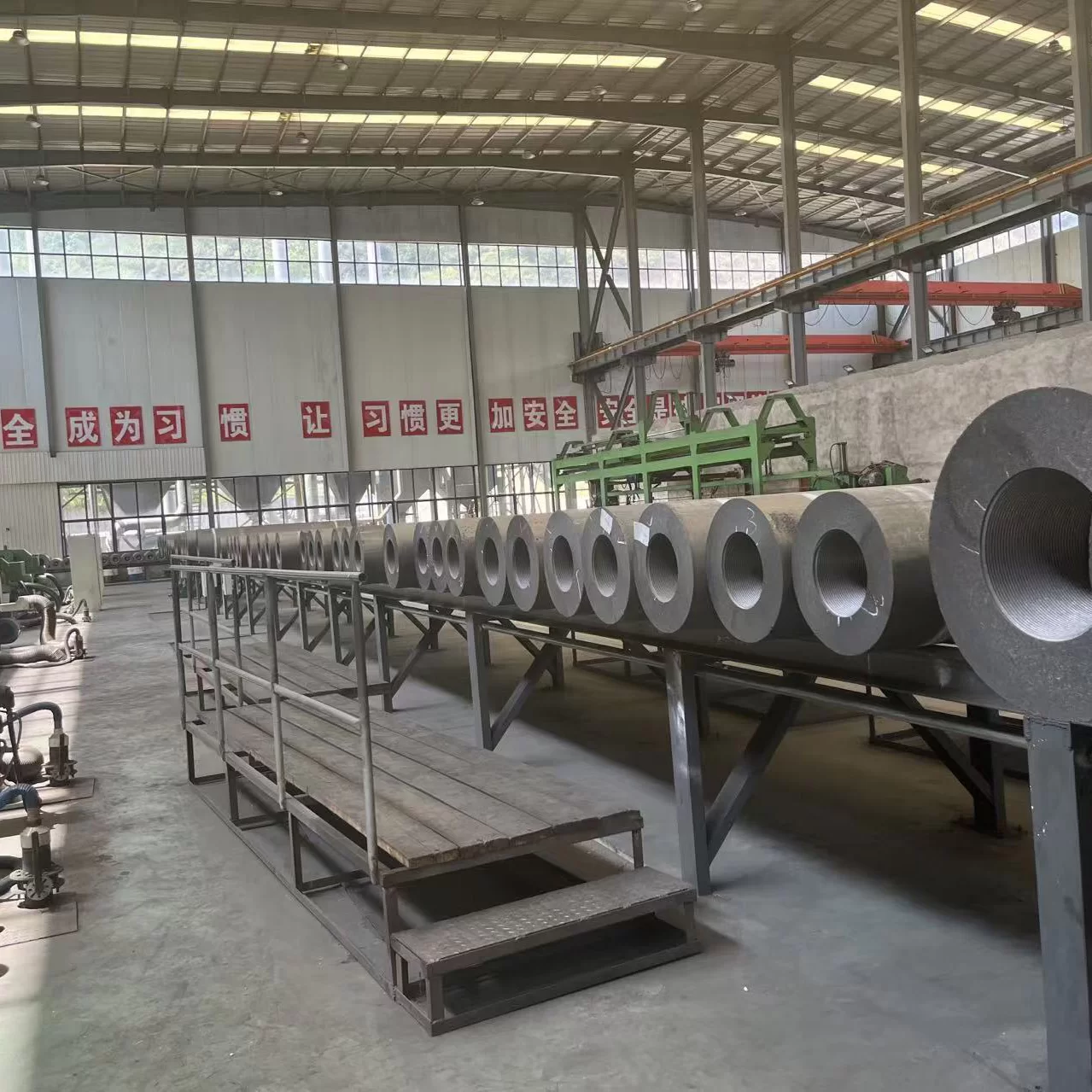
Why Graphite Pipe Still Holds Strong in Industrial Applications
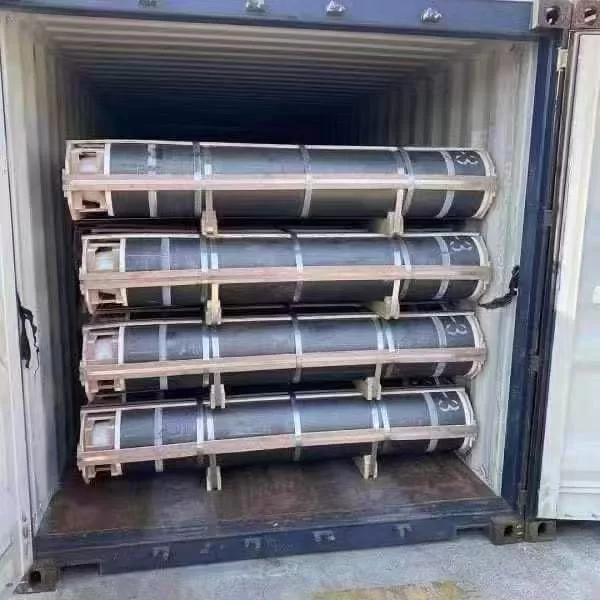
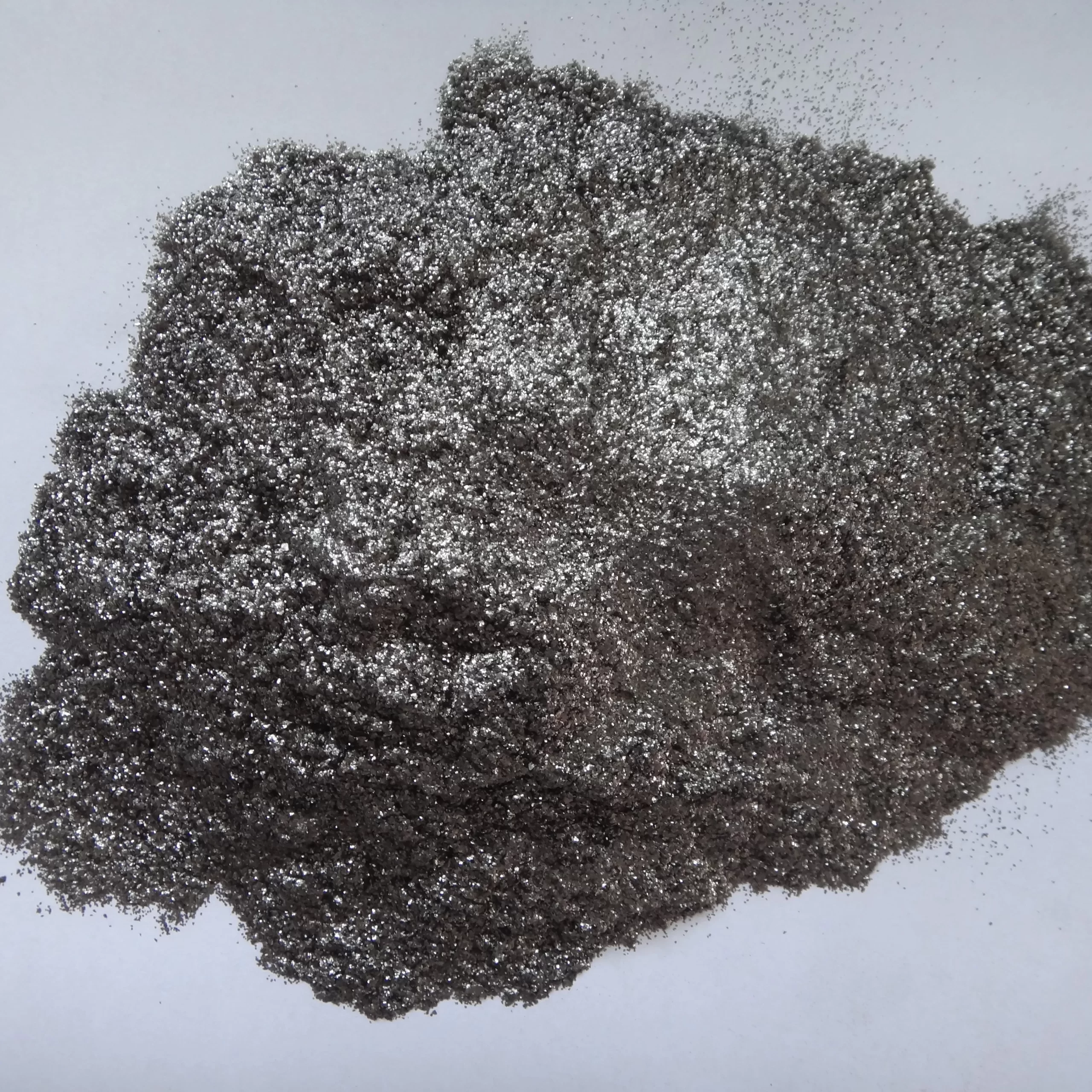
If you’ve spent any time in the heavy industrial sector — and I’ve been around those plants long enough — you’ll know that choosing piping materials isn’t just about strength; it’s about longevity and resistance to some pretty nasty conditions. Enter graphite pipe. Oddly enough, this somewhat unassuming material has carved out a niche where others typically fear to go.
Graphite pipes are famous for their superior corrosion resistance, especially in chemical processing plants or applications where acid resistance is critical. I once visited a plant switching over from metal pipes to graphite-based ones after persistent corrosion damage. Frankly, the maintenance team was thrilled with the reduction in shutdowns.
Understanding Graphite Pipe Specifications
Let’s talk specs because, in real terms, that’s where you quickly see if a graphite pipe fits your needs or not. Some engineers swear by temperature ratings, others by mechanical strength, and most by how well the pipe will resist chemical attack.
| Specification | Typical Range / Value | Notes |
|---|---|---|
| Temperature Resistance | -200°C to +450°C | Excellent for extreme environments |
| Corrosion Resistance | High | Resistant to acids, alkalis, salts |
| Density | ~1.75–1.90 g/cm³ | Lightweight but sturdy |
| Mechanical Strength (Flexural) | 40–80 MPa | Depends on graphite grade and treatment |
| Typical Diameters | 10–600 mm | Custom sizes available |
Choosing a Reliable Graphite Pipe Vendor
Now, I don’t say this lightly: the supplier you work with can make or break your project. Not all graphite pipes are created equal — subtle differences in manufacturing processes and grades of graphite have big impacts down the line.
| Vendor | Manufacturing Process | Customization Options | Typical Lead Time | Application Focus |
|---|---|---|---|---|
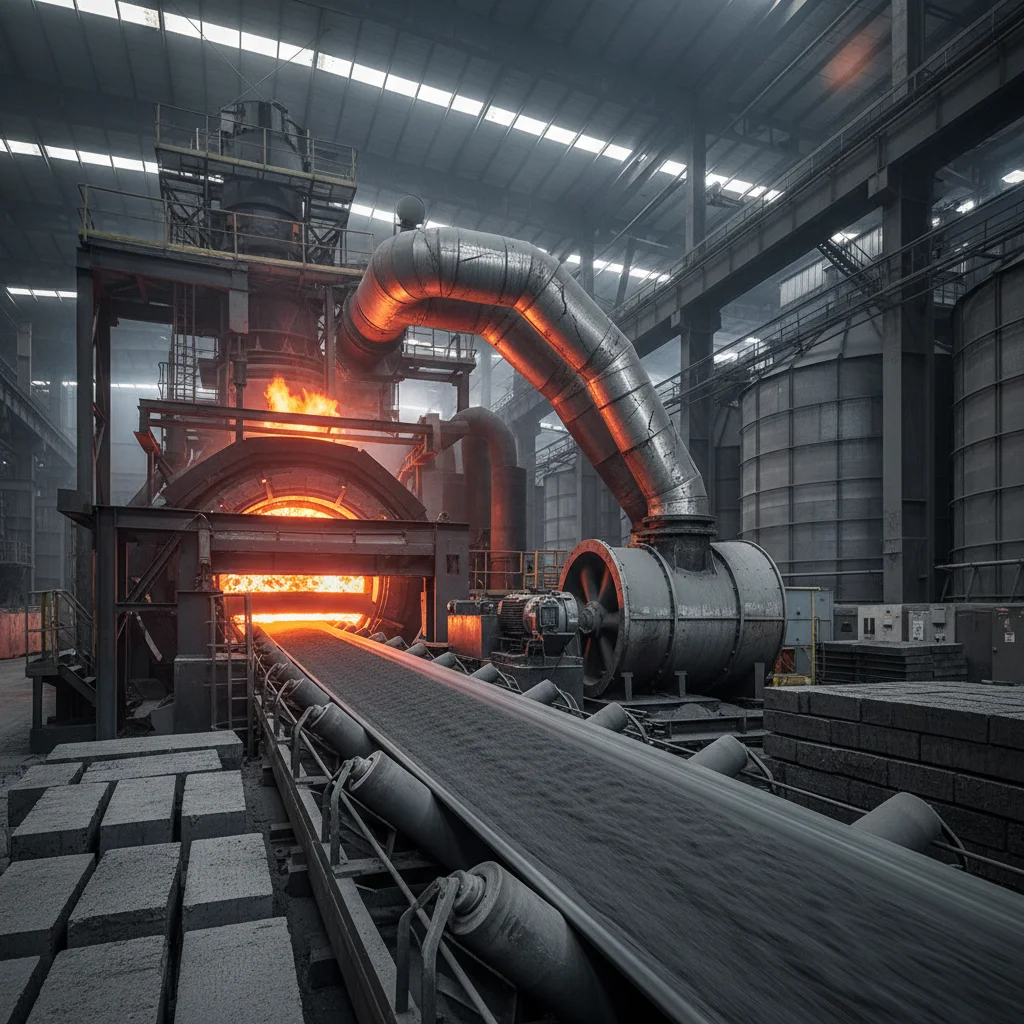
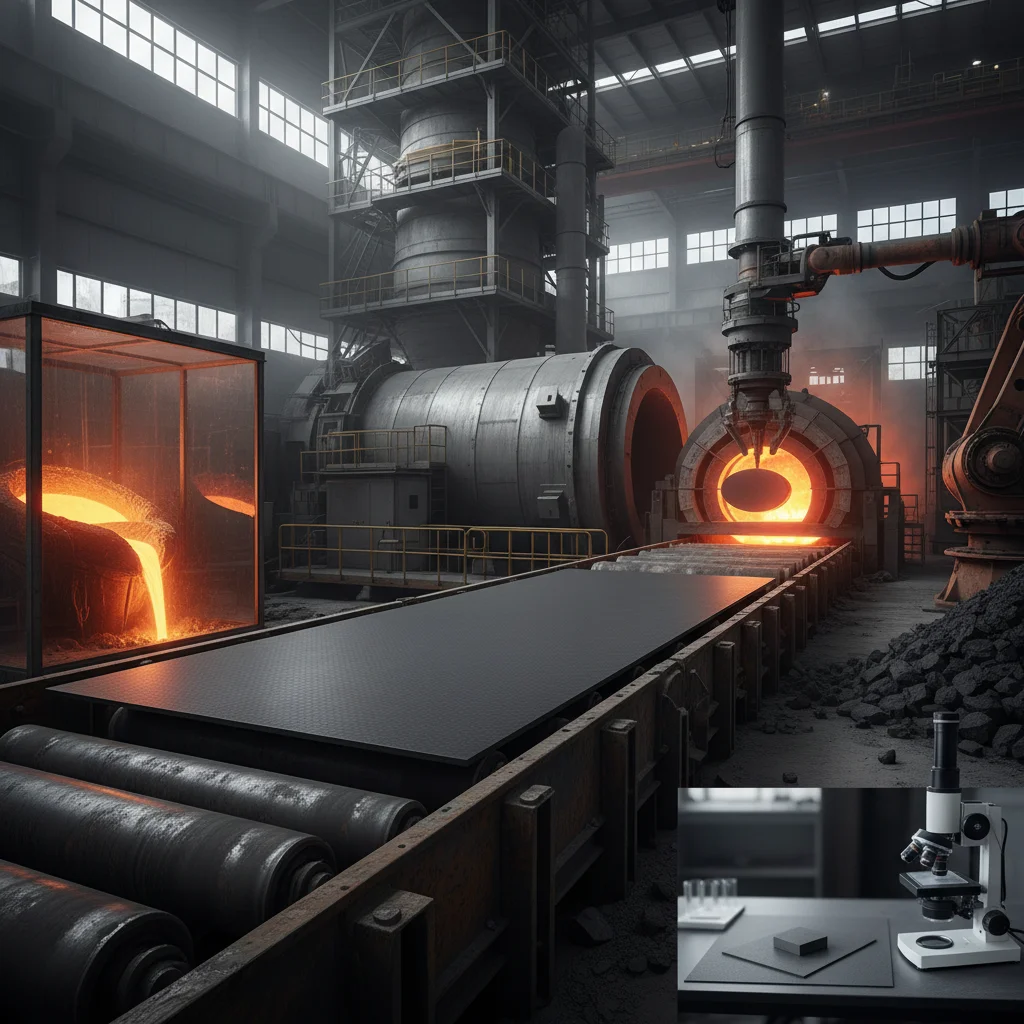
| DAH Carbon | Isostatic Pressing & Machining | Full size & shape customization | 2–4 weeks | Chemical, power, metallurgical plants |
| Other Vendor A | Extrusion & Graphitization | Limited shapes | 4–6 weeks | Standard industrial uses |
| Other Vendor B | Molded & Thermal Treatment | Some customization | 3–5 weeks | General purpose |
In Practice: A Quick Word on Usage and Maintenance
One thing many engineers are quick to point out — and I can't help but agree — is that graphite pipes demand a bit of care on installation. They’re strong, yes, but brittle if handled roughly or subjected to sharp impacts. It’s kind of like handling fine china in some ways, but with the upside of being chemically tough.
When properly supported and maintained, graphite pipes can run for years without the kind of corrosion headaches you get with metal or plastic in similar conditions. And if you work in a plant where even a minor leak could mean disaster, that durability is priceless.
Custom orders really come into their own here. I recall a customer needing a non-standard diameter for a complex reactor feed line — standard suppliers couldn’t deliver on time, but working with a flexible vendor like DAH Carbon made it seamless.
Final Thoughts on Graphite Pipe
To wrap this up – and I suppose it’s nearly always the case with industrial equipment – the best solutions come down to knowing your specific operational stresses and partnering with suppliers who understand those unique challenges. Graphite pipe ticks a lot of boxes for chemical resistance, temperature tolerance, and customization.
If your processes demand it, graphite piping isn’t just a good option; it feels like an essential one.
References & Reflections
- DAH Carbon product insights and manufacturing overview
- Field notes from various plant visits in chemical and metallurgical sectors
- Interviews with engineers regarding graphite pipe longevity and handling