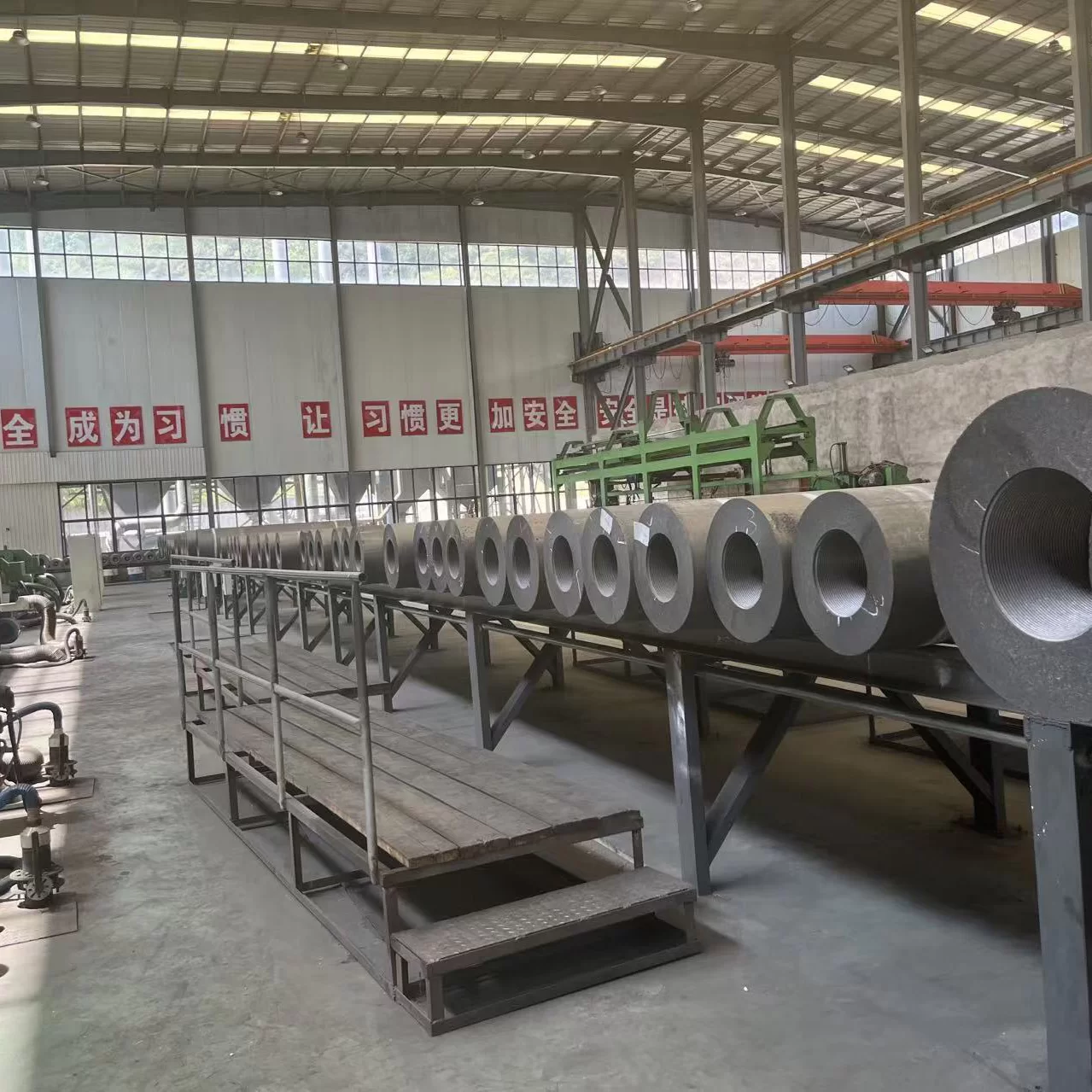
If you've ever wondered about the hidden powerhouses of modern manufacturing, then let me introduce you to calcined petroleum coke. It’s not exactly a household name, I'll admit, but trust me, this material is absolutely critical across a vast array of high-tech and heavy industries. From the anodes in your smartphone's battery to the aluminum frames of modern cars, this highly refined carbon material plays a pivotal, often unsung, role.
Unpacking the "Calcined" in Petroleum Coke
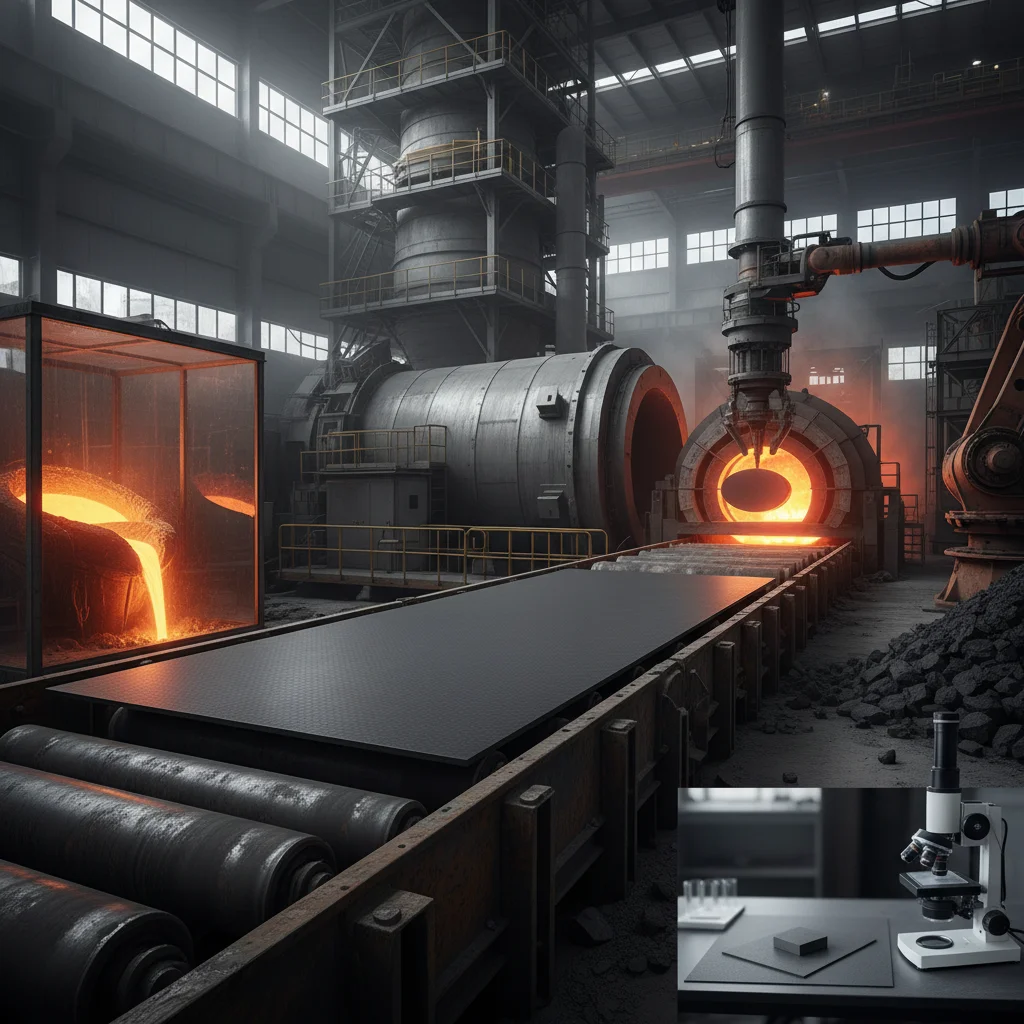
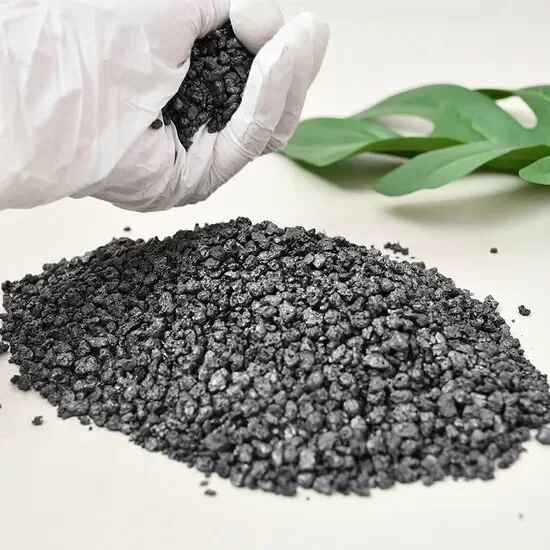
So, what exactly is calcined petroleum coke? Well, essentially, it's a super-purified form of petroleum coke, which itself is a byproduct of oil refining. Think of raw petroleum coke as a rough diamond. It has potential, but it's full of impurities, volatile matter, and moisture. The calcination process transforms it, taking that rough diamond and turning it into a polished, high-performance gem. This happens by subjecting the raw coke to incredibly high temperatures—we're talking 1200-1500°C—in a carefully controlled environment. This intense thermal treatment removes almost all the volatile matter and moisture, converting a relatively low-purity material into a structurally stable, performance-optimized carbon source.
The Process, Briefly Explained: From Crude to Carbon King
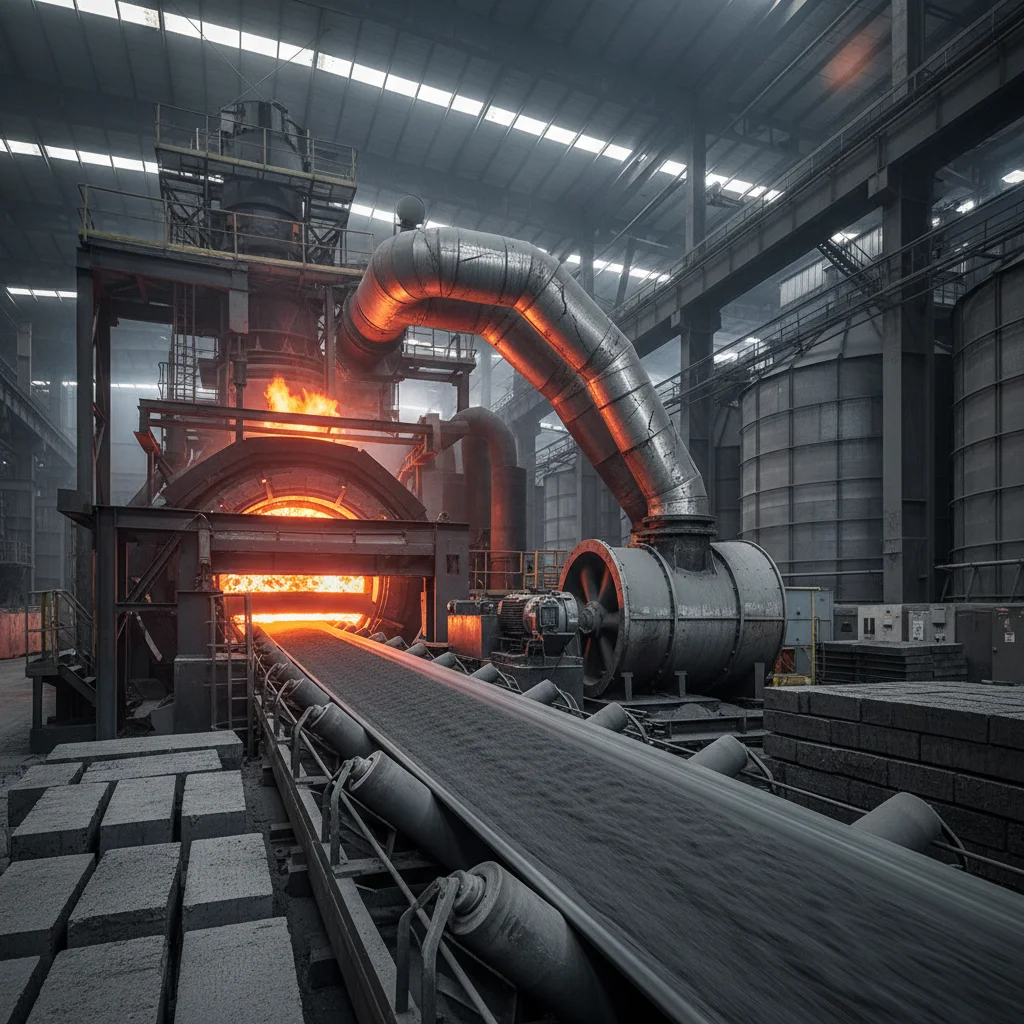
The journey starts with green petroleum coke, often a result of delayed coking in refineries. This raw material is then crushed and fed into rotary kilns or shaft furnaces. Inside, under precisely managed temperatures and oxygen levels, the coke undergoes a series of physical and chemical changes. Volatiles boil off, leaving behind a highly graphitized carbon structure. The whole point, actually, is to boost its electrical conductivity, thermal stability, and overall carbon content. Testing standards throughout this process are incredibly strict, ensuring the final product meets the stringent requirements of industries like electrolytic aluminum production. Its service life, in applications like anodes, directly impacts the efficiency of the entire process.
Why Calcined Petroleum Coke Stands Out: Key Features & Advantages
To be honest, the advantages of calcined petroleum coke are numerous, which is why it's become indispensable. Here’s a quick rundown:
· High Fixed Carbon (98–99.5%): This is crucial. It ensures superior conductivity and maximum carbon yield in industrial processes, meaning more bang for your buck, really.
· Low Sulfur (0.3–0.8%): Minimizing sulfur is vital. It reduces pollution and significantly improves metal quality, particularly in aluminum and steel production. Nobody wants contaminated metals, right?
· Low Ash (0.5–1.2%): Ash is just impurity. Less ash means fewer impurities in the final products, like anode blocks or refractories. It’s pretty straightforward.
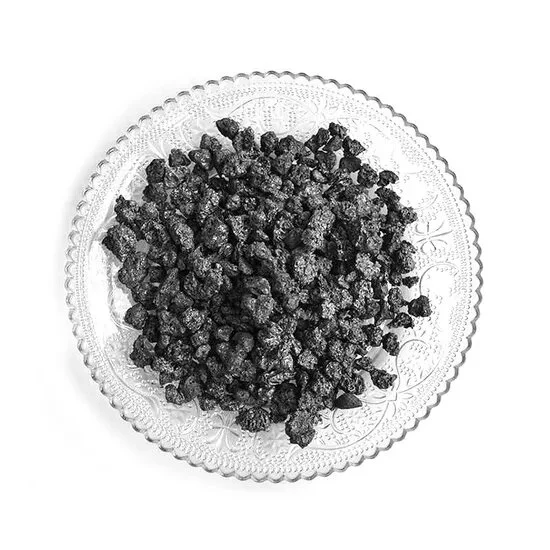
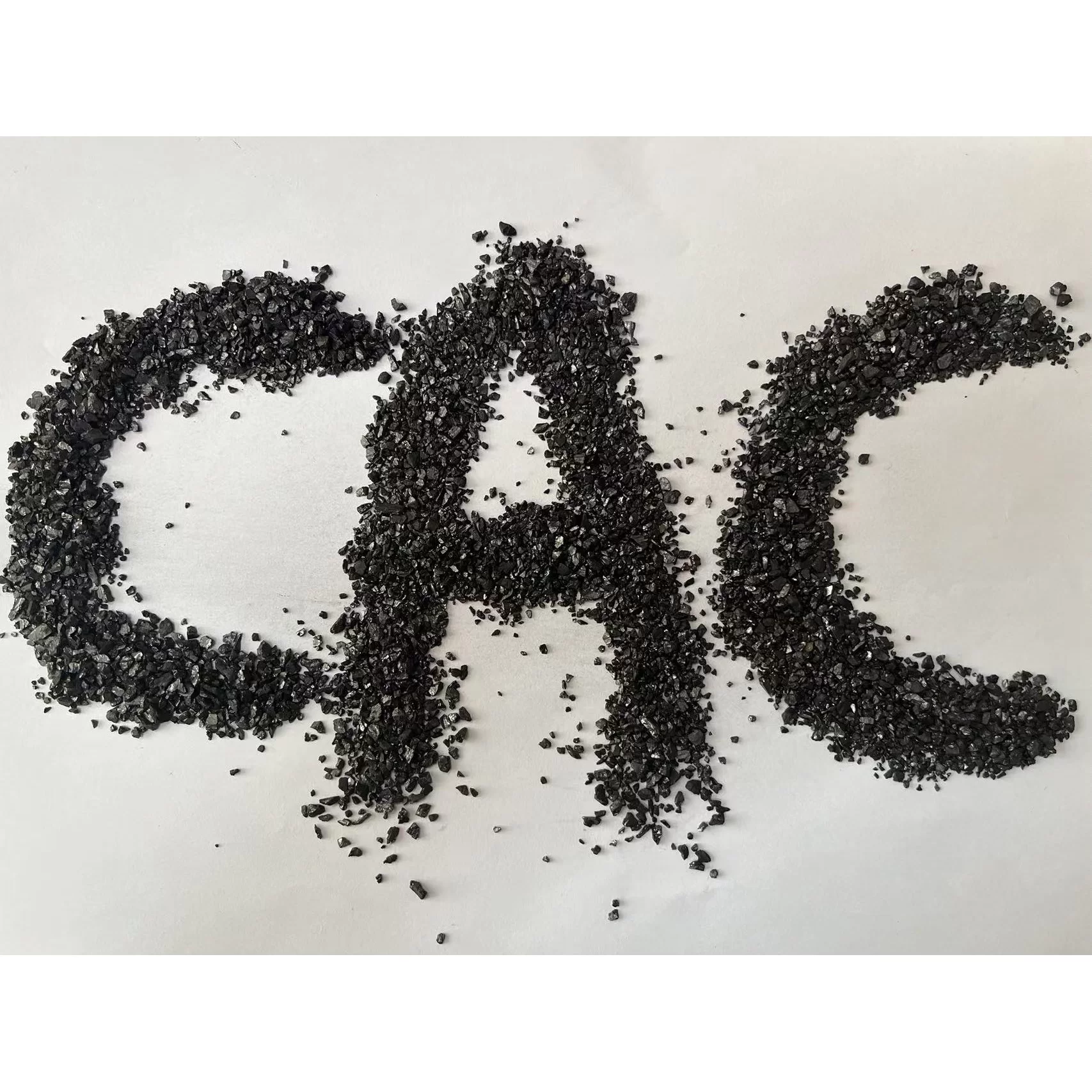
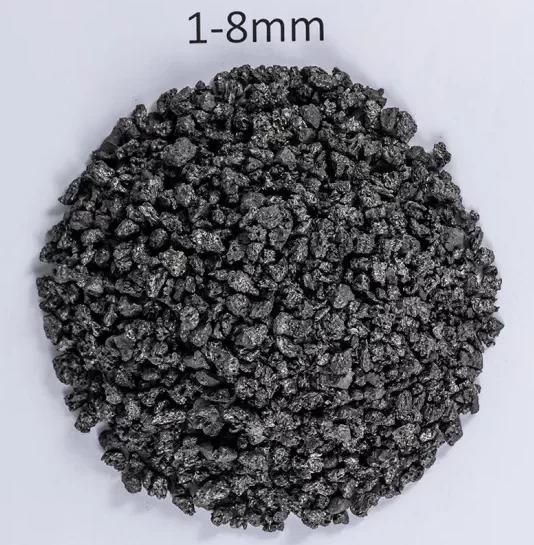
· Controlled Particle Size (0.5–25mm): This might seem minor, but it's a huge deal for customization. Whether you need it for carburizing molten metal or for anode paste, you can tailor it perfectly.
· High Thermal Stability: It can withstand temperatures up to 1,500°C without breaking down. That’s seriously impressive and essential for high-temperature applications.
Competitive Edges in a Demanding Market
· Cost-Effective: Many customers say it can replace premium carbon additives like graphite at 30–50% lower cost, all while maintaining performance. That’s a significant saving!
· Process Efficiency: Faster carburization (thanks to uniform particle size dissolving rapidly in molten metal) and reduced energy use (due to low volatile matter) are big wins for industrial clients.
· Custom Solutions: The ability to create tailored blends, like ultra-low sulfur options for lithium-ion battery anodes, gives manufacturers a real edge.
· Reliable Supply: In an industry where consistency is king, vertical integration from raw coke to the finished product ensures stable quality and volume. Plus, strategic stock for fast delivery means fewer headaches for buyers.
Where CPC Shines: Application Scenarios & Industry Trends
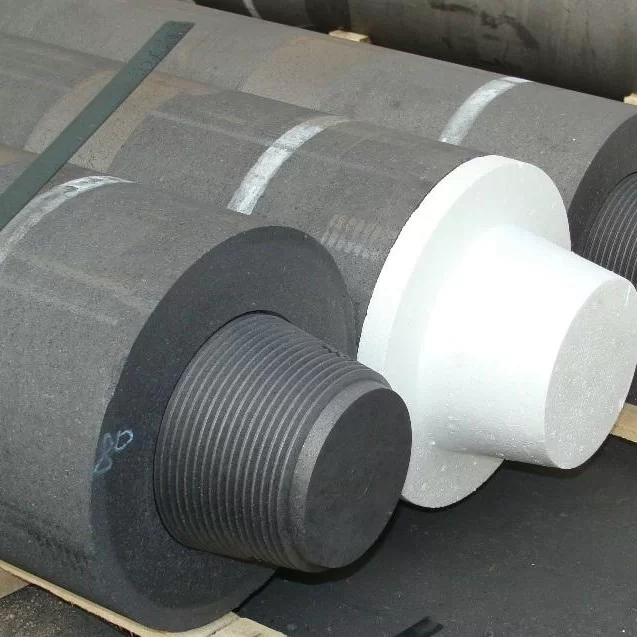
Calcined petroleum coke is the backbone of numerous industries. Its primary use is in the production of prebaked anodes for aluminum smelting, where it contributes to the electrolytic process. But that's not all; it's also a key ingredient in graphite electrodes for electric arc furnaces (EAFs) used in steelmaking, contributing to the efficient recycling of scrap metal. Moreover, its high purity makes it suitable for advanced applications like lithium-ion battery anodes, a sector that's only going to grow, I guess. It also acts as a superb recarburizer in foundries, bringing carbon content up to spec for iron and steel castings. Finding a reliable recarburizer manufacturer is crucial for consistent product quality in these applications.
Industry trends are really pushing for higher purity and lower environmental impact. This means suppliers who can deliver ultra-low sulfur and tightly controlled specifications for calcined petroleum coke are becoming increasingly vital. Certifications like ISO 9001 and strict adherence to ASTM or JIS standards are now non-negotiable for reputable suppliers, ensuring test data is reliable.
Product Specifications: A Closer Look
Here's a typical specification overview for high-quality Calcined Petroleum Coke:
Parameter | Typical Value | Notes |
Fixed Carbon (Min) | 98.5% | Ensures high carbon yield |
Sulfur Content (Max) | 0.5% | Critical for aluminum & steel |
Ash Content (Max) | 0.8% | Minimizes impurities |
Volatile Matter (Max) | 0.5% | Indicates thorough calcination |
Moisture (Max) | 0.3% | Low moisture for stability |
Particle Size | Customizable (e.g., 1-5mm, 5-25mm) | Tailored to application needs |
Choosing a Supplier: Why Quality Matters
When it comes to sourcing calcined petroleum coke, not all vendors are created equal. It seems that while many can provide the basic product, the devil is really in the details of consistency, purity, and responsiveness. Below is a simplified comparison to highlight the difference you might encounter:
Feature | Generic Vendor (Example) | Specialized Vendor (e.g., Dahcarbon) |
Fixed Carbon | Often below 98% | Consistently 98.5% or higher |
Sulfur Control | Variable, sometimes >0.8% | Tight control, often <0.5%, with ultra-low options |
Customization | Limited particle sizes | Extensive, including tailored blends and sizes |
Supply Chain | Often reliant on third parties | Vertical integration, ensuring stability and quality |
Technical Support | Basic or non-existent | Dedicated expertise, problem-solving |
Choosing a vendor with a strong track record, robust quality control, and the capacity for customization can genuinely impact your bottom line and product quality. A reliable recarburizer manufacturer understands these nuances.
The Future is Carbon: A Final Word
In conclusion, calcined petroleum coke is far more than just a carbon additive; it's a meticulously engineered material that underpins some of our most critical industrial processes. Its continuous evolution, driven by demand for higher purity and efficiency, guarantees its place as a key player in a sustainable future. It’s always fascinating to see how such specialized materials contribute so profoundly to our everyday lives, isn't it?
Authoritative Citations:
1. "Carbon Materials for Aluminum Smelting." The Aluminum Association.
2. "Petroleum Coke: Production, Properties, and Environmental Implications." Journal of Industrial Chemistry.
3. "Advances in Anode Materials for Lithium-Ion Batteries." Energy & Environmental Science.
4. ASTM Standards for Carbon Materials. ASTM International.