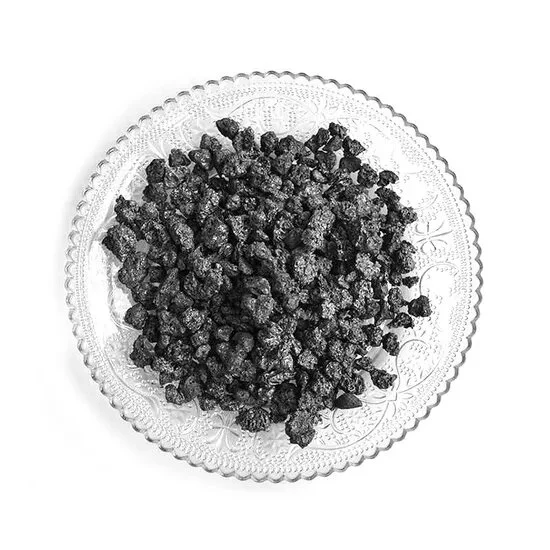
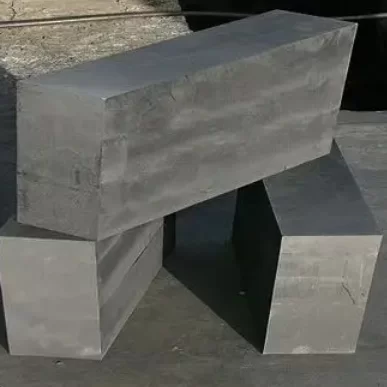
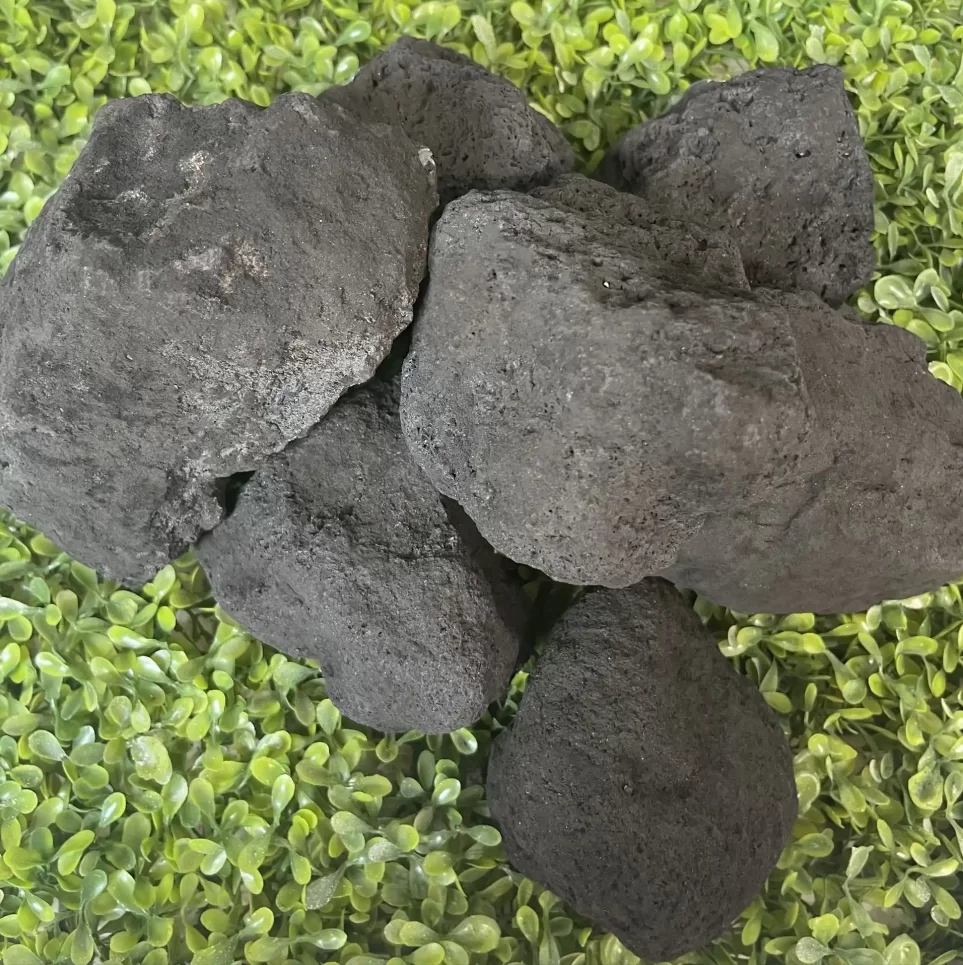
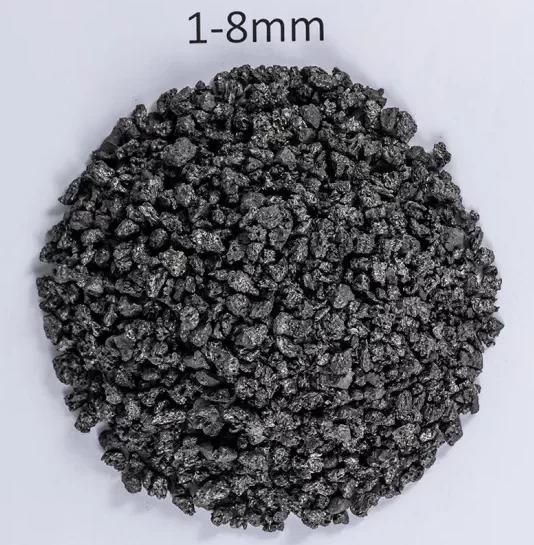
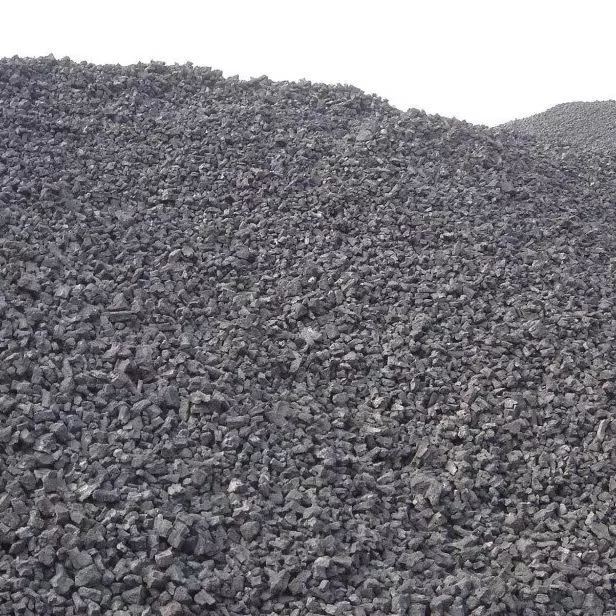
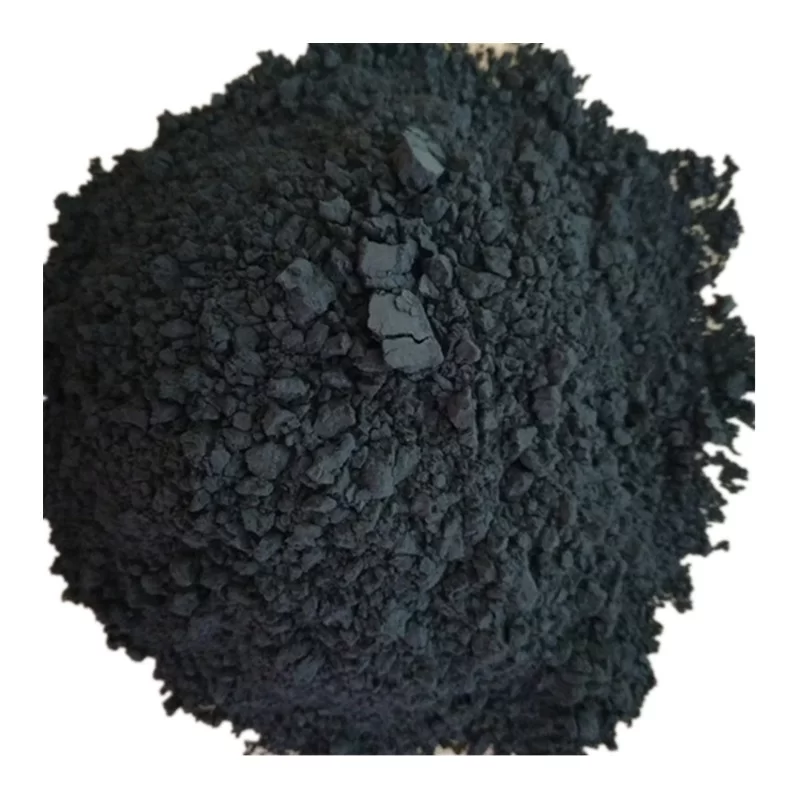
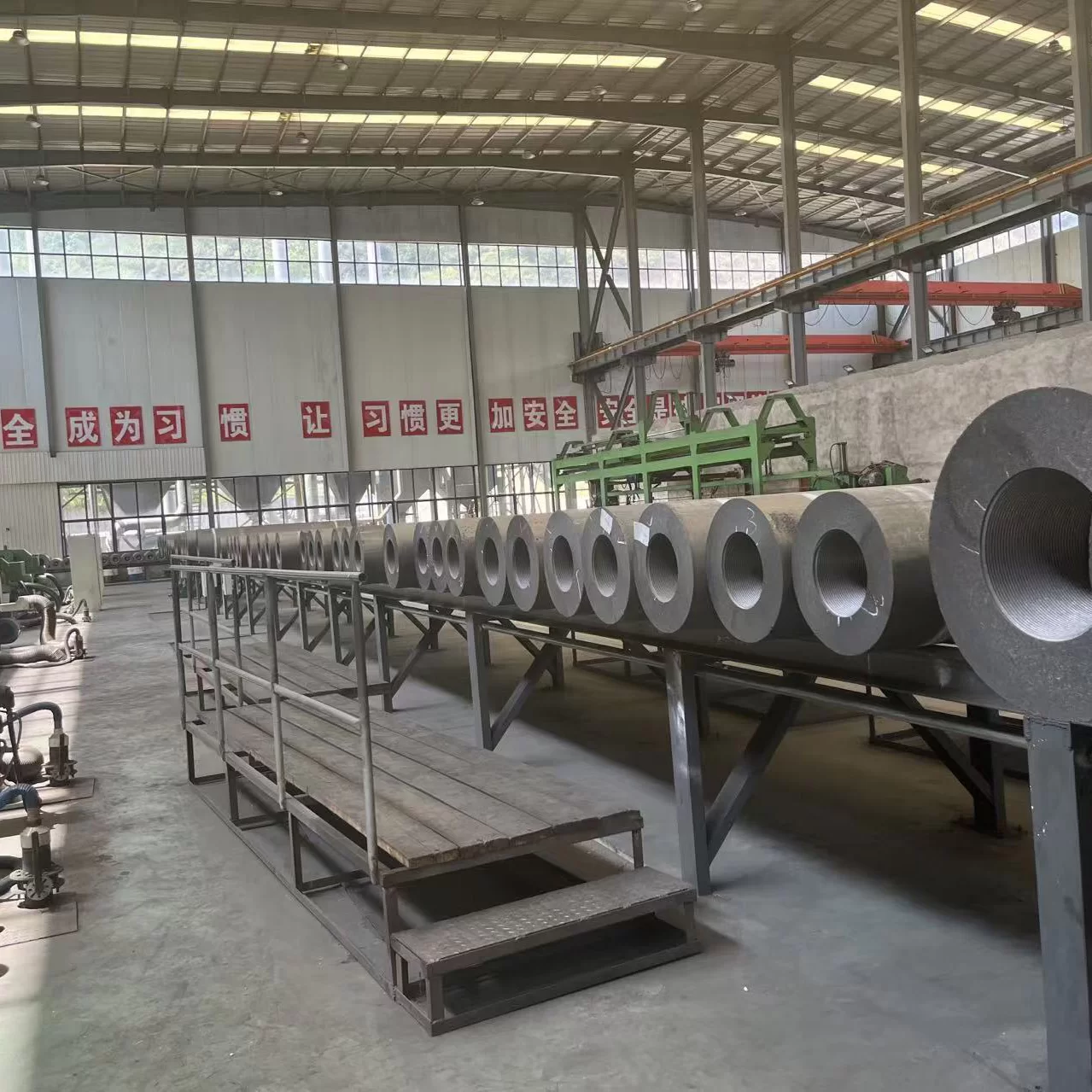
You know, it's funny how often the most crucial materials in our modern world are things we rarely stop to think about. Take Natural Graphite Powder, for instance. It might not have the glamour of silicon or the mystique of rare earth elements, but honestly, this unassuming mineral is an absolute powerhouse, driving innovation in countless industries. From the batteries powering our EVs to the refractories in high-temperature furnaces, its unique properties are simply indispensable.
The Enduring Appeal of Natural Graphite
So, what makes Natural Graphite Powder so special? Actually, its excellence stems from its inherent structure – a perfect crystallization with good flexibility and conductivity. This isn't just some vague marketing speak; these are real, tangible characteristics that translate into incredible performance. It boasts excellent chemical and physical properties, alongside remarkable self-lubricity and resistance to high temperatures, corrosion, and even hot shock. Many customers I've spoken with will tell you it's its integrity, reliability, and consistent performance that truly set it apart.
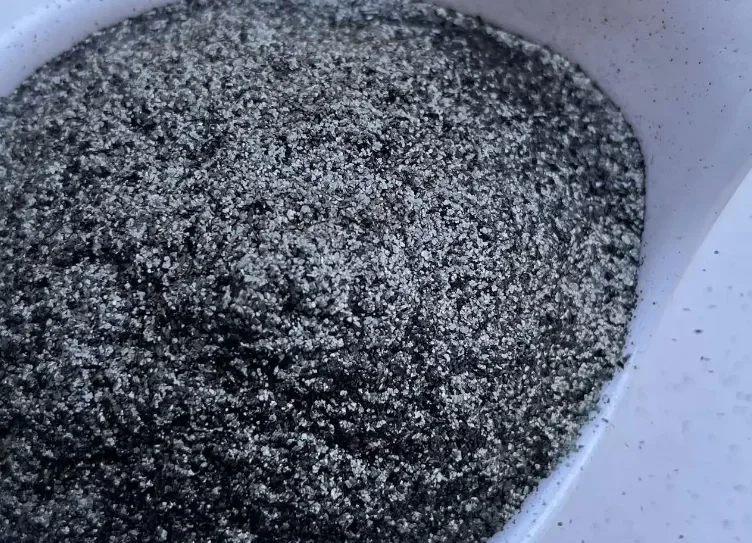
Industry Trends: Where is Graphite Heading?
I guess it's no secret that the demand for Natural Graphite Powder is skyrocketing, largely fueled by the electric vehicle revolution and the push for grid-scale energy storage. Graphite is a critical component in lithium-ion battery anodes, and as the world transitions to cleaner energy, its importance will only grow. We're also seeing significant growth in traditional sectors like metallurgy and refractories, which continue to value its thermal and chemical resistance. Companies are increasingly looking for high-purity, consistent sources of graphite powder for sale that can meet stringent industrial standards like ASTM and ISO.
Unpacking the Specs: What to Look For
When you're sourcing Natural Graphite Powder, the devil, as they say, is in the details. You need to consider parameters like carbon content, particle size distribution, and specific gravity. Below is a typical specification table, though real-world use may vary slightly depending on your application and vendor processing.
Typical Specifications for Natural Graphite Powder | ||
Characteristic | Value/Range | Testing Standard (e.g.) |
Carbon Content (Fixed Carbon) | 90% - 99.9% (min) | ISO 80000-11 |
Particle Size (Mesh) | 32 mesh to 800 mesh (approx. 500μm to 15μm) | ASTM D1509 |
Moisture Content | < 0.5% | ASTM D1509 |
Ash Content | ≈ 0.1% - 10% | ISO 1445 |
Specific Gravity | 2.2 - 2.3 g/cm³ | ISO 1183-1 |
Electrical Conductivity | Excellent (highly conductive) | Internal Standard |
Thermal Resistance | Up to 3000°C (in inert atmosphere) | Internal Standard |
From Mine to Market: The Process Flow
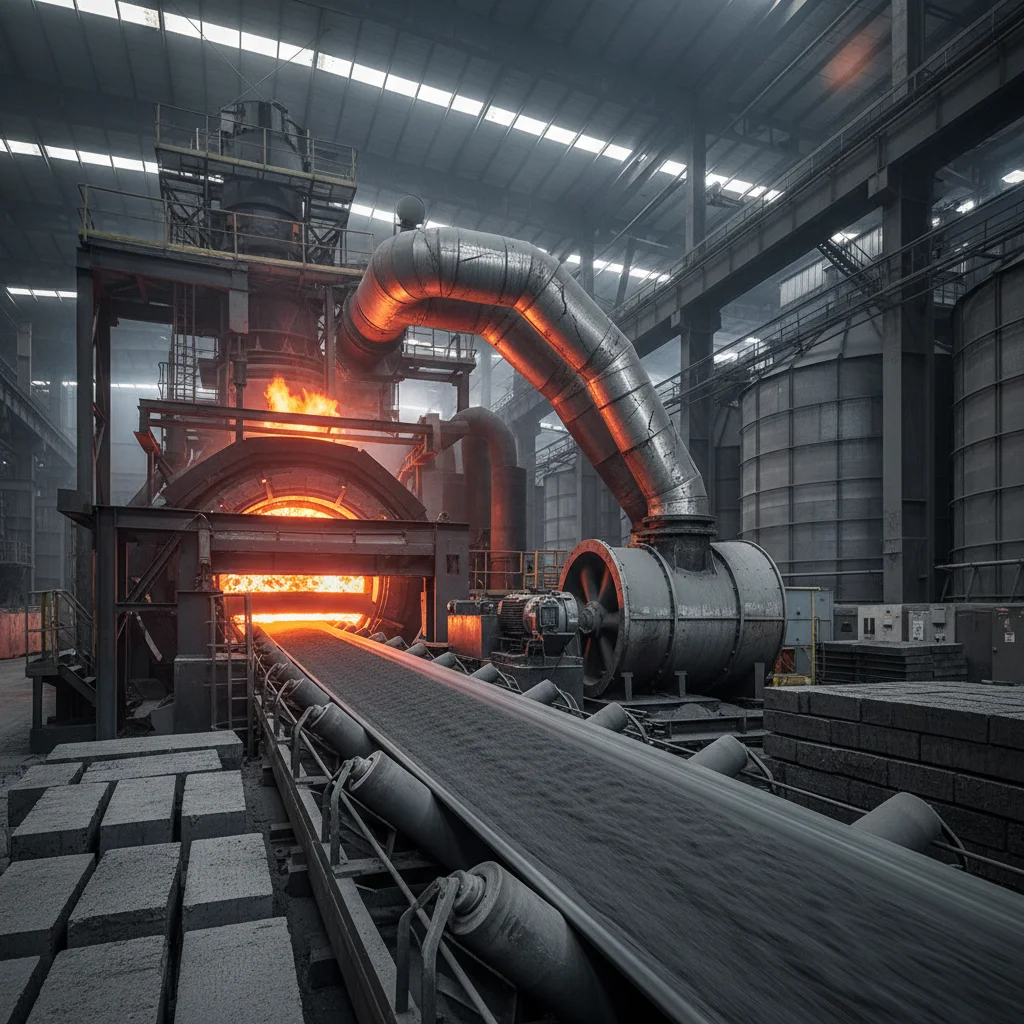
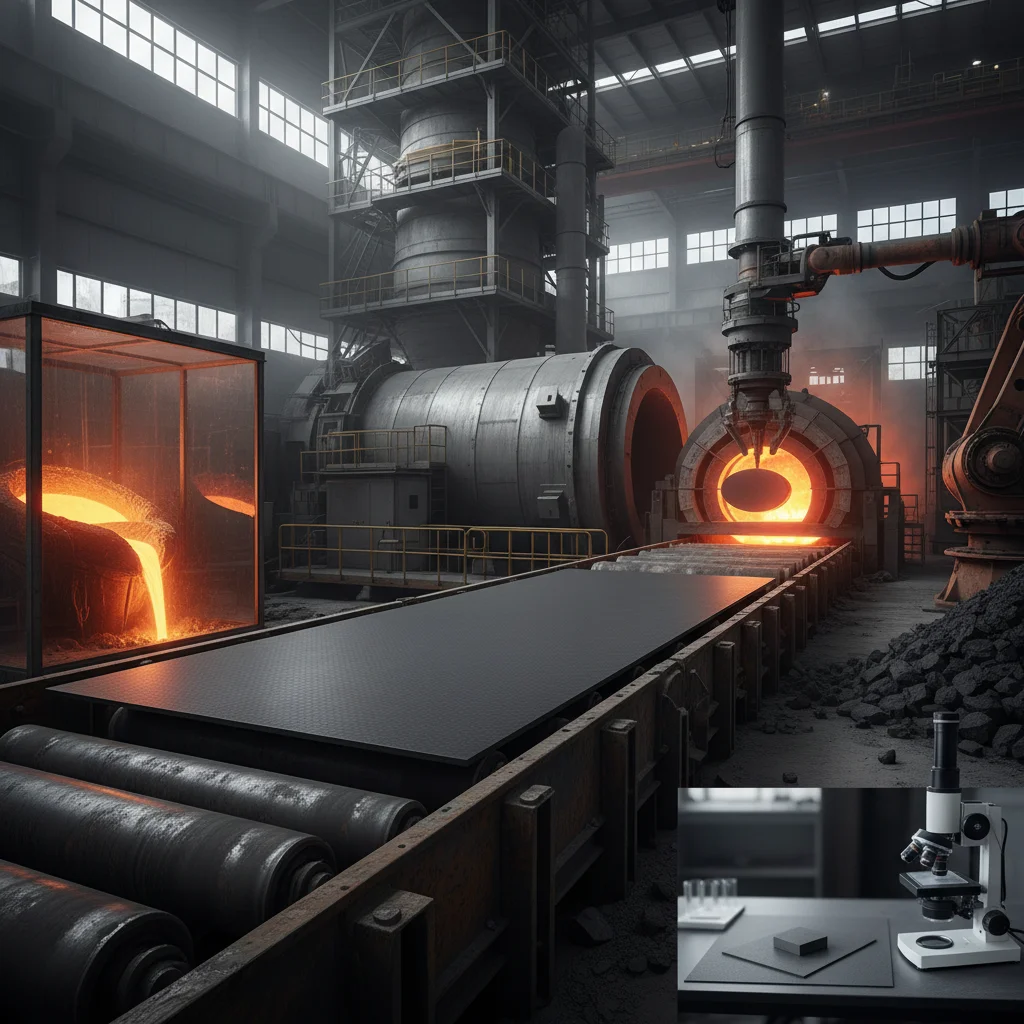
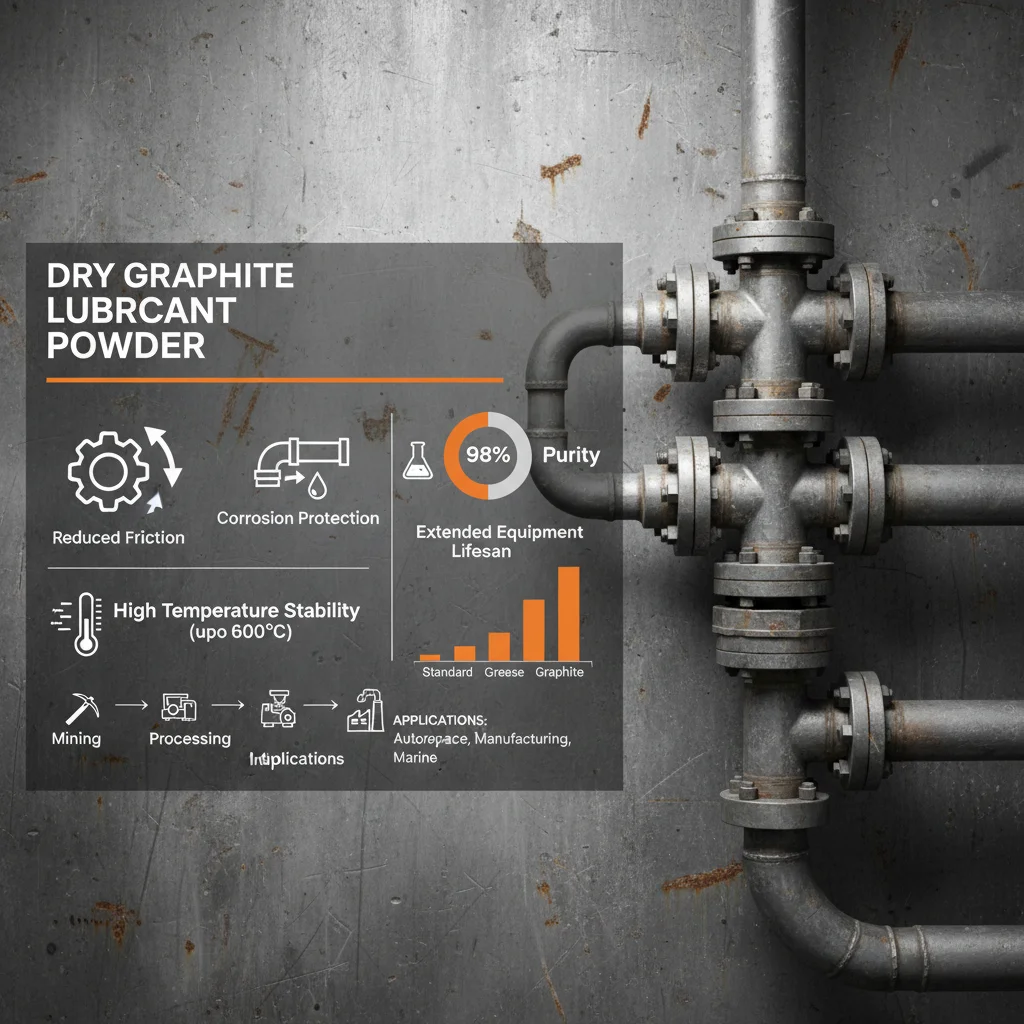
The journey of Natural Graphite Powder typically begins with mining flake graphite ore. This raw material then undergoes a series of complex processing steps. First, it's beneficiated, usually through flotation, to concentrate the graphite flakes and separate them from gangue minerals. This is where the magic really starts. After concentration, it's dried, then meticulously crushed and screened to achieve specific particle sizes. For higher purity applications, chemical or thermal purification might follow. Throughout this process, stringent quality control and testing standards are applied to ensure the final product meets the required specifications for various industries, ensuring a consistent service life for end-products.
Vendor Selection: A Critical Decision
Choosing the right supplier for Natural Graphite Powder is, quite frankly, paramount. It's not just about price; it's about consistency, reliability, and support. Many suppliers offer customization options, tailoring particle size, purity, and even surface treatments to your exact needs. Here's a quick comparison to give you an idea of what to consider:
Vendor Comparison Checklist (Illustrative) | ||
Feature/Metric | Dah Carbon (Example) | Competitor X |
Product Quality & Consistency | High, reliable, certified | Can vary, often requires more testing |
Customization Options | Extensive (particle size, purity, etc.) | Limited standard offerings |
Customer Support & Technical Help | Dedicated, responsive, problem-solving | Basic, often self-service |
Global Export Experience | Proven to US, UK, South Korea, etc. | Regional focus primarily |
Certifications & Standards Adherence | ISO certified, meets industry standards | May not have comprehensive certifications |
Applications & Real-World Impact
The application scenarios for Natural Graphite Powder are truly diverse. In metallurgy, it's used in refractories and as a recarburizer. Its excellent conductivity makes it vital for electrodes and, of course, batteries. Its self-lubricating properties are critical in friction materials and lubricants. I've even heard surprising stories from engineers in the aerospace sector praising its thermal resistance in extreme conditions. Each use case benefits from graphite's unique blend of characteristics, underscoring its role as an essential nonmetallic mineral in almost all industries.
To be honest, the global market for high-quality graphite powder for sale is competitive, but reputable suppliers distinguish themselves through rigorous quality control, transparent testing data, and adherence to authoritative standards. They understand that integrality, reliable, and constant performance are not just buzzwords, but foundations of trust.
In Conclusion
Whether you're exploring the potential of next-gen energy solutions or simply reinforcing a traditional industrial process, Natural Graphite Powder is likely playing a crucial, if often unseen, role. Its exceptional properties make it a cornerstone material, and as technology advances, its versatility will only become more appreciated. Always prioritize quality, consistency, and a vendor committed to "Quality First, Customer First, Loyalty and Trustworthiness" – it truly makes all the difference.
Authoritative Citations
1. United States Geological Survey (USGS). (2023). Mineral Commodity Summaries 2023: Graphite. Retrieved from USGS.gov
2. International Organization for Standardization (ISO). (Current). ISO Standards for Carbonaceous Materials. Retrieved from ISO.org
3. American Society for Testing and Materials (ASTM International). (Current). ASTM Standards for Carbon and Graphite Products. Retrieved from ASTM.org