Understanding Graphite Crucibles for Gold Melting: Why This Matters Globally
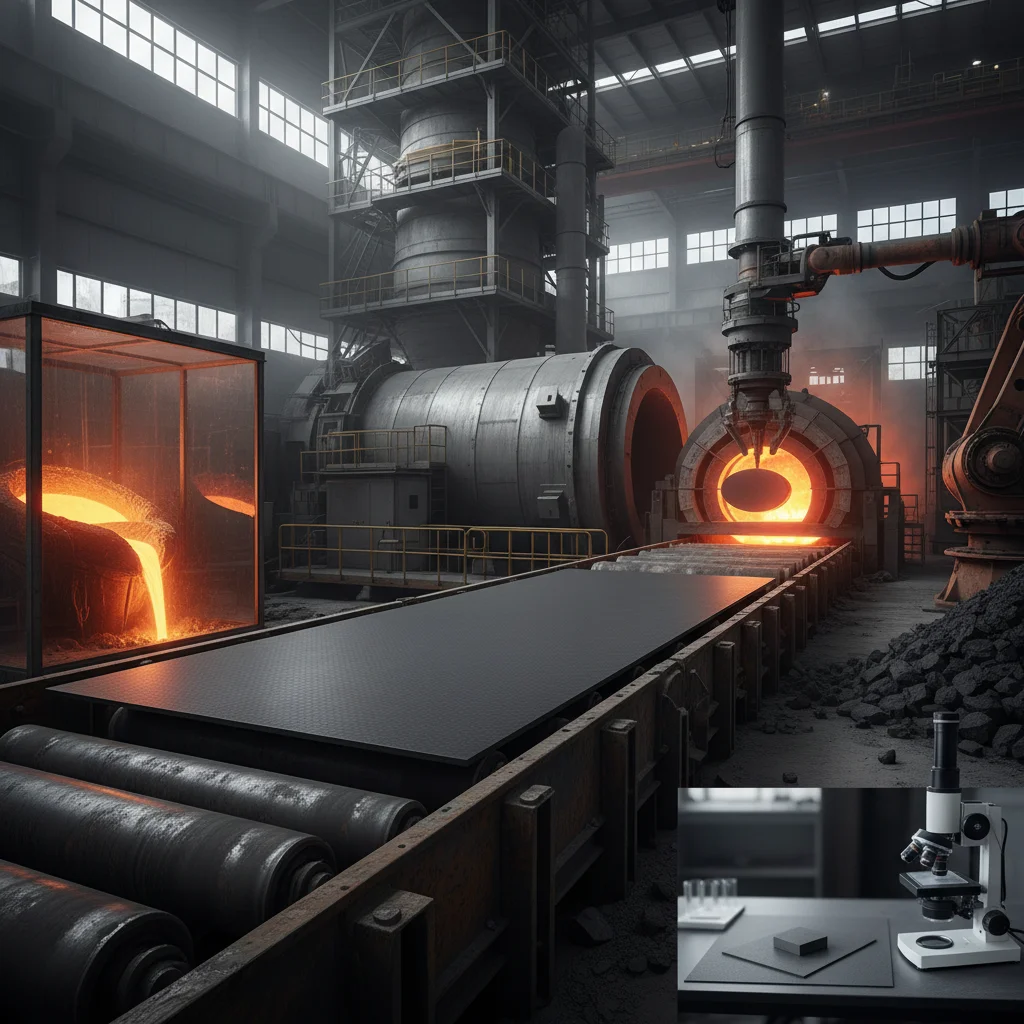
Graphite crucibles for gold melting might seem like a niche bit of industrial equipment — but their impact isn’t contained to some small foundry tucked away in a remote region. In fact, the way we handle precious metals worldwide depends heavily on reliable, heat-resistant melting vessels. A graphite crucible, in this context, is a specially designed container made predominantly from graphite, known for its excellent thermal conductivity and resistance to chemical attack. For gold melting — a process integral not only to jewelry making but also electronic component production and even central banking reserves — these crucibles facilitate safer, cleaner, and more precise melts.
Globally, the precious metals market is vast: with gold production topping roughly 3,000 metric tons yearly (according to USGS data) and increasing demand in electronics and green tech, it all depends on efficient melting techniques. The benefit of understanding graphite crucibles goes beyond metallurgy — it’s about grasping how industries innovate for sustainability, cost savings, and quality control.
Mini takeaway: At its core, a graphite crucible is a small but critical piece of tech that supports the vast gold industry ecosystem worldwide, underpinning both economic and technological developments.
The Bigger Picture: Why Graphite Crucibles Matter Globally
Look at the global landscape: demand for gold isn’t just shiny; it’s functional. Electronics, medical devices, aerospace — these sectors all require ultra-pure gold components. According to the World Bank, emerging economies in Asia and Africa are steadily increasing their gold refining capacities, often shifting from imports to domestically processed metals. This movement is thirsty for robust, scalable, and affordable melting solutions.
The problem is, conventional ceramic crucibles have limitations — they crack easily, may contaminate metals, and don’t always handle rapid thermal cycling well. Enter graphite crucibles for gold melting: they’re a technically superior alternative that addresses these setbacks with fewer impurities and higher durability.
Mini takeaway: As industries evolve in hotspots around the world, the demand and reliance on high-performance crucibles like graphite ones rise accordingly, making their role strategic and indispensable.
What Exactly Is a Graphite Crucible for Gold Melting?
Simply put, a graphite crucible is a cup-shaped container made mostly of graphite and sometimes reinforced with clay or other binders to improve strength. Graphite’s unique layered atomic structure permits heat to evenly distribute while resisting chemical reactions — crucial when melting sensitive metals like gold.
When gold is melted inside, the crucible acts like the vessel that can withstand temperatures upwards of 1100°C with minimal degradation or contamination risks. This precise heat control and chemical inertness link the crucible directly to modern manufacturing processes, from fine jewelry craftsmanship to high-volume electronics production.
Moreover, in humanitarian contexts — say, in post-conflict economies or resource-rich remote regions — having access to such reliable crucibles can empower local artisans and small-scale miners to refine gold themselves, ensuring better livelihoods and economic independence.
Key Factors That Make Graphite Crucibles Stand Out
1. Durability and Thermal Shock Resistance
A huge edge of graphite crucibles is their resistance to thermal shock. Unlike brittle ceramics that can shatter with sudden temperature swings, graphite endures quick heating and cooling cycles, which happens all too often in active melting operations. This toughness extends the crucible's lifespan, reducing replacement costs and downtime.
2. Purity and Chemical Stability
Because graphite is chemically inert under melting conditions, it doesn’t contaminate gold. The result? A purer final product — which is a big deal given how sensitive gold purity is to trace impurities that can drastically affect market value.
3. Thermal Conductivity
Graphite’s excellent heat transmission allows for even temperature distribution across the crucible's contents. Melts are more consistent, reducing the risk of hot spots or incomplete melting, which can affect casting quality.
4. Cost-Efficiency Across Lifecycle
While the initial purchase price of graphite crucibles might be slightly higher than traditional clay or ceramic varieties, the durability, lower contamination rates, and improved melting efficiency quickly pay off. It’s a classic case of spending a little now to save a lot later.
5. Environmental Impact
Graphite crucibles tend to have a smaller ecological footprint compared to other options, mainly because they last longer and avoid the frequent waste cycle of fragile crucibles. Plus, disposal and recycling of graphite are more manageable under industrial waste guidelines.
Mini takeaway: When you factor in durability, purity, heat control, cost, and sustainability, graphite crucibles clearly shine. It’s no wonder they’re becoming the industry standard in precious metal melting.
Where and How Are Graphite Crucibles for Gold Melting Used Worldwide?
In practical terms, these crucibles have a huge footprint. Consider several areas:
- Jewelry Manufacture: India, Thailand, and Italy use graphite crucibles extensively for intricate gold work — precision and purity here can make or break a piece.
- Electronics Industries in China and South Korea: Where precision gold melting is vital for thin wire and conductor production.
- Mining and Refining in Africa and South America: Local entrepreneurs refine gold on a smaller scale with graphite crucibles, improving local economies.
- Central Banking and Sovereign Reserves: Countries worldwide use high-grade graphite crucibles to recycle and purify bullion for long-term storage.
Interestingly, in some post-disaster recovery zones, mobile melting stations equipped with graphite crucibles enable communities to regain economic stability by melting scrap metals and creating value locally. It’s these practical deployments that underscore their versatile value.
Advantages and Long-Term Value of Using Graphite Crucibles
Think of the advantages as both emotional and practical:
- Economic Stability: By reducing product loss and contamination, users protect their investments.
- Safety and Trust: Operators handle the melting process with more control and less risk of breakage or hazardous failures.
- Sustainability: Longer lifespan means less waste and less frequent manufacturing of new crucibles.
- Innovation Catalyst: Enables industries to develop new alloys or handle complex melt compositions with confidence.
Long term, the trust in graphite crucibles translates into consistent quality, which is essential in industries where gold purity is both a technical and reputational issue.
Future Trends Influencing Graphite Crucible Technology
Looking ahead, several trends are shaping design and material development for graphite crucibles:
- Automation & Digital Monitoring: Sensors embedded in crucibles to measure temperature and wear in real-time.
- Green Manufacturing: Using renewable energy sources and recycling graphite waste more effectively.
- Advanced Composite Materials: Combining graphite with nanomaterials to improve strength without compromising conductivity.
- Global Supply Chain Shifts: Regional production hubs emerging to reduce carbon footprint from shipping heavy raw materials.
These advances signal a future where graphite crucibles are smarter, more durable, and aligned with circular economy principles.
Tackling Challenges in Graphite Crucible Use & Industry Solutions
Of course, no tech is free from challenges:
- Brittleness Under Mechanical Impact: Though thermally shock-resistant, graphite can be fragile if dropped or mishandled.
- Cost Barrier for Small Artisans: Upfront costs may deter smaller operations.
- Supply Chain Disruptions: Raw graphite availability can fluctuate globally due to geopolitical or environmental factors.
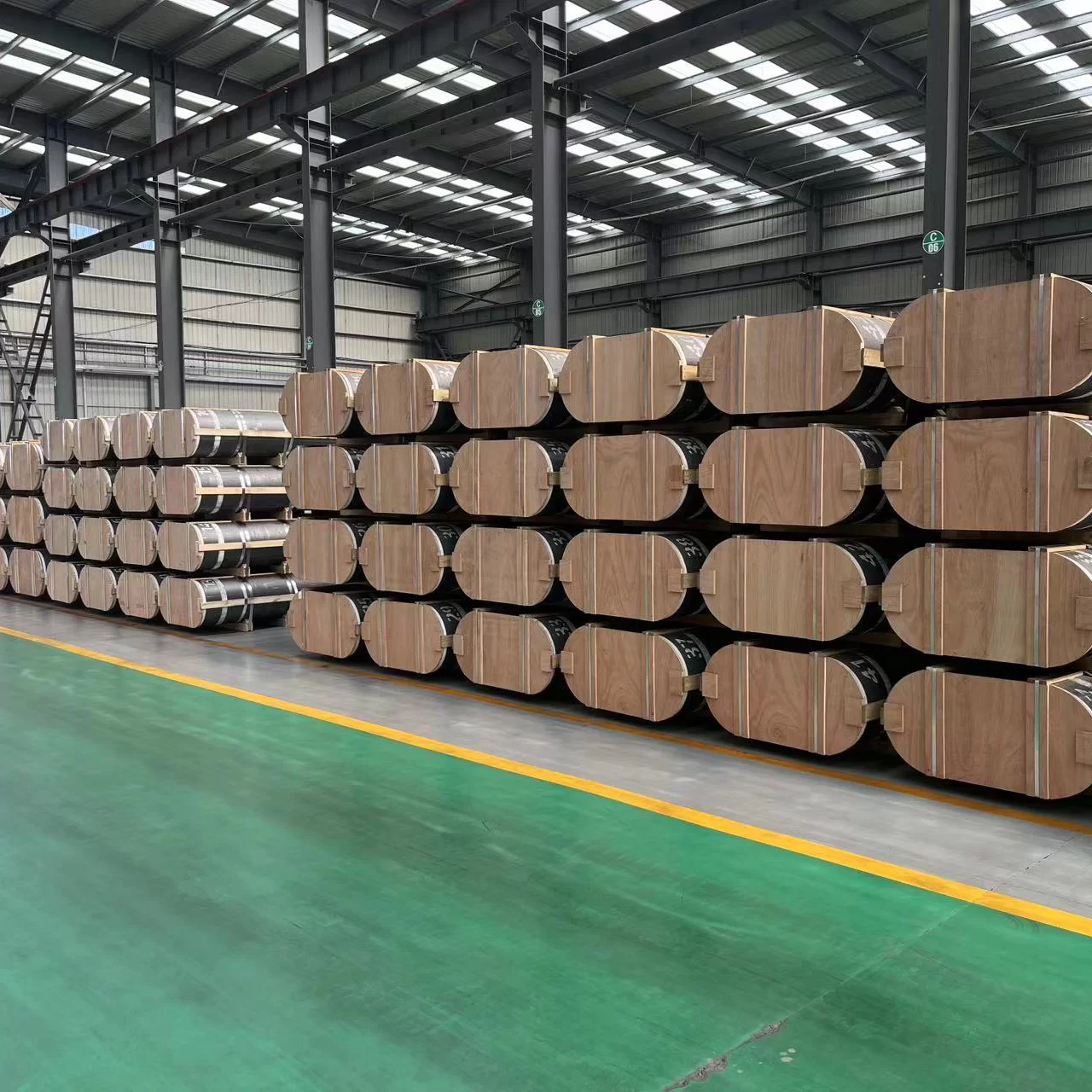
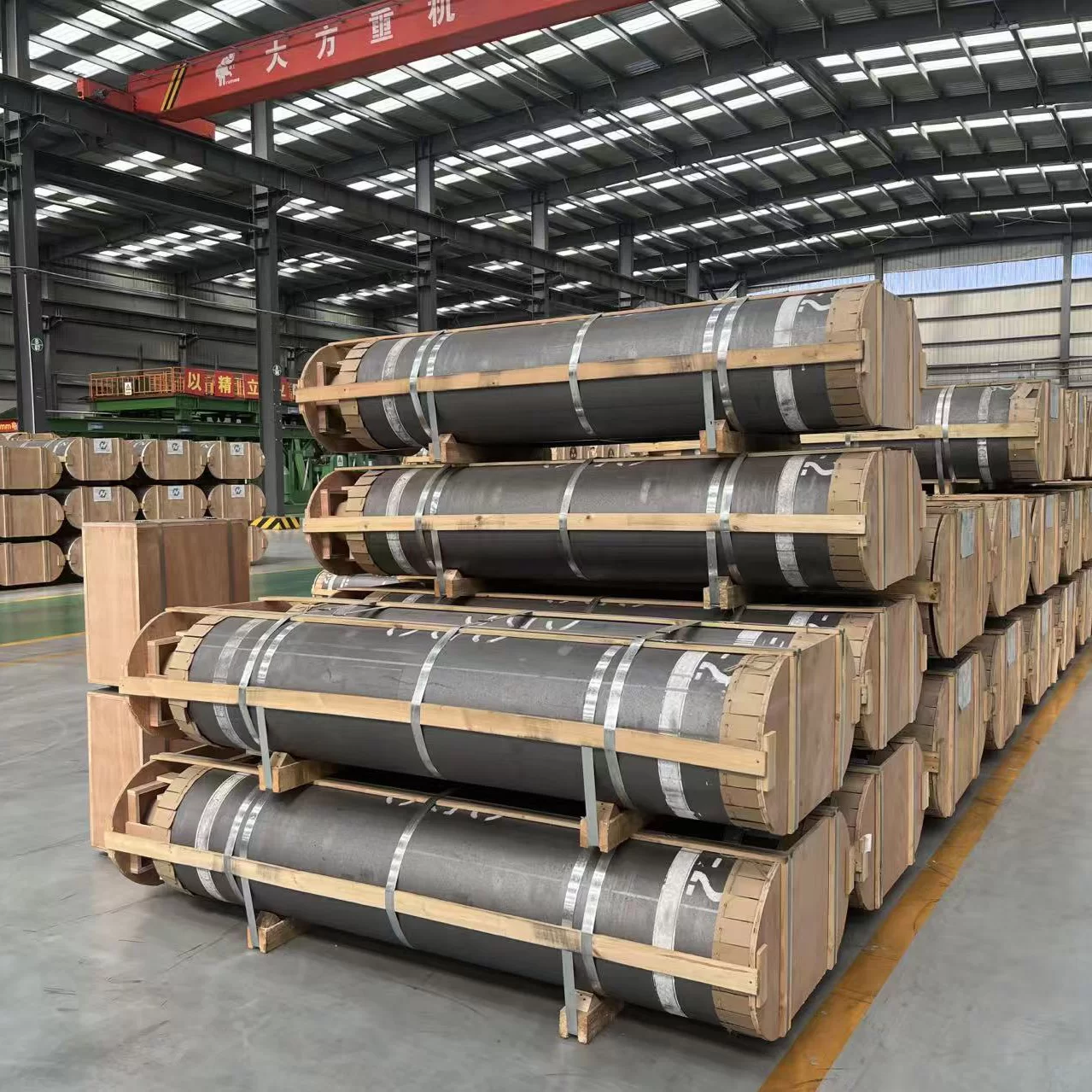
Experts recommend careful handling training, increased local manufacturing to reduce costs, and diversifying material sources. Some manufacturers now offer modular crucible systems and bulk-buy discounts to help smaller buyers. Innovation in packaging and transport methods is also reducing breakage during shipment.
Frequently Asked Questions About Graphite Crucibles for Gold Melting
Q1: How long does a typical graphite crucible last during gold melting?
A1: Under normal industrial use, graphite crucibles can last from several months up to a year, depending on melt frequency and handling. Frequent rapid heating cycles can reduce lifespan if proper preheating and cooling procedures are neglected.
Q2: Can graphite crucibles be used for metals other than gold?
A2: Absolutely. They’re commonly used for silver, copper, and various alloys. The key is matching crucible size and grade to melting temperatures and chemical reactivity of the metal.
Q3: Are graphite crucibles environmentally safe to dispose of?
A3: Yes, graphite is considered safe to dispose of following typical industrial waste regulations, and many recycling programs recover graphite-based materials for reuse, reducing waste.
Q4: How do graphite crucibles compare to ceramic alternatives in cost?
A4: The upfront cost is generally higher for graphite, but lifecycle costs often are lower due to durability and performance benefits, resulting in better overall value.
Q5: What’s a reliable source to purchase quality graphite crucibles?
A5: Companies like DAH Carbon specialize in precision graphite crucibles optimized for gold melting, with detailed specs and international shipping options.
Product Specification Table: Typical Graphite Crucible for Gold Melting
| Specification | Details |
|---|---|
| Material | High purity graphite with clay binder |
| Max Operating Temperature | 1,500 °C |
| Typical Capacity | 50-500 grams of gold per batch |
| Thermal Shock Resistance | High (can tolerate rapid heating/cooling) |
| Dimensions (Typical) | Dia: 60-100 mm, Height: 80-150 mm |
| Weight | 150-700 grams |
Vendor Comparison Table: Key Players in Graphite Crucibles for Gold Melting
| Vendor | Material Purity | Max Temp (°C) | Price Range (USD) | Special Features | Global Shipping |
|---|---|---|---|---|---|
| DAH Carbon | 99.9%+ | 1,500 | $40 - $120 | Custom sizes, rapid delivery | Yes |
| GraphitePros Inc. | 99.5% | 1,400 | $30 - $100 | Reinforced wall design | Limited |
| ThermoGraphix | 98.0% | 1,350 | $25 - $90 | Budget friendly, fast thermal cycle | Yes |
Wrapping It Up: Why Invest in Graphite Crucibles For Gold Melting?
When you consider everything — the material science, the economics, and the global industrial trends at play — graphite crucibles for gold melting are a meaningful investment. They promote purity, efficiency, safety, and sustainability in an industry where those factors are often the difference between profit and loss.
If you’re involved in gold melting, whether you’re a small artisan or a large-scale refinery, exploring the latest in graphite crucibles technology is a logical step forward.
Want to explore top-quality graphite crucibles? Visit DAH Carbon for detailed specs and reliable, global supply.