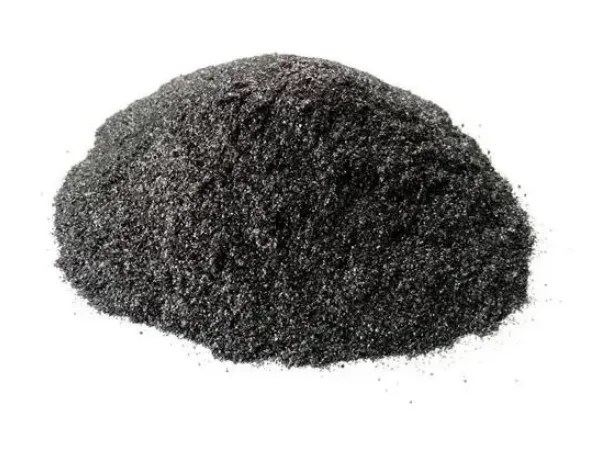
In an era defined by rapid technological advancement and an insatiable demand for high-performance materials, Artificial Graphite has emerged as an indispensable cornerstone, driving innovation across myriad industries. Far surpassing the capabilities of its natural counterpart in many critical applications, this synthetic marvel offers unparalleled purity, structural consistency, and tunable properties. The global market for this advanced material is experiencing an unprecedented boom, primarily fueled by the electrifying growth of the electric vehicle (EV) sector, the escalating need for efficient renewable energy storage solutions, and the continuous miniaturization and enhancement of portable electronic devices. Industry reports project the Artificial Graphite market to surge past a valuation of $15 billion by 2028, demonstrating a robust Compound Annual Growth Rate (CAGR) exceeding 9%. This trajectory is not merely a statistical anomaly but a profound testament to its superior performance characteristics, which directly translate into enhanced device longevity, higher energy density, and improved safety profiles. Its pivotal role as the anode material in lithium-ion batteries—the workhorse of modern energy storage—underscores its strategic importance. As industries worldwide strive for greater efficiency, sustainability, and technological prowess, the strategic adoption and meticulous selection of high-quality Artificial Graphite solutions are becoming increasingly critical, differentiating market leaders from their competitors. This material’s engineered precision offers a competitive edge, allowing for breakthrough advancements that were once relegated to the realm of theoretical possibility.
Unlocking Superior Performance: Technical Advantages
The inherent limitations of natural graphite—primarily its inconsistent purity, variable crystallinity, and less controllable particle morphology—have paved the way for the dominance of synthetic alternatives. Artificial Graphite distinguishes itself through a suite of technical advantages that are meticulously engineered during its sophisticated manufacturing process. Firstly, its exceptional purity, often exceeding 99.99%, is paramount for applications like lithium-ion battery anodes, where even trace impurities can lead to irreversible capacity loss, increased self-discharge, and safety hazards such as dendrite formation. Secondly, the ability to precisely control its crystallinity and graphitization degree allows for optimized electrochemical performance, translating into higher specific capacity and significantly extended cycle life. Manufacturers can engineer the material to exhibit a highly ordered layered structure, facilitating rapid lithium-ion intercalation and de-intercalation. Thirdly, the tunable particle size and morphology, ranging from micron-sized powders to larger aggregates, are crucial. Spherical Artificial Graphite, for instance, offers superior tap density and less irreversible capacity loss during the initial charge-discharge cycle, making it ideal for high-energy-density batteries. Furthermore, its excellent electrical and thermal conductivity ensures efficient charge transfer and effective heat dissipation, vital for battery safety and performance under high-power operations. These engineered attributes not only overcome the variability inherent in natural graphite but also enable the creation of highly specialized grades tailored for specific, demanding applications, ensuring optimal performance and reliability across diverse industrial landscapes.
Precision Engineering: Manufacturing Processes and Quality Control
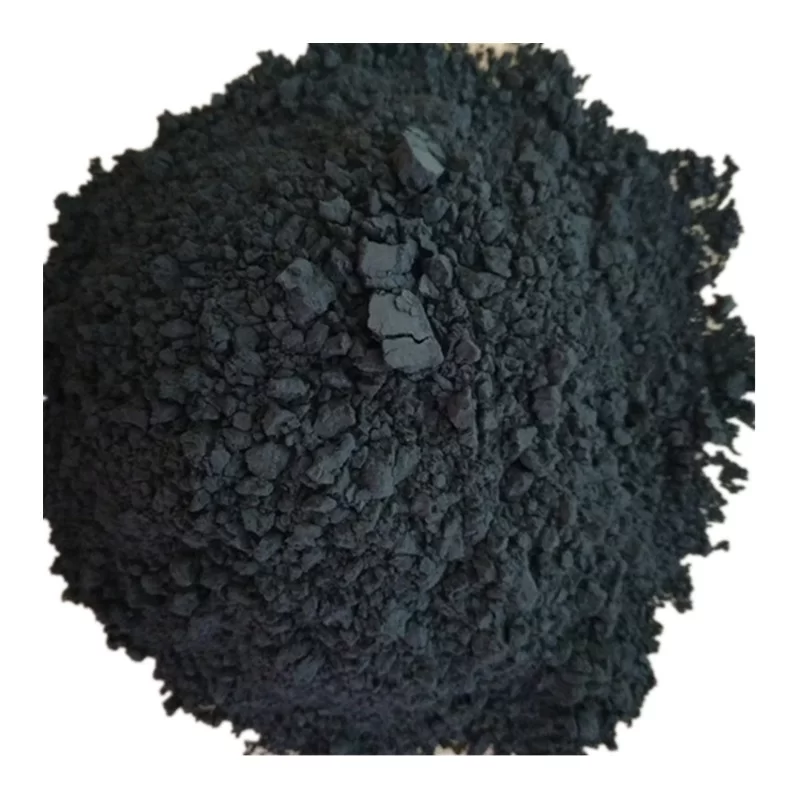
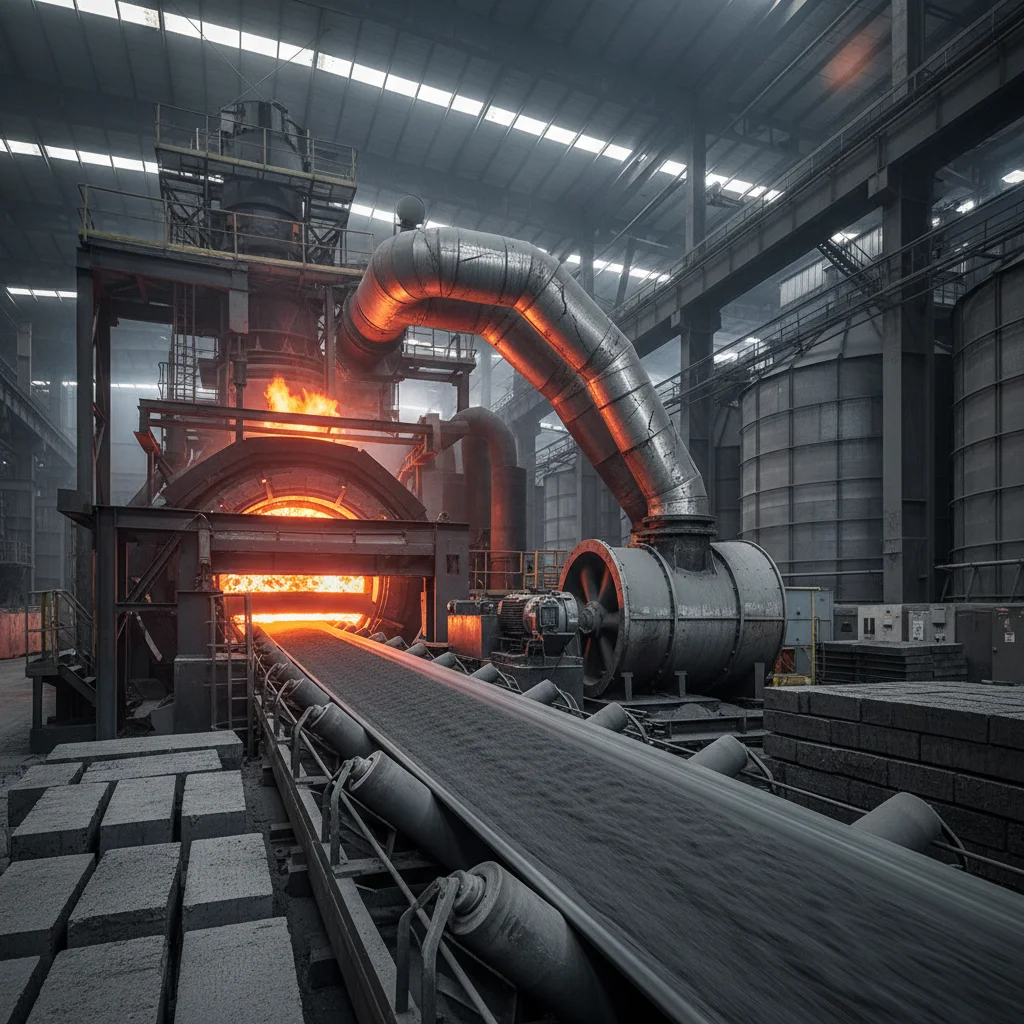
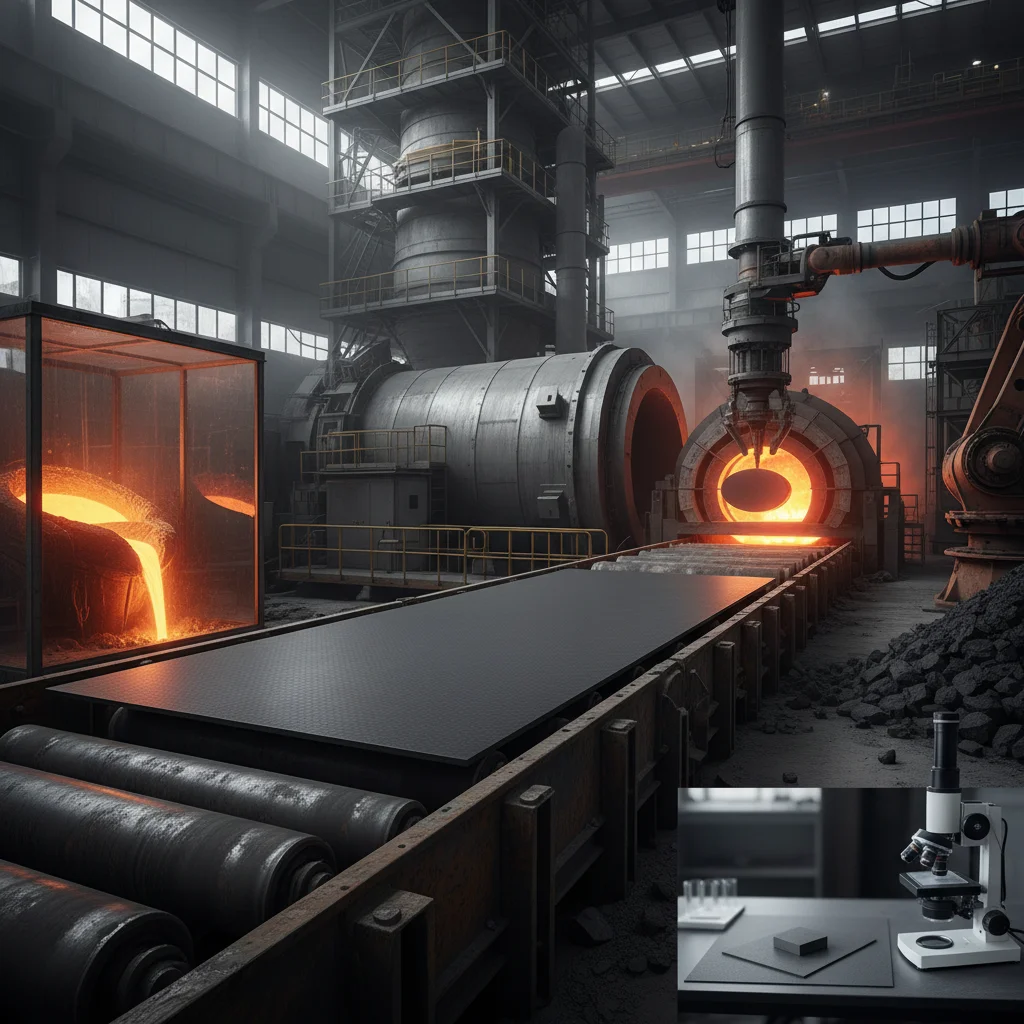
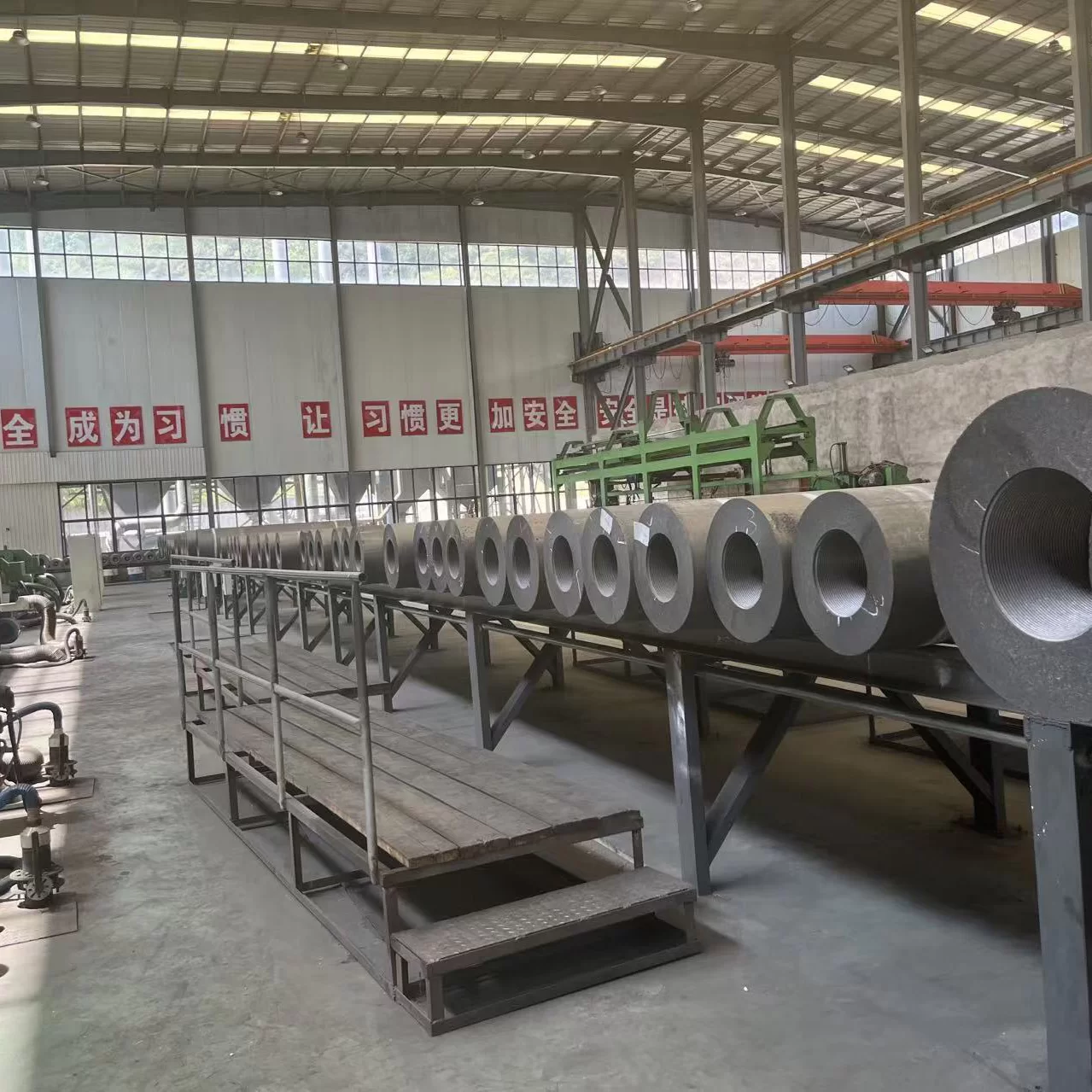
The creation of high-quality Artificial Graphite is a testament to advanced materials science and precision engineering, involving a multi-stage, energy-intensive process designed to imbue the material with its superior properties. The journey typically begins with carefully selected carbonaceous precursors, primarily petroleum coke or coal tar pitch, which undergo an initial heat treatment known as calcination to remove volatile impurities and increase carbon content. This pre-treated material is then ground, screened, and often mixed with binders before being shaped into desired forms, such as blocks or electrodes. The critical phase is graphitization, where the material is heated to extraordinarily high temperatures, often exceeding 2500°C, in a controlled inert atmosphere (e.g., Acheson or LWG furnaces). At these extreme temperatures, the amorphous carbon atoms rearrange into the highly ordered, hexagonal layered structure characteristic of graphite, dramatically enhancing its crystallinity, electrical conductivity, and thermal stability. Subsequent processing steps, particularly crucial for battery-grade materials, include precise milling to achieve specific particle size distributions, spheroidization to create highly dense, spherical particles with improved packing density, and surface coating to enhance electrochemical stability and reduce side reactions. Throughout this entire process, rigorous quality control measures are implemented. Advanced analytical techniques such as X-ray Diffraction (XRD) for crystallinity assessment, Scanning Electron Microscopy (SEM) for morphological analysis, Brunauer–Emmett–Teller (BET) for specific surface area measurement, and particle size distribution (PSD) analysis ensure that each batch meets stringent performance specifications. This meticulous control at every stage guarantees the consistency, purity, and performance required for demanding industrial applications.
Navigating the Landscape: Leading Manufacturers and Performance Metrics
The global Artificial Graphite market is characterized by a dynamic competitive landscape, where leading manufacturers distinguish themselves through proprietary production technologies, rigorous quality control, and the ability to tailor material properties to specific client needs. Selecting the right supplier is paramount, as performance variations can significantly impact end-product efficiency, lifespan, and safety. Below is a comparative overview of illustrative manufacturers, highlighting key performance metrics that define the quality and suitability of Artificial Graphite for various applications:
Manufacturer (Illustrative) | Purity (%) | Graphitization Degree (%) | Tap Density (g/cm³) | Particle Size (D50, µm) | Specific Surface Area (m²/g) | Primary Application Focus |
GraphiteTech Innovations | >99.95 | >99.0 | 1.0 - 1.2 | 15 - 20 | 3.0 - 5.0 | High-performance Li-ion battery anodes (EVs) |
SyntheMat Solutions | >99.92 | >98.5 | 0.9 - 1.1 | 20 - 25 | 4.5 - 6.5 | Consumer electronics, stationary energy storage |
PowerGraph Technologies | >99.97 | >99.2 | 1.1 - 1.3 | 10 - 15 | 2.5 - 4.0 | Ultra-fast charging battery anodes, specialized electronics |
Industrial Carbon Co. | >99.85 | >97.0 | 0.8 - 1.0 | 30 - 50 | 6.0 - 8.0 | Refractories, lubricants, general industrial applications |
These metrics are critical for evaluation. Purity directly impacts electrochemical stability and safety. Graphitization Degree correlates with electrical conductivity and lithium intercalation kinetics. Tap Density is vital for achieving high volumetric energy density in batteries, maximizing energy stored per unit volume. Particle Size (D50) influences power density and cycle life, with finer particles generally offering faster charge/discharge rates but potentially higher irreversible capacity loss. Finally, Specific Surface Area affects the interface with electrolytes and can impact initial efficiency and rate capability. Understanding these distinctions allows purchasers to align material specifications precisely with their application requirements, ensuring optimal performance and cost-effectiveness.
Tailored Excellence: Customization for Diverse Industrial Needs
One of the most compelling advantages of Artificial Graphite over its natural counterpart lies in its unparalleled capacity for customization. Unlike natural graphite, whose properties are largely fixed by geological processes, synthetic graphite can be precisely engineered at every stage of its manufacture to meet highly specific and diverse industrial demands. This bespoke approach is critical across a spectrum of applications where a "one-size-fits-all" solution is simply insufficient. Key areas of customization include:
· Particle Size Distribution (PSD): Manufacturers can finely control the D10, D50, and D90 values, tailoring the material for specific applications. For instance, smaller particles are preferred for high-rate battery anodes for faster charging, while larger particles might be used in other industrial contexts requiring higher packing density or different rheological properties.
· Morphology: Beyond simple particle size, the shape of the graphite particles can be engineered. Spherical graphite enhances tap density and reduces the surface area exposed to electrolyte, crucial for high-energy-density lithium-ion batteries. Flaky or irregular shapes may be beneficial for lubricants or conductive additives.
· Surface Treatment and Coating: The surface of Artificial Graphite particles can be modified with various coatings (e.g., carbon coatings, ceramic layers) to improve interfacial stability with electrolytes, enhance cycle life, or mitigate side reactions, particularly vital in demanding battery chemistries.
· Bulk Density and Tap Density: These parameters directly impact the volumetric energy density of batteries. Customization ensures optimal cell design and efficient utilization of space.
· Electrical Resistivity and Thermal Conductivity: While inherently high, these properties can be further optimized for specialized applications such as thermal management solutions or highly sensitive electronic components.
This extensive capability for customization allows manufacturers to collaborate closely with clients, developing bespoke Artificial Graphite solutions that precisely match the unique performance criteria of their end products. This strategic partnership fosters innovation, optimizes material utilization, and significantly enhances the competitive advantage of businesses across sectors ranging from advanced electronics and automotive to aerospace and energy storage. The ability to fine-tune every characteristic ensures that the material delivers maximum efficiency and longevity in its intended application.
Transformative Applications: Real-World Impact
The versatility and superior performance of Artificial Graphite have cemented its status as a critical enabler of modern technology, permeating numerous industries and driving significant advancements. Its applications are broad and impactful:
· Lithium-ion Batteries (LiBs): This is arguably the most significant application, with Artificial Graphite serving as the primary anode material in LiBs for electric vehicles (EVs), consumer electronics (smartphones, laptops), and grid-scale energy storage. Its controlled structure, high purity, and excellent cycle stability contribute directly to longer battery life, higher energy density (up to 372 mAh/g theoretical capacity), and faster charging capabilities. The global demand for battery-grade Artificial Graphite is projected to skyrocket, paralleling the unprecedented growth in EV adoption.
· Fuel Cells: Artificial Graphite is utilized in bipolar plates within fuel cells, providing high electrical conductivity, corrosion resistance, and structural integrity. These characteristics are essential for the efficient operation and durability of proton exchange membrane (PEM) fuel cells, vital for clean energy applications in automotive and stationary power generation.
· Thermal Management Solutions: With its exceptional thermal conductivity, synthetic graphite is increasingly employed in heat sinks, thermal interface materials, and heat spreaders for high-power electronics. Its ability to efficiently dissipate heat is crucial for preventing overheating and ensuring the longevity and reliability of CPUs, GPUs, and power modules in compact devices.
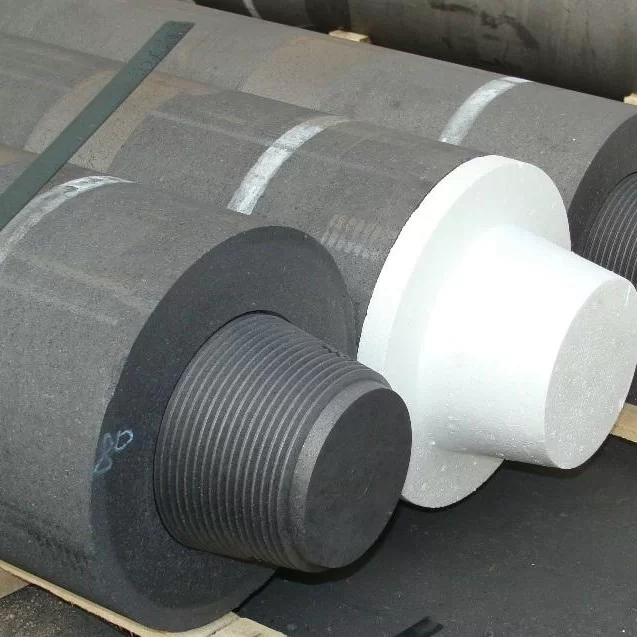
· Electric Discharge Machining (EDM) Electrodes: In precision manufacturing, Artificial Graphite electrodes are favored for their excellent machinability, high electrical conductivity, and low wear rate, enabling the creation of intricate shapes and fine finishes in hard materials with high accuracy.
· Industrial Lubricants and Coatings: Its lamellar structure and low coefficient of friction make Artificial Graphite an excellent solid lubricant, utilized in high-temperature or high-pressure environments where traditional liquid lubricants fail. It also serves as a critical component in conductive coatings and paints.
· Aerospace and Defense: Certain grades of Artificial Graphite are integrated into advanced composite materials, offering lightweight yet robust solutions for structural components, thermal protection systems, and friction materials in demanding aerospace and defense applications.
These diverse applications underscore the material's unparalleled adaptability and its pivotal role in advancing technological frontiers, from sustainable energy to high-performance computing and precision manufacturing.
Investing in the Future: The Strategic Imperative of Artificial Graphite
The trajectory of modern industrial development is inextricably linked to the availability and advanced utilization of critical materials. In this evolving landscape, Artificial Graphite stands out not merely as a commodity but as a strategic asset, embodying the future of energy, electronics, and advanced manufacturing. Its engineered superiority over natural alternatives, characterized by unparalleled purity, consistent performance, and bespoke tunability, makes it an indispensable component in high-growth sectors. As the world pushes towards electrification, digital transformation, and sustainable energy solutions, the demand for highly specialized and reliable Artificial Graphite will only intensify. Future innovations in battery technology, for instance, are increasingly reliant on advancements in anode materials, where synthetic graphite continues to offer pathways for higher energy density, faster charging rates, and enhanced safety through novel surface modifications and composite structures. Furthermore, the commitment to robust supply chains and ethical sourcing practices associated with Artificial Graphite manufacturing contributes positively to global sustainability goals, reducing reliance on geographically concentrated and environmentally sensitive natural resource extraction. For industries and nations alike, investing in the research, development, and secure supply of high-grade Artificial Graphite is not merely an operational necessity; it represents a forward-thinking strategic imperative. It is an investment in technological sovereignty, competitive advantage, and a more sustainable, high-performance future. Partnering with leading manufacturers who prioritize innovation, quality, and customization will be key to unlocking the full potential of this transformative material and navigating the complexities of tomorrow's industrial challenges.
Frequently Asked Questions about Artificial Graphite
1. What is Artificial Graphite?
Artificial Graphite, also known as synthetic graphite, is a manufactured form of carbon created by heating carbonaceous precursors (like petroleum coke or coal tar pitch) to extremely high temperatures (typically over 2500°C) in a process called graphitization. This process transforms the amorphous carbon into a highly ordered, crystalline hexagonal lattice structure, similar to natural graphite but with enhanced purity, consistency, and customizable properties.
2. How does Artificial Graphite differ from natural graphite?
The primary differences lie in purity, consistency, and tunability. Artificial Graphite boasts higher purity (>99.9%) and a more consistent crystalline structure, free from geological impurities. Its properties, such as particle size, morphology, and crystallinity, can be precisely engineered during manufacturing. Natural graphite, while abundant, has variable purity, inconsistent particle shapes, and less predictable performance due to its geological origins.
3. What are the primary applications of Artificial Graphite?
Its main application is as the anode material in lithium-ion batteries for electric vehicles, consumer electronics, and grid energy storage. Other significant applications include fuel cell bipolar plates, thermal management solutions (heat sinks), EDM electrodes, industrial lubricants, and components in the aerospace and defense sectors due to its high conductivity, thermal stability, and corrosion resistance.
4. What factors influence the performance of Artificial Graphite in Li-ion batteries?
Key factors include purity (impurities cause side reactions), graphitization degree (impacts conductivity and lithium intercalation), particle size and morphology (affect energy density, power density, and cycle life), specific surface area (influences electrolyte interaction), and surface coatings (enhance stability and reduce irreversible capacity loss).
5. Is Artificial Graphite sustainable?
The sustainability of Artificial Graphite is a complex issue. While its production is energy-intensive, advancements are being made to use renewable energy sources in manufacturing and to optimize processes for efficiency. Furthermore, its long lifespan and enhanced performance in applications like EVs contribute to reducing overall carbon footprint by extending device longevity and enabling clean energy technologies. The controlled sourcing of raw materials also avoids some environmental and social concerns associated with natural graphite mining.
6. How is Artificial Graphite manufactured?
The manufacturing process typically involves calcination of carbon precursors (e.g., petroleum coke), followed by mixing with a binder and shaping. The shaped material then undergoes a crucial high-temperature graphitization step (over 2500°C) where carbon atoms rearrange into a crystalline graphite structure. Subsequent steps may include milling, spheroidization, and surface coating to achieve desired properties, especially for battery-grade material.
7. What trends are shaping the future of the Artificial Graphite market?
Key trends include the surging demand from the electric vehicle sector, continuous innovation in battery technology requiring higher energy density and faster charging capabilities, the development of composite anode materials (e.g., silicon-graphite composites), increasing focus on sustainable production methods, and expanding applications in emerging technologies like solid-state batteries and advanced thermal management systems.