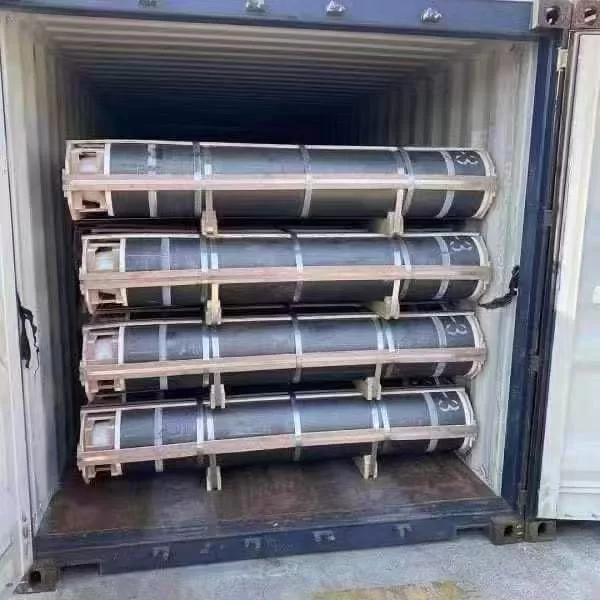
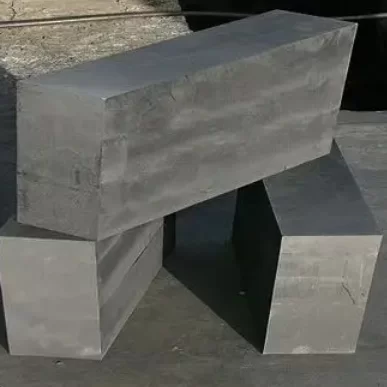
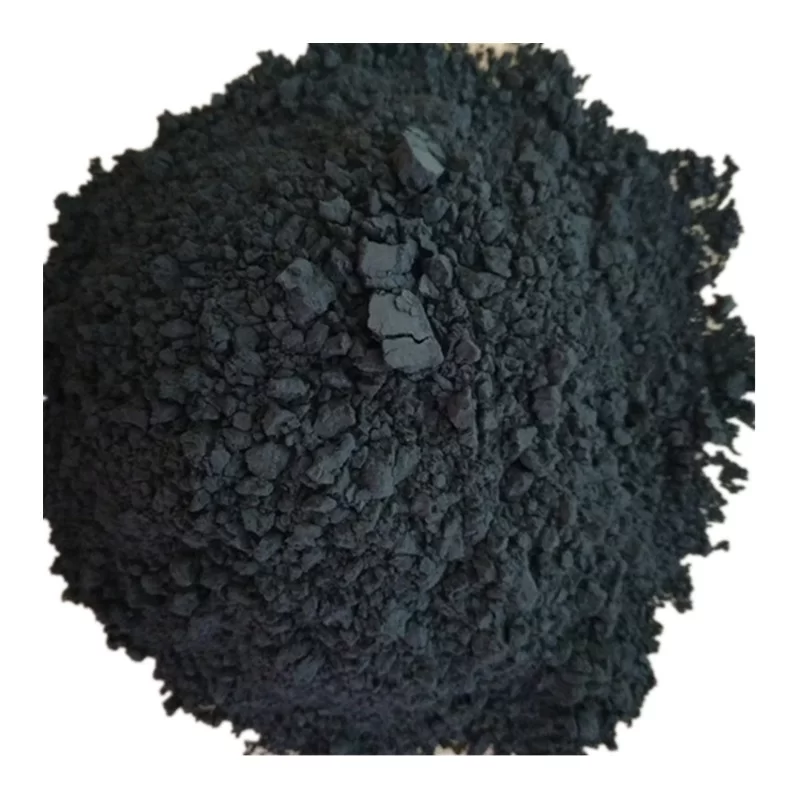
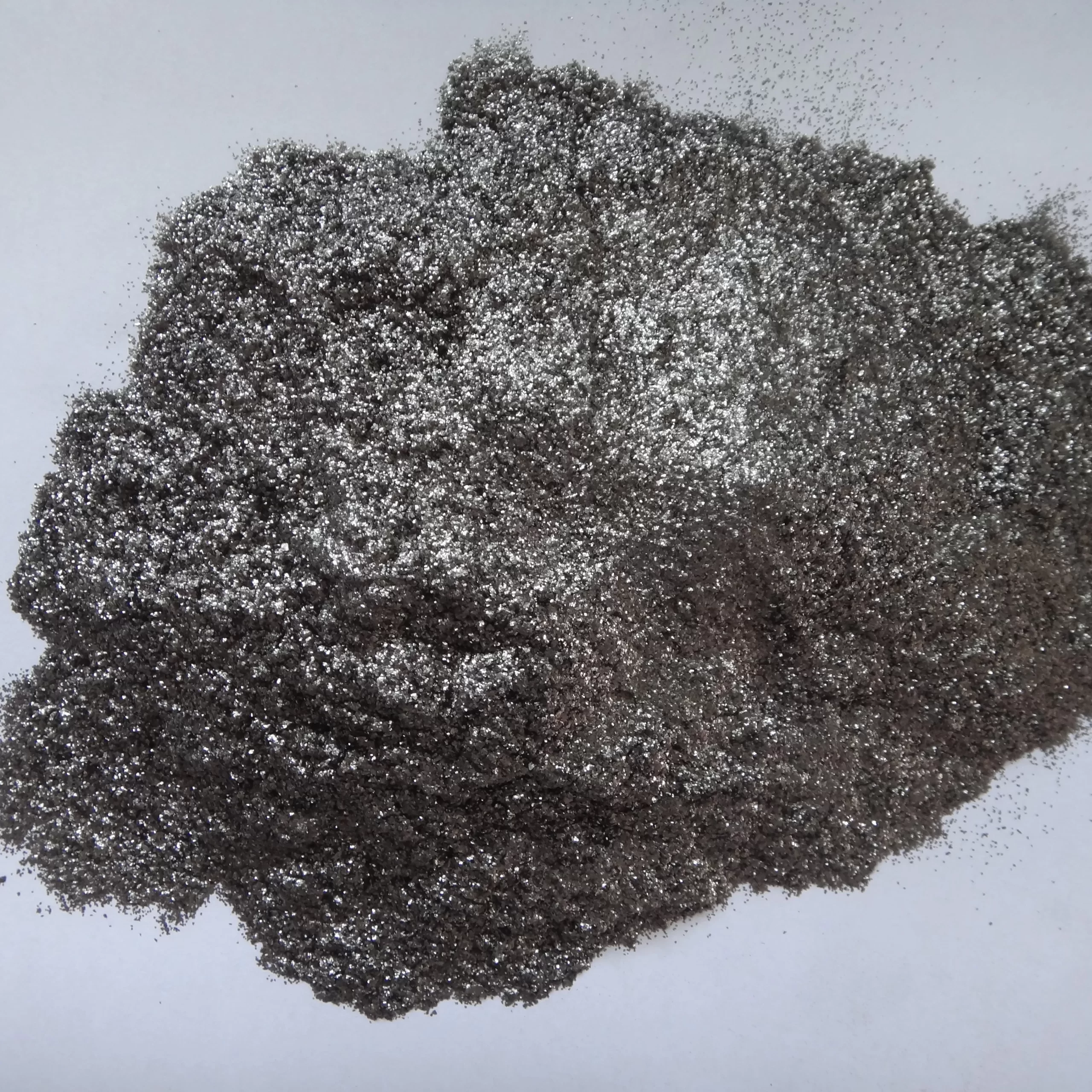
Understanding Graphite Fiber: A Material Shaping Our Future
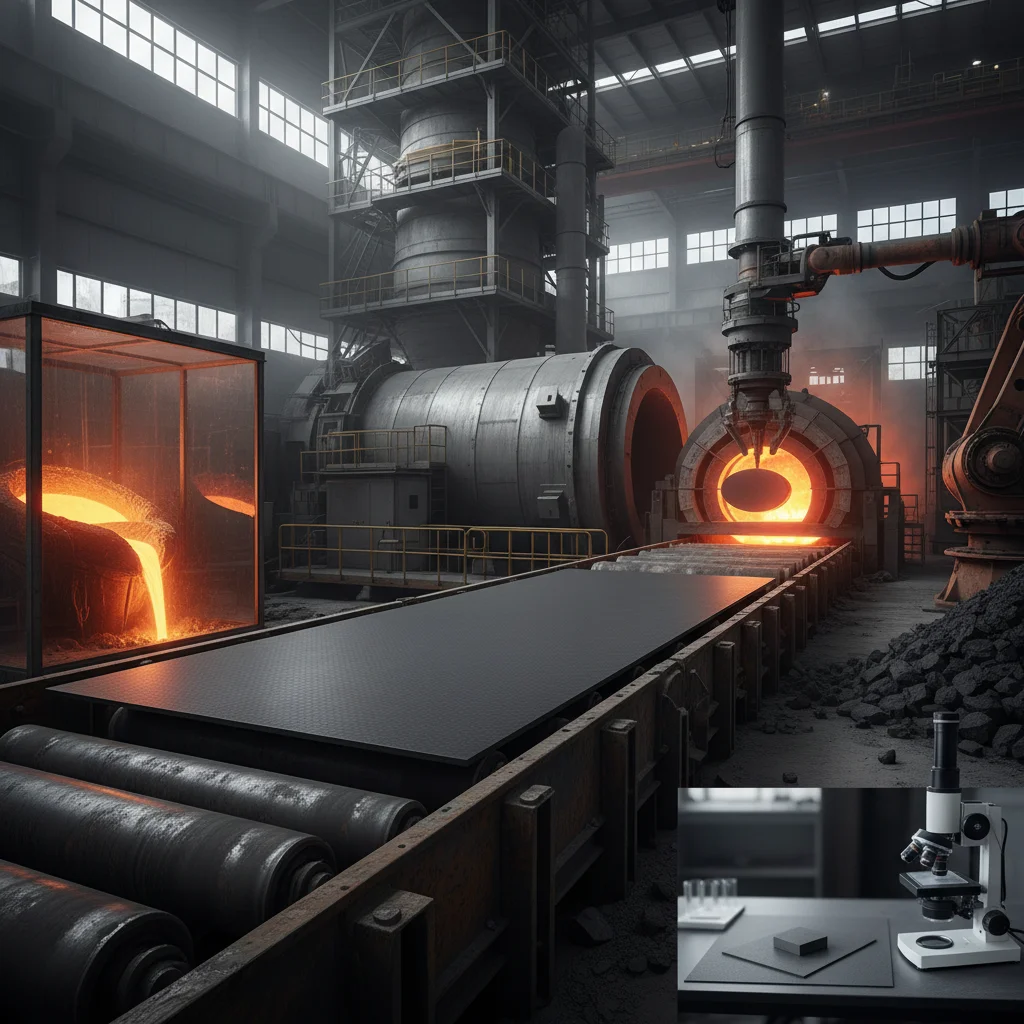
Graphite fiber might not be a household name, but it’s quietly becoming one of the most important materials in industrial innovation and sustainable design worldwide. Put simply, graphite fiber is a lightweight, ultra-strong material used across various high-tech applications — from aerospace to renewable energy. The stakes? Well, in a world stressing over carbon footprints and efficiency, mastering graphite fiber can bring better products, greener processes, and stronger infrastructure, globally.
The Global Significance of Graphite Fiber
The demand for advanced materials like graphite fiber is exploding — the global carbon fiber market already tops several billion dollars annually and is expected to grow robustly (ISO data suggests a CAGR around 10% by 2027). Why? Because it solves deep-seated challenges: improving product strength without adding weight, resisting corrosion, and enhancing energy efficiency. Key industries from automotive hubs in Germany to aerospace firms in the US and renewable energy companies in China lean heavily on graphite fiber composites. Oddly enough, some remote regions benefit too, through lightweight infrastructure components shipped easily and installed quickly.
Mini takeaway: Graphite fiber is no longer niche; it’s a cornerstone of modern sustainable manufacturing worldwide.
What Exactly is Graphite Fiber?
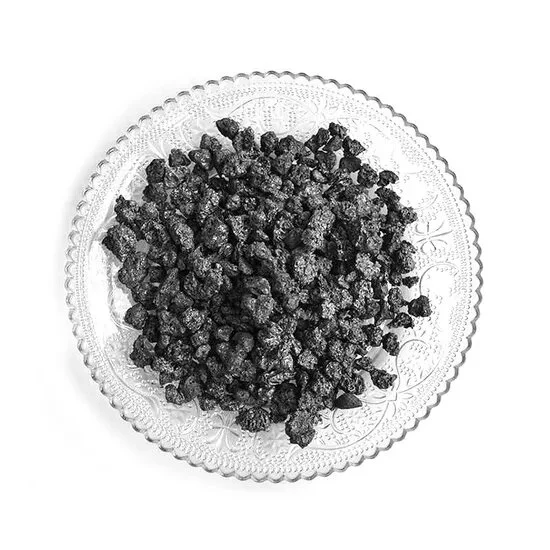
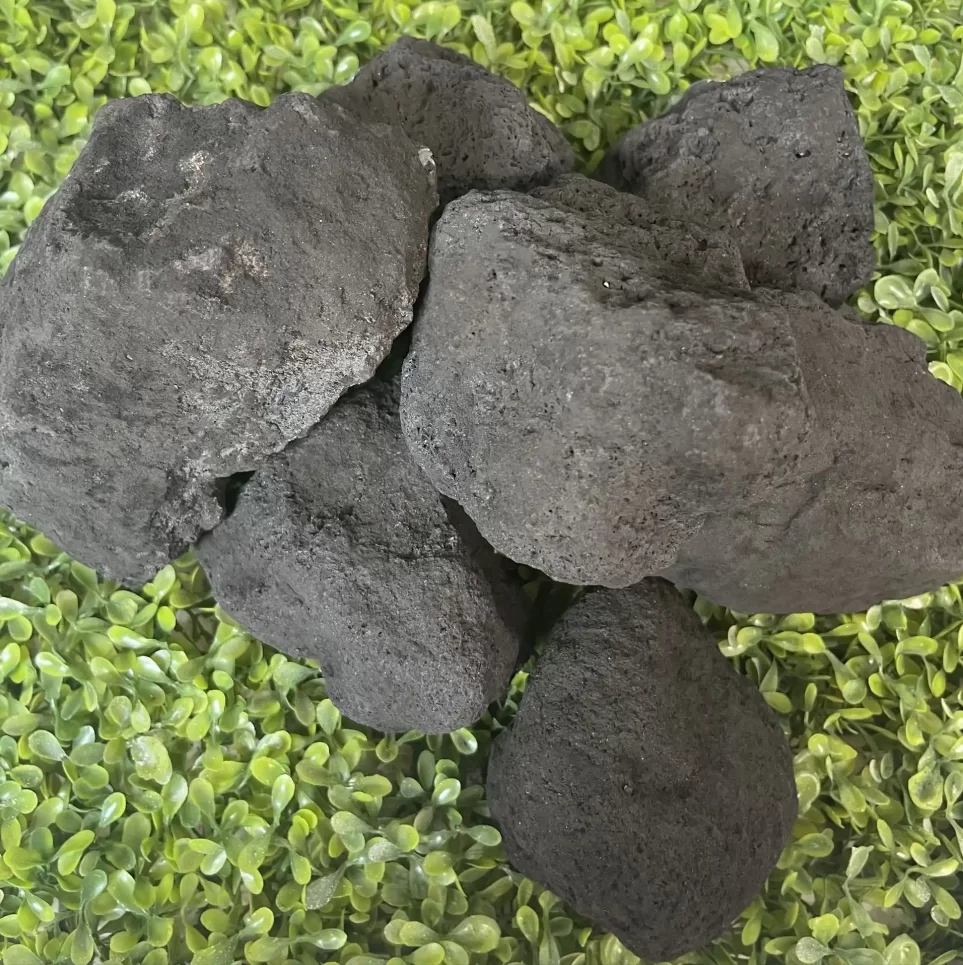
At its core, graphite fiber is a form of carbon fiber — thin strands made from graphite’s arranged atoms — that offers exceptional tensile strength and stiffness. Think of it as a skeletal reinforcement so light and resilient it changes how engineers design everything from airplane wings to prosthetics. Besides strength, its electrical conductivity and thermal resistance make it even more desirable. In humanitarian or industrial contexts, this means stronger, lighter equipment that’s easier to ship and maintain.
Key Features of Graphite Fiber
1. Durability
Graphite fibers resist fatigue, corrosion, and most chemicals better than steel or aluminum. This makes them perfect for components exposed to harsh environments — imagine offshore wind turbines or spacecraft parts.
2. Lightweight
One of graphite fiber’s best-known perks is its excellent strength-to-weight ratio. Manufacturers can reduce the weight of vehicles and structures, improving fuel efficiency and lowering emissions — a big global sustainability win.
3. Electrical and Thermal Conductivity
Unlike many composites, graphite fiber can conduct electricity and dissipate heat, enabling uses in electronics and battery tech.
4. Scalability
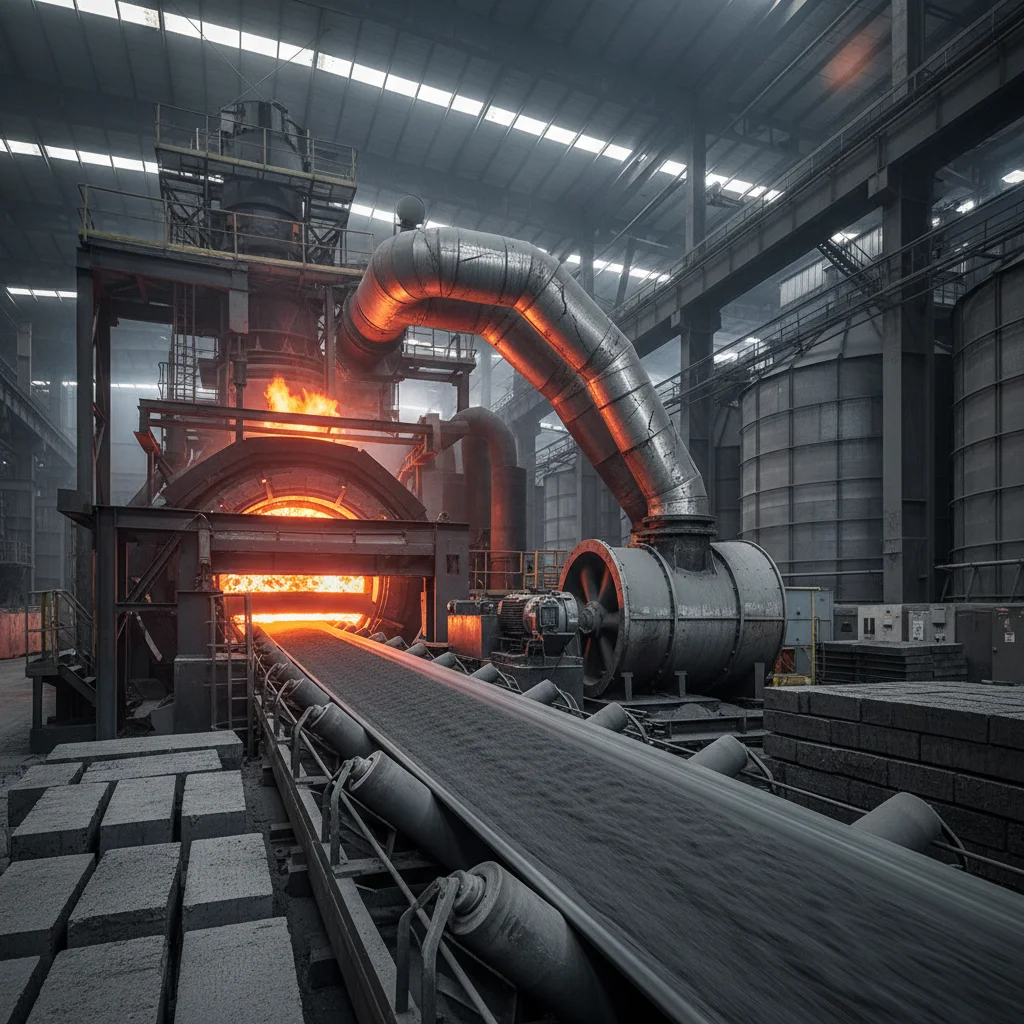
Production methods have advanced rapidly: from batch production to continuous processes, graphite fiber is now less costly and more accessible than ever before.
5. Cost Efficiency
While still pricier upfront than standard materials, the lifecycle cost of graphite fiber composites can be far lower due to increased durability and decreased maintenance.
Product Specification Table for Graphite Fiber
| Specification | Typical Value | Units |
|---|---|---|
| Tensile Strength | 3,500 | MPa |
| Modulus of Elasticity | 230 | GPa |
| Density | 1.75 | g/cm³ |
| Operating Temperature | -269 to 420 | °C |
| Electrical Conductivity | 10,000 | S/m |
Global Applications & Use Cases of Graphite Fiber
Whether it’s piecing together next-gen aircraft or building lightweight prosthetics in developing countries, graphite fiber has found its niche in improving lives and industries. In Europe, aviation manufacturers use it to shave weight off planes, reducing fuel consumption and emissions — aligning with the EU's ambitious sustainability goals. Asian energy firms use graphite fiber composites in wind turbine blades, which need both strength and flexibility.
In more surprising places, NGOs employ graphite fiber in temporary structures or mobile medical devices, valuing its lightness and durability for quick deployment. In post-disaster zones, such materials can mean faster, sturdier shelter construction and better logistic ease.
Mini takeaway: The cross-cutting applications of graphite fiber reflect how crucial material science is for global sustainability and humanitarian solutions.
Advantages and Long-Term Value
- Cost Savings: While initial investment is higher, reduced maintenance, longer lifespan, and better efficiency offer clear economic advantages.
- Sustainability: Less resource use, extended product life, and recyclability reduce environmental footprints drastically.
- Reliability & Safety: Graphite fiber materials withstand harsh conditions, improving safety for critical infrastructure and products.
- Social Impact: Enabling lighter medical equipment or disaster relief structures contributes directly to improved human welfare.
Vendor Comparison Table: Graphite Fiber Suppliers
| Vendor | Quality (Tensile Strength) | Price Range | Lead Time | Certifications |
|---|---|---|---|---|
| FibraTech Inc. | 3,800 MPa | $$$ | 4-6 weeks | ISO 9001, ASTM D30 |
| CarbonWeave Ltd. | 3,400 MPa | $$ | 2-3 weeks | ISO 14001 |
| GraphiCore Solutions | 3,700 MPa | $$$$ | 6-8 weeks | ISO 9001, RoHS |
Emerging Trends and Innovations in Graphite Fiber
What’s fascinating right now is how graphite fiber meshes with green energy and digital industries. New research focuses on integrating nanotechnology to boost strength further while cutting costs. Hybrid composites combining graphite fiber and bio-based resins progress toward zero-waste production. In automotive manufacturing, advanced automation and CAD-enabled customization are speeding up prototyping and deployment.
And yes, blockchain-based supply chain tracking for graphite fiber materials is already in pilot testing — bringing transparency and trust to a high-value market.
Challenges and Clever Solutions
Despite the buzz, it’s not all sunshine. Graphite fiber production can be energy-intensive, and recycling remains tricky. Many engineers I’ve talked to are excited about chemical recycling advances and modular manufacturing techniques that reduce waste.
Supply chain disruptions (which, frankly, have been common globally lately) challenge consistent delivery. Companies investing in decentralized manufacturing hubs and digital inventory management systems are making huge strides here.
FAQ: Frequently Asked Questions about Graphite Fiber
Q1: How does graphite fiber compare to traditional carbon fiber?
Graphite fiber is essentially a high-modulus variant of carbon fiber, offering better thermal conductivity and often improved strength. It’s more suited for aerospace and electronics, whereas traditional carbon fiber is common in automotive and sporting goods.
Q2: Is graphite fiber suitable for outdoor, harsh environments?
Absolutely. Its corrosion resistance and fatigue life outperform metals in salty, wet, or chemical-rich environments — which is why it’s favored in marine and renewable energy sectors.
Q3: Can graphite fiber products be recycled?
Recycling remains a challenge but is improving. Chemical recycling methods and mechanical grinding are increasingly used to reclaim fibers, reducing landfill waste and extending material life cycles.
Q4: How do the costs of graphite fiber impact project budgets?
While upfront costs can be 2-3 times higher than steel or aluminum, the extended durability and weight savings often produce lifecycle cost savings and operational efficiencies.
Q5: Where can buyers source high-quality graphite fiber?
Leading suppliers include FibraTech, CarbonWeave, and GraphiCore Solutions. Always look for ISO certifications, reliable lead times, and material traceability when selecting vendors.
Wrapping Up: Why Graphite Fiber Matters
Overall, graphite fiber is proving itself as a game-changer — marrying sustainability, performance, and innovation more effectively than most alternatives. For manufacturers, designers, and organizations aiming for long-term durability and eco-conscious solutions, it’s an obvious contender.
If you’re looking to explore how graphite fiber can uplift your projects or supply chain, don’t hesitate: visit our website at https://www.dahcarbon.com for detailed info, sourcing tips, and expert advice.