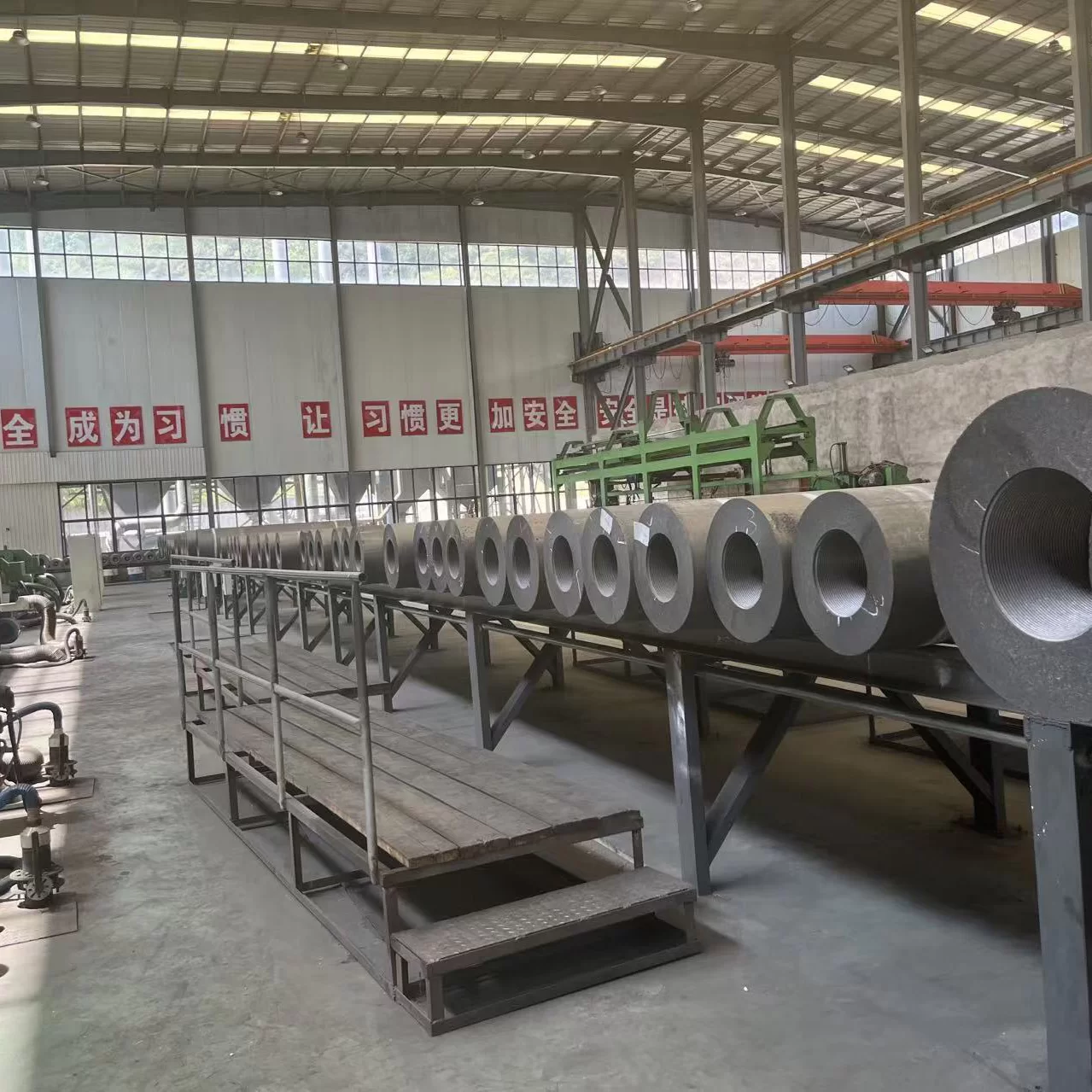
Aluminium Graphite: What’s Behind This Modern Material and Why It Matters
If you’ve ever marveled at the lightweight yet durable parts in aerospace, electronics, or automotive applications, aluminium graphite likely played a silent but crucial role. This composite material, merging aluminium’s lightness with graphite’s resilience, has quietly become a linchpin in advanced manufacturing and sustainable design worldwide. But why the fuss? In a world scrambling to balance performance with environmental impact, aluminium graphite offers a promising middle ground — it’s not just another alloy; it’s a strategic material that can make industries more efficient and eco-friendly.
Understanding aluminium graphite isn’t merely academic — it’s key for engineers, manufacturers, and sustainability advocates alike. Its versatility means it crops up in everything from heat sinks that keep your smartphone cool to vibration-dampening components in electric vehicles. So, if you’re looking to grasp why this material gets so much attention (and why smart businesses invest in it), here’s the rundown.
Mini takeaway: Aluminium graphite is a tough, lightweight material that’s gaining traction globally due to its unique blend of strength, thermal conductivity, and sustainability.
The Global Footprint: Why Aluminium Graphite Commands Attention
Globally, the push for lightweight, durable materials is more intense than ever. According to the International Organization for Standardization (ISO) and reports from the World Bank, industries like aerospace and automotive are doubling down on materials that cut weight — because lighter vehicles mean less fuel consumption and lower emissions.
Consider the stats: the automotive sector alone aims to cut vehicle weight by roughly 15–20% by 2030, partly by switching to composites like aluminium graphite. Meanwhile, the electronics sector wants materials that manage heat yet keep devices slim and light. These aren’t idle trends; they reflect urgent demands to reduce carbon footprints and boost efficiency.
Yet, a persistent problem affects many fields: traditional metals either add too much weight or can’t handle heat well enough. Aluminium graphite addresses such gaps with aplomb. It’s the kind of innovation that matters not only on the factory floor but in humanitarian scenarios — for example, in remote regions, lightweight parts enable easier transportation and assembly for critical infrastructure.
Mini takeaway: The global push for lightweight, thermally stable materials makes aluminium graphite increasingly critical across fast-growing industries and sustainable development goals.
Defining Aluminium Graphite in Plain Terms
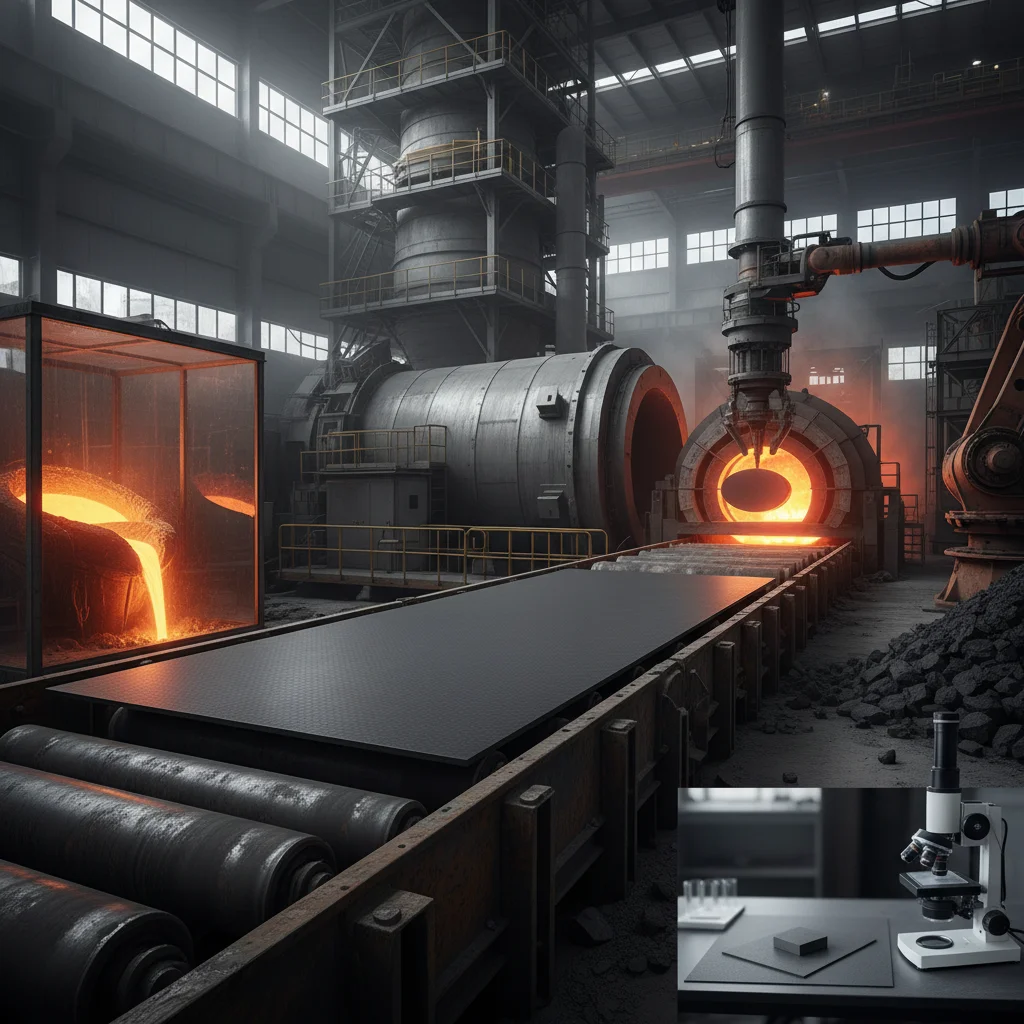
So what exactly is aluminium graphite? Put simply, it’s a composite material combining aluminium — well-known for being light and corrosion-resistant — with graphite, which brings excellent heat conduction and lubrication properties. The result? A part or structure that’s lightweight, durable, and thermally efficient.
Think of aluminium graphite as the best of both worlds: the metal provides form and structural integrity, while graphite adds performance perks like reduced friction and improved heat dissipation. This combination is especially relevant as components get smaller and demand more — from smartphones that run hotter to aerospace parts exposed to extreme conditions.
In real terms, this synergy means manufacturers can create parts that don’t just last longer, but perform better, keep things cool under pressure, and reduce maintenance costs.
aluminium graphite is also a step forward for industries needing eco-friendly options without compromising on durability or functionality.
Mini takeaway: Aluminium graphite is a smart blend of aluminium and graphite, delivering lightweight strength with thermal and friction advantages that matter in high-tech applications.
Core Attributes Driving Aluminium Graphite’s Success
Lightweight Strength
At the heart of aluminium graphite’s appeal is unmatched weight savings. Aluminium is roughly one-third the weight of steel, and adding graphite doesn’t weigh it down significantly but does enhance strength slightly. For industries where every gram counts, this is a game-changer.
Thermal Conductivity
Graphite’s innate heat conduction complements aluminium’s abilities, making composites of the two ideal for heat sinks, electronic enclosures, or brake components. It helps maintain system stability under high temperatures — crucial for electric vehicles and aeronautics.
Corrosion Resistance
Aluminium resists rusting brilliantly, and graphite’s chemical stability ensures the composite endures harsh environments. This means longer lifespans even in coastal or industrial zones where metal degradation is usually a headache.
Low Friction & Wear
Graphite imparts self-lubricating properties, reducing friction in moving parts that aluminium alone can’t achieve. This feature opens doors to fewer breakdowns and smoother operations in machinery.
Eco-Friendliness
Both aluminium and graphite are recyclable, and composites can be designed for disassembly and reuse, aligning with circular economy goals promoted by the UN and global regulators.
Mini takeaway: Aluminium graphite combines lightweight strength, heat management, corrosion resistance, and eco-friendly traits, making it highly versatile across sectors.
Where Aluminium Graphite Shines Around the World
- Aerospace: The material is used in aircraft components that require minimal weight but maximum heat endurance — from engine parts to interior panels.
- Electric Vehicles (EVs): Manufacturers deploy aluminium graphite for battery casings and motor housings that need to dissipate heat swiftly while cutting weight to boost range.
- Consumer Electronics: Heat sinks and cooling plates in laptops and smartphones often rely on aluminium graphite composites to avoid overheating and preserve sleek designs.
- Industrial Machinery: In sectors like mining or heavy equipment, parts made with aluminium graphite reduce wear and tear while making machines more energy-efficient.
- Humanitarian Aid: Oddly enough, lightweight, durable components using aluminium graphite enable rapid assembly of critical infrastructure (like mobile medical units) in disaster-struck zones with limited logistics.
Mini takeaway: From aerospace to disaster relief, aluminium graphite’s unique properties empower a diverse array of global industries looking for performance and sustainability.
Aluminium Graphite: Advantages Beyond Specs
Someone once told me that materials don’t just have specs; they have stories too. Aluminium graphite is no exception.
- Cost Efficiency: While a bit pricier initially, the long-term savings from reduced maintenance and energy use pay off more than you might expect.
- Sustainability: Using recyclable materials reduces environmental footprints, aligning with international targets like the Paris Agreement.
- Safety and Reliability: Components made from aluminium graphite withstand extreme environments, supporting safety in transportation and critical infrastructure.
- Innovation-Friendly: Its adaptability lets engineers experiment with designs that were previously unthinkable with metal alone.
Mini takeaway: Aluminium graphite isn’t just a technical upgrade; it’s a material with lasting economic, environmental, and human value.
Emerging Innovations & The Road Ahead
The future looks bright for aluminium graphite composites, with research zooming in on nano-engineering to further improve strength-to-weight ratios. 3D printing technologies are opening new doors too — imagine tailor-made parts fabricated with precise control over graphite distribution.
Green energy efforts, specifically in wind turbines and EVs, increasingly rely on advanced composites to push performance frontiers. Additionally, regulatory pressure encourages adoption of low-emission, high-durability materials — again favouring aluminium graphite blends.
Digital transformation tools like material informatics help rapidly optimize these composites, speeding up market-ready solutions.
Mini takeaway: As technology advances, aluminium graphite remains a core player in sustainability, manufacturing, and design innovation worldwide.
Challenges and Smart Solutions
Of course, no material is perfect. Aluminium graphite faces hurdles like complex manufacturing processes and compatibility issues with some polymers used in composites. That’s why quality control and material testing are crucial.
Innovative solutions include modular production lines that cut costs and research on hybrid composites combining aluminium graphite with other elements for enhanced performance. Some suppliers have even incorporated AI to streamline selection and mixing processes, minimizing defects.
Mini takeaway: Aluminium graphite’s challenges are steadily being met through engineering prowess and technological integration.
Frequently Asked Questions About Aluminium Graphite
- Q: How does aluminium graphite compare to pure aluminium in thermal management?
A: Aluminium graphite composites typically offer superior heat dissipation due to graphite’s high thermal conductivity, making them more effective in cooling applications. - Q: Can aluminium graphite components be recycled easily?
A: Yes, both aluminium and graphite are recyclable. Proper separation techniques enable aluminium graphite composites to be reprocessed, contributing to sustainability. - Q: Is aluminium graphite suitable for high-impact environments?
A: The composite balances lightweight properties with enhanced strength, but exact suitability depends on how it’s engineered; additional reinforcement may be needed for extreme impact resistance. - Q: Are parts made with aluminium graphite more costly upfront?
A: Generally, yes — but the long-term benefits like durability and efficiency often justify the initial investment. - Q: How do manufacturers control the graphite content during production?
A: Modern composite production uses precise mixing and layering technologies that ensure consistent graphite distribution, controlling performance characteristics.
Product Specification Table: Typical Aluminium Graphite Composite
| Property | Value | Unit | Notes |
|---|---|---|---|
| Density | 2.3 | g/cm³ | Lower than pure aluminium (2.7 g/cm³) |
| Thermal Conductivity | 120 | W/m·K | Higher than many aluminium alloys |
| Tensile Strength | 280 | MPa | Comparable to standard aluminium alloys |
| Coefficient of Friction | 0.15 | - | Lower than aluminium alone due to graphite |
| Operating Temperature Range | -50 to 300 | °C | Suitable for many industrial environments |
Vendor Comparison: Leading Aluminium Graphite Composite Suppliers
| Vendor | Product Range | Customization | Lead Time | Global Presence | Sustainability Claims |
|---|---|---|---|---|---|
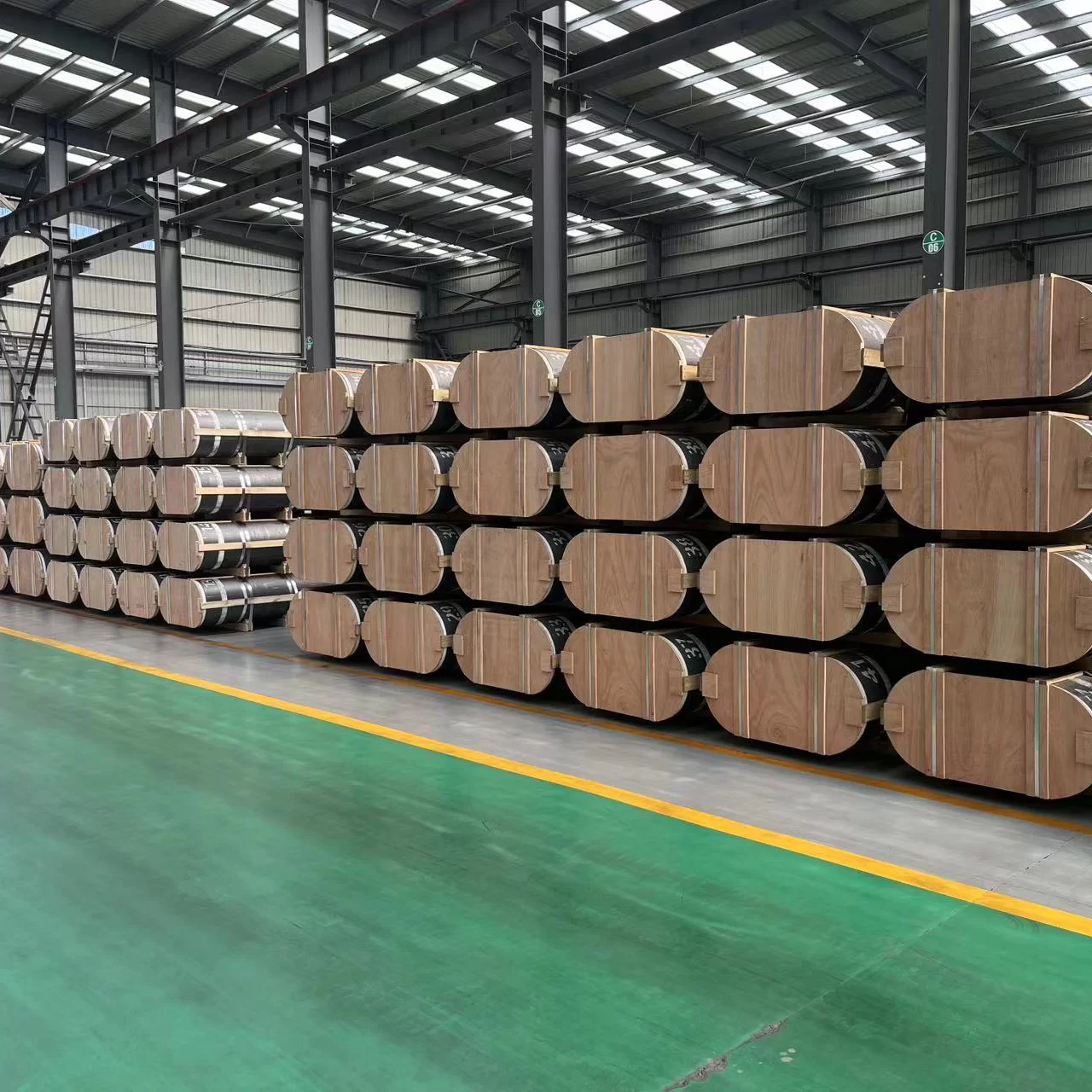
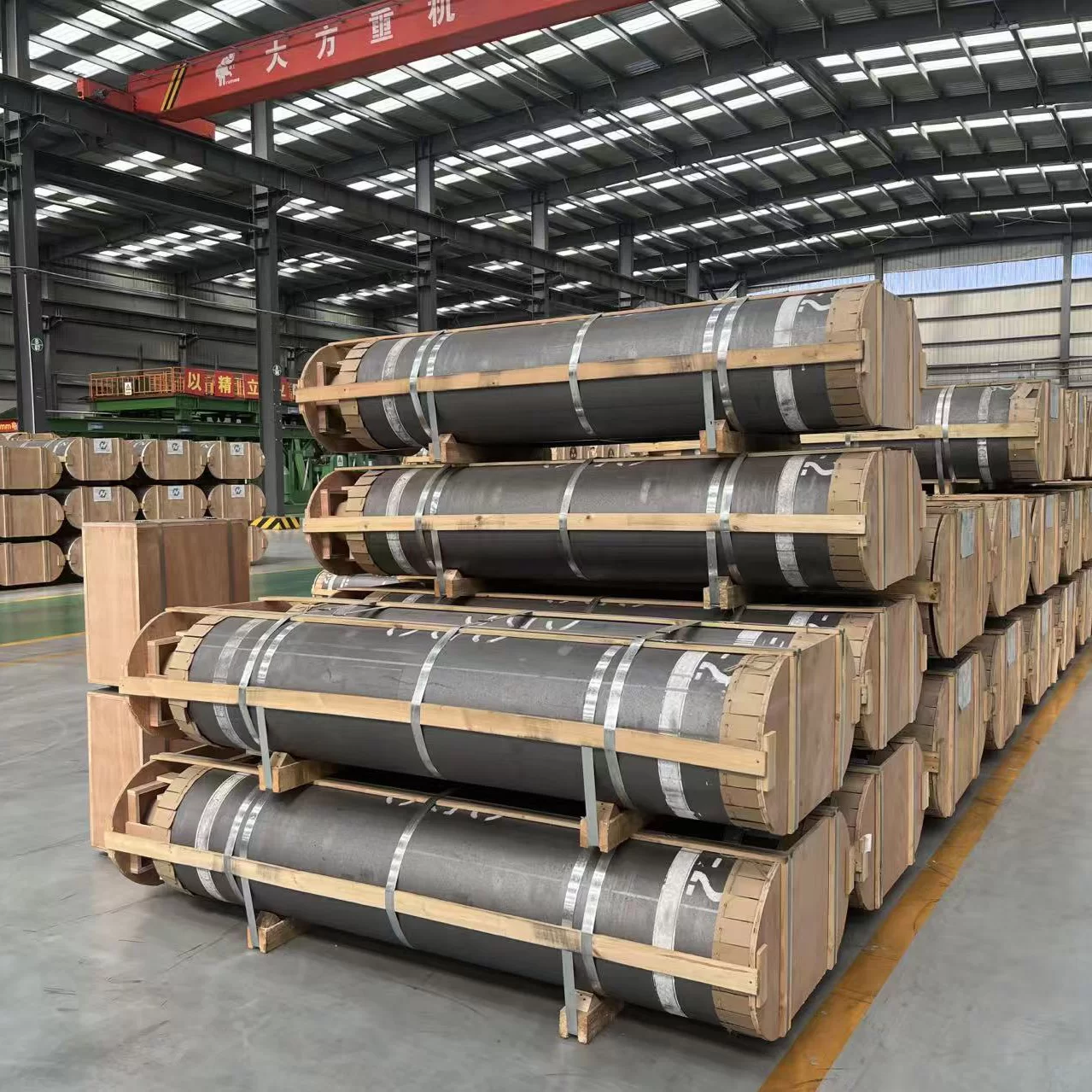
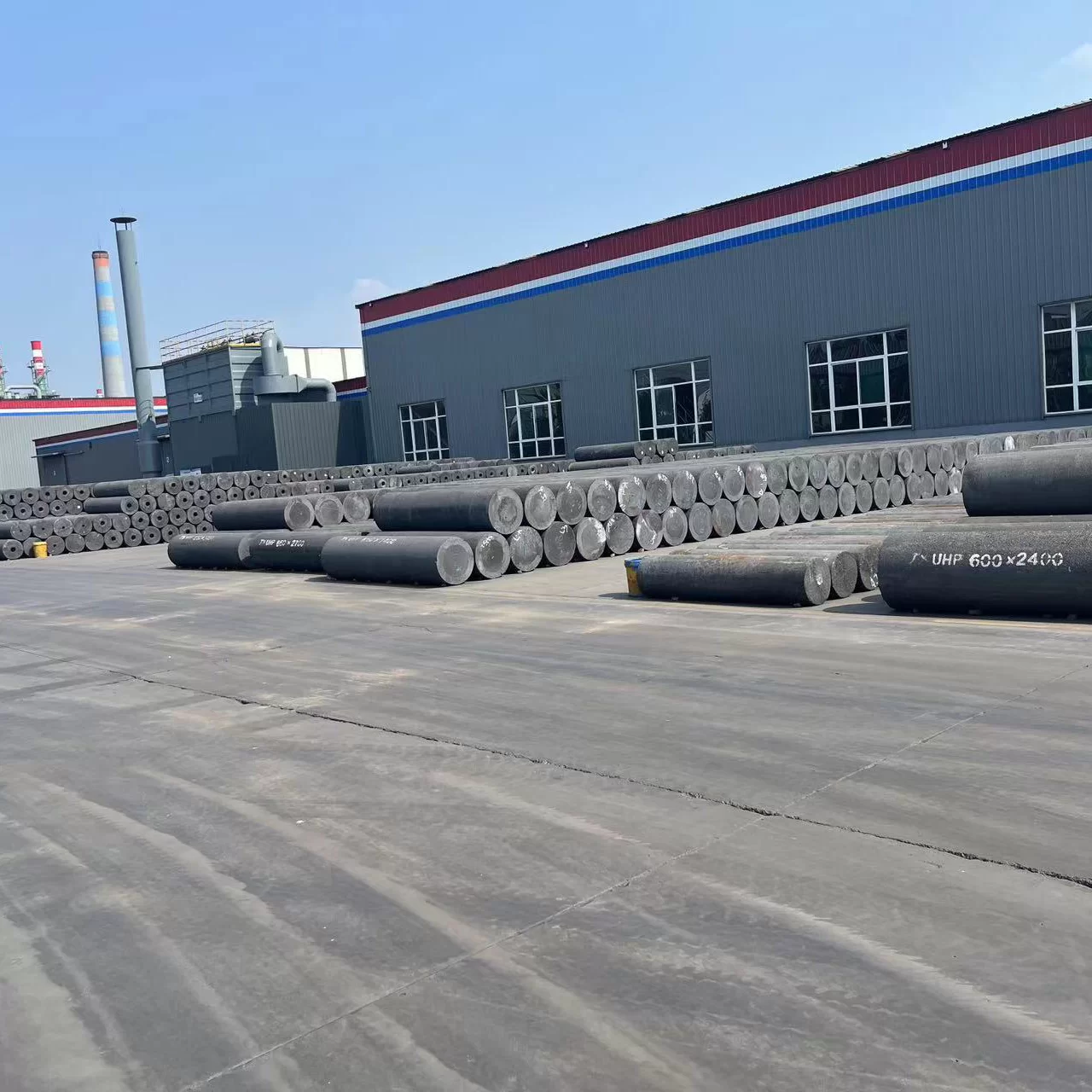
| Dah Carbon Ltd | Custom composites, sheets, and parts | High – tailored graphite ratios and alloys | 4-6 weeks | Asia, Europe, Americas | ISO14001 certified, recycling program |
| GraphalTech Corp | Standard parts and sheets | Moderate – select alloys and thickness | 3-5 weeks | Europe, North America | Energy-efficient processing |
| AluGraph Solutions | Modular parts, lightweight frames | High – flexible design options | 6-8 weeks | Asia, Middle East | Focus on eco-materials development |
Final Thoughts and Next Steps
In sum, aluminium graphite is more than a neat material trick — it’s a practical solution responding to real-world challenges surrounding weight, heat, durability, and environmental impact. Whether you’re an engineer, designer, or procurement specialist, appreciating the subtle interplay between aluminium and graphite could unlock smarter products and more sustainable manufacturing.
Interested in exploring how aluminium graphite can work for your projects? Visit our website, https://www.dahcarbon.com, for detailed product info, supplier contacts, and expert advice tailored to your needs.
Technical materials move the world — and aluminium graphite is quietly helping it move faster and cleaner.