26 November 2025
Exploring the Benefits and Applications of Colloidal Graphite Lubricant
What Is Colloidal Graphite Lubricant and Why Does It Matter?
If you’ve ever thought about the unseen heroes making machines work smoother and last longer, colloidal graphite lubricant quietly ranks near the top. At its core, it’s a blend of ultra-fine graphite particles suspended in a liquid carrier — a mixture designed to reduce friction and wear between surfaces. What really makes this lubricant fascinating — and crucial globally — is its extreme stability in adverse conditions, from blistering heat to icy cold, and even in dusty industrial sites. Why should anyone care outside industrial circles? Well, machines are the backbone of infrastructure, manufacturing, and even humanitarian aid. When equipment works better and lasts longer thanks to reliable lubrication technologies, whole supply chains streamline, maintenance budgets shrink, and downtime plummets. It's not just an industrial matter; it's about efficiency and sustainability on a global scale — key ingredients in our increasingly interconnected world. Quick takeaway: Colloidal graphite lubricants might seem niche, but they’re at the heart of making machines worldwide more reliable and sustainable. ---A Global Look: The Context of Colloidal Graphite Lubricant
Worldwide, industries from heavy engineering to aerospace are racing to find lubricants that can withstand extreme environments without frequent reapplication or costly breakdowns. According to the International Organization for Standardization (ISO), lubricant failure is one of the top causes of mechanical faults, costing billions in downtime annually. In remote or developing regions, access to maintenance is limited, raising the stakes for longer-lasting lubricants. Colloidal graphite lubricant addresses this by delivering unparalleled thermal and chemical stability. For instance, large-scale mining in Australia and South America deploy such lubricants because routine maintenance is difficult out there in the wilderness. The United Nations Environment Programme (UNEP) also underlines the need for environmentally friendlier lubricants; colloidal graphite fits remarkably with sustainability goals as it reduces oil usage and resists evaporation. Still, the challenge remains: how to adapt such advanced lubricants for widespread use in sectors ranging from automotive manufacturing to humanitarian relief equipment. If reliability was once a “nice to have,” it’s now mandatory — especially in a world relying heavily on machinery to maintain food supply, power grids, and clean water. Mini takeaway: Globally, colloidal graphite lubricants fill essential gaps in durability and sustainability, crucial for reliable industrial and aid-driven machinery. ---Defining Colloidal Graphite Lubricant: What’s in the Mix?
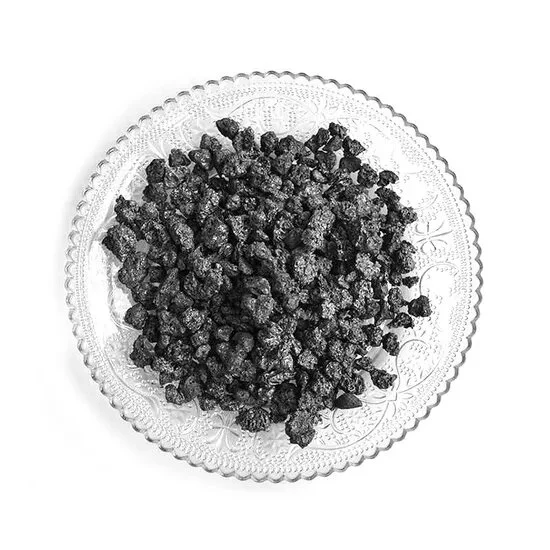
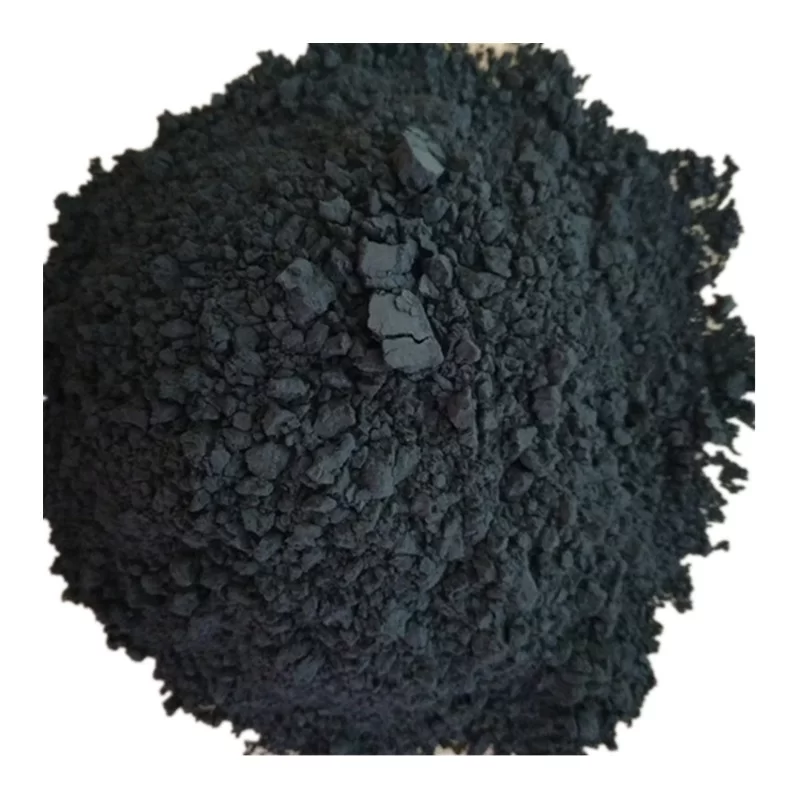
Let’s strip away the jargon. Colloidal graphite lubricant is essentially a suspension where graphite particles—so tiny they’re almost invisible—are emulsified within oils or water-based carriers. Graphite itself, a form of carbon, is naturally slippery thanks to its layered structure where weakly bonded sheets slide over each other. This provides dry-lubrication properties, meaning it works well in conditions where oil or grease alone might fail. This type of lubricant is often inorganic, non-toxic, and chemically resistant — all factors that align with industrial safety standards and increasingly strict environmental policies. Think of it as the high-tech version of traditional graphite pencils, now cleverly engineered to support critical moving parts in engines, conveyors, and even aerospace components. Its relevance transcends manufacturing; for example, humanitarian engineers use colloidal graphite lubricants in emergency water pumps or temporary generators where durability and minimal maintenance are absolute necessities. ---Core Components That Make This Lubricant Tick
1. Durability
The suspended graphite particles create a thin, yet robust, film on metal surfaces, resisting breakdown under pressure, temperature spikes, or chemical exposure. Many engineers swear by colloidal graphite lubricant for maintaining moving parts in harsh environments like deserts or arctic zones.2. Thermal Stability
Unlike organic oils that evaporate or degrade above certain temperatures, colloidal graphite remains stable at temperatures exceeding 400°C. For example, automobile engines and industrial ovens leverage this property to maintain performance without regular service interruptions.3. Environmental Compatibility
The lubricant generally contains fewer volatile organic compounds (VOCs) than petroleum-based options. This matches increasing regulatory demands and corporate sustainability pledges focused on lowering environmental footprints.4. Versatility
Colloidal graphite lubricant performs well in both wet and dry conditions, and can be adapted for use in aviation, automotive, and even food processing industries. Some formulations are water-based, ideal for applications requiring non-flammability.5. Cost Efficiency
Though upfront costs may be slightly higher than conventional lubricants, the long-term savings in fewer replacements, less equipment wear, and reduced labor translate to significant economic benefits. Quick summary: The magic lies in durability, thermal tolerance, and eco-friendliness, making colloidal graphite lubricants fit for a surprisingly broad spectrum of applications. ---Real-World Applications: Where Does Colloidal Graphite Lubricant Shine?
Industries worldwide have embraced this lubricant for varied reasons: - Mining operations in Chile: Use it to maintain conveyor belts and crushers operating 24/7 under crushing stress and abrasive dust. - Automotive manufacturing hubs in Germany: Apply it to robotic joints ensuring longer production runs without unscheduled downtime. - Emergency relief efforts in Southeast Asia: Equip portable generators and water pumps with colloidal graphite to keep them running reliably in flood zones. - Renewable energy sectors in Northern Europe: Use the lubricant in wind turbines, where cold temperatures and variable loads demand superior performance. - Military and aerospace engineering in the US: Utilize formulations resistant to extreme conditions, including vacuum and radiation. These examples highlight how diverse fields rely on the unique protection and friction-reduction properties of colloidal graphite lubricant in their most critical machinery. ---Advantages That Add Up Over Time
The tangible perks can’t be overstated: - Cost Savings: Less frequent oil changes and reduced part wear mean machines run longer and need fewer repairs. - Environmental Impact: Reduced oil consumption lowers hazardous waste. Additionally, non-toxic formulations bring safer workplaces. - Reliability & Safety: Improved lubrication cuts machinery failure rates, preventing accidents and downtime. - Social Benefits: In remote or disaster-stricken areas, durable lubricants mean the difference between crippled infrastructure and sustained aid operations. The emotional comfort of trusting machines won’t fail unexpectedly—especially in critical scenarios—cannot be dismissed. It fosters dignity in work and supports innovation by enabling engineers to push performance boundaries. ---The Future of Colloidal Graphite Lubricant: Innovations Ahead
Oddly enough, what feels like “just a lubricant” is riding fast on the wave of green energy and digital transformation: - Nanotechnology: Enhanced graphite particles with improved dispersion and particle size control increase efficiency further. - Smart lubrication systems: Sensors detecting wear and applying colloidal graphite lubricant as needed, cutting human error. - Bio-based carriers: Reducing reliance on petroleum oils aims for fully biodegradable formulations. - Compatibility with electric vehicles: New formulations designed specifically for electric motor parts exposed to high torque but low temperatures. As industries automate and sustainability gains traction, these lubricants will likely morph into intelligent, eco-friendly systems crucial for energy transition technologies. ---Challenges and How Experts Are Tackling Them
No tech is perfect, right? While colloidal graphite lubricants are tough customers, challenges remain: - Dispersion stability: Over time, graphite particles can settle, making consistency harder to maintain. - Application specificity: Not all machinery tolerates dry lubrication properties equally. - Cost sensitivity: Some sectors balk at higher initial costs despite long-term savings. Producers are responding with improved chemical stabilizers, custom blending options tailored to customer machinery, and greater education efforts to emphasize total cost of ownership over sticker price. ---FAQ: Your Top Questions on Colloidal Graphite Lubricant
- What makes colloidal graphite lubricant better than traditional greases?
- Its unique blend offers superior thermal stability and less evaporation, meaning it stays effective longer in extreme conditions where greases often dry out or degrade rapidly.
- Can colloidal graphite lubricants be used in food processing equipment?
- Yes, specially formulated water-based colloidal graphite lubricants meet food-grade standards, offering safe and reliable lubrication without contamination risk.
- How often should machinery lubricated with colloidal graphite be serviced?
- Service intervals vary by application, but generally they can be extended by 25-50% compared to traditional lubricants, reducing downtime and labor costs.
- Is colloidal graphite lubricant environmentally safe?
- Yes, many formulations have low VOC content and are non-toxic, helping companies comply with environmental regulations and reduce hazardous waste.
- Where can I purchase high-quality colloidal graphite lubricant?
- Many specialized chemical suppliers carry it; you can start exploring options at colloidal graphite lubricant vendors known for quality and support.
Product Specification Table
| Specification | Typical Value | Unit |
|---|---|---|
| Graphite Particle Size | 50–200 | Nanometers (nm) |
| Operating Temperature Range | -50 to 450 | °C |
| Viscosity (@40°C) | 150–300 | cP (centipoise) |
| pH Level | 7.5–8.5 | — |
| Carrier Medium | Water / Oil-based | — |
Vendor Comparison: Choosing Your Supplier
| Vendor | Range of Products | Technical Support | Environmental Focus | Global Reach |
|---|---|---|---|---|
| DahCarbon | Extensive | 24/7 Consultation | Strong commitment | Global |
| GraphTex Corp | Medium | Business Hours | Moderate | Regional |
| NanoLube Ltd. | Niche | Limited | High, bio-based focus | Global |