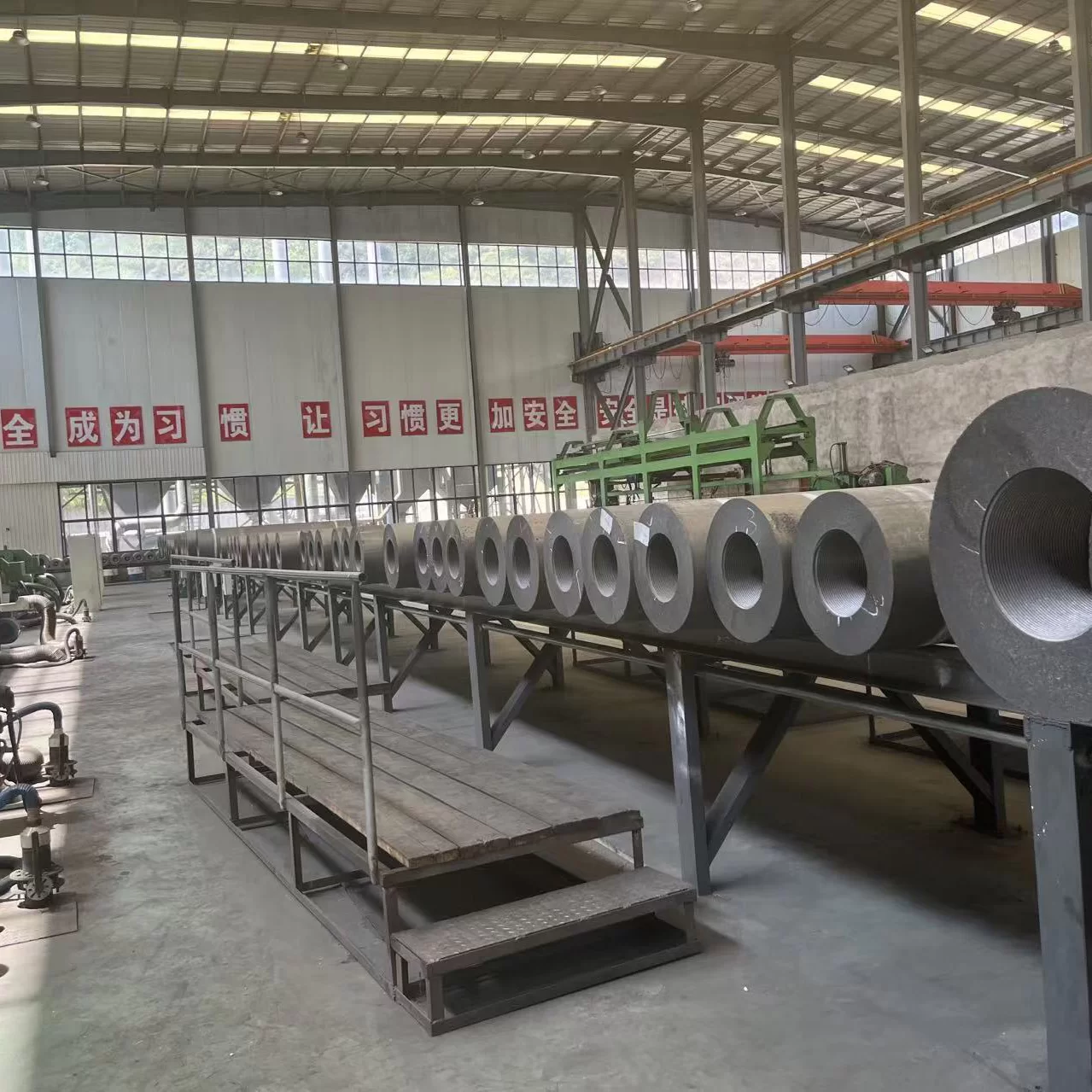
Understanding Concrete Graphite: A Modern Material with Global Impact
Concrete graphite might not yet be household terminology, but its growing importance in construction, manufacturing, and sustainable design is hard to overlook. In essence, it’s a revolutionary composite that merges traditional cement-based materials with the unique conductive and structural properties of graphite. The result? A material that is stronger, more durable, and quite frankly, more versatile than classic concrete. From infrastructure projects in megacities to remote humanitarian construction, knowing what concrete graphite brings to the table could be a game changer for engineers, architects, and sustainability advocates alike.
Why Concrete Graphite Matters Globally
At first glance, concrete and graphite might seem worlds apart—one a standard building block, the other mostly known in pencils or batteries. Yet, combine the two, and you tap into a material with industrial might and eco-friendly promise. The global construction industry is projected to hit $15.5 trillion by 2030 (World Bank), and materials that extend longevity and reduce carbon emissions are in high demand. Concrete production alone accounts for roughly 8% of global CO2 emissions (UN Environment). Here’s where concrete graphite surfaces as a potential solution, offering enhanced performance that lets us build smarter and greener.
But the challenge remains: traditional concrete, for all its familiarity, struggles with issues like cracking, electrical insulation problems, and poor thermal regulation. Graphite-infused composites can address many of these, opening opportunities not just for city skyscrapers but also for rural, industrial, or disaster-stricken zones where adaptability is critical.
So, What Exactly Is Concrete Graphite?
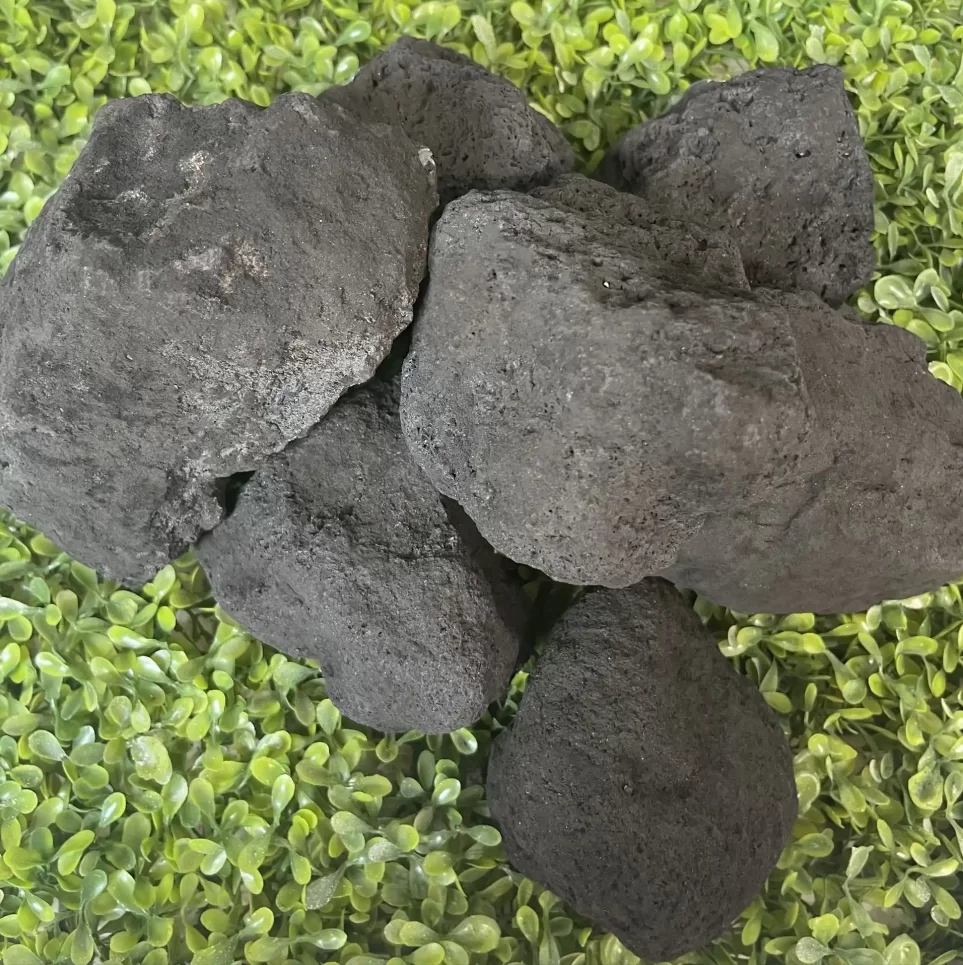
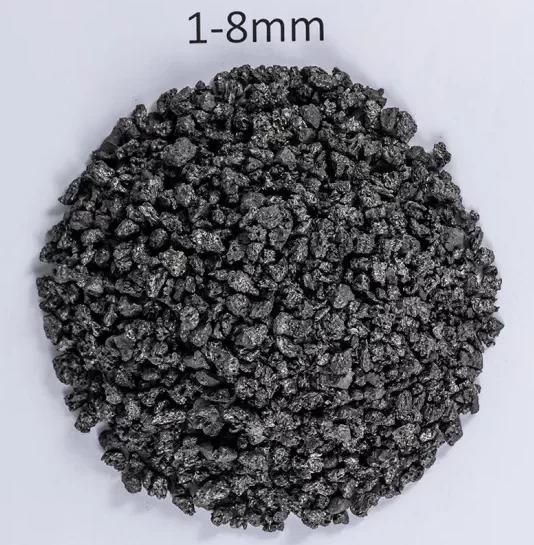
Simply put, concrete graphite is a hybrid composite material — concrete enhanced with fine graphite particles or flakes. These carbon-based inclusions improve the concrete’s conductivity, mechanical strength, and thermal stability. Imagine the familiar gray slab, only smarter — capable of dissipating heat, resisting corrosion, and even acting as a grounding medium for electrical infrastructure.
Its utility crosses boundaries, linking urban development with sustainability needs, and even coming into play for humanitarian construction projects where lightweight, rapid-assembly, and durability are prized. If you want a more in-depth view of materials related to this field, consider exploring concrete graphite suppliers and technologies further.
Key Characteristics That Define Concrete Graphite
1. Enhanced Durability
The addition of graphite fundamentally changes how the composite ages. It reduces microcracking by evenly distributing stresses, helping structures resist weathering or chemical corrosion. Many engineers report up to 20–30% improvement in lifespan compared to traditional concrete.
2. Improved Thermal and Electrical Conductivity
Oddly enough, concrete isn’t great at conducting heat or electricity — which can be a drawback in certain applications such as grounding electrical systems or managing thermal expansion in large structures. Graphite’s conductive nature mitigates these gaps, making the composite suitable for intelligent building designs or specialized industrial floors.
3. Sustainability Factor
Integrating graphite, often a byproduct from other industries, can reduce the need for cement usage—a big source of CO2 emissions. Plus, structures last longer. This kind of circular thinking fits the rising green construction mindset.
4. Cost Efficiency Over Time
Initial investments might be higher, but with reduced maintenance and longer service life, concrete graphite can prove cost-effective in the long run. Think of it as an upfront stake in reliability.
5. Adaptability and Scalability
Whether you’re casting bridge decks, industrial flooring, or modular walls, adjusting the graphite content allows tailoring properties to the exact use case — a versatility many projects find indispensable.
Mini Takeaway
Concrete graphite isn’t just a fancy alternative. It intertwines material science with practical needs, addressing long-standing weaknesses in construction while paving the way for smarter, greener buildings.
Global Applications and Real-World Use Cases
Around the world, this composite finds its place in diverse scenarios. In Europe, some urban centers integrate concrete graphite slabs into public transportation hubs, improving longevity and simplifying electrical grounding. Meanwhile, in Asia, rapid urbanization has led to pilot projects using this composite for high-strength, earthquake-resistant structures.
Oddly enough, humanitarian organizations have taken notice too. After earthquakes or floods, when temporary shelters or modular housing needs arise fast, concrete graphite-backed panels stand out for their quick assembly, strength, and insulating properties — great for those cold, damp environments relief operations often face.
Industrial zones, from North America to Africa, appreciate its resistance to chemical spills or heavy mechanical wear. These specialized solutions ensure that even within tough environments, infrastructure remains dependable.
Concrete Graphite Product Specifications
| Property | Typical Value | Notes |
|---|---|---|
| Compressive Strength | 40-60 MPa | Enhanced vs. standard concrete |
| Thermal Conductivity | 1.5-2.2 W/m·K | Varies with graphite content |
| Electrical Resistivity | 10-2 to 10-4 Ω·m | Conductive compared to normal concrete |
| Density | 2100-2300 kg/m³ | Slightly lighter with certain graphite blends |
| Typical Graphite Content | 5-15% by weight | Adjustable for different applications |
Vendor Comparison: Choosing Your Concrete Graphite Partner
| Vendor | Graphite Purity | Customization | Global Reach | Price Range |
|---|---|---|---|---|
| CarbonBuild Inc. | 99.8% | High | North America, Europe | $$$ |
| GraphiCon Materials | 98.5% | Medium | Asia-Pacific, Africa | $$ |
| DahCarbon Solutions | 99.2% | High | Global (including remote regions) | $$$ |
Advantages and Long-Term Benefits of Concrete Graphite
When weighing new materials, it’s tempting to focus solely on upfront costs or trendy features. But concrete graphite offers more than that. Its durability means fewer repairs or replacements, which translates to lowered lifecycle costs. It’s safer too—better crack resistance reduces structural failures and related risks.
Plus, there’s something almost emotional about investing in a material that not only protects buildings but also the environment. Lower emissions, recyclable graphite content, and compatibility with concrete graphite green technologies make it an ethical choice.
Socially, structures built with this composite can enhance living conditions—be it quieter buildings, safer electrical systems, or insulated shelters preserving dignity after disasters.
Future Trends Shaping Concrete Graphite Development
It feels like concrete graphite is just scratching the surface. With advances in nanotechnology, we might soon see even more reactive, self-healing composites. Digital fabrication methods—automated 3D printing and robotics—are beginning to embrace these materials, offering faster, more precise construction.
Sustainability is driving innovation too. Researchers explore integrating bio-based graphite sources or blending with recycled concrete aggregates. Government green building policies worldwide encourage such forward-thinking materials, reinforcing a shift towards circular economies.
Challenges and How the Industry Is Responding
As with any emerging technology, concrete graphite isn’t without hurdles. Consistency of graphite quality can vary, affecting performance. Scaling production while keeping environmentally sound practices is another ongoing struggle.
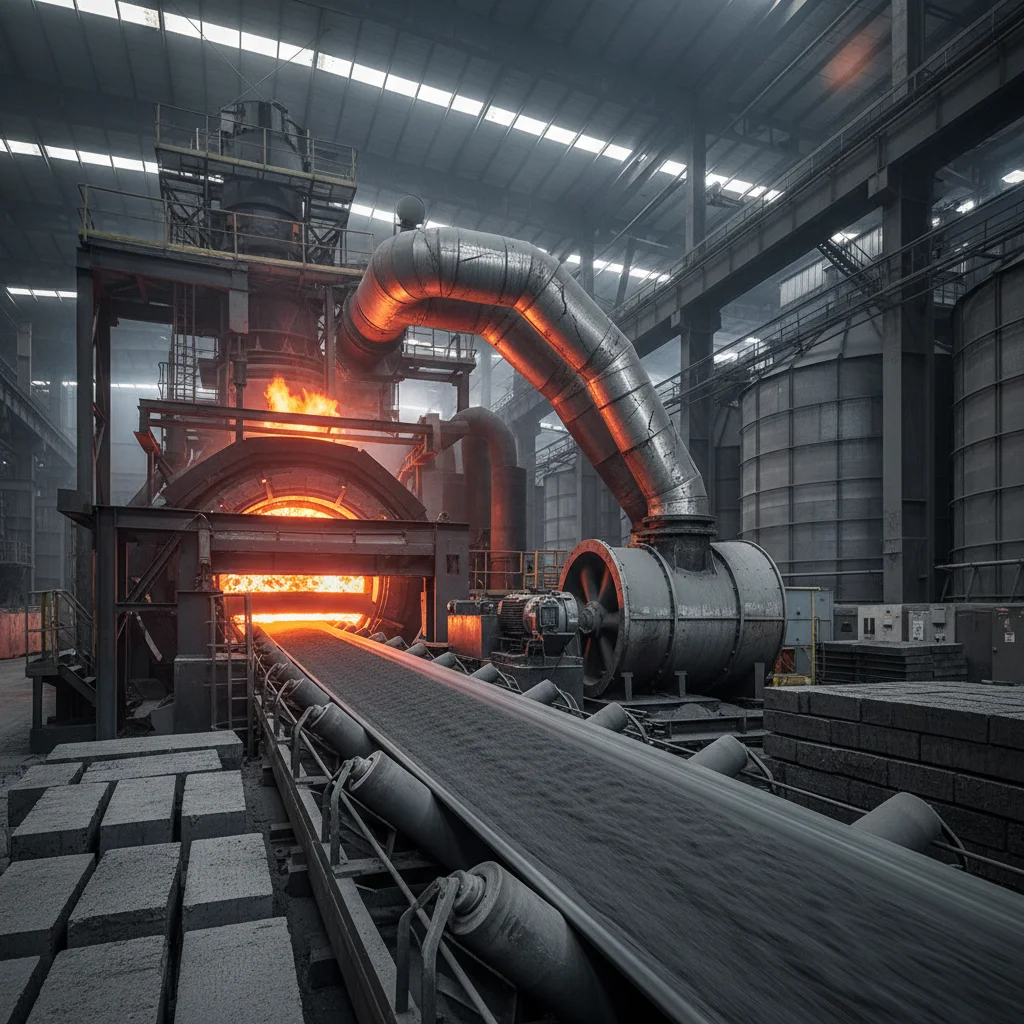
However, cutting-edge testing protocols and certifications (ISO 13006, among others) are helping standardize outputs. New blending techniques reduce waste and energy consumption. And partnerships between academia and industry continue to push boundaries.
FAQ: Common Questions About Concrete Graphite
- How does concrete graphite improve thermal management in buildings?
- Graphite's excellent thermal conductivity helps concrete graphite composites dissipate heat more evenly, reducing thermal stress and improving temperature regulation inside buildings, which can lower cooling and heating costs.
- Is concrete graphite suitable for seismic zones?
- Yes. The enhanced durability and crack resistance of concrete graphite composites provide better crack control and energy dissipation during seismic events, making it a smart choice for earthquake-prone areas.
- Can concrete graphite be recycled at the end of its lifespan?
- Recycling options are improving. Many concrete graphite composites can be crushed and reused as aggregate, reducing waste and environmental impact, though processes vary by local facilities.
- What is the cost comparison between concrete graphite and traditional concrete?
- Initial costs are generally 10-30% higher for concrete graphite due to material and manufacturing complexity, but lifecycle savings through durability and maintenance make it a competitive, cost-effective solution over time.
- How do I source reliable concrete graphite materials internationally?
- Partnering with established vendors like DahCarbon Solutions or GraphiCon Materials is advisable. International trade regulations and certifications (ISO, ASTM) help ensure quality, and many companies support logistics for remote or humanitarian projects.
Wrapping Up: Why Concrete Graphite Should Be on Your Radar
At the crossroads of innovation and necessity, concrete graphite stands out as a building block for the future. Whether it's in sprawling urban landscapes demanding longevity and safety, or urgent relief constructions needing speed and resilience, this material provides a compelling package. The modest premium upfront is outweighed by substantial social, economic, and environmental returns.
Keen to learn more or source high-quality concrete graphite solutions? Visit our website: https://www.dahcarbon.com. It’s a fine time to build smarter.