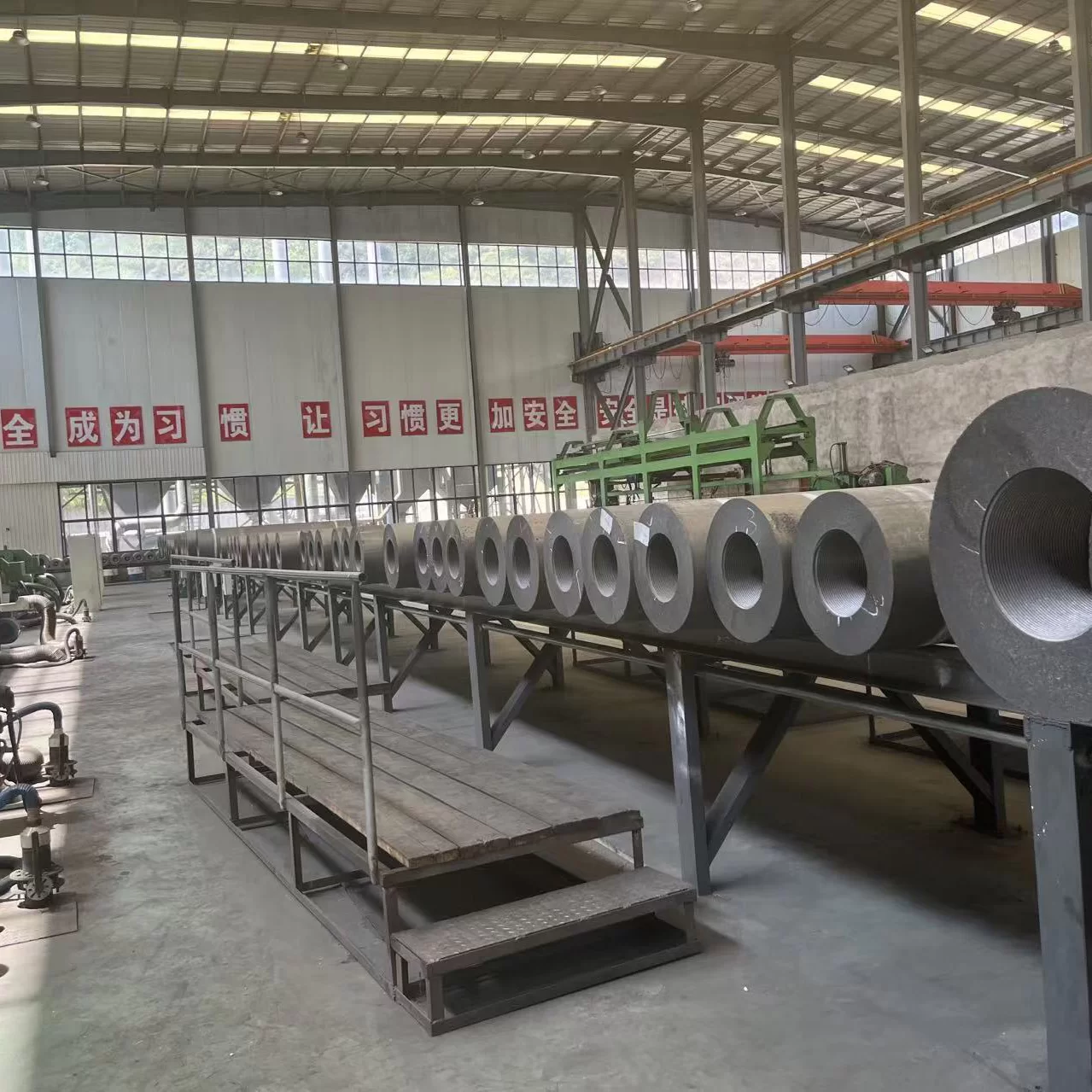
Understanding Graphite 3D: Why It Matters in Today’s World
When you first hear graphite 3d, you might imagine a techy sci-fi gadget or some niche industrial jargon. But the truth is, graphite-related 3D technologies—especially those involving 3D printing or advanced manufacturing—are quietly revolutionizing industries worldwide. From aerospace to energy storage, the ability to fabricate complex graphite components in three dimensions promises precision, sustainability, and efficiency all at once. And frankly, the impact is larger than many realize.
Global demand for advanced carbon materials like graphite continues to surge, driven by cleaner energy, electric vehicles, and innovative manufacturing. According to a recent ISO report, carbon composites and advanced graphite are among the fastest-growing materials globally, with applications in high-temperature and high-strength domains. Yet fabricating graphite parts has historically been tough—until 3D technologies leveled that playing field.
Mini takeaway: Understanding graphite 3d is key to tapping into cutting-edge manufacturing that addresses sustainability and performance challenges on a global scale.
The Worldwide Relevance of Graphite 3D
Why is graphite 3d a hot topic across continents? Well, it all comes down to solving a few huge, shared problems. The UN estimates EVs will make up over 30% of new car sales by 2030. That means batteries, lots of them—batteries that need efficient anodes made from graphite. Meanwhile, aerospace companies seek lightweight, heat-resistant parts, and energy grids demand stable, long-life components. 3D graphite fabrication meets all these needs by enabling rapid prototyping and complex geometries that traditional machining simply can't handle.
Take China, for example, the world’s largest graphite producer, where heavy investment in 3D graphite printing boosts both export potential and local industry competitiveness. In Europe, regulatory pressures impel greener manufacturing techniques, pushing industries toward additive processes like graphite 3d production, which reduce waste and energy consumption.
The challenge? Although graphite is naturally abundant, purifying and shaping it requires skill and innovation. Enter 3D fabrication, which promises to streamline those steps, cut costs, and open doors to new designs.
Mini takeaway:
The global shift toward clean tech and advanced materials makes graphite 3d technologies an essential piece of the environmental and economic puzzle.
What Exactly Is Graphite 3D?
Let’s break it down simply: graphite 3d refers to the process of creating three-dimensional objects using graphite-based materials via additive manufacturing techniques, such as 3D printing.
Unlike traditional graphite parts molded or carved out in a separate step, graphite 3d makes designs directly from digital files, layer by layer. The result? Components with tailor-made shapes, intricate internal channels, and superior mechanical properties. This isn’t just for fancy prototypes; it’s directly linked to fulfilling strict industrial and humanitarian needs — like making lighter aircraft parts or even components for medical devices.
What’s fascinating is the material’s intrinsic properties: graphite is highly conductive, chemically stable, and very resistant to heat — ideal for industries where performance and safety can’t be compromised.
Mini takeaway:
Graphite 3D really means efficient, smarter manufacturing of advanced carbon parts that can’t be produced any other way.
Core Components That Make Graphite 3D Work
Material Quality
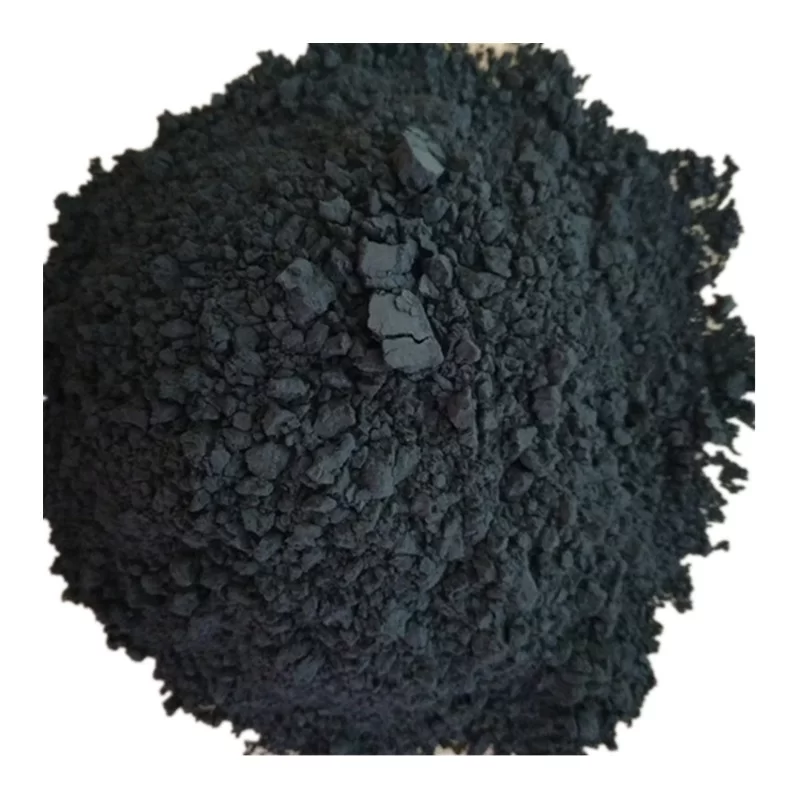
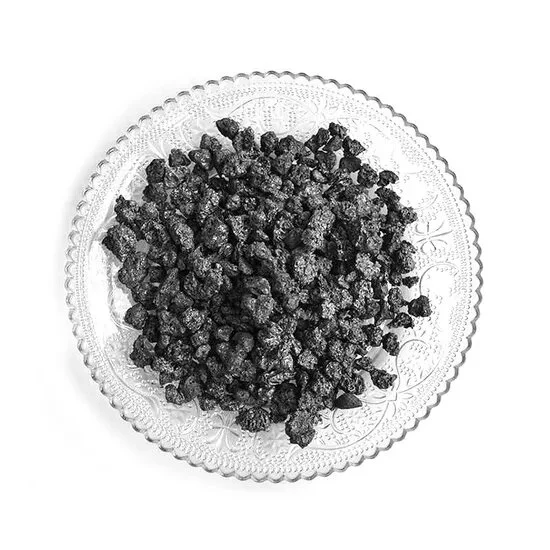
The base graphite feedstock—often in powder or filament form—needs to be highly pure and fine-grained. Contaminants or irregular particle size will ruin the print’s strength or conductivity. Many suppliers strictly control the sourcing and refinement stages to ensure consistency.
Precision Layering
The heart of any 3D process is layering accuracy. For graphite 3d, this means extremely fine layering to avoid micro-cracks or porosity, which affect electrical and thermal properties. The printer’s resolution and the printing environment (usually inert gas atmospheres) are crucial factors here.
Post-Processing Techniques
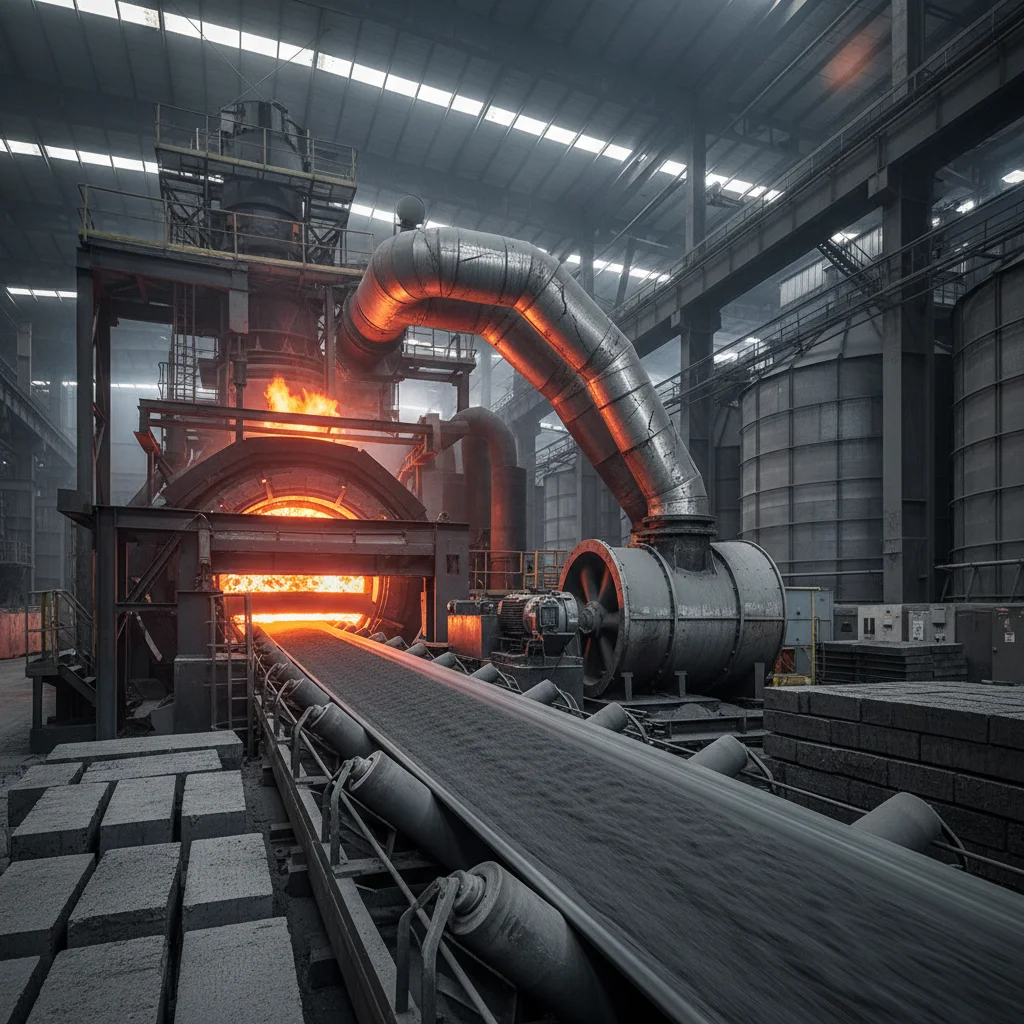
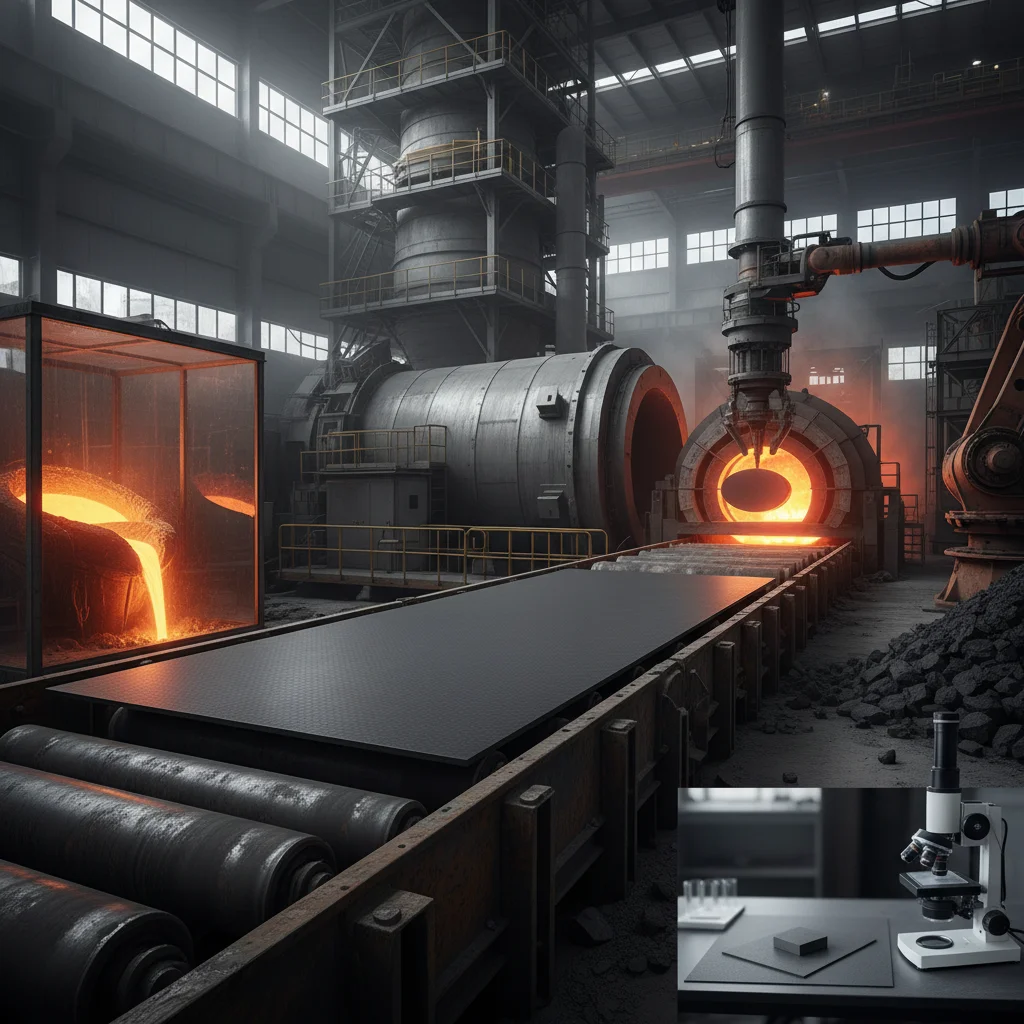
After initial printing, parts often undergo heat treatments, infiltration, or machining to boost density and mechanical strength. This phase can be make-or-break and usually involves complex routines customized by application.
Design Flexibility
One of the huge leaps with graphite 3d is the ability to create intricate designs impossible with traditional casting or machining — think internal cooling channels, lattice structures, or hybrid composites embedded within graphite.
Environmental Controls
Graphite’s sensitivity to oxidation at high temperatures means print environments must be tightly controlled to avoid degradation — another tricky but mastered part of the process.
Mini takeaway:
- Success in graphite 3d depends on precision materials, exact layering, tailored post-processing, and smart design.
How Graphite 3D Is Shaping Global Industries
Graphite 3d is no longer a laboratory curiosity. Real-world use cases prove its value across sectors:
- Aerospace: Jet engine parts made with graphite composites reduce weight and improve thermal resistance, enhancing fuel efficiency.
- Energy Storage: Battery anodes fabricated with graphite 3d optimize electric vehicle performance and lifespan.
- Electronics: Graphite components provide superior heat dissipation in compact devices.
- Medical Devices: Customized graphite-based implants and surgical tools offer bio-compatibility and strength.
- Disaster Relief & Remote Zones: Lightweight, modular graphite parts enable rapid assembly of critical infrastructure, like water filtration systems.
For instance, corporations in Germany and Japan partner heavily with graphite 3d startups to produce parts that require a perfect mesh of durability and adaptability. In remote industrial hubs of Australia, engineers deploy graphite 3d solutions to construct stable power grid components resistant to extreme heat.
Mini takeaway:
Graphite 3d technologies cross borders and industries alike, with real, tangible benefits.
Product Specification Table: Typical Graphite 3D Printing Parameters
| Feature | Specification | Typical Range |
|---|---|---|
| Layer Thickness | Microns (µm) | 20–50 |
| Printing Temperature | °C | 200–800 |
| Feedstock Type | Material Form | Fine powder / filament |
| Post-Processing | Heat treatment / Infiltration | 900–2500°C |
| Material Purity | % | >99.5 |
Advantages of Graphite 3D: A Blend of Logic and Emotion
Let’s be honest: industries chase both hard numbers and softer wins. Graphite 3d delivers on both fronts.
- Cost efficiency: Less waste than subtractive methods means lower overall material and energy use.
- Sustainability: Lighter parts mean reduced fuel consumption, fewer emissions, and better recyclability.
- Reliability: Graphite’s stable properties reduce failures, increasing safety in critical equipment.
- Innovation: The shape freedom lets designers dream up solutions that were unimaginable before.
- Human impact: Faster production helps disaster zones get vital infrastructure quickly, restoring dignity and hope.
When an engineer talks about graphite 3d, it’s not just dry facts; it’s about trust — trust that a plane won’t fail or that a battery will last through harsh winters. Those emotional stakes resonate deeply across applications.
Leading Vendors: A Quick Comparison
| Vendor | Specialty | Material Purity (%) | Post-Processing Services | Global Reach |
|---|---|---|---|---|
| CarbonX Technologies | High-temp aerospace parts | 99.8 | Heat infiltration, machining | North America, EU |
| Graphene3D Labs | Battery anodes & energy storage | 99.6 | Custom sintering | Asia, Europe |
| ProtoCarbon | Rapid prototyping & medical devices | 99.5 | Heat treatment, machining, coating | Global |
Future Trends & Innovations in Graphite 3D
The future’s kind of wild here. Experts see advances in nano-engineered graphite composites enabling even lighter, stronger parts. Green energy trends push the development of graphite components in hydrogen fuel cells and advanced batteries. Digital twins and AI-driven design software are starting to integrate with graphite 3d printers, hyper-customizing parts before a single layer is laid down.
Oddly enough, the move toward sustainability is prompting innovations in recyclable graphite feedstocks, drastically cutting environmental footprints. Automation in both printing and post-processing could also lower costs and lead to more on-demand production models bringing graphite 3d to new markets, like humanitarian relief or space exploration.
Common Challenges and Smart Solutions
No tech is perfect, so graphite 3d has its hurdles. The biggest? Controlling oxidation during printing and post-processing, which can weaken parts. Then there’s feedstock uniformity — inconsistent powder can cause defects. Finally, scaling the process to mass manufacture remains a cost and logistics puzzle.
Solutions? Equipment makers are improving atmosphere controls to minimize oxidation. Suppliers are investing heavily in powder quality control, and companies embrace hybrid manufacturing combining 3D printing with machining and finishing to get the best of both worlds.
FAQs About Graphite 3D
- What advantages does graphite 3d printing have compared to traditional machining?
- Graphite 3d offers higher design freedom, less material waste, and faster prototyping. Unlike subtractive machining, you can create intricate internal geometries impossible to mill or carve.
- How durable are graphite 3d printed parts in harsh environments?
- Depending on post-processing, these parts can withstand high temperatures and corrosive conditions typical in aerospace or energy sectors. Proper heat treatment boosts density and mechanical strength.
- Is graphite 3d printing environmentally friendly?
- Yes, it reduces material waste and energy use versus traditional methods, and the push towards recyclable feedstocks further enhances sustainability.
- Can NGOs access graphite 3d technologies for disaster relief applications?
- Absolutely. Some firms offer modular graphite parts suited for rapid infrastructure assembly, with export-friendly compliance, helping NGOs deploy lightweight, durable solutions quickly.
In Conclusion: Why Graphite 3D Is Worth Paying Attention To
So, what’s the big picture? Graphite 3d isn’t just another buzzword or tech fad. It’s a tangible, growing approach that clicks with global priorities—clean energy, lightweight parts, rapid innovation, and social impact. Organizations that grasp this are better poised to ride the wave of industrial transformation, offering smarter, greener, and more reliable solutions.
For those curious to dive deeper or see graphite 3d in action, check out graphite 3d suppliers and innovators—they’re shaping the future quietly but with real muscle.