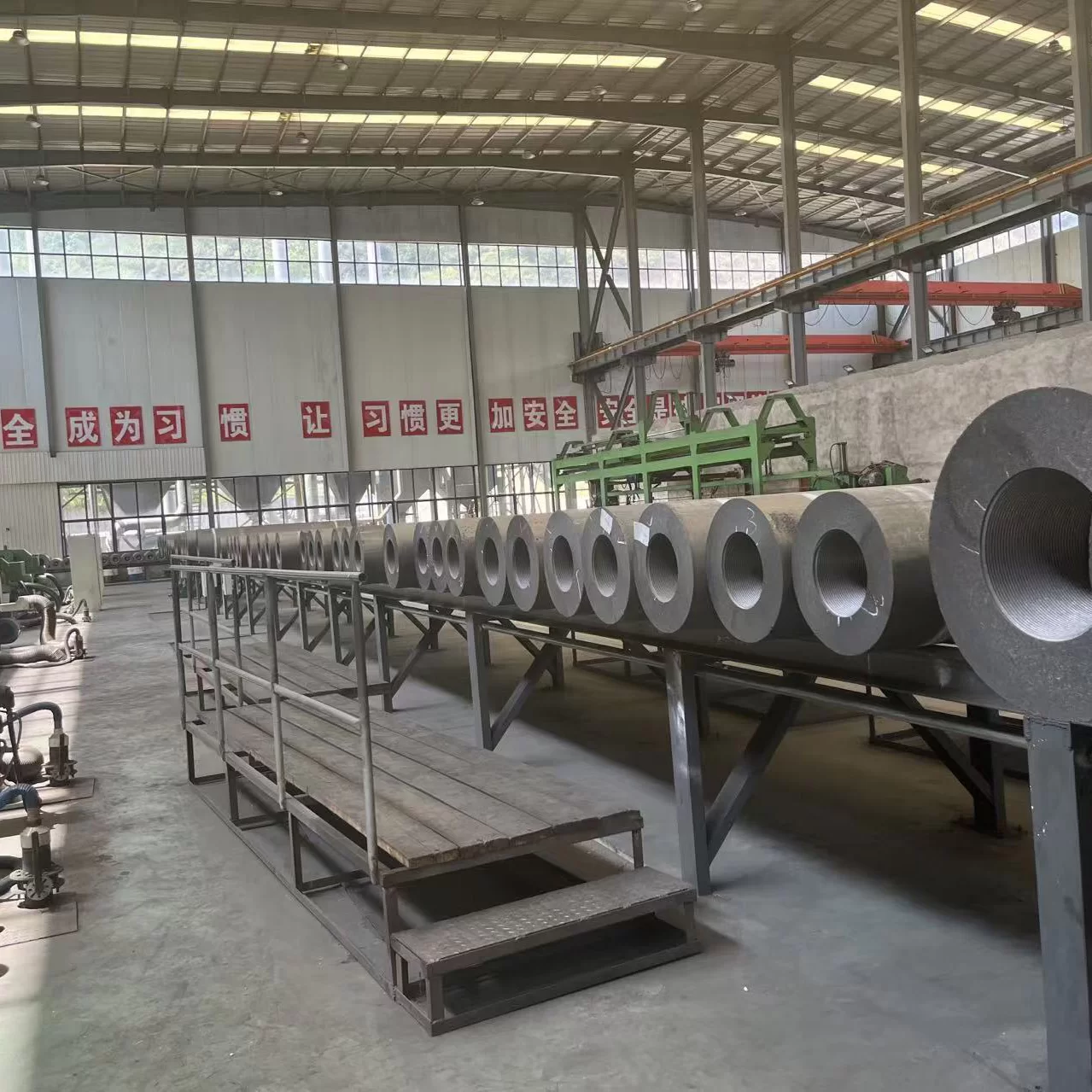
Understanding Graphite Alloy: A Material Shaping Tomorrow’s Industries
Graphite alloy may sound like something from a chemistry textbook or a sci-fi novel, but in reality, it’s quietly revolutionizing vital industries worldwide. The blend of graphite with metal alloys creates materials with unique properties: excellent thermal conductivity, remarkable durability, and resistance to extreme environments. Why does this matter? Because from aerospace to energy production and even humanitarian infrastructure, understanding graphite alloy means tapping into solutions that address real-world challenges — high temperature performance, energy efficiency, and longevity.
Graphite Alloy in the Global Context: Why It’s More Relevant Than Ever
The demand for advanced materials isn’t stable — it’s accelerating. According to the United Nations Industrial Development Organization (UNIDO), industrial growth in developing regions and the push for sustainable technologies are pushing manufacturers to seek materials that withstand more stress, heat, and wear. Graphite alloys are meeting those expectations.
Let’s consider this: the global specialty alloys market was valued at around USD 1.5 billion in 2023, with graphite composites growing at roughly 5.2% annually. These numbers underscore a fundamental shift — industries need materials that combine the conductivity and lubricity of graphite with the strength of metals.
Many sectors — aerospace, automotive, renewable energy, and even defense — are wrestling with the challenges of heat resistance, weight reduction, and environmental impact. Frankly, traditional metals alone just don’t cut it anymore. Graphite alloys offer a path forward.
What Exactly Is a Graphite Alloy?
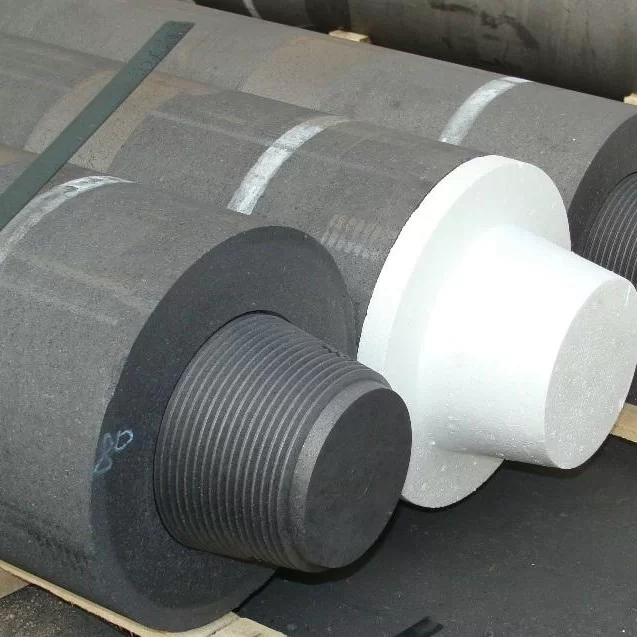
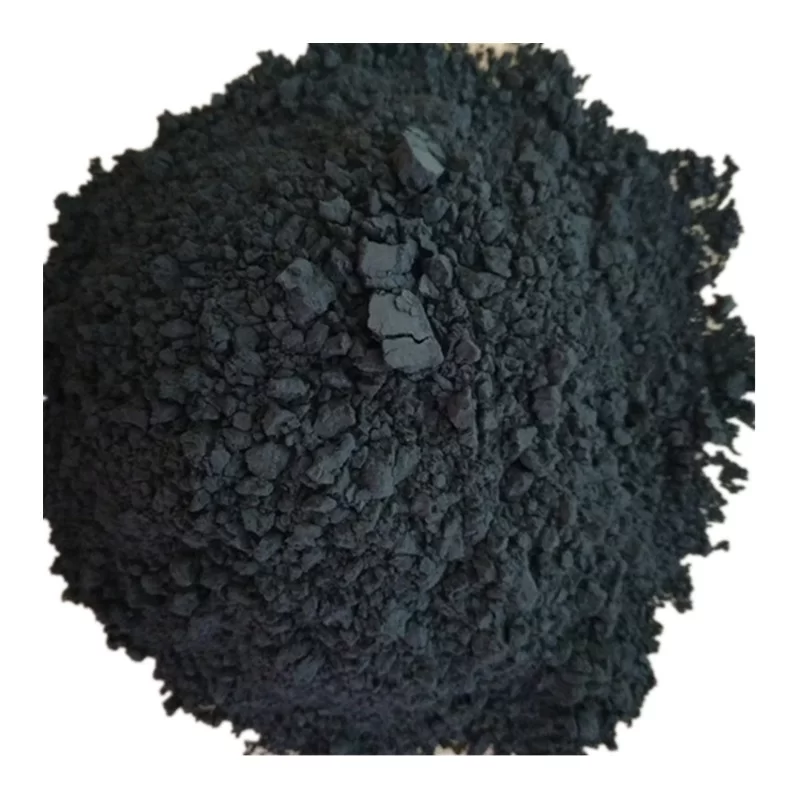
In the simplest terms, a graphite alloy is a composite material made by combining graphite particles or fibers with metal matrices such as copper, iron, or aluminum alloys. This fusion results in a material that thanks to graphite’s layered atomic structure offers high thermal conductivity and lubrication while the metal component bestows mechanical strength and structural integrity.
Imagine the material as a sort of hybrid — it can conduct heat where you want it but also resist mechanical stresses that pure graphite might crumble under. This balance is why it’s indispensable in high-tech manufacturing, cooling systems, and even industrial molds.
Oddly enough, graphite alloys share more than just physical traits — they also address modern humanitarian needs. For example, their heat-resistant properties are central to building safer power infrastructures in fragile regions or improving energy-efficient equipment in harsh climates.
Key Aspects of Graphite Alloy That Make It Special
Thermal Conductivity
Graphite’s unique crystal lattice structure enables excellent heat transfer. Combined with metals, the alloy can remove or distribute heat quickly, making it ideal for heat sinks in electronics or thermal management in engines.
Durability and Wear Resistance
While pure graphite is brittle, the metal matrix reinforces the composite, preventing cracking and erosion. This durability is why robotic arms and aerospace components often incorporate graphite alloys.
Corrosion Resistance
Certain graphite alloys stand up well against oxidation and chemical corrosion — extremely important for industrial applications in aggressive environments like chemical plants or coastal infrastructure.
Lightweight Versus Strength Balance
A well-formulated graphite alloy can reduce component weight without sacrificing strength, aiding fuel efficiency in transportation and lowering structural loads.
Cost Efficiency
While some alloys can be pricey upfront, the longevity and performance of graphite alloys often lead to lower total cost of ownership, a point many engineers stress when specifying materials for projects.
Mini Takeaway:
- Graphite alloy's combination of heat management, strength, and resistance make it a versatile material
- Balancing these properties enables solutions in demanding fields like aerospace and energy
Real-World Applications: From Satellites to Sustainable Energy
This is where graphite alloy shifts from theory to something you can almost touch.
- Aerospace & Defense: Components like rocket nozzles and heat shields use graphite alloys to handle the extreme temperatures on takeoff and re-entry. In fact, the US Department of Energy supports research on composites improving thermal barriers for spacecraft.
- Automotive Industry: Graphite alloys are found in brake systems and engine components, helping with friction reduction and thermal control. Especially as electric vehicles emerge, heat management is a front-burner issue.
- Energy Sector: Thermal management for turbines and fusion reactors increasingly relies on graphite alloy composites. Europe and Asia’s investments in green energy infrastructure feature these materials prominently.
- Industrial Tools & Molds: Molds made from graphite alloys allow for precision manufacturing where temperature gradients could cause warping. This efficiency is vital in semiconductor production.
In remote industrial zones or disaster-stricken regions, equipment made from graphite alloy can perform reliably without heavy maintenance — a factor NGOs and energy developers weigh carefully.
Advantages & Long-Term Value: More Than Just Performance
Graphite alloy’s appeal goes beyond raw specs — it encompasses sustainability, safety, and trust. Manufacturers appreciate that these composites:
- Use fewer rare earth elements compared to alternative high-performance materials
- Reduce waste due to longer life spans
- Provide thermal stability that protects devices from overheating, enhancing safety for operators and end users
- Enable more compact designs, saving space and energy consumption
For end-users, that means less downtime, lower replacement costs, and a material they can trust under pressure — literally and metaphorically. This builds long-lasting confidence among clients and partners.
Product Specification Table: A Typical Graphite Alloy Composite
| Property | Value / Range | Units |
|---|---|---|
| Thermal Conductivity | 80 - 150 | W/m·K |
| Tensile Strength | 250 - 400 | MPa |
| Density | 2.0 - 3.4 | g/cm³ |
| Coefficient of Thermal Expansion | 3 - 8 | ×10⁻⁶/K |
| Operating Temp. Range | -200 to 900 | °C |
Vendor Comparison: Leading Graphite Alloy Producers
| Vendor | Product Range | Geographic Reach | Special Features | Lead Time |
|---|---|---|---|---|
| CarbonTech Solutions | Wide - aerospace, industrial | Global | Custom alloy formulations | 4-6 weeks |
| GraphAlloys Co. | Niche industrial & molds | North America, Europe | Eco-friendly production | 3-5 weeks |
| DahCarbon Group | graphite alloy composites for energy & automotive | Asia, Middle East, Europe | Rapid prototyping & global support | 2-4 weeks |
Looking Ahead: Innovation & Future Trends
Graphite alloy isn't standing still. The pressure to develop lighter, greener, and even smarter materials is fueling novel blends that integrate nanomaterials like graphene or use additive manufacturing (3D printing) techniques to reduce waste and customization timelines.
In green energy especially, graphite alloys could enable better battery heat management or assist in fusion reactor components — areas where efficiency is measured in millimeters and milliseconds.
Policy-wise, international standards from ISO on composite materials are evolving to incorporate these advanced alloys, making compliance and international trade smoother for manufacturers and suppliers.
Challenges and How Manufacturers Are Tackling Them
No material is perfect. Graphite alloys sometimes face hurdles related to cost, scalability, and bonding uniformity. Producing a consistent mixture at scale can be tricky, with defects impacting mechanical performance.
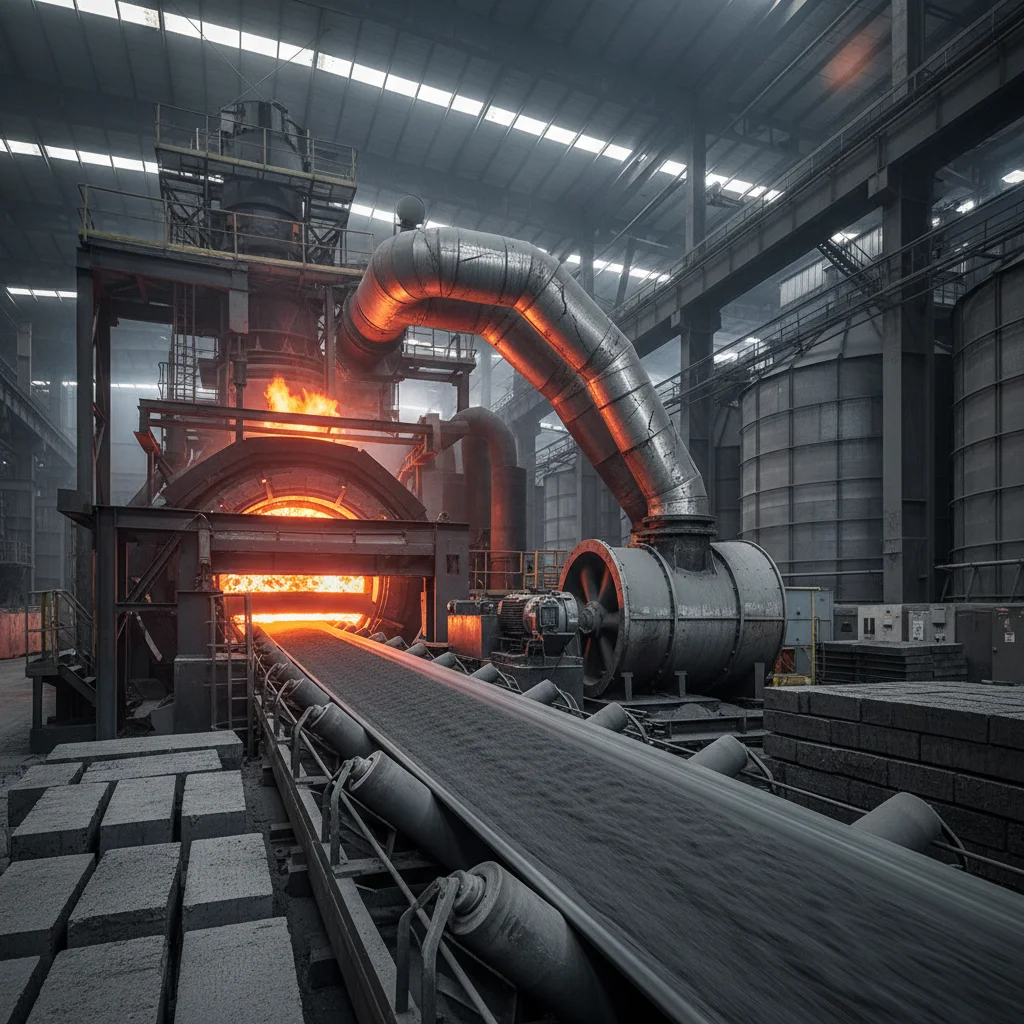
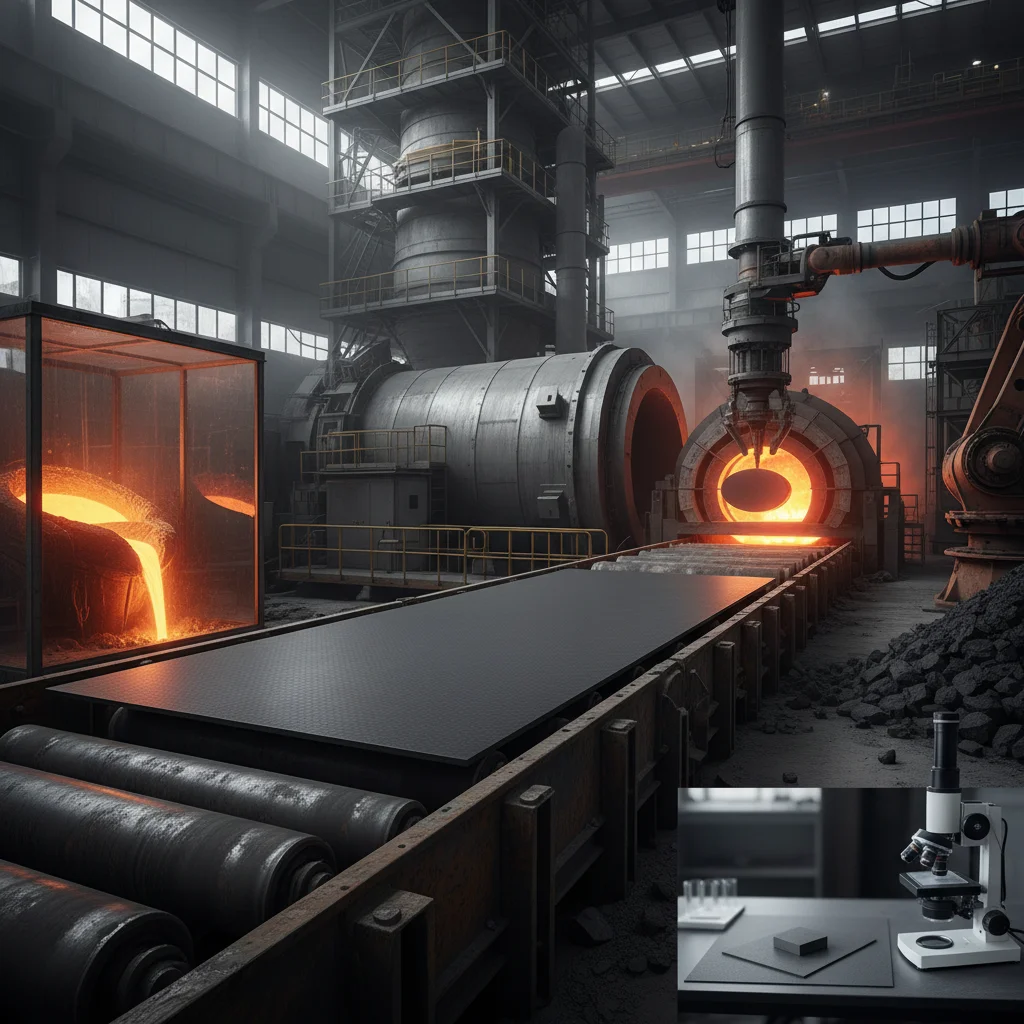
R&D teams are experimenting with surface treatments and hybrid fiber reinforcements to increase reliability. Automation is speeding up quality control and reducing human error. Remember, this field is as much about chemistry as it is manufacturing finesse.
FAQ: Common Questions About Graphite Alloy
- Q: How does graphite alloy compare to pure metal alloys in heat management?
- A: Graphite alloys typically outperform pure metals in thermal conductivity while offering the mechanical strength metals provide. This unique synergy improves device reliability where heat dissipation is critical.
- Q: Are graphite alloys environmentally friendly?
- A: Generally yes — they often require less rare metals, reduce waste due to longevity, and newer production methods are cutting carbon footprints. However, full lifecycle assessments depend on application and supplier practices.
- Q: Can graphite alloy components be customized for specific industries?
- A: Absolutely. Most suppliers offer formulations tailored for aerospace, automotive, or energy sectors, optimizing properties such as density, thermal expansion, and corrosion resistance.
- Q: How long do graphite alloy parts last in harsh conditions?
- With proper design and maintenance, these parts often exceed traditional materials in lifespan, operating reliably under extreme temperatures and chemical exposures for years.
Wrapping It Up: Why Graphite Alloy Matters
Graphite alloy might not be the household name yet, but for engineers and manufacturers, it’s a quietly essential player in solving some of today’s toughest material challenges. Its combination of heat management, durability, and adaptability delivers long-term value — economically, socially, and environmentally.
If you want to explore top-quality graphite alloy components or learn more about innovations shaping today’s industries, visit DahCarbon’s website — they’re a standout supplier with global reach and custom solutions.
Mini Takeaway:
- Graphite alloy blends science and engineering for real-world durability and innovation
- Its expanding role across energy, aerospace, and automotive signals a material to watch closely
- Investment in R&D and sustainability efforts position graphite alloys for a greener, smarter future
So next time you hear “graphite alloy,” it won’t just be jargon — it’ll be a signpost toward the future of material science.