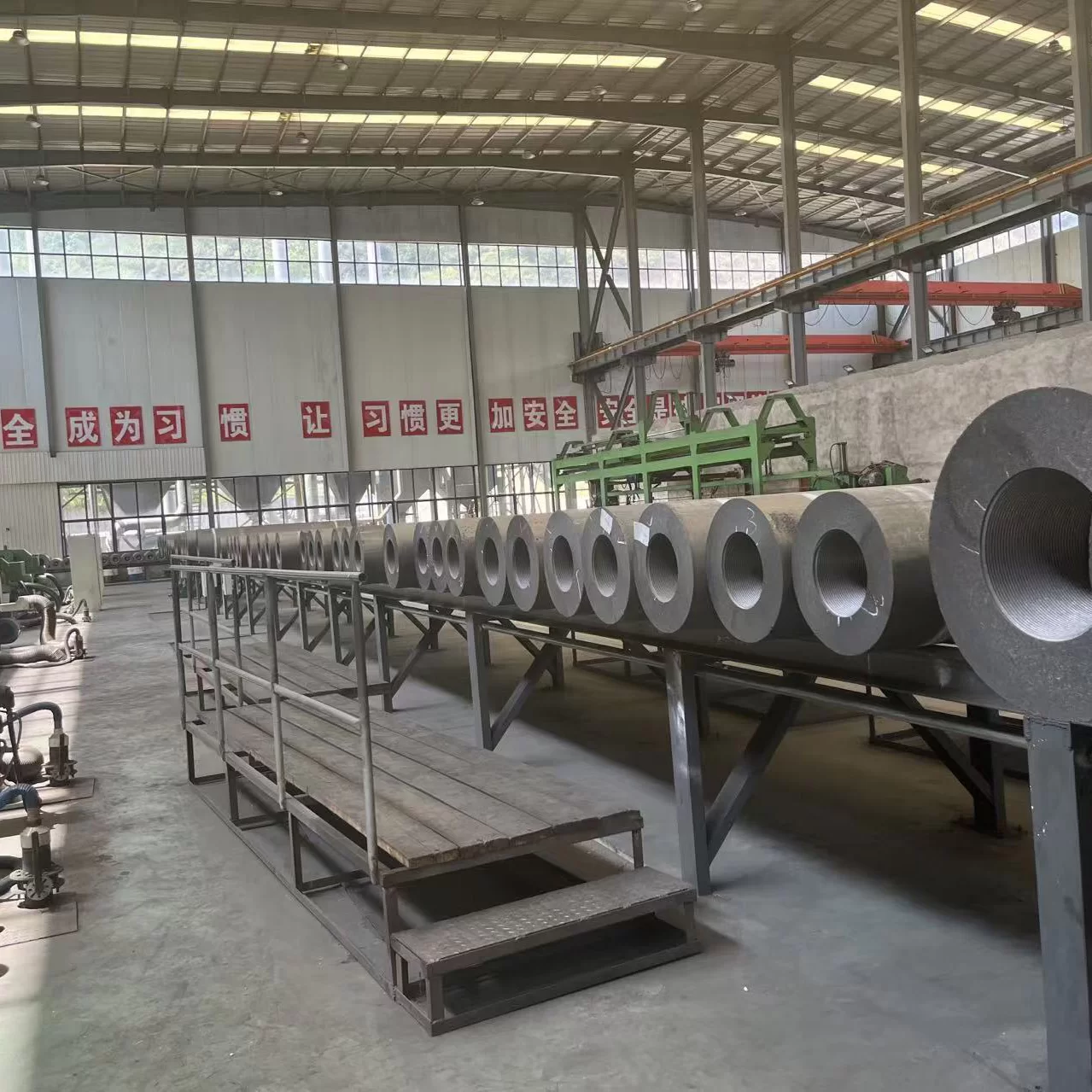
What’s a Graphite Board & Why Should You Care?
Graphite board may sound like one of those industry buzzwords tossed around trade shows, but in reality, it’s a quietly powerful material that's shaping everything from energy storage to electronics, and even humanitarian efforts. The big picture? As the world leans into cleaner tech, lighter components, and more sustainable solutions, understanding graphite-based materials becomes more than just an engineering curiosity — it’s a practical necessity.
Globally relevant? Absolutely. According to the International Organization for Standardization (ISO), materials like graphite boards hold a pivotal role in manufacturing advanced batteries and heat-resistant electronics. And given how rapidly the energy and electronics sectors are growing, being ahead of the curve in graphite technology is... well, almost a survival skill for industries aiming to stay competitive.
Mini takeaway: Graphite board matters because it’s at the intersection of innovation, sustainability, and practical utility across industries worldwide.
The Rising Global Demand For Graphite Board
Here’s an intriguing fact: the global graphite market size was valued at over USD 15 billion in 2022 and is projected to continue climbing exponentially (source: World Bank Minerals Report 2023). Mostly because graphite boards are employed in things like lithium-ion battery anodes, electromagnetic shielding, and high-temperature furnace linings — without which modern electric vehicles or renewable energy storage wouldn’t perform nearly as well.
The challenge? As demand surges, many industries struggle with sourcing quality graphite board that balances cost, durability, and environmental impact. Mining natural graphite is resource-intensive, prompting a big push towards synthetic graphite boards and greener production methods.
Mini takeaway: Graphite board's global relevance grows amid supply chain shifts, sustainability pushes, and booming tech demand.
What Exactly Is a Graphite Board?
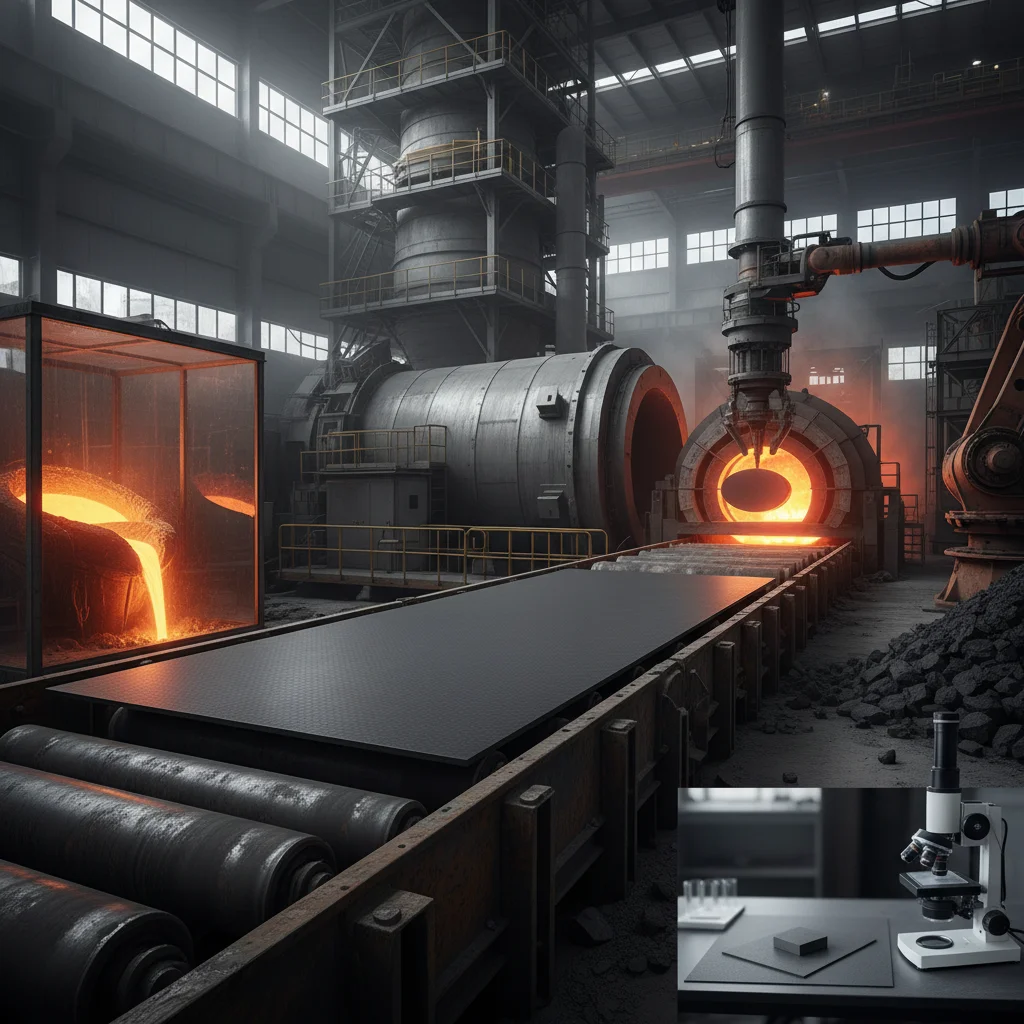
In simple terms, a graphite board is a flat panel made primarily from high-purity graphite — think of it as compressed layers of carbon atoms arranged in neat, hexagonal lattices. These boards usually come in various thicknesses and densities to tailor them for different uses.
Fascinatingly, because graphite conducts electricity and heat exceptionally well while remaining chemically stable up to around 3000°C, industries value it for everything from battery components to specialized insulation panels. You’ll often find graphite boards in aerospace parts, semiconductor manufacturing, and even bioengineering devices.
Modern industry heavily depends on graphite boards as both functional materials and enablers for humanitarian technologies — such as portable energy solutions in disaster zones where traditional power grids fail.
Mini takeaway: A graphite board is essentially a specialized carbon sheet optimized for heat, electrical conductivity, and mechanical resilience.
Key Factors That Make Graphite Boards Stand Out
Durability Under Extreme Conditions
Graphite boards resist thermal shock and corrosion better than many metals. For example, in high-temperature electric arc furnaces, graphite can stand the heat without deforming.
Electrical & Thermal Conductivity
Quite unique is their ability to conduct electricity and dissipate heat evenly. This helps in battery tech and electronics where stable thermal management is critical.
Lightweight Yet Strong
The relatively low density of graphite boards means weight-sensitive applications (think aerospace) prefer them over heavier metallic plates.
Cost Efficiency Compared to Alternatives
While synthetic graphite boards are pricier upfront, their longevity and reliability often yield savings long-term, especially during maintenance cycles.
Environmental Impact & Sustainability
With rising awareness, companies are adopting greener synthesis methods — reducing emissions and waste. Ultimately, this influences companies' green credentials.
Mini takeaway: Graphite boards combine strength, conductivity, durability, and growing eco-friendliness — no wonder they’re widespread.
Real-Life Uses: How Graphite Boards Are Changing Industries
If you've ever driven an EV or marveled at high-end semiconductors, graphite boards probably had a hand in it.
- Battery Production: Used as anodes in lithium-ion batteries, graphite boards improve energy density and charging speed, prized in Asia's booming EV markets.
- Electronics & Semiconductor Fabrication: Flat, heat-resistant graphite boards serve as substrates and heat spreaders in chip manufacturing plants in Taiwan and South Korea.
- Industrial Furnaces & Aerospace: Specialized furnace linings and components capable of enduring extreme temperatures are often built from thick graphite boards.
- Disaster Relief & Remote Areas: Portable power storage and thermal insulation panels made from graphite boards are increasingly popular in humanitarian logistics, especially in post-disaster zones.
For example, during flooding crises in Southeast Asia, relief organizations use modular energy units with graphite board components to ensure resilient power sources where grids are disabled.
Mini takeaway: Graphite boards are quietly embedded in key global sectors, from mobility to emergency aid.
Specification Table: Typical Graphite Board Attributes
| Property | Typical Value | Units | Remarks |
|---|---|---|---|
| Purity (Carbon Content) | >99.8 | % | High-grade synthetic graphite |
| Thermal Conductivity | 100–150 | W/m·K | Depends on orientation |
| Electrical Resistivity | 10⁻⁵ | Ω·m | Low resistivity |
| Max Operating Temperature | >3000 | °C | In inert atmospheres |
| Density | 1.6–1.9 | g/cm³ | Lightweight material |
Vendors At A Glance: Choosing The Right Graphite Board Supplier
| Vendor | Quality Grade | Lead Time | Customization Options | Sustainability Focus |
|---|---|---|---|---|
| D-AH Carbon Sys. | Premium (99.9% C) | 2-4 weeks | Thickness, density, shape | Carbon-neutral synthesis trials |
| XGraphene Tech | High (99.7% C) | 3-5 weeks | Standard sheets only | Recycled feedstock usage |
| CarbonCore Materials | Industrial (99.5% C) | 1-3 weeks | Custom shapes & coatings | Standard environmental policies |
Why Opt for Graphite Board? Here’s The Long Game
For industries where reliability and performance matter, graphite boards offer a blend of qualities hard to beat. They reduce downtime due to durability, boost efficiency through excellent conductivity, and lend themselves to greener production compared to some metal alternatives. Plus, there’s the safety and peace of mind factor. In emergency power solutions or aerospace parts, every degree of thermal stability counts towards trust and human dignity — knowing that the materials won’t fail under stress.
On an emotional note, companies increasingly want to associate with progress and responsibility. Choosing sustainable graphite board suppliers sends a message that innovation and ethics aren’t mutually exclusive.
Emerging Trends & The Road Ahead For Graphite Boards
Looking forward, graphite board technology is riding the wave of green energy transformation. Advances in synthetic graphite with lower carbon footprints, hybrid composites combining graphene layers, and AI-driven quality control are making boards better, lighter, and cheaper.
Digital twins and automation in manufacturing will streamline production, reducing defects and waste. Furthermore, graphite’s role in next-gen batteries, including solid-state and sodium-ion types, is becoming promising territory to watch.
Challenges & Smart Solutions
Of course, no material is perfect. Graphite boards can be brittle depending on formulation and require careful handling. Supply variability of natural graphite sometimes pushes prices unpredictably. Also, balancing performance with eco-friendly production remains tricky — but notable efforts like renewable-energy-powered synthetic graphite plants are showing promise.
Engineers increasingly use composite layers to improve toughness and work with upstream suppliers to secure responsible raw materials. Innovations in recycling graphite from old batteries add another promising angle.
FAQ: Your Graphite Board Questions Answered
Q: How long do graphite boards typically last in industrial use?
A: With proper handling and use conditions, graphite boards can last anywhere from 5 to 15 years. Their resistance to thermal cycling and corrosion usually beat metals in similar roles, minimizing maintenance.
Q: Are graphite boards environmentally friendly?
A: Traditional graphite production has environmental footprints, but modern synthetic processes increasingly use renewable energy and recycling. Plus, their long lifespan supports sustainability by reducing replacements.
Q: Can graphite boards be customized for specific applications?
A: Absolutely. Manufacturers typically offer variations in thickness, density, shape, and coatings to suit battery anodes, insulation, or semiconductor use.
Q: Is it difficult for NGOs or manufacturers to source graphite boards internationally?
A: While logistics can be complex, many suppliers like D-AH Carbon Sys. have global distribution networks specializing in international shipments, simplifying procurement for humanitarian or industrial clients.
Wrapping It Up — Why Graphite Board Deserves a Spot in Your Toolkit
Graphite board isn’t just another material; it’s an enabler of innovation across fields critical to clean energy, electronics, and emergency response. Its unique properties make it reliable, efficient, and increasingly eco-conscious, ticking boxes both for engineers and sustainability advocates.
If your projects require a blend of high heat tolerance, electrical conductivity, and customizable strength, then exploring graphite board options might just be your next smart move. Want to dive deeper or see realistic product options? Visit our website at https://www.dahcarbon.com for more details.
Mini takeaway: Graphite boards stand at the crossroads of performance and responsibility — a quiet partner to some of the world’s biggest technological leaps.