Understanding Graphite Cement: A Game-Changer in Modern Construction
Graphite cement, though a bit niche-sounding, holds a vital role in the modern industrial and humanitarian landscape. Globally, it's gaining traction due to its unique properties, which help tackle challenges like infrastructure durability, energy efficiency, and rapid deployment in disaster zones. Knowing about graphite cement isn’t just a technical curiosity—it’s a gateway to smarter building and environmental stewardship where it counts.
A Global Lens: Why Graphite Cement Matters Today
The global construction industry accounted for nearly 13% of the world’s GDP in recent years, according to the World Bank. Within this heavy-hitter sector, innovative materials are the silent heroes — graphite cement being among them. Incorporating graphite into cement mixes enhances thermal conductivity and electrical properties, which can be revolutionary in places struggling with energy loss or in need of smarter infrastructure.
UN reports on climate resilience also suggest materials like graphite cement could help improve adaptive capabilities in vulnerable regions, minimizing repair costs and downtime post-disaster. And that’s not even touching on industrial uses where reliable, thermally conductive bases matter.
Mini takeaway:
Graphite cement is more than just a stronger building block; it's a response to the global needs of sustainability, resilience, and modern industry challenges.
What Exactly Is Graphite Cement?
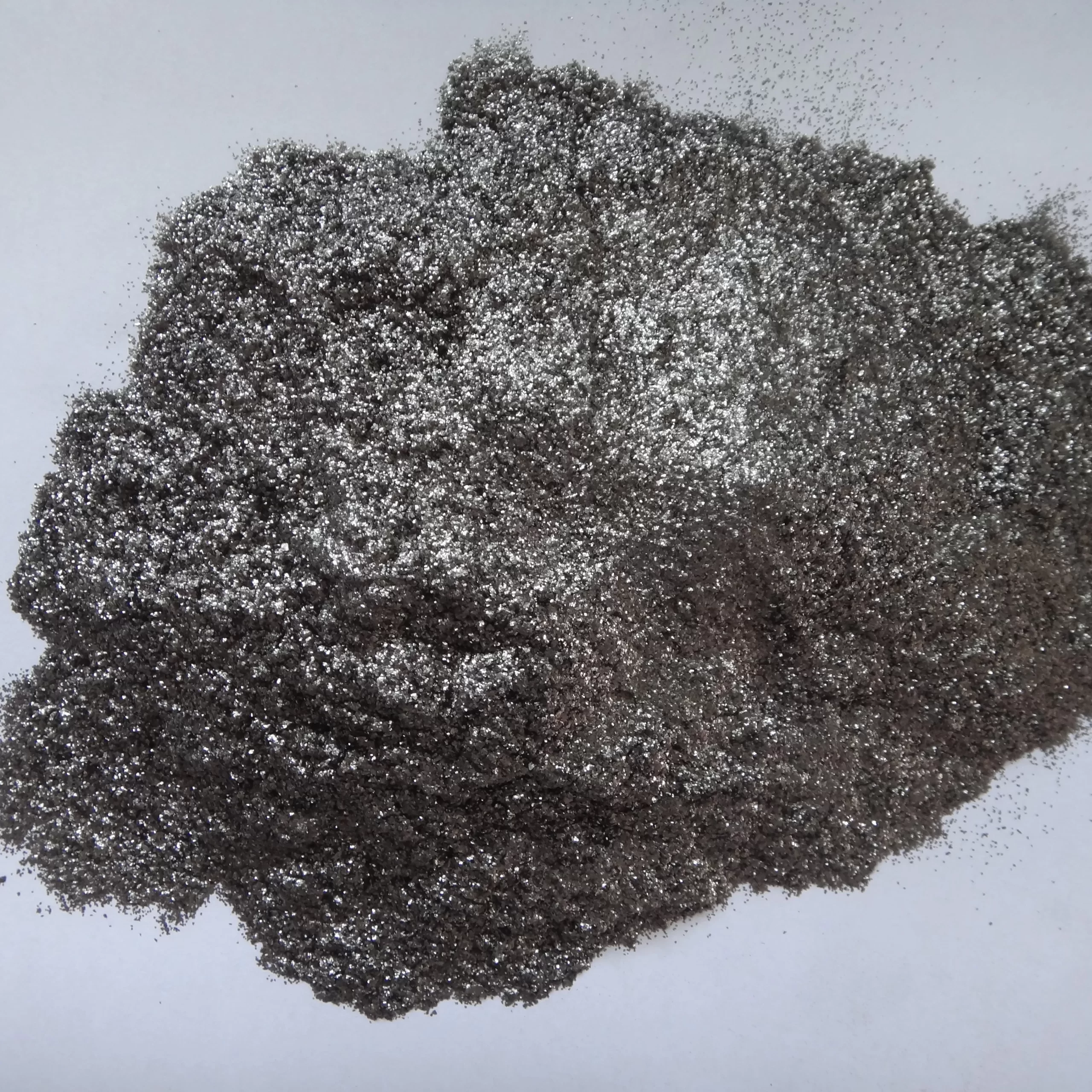
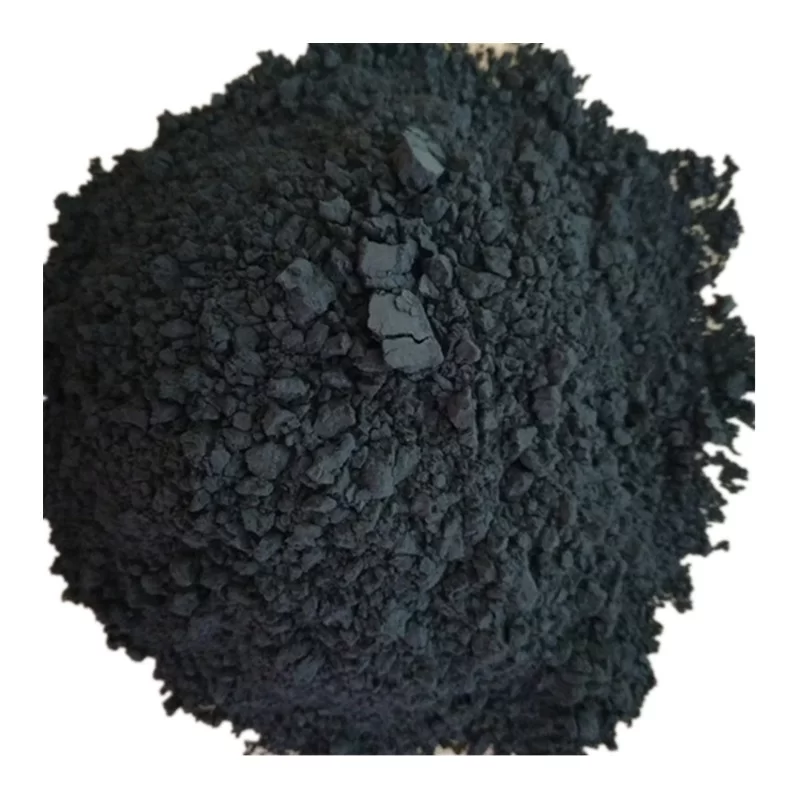
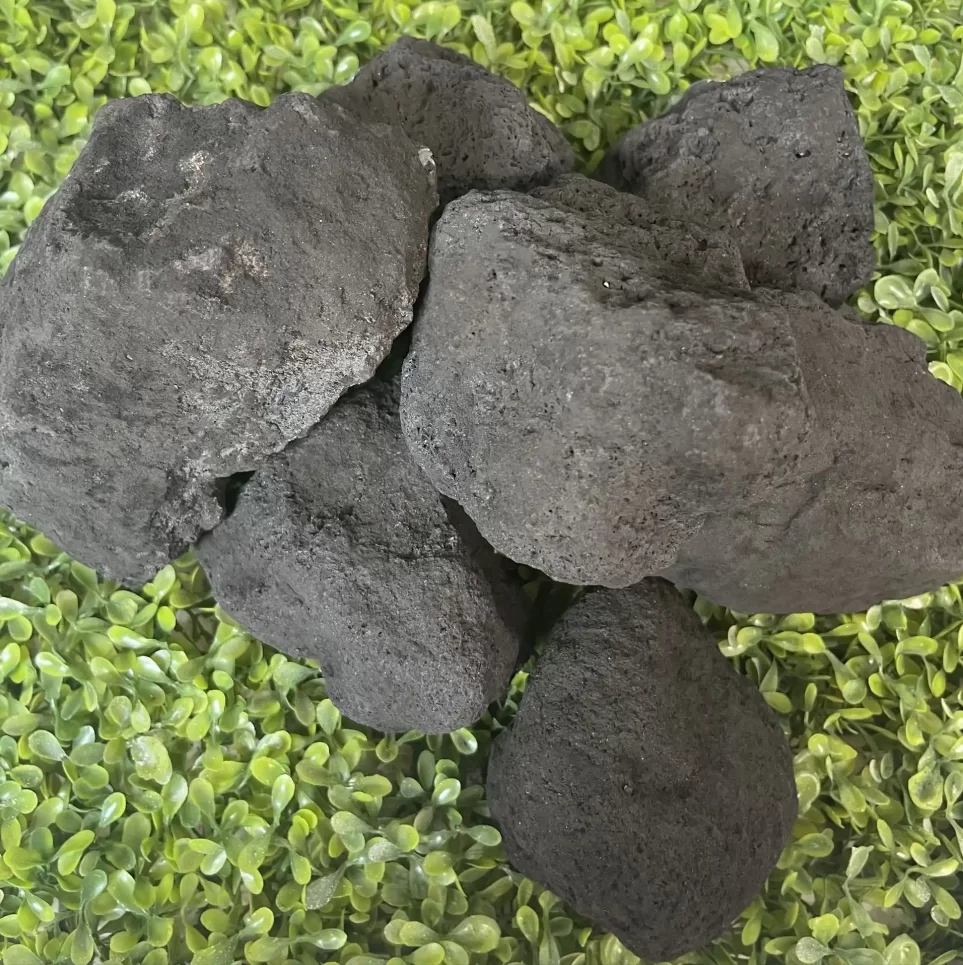
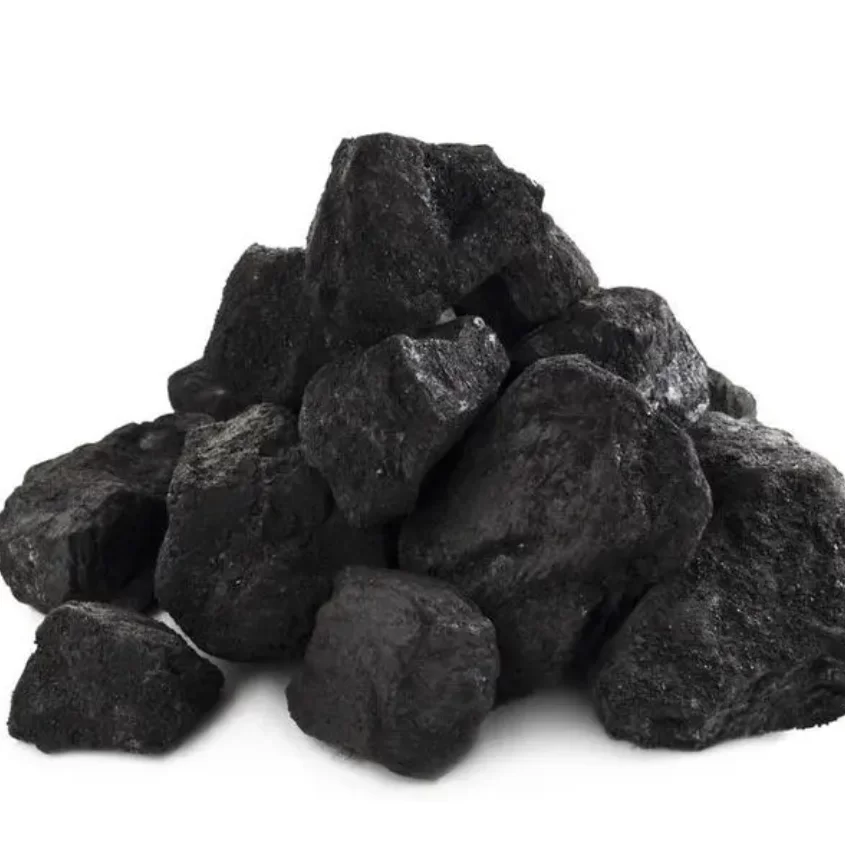
Simply put, graphite cement is ordinary cement blended with a measured amount of graphite powder or flakes. This subtle addition transforms traditional cement—known mostly for strength and durability—into a multifunctional material with enhanced thermal, electrical, and in some cases, corrosion-resistant properties.
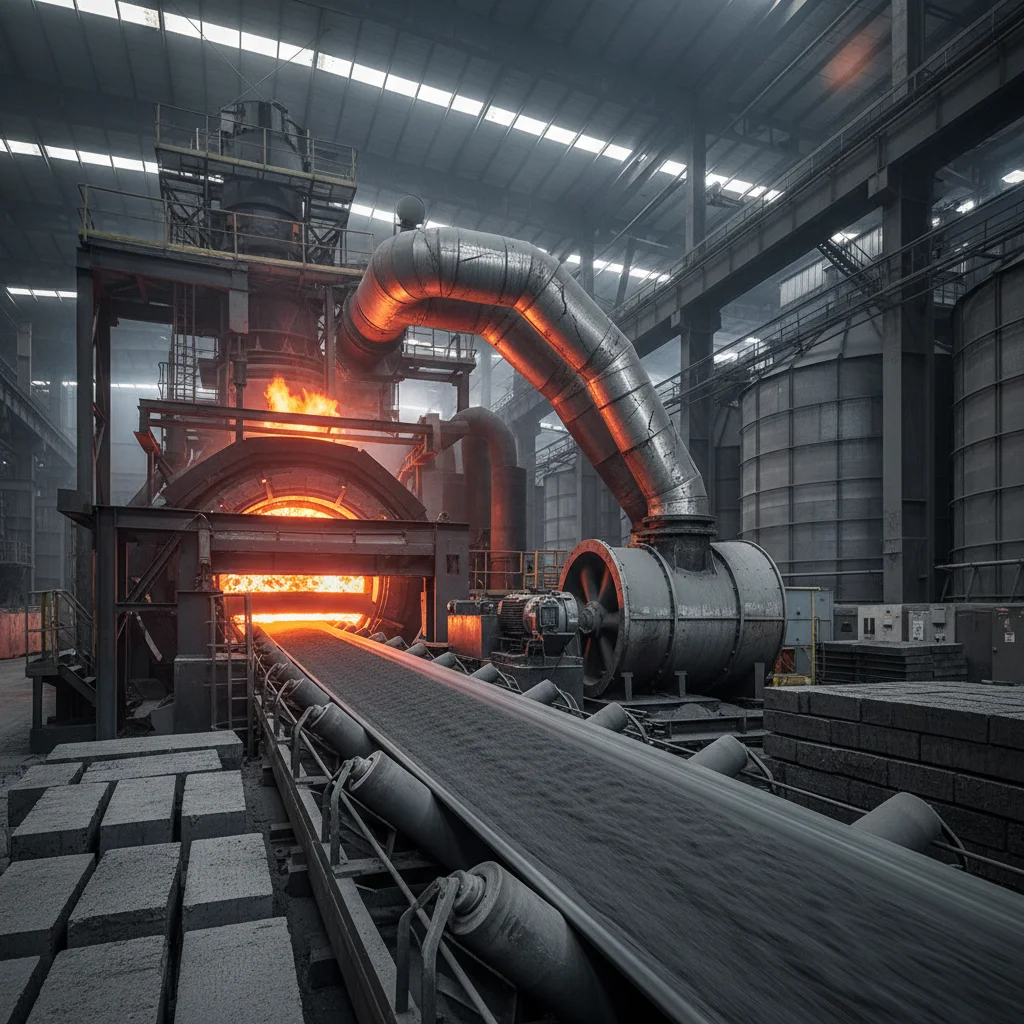
This mix ties closely to modern industry needs—think remote power plants, sustainable housing projects, and even certain military-grade installations that require materials to behave in very specific electrical or thermal ways. The result is a smarter, more responsive building material that pushes the envelope beyond plain strength.
Core Components That Make Graphite Cement Tick
1. Durability
Graphite's inclusion helps resist micro-cracking caused by thermal stresses, which is huge. Durability means fewer repairs, less downtime, and long-term savings.
2. Thermal Conductivity
The obvious benefit—graphite’s excellent thermal conductivity helps spread heat evenly. In practice, this means buildings or industrial setups can reduce energy waste or ramp up efficiency in temperature-sensitive environments.
3. Electrical Conductivity
Unlike traditional cement, graphite cement can carry low electrical currents. This property is leveraged in applications like electromagnetic shielding or even innovative floor heating systems.
4. Cost Efficiency
Despite the high-tech vibe, graphite cement can be cost-competitive. The relatively small amount of graphite added doesn’t break budgets, especially when factoring in lifespan and performance improvements.
5. Sustainability
Because this material reduces maintenance needs and energy wastage over time, its lifecycle impact is lower than many conventional products.
Mini takeaway:
Each core feature of graphite cement is a piece of a puzzle making construction smarter and greener.
Real-World Applications: Where Graphite Cement Shines
In actual industry and humanitarian use, graphite cement shows up in some intriguing places — not always front and center, but quietly vital.
- In post-disaster relief operations, fast-setting graphite cement can be used for temporary but durable shelters with embedded thermal regulation.
- Remote industrial zones in harsh climates, like parts of Siberia or Canada, use graphite cement for their insulation properties and electrical grounding needs.
- Urban projects in Europe and Asia are experimenting with it to improve energy efficiency in smart buildings.
- Even certain military applications employ graphite cement for electromagnetic shielding around sensitive electronics or communication hubs.
Mini takeaway:
From the Arctic tundra to disaster zones, graphite cement adapts to serve both societal resilience and industrial innovation.
Advantages & Long-Term Value of Graphite Cement
Beyond the technical specs, the real value of graphite cement lies in how it serves people and the planet. Think durability that means your infrastructure holds up better in harsh weather, or conductivity that cuts heating bills by improving system efficiency. There's also a social angle: safer, warmer homes mean better quality of life and dignity for vulnerable populations.
Emotionally, it builds trust—engineers and contractors alike appreciate a material that reliably performs under stress and reduces future headaches. From a logical perspective, fewer repairs, less energy wasted, and sustainable sourcing all add up.
Product Specification of Graphite Cement
| Specification | Typical Value | Unit |
|---|---|---|
| Graphite Content | 5 - 8 | % by weight |
| Compressive Strength (28 days) | 30 - 45 | MPa |
| Thermal Conductivity | 1.2 - 2.0 | W/m·K |
| Electrical Resistivity | 0.01 - 0.05 | Ohm·m |
| Setting Time (Initial) | 90 - 120 | minutes |
Vendor Comparison: Leading Graphite Cement Suppliers
| Supplier | Graphite Purity | Typical Shipping Regions | Customization Options | Lead Time |
|---|---|---|---|---|
| Dah Carbon Co. | 99.5% | Global, focus on Asia & Europe | Particle size, purity, batch mix | 2-3 weeks |
| GraphCem Solutions | 98.7% | North America, Europe | Additives, delivery packaging | 3-4 weeks |
| Carbo Mix Ltd. | 99.0% | Asia Pacific | Standard blends only | 1-2 weeks |
Looking Ahead: Innovations and Trends in Graphite Cement
The future looks bright (and a little shiny) for graphite cement. Researchers are exploring nano-graphite additives for even finer grain control and enhanced conductivity. Green policies across Europe and parts of Asia are accelerating demand for sustainable construction materials, with graphite cement positioned as a clear front-runner.
There’s also an exciting synergy brewing between digital building technologies and materials science. Automated mixing and 3D printing with graphite cement could soon reshape how we think about rapid, efficient construction.
Challenges & How Experts Are Tackling Them
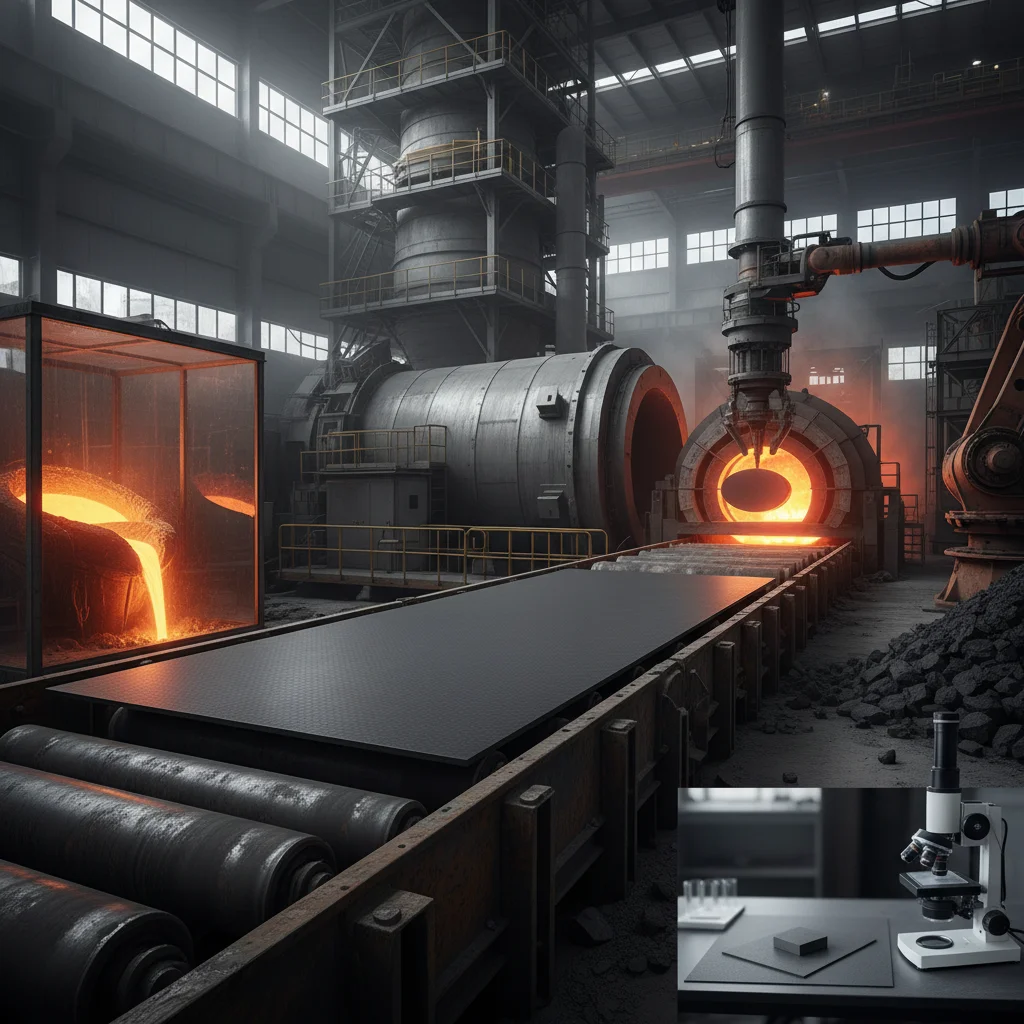
Okay, it’s not all perfect — challenges do exist. For example, the uniform dispersion of graphite in cement can be tricky. Aggregation may reduce performance, so proper mixing techniques or chemical additives are crucial. Cost fluctuations in graphite supply also pose problems for large-scale projects.
Industry experts recommend close collaboration between engineers and suppliers to refine batching processes, alongside quality testing protocols to ensure consistent results.
Frequently Asked Questions About Graphite Cement
Q1: How does graphite cement improve energy efficiency in buildings?
A1: Graphite cement’s enhanced thermal conductivity allows for better heat distribution, reducing hot spots and lowering the need for additional heating or cooling systems. This leads to energy savings over a building’s lifetime.
Q2: Can graphite cement be used for emergency shelter construction?
A2: Yes, its fast-setting nature and thermal properties make it ideal for durable, climate-resilient emergency shelters that can be deployed quickly.
Q3: Is graphite cement environmentally friendly compared to traditional cement?
A3: Generally, yes. By enhancing durability and reducing energy consumption, graphite cement helps decrease the overall carbon footprint during the building lifecycle.
Q4: Where can I source high-quality graphite cement materials internationally?
A4: Suppliers like Dah Carbon offer global shipping tailored for varied project needs. It’s best to discuss your specific application to optimize mix properties.
Q5: Are there any known health or safety concerns when handling graphite cement?
A5: Standard safety precautions apply—dust masks and gloves during mixing are recommended. Graphite itself is generally non-toxic, but proper handling ensures worker safety.
In Conclusion: Why Graphite Cement Deserves Your Attention
Long-term, graphite cement promises a blend of strength, adaptability, and sustainability that traditional materials can’t quite match. Whether in high-tech urban projects or rough-and-ready disaster response, its value proposition is solid. If you’re looking to explore smarter, more future-proof construction options, graphite cement is worth a close look.
For more insights and supplies, visit our website at graphite cement.