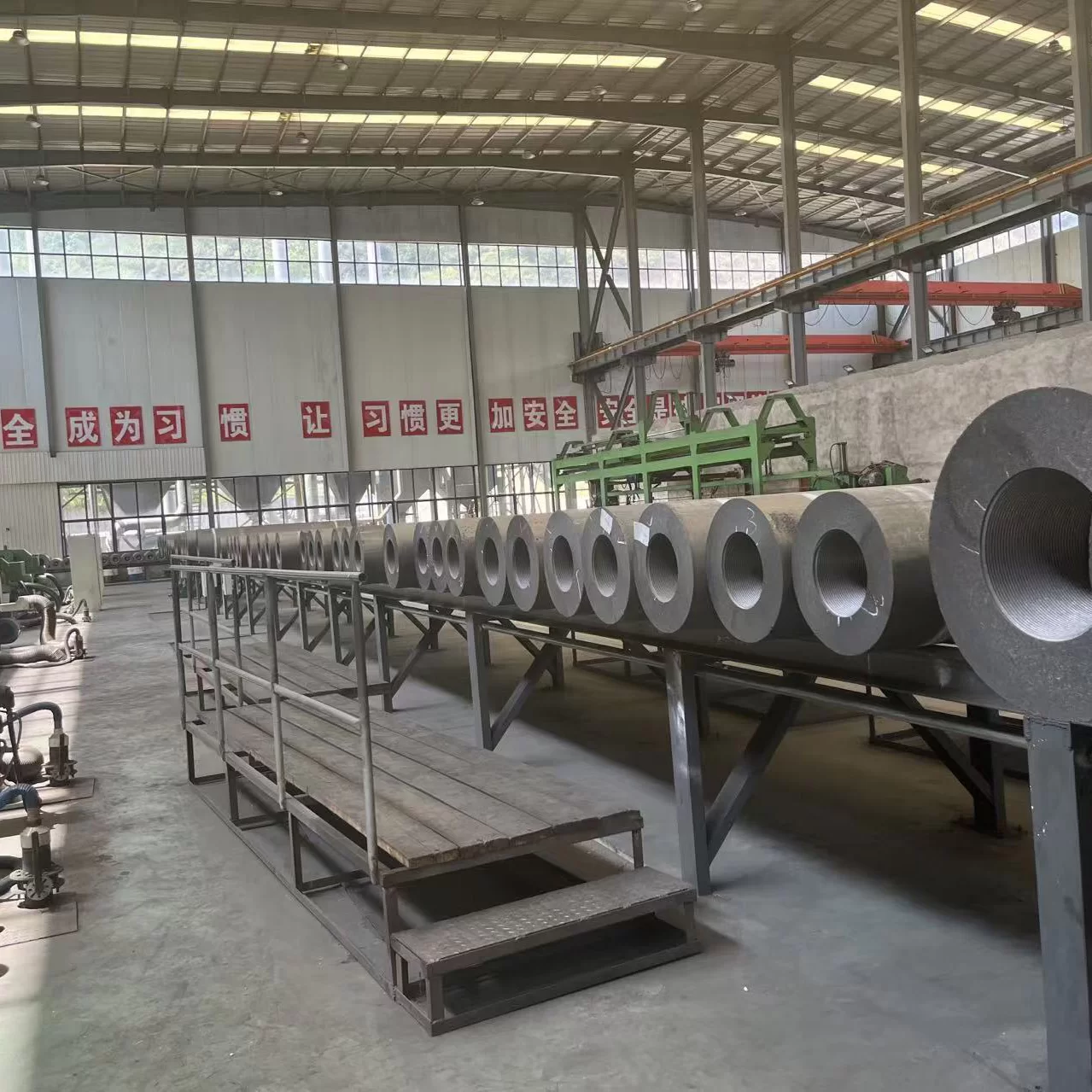
What Is a Graphite Condenser and Why Should We Care?
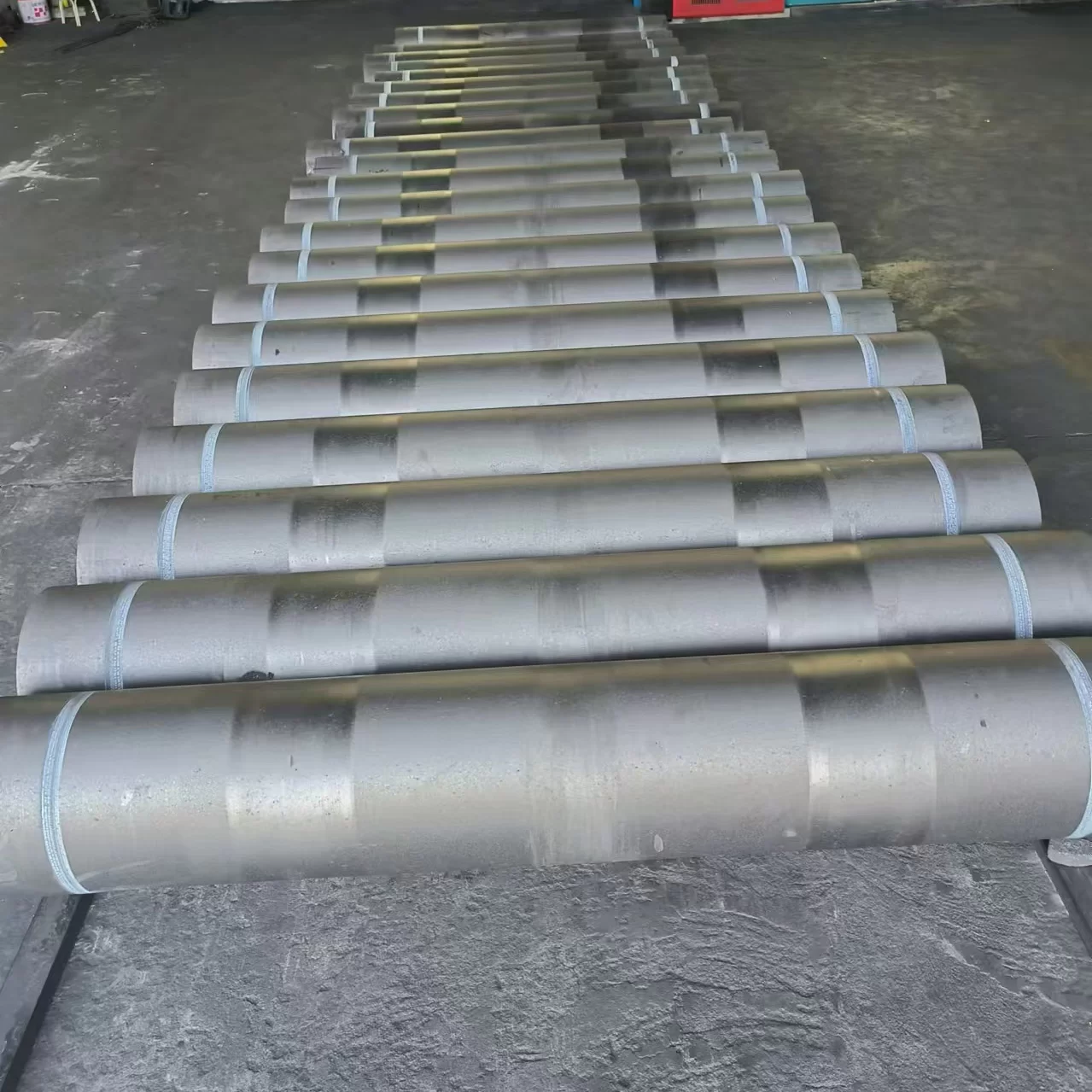
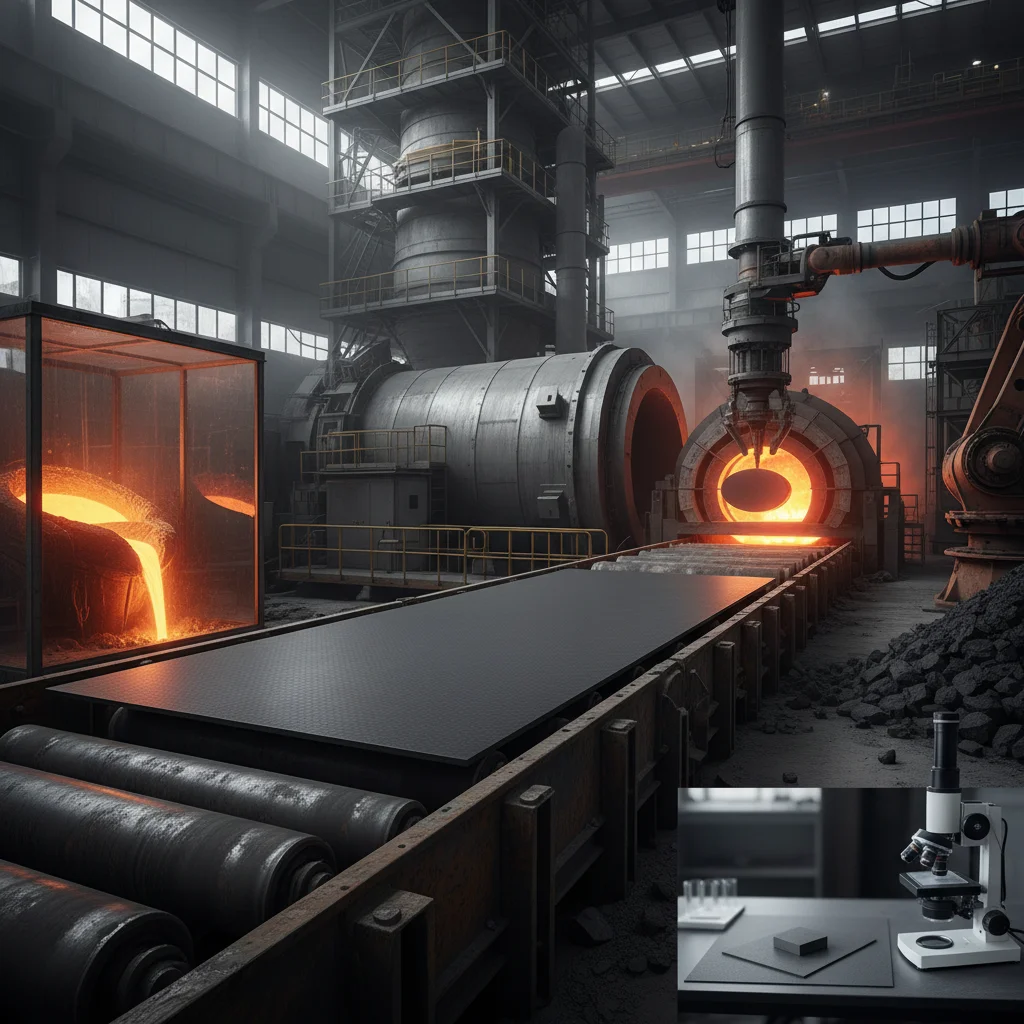
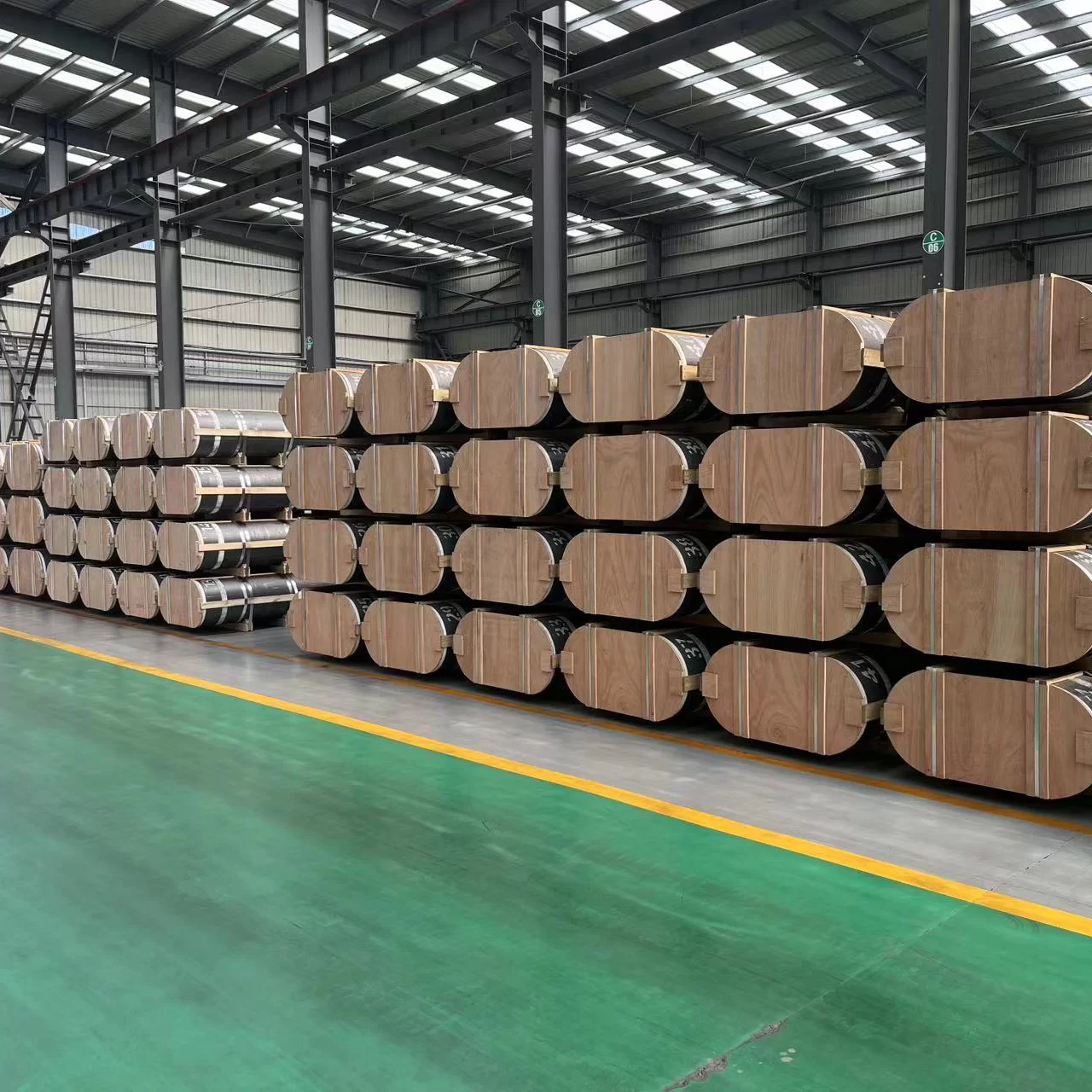
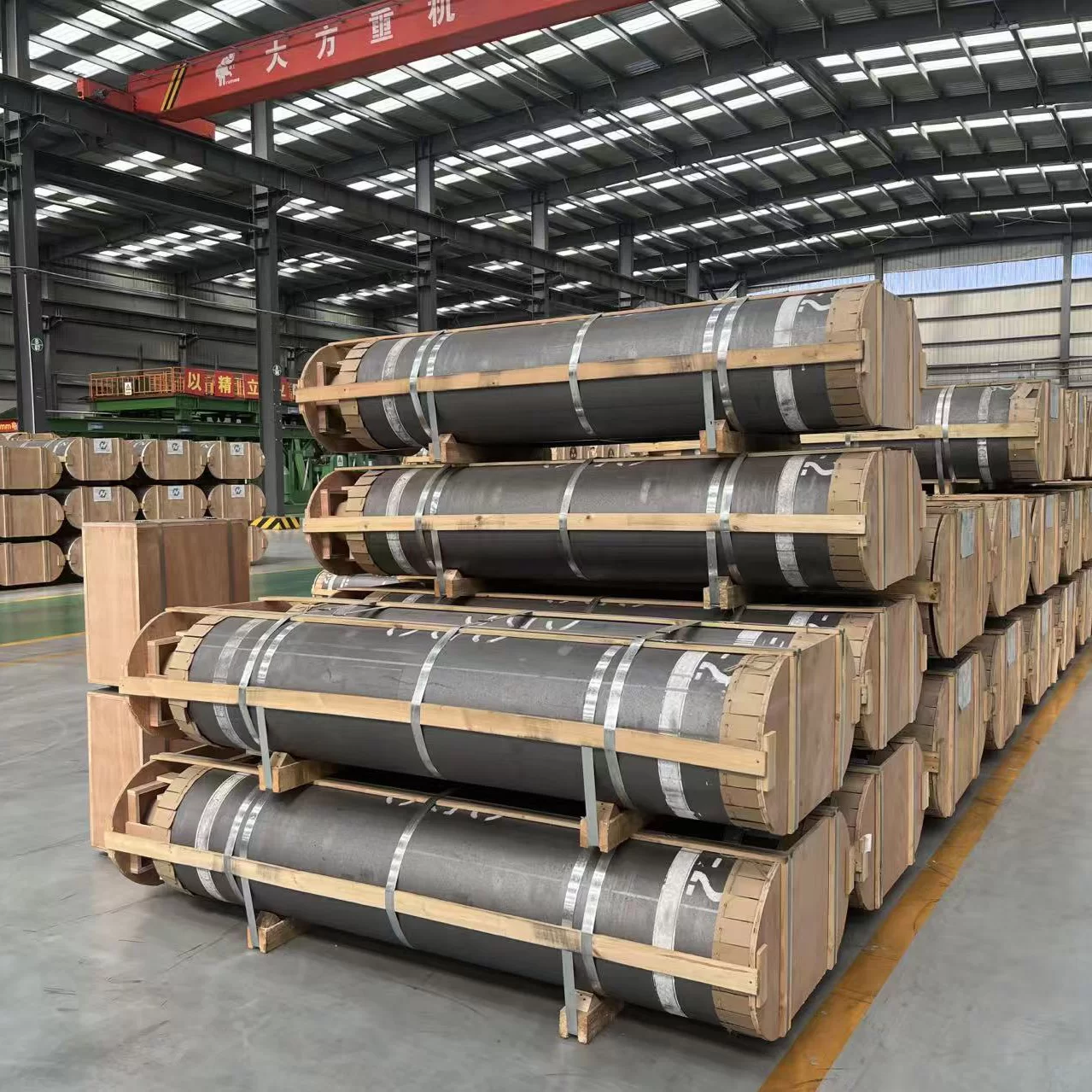
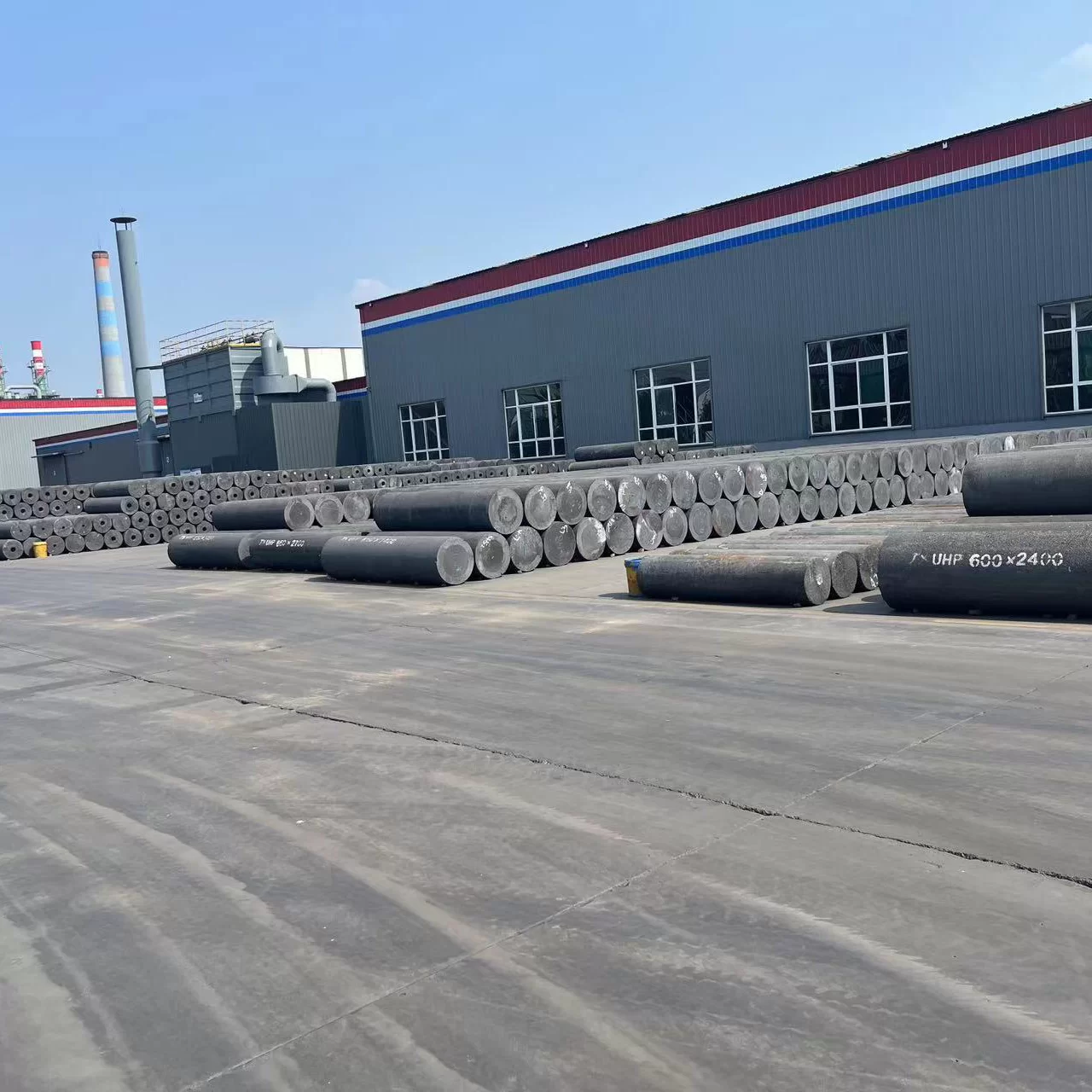
At first glance, the term graphite condenser might sound like something out of a sci-fi novel or industrial jargon that only a handful of engineers understand. Yet, this technology quietly plays a vital role across industries and environmental efforts worldwide. Simply put, graphite condensers are specialized devices that use graphite's remarkable thermal and electrical properties to improve condensation processes in equipment ranging from power plants to chemical manufacturing units.
Why does this matter globally? Well, according to the International Energy Agency (IEA), efficiency improvements in thermal systems could reduce emissions by millions of tons annually. Graphite condensers help accomplish this by maximizing heat exchange and lowering energy wastage. Understanding their potential means tapping into smarter, cleaner industrial solutions that not only boost productivity but also support sustainability—a real win for our planet’s future.
Mini takeaway: Graphite condensers aren't just niche tech; they’re pivotal in advancing efficient, greener industrial processes worldwide.
The Global Importance of Graphite Condensers
Thermal power generation, chemical processing, and heavy manufacturing industries are the backbone of modern economies, powering everything from our homes to transport networks. The IEA’s 2023 report estimates that thermal efficiency stands to improve by up to 15% if outdated condensers and heat exchangers are replaced with advanced materials like graphite.
Here’s the catch: many older systems use metal condensers that corrode or scale, leading to costly downtime and environmental risks. Graphite condensers solve this by offering superior corrosion resistance and thermal performance. Considering the UN’s Sustainable Development Goals (SDGs) emphasize sustainable industrial innovation (Goal 9), graphite technologies align perfectly, addressing global energy inefficiency challenges.
Mini takeaway: Upgrading to graphite condensers tackles corrosion and inefficiency issues rampant in older systems—helping industries meet key sustainability benchmarks.
So, What Exactly Is a Graphite Condenser?
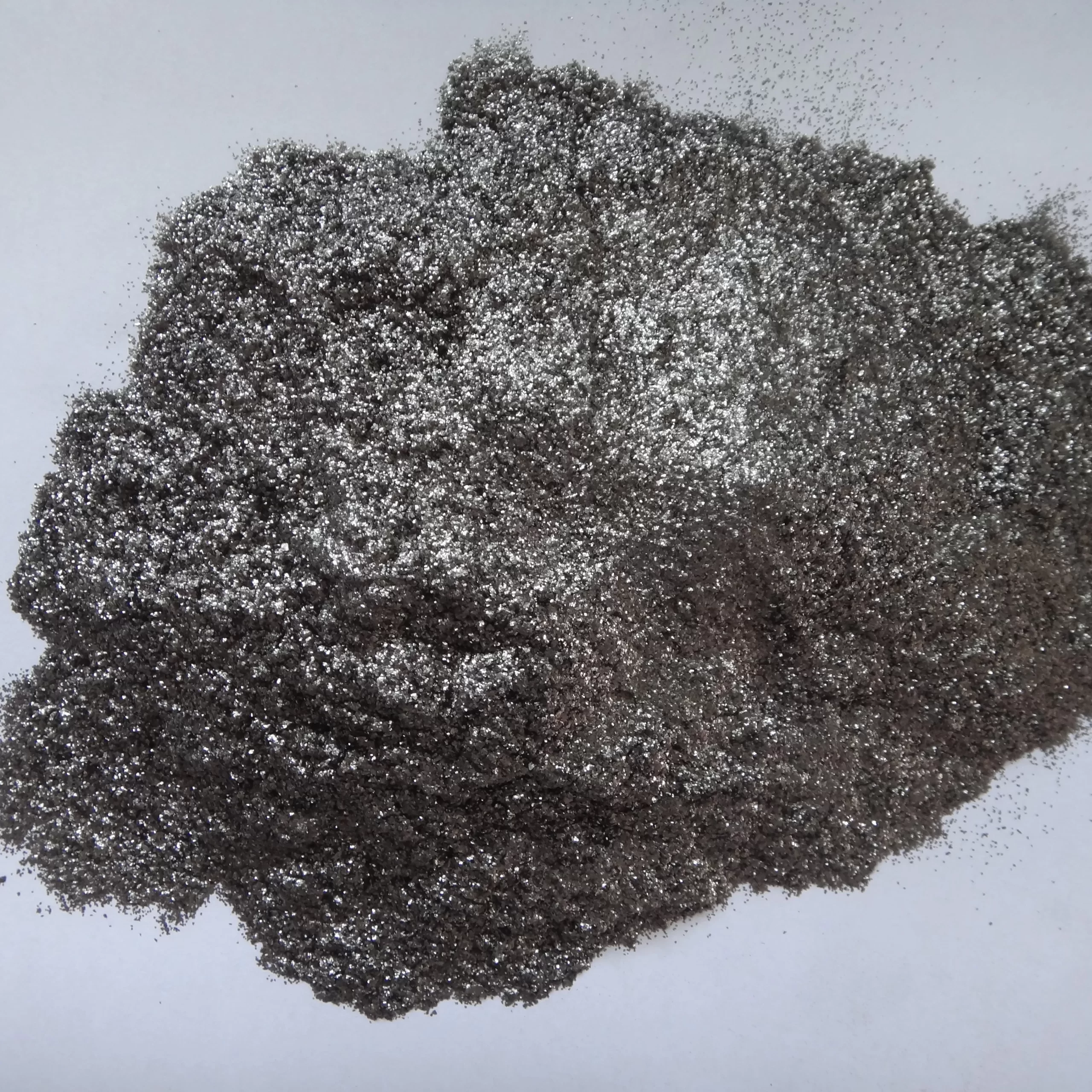
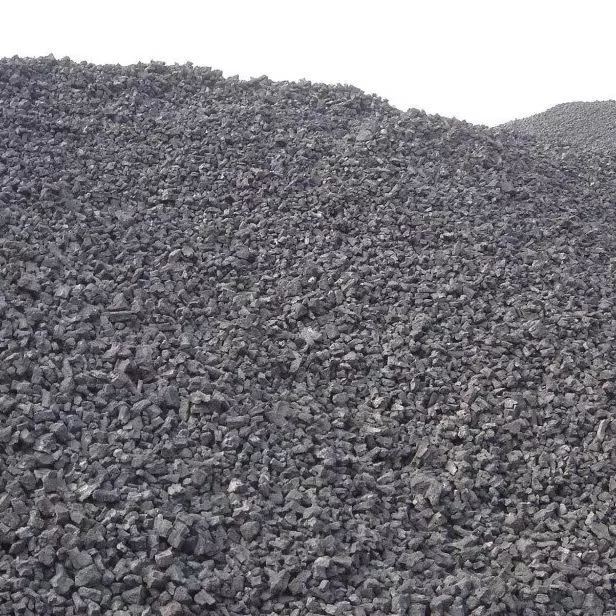
Put simply, a graphite condenser is a type of heat exchanger or cooling device that uses graphite components to condense vapors into liquid. Its core principle revolves around graphite’s excellent thermal conductivity, chemical inertness, and high resistance to thermal shock.
Unlike traditional metal condensers, graphite condensers don’t corrode easily, making them ideal for aggressive chemical environments or high-temperature processes. They’re indispensable to industries that can’t afford downtime or contamination—in short, the unsung heroes behind processes like ammonia synthesis, petrochemical refining, and even emergency relief water treatment setups.
Mini takeaway: Graphite condensers convert vapor to liquid with resilience and reliability, thanks to graphite’s unique properties.
Key Components and Core Factors Driving Graphite Condenser Performance
Durability and Corrosion Resistance
One of the most remarkable aspects is graphite’s immunity to most acids and alkalis, compared to stainless steel or copper alloys that degrade over time. This longevity reduces maintenance costs and improves uptime significantly.
Thermal Efficiency
Graphite’s thermal conductivity ranges from 100-200 W/m·K—much higher than stainless steel—making heat transfer faster and condensation more complete. Engineers notice that this can shrink plant energy consumption by about 5-10% in optimized setups.
Scalability and Modularity
The modular design of many graphite condensers allows integration into existing facilities without a full system overhaul. This flexible deployment helps industries scale up production quickly, which is crucial in volatile demand periods or emergency scenarios.
Cost Efficiency
Initially, graphite condensers tend to cost more upfront than traditional units. However, over their lifecycle, the savings in energy, repairs, and downtime make them highly cost-effective.
Environmental Friendliness
The extended service life and reduced energy consumption directly align with sustainability goals. Plus, graphite components often have a smaller carbon footprint during manufacturing, especially if sourced responsibly.
Mini takeaway: From endurance to ecology, graphite condensers pack multiple advantages that make them stand out technically and economically.
Where in the World Are Graphite Condensers Making a Difference?
Real-world use cases spread across continents:
- Asia-Pacific: Rapid industrialization in China and India has spurred factories to upgrade condensers to graphite to meet stricter emissions standards.
- Europe: Chemical plants in Germany and France deploy graphite condensers to maintain high purity in production processes, reducing contamination risks.
- North America: Power plants in the U.S. and Canada utilize these units to improve thermal cycle efficiency, shaving operating costs and meeting EPA guidelines.
- Humanitarian Relief: In disaster zones where water treatment is critical, graphite condensers form part of mobile desalination units, supplying clean water fast without breakdowns.
Mini takeaway: Whether it’s cutting-edge chemical refining or saving lives with water purification, graphite condensers are proving their worth globally.
Advantages and the Long-Term Value of Graphite Condensers
Deploying graphite condensers brings benefits that go beyond factory walls:
- Cost Savings: Less frequent repairs and better energy use translate into lower bills and improved ROI.
- Sustainability: The durable nature means fewer replacements, less waste, and lower emissions.
- Reliability: These systems operate consistently, even under corrosive or high-temperature conditions.
- Social Impact: Facilities running efficiently translate to safer workplaces and steady jobs.
- Innovation Trigger: Using advanced graphite materials often catalyzes broader modernization efforts.
Mini takeaway: These aren’t just machines; they’re foundational to industry stability, environmental care, and social prosperity.
Future Trends and Innovations on the Horizon
What’s exciting is that research continues to push graphite technology further:
- Hybrid Materials: Combining graphite with graphene nanosheets promises even better thermal conductivity and flexibility.
- Digital Monitoring: Sensors embedded in graphite condensers enable predictive maintenance—cutting downtime unexpectedly.
- Eco-Friendly Manufacturing: New methods reduce the carbon footprint of graphite components, making the whole lifecycle greener.
- Policy Support: International directives, especially in Europe and North America, are incentivizing industries to adopt such eco-efficient technologies.
Mini takeaway: The graphite condenser landscape continues evolving, blending material science and digital tech for smarter, cleaner solutions.
Challenges Around Graphite Condensers and How to Overcome Them
Despite all this promise, there are hurdles:
- Initial Cost: The upfront investment can be prohibitive for some industries, particularly in developing markets.
- Manufacturing Complexity: Producing large graphite components requires precise control and expertise.
- Integration Challenges: Retrofitting existing plants isn’t always straightforward.
To tackle these, many vendors offer tailored financial packages and modular equipment that fits standard plant footprints. Training programs also help staff adapt quickly. Some startups are innovating in 3D printing graphite parts, which could revolutionize accessibility.
Mini takeaway: Cost and complexity exist but are being aggressively addressed through innovation and smart collaboration.
Graphite Condenser FAQ
- What are the main benefits of a graphite condenser versus traditional metal ones?
- Graphite condensers offer superior corrosion resistance, higher thermal conductivity, and longer lifespan—resulting in less downtime and energy savings over time.
- Can graphite condensers operate in highly corrosive chemical environments?
- Yes, graphite is chemically inert to most acids and alkalis, which makes graphite condensers ideal for harsh processing conditions like those found in petrochemical or fertilizer industries.
- How easy is it to retrofit a graphite condenser into an existing system?
- Many suppliers design modular graphite condensers that fit standard plant layouts, easing integration. However, each plant is unique, so a feasibility study is usually recommended.
- Are graphite condensers environmentally friendly?
- Definitely. Their efficiency reduces energy use, and their durability means less frequent replacement, which cuts waste and emissions across the product’s lifecycle.
- What industries rely most on graphite condensers today?
- Primarily chemical manufacturing, power generation, water treatment, and any sector where rigorous thermal management in aggressive environments is critical.
Graphite Condenser Specifications at a Glance
| Specification | Typical Value / Range | Notes |
|---|---|---|
| Thermal Conductivity | 100 – 200 W/m·K | Higher than most metals used in condensers |
| Operating Temperature | Up to 400°C | Depends on system design and environment |
| Corrosion Resistance | Excellent | Highly resistant to acids & alkalis |
| Weight | Lightweight compared to metal | Simplifies installation and support structures |
| Lifespan | 20+ years typical | Varies by application and maintenance |
Comparing Top Graphite Condenser Vendors
| Vendor | Product Range | Notable Strengths | Global Reach | Typical Lead Time |
|---|---|---|---|---|
| Dah Carbon | Graphite condensers, heat exchangers, carbons | Custom design, strong R&D, robust quality control | Global - Asia, Europe, Americas | 4–6 weeks |
| CarboTech | Wide range of graphite components and condensers | Strong European presence, advanced materials | Europe, Asia | 6–8 weeks |
| GraphCo | Industrial condensers, filtration, ready-to-install units | Fast delivery, competitive pricing | North America, Latin America | 3–5 weeks |
Wrapping Up Graphite Condensers: Why They’re Here to Stay
Frankly, graphite condensers feel like one of those quietly transformative technologies. While they don’t always make headlines, their impact is undeniable. More efficient thermal cycles, longer-lasting equipment, and improved environmental performance come together to form a compelling case for wider adoption.
If you're considering upgrading your system or exploring sustainable options, these condensers deserve a spot on your shortlist. To explore more about product offerings and custom solutions, feel free to visit graphite condenser specialists like Dah Carbon.
At the end of the day, investing in graphite condenser technology means committing to efficiency, durability, and a cleaner future—values that resonate in every corner of the industrial world.
References:
1. International Energy Agency, Energy Efficiency 2023 Report
2. United Nations Sustainable Development Goals (Goal 9)
3. Graphite - Wikipedia