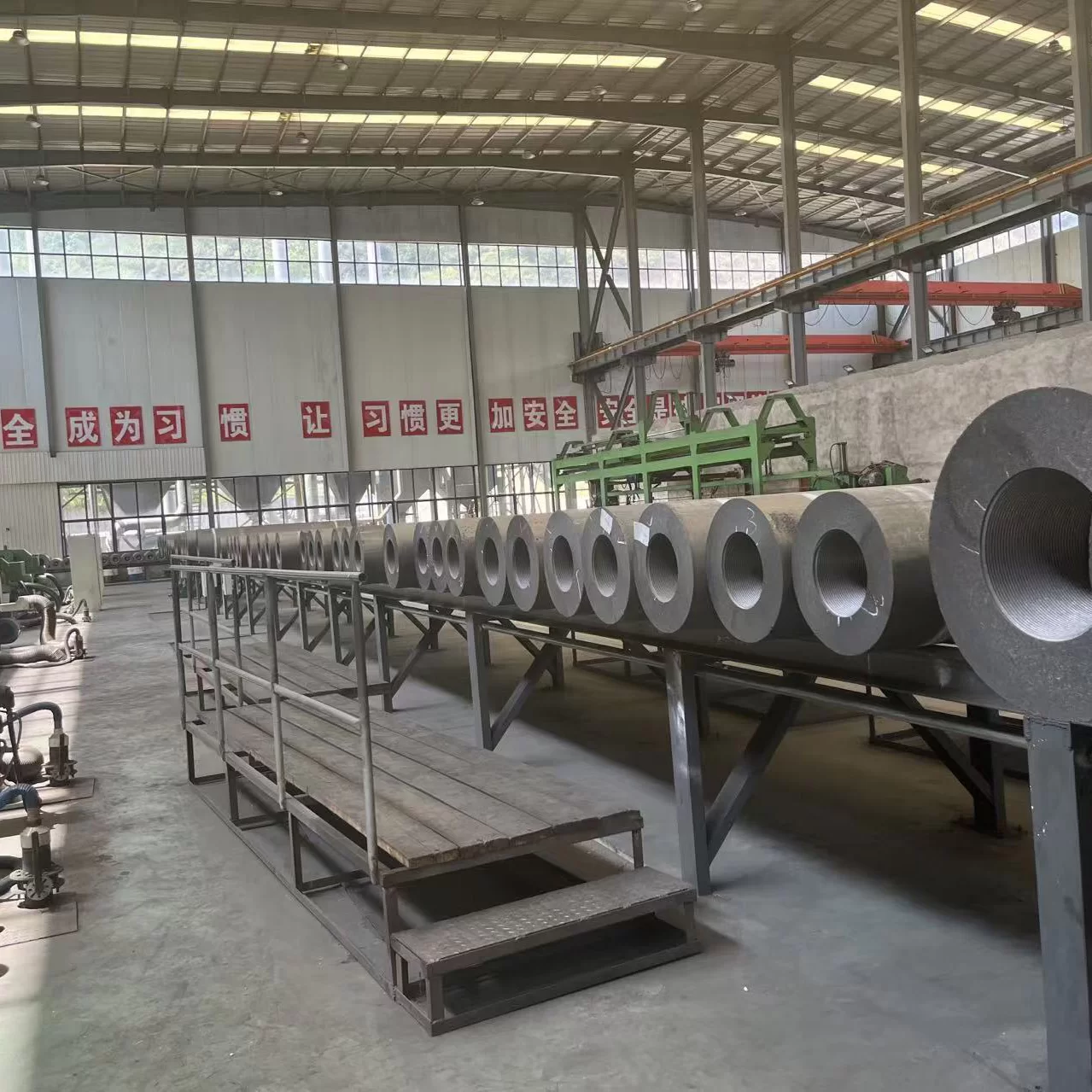
Understanding the Graphite Dry Cell Hydrogen Generator: Why It Matters
Globally, the transition towards cleaner, sustainable energy sources is racing ahead — and not without reason. The rise of technologies like the graphite dry cell hydrogen generator is emblematic of this shift. Why? Because these devices offer a compact, efficient way to produce hydrogen gas without relying heavily on fossil fuels, aligning perfectly with international goals like those set by the United Nations Sustainable Development Goal 7 on affordable, clean energy.
Hydrogen’s reputation as a clean energy carrier makes understanding how to generate it practically and sustainably crucial. The graphite dry cell hydrogen generator, in particular, has potential benefits ranging from emergency energy access to industrial scale-ups. Frankly, as the world searches for reliable hydrogen production methods, these generators stand out for being relatively simple, environmentally friendly, and scalable.
The Global Context: Why Graphite Dry Cell Hydrogen Generators Are Gaining Ground
According to the International Energy Agency (IEA), global hydrogen demand is set to surge from around 90 million tons in 2023 to well over 250 million tons by 2030, driven largely by transport, industry, and power sectors.
So where does a graphite dry cell hydrogen generator fit into this picture? The challenge lies in producing hydrogen efficiently without massive infrastructure or environmental drawbacks. Many traditional methods are costly, complex, or depend on natural gas — still a fossil fuel. That’s a big limitation when you’re trying to reach rural or resource-poor regions.
Here, graphite dry cell hydrogen generators serve as a practical solution. Their design simplifies on-site hydrogen production, often requiring just water and electrical input, making them very compelling for renewable energy integration, remote locations, and rapid deployment scenarios.
Defining the Graphite Dry Cell Hydrogen Generator
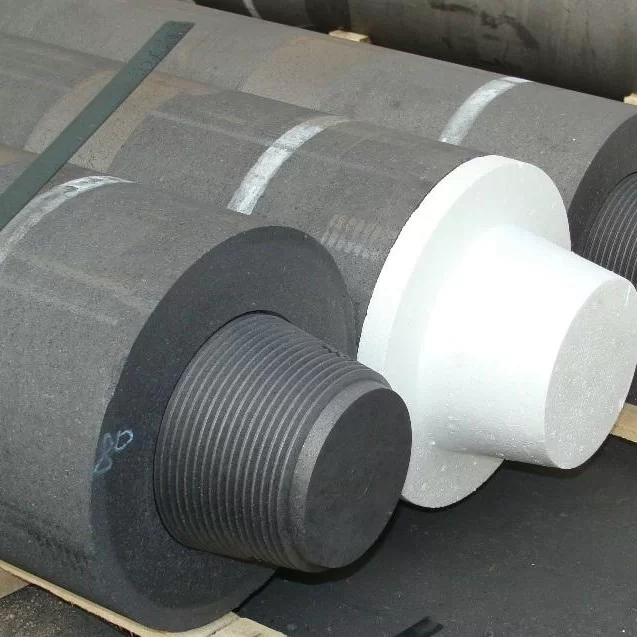
At its core, a graphite dry cell hydrogen generator is a device that uses graphite electrodes arranged within a dry cell structure to electrolyze water, releasing hydrogen gas. Unlike wet cell setups that rely on liquid electrolytes, dry cell generators contain the electrolyte in a paste form, which improves safety and portability.
This technology aligns neatly with modern industrial applications and humanitarian needs where reliable clean energy access is a priority. For example, disaster zones, off-grid industries, and even mobile fuel stations might benefit greatly from on-demand hydrogen generation without high infrastructure or supply chain dependencies.
Core Components and Key Factors Behind the Technology
1. Durability of Graphite Electrodes
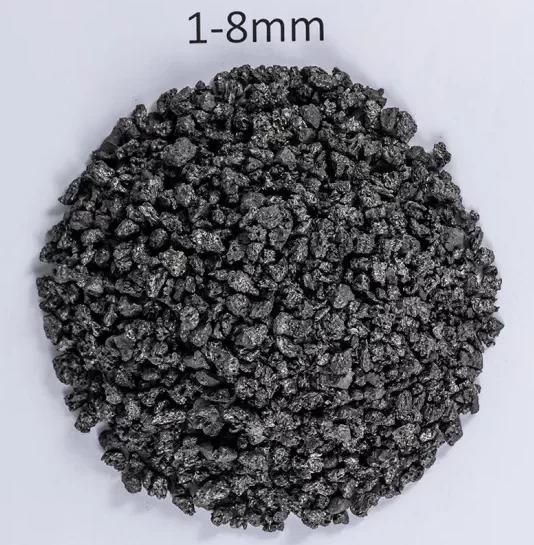
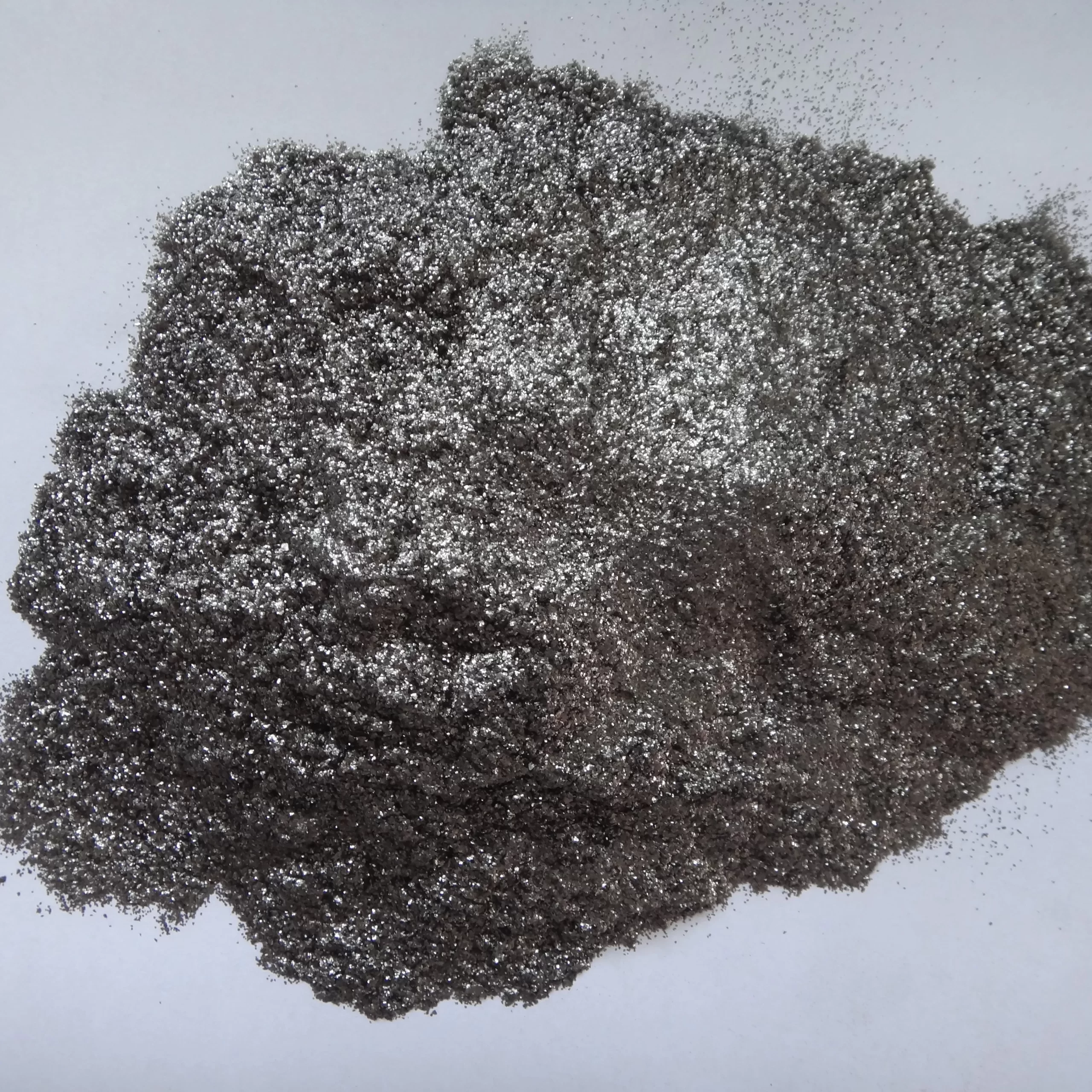
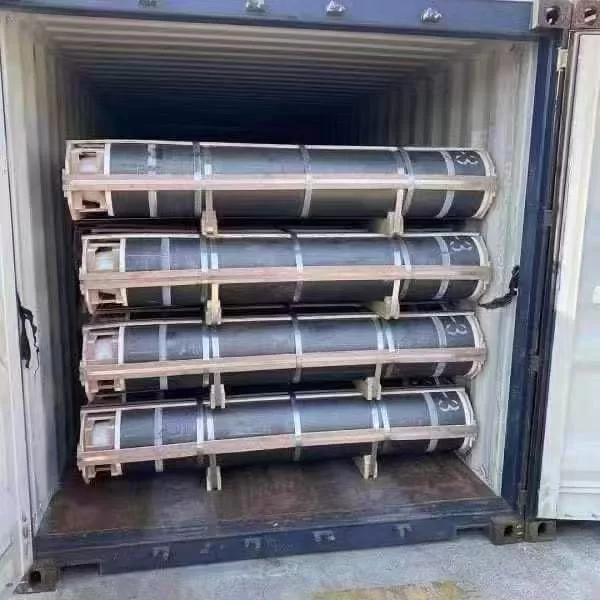
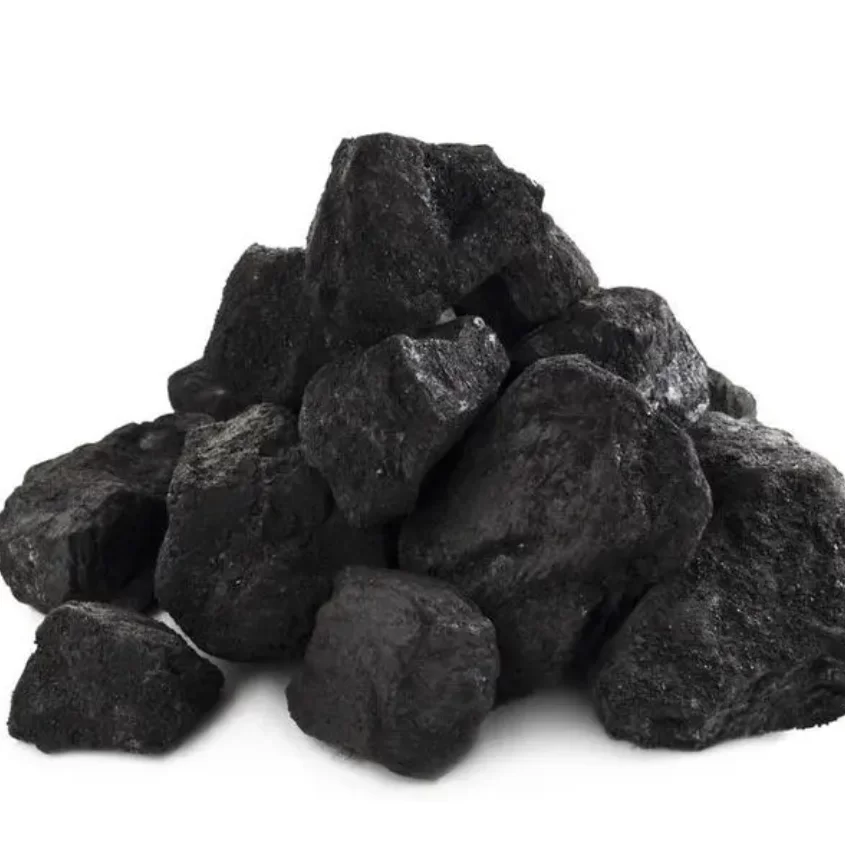
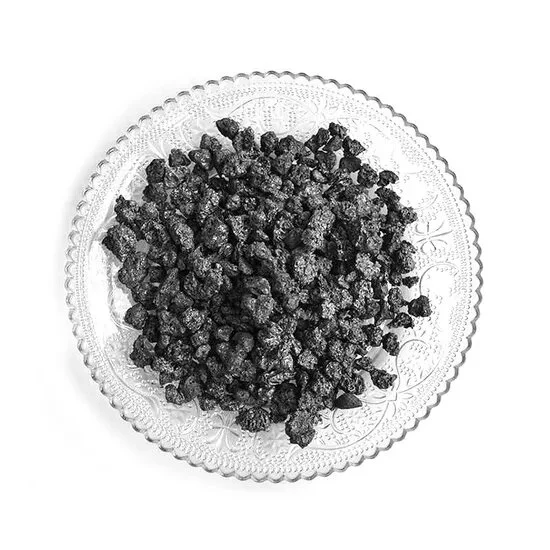
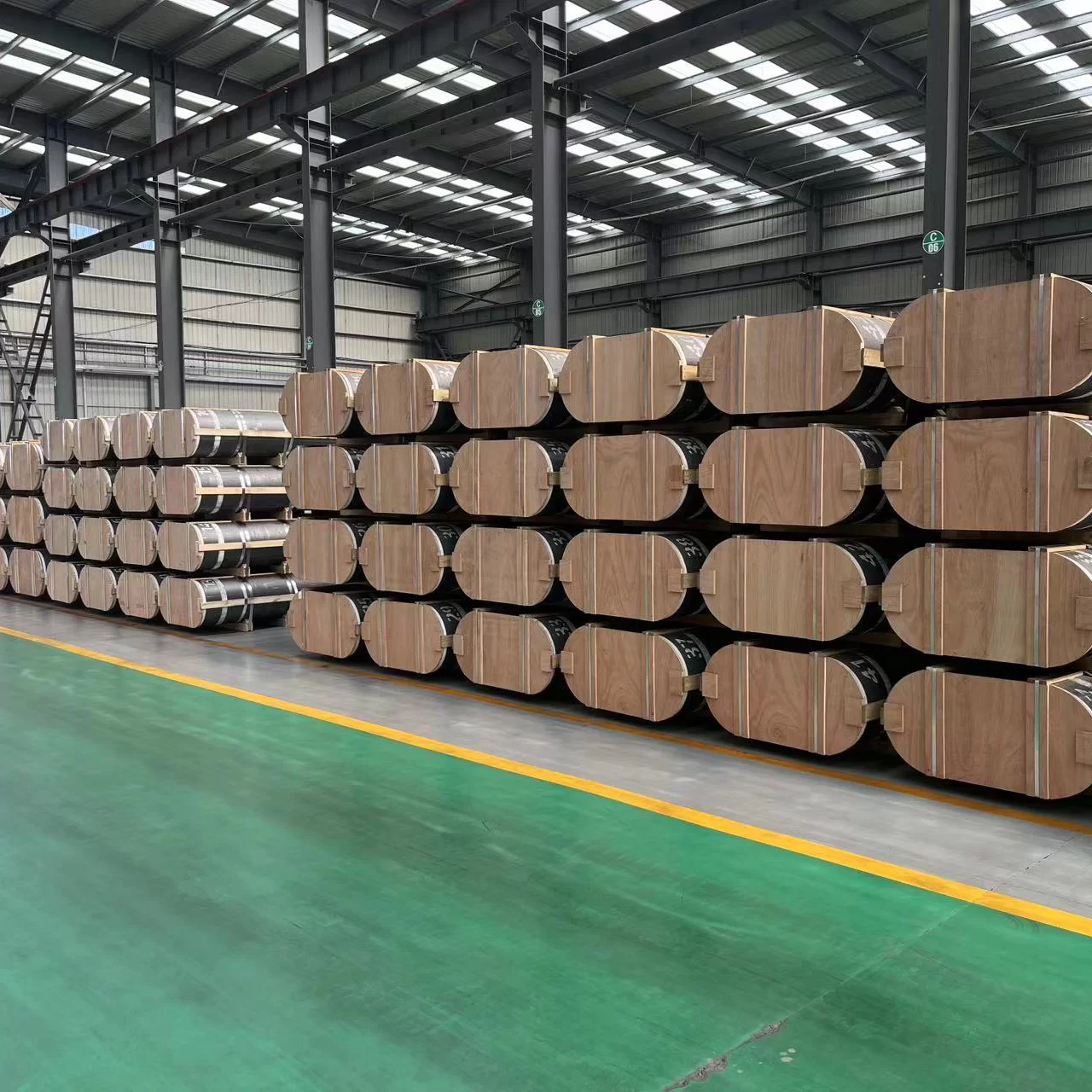
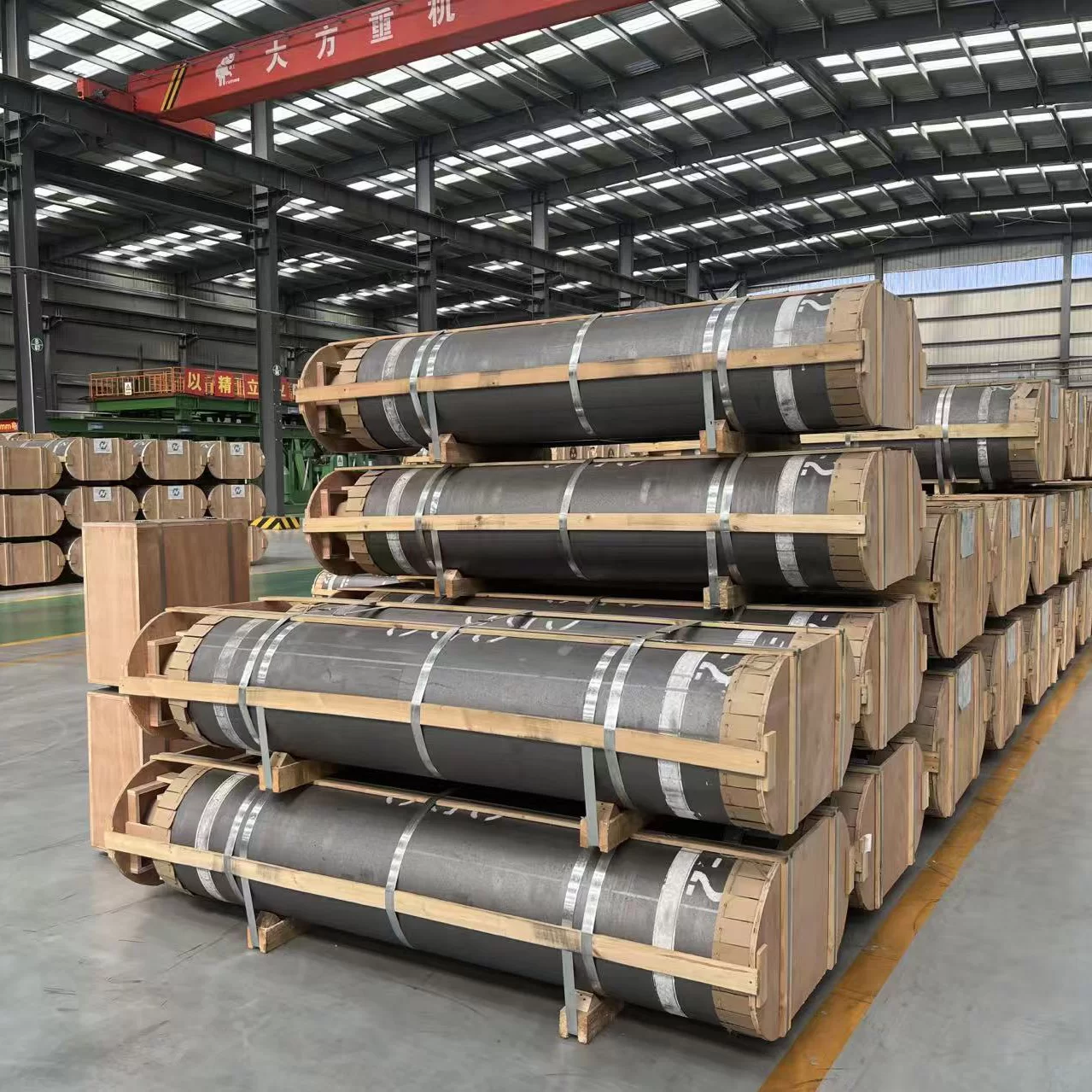
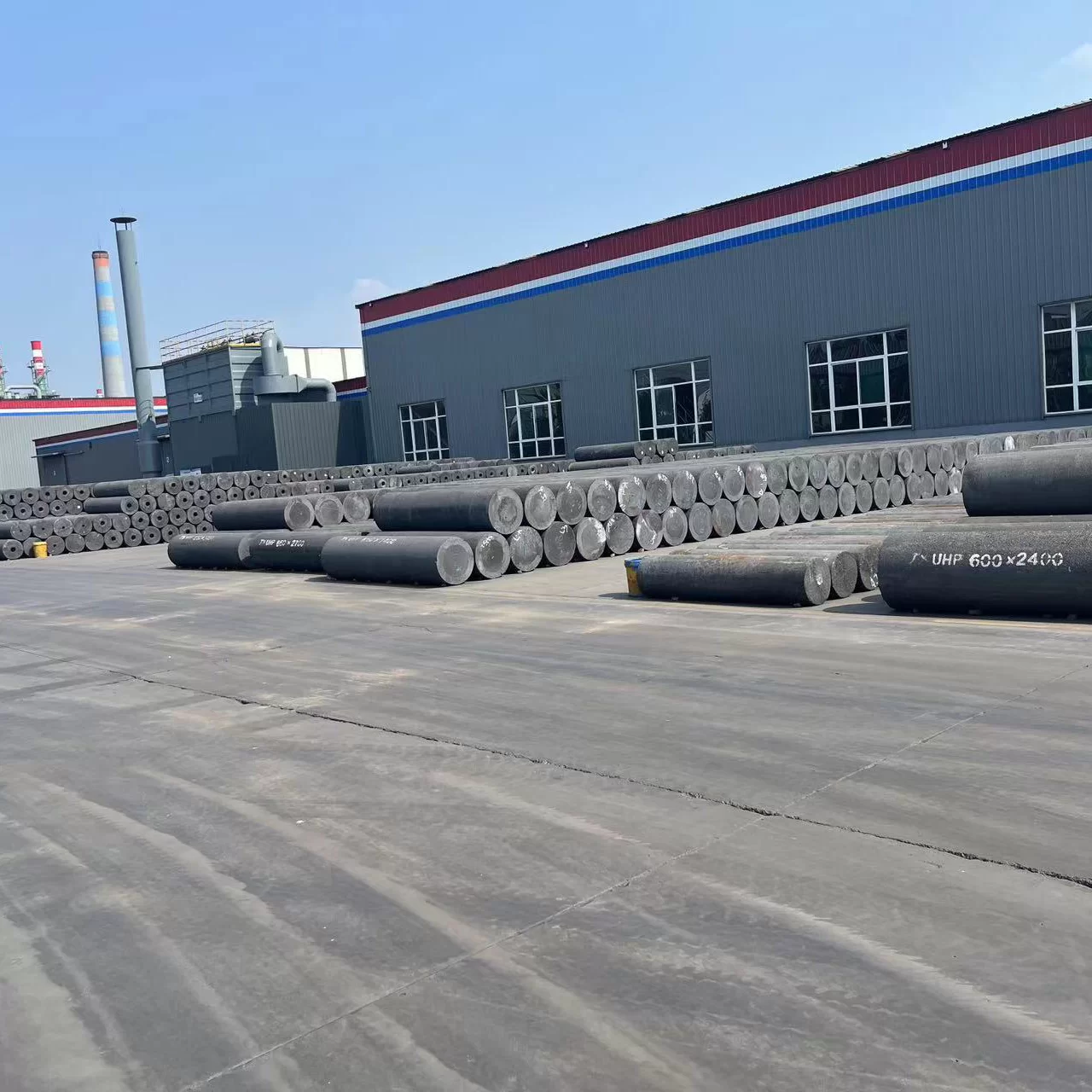
Graphite is chemically stable and highly conductive, making it ideal for repeated electrolysis cycles without significant degradation. Engineers often highlight the long lifespan of graphite electrodes, which helps reduce maintenance costs — a big deal in industry and emergency services.
2. Scalability and Modularity
These generators can be sized from small laboratory models to large industrial systems. Their modular nature means components can be swapped or expanded as demand changes — a flexibility that traditional hydrogen production methods struggle to offer.
3. Cost Efficiency
Graphite dry cell hydrogen generators tend to be more affordable upfront compared to fuel cell alternatives or heavier electrolyzers. Plus, their lower energy consumption per unit of hydrogen produced has caught attention among energy economists.
4. Safety Advantages
The dry cell design reduces the risk of traditional electrolyte spills or corrosion. Graphite's inertness also minimizes hazardous by-products — crucial when deploying in sensitive or mobile environments.
5. Environmental Impact
This method avoids greenhouse gas emissions associated with steam methane reforming, and facilitates coupling with renewable electricity sources. A win-win for sustainability credentials.
Real-World Applications: Where Are These Generators Making a Difference?
- Remote Industrial Zones: Mines and drilling sites in areas like Western Australia are increasingly adopting graphite dry cell hydrogen generators for onsite fuel and power, bypassing expensive diesel imports.
- Disaster Relief and Humanitarian Aid: After earthquakes or floods where power grids fail, portable generators offer clean hydrogen fuel for emergency power, cooking, and sterilization.
- Green Transportation Hubs: Some European ports and logistics centers use these generators to supply hydrogen for fuel cell trucks and forklifts, reducing carbon footprints.
- Research and Educational Institutions: Universities leverage these for practical demonstrations and prototype development, thanks to their modular build and safety.
Mini takeaway: The graphite dry cell hydrogen generator is more than a lab curiosity — it’s edging into real-world deployments with meaningful benefits across industries and humanitarian efforts.
Advantages and Long-term Value of Graphite Dry Cell Hydrogen Generators
When weighing options for hydrogen production, the advantages here are pretty compelling:
- Lower operational costs: Less energy input for same output compared to some conventional electrolyzers.
- Enhanced safety and portability: Especially important for on-the-go or fragile infrastructure environments.
- Reduced environmental footprint: No fossil fuel dependency and cleaner operating conditions.
- Social impacts: Access to clean energy improves quality of life and can create local jobs in supply and maintenance.
- Trust and reliability: Many operators say their endurance and simple design build confidence.
Emotionally, thinking about providing safer power options in disaster zones or remote villages is inspiring; logically, reduced costs and emissions make this technology a no-brainer for many settings.
Looking Ahead: Future Innovations in the Space
Oddly enough, the graphite dry cell hydrogen generator keeps evolving alongside breakthroughs in:
- Material science: New composite graphite materials are improving electrode durability and conductivity.
- Digital monitoring: Smart sensors track performance and predict maintenance needs, integrating with Industry 4.0 platforms.
- Green energy integration: Coupling directly with solar or wind power increases overall sustainability and reduces costs further.
- Policy support: Governments pushing hydrogen economy frameworks (e.g., EU’s Fuel Cells and Hydrogen Joint Undertaking) are helping scale these technologies.
Current Challenges and Proposed Solutions
No technology is flawless, and with graphite dry cell hydrogen generators, some common challenges include:
- Limited hydrogen output for very large-scale needs: Scaling beyond industrial pilot sizes is tricky but ongoing.
- Graphite electrode wear in some harsh conditions: New coatings and composites seek to extend life further.
- Cost competition with cheaper fossil fuels still aggressive: Though falling renewables and carbon pricing help tip the scales.
Experts suggest integrated hybrid systems, ongoing R&D, and stronger policy incentives as key solutions that will overcome these hurdles within the next decade.
Frequently Asked Questions About Graphite Dry Cell Hydrogen Generators
Q1: How much hydrogen can a typical graphite dry cell hydrogen generator produce daily?
A: Production varies by size, but small units can produce around 1–5 kg per day, suitable for lab or light industrial uses, while larger modular units can scale up to several hundred kilograms daily, depending on configuration and power input.
Q2: Are graphite dry cell hydrogen generators safe to operate in residential areas?
A: Yes. Their dry cell design significantly reduces liquid electrolyte hazards, and graphite electrodes don’t corrode easily. However, standard safety practices for hydrogen gas, including ventilation and leak monitoring, remain essential.
Q3: Can these generators run on renewable electricity?
A: Absolutely. In fact, coupling with solar or wind energy is ideal, making hydrogen production emissions nearly zero and drastically reducing operational costs.
Q4: What maintenance is required for these generators?
A: Regular inspections of the graphite electrodes and cell seals, periodic electrolyte paste replacement, and sensor calibration. Many units include digital monitoring to simplify this.
Q5: How portable are these systems?
A: Many models are designed for portability, with compact designs and modular components, suitable for rapid deployment in field or disaster scenarios.
Product Specification Table
| Feature | Typical Value/Range | Notes |
|---|---|---|
| Electrode Material | High-purity Graphite | Ensures conductivity & durability |
| Electrolyte Type | Dry paste (alkaline or polymer-based) | Improves safety & portability |
| Hydrogen Output | 1 – 200 kg/day (modular) | Depends on power input & size |
| Operating Voltage | 1.8 – 2.5 V per cell | Typical for efficient electrolysis |
| Lifetime of Electrodes | 2 – 5 years (typical) | Depends on operating conditions |
| Portability | Yes (small & modular units) | Designed for field use |
Vendor Comparison: Leading Providers of Graphite Dry Cell Hydrogen Generators
| Company | Specialization | Price Range (USD) | Key Strength |
|---|---|---|---|
| DAH Carbon | High-purity graphite electrodes & complete generators | $5,000 - $50,000 | Customizable, durable materials, global shipping |
| HydroCell Systems | Compact modular hydrogen generators | $8,000 - $60,000 | Smart monitoring & integration with renewables |
| Graphene Tech Labs | Advanced electrode coatings & custom cells | $6,000 - $45,000 | Extended electrode life, R&D collaboration |
Wrapping It Up: Why This Matters to You
If there’s one thing to remember, it’s this: graphite dry cell hydrogen generators offer a neat, relatively accessible gateway to that elusive clean energy goal. They’re proving especially useful where infrastructure or money constraints traditionally bottleneck hydrogen adoption. From industrial scalability to emergency aid, their applicability covers a lot of ground.
Want to dive deeper? Check out graphite dry cell hydrogen generator for more insights and product offerings. Whether you’re an engineer, policymaker, or curious mind, this tech deserves a spot on your radar.