Why Graphite as a Lubricant Matters in Today’s Industry
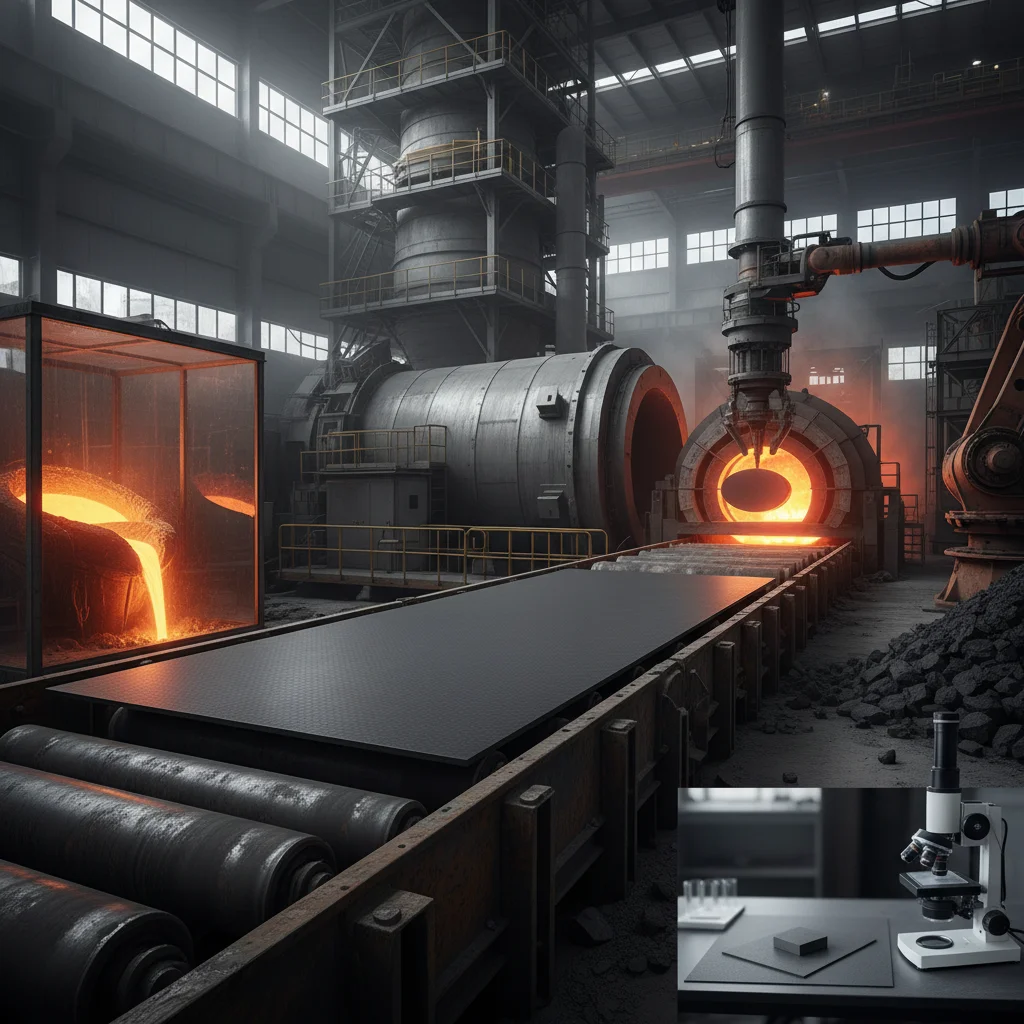
At first glance, graphite might evoke images of pencil tips or that dusty residue on your fingers. But when you hear that graphite is a lubricant, suddenly this common mineral shifts into a high-tech superhero role for industries worldwide. Its extraordinary ability to reduce friction and withstand extreme conditions means it’s quietly keeping everything from manufacturing lines to aerospace thriving.
The global relevance of graphite lubricants is no small matter. According to the International Energy Agency and UN materials studies, industries responsible for 40% of global energy consumption waste up to 30% of that energy to friction in mechanical processes. Minimizing this through superior lubricants like graphite isn’t only good for profits — it’s vital for a sustainable future.
Mini takeaway: Understanding why graphite is a lubricant unveils both economic and ecological gains that matter deeply as we push toward greener industry practices.
The Global Context: Tackling Friction Challenges With Graphite
Industrial sectors across the world wrestle with friction — the silent energy thief and wear culprit. In heavy manufacturing zones from North America to China, and even remote mining operations in Africa and Australia, equipment longevity and efficiency depend on reliable lubrication. The OECD states that reducing friction can boost equipment life by up to 20%, saving billions annually.
Graphite’s natural layered structure allows it to slip easily between contact surfaces — a nanoscale magic trick that synthetic oils can struggle to replicate under high heat or vacuum conditions. Which is why aerospace projects, automotive factories, and even humanitarian aid logistics increasingly lean on graphite-enhanced lubricants.
What Does It Mean When We Say ‘Graphite Is a Lubricant’?
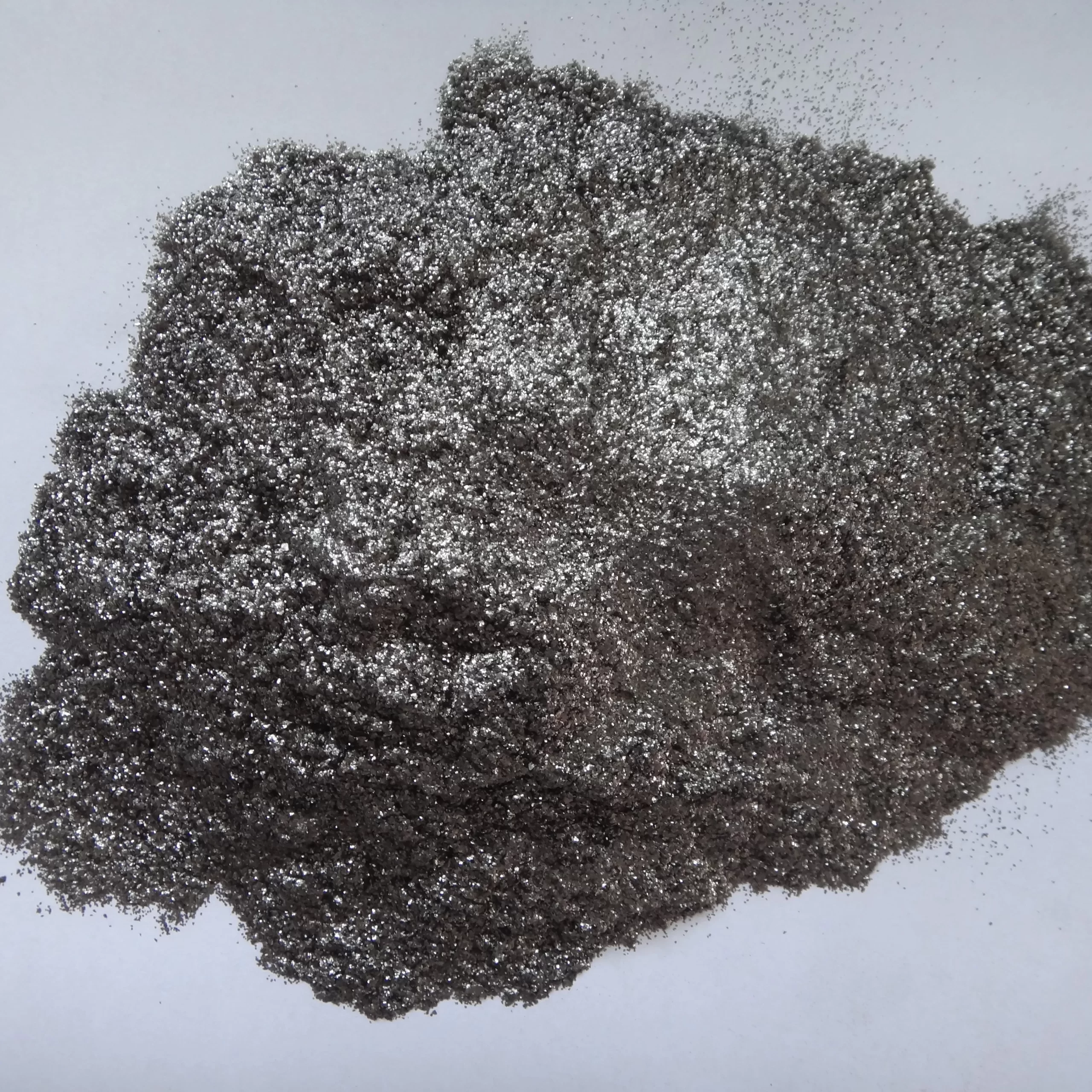
Simply put, graphite as a lubricant means using powdered or finely layered graphite to reduce friction between two touching surfaces, especially in harsh environments where oils might fail. Unlike oily lubricants, graphite works well dry, resists high temperatures, and isn’t messy or prone to evaporation.
This unique quality provides industrial engineers and maintenance teams with a hardy solution for challenging conditions — think of it as a natural, solid lubricant that doesn’t spoil or degrade quickly. This durability meets both modern demands and humanitarian needs, such as preserving vital machinery in disaster zones without constant replenishment.
Key Features Behind Graphite’s Effectiveness
1. Thermal Stability
Graphite remains stable at temperatures exceeding 500°C, making it invaluable where synthetic lubricants break down.
2. Low Friction Coefficient
The atomically smooth layers slide over each other effortlessly, minimizing wear and tear on parts.
3. Chemical Inertness
It resists most acids and alkalis, so it lasts longer in corrosive environments.
4. Environmental Friendliness
Being a natural mineral, it’s biodegradable and non-toxic, aligning with green manufacturing initiatives.
5. Scalability & Cost Efficiency
Graphite is widely available and, when processed properly, remains competitively priced compared with exotic synthetic lubricants.
Mini takeaway: The intersection of graphite’s special properties boils down to a reliable, eco-friendly, and durable lubricant option, which can't be overstated when selecting materials for critical machinery.
How Graphite Lubricants Are Used Around the World
From subzero Arctic factories to the scorching steel mills of India, graphite lubricants find everyday practical applications. In automotive assembly lines, they reduce downtime by decreasing gear wear. Mining companies in South America use graphite powders to protect heavy excavators working in gritty, dusty environments. Interestingly, relief agencies have also incorporated graphite lubricants into machinery deployed for rebuilding after earthquakes — it’s just easier to maintain than oil-based options in remote locations.
| Industry | Application | Region Example |
|---|---|---|
| Aerospace | High-temp bearings and seals | USA, EU |
| Automotive | Gear assemblies and brake system components | Japan, Germany |
| Mining & Construction | Heavy equipment lubrication in dusty or high-load conditions | Brazil, Australia |
| Humanitarian Relief | Machinery maintenance in remote, resource-scarce zones | Nepal, Haiti |
Why Invest in Graphite Lubricants: Advantages & Value
There’s something compelling about a lubricant that lasts longer, performs better under extreme conditions, and aligns with sustainability goals. Frankly, many engineers say switching to graphite isn’t just about performance but about peace of mind — because equipment downtime is expensive and sometimes dangerous.
- Cost Saving: Extended intervals between maintenance reduce labor and materials costs.
- Environmental Impact: Lower chemical waste and biodegradability help companies meet emission targets.
- Safety: Non-flammability and chemical resistance lower risks in volatile environments.
- Reliability: Consistent performance in extreme temperature or pressure conditions.
- Social Value: Supports humanitarian projects with low-maintenance solutions.
New Frontiers: What’s Next for Graphite as a Lubricant?
Innovation in graphite lubrication is buzzing. Nanotechnology now enhances particle size and purity for ultra-thin, super-efficient films. There’s also exciting progress incorporating graphite lubricants into green energy tech — wind turbines or electric vehicle motors. The push for digital manufacturing combined with additive 3D printing means custom graphite composites may soon become commonplace.
Common Challenges and How They're Being Tackled
Though marvelously useful, there are a few hurdles to widespread graphite lubricant use. For one, its dustiness can cause inhalation concerns — which means proper handling protocols matter. Plus, graphite’s conductivity sometimes creates issues where insulating materials are needed. But with encapsulation techniques and blends with non-conductive powders, these challenges are steadily overcome.
Vendor Comparison: Leading Graphite Lubricant Providers
| Supplier | Product Range | Key Feature | Global Reach | Price Range (per kg) |
|---|---|---|---|---|
| Dah Carbon | Fine & coated graphite powder, lubricating greases | High purity, eco-friendly processing | Asia, Europe, Americas | $5 - $15 |
| GraphTech Corp | Graphite lubricants, dispersions, pastes | Custom formulations for aerospace | Global | $10 - $20 |
| EcoLube Solutions | Natural graphite blends, bio-based additives | Sustainability focus | Europe & North America | $7 - $18 |
Frequently Asked Questions About Graphite as a Lubricant
1. Why use graphite powder instead of traditional oil lubricants?
Graphite powder resists high temperatures and vacuums that degrade oils. It’s ideal for parts that run hot or in dry conditions where oils aren’t practical or safe.
2. Is graphite lubrication safe for food processing equipment?
Generally, food-grade graphite lubricants exist but must meet strict purity standards. Always check certification to ensure no contamination risk.
3. How often should equipment lubricated with graphite be serviced?
Due to graphite’s durability, service intervals are often extended compared to oils — usually by 20-30%. Still, it depends on conditions and machinery specifics.
4. Can graphite lubricants be used in electric motors?
Yes, but be cautious since graphite conducts electricity. Specialized formulations or combined additives help prevent electrical shorts.
5. How do I source high-quality graphite lubricant powders?
Look for suppliers with documented purity levels and production standards, like Dah Carbon. International trade assurance can help with import logistics.
Wrapping Up: The Long-Term Value of Graphite Lubricants
Ultimately, embracing that graphite is a lubricant isn’t just about swapping one material for another — it’s about smarter, greener, more reliable industrial processes that sustain our modern world. Whether you’re an engineer, procurement manager or aid worker, graphite lubricants promise lasting performance and fewer headaches.
If you want to explore premium graphite lubricant options, feel free to visit our website and discover how we can support your next project.