Why Graphite is Used for Making Lubricants: A Crucial Industrial Insight
Graphite is used for making lubricants — a fact that quietly powers many of the machines and systems we rely on daily. On a global scale, understanding why this layered carbon allotrope plays such a pivotal role goes beyond mere chemistry. It’s about improving efficiency, reducing wear and tear, and making industries more sustainable. Roughly speaking, the lubricant market is growing steadily with increasing demand, especially from automotive and manufacturing sectors, highlighting graphite’s importance.
Frankly, the world is pivoting toward cleaner, more durable materials in lubrication. Knowing how graphite fits into this picture means grasping a vital piece of modern engineering and environmental responsibility.
Setting the Scene: The Global Relevance of Graphite in Lubrication
Globally, the industrial lubricant market is projected to exceed $40 billion by 2027 (source: Statista). A big chunk of this involves solid lubricants — used in harsh environments where liquid lubricants just can’t cut it. Graphite, thanks to its unique structure, shines here. It excels under extreme pressures and temperatures where other materials fail.
But there’s a catch: traditional lubricants can be problematic environmentally, often consisting of oils derived from fossil fuels. Graphite, a naturally occurring form of carbon, offers a cleaner alternative that’s not only efficient but also can aid sustainability goals.
Industries from aerospace to electronics rely on graphite-based lubricants to reduce friction and increase the lifespan of mechanical parts. Yet, challenges such as sourcing pure natural graphite and processing it efficiently remain ongoing hurdles.
What Does It Mean When We Say “Graphite is Used for Making Lubricants”?
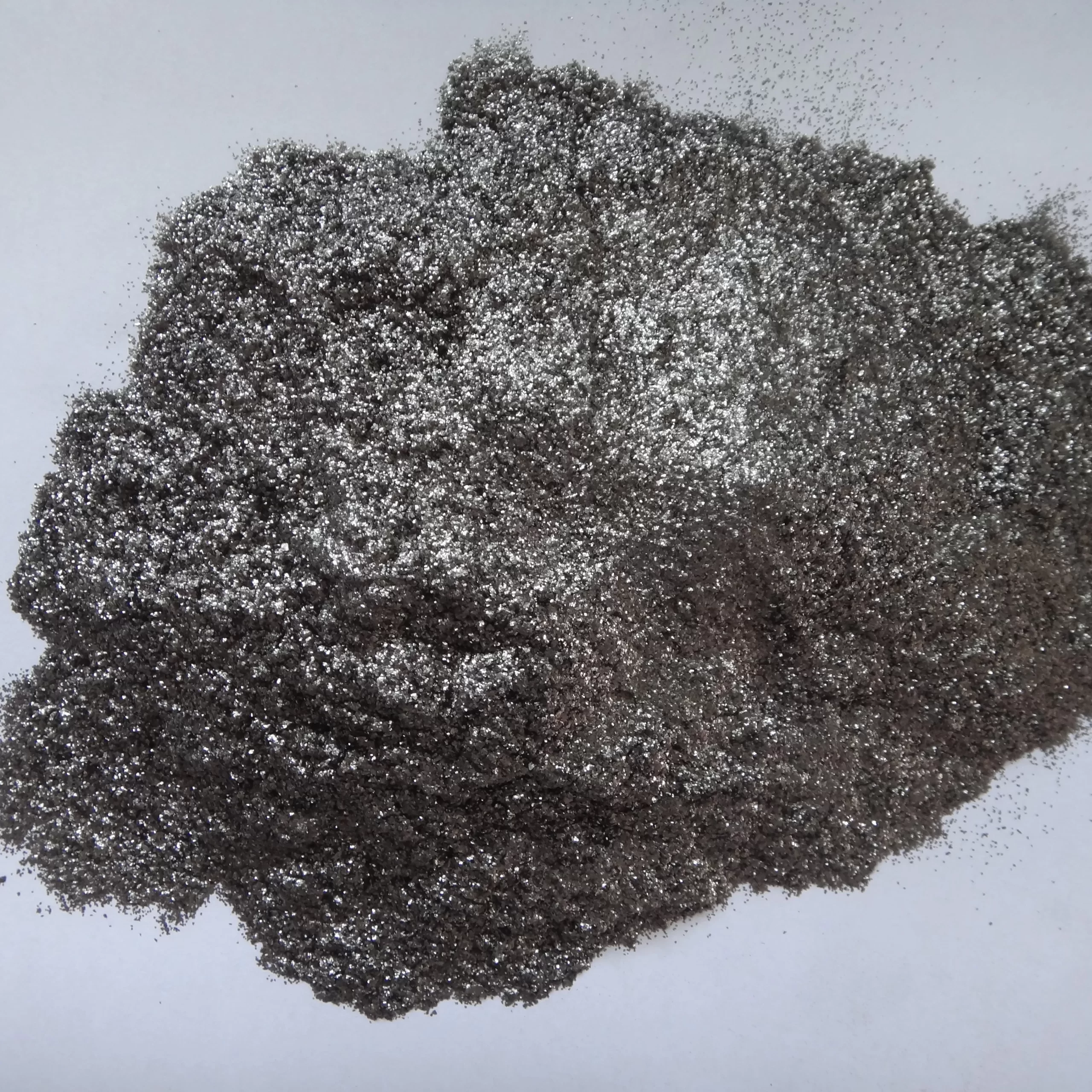
Simply put, graphite consists of layered sheets of carbon atoms, which slide easily over one another — a key property making it an excellent solid lubricant. No messy oils or greases, just a dry powder or coating that reduces friction between contact surfaces.
This makes graphite lubricants invaluable in scenarios where liquid lubricants would evaporate, freeze, or simply not perform — think high vacuum environments or extreme heat. Plus, their stability often enhances machinery lifespan and decreases maintenance needs.
In today’s increasingly high-tech world, graphite lubricants help keep everything from industrial machines to renewable energy tech running smoothly — it’s a must-have ingredient in the toolkit of modern engineering.
Key Factors That Make Graphite-Based Lubricants Stand Out
1. Exceptional Thermal Stability
Graphite can withstand temperatures upwards of 450°C without breaking down, which explains why it’s favored in high-heat applications like engines or turbines.
2. Outstanding Load-Bearing Capacity
This material maintains low friction even under heavy pressures, making it ideal for heavy machinery and industrial presses.
3. Chemical Inertness
Graphite lubricants resist many corrosive substances, which is vital when machines operate in harsh chemical environments.
4. Environmentally Friendly Nature
Unlike petroleum-based lubricants, graphite is non-toxic and biodegradable, lending itself well to sustainability initiatives.
5. Versatility in Application Forms
Graphite can be used as powders, coatings, or combined with oils, enhancing functionality depending on the specific industry’s needs.
How Graphite Lubricants Are Making a Difference Worldwide
Solid graphite lubricants have been quietly transformative in several sectors:
- Aerospace: Used in satellite and rocket components exposed to space’s vacuum and extreme temperatures.
- Automotive: Applied in braking systems and engines to reduce friction and wear, improving fuel efficiency.
- Renewable Energy: Turbine blades in wind energy use graphite coatings to boost durability.
- Electronics Manufacturing: Graphite powders help lubricate precision machinery where oils could contaminate sensitive parts.
- Mining & Heavy Industry: Bearings and heavy gearboxes rely on graphite to reduce downtime and maintenance costs.
In places like remote industrial zones or disaster-hit regions, graphite lubricants enable machines to keep running without messy replenishments — a subtle but crucial logistical advantage.
Takeaway: Graphite lubricants are versatile, reliable, and critical components embedded in global manufacturing and infrastructure.
Advantages of Using Graphite-Based Lubricants
It’s not just about friction. Using graphite lubricants brings a mix of tangible and intangible benefits:
- Cost Efficiency: Less frequent lubrication, reduced wear means longer equipment life.
- Sustainability: Biodegradable and less polluting than traditional lubricants.
- Reliable Performance: Works under extreme conditions where alternatives falter.
- Safety & Cleanliness: Dry lubricants reduce contamination risks — important in food and pharma industries.
Emotionally, engineers often report peace of mind knowing graphite lubricants protect vital equipment under critical conditions. It blends innovation, trust, and a splash of old-school dependability.
Simple Specs of a Typical Graphite Lubricant Product
| Specification | Typical Value | Unit |
|---|---|---|
| Particle Size | Microns | |
| Purity Level | > 99.5 | % |
| Operating Temp. | Up to 450 | °C |
| Lubrication Type | Dry Powder / Coating | N/A |
| Thermal Conductivity | > 100 | W/mK |
Comparing Leading Graphite Lubricant Vendors
| Vendor | Purity (%) | Particle Size (microns) | Availability | Price Range | Sustainability Focus |
|---|---|---|---|---|---|
| Dah Carbon | > 99.5 | Global | Mid-High | Strong - Eco Certifications | |
| GraphTech Ltd. | 98 | 25 | Europe, Asia | Mid | Moderate |
| PureCarb Inc. | 99 | 15 | North America | High | High - Green Initiatives |
Innovation on the Horizon: Future Trends in Graphite Lubricants
Looking ahead, graphite lubricants are intersecting with cutting-edge trends such as nanotechnology and green chemistry. Nanographite additives, for example, are being researched to further reduce friction and extend equipment life in sustainable ways.
In addition, the push towards graphite is used for making lubricants that are compatible with bio-based oils and designed for electric vehicles is gaining momentum. EVs have distinct lubrication needs, often operating in cooler conditions but requiring ultra-low friction components to maximize battery efficiency.
Lastly, digital sensors and IoT-enabled maintenance increasingly rely on precise lubrication metrics — and specialized graphite blends can respond to these smart systems, optimizing performance in real-time.
Challenges in the Industry and How They’re Being Tackled
Despite the positives, there are a few bumps on the road:
- Supply Constraints: High-purity graphite extraction remains limited to a few countries, affecting global prices.
- Processing Complexity: Achieving consistent particle size and purity needs advanced tech, raising costs.
- Competition: Synthetic lubricants and other solid lubricants like molybdenum disulfide pose alternatives.
Experts suggest that investing in recycling graphite waste and developing synthetic graphite alternatives could mitigate these challenges. Also, suppliers focusing on transparent sustainability practices are gaining trust worldwide.
Mini FAQ: Clearing Up Common Questions on Graphite Lubrication
- Q: Are graphite lubricants safe for food processing equipment?
- A: Yes, food grade graphite lubricants exist and are used to reduce contamination risks as they are dry and non-toxic, making them suitable for food and pharma machines.
- Q: How do graphite lubricants compare in cost to traditional oils?
- A: While graphite lubricants might have higher upfront costs, their longevity and reduced maintenance needs often lead to lower total operational expenses.
- Q: Can graphite lubricants be used in electric vehicle motors?
- A: Absolutely; graphite’s thermal and friction properties make it increasingly popular in EV motor components to improve efficiency and durability.
- Q: What is the environmental impact of graphite lubricant production?
- A: Natural graphite mining and processing have environmental footprints, but many companies now adhere to eco-friendly sourcing and processing standards to reduce this impact.
Wrapping It Up: Why This Matters to You
To sum it all up, graphite is used for making lubricants because it’s efficient, versatile, and sustainable — quietly keeping the wheels of industry turning. Whether you’re an engineer troubleshooting friction or a buyer aiming for greener solutions, understanding the science and applications can help you make smarter decisions.
If you want to explore more about high-quality graphite lubricants, visit our website and see what makes Dah Carbon a trusted partner in this niche.