29 November 2025
Durable Graphite Liners for Industrial Efficiency and Sustainability
Understanding Graphite Liners: Why They Matter in Today’s Industry
Graphite liners might seem like some niche industrial term—and, frankly, they kind of are—but their impact echoes across industries worldwide. At a time when efficiency and sustainability take center stage, understanding what graphite liners do and why they matter can unlock new possibilities for sectors ranging from manufacturing to energy. Simply put, a graphite liner provides a protective, highly heat-resistant barrier inside machinery or piping systems. This helps minimize wear, reduces downtime, and extends service life, saving millions globally. Why does this matter so much? In global supply chains, where equipment failure can derail production lines, materials like graphite liners offer reliable, eco-friendly, and cost-effective solutions. They help avoid costly replacements of parts and facilitate energy efficiency, a key driver given current climate goals set by agencies like the UN and ISO. If you’re into industrial innovations that quietly remake how things get done, graphite liners are a fine place to start.The Global Landscape: How Graphite Liners Fit Into Industry Challenges
From industrial hubs in Europe, Asia, and the Americas to remote mining operations in Africa, the demand for robust, high-performance materials has surged. The global market for graphite products, steadily growing at around 6% CAGR according to the World Bank, reflects this trend. Industries are continuously challenged to deliver more with less — less downtime, less waste, less environmental damage. Common problems like corrosion, thermal shock, and mechanical abrasion limit operational lifespans and increase costs. Enter the graphite liner, designed to tackle these head-on. Its unique combination of chemical inertness, thermal conductivity, and structural resilience makes it ideal where other materials falter. In pipelines transporting aggressive chemicals or high-temperature gases, graphite liners extend service life by a significant margin, sometimes doubling it. A practical problem worth highlighting: conventional liners often degrade quickly under harsh conditions, forcing shutdowns. Switching to graphite alternatives can be a game changer with immediate uptime improvement—a lifeline in critical industries such as power generation or chemical processing.What Exactly Is a Graphite Liner?
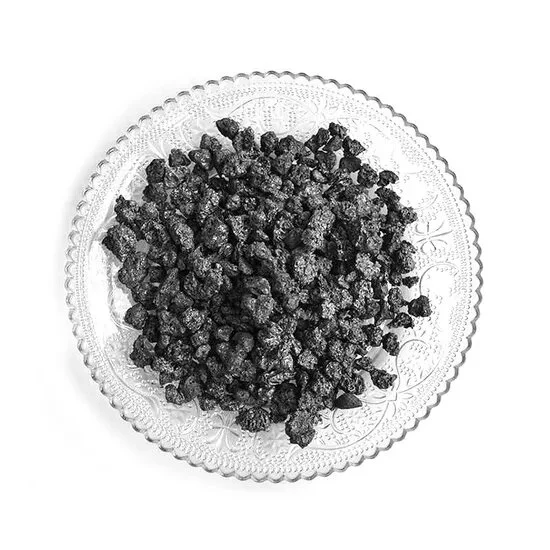
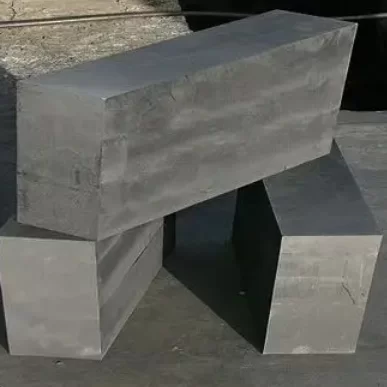
In simple terms, a graphite liner is a layer, typically formed from pressed and machined graphite, that lines the inside of pipes, pumps, reactors, or exhaust systems. Think of it as a super-tough, thermally stable protector that keeps corrosive or abrasive fluids from damaging the metal beneath. Graphite is a naturally occurring form of carbon with a unique layered structure that gives it softness in some directions but outstanding strength and heat resistance in others. This makes graphite liners invaluable in sectors where high heat and corrosive substances would otherwise spell doom for ordinary metal parts. On a humanitarian note, these liners also indirectly support sectors like clean energy and infrastructure development, which rely on resilient process equipment. Without robust liners, maintaining critical utilities in developing regions becomes practically unfeasible.Key Features That Make Graphite Liners So Effective
Durability Under Extreme Conditions
Unlike plastic or rubber liners that melt or degrade, graphite withstands temperatures exceeding 500°C without losing structure. This makes it perfect for high-temperature industrial processes.Chemical and Corrosion Resistance
Graphite’s inert nature means it resists strong acids, alkalis, even molten salts, making liners compatible with various aggressive chemicals.Thermal Conductivity
Oddly enough, graphite doesn’t just survive heat—it helps spread it evenly, preventing hotspots that cause warping or cracking in machinery.Customizability and Machinability
Graphite liners can be precision-machined to tight tolerances, adapting to complex shapes and sizes, which engineers appreciate when retrofitting existing systems.Cost Efficiency Over Time
While the upfront cost might be higher than some alternatives, the durability and performance mean fewer replacements, less downtime, and lowered maintenance costs.Environmental Benefits
Being carbon-based and largely recyclable, graphite liners align well with sustainability goals, reducing waste compared to traditional composite liners.
Mini takeaway: Graphite liners combine resilience and adaptability, tackling industry challenges with a practical edge and environmental conscience.
Real-World Applications of Graphite Liners Across the Globe
You’ll find graphite liners quietly enabling many industrial processes worldwide. For instance: - Energy Sector: In coal gasification plants or nuclear reactors, graphite liners protect critical components from extreme heat and aggressive fluids. - Chemical Industry: Graphite-lined piping carries corrosive acids safely in manufacturing hubs like Germany and China. - Mining and Metallurgy: Remote operations in Australia and South America deploy graphite liners in slurry pumps to boost lifespan. - Automotive and Aerospace: High-performance exhaust systems sometimes incorporate graphite liners to withstand thermal stress. - NGOs running clean water or energy infrastructure projects in disaster-affected areas rely on graphite-lined equipment for reliability and low maintenance. These liners have proven invaluable in harsh environments where replacement logistics are complicated and uptime is critical.Specification Table: Typical Graphite Liner Properties
| Property | Typical Value | Unit | Notes |
|---|---|---|---|
| Operating Temperature | Up to 600 | °C | Withstands high heat continuously |
| Thermal Conductivity | 100-150 | W/m·K | Helps spread heat, avoid hotspots |
| Density | 1.4-1.8 | g/cm³ | Lightweight compared to metals |
| Corrosion Resistance | Excellent | — | Resists acids, alkalis, solvents |
| Typical Thickness | 3-10 | mm | Varies by application |
Comparing Leading Graphite Liner Vendors
| Vendor | Product Range | Customization | Delivery Time | Regions Served |
|---|---|---|---|---|
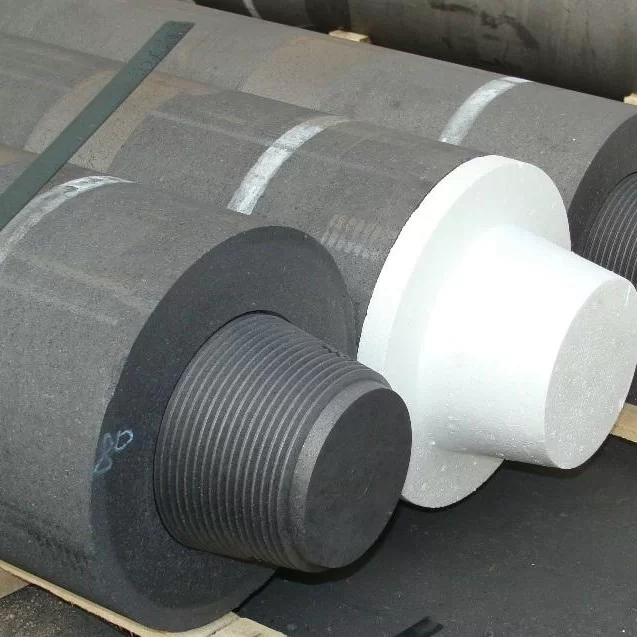
| Dah Carbon Tech | Graphite liners, electrodes, custom parts | High; CNC machining & bespoke sizes | 4-6 weeks | Global (Europe, Asia, Americas) |
| GraphTech Solutions | Standard graphite liners, seals | Limited custom options | 2-3 weeks | North America, Europe |
| CarbonLine Inc. | Industrial graphite components, liners | Moderate | 6-8 weeks | Asia, Middle East |
Why Choose Graphite Liners? The Advantages Over Time
Choosing graphite liners is increasingly about marrying practicality with sustainability. Their long lifespan cuts down waste—a huge plus in a world wrestling with resource depletion. They boost equipment reliability, enhancing safety and trust among workers and operators. Moreover, using graphite means less downtime, which ultimately improves productivity and lowers costs. Emotionally, there’s a quiet reassurance in knowing your machinery won’t give up mid-shift or leak dangerous chemicals—trust, safety, and dignity for workers and communities alike. On the logical side, the energy efficiency of graphite liners—thanks to their thermal conductivity—means reduced power waste. Smart companies see this as an investment, not an expense.Innovations on the Horizon
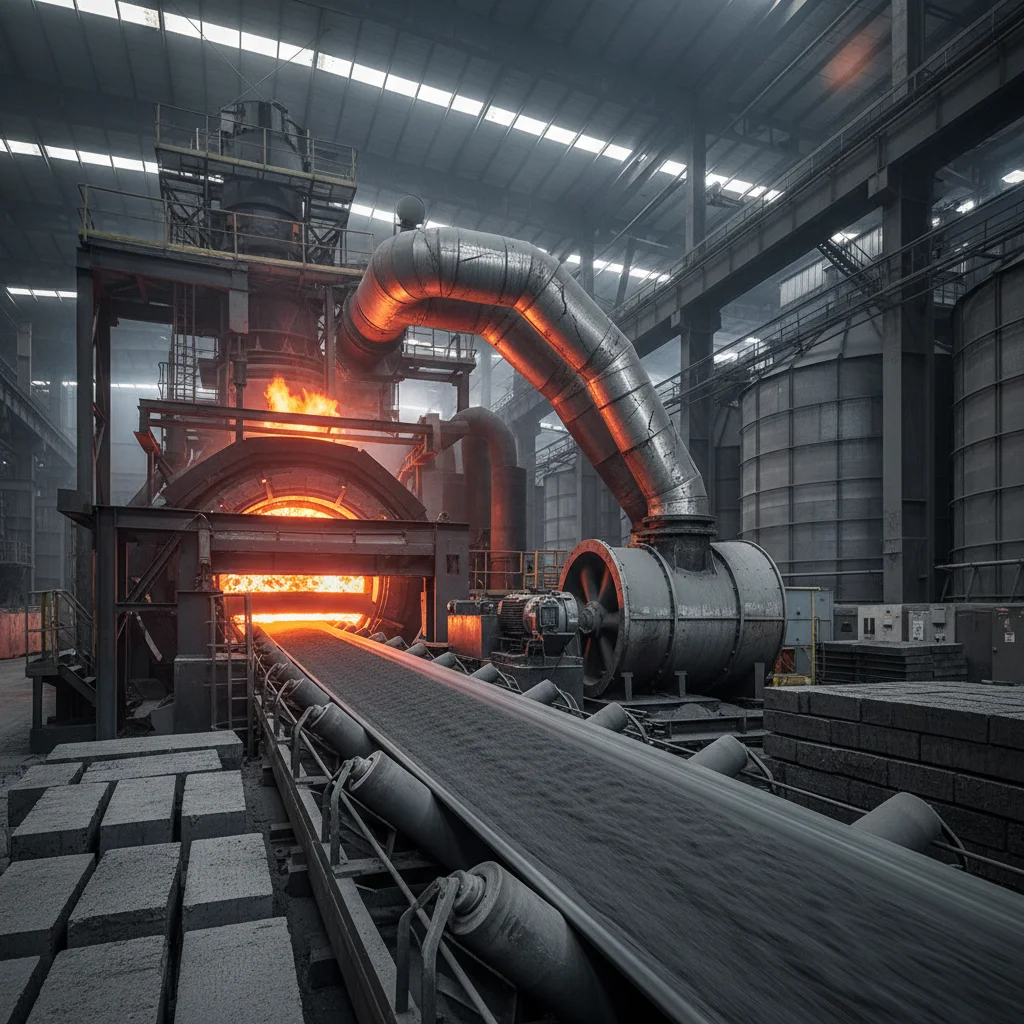
The field of graphite liners is evolving. Researchers are developing nano-infused graphite composites with enhanced wear resistance. Automated CNC machining is making custom liners faster and more precise, meaning retrofit applications are easier and cheaper. There’s also growing emphasis on environmentally friendly sourcing and recycling of graphite materials, aligning with green energy transitions worldwide. Imagine liners integrated with sensors for real-time wear monitoring—a sort of “smart liner” that predicts maintenance needs before failure occurs. The future feels quite tech-forward, which is exciting.Common Challenges and How to Address Them
Despite benefits, graphite liners aren’t without challenges. Their brittle nature can lead to cracking if installations are rushed or loads aren’t evenly distributed. Some chemical environments are still too aggressive for even graphite’s durability. Solutions? Experts recommend thorough system analysis before liner choice, skilled installation teams using precision-fit techniques, and ongoing condition monitoring. Also, combining graphite liners with complementary materials—for example, metal supports or polymer seals—can extend functionality further.Frequently Asked Questions About Graphite Liners
Q: How do graphite liners improve equipment lifespan?
A: Graphite liners protect underlying metal parts from wear, corrosion, and thermal damage. This reduces frequent replacements, downtime, and costly repairs, effectively doubling or tripling equipment lifespan in many use cases.Q: Are graphite liners suitable for all chemical processes?
A: While graphite resists many corrosive substances, extremely aggressive chemicals like strong oxidizers or fluorine-based compounds may require specialized liners. It’s best to consult with a materials engineer for your specific process.Q: Can graphite liners be custom made for unique equipment?
A: Absolutely. Modern CNC machining allows manufacturers to craft graphite liners of custom shapes and sizes, fitting complex geometries and unusual dimensions with precision.Q: How environmentally friendly are graphite liners?
A: Graphite liners are largely recyclable and have long operational lifespans, reducing waste. Sourcing from ethical suppliers and advancing recycling technologies further enhance their green credentials.Q: What kind of maintenance do graphite liners require?
A: Routine inspections are recommended to detect cracks or wear early. Most maintenance involves cleaning and occasional reinstallation or replacement, typically at intervals longer than alternative liners.Final Thoughts: Why Investing in Graphite Liners Pays Off
All said, understanding the value and potential of graphite liners opens doors to improved productivity, sustainability, and safety across industries worldwide. They might not make headlines, but they quietly keep the wheels of global industry turning. When you need reliable, heat-resistant protection for your machinery, a graphite liner often seems like the wisest choice. Interested in upgrading or retrofitting? Visit our website: graphite liner specialists ready to help.
References:
1. Wikipedia: Graphite
2. International Organization for Standardization (ISO)
3. World Bank Open Data
1. Wikipedia: Graphite
2. International Organization for Standardization (ISO)
3. World Bank Open Data