Why Graphite Liquid Matters in Today’s Industry and Beyond
If you’ve ever wondered what graphite liquid is or why it’s been popping up more frequently in high-tech and industrial conversations, you’re in the right place. Graphite liquid — essentially a colloidal suspension of graphite particles — has quietly slipped into a variety of applications that, frankly, have huge global implications. From improving energy storage to enhancing industrial lubricants, this substance offers benefits that ripple across sectors, continents, and even humanitarian efforts.
Understanding graphite liquid isn't just a niche technical curiosity; it’s a window into smarter energy solutions, greener manufacturing, and more reliable, cost-effective technologies worldwide.
Graphite Liquid: A Global Perspective
Worldwide, industries are pushing hard to adopt materials that bolster efficiency while lowering environmental impact. According to the International Organization for Standardization (ISO), materials like graphite liquid are pivotal in meeting new sustainability targets across sectors. The World Bank also highlights the rising demand for advanced materials that can enable energy transition—particularly in battery tech, lubricants, and heat management.
But here’s the challenge: traditional graphite, while incredibly useful, isn't always easy to integrate into liquid systems for modern industrial processes. This is where graphite liquid comes in — it transforms graphite’s inherently useful properties into flexible, usable forms for everything from electric vehicles to aerospace. The challenge? Producing stable, scalable, and economic graphite dispersions that industry and humanitarian projects alike can use reliably.
Mini takeaway: Graphite liquid serves as a key enabler for emerging tech around the globe, helping industries meet green and efficiency goals amid great demand and tricky practical hurdles.
What Exactly is Graphite Liquid?
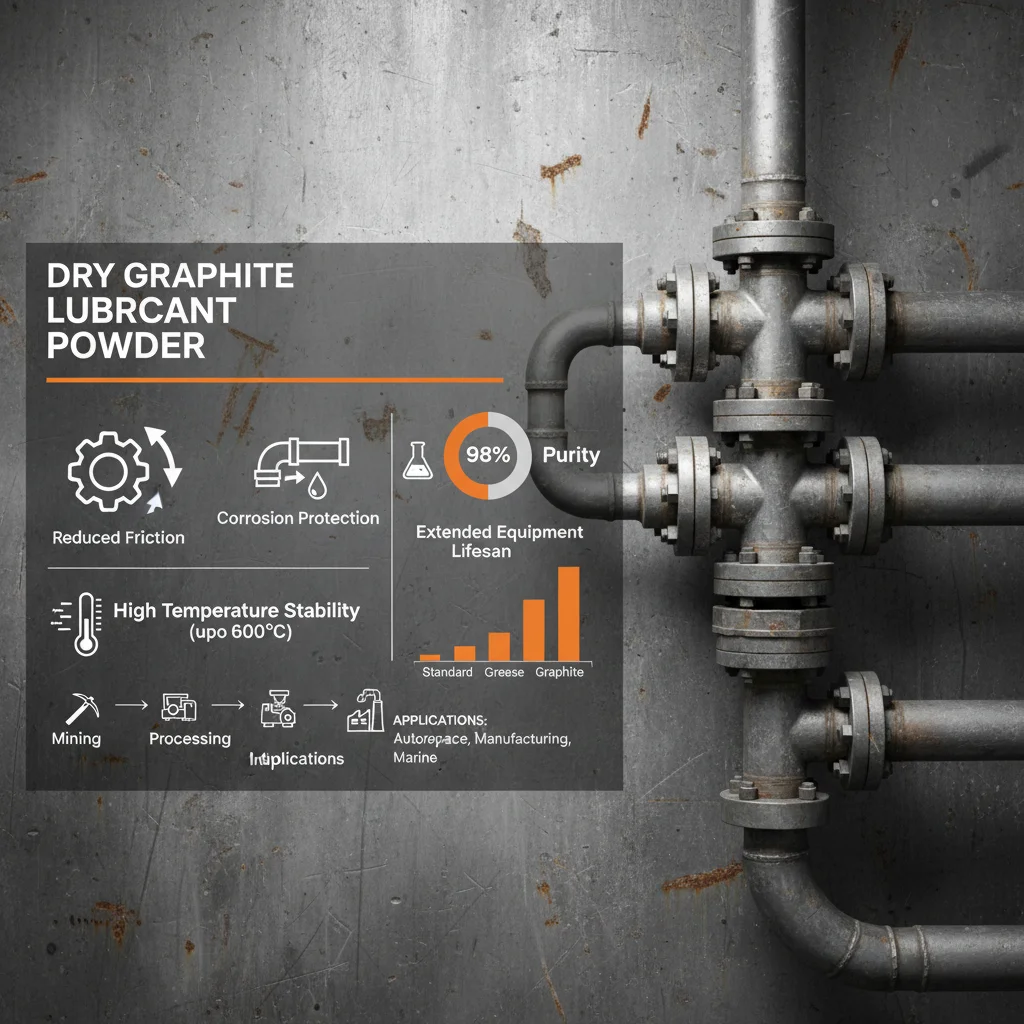
In simple terms, graphite liquid is a suspension where tiny graphite particles are dispersed evenly in a liquid carrier, creating a stable mixture that preserves graphite’s unique properties. Think of it as graphite in a pourable, or sprayable, form that retains its thermal, electrical, and lubricating qualities.
Why does this matter? Industrial sectors need materials that can be integrated flexibly — coatings, inks, lubricants — without sacrificing the inherent advantages graphite offers, like excellent conductivity and chemical stability. In humanitarian contexts, materials based on graphite liquid can be used in advanced water filtration or emergency energy systems, which means better and safer outcomes for vulnerable populations.
Key Components Driving Graphite Liquid’s Popularity
Durability and Stability
The particles in graphite liquid have to stay suspended without settling, clumping, or changing chemically over time. This reliable stability ensures consistent performance across use cases, whether in an automotive paint or battery slurry.
Electrical and Thermal Conductivity
Graphite’s natural abilities shine through. The liquid form lets engineers apply these conductive properties in flexible ways — for example, in thermal interface materials or printed electronics.
Cost Efficiency
Graphite liquid processes often lower manufacturing complexity, which in turn reduces costs. When you can directly coat parts or print circuits instead of assembling bulky components, the savings are tangible.
Scalability
Producing graphite liquid at scale involves advanced milling, dispersion, and quality control techniques. But once established, these processes suit mass production for everything from energy storage to sensors.
Eco-Friendliness
Graphite liquid formulations can replace toxic or rare materials, cutting environmental impact. Plus, many companies now focus on recyclable carriers and bio-based additives, propelling sustainability.
Mini takeaway: The combination of performance, cost, scalability, and sustainability makes graphite liquid a rare material that feels like it’s ticking all the right boxes.
Real-World Applications and Where You’ll Find Graphite Liquid
- Battery Technology: As an additive in lithium-ion battery anodes, graphite liquid boosts conductivity and charge cycles—vital for electric vehicles in Europe, China, and the U.S.
- Lubricants and Polishing: High-performance lubricants for industrial machinery in manufacturing hubs like Germany and Japan often rely on graphite liquid to reduce wear and downtime.
- Thermal Management: Companies in South Korea and Taiwan use graphite liquid coatings to improve heat dissipation in electronics and LED lighting.
- Emergency Water Purification: Innovative NGOs utilize graphite liquid-based filtration membranes in water-scarce, disaster-hit regions—think relief efforts post-hurricanes in the Caribbean.
Each use case shows different advantages, but the common thread is the flexibility graphite liquid grants designers and engineers—kind of a “Swiss Army knife” material.
Advantages and Long-Term Value of Graphite Liquid
Maybe the most impressive things about graphite liquid aren’t just what it can do outright, but how it aligns with what we need globally: safer, more sustainable tech that feels trustworthy.
- Cost-Effective: Less waste, less assembly, fewer failures — translating into savings on multiple fronts.
- Green Credentials: Reduced reliance on toxic solvents or scarce minerals means a smaller environmental footprint.
- Reliability & Safety: With consistent formulation, it supports long-lasting use in critical infrastructure and products.
- Social Impact: Enables remote communities to access cleaner energy and safer water, supporting dignity and health.
It’s the quiet synergy of practicality and purpose — something not every material manages to pull off.
Future Trends: What’s Next for Graphite Liquid?
Looking ahead, two big trends stand out:
Green Energy Revolution
Graphite liquid’s role in next-gen batteries, fuel cells, and supercapacitors is set to expand dramatically, as global policies push for net-zero emissions. Think high-power electric aircraft, smart grids, and solar tech—all of which need better materials to scale.
Digital & Automation Integration
Smart factories increasingly demand advanced inks and coatings compatible with robotic assembly lines and precision printing. Graphite liquid’s adaptability means it’s front and center for printed electronics and sensor tech.
Plus, R&D is exploring bio-sourced dispersants to further reduce ecological impact—an intriguing crossroad of chemistry and sustainability.
Challenges and Workarounds
Though promising, graphite liquid isn’t perfect. Some hurdles include:
- Particle Agglomeration: Over time, particles can clump, reducing effectiveness.
- Production Costs: High-quality dispersion requires energy-intensive milling.
- Compatibility: Not all carriers or substrates work well with graphite liquid.
Experts suggest optimizing additive packages and using ultrasonic processing to keep graphite particles well dispersed. Incremental material science breakthroughs are steadily improving these points—so it really feels like a “problem well on the way to be solved.”
Graphite Liquid Product Specifications
| Parameter | Typical Value | Unit |
|---|---|---|
| Graphite Concentration | 5–20 | wt % |
| Particle Size (D50) | 1–3 | microns |
| Viscosity @ 25°C | 200–400 | cP (centipoise) |
| Shelf Life | 12 | months |
| pH Range | 6.5–8.0 | unitless |
Vendor Comparison: Leading Graphite Liquid Suppliers
| Supplier | Graphite Purity | Typical Applications | Production Scale | Sustainability Focus |
|---|---|---|---|---|
| Dah Carbon | >99.9% | Energy storage, lubricants, coatings | Large-scale | High (bio-based carriers) |
| GrapheneTech Ltd. | >99% | Thermal management, electronics | Mid-scale | Medium |
| Carbon Solutions | >98.5% | Lubricants, polishing agents | Small-scale | Low |
FAQs: Your Top Questions About Graphite Liquid
Q: How does graphite liquid improve battery performance?
A: Graphite liquid enhances battery anode materials by improving electrical conductivity and mechanical stability during charge cycles, leading to longer life and faster charging, especially in lithium-ion batteries.
Q: Is graphite liquid safe to handle in industrial environments?
A: Yes, when formulated correctly, graphite liquid is non-toxic and stable. Proper handling protocols and protective equipment are recommended, but it poses minimal environmental and health risks compared to traditional solvents.
Q: Can graphite liquid be customized for different industrial needs?
A: Absolutely. Particle size, concentration, carrier fluids, and additives can be tailored to meet specific application requirements such as viscosity for coatings or conductivity for printed electronics.
Q: What are the primary challenges in using graphite liquid?
A: The main challenges include maintaining uniform particle dispersion over time and compatibility with various substrates. Technology advancements and quality control have significantly reduced these issues.
Q: How can an international buyer source high-quality graphite liquid?
A: Reputable suppliers like Dah Carbon offer global shipping and technical support, helping customers with import regulations and customized formulations.
Wrapping Up: The Long View on Graphite Liquid
Graphite liquid isn’t just another newfangled material — it’s a game-changer quietly powering innovations that matter. With its combined strengths in conductivity, sustainability, and adaptability, it fits snugly within the global push for smarter, cleaner, and more durable technologies.
If your industry or project needs a material that delivers reliability without the usual compromises, graphite liquid could be exactly what you’re looking for. And if you want to dive deeper or get a sample, don’t hesitate to visit our website. The future is literally painting itself with this versatile—though understated—carbon marvel.