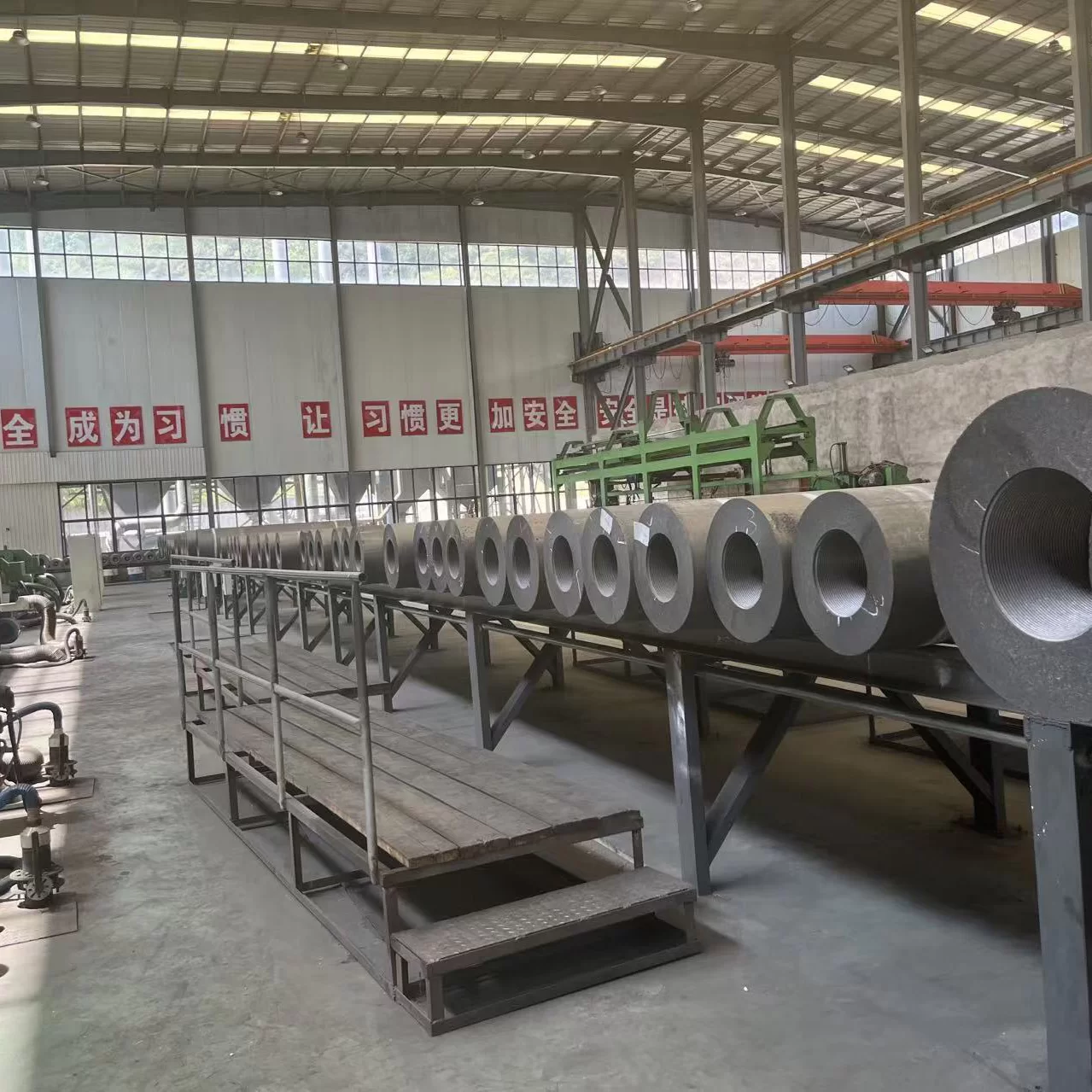
Graphite Pistons: An Unsung Hero in Modern Industry
When you hear "graphite piston," what normally springs to mind? For most, it's probably not the sleek, heat-resistant component quietly powering a myriad of machines worldwide. But frankly, graphite pistons play a surprisingly crucial role in industries spanning from automotive to aerospace and even humanitarian tech. Understanding their properties and applications can unlock real insights into solving global engineering challenges—whether it's improving efficiency or enhancing sustainability.
Why Graphite Pistons Matter on a Global Scale
On a macro level, the graphite piston symbolizes more than just a machine part. According to the International Energy Agency, global industrial efficiency is a key vector for reducing emissions and resource consumption, and components like graphite pistons contribute significantly to this progress by enabling engines and devices to operate at higher thermal tolerances and reduced friction.
Also, the global graphite market is expected to grow steadily, with an annual growth rate around 6% until the late 2020s, driven largely by its crucial role in electric vehicles and energy storage technologies. Yet challenges like carbon material sourcing and durability under demanding conditions remain. Graphite pistons help address those by offering unique properties that conventional metals can’t match, including better thermal conductivity and reduced weight.
Mini Takeaway:
- Graphite pistons boost industrial efficiency and support eco-friendly engineering.
- Their global demand reflects evolving tech needs, especially in green energy sectors.
What Exactly Is a Graphite Piston?
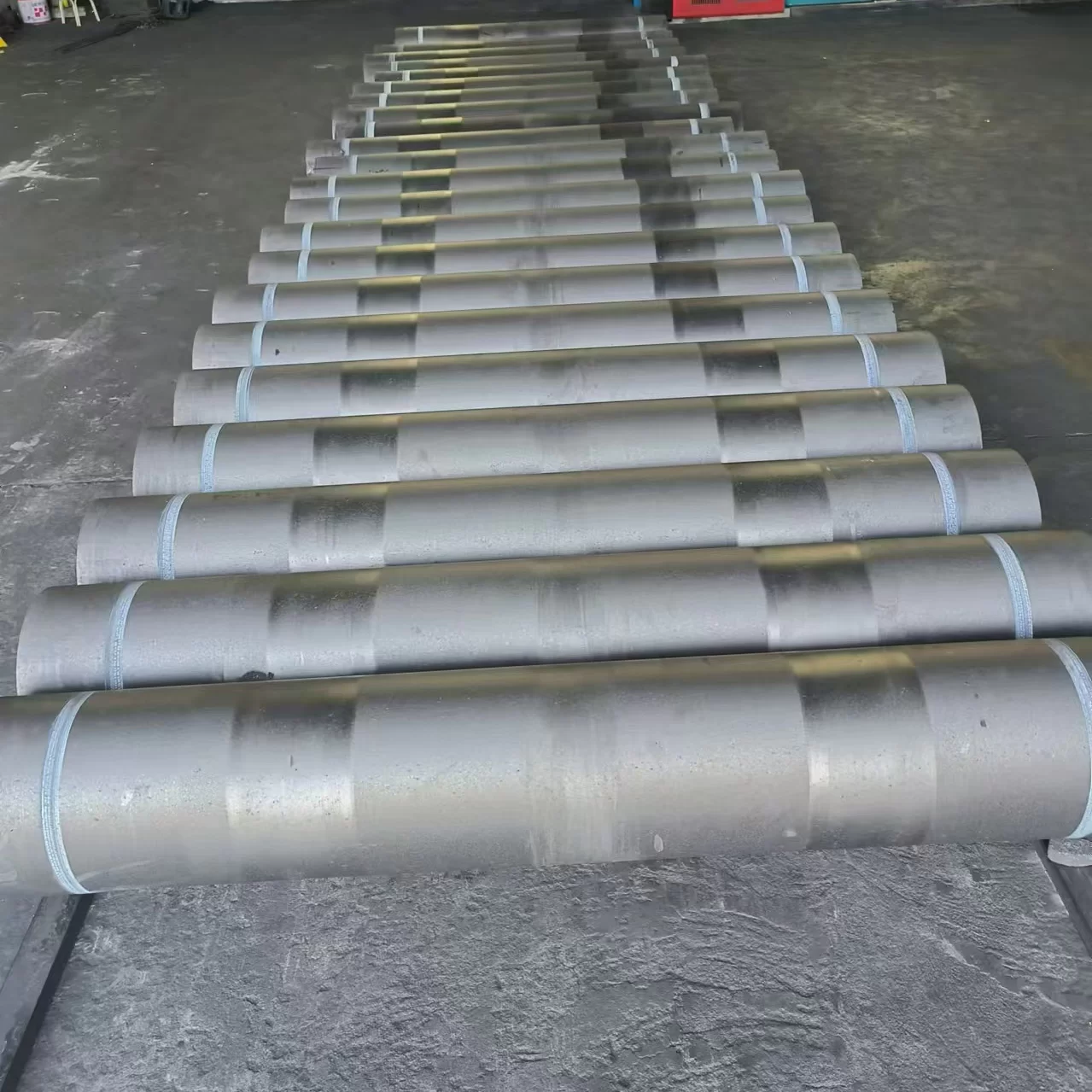
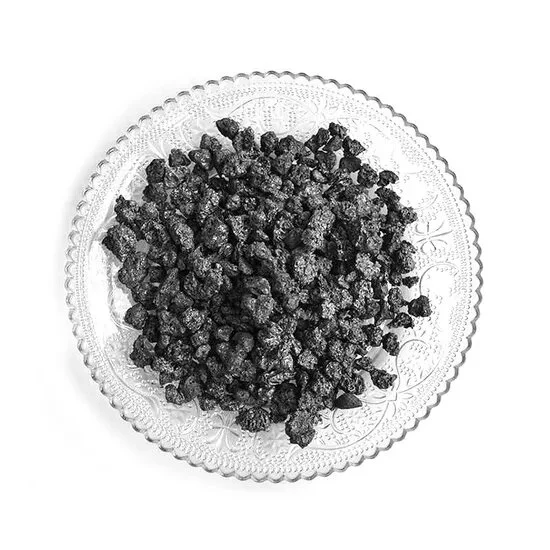
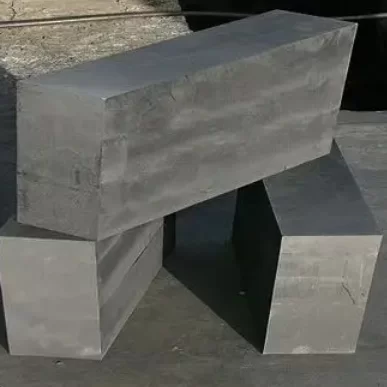
At its simplest, a graphite piston is a piston made partially or wholly from graphite material, designed to withstand high temperatures and reduce friction in engines, compressors, and pumps. Unlike traditional metal pistons, graphite pistons leverage the intrinsic properties of graphite—such as self-lubrication, thermal stability, and lightweight composition. This makes them indispensable in advanced machinery where heat tolerance is paramount.
Their role isn’t confined to just mechanical systems either. They’re embedded in equipment supporting humanitarian efforts: think disaster relief generators that run longer, with fewer breakdowns, or portable machinery deployed in remote regions requiring reliable, low-maintenance components.
Mini Takeaway:
- Graphite pistons use specialized materials for high-performance applications.
- They serve both industrial and humanitarian needs by optimizing durability and efficiency.
Core Components & Key Factors Behind Graphite Pistons’ Performance
Durability & Thermal Resistance
Graphite’s crystalline structure allows pistons made from it to withstand extreme heat without warping or degrading. This attribute is crucial for engines running at high RPMs or compressors in harsh environments.
Low Friction & Self-Lubrication
One of graphite’s best-known qualities is its slippery nature, reducing mechanical wear dramatically. This means longer lifespan and less frequent maintenance—something that industries with tight uptime requirements deeply appreciate.
Lightweight Design
Graphite pistons often weigh significantly less than their metal counterparts, improving efficiency by reducing the moving mass inside an engine or motor. Light components also contribute to fuel savings and reduced emissions.
Cost Efficiency Over Time
Although initial costs may be higher, using graphite pistons down the line reduces operational expenses by limiting downtime and maintenance, particularly in industrial scenarios involving continuous, heavy-duty cycles.
Environmental Compatibility
Graphite is naturally abundant and recyclable, making these pistons a greener alternative versus specialized alloys that require energy-intensive mining and refining.
Mini Takeaway:
- Graphite pistons excel in durability, thermal resistance, and low friction.
- They promise long-term cost savings and align with sustainability goals.
Real-World Applications: Where Graphite Pistons Shine
From the bustling automotive sectors of Germany to energy plants in remote parts of Canada, graphite pistons are quietly everywhere:
- Automotive Engines: High-performance vehicles use graphite pistons to achieve higher compression ratios and better fuel efficiency.
- Aerospace: Lightweight, heat-resistant pistons are critical in rocket and aircraft engines where every gram and degree matters.
- Energy Sector: Power generators, especially those in off-grid or disaster relief contexts, depend on reliable graphite components to maintain smooth operations under stress.
- Industrial Compressors & Pumps: Factories demanding heavy cycles rely on the durability and low wear of graphite piston technology.
Oddly enough, some humanitarian organizations prefer machinery fitted with graphite pistons for disaster zones because its reliability transcends normal expectations.
Mini Takeaway:
- Graphite pistons appear across diverse industries and locations—reflecting their adaptability.
- They enhance performance not just technically, but socially, in demanding environments.
Graphite Pistons: Advantages and Why They’re Here to Stay
The tangible benefits of graphite pistons are obvious: cost savings, efficiency, and lifespan. But equally powerful are the emotional benefits — trust that your critical machinery will perform under pressure, safety gained through fewer mechanical failures, and a sense of innovation leading the way to a sustainable future.
For companies, that translates into bottom-line improvements; less downtime means higher productivity and more reliable supply chains. For end-users — even remote communities without easy access to repair facilities — it means dignity and resilience.
Product Specification Table: Example Graphite Piston Model
| Specification | Value |
|---|---|
| Material Composition | 90% Graphite, 10% Resin Binder |
| Operating Temperature Range | -150°C to 600°C |
| Coefficient of Friction | 0.05 (Dry conditions) |
| Weight | 0.25 kg (typical size) |
| Typical Use Case | High-performance engines & industrial compressors |
Comparing Leading Vendors of Graphite Pistons
| Vendor | Material Quality | Price Range | Customization | Lead Time |
|---|---|---|---|---|
| CarbonTech Industries | Premium (95% graphite purity) | $$$ | Full design support | 4 weeks |
| GraphiMax Solutions | Standard (90% purity) | $$ | Limited | 2 weeks |
| DahCarbon Co. | High-grade (custom blends) | $$$ | Extensive customization | 3 weeks |
Future Trends & Innovations in Graphite Piston Technology
It’s safe to say graphite pistons won’t stay static. The drive toward green energy and digital transformation attracts material scientists to explore composite blends combining graphite with graphene, or other nano-materials to boost strength and electrical conductivity.
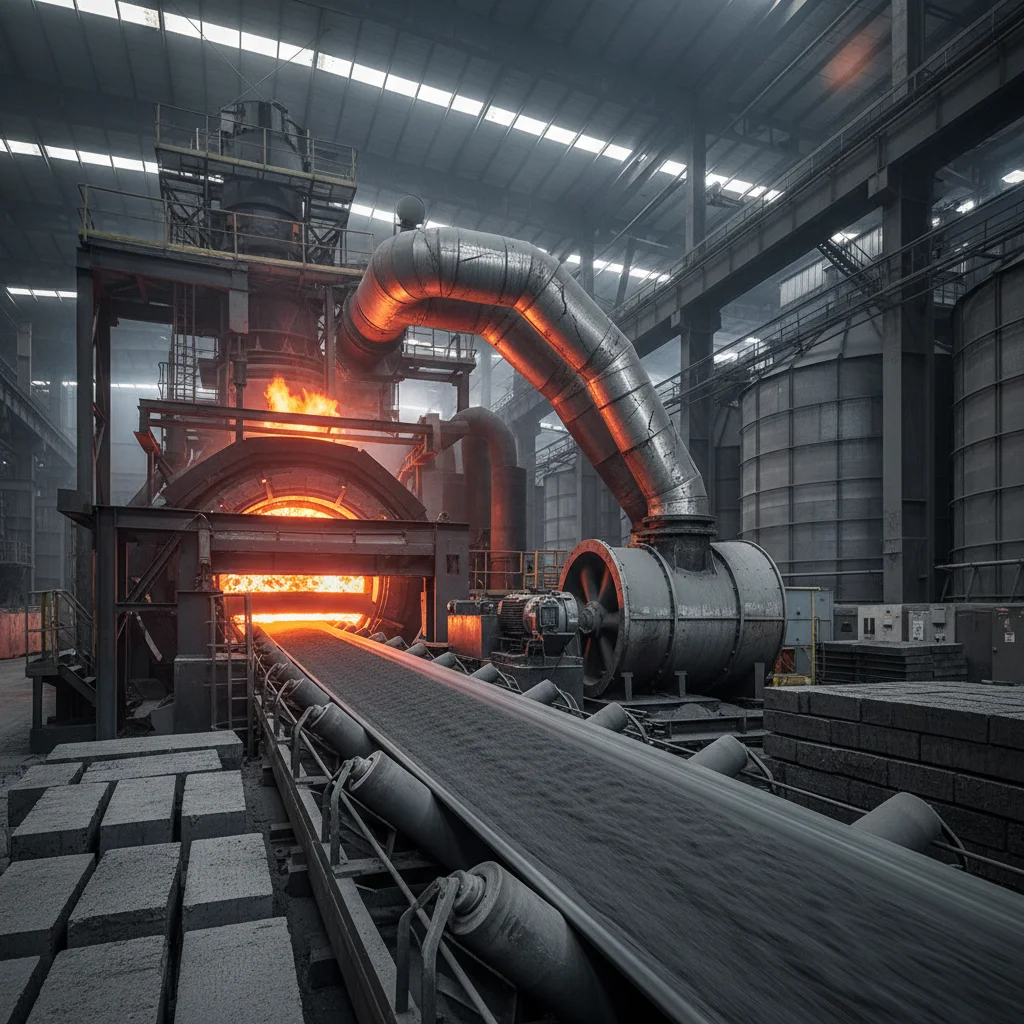
Automation in manufacturing also means highly precise production runs, allowing bespoke pistons tailored to unique industrial demands. Plus, regulatory pushes toward sustainability will favor recyclable, energy-efficient components like graphite pistons.
Common Challenges—and How Experts Tackle Them
Despite benefits, graphite pistons have limitations: sometimes they’re brittle under mechanical shock, or vulnerable to chemical attacks depending on operating environments. Experts mitigate this with surface coatings, hybrid materials, or integrating flexible binders.
Plus, sourcing high-purity graphite remains volatile due to geopolitical factors. Manufacturers balance by diversifying suppliers or investing in synthetic graphite production techniques.
FAQ: Frequently Asked Questions About Graphite Pistons
1. How does a graphite piston improve engine performance?
Graphite pistons reduce friction and withstand higher temperatures compared to traditional metals, enabling engines to run smoother and more efficiently. This translates to better fuel economy and longer maintenance intervals.
2. Are graphite pistons suitable for heavy-duty industrial compressors?
Yes. Their durability under thermal and mechanical stress, combined with low friction, makes graphite pistons an ideal choice in compressors with demanding duty cycles.
3. What’s the lifespan of a graphite piston compared to traditional pistons?
While it varies based on use, many graphite pistons last 20–30% longer due to lower wear and thermal stress resilience. However, proper maintenance still plays a key role.
4. Can graphite piston technology be tailored for specific industries?
Absolutely. Suppliers often customize composition and design—such as resin content or dimensional precision—to fit unique industrial requirements.
5. Is switching to graphite pistons cost-effective for small-scale operations?
Though initial costs may be higher, small businesses can benefit from reduced downtime and maintenance costs, making graphite pistons a sound long-term investment.
Conclusion: Why Now Is the Time to Embrace Graphite Pistons
To wrap this up, graphite pistons represent a fascinating fusion of material science and practical engineering. They’re not just components; they’re enablers of efficiency, sustainability, and resilience. Whether you’re an OEM designing the next-generation engine or an NGO deploying equipment to remote areas, graphite pistons offer real, measurable benefits.
If you want to explore the latest in graphite piston technology or consider custom solutions, visit graphite piston specialists like DahCarbon — chances are, they have just the right innovation waiting for your project.
Final Mini Takeaway:
- Graphite pistons are a strategic component shaping modern and future industries.
- Balancing performance, cost, and sustainability, they’re here to stay.
References: