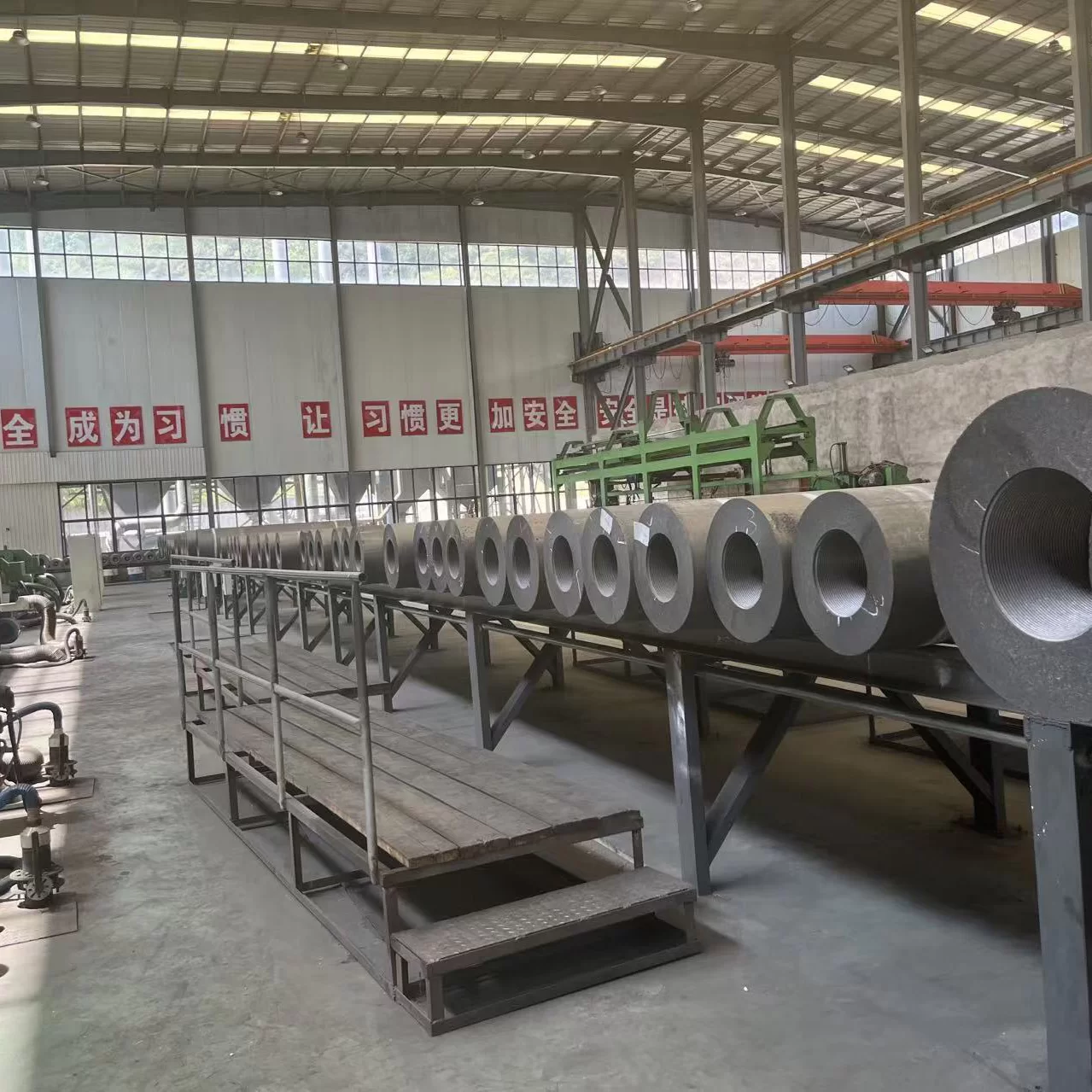
The Global Pulse of Graphite Raw Material: Why It Matters Today
Graphite raw material—sounds simple enough, right? Yet it’s one of those quietly indispensable resources shaping modern life. From powering green energy breakthroughs to enabling cutting-edge electronics, graphite is like the unsung hero of industrial progress. Understanding this material isn’t just a technical exercise; it’s a key to unlocking innovation on a global scale.
Why the fuss? Well, the demand is surging globally—especially as the race for cleaner energy heats up. Thanks to graphite’s unique properties, it’s in everything from lithium-ion batteries (think electric vehicles) to aerospace parts. So whoever controls or efficiently uses graphite has a real edge. Let’s unpack what graphite raw material is and why every industry player should keep it on their radar.
Context: The Global Relevance of Graphite Raw Material
Mining and mineral data from sources like the US Geological Survey and the United Nations indicate that graphite production has climbed steadily over the past decade. China remains the dominant supplier, accounting for roughly 60–70% of global output, which often creates supply chain vulnerabilities for other countries reliant on imported graphite.
Addressing these bottlenecks is no small feat: industries worldwide face increased pressure to secure reliable, sustainable graphite raw materials while contending with environmental concerns and geopolitical tensions. For companies focused on clean energy transitions or advanced manufacturing, understanding the types and sourcing of graphite is critical.
Mini takeaway:
- Graphite’s global demand is growing fast, driven by energy and tech sectors.
- Supply chains are fragile and often concentrated geographically.
- Strategic sourcing of graphite raw material is a must for future-proofing industries.
Defining Graphite Raw Material
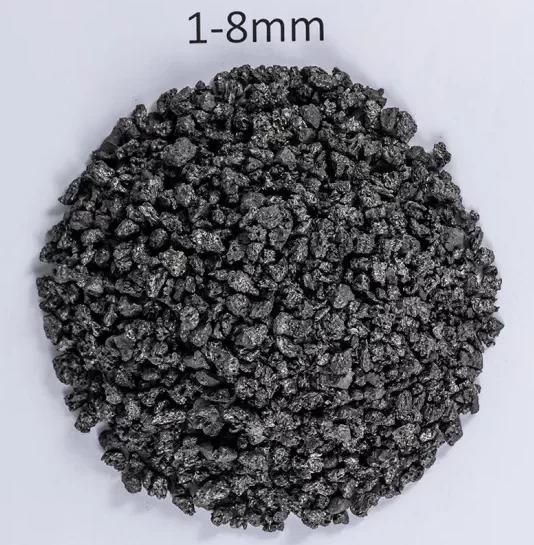
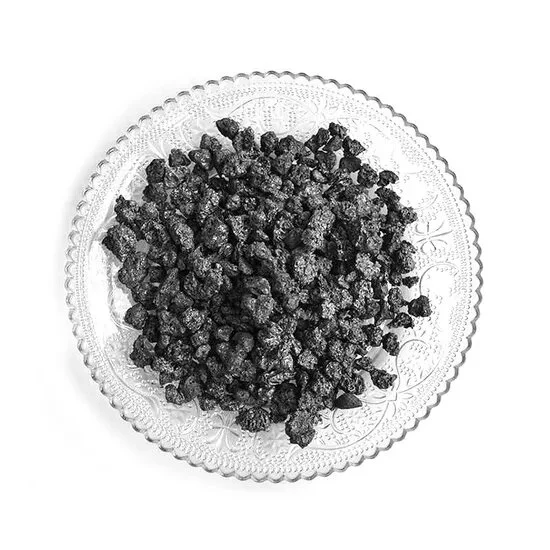
So, what are we really talking about when we say graphite raw material? Put simply, it’s the naturally occurring form of carbon arranged in sheets of hexagonal lattices. Unlike diamond, graphite is soft, flaky, and an excellent conductor of electricity and heat.
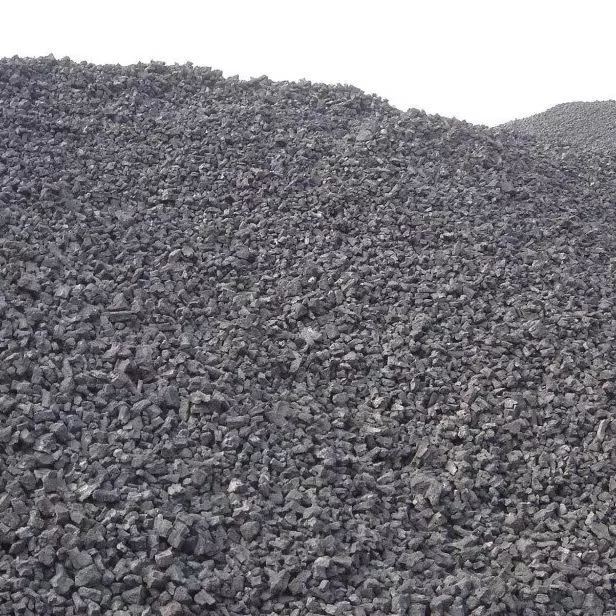
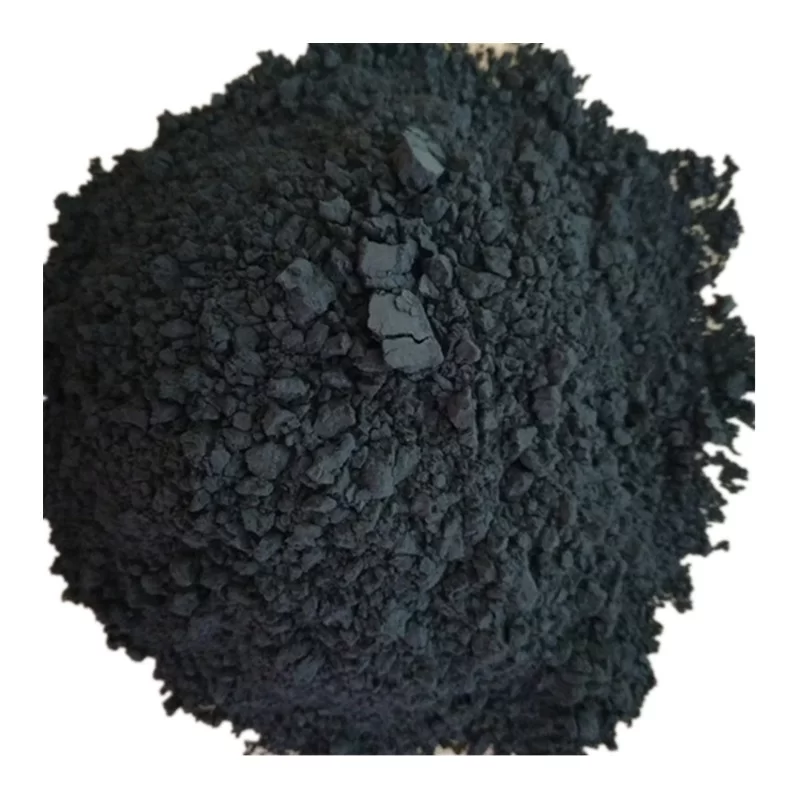
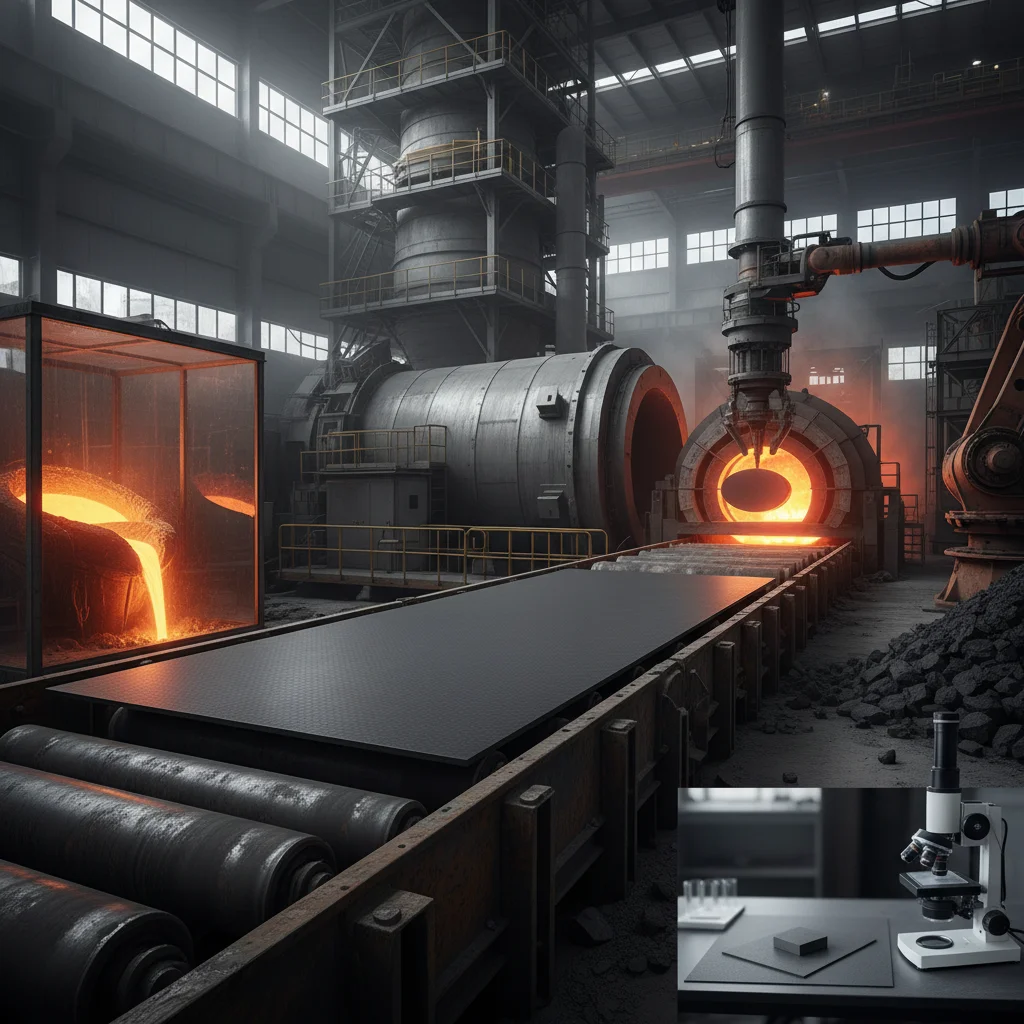
This raw material is the starting point for a multitude of industrial processes. It’s extracted from mining operations in crystalline forms or synthesized for more specialized uses. Far beyond just pencils, graphite raw material plays critical roles in battery electrodes, lubricants, brake linings, and even nuclear reactors. In humanitarian contexts, for example, graphite composites help create durable, heat-resistant materials for emergency shelters and medical equipment.
Mini takeaway:
- Graphite raw material is naturally crystalline carbon with unique physical properties.
- Its versatility makes it invaluable across diverse industries—from electronics to emergency housing.
Key Components Driving Graphite Raw Material Value
1. Purity and Quality
The graphite’s carbon content (measured in percentage) essentially determines its quality. Higher purity graphite is needed for high-tech applications like battery anodes, while lower grades suffice for industrial lubricants or steelmaking.
2. Morphology and Particle Size
The shape and size of graphite flakes affect conductivity and mechanical strength. For example, large flake sizes typically improve performance in battery components.
3. Cost Efficiency
Getting a good balance between cost and quality is a delicate dance. Some regions have cheaper labor but poorer environmental records. Others promise premium quality but at higher extraction costs.
4. Scalability and Availability
Because many industries rely on a steady graphite supply, mining operations must scale without excessive environmental degradation or geopolitical complications.
5. Environmental and Ethical Sourcing
It’s increasingly important to ensure graphite is obtained sustainably with fair labor practices, avoiding deforestation or pollution. Certifications and transparent supply chains are gaining traction for this reason.
Mini takeaway:
- Purity and physical properties tailor graphite to specific industrial needs.
- Cost, supply chain reliability, and sustainability weigh heavily in sourcing decisions.
Global Applications & Real-World Use Cases
In China’s electric vehicle hubs, manufacturers rely on battery-grade graphite for millions of lithium-ion packs. Europe, pushing aggressively toward carbon neutrality, heavily invests in graphite supply chains for wind turbine components and energy storage solutions.
Oddly enough, remote industrial zones in Canada and Brazil see graphite used to improve machinery performance under extreme temperatures. And in humanitarian contexts, organizations integrate graphite composites for durable, heat-resistant medical device casings and even portable power units.
| Application | Region | Industry | Benefit |
|---|---|---|---|
| Battery Anodes for EVs | China | Automotive | Energy Storage Efficiency |
| Wind Turbine Components | Europe | Renewable Energy | Reduced Emissions |
| Machinery Lubricants & Heat Shields | Canada, Brazil | Industrial Manufacturing | Operational Durability |
Mini takeaway:
Graphite raw material has found slots in diverse, often critical industries globally—each with particular performance and environmental expectations.
Advantages & Long-Term Value of Graphite Raw Material
Beyond the numbers, graphite offers reliability and peace of mind. It’s stable under extreme conditions and relatively abundant compared to some rare-earth materials. The cost savings of using proper grades of graphite upstream—in batteries or industrial parts—ripple downstream with longer product life and fewer failures.
From a social angle, industries embracing sustainable graphite sourcing signal corporate responsibility, fostering trust with consumers and investors alike. It’s innovation and ethics rolled into one—a somewhat rare combination.
Future Trends & Innovations in Graphite Raw Material
Exciting things are on the horizon: synthetic graphite production is improving, offering purer, customizable forms that reduce reliance on mining. Automated mining technologies are also enhancing scalability with less environmental impact.
The push for green energy accelerates R&D into graphene—a material derived from graphite but 200 times stronger than steel and incredibly conductive. Imagine the possibilities in flexible electronics and next-gen batteries.
Challenges & Pragmatic Solutions
No material is perfect, and graphite faces hurdles: environmental damage from mining, supply concentration issues, and volatile pricing. But companies use traceability tech, eco-friendly mining certifications, and regional diversification to tackle these problems pragmatically.
FAQ: Frequently Asked Questions About Graphite Raw Material
- What makes high-quality graphite raw material critical for battery manufacturing?
High purity and proper flake size are essential because they directly affect battery capacity and longevity. Impurities can reduce efficiency and cause premature failure. - How does sustainable sourcing impact the graphite supply chain?
Ethical sourcing reduces environmental harm and ensures stable production by preventing community conflicts and regulatory shutdowns, fostering long-term reliability. - Can synthetic graphite fully replace natural graphite?
Not entirely — synthetic graphite is purer and customizable but more costly to produce. Currently, a hybrid approach balances cost and performance. - Are there regional advantages to sourcing graphite raw material?
Yes, proximity reduces shipping costs and risk. However, geopolitical stability and environmental standards must also be considered. - How can companies verify the quality of their graphite raw material suppliers?
They typically rely on third-party certifications, sample testing, and supply chain audits to ensure consistency and compliance.
Conclusion: Embracing the Future with Graphite Raw Material
To wrap it up, graphite raw material stands as a cornerstone of modern industrial innovation. Its unique properties combined with evolving sustainable sourcing practices position it as a critical player in the global energy transition and manufacturing resilience. For anyone involved in industries like energy storage, electronics, or heavy manufacturing, keeping a finger on the pulse of graphite raw material supply and trends isn’t just smart—it's essential.
Ready to explore premium graphite raw material solutions? Visit our website: https://www.dahcarbon.com and see how we’re powering tomorrow.
| Product Specification | Value |
|---|---|
| Purity (Carbon Content) | ≥ 99.5% |
| Flake Size | 50 - 150 µm |
| Moisture Content | ≤ 0.5% |
| Ash Content | ≤ 0.2% |
| Packaging Options | Bulk, 25kg bags, 1MT jumbo bags |
| Vendor | Primary Source Countries | Strengths | Considerations |
|---|---|---|---|
| Dah Carbon | China, Mozambique | High purity, sustainable practices | Premium pricing |
| Vendor B | Brazil, Canada | Competitive costs, regional proximity | Inconsistent supply volumes |
| Vendor C | Russia, India | Large volume capacity | Environmental concerns |
Final thoughts:
Graphite raw material isn’t just about atoms and carbon bonds; it’s intimately tied to how we build a sustainable, high-tech future. Few raw materials pack as much potential and complexity simultaneously. Whether you work in R&D, procurement, or policymaking, paying attention to these trends and suppliers like graphite raw material providers can keep your projects ahead of the curve.