Graphite Rubber: A Smart Solution for Modern Industrial Challenges
If you’ve ever wondered how materials innovation quietly powers industries ranging from automotive to electronics, then here's a story worth your time: graphite rubber. It sounds like a sci-fi mashup, but graphite-filled rubber composites have real, tangible benefits that affect global supply chains, environmental goals, and product longevity. Understanding graphite rubber isn’t just about tech geeks geeking out; it’s about catching a glimpse of materials that could redefine cost, efficiency, and sustainability on a worldwide scale.
Why Graphite Rubber Matters in a Global Industrial Context
In an age when industries are competing simultaneously across markets and ecological policies, graphite rubber’s role emerges rather clearly. The global rubber market reached approximately $30 billion in 2023, according to industry reports, and the incorporation of graphite reinforcements is a growing subset in pursuit of higher durability and thermal management properties. The International Organization for Standardization (ISO) has acknowledged the increasing importance of composite materials that blend elasticity and conductivity—qualities graphite rubber boasts.
Why does this matter? Because modern industries, from automotive parts manufacturers to renewable energy developers, face the constant challenge of balancing material durability with cost-effectiveness and environmental impact. Graphite rubber promises solutions for heat dissipation, wear resistance, and sustainability—all factors demanding attention not only in developed regions but especially across fast industrializing economies in Asia and Latin America.
So, What Exactly Is Graphite Rubber?
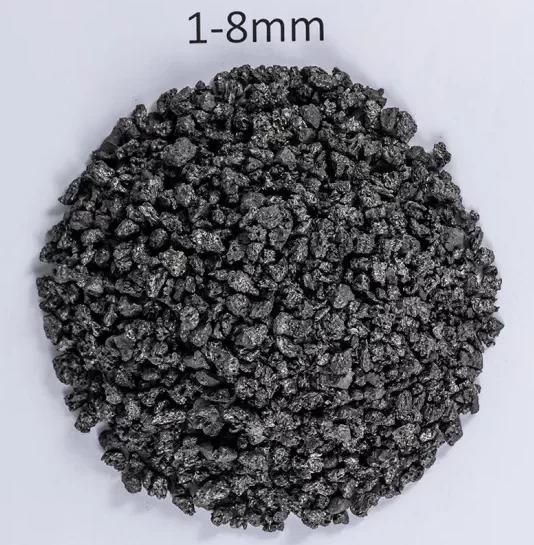
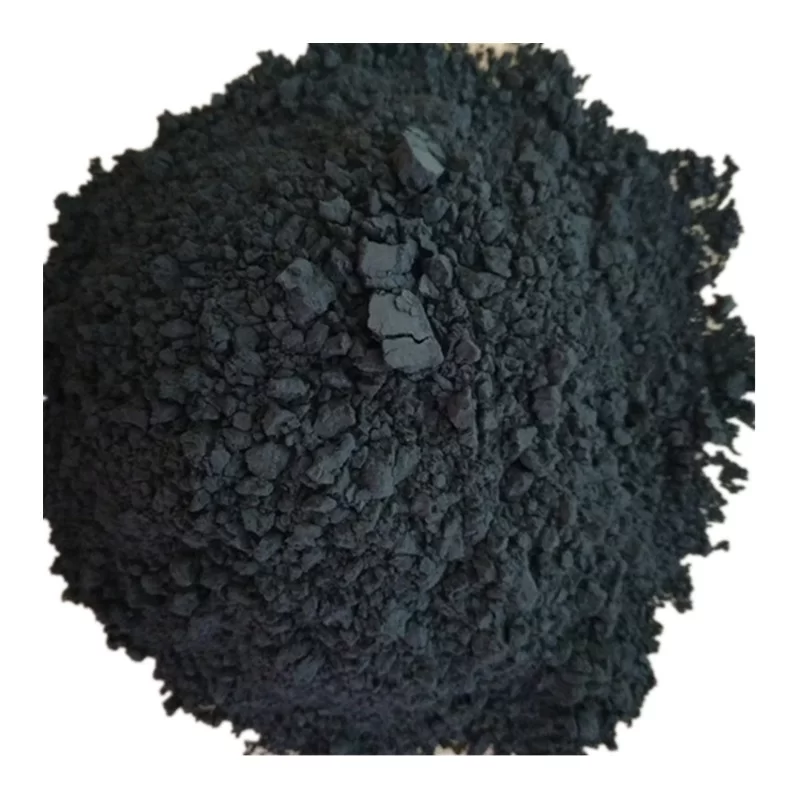
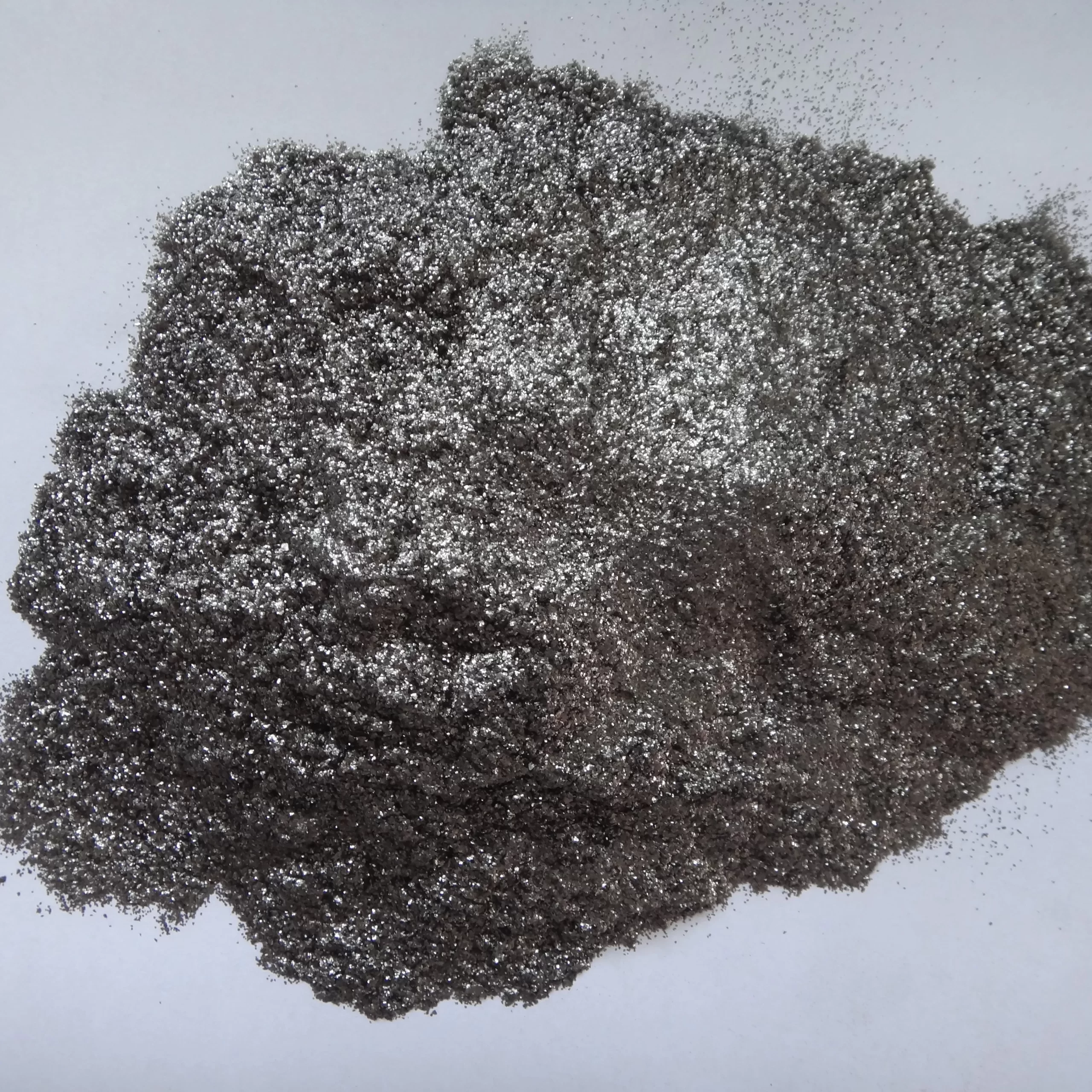
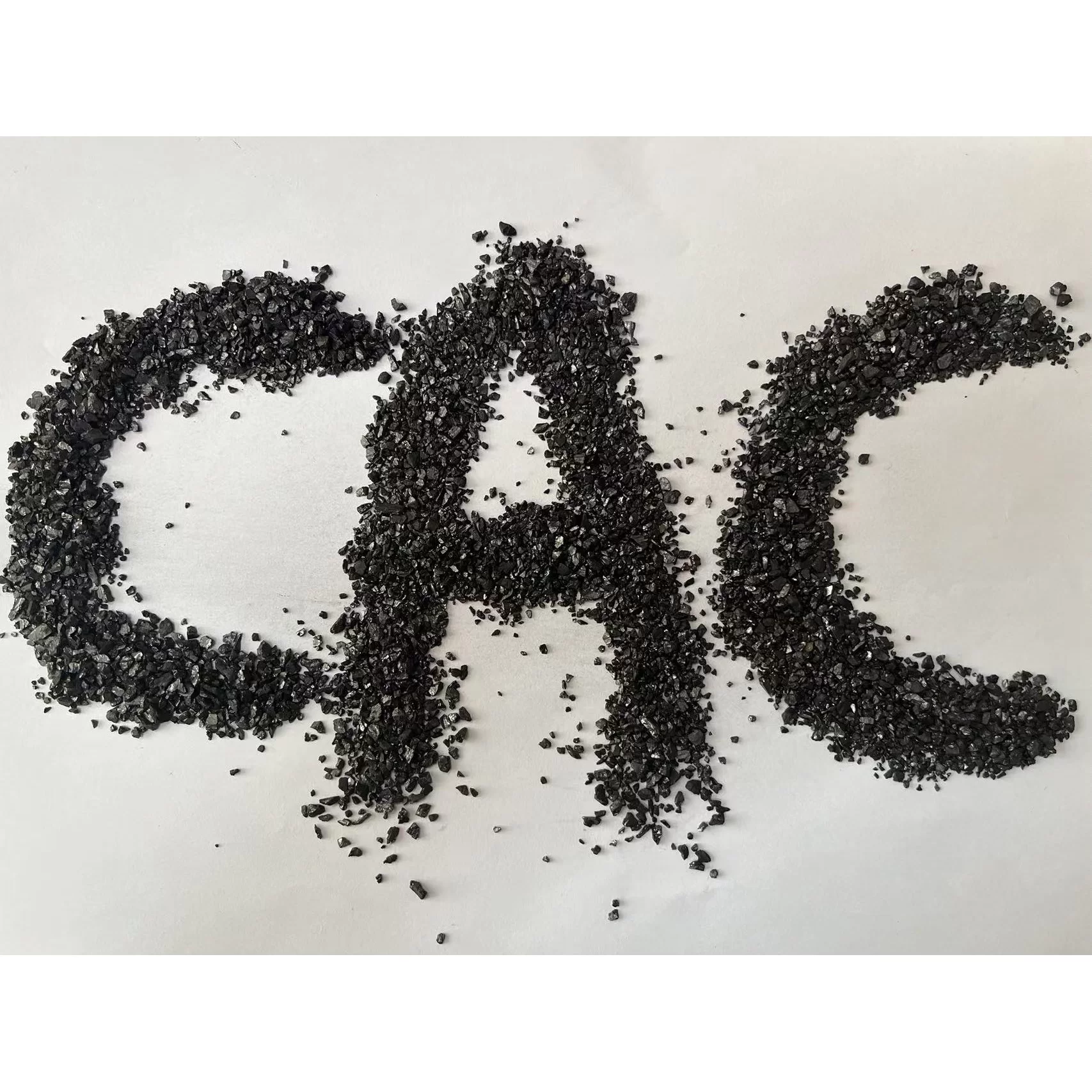
Let’s break it down simply: graphite rubber is a composite material where graphite particles are embedded into a rubber matrix. This combination yields a flexible yet heat-conductive product that outperforms traditional rubber in many technical respects. Think of it as the mellow, yet capable middle child between rubber’s elasticity and graphite’s excellent ability to conduct heat and electricity.
Industrially, this combination is a game changer. It’s increasingly used to improve seals, gaskets, and vibration dampeners where heat management and flexibility are essential. You can almost think of it as giving rubber a bit of a superpower.
Core Characteristics That Make Graphite Rubber Special
1. Durability and Wear Resistance
Graphite particles help reinforce the rubber matrix, improving abrasion resistance and resulting in longer product life. For companies looking to reduce maintenance downtime, this is a huge bonus.
2. Thermal Conductivity
Unlike standard rubber, the embedded graphite allows the composite to conduct heat away from critical parts, reducing component overheating. This feature is crucial in automotive engines and electrical insulation.
3. Chemical Stability
Graphite rubber resists a broad spectrum of chemicals, including oils and fuels. This makes it an ideal candidate for use in harsh industrial environments.
4. Cost Efficiency
While graphite rubber might carry a slightly higher upfront cost than plain rubber, its extended lifespan and energy-saving qualities often balance out the investment.
5. Environmental Sustainability
Particularly when sourced responsibly, graphite rubber can contribute to reducing waste through longer-lasting components and possibilities for recycling composites.
A Quick Overview of Graphite Rubber Product Specifications
| Property | Typical Value | Unit |
|---|---|---|
| Tensile Strength | 12-15 | MPa |
| Thermal Conductivity | 5-7 | W/m·K |
| Hardness (Shore A) | 60-70 | – |
| Operating Temperature Range | -40 to 150 | °C |
| Chemical Resistance | Excellent | – |
Mini takeaway: Graphite rubber’s blend of flexibility and conductivity is why companies rely on it to solve heat and wear problems without breaking the bank.
How Brands Stack Up: A Quick Comparison of Leading Graphite Rubber Vendors
| Vendor | Product Range | Specialization | Lead Time |
|---|---|---|---|
| GraphiteTech Ltd. | Custom molded sheets, seals | High thermal conductivity composites | 3-4 weeks |
| CarbonFlex Materials | Extruded graphite rubber tubing | Medical & industrial use | 2 weeks |
| Dahcarbon Technologies | Sheet material, molded parts | Sustainable composites & custom blends | 1-3 weeks |
Mini takeaway: Choosing your supply partner weighs heavily on needs like speed, customization, and application focus. Do your homework!
Real-World Applications: Where Graphite Rubber Really Shines
- Automotive Industry: High-performance seals and vibration isolation that can handle engine heat and chemical exposure.
- Electronics Cooling: Flexible thermal pads that improve heat dissipation in smartphones and batteries.
- Renewable Energy: Durable gaskets in solar panels and wind turbines that resist weathering and extreme temperatures.
- Healthcare: Seals and tubing that require both chemical resistance and flexibility in medical devices.
- Manufacturing: Conveyor belts and processing equipment components needing wear resistance and temperature control.
Oddly enough, some humanitarian and disaster relief groups have started engaging with graphite rubber for temporary flexible seals that last longer in shelters and mobile clinics. When you consider the challenge of delivering durable, adaptable materials to remote or disaster-stricken zones, this composite's properties suddenly feel essential.
Advantages & The Long Game
Frankly, graphite rubber isn’t just about specs on paper. It balances performance with sustainability goals and long-term savings. Using graphite rubber parts extends equipment life, reducing replacement frequency, waste, and raw material consumption. There's an emotional angle too—users gain peace of mind knowing that critical components won't fail unexpectedly, reducing safety hazards.
Deploying graphite rubber aligns with growing industry trends toward circular economy models and environmental responsibility, particularly in regions where waste disposal is heavily regulated.
The Road Ahead: Innovations in Graphite Rubber
Looking forward, expect advances in nano-graphite fillers that further boost electrical conductivity and mechanical properties with smaller filler loadings—meaning products can remain flexible but get even tougher. Additive manufacturing and digital twin modeling are already helping engineers experiment with graphite rubber composites before they hit the production line.
On the policy front, stricter regulations on emissions and material recyclability push suppliers toward ever-cleaner manufacturing methods and greener raw materials. There’s even talk of blending bio-based rubbers with graphite to reduce fossil fuel dependency...
Challenges & How Industry Is Tackling Them
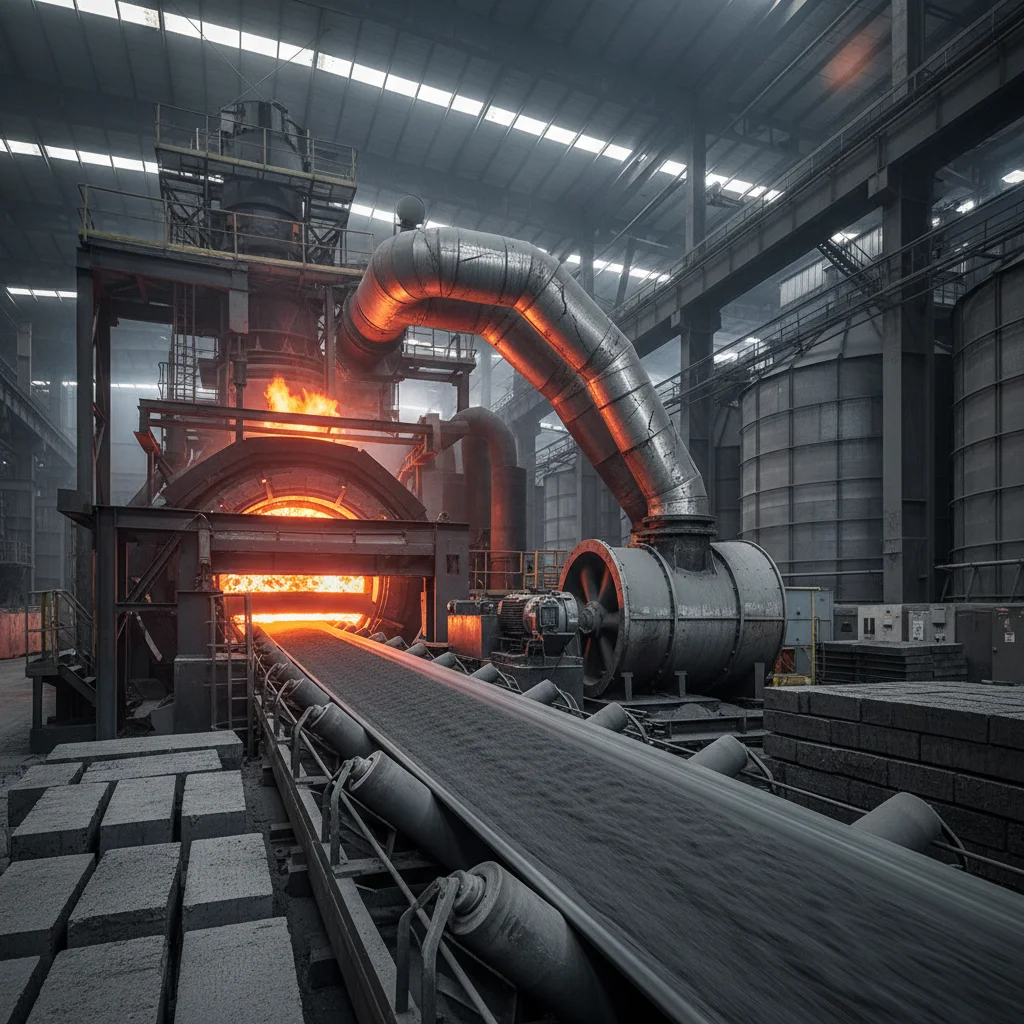
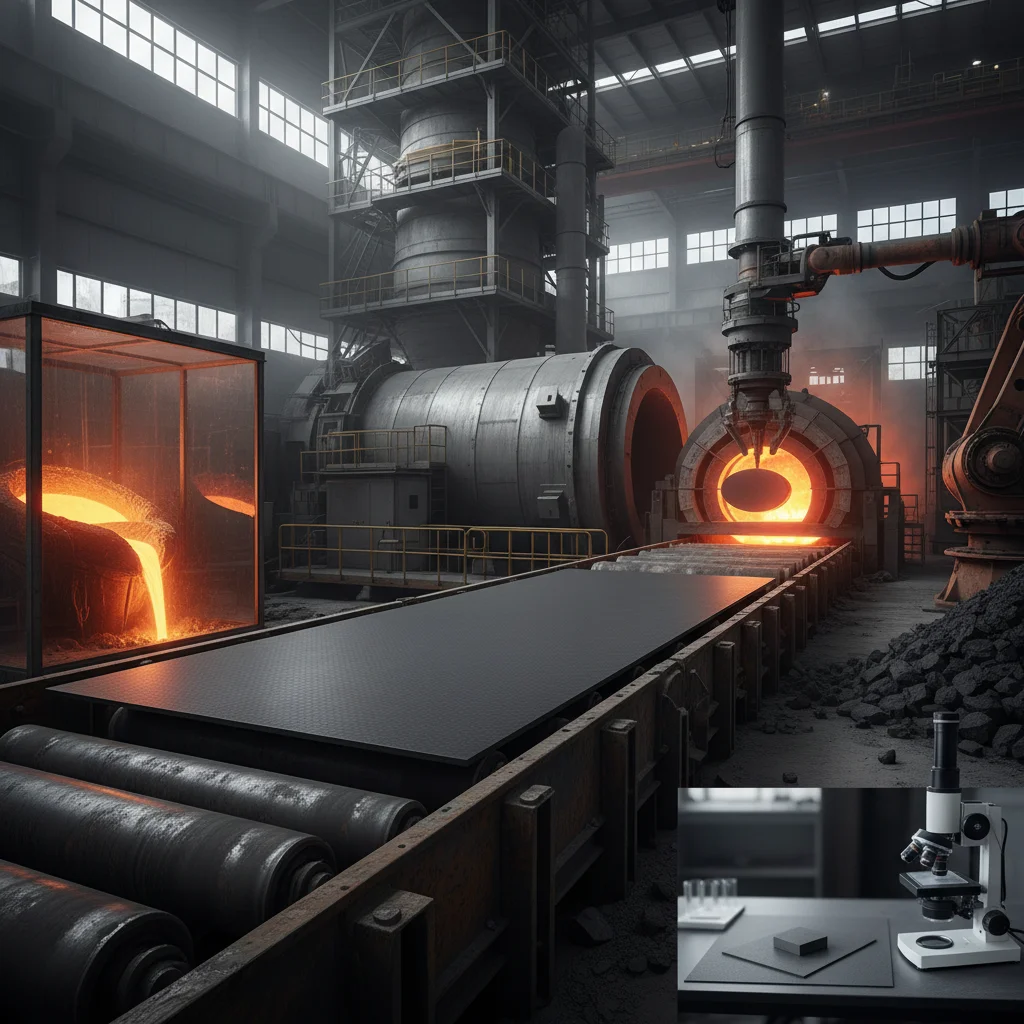
Of course, graphite rubber isn’t perfect. Its processing can be tricky—the fillers can interfere with cure rates and sometimes make the compound brittle if not carefully controlled. Consistency in compound quality and scaling production remain hurdles.
Innovative companies are investing in process controls, advanced mixing technology, and partnerships with material scientists to overcome these issues. Also, ongoing research focuses on tailoring particle sizes and surface treatments to balance conductivity with flexibility.
Frequently Asked Questions About Graphite Rubber
Q1: How does graphite rubber compare to standard rubber in heat resistance?
A1: Graphite rubber typically offers significantly better heat dissipation due to graphite’s thermal conductivity, extending component life and preventing overheating in demanding applications.
Q2: Is graphite rubber suitable for outdoor applications?
A2: Yes. Its chemical resistance and weatherproof nature make it ideal for outdoor parts exposed to oils, fuels, UV, and temperature swings.
Q3: Can graphite rubber reduce maintenance costs?
A3: Absolutely. Its durability and resistance to wear mean longer service intervals and fewer replacements, resulting in cost savings.
Q4: Are there eco-friendly options for graphite rubber?
A4: Yes, some suppliers offer graphite rubber blended with bio-based rubbers and recyclable components, aligning production with sustainability demands.
Q5: How quickly can I get graphite rubber products for custom projects?
A5: Depending on the vendor and product complexity, lead times generally range from 1 to 4 weeks. Discuss with suppliers for expedited options.
Conclusion: Why Graphite Rubber Deserves Your Attention
All told, graphite rubber is much more than a niche composite—it's a versatile, cost-effective, and environmentally savvy solution for industries struggling with heat, wear, and sustainability challenges. Whether you’re an engineer specifying parts or a procurement specialist vetting new suppliers, graphite rubber offers compelling long-term benefits worth exploring.
Thinking of switching parts or innovating your product line? Visit Dahcarbon Technologies for custom graphite rubber solutions designed with tomorrow’s challenges in mind.
Mini takeaway: Sometimes the smallest additives, like graphite in rubber, have the biggest impact on performance and sustainability.
References
- International Organization for Standardization (ISO)
- Graphite - Wikipedia
- World Bank: Industry and Trade