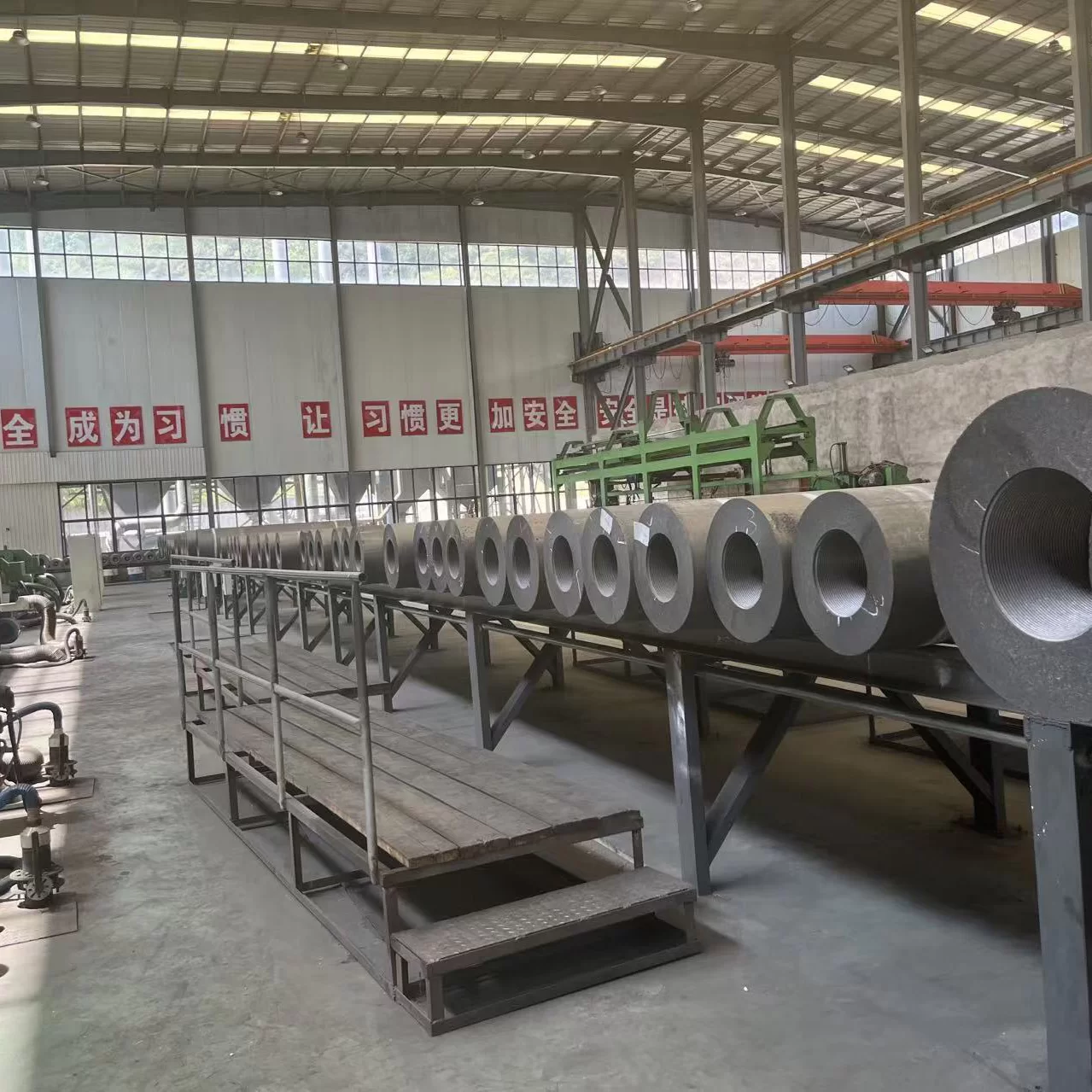
Understanding the Graphite Series: Why It Matters Globally
Graphite series materials have quietly become cornerstones of many modern industries and technologies — from energy storage to aerospace components. But what exactly is a graphite series, and why does it hold significance beyond just niche engineering circles? In brief, this series refers to a range of graphite-based products designed for specific thermal, electrical, and mechanical functions. Globally, as we race toward greener energy solutions and smarter manufacturing, the role and understanding of graphite series deepen in importance. It’s not just about raw material performance anymore but about sustainability, efficiency, and innovation.
Getting familiar with graphite series means understanding how industries tackle problems like energy density, heat management, and material aging. And when you see that global graphite demand is expected to more than double by 2030 (according to the US Geological Survey), the stakes feel real. I'll walk you through the essentials, with a focus on practical use and emerging trends.
Setting the Stage: Graphite Series in the Global Industry Context
Graphite has long been undervalued — often seen as just pencil lead or a refractory material — but its series of engineered graphite products now underlie transformative technologies. The UN estimates that energy consumption worldwide will grow by over 50% by 2050, pushing industries to seek better, lighter, and more durable materials. Graphite series materials serve these needs well.
One challenge is that traditional materials like metals can struggle with high-temperature stability or electrical conductivity where graphite excels. As electric vehicles (EVs), nuclear reactors, and renewable energy grids expand, so does the demand for graphite series products tailored to these applications. Oddly enough, the same qualities that make graphite great also create manufacturing and sourcing challenges — from purity requirements to supply chain vulnerabilities.
What Exactly Is a Graphite Series?
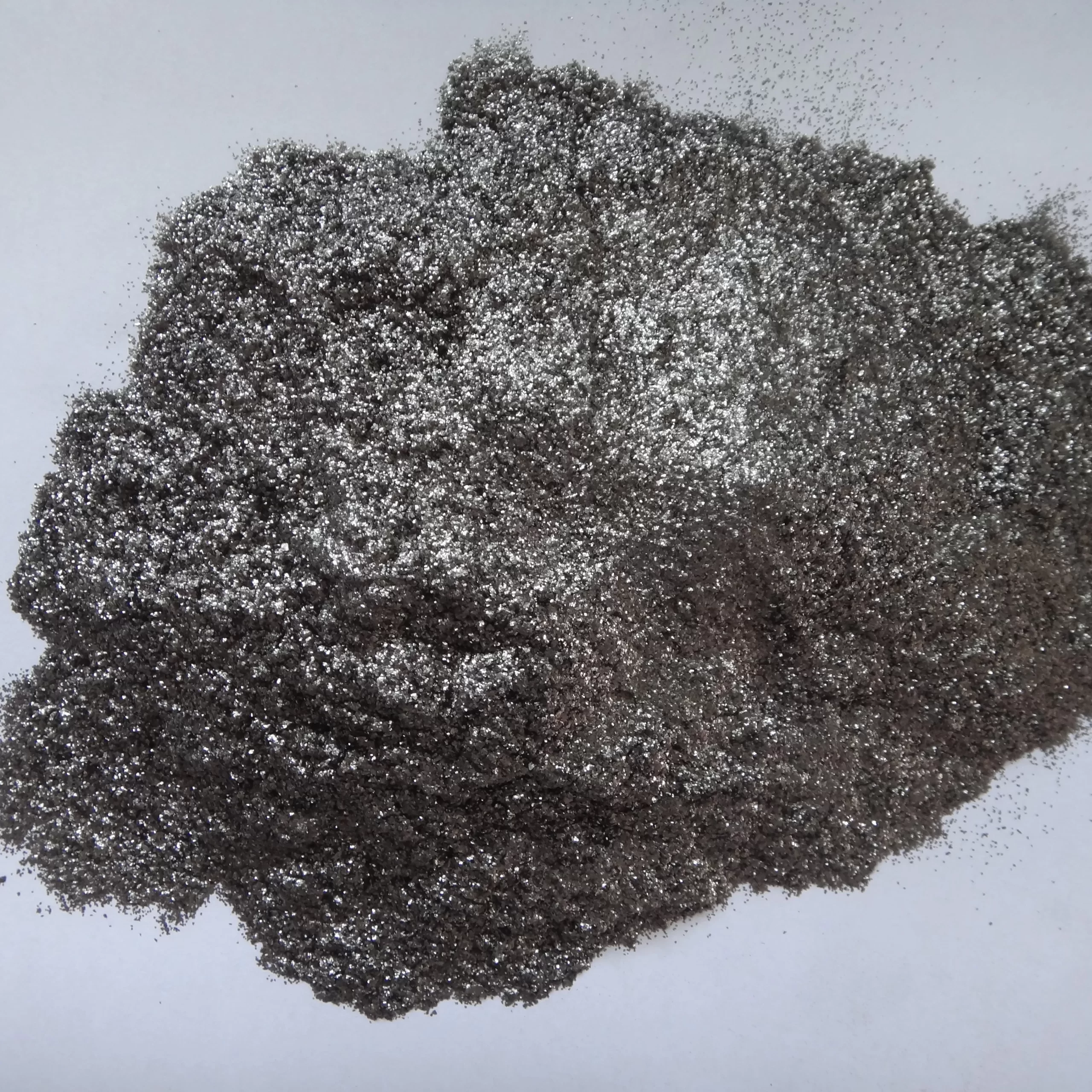
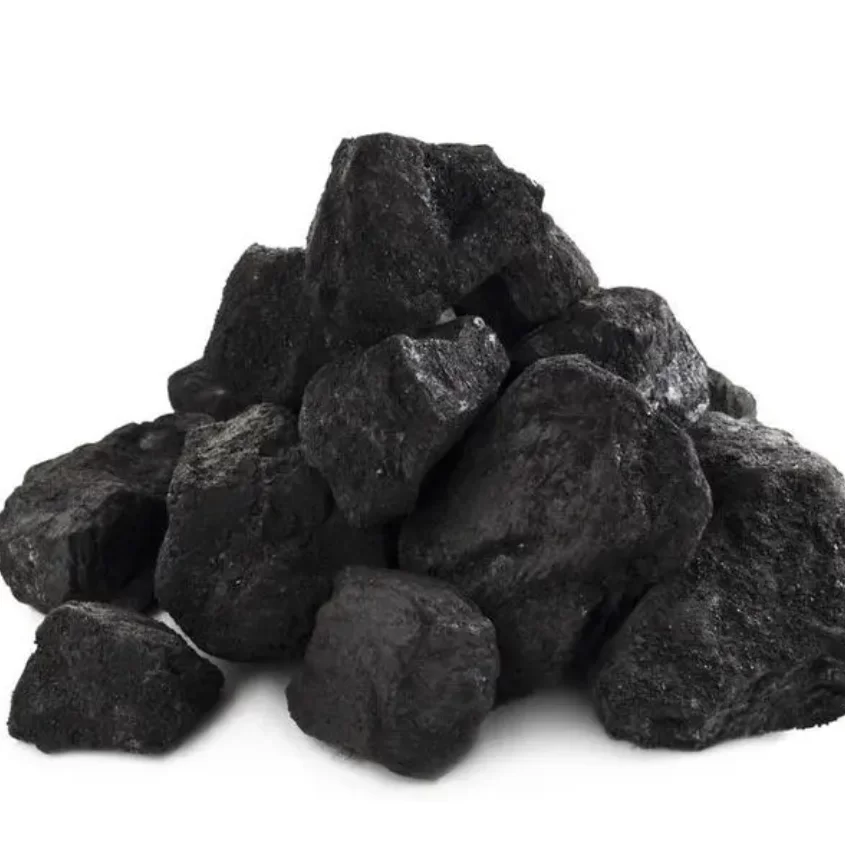
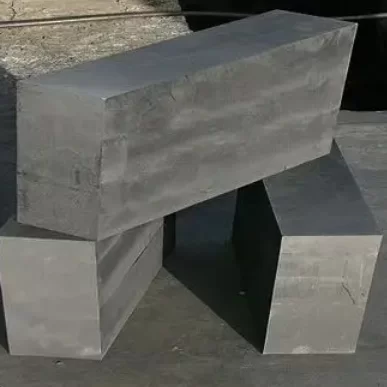
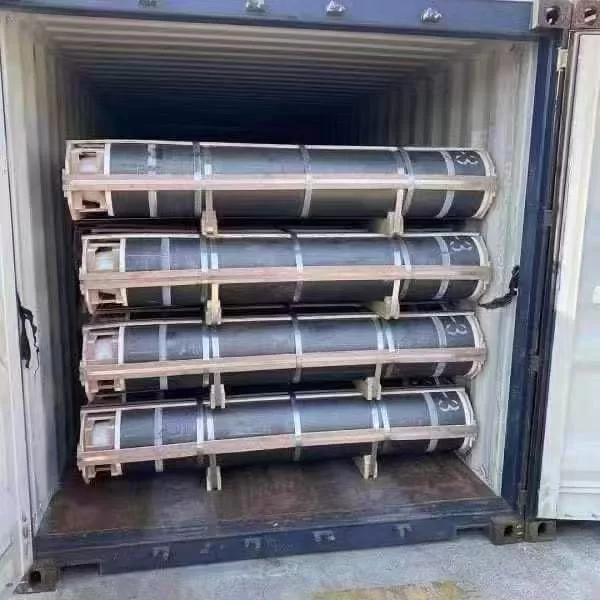
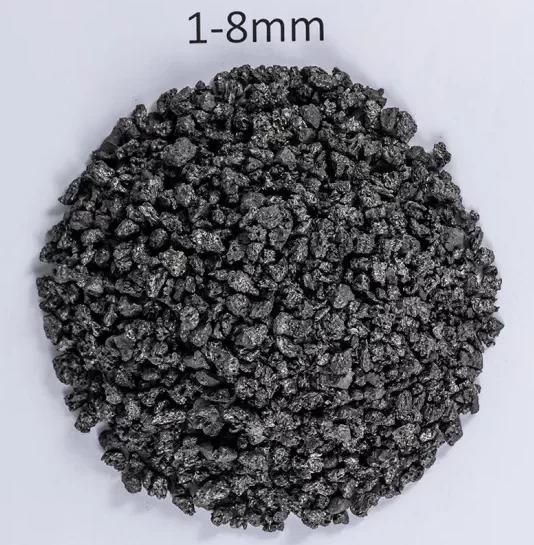
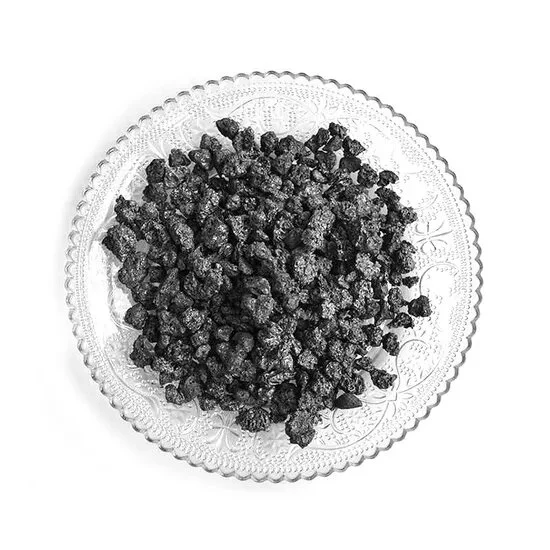
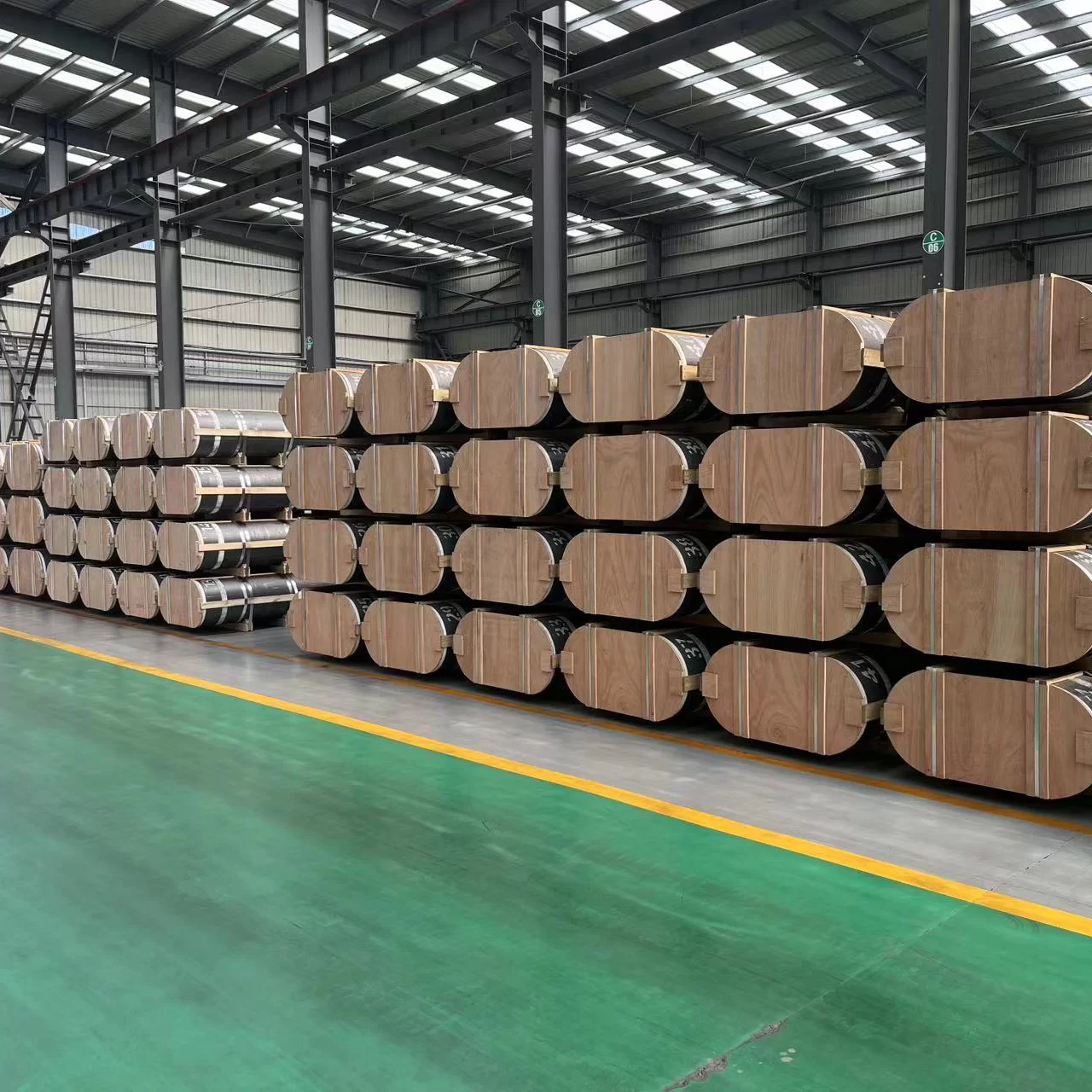
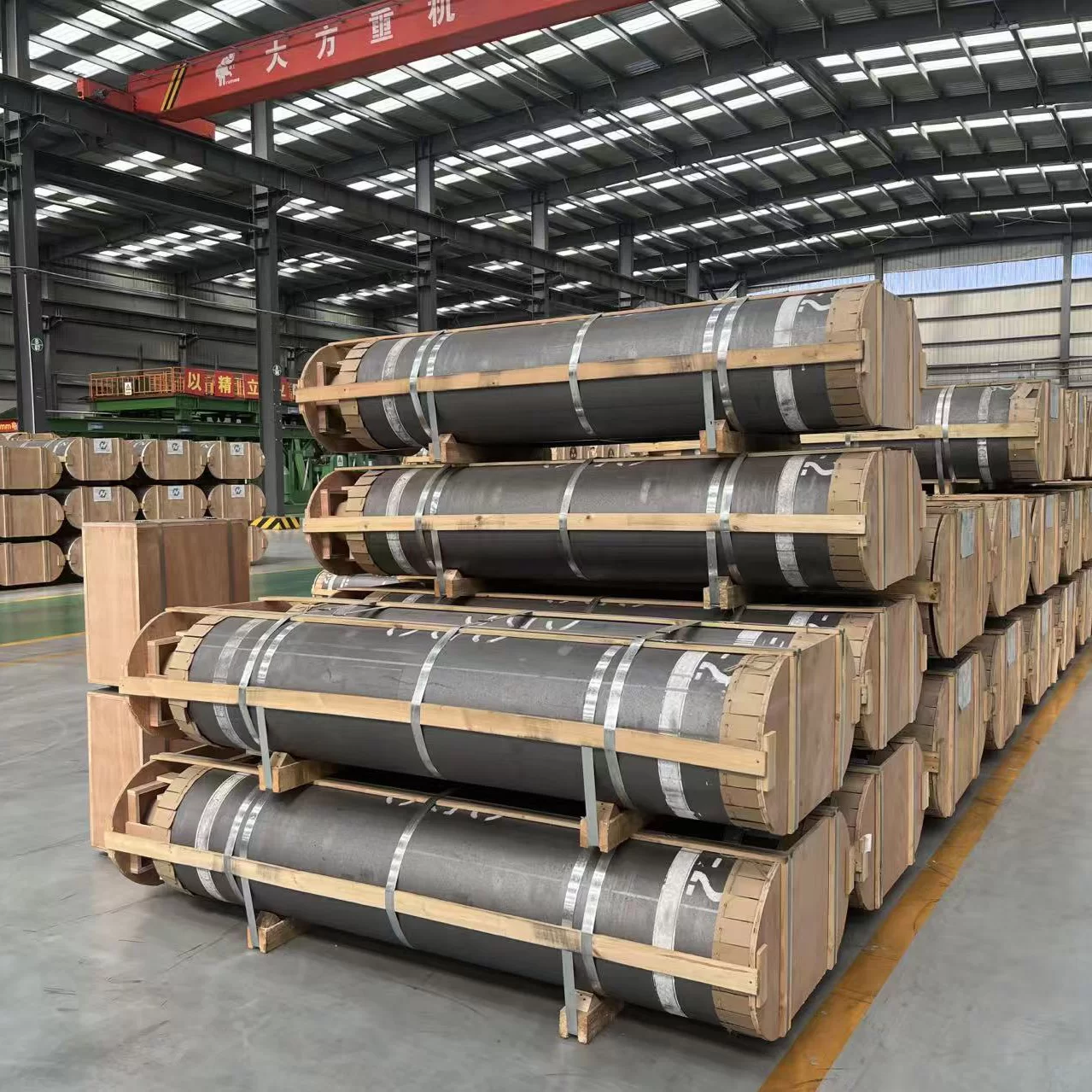
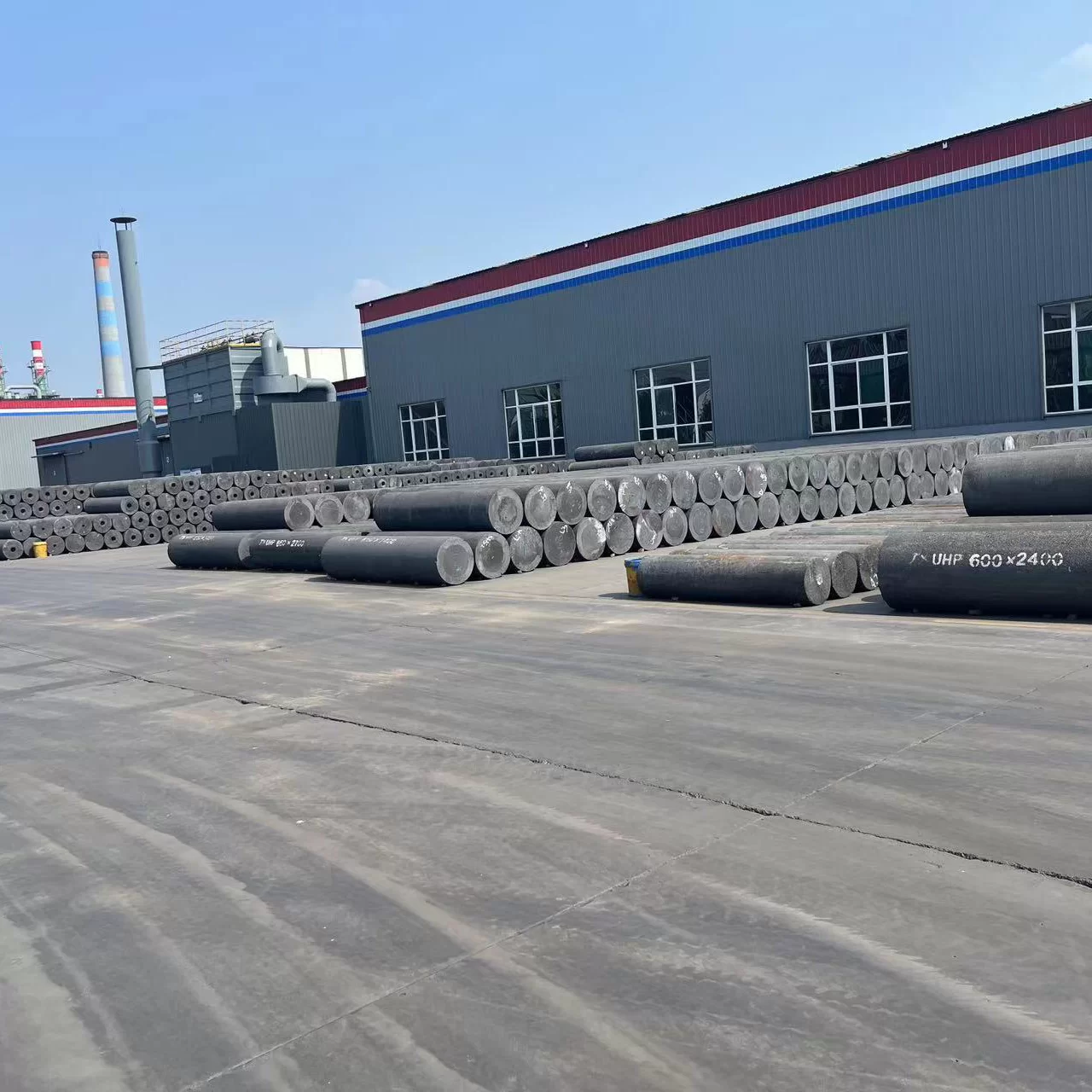
Put simply, a graphite series refers to a range of engineered materials derived from natural or synthetic graphite, processed into specific forms like sheets, blocks, foams, or composites. Each variant emphasizes certain properties such as thermal conductivity, electrical resistivity, or mechanical strength.
Modern industries rely on graphite series mostly because of its unique combination of:
- High purity carbon structure
- Exceptional heat tolerance
- Excellent electrical conductivity
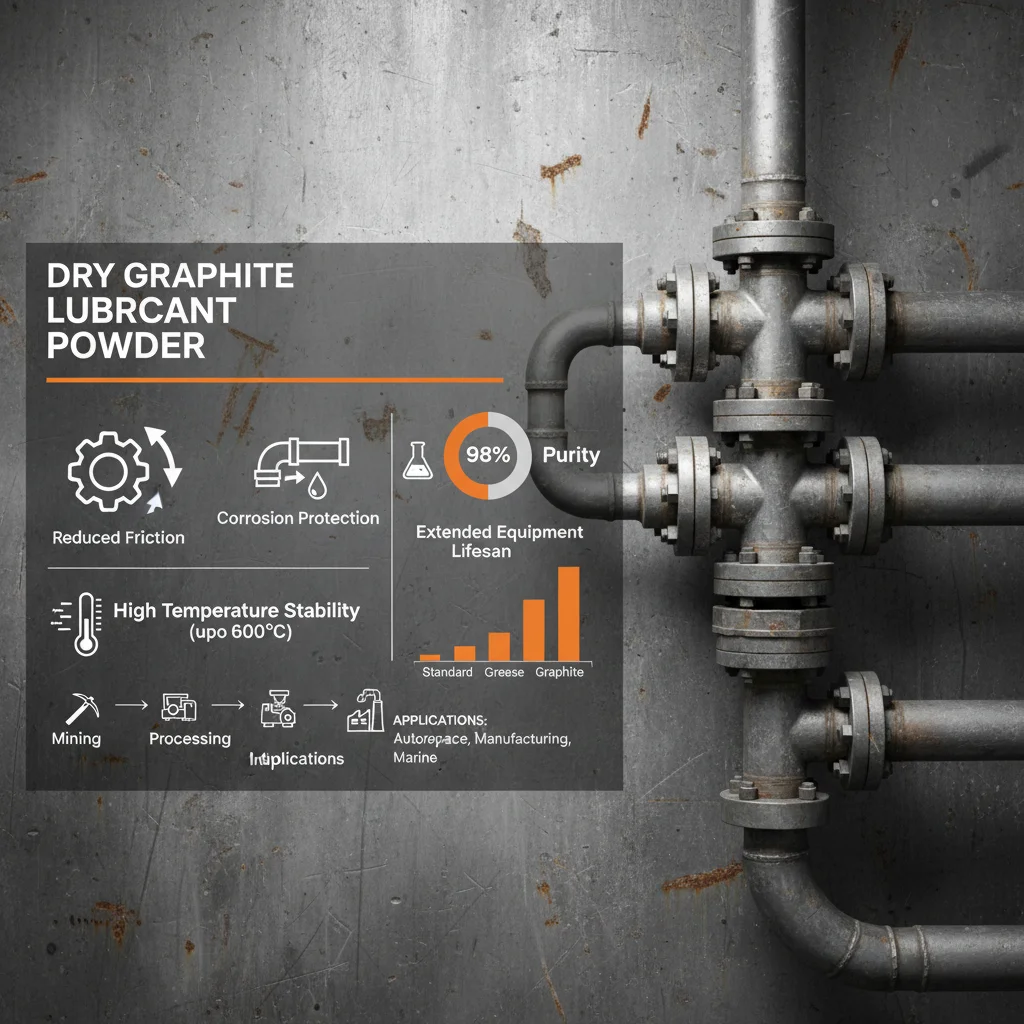
- Chemical inertness and corrosion resistance
Because of these traits, graphite series materials find their way into lithium-ion battery anodes, heat exchangers, and even nuclear reactor components that require durable, radiation-resistant materials. They’re more than just carbon; they’re the backbone of increasingly complex industrial and humanitarian needs.
Core Components of Graphite Series and Why They Matter
Durability
Graphite materials in this series are engineered to withstand extreme conditions — think rapid thermal cycling or exposure to corrosive chemicals. This longevity dramatically reduces maintenance costs in industrial systems, like chemical reactors or high-temp sensors.
Scalability
Advances in manufacturing mean graphite series products can be scaled from small electronic components to large structural parts, allowing industries to implement solutions across the board without switching materials.
Cost Efficiency
Though not the cheapest raw material, graphite series products offer cost savings through longer service life and less energy lost to heat or corrosion. It’s common for engineers to note the “upfront cost offset” in lifecycle analyses.
Thermal and Electrical Performance
The star of the series, graphite’s conductivity properties, enable efficient heat spread or electrical flow in applications like battery packs or semiconductors.
Environmental Compatibility
Graphite series materials are recyclable and can often be sourced from more sustainable processes, particularly synthetic graphite from carbonized precursors.
Real-World Applications of Graphite Series Materials
Worldwide, these materials take center stage in a range of sectors:
- Energy Storage and EV Batteries: Graphite series anodes dominate lithium-ion batteries, especially in Asia and Europe where EV adoption surges.
- Nuclear Industry: Graphite blocks serve as moderators or filters in reactors, providing safety-critical functions in regions like Russia, Japan, and France.
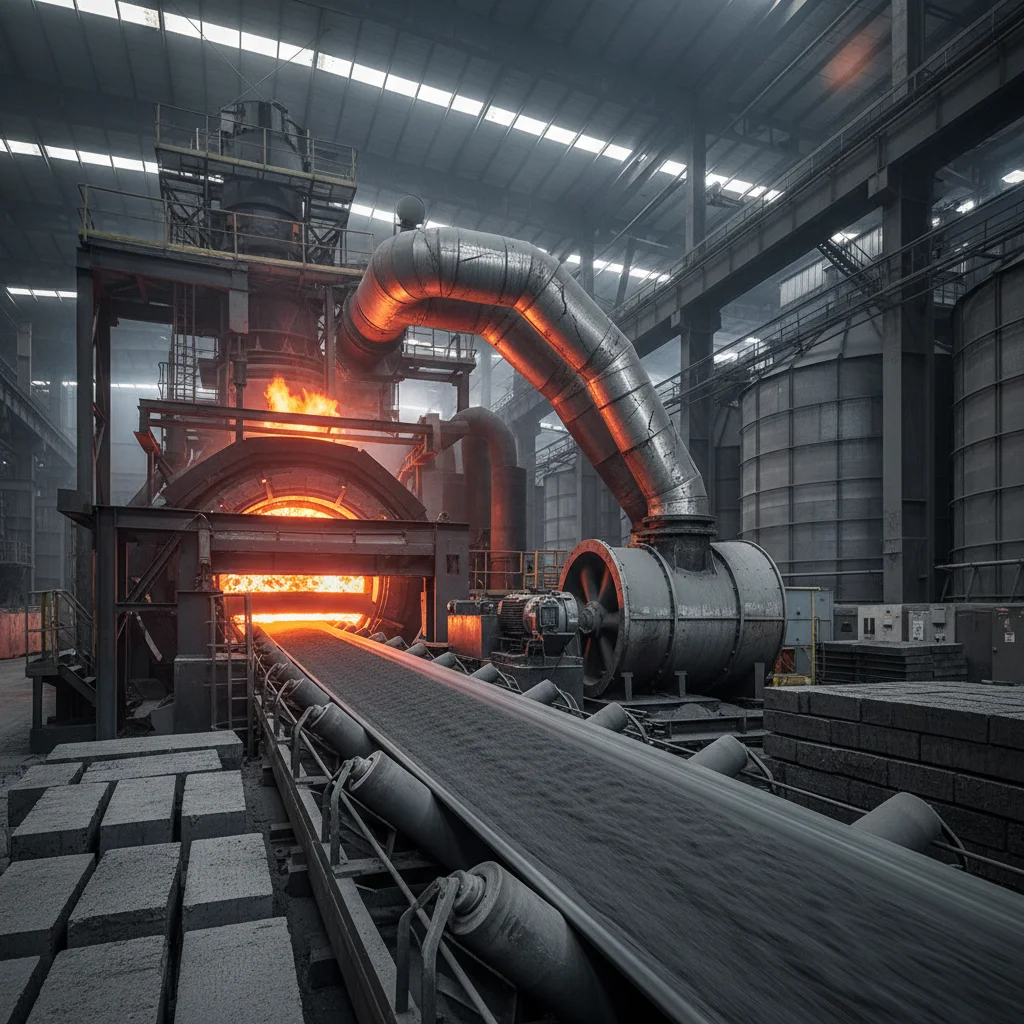
- High-Temperature Manufacturing: Chemical plants in the US and Middle East leverage graphite sheets and foams for heat exchangers and seals.
- Space and Aerospace: U.S. and EU aerospace companies use graphite composites for lightweight, heat-resistant components — crucial in spacecraft design.
- Disaster Relief & Industrial Zones: Interestingly, modular industrial units equipped with graphite components have accelerated deployment in remote or disaster-hit areas, thanks to their reliability and durability.
For a deep dive into material options, see our graphite series.
Typical Product Specifications of Selected Graphite Series
| Specification | Graphite Sheet A | Graphite Block B | Foam Composite C |
|---|---|---|---|
| Density (g/cm³) | 1.6 | 1.9 | 0.8 |
| Thermal Conductivity (W/m·K) | 150 | 120 | 80 |
| Electrical Conductivity (S/m) | 1.1 x 10⁵ | 9.0 x 10⁴ | 4.5 x 10⁴ |
| Max Operating Temp (°C) | 4000 | 3500 | 1500 |
| Typical Use | Heat shields, gaskets | Reactor cores | Thermal insulation |
Advantages and Long-Term Benefits of Graphite Series
Graphite series products bring both tangible and intangible benefits:
- Cost savings: Their long service life coupled with resistance to wear reduces replacement frequency.
- Sustainability: Because graphite is a naturally abundant element and can be recycled or synthesized responsibly, it fits modern circular economy ideals.
- Safety and Reliability: In critical systems like nuclear plants or EV batteries, graphite’s stable performance builds immense user trust.
- Innovation Enablement: Many researchers say that advances in graphite composites open doors to new designs in aerospace and energy.
On a softer note, the confidence these materials inspire—knowing they won’t fail unexpectedly—adds peace of mind for engineers and end-users alike.
Looking Ahead: Trends and Innovations in the Graphite Series
Future developments are quite exciting. New synthetic graphite variants with nano-structuring aim to boost conductivity and strength far beyond current limits. Also, as graphite series manufacturers refine eco-friendly production, the carbon footprint significantly shrinks.
Another emerging trend is integrating digital tracking and quality control via blockchain and AI, helping industries ensure authenticity and traceability amid global supply risks.
Finally, with growing interest in hydrogen fuel cells and grid-scale energy storage, graphite series materials are carving out uncharted territories aligning with sustainability goals.
Tackling Challenges: What Holds Graphite Series Back and How Experts Solve It
Despite many benefits, some hurdles remain:
- Supply chain constraints: Natural graphite mines concentrate in few countries, raising geopolitical risks.
- Quality consistency: High purity standards are hard to maintain at scale.
- Manufacturing complexity: Advanced composites require sophisticated processes and skilled labor.
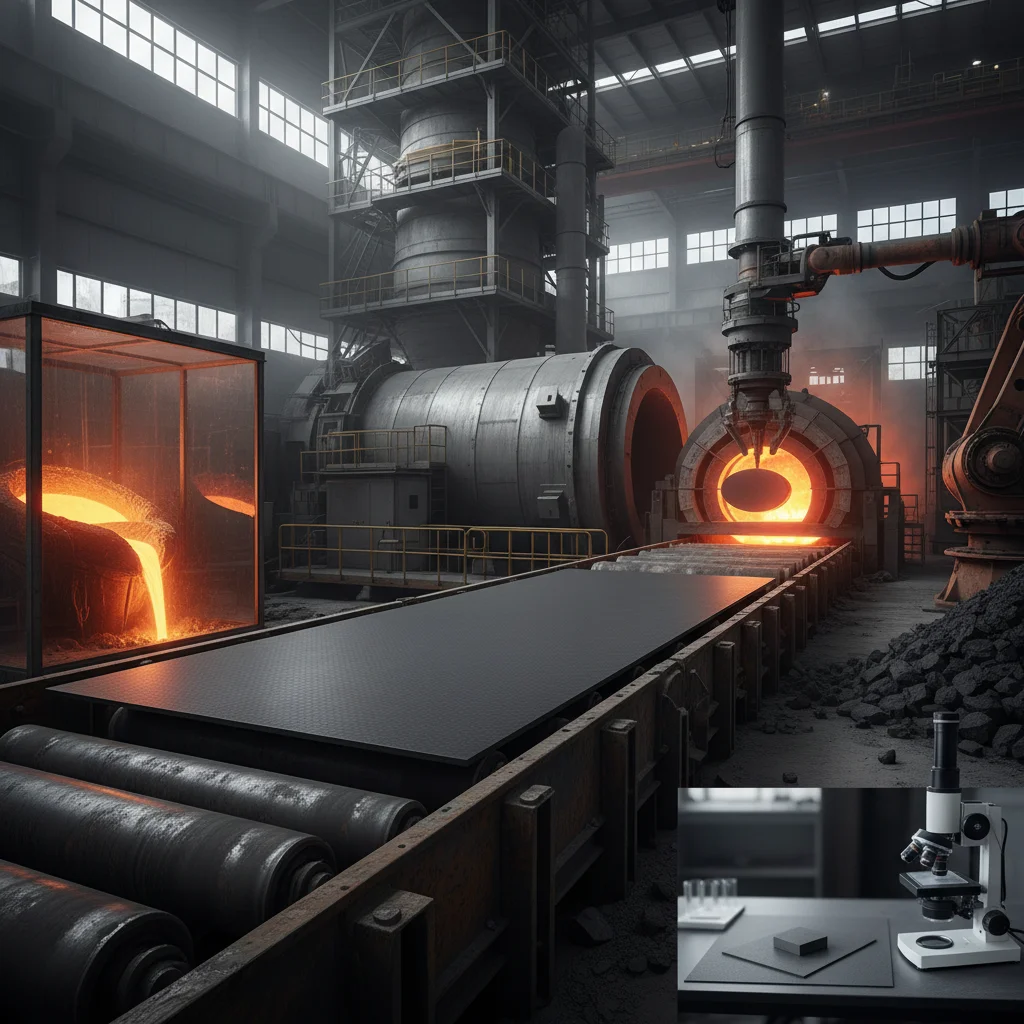
Experts advocate for diversified sourcing strategies, investments in synthetic graphite, and process automation to mitigate these issues, creating a more resilient graphite ecosystem.
Vendor Comparison: Graphite Series Providers
| Vendor | Specialties | Geographic Reach | Certifications | Lead Time |
|---|---|---|---|---|
| DahCarbon Industries | High-purity synthetic graphite, composites | Global (EMEA, Americas, Asia) | ISO 9001, RoHS | 4-6 weeks |
| CarbonTech Corp | Graphite blocks, sheets | Mostly North America, Europe | ISO 14001 | 6-8 weeks |
| EcoGraph Solutions | Eco-friendly synthetic graphite | Asia-Pacific focus | ISO 9001, REACH | 3-5 weeks |
FAQ: Common Questions About Graphite Series
- What makes graphite series materials preferable over metals in high-temperature applications?
- Graphite series products maintain stability and conductivity at temperatures where many metals oxidize or weaken. Their chemical inertness and thermal shock resistance also help significantly, making them ideal for harsh industrial environments.
- How long can graphite series components typically last in energy storage systems?
- In well-designed lithium-ion batteries, graphite anodes can maintain performance for hundreds to thousands of charge cycles, often meaning years of reliable service in EVs or grid storage setups.
- Are graphite series products environmentally sustainable?
- Many are, especially synthetic graphite produced from renewable carbon sources or recycled materials. Plus, graphite’s recyclability and durability reduce material waste overall.
- Can graphite series materials be customized for specific industrial needs?
- Absolutely. Manufacturers tailor density, conductivity, and shape to client specifications, enabling a broad range of applications — from fine electronics to robust reactor components.
Wrapping Up: Why the Graphite Series Deserves Your Attention
Graphite series materials are much more than just “carbon.” They’re foundational to solving some of the biggest challenges in energy, manufacturing, and sustainability worldwide. The combined factors of durability, performance, and environmental compatibility mean this series ticks many boxes industries need right now. As innovation speeds up, keeping an eye on the graphite series will give businesses and engineers a crucial edge.
To discover the latest products and get expert advice, visit our website at https://www.dahcarbon.com — your gateway to advanced graphite solutions.