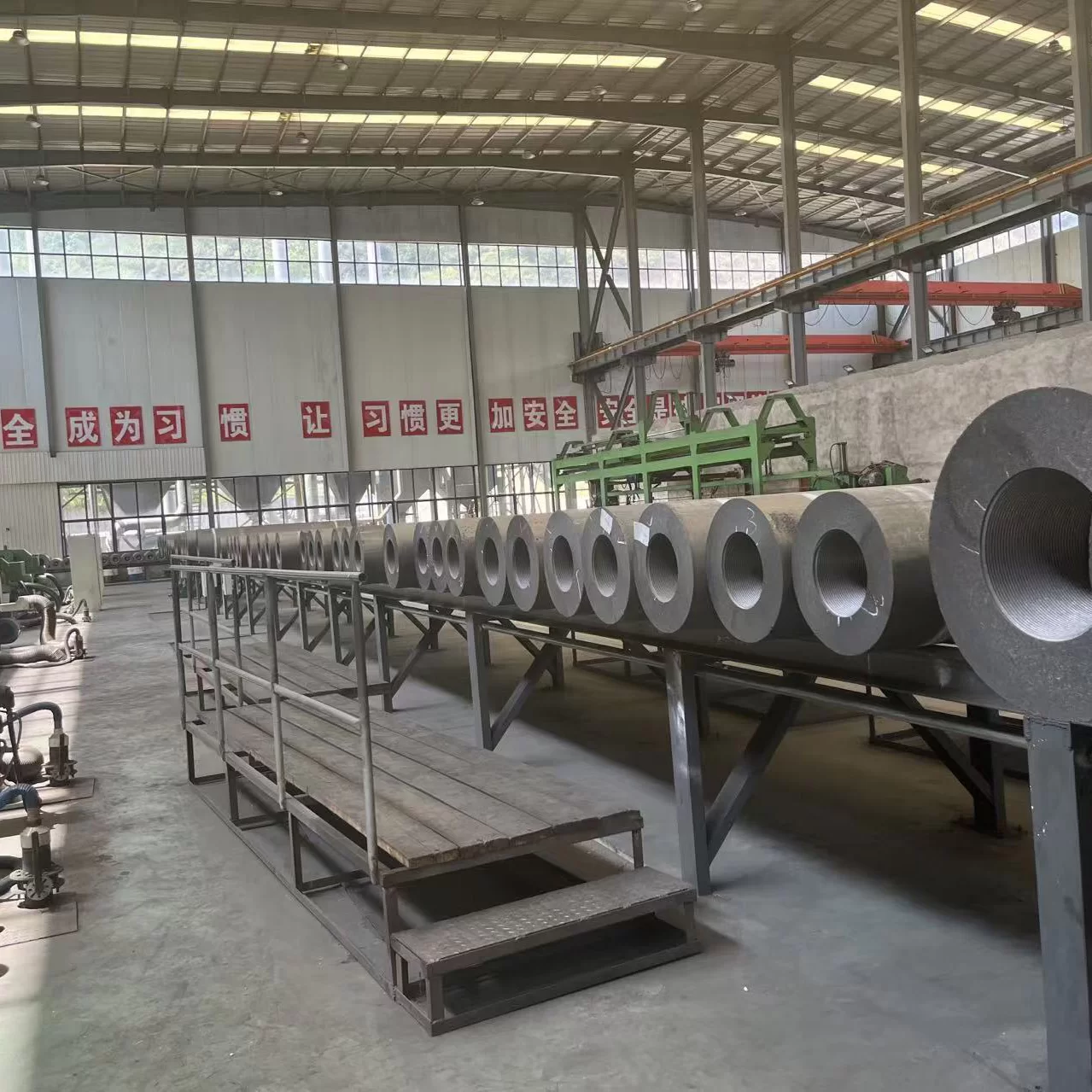
Understanding Carbon Graphite Blocks: The Backbone of Modern Industry
When you think about the invisible foundations that keep many industries running smoothly, carbon graphite blocks probably don’t jump to mind. But frankly, these blocks are quietly revolutionizing sectors from manufacturing to energy storage. So what are carbon graphite blocks, and why should we care? Well, these dense, resilient materials play a crucial role in high-temperature processes, electrical conductivity, and durability — qualities that modern technology just can’t do without. Globally, the demand is skyrocketing as industries seek materials that withstand harsh environments with minimal maintenance.
Let’s pause here: understanding the properties and applications of carbon graphite blocks unlocks insight into the future of manufacturing efficiency and sustainability. Plus, if you work in industrial design, energy, or material science, knowing these blocks can give you a real edge.
Global Significance of Carbon Graphite Blocks
Carbon graphite blocks have a surprisingly broad global impact. According to ISO and data from the World Bank, industries reliant on high-temperature applications — think steelmaking, chemical processing, or battery manufacturing — are growing steadily, especially in Asia, Europe, and North America. In fact, the global graphite market was valued over $10 billion in recent years and is expected to expand significantly due to electric vehicle production and green energy initiatives.
Yet, these sectors face challenges: materials that can endure intense heat without warping, efficient conductors that minimize energy loss, and cost-effective, sustainable sourcing. This is where carbon graphite blocks step in, offering a robust solution.
What Are Carbon Graphite Blocks?
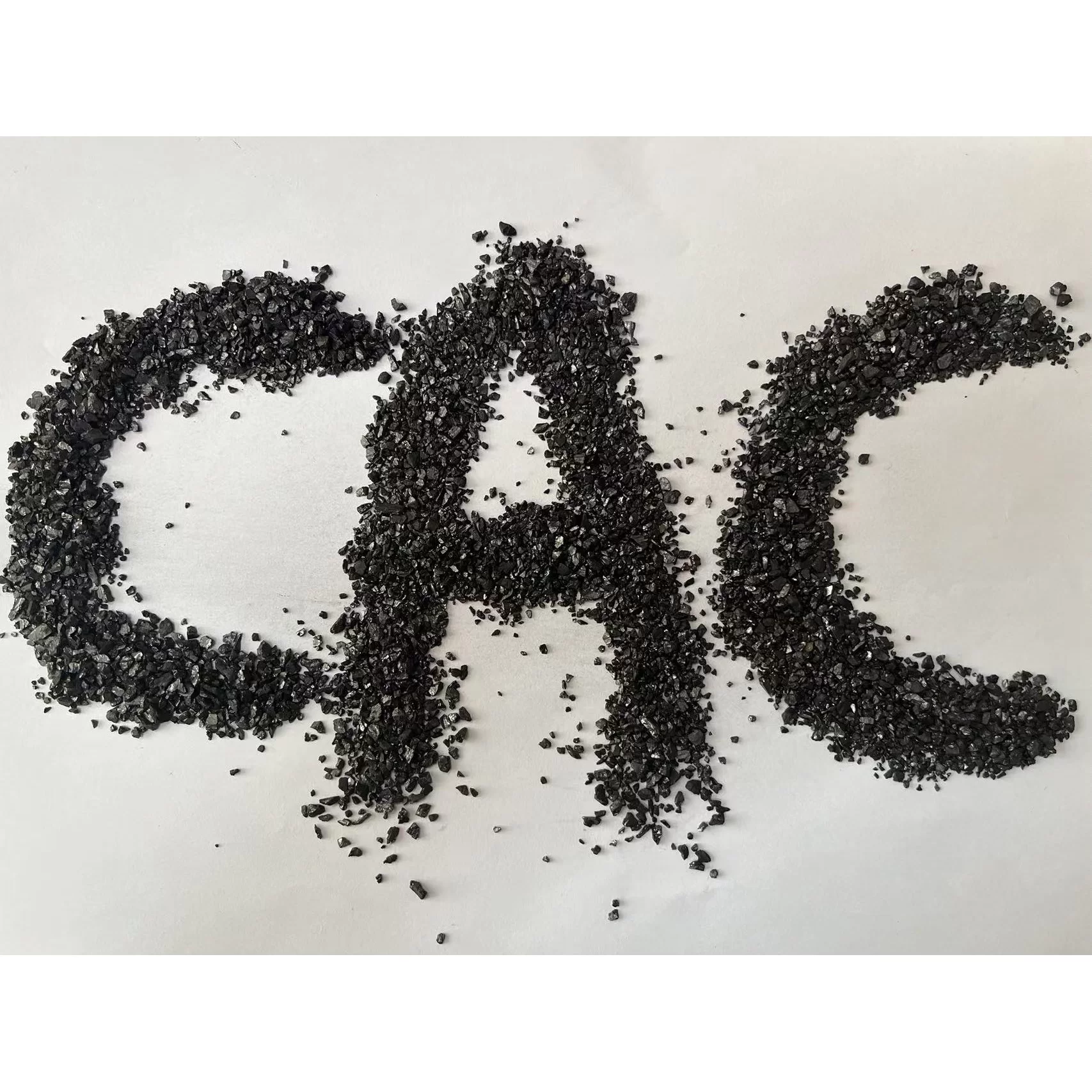
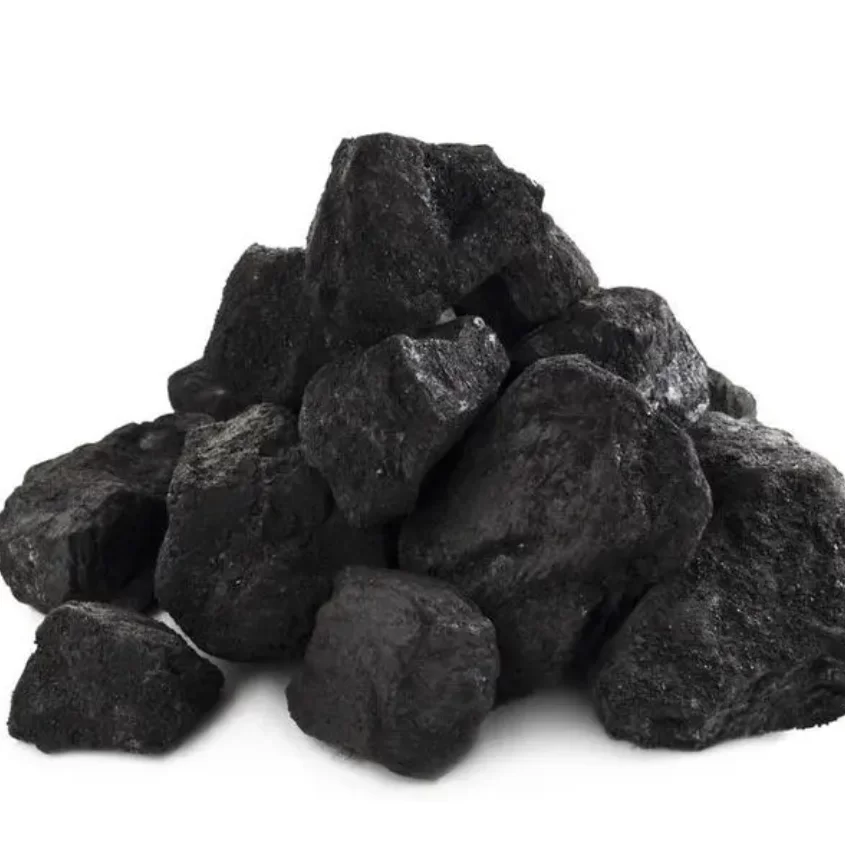
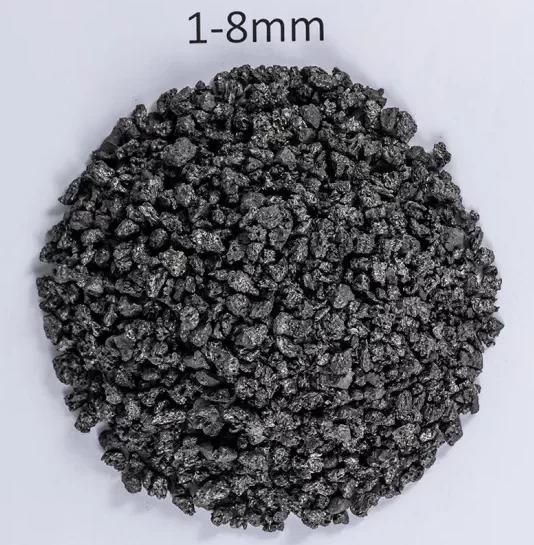
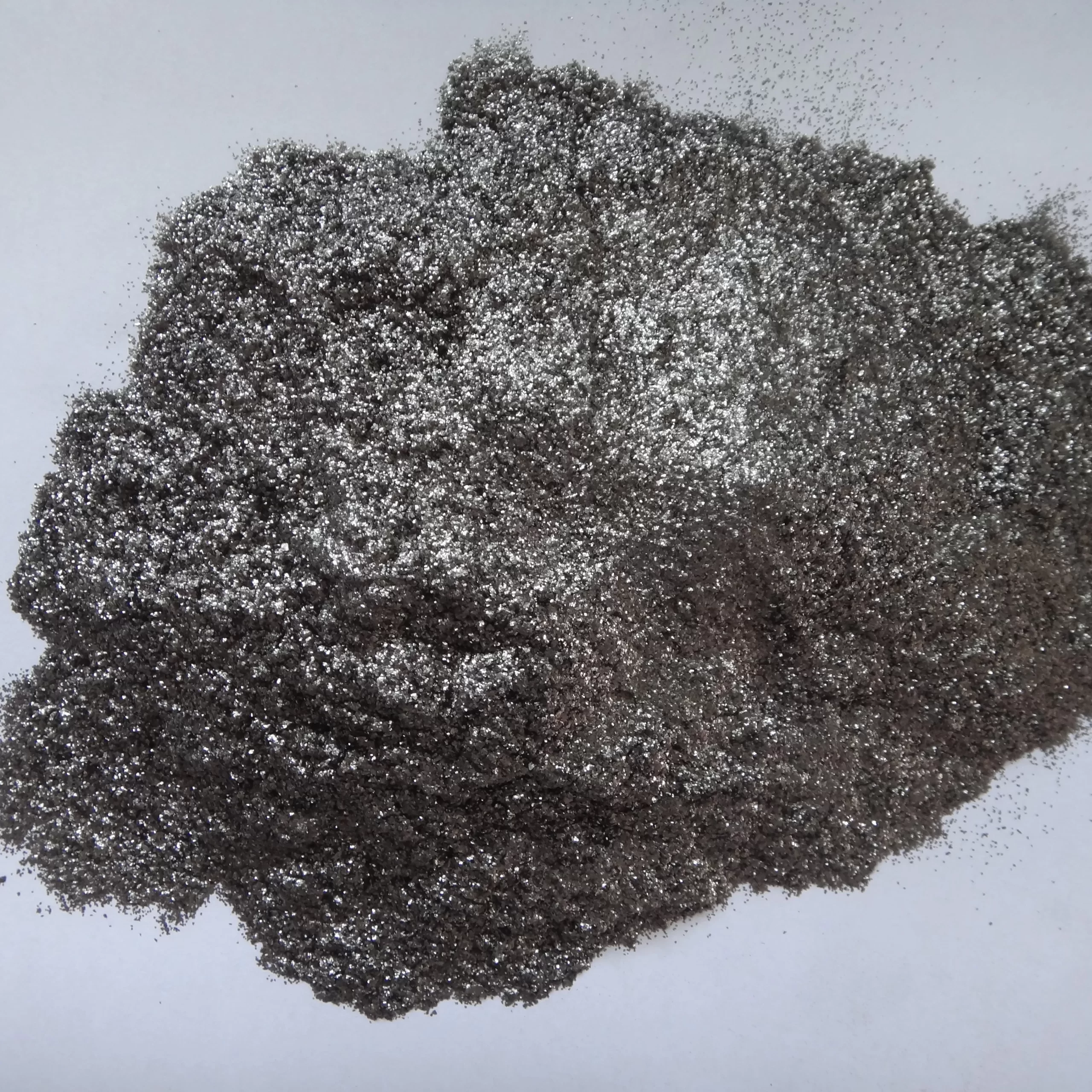
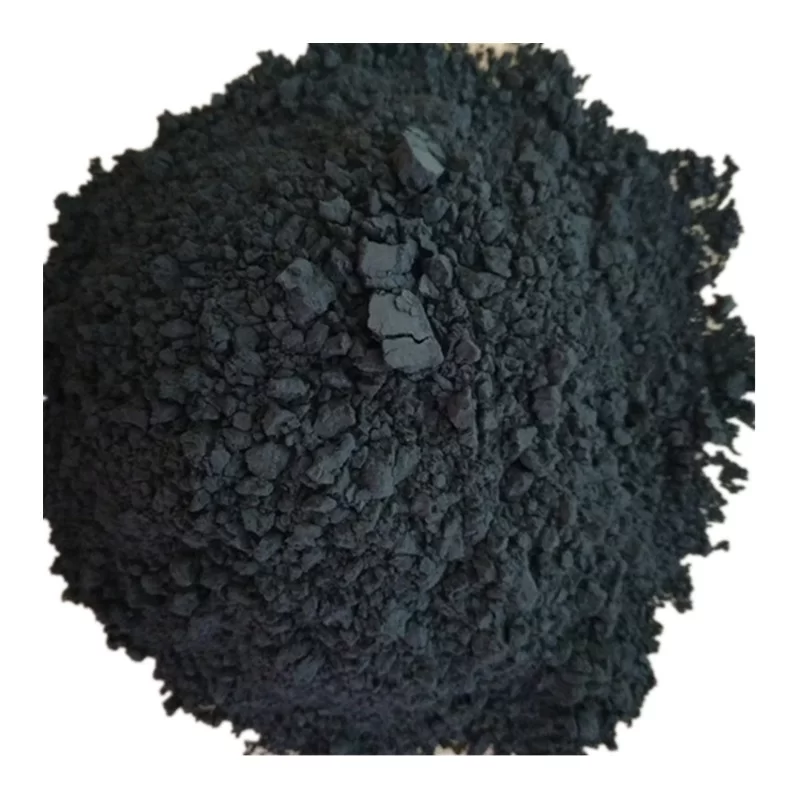
Simply put, carbon graphite blocks are blocks made primarily from a carbon material mixed and processed into a solid form, rich in graphite content. This mix grants them exceptional resistance to heat, chemical corrosion, and electrical conductivity. They are fundamental components in equipment like electrodes, heat exchangers, and even in nuclear reactors. The magic lies in their unique crystalline structure that combines the lightness of carbon with the strength and heat tolerance of graphite.
You might wonder how something so specialized fits into everyday life or humanitarian needs. Well, consider battery technology, or energy transition efforts in remote areas — carbon graphite blocks' durability and conductivity enable critical advances in these sectors.
Key Factors Behind Carbon Graphite Blocks
1. Durability
Perhaps the best-known feature, these blocks resist extreme temperatures often exceeding 3000°C without melting or deforming. Their stability means less downtime for industrial plants and safer operating conditions.
2. Thermal and Electrical Conductivity
Oddly enough, carbon graphite blocks pair heat resistance with the ability to conduct electricity efficiently, making them ideal for electrodes and electrochemical applications.
3. Chemical Resistance
Their inert nature protects them from acids, alkalis, and corrosive gases, extending their service life in harsh chemical environments.
4. Cost Efficiency
Compared to alternative refractory and conductive materials, carbon graphite blocks offer a balance of performance and affordability, which drives their widespread adoption.
5. Customizability and Machinability
Engineers often appreciate that these blocks can be precisely machined to fit complex shapes, customizing them for unique industrial needs.
Product Specification Table for Typical Carbon Graphite Blocks
| Property | Value | Unit |
|---|---|---|
| Density | 1.75 - 1.85 | g/cm³ |
| Porosity | 8 - 10 | % |
| Flexural Strength | 35 - 50 | MPa |
| Electrical Resistivity | 10 - 15 | μΩ·m |
| Maximum Service Temperature | 3000 | °C |
Global Applications and Use Cases
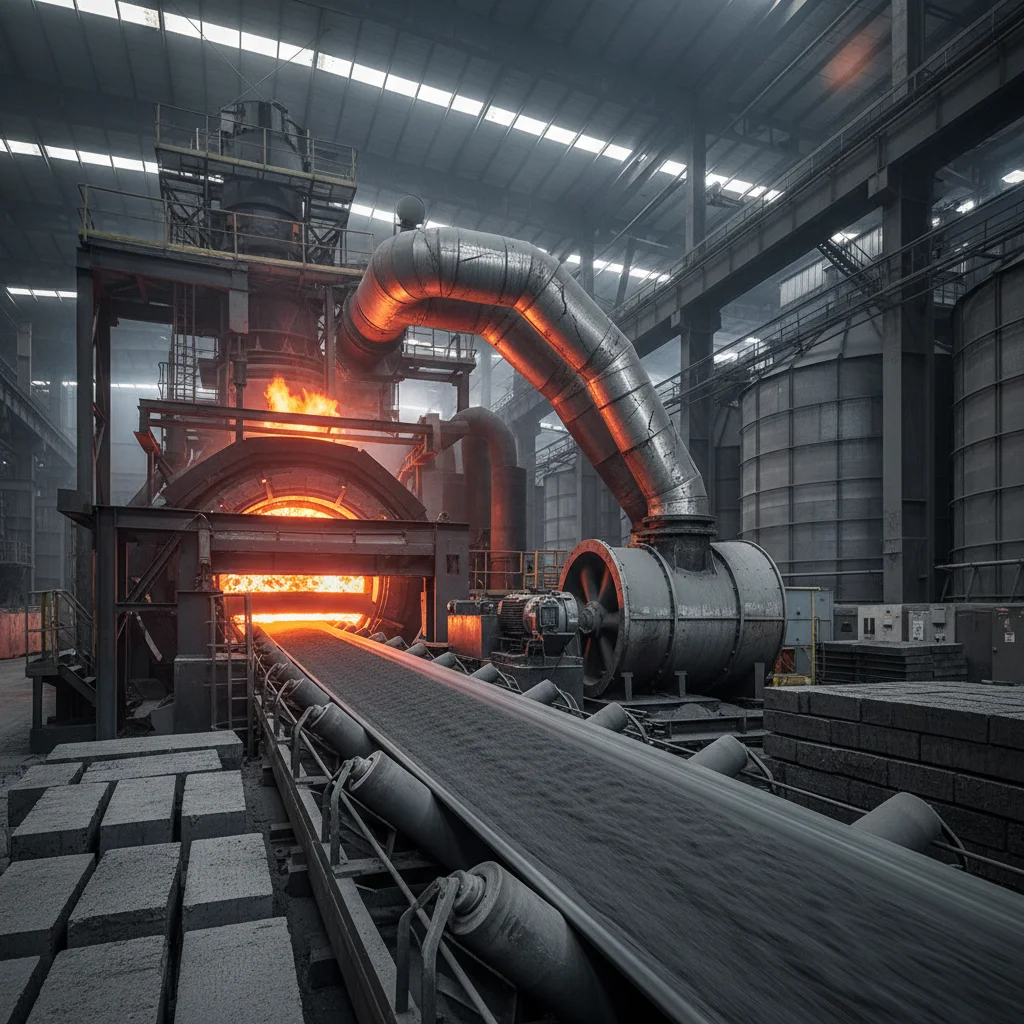
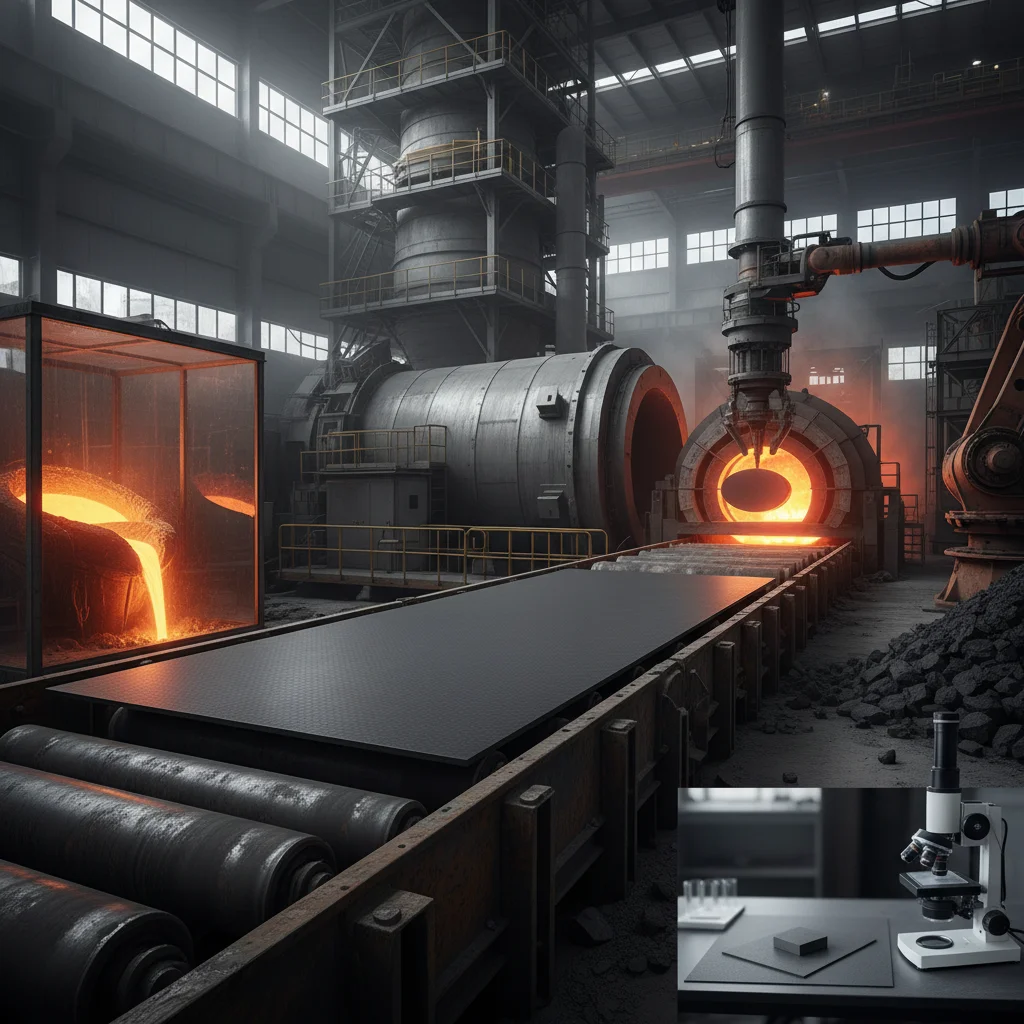
The utility of carbon graphite blocks spans multiple key industries worldwide. In steel manufacturing, blocks serve as electrodes and furnace linings to withstand molten metal’s intense heat. In aerospace and defense, they’re vital in heat shields and high-performance components. The growing lithium-ion battery market, especially across China and the US, depends on carbon graphite blocks for anodes, enhancing performance and longevity.
Oddly enough, you’ll even find them in remote mining operations where rugged reliability is non-negotiable. Humanitarian tech projects addressing energy access in developing regions lean on these materials for sustainable, durable solutions.
If you’re interested, you can explore more about those applications over at carbon graphite blocks.
Vendor Comparison Table: Leading Carbon Graphite Block Suppliers
| Feature | Dah Carbon | Supplier A | Supplier B |
|---|---|---|---|
| Customization | High | Medium | Low |
| Lead Time | 2-3 weeks | 3-5 weeks | 4-6 weeks |
| Global Shipping | Yes | Limited | Yes |
| Sustainability Initiatives | Strong | Moderate | Low |
| Price Range | $$$ | $$ | $ |
Advantages and Long-Term Value of Carbon Graphite Blocks
Carbon graphite blocks don’t just promise performance; they deliver a measurable return on investment. Cost savings come from less frequent replacements and enhanced process efficiency—both of which lower operational downtime. Their resistance to thermal shock and corrosion means secure, safe workplaces, which resonates deeply with companies prioritizing employee welfare.
Emotionally, there’s something reassuring about relying on a time-tested material that industry veterans trust. Plus, knowing that these blocks support innovations in clean energy feels like being part of something bigger — a sustainable future that’s technically sound and socially responsible.
Future Trends & Innovations
The next frontier for carbon graphite blocks involves greener production techniques and enhanced material properties. Researchers are experimenting with nano-engineering graphite structures to boost conductivity and strength even further. We’re also seeing pushes toward recyclability and integrating carbon blocks in digital manufacturing processes, like automated machining and quality control sensors.
Green energy projects, particularly battery tech and hydrogen fuel cells, will increasingly depend on these materials. The trick will be balancing cutting-edge performance with sustainability and cost — a challenge the industry is tackling head-on.
Challenges and Practical Solutions
Of course, no material is perfect. Carbon graphite blocks can be brittle, susceptible to mechanical damage during handling, and sometimes face supply chain bottlenecks due to graphite scarcity. That said, many companies, including those developing carbon graphite blocks, invest heavily in customizing formulations and improving packaging.
Innovations like composite blocks combining graphite with protective coatings offer promising durability enhancements. And advances in global logistics make international supply more reliable than ever.
FAQ: Common Questions About Carbon Graphite Blocks
- Q: What industries benefit most from carbon graphite blocks?
A: Steel manufacturing, battery production, aerospace, chemical processing, and energy sectors primarily use carbon graphite blocks due to their high temperature and corrosion resistance. - Q: How customizable are carbon graphite blocks for specific applications?
A: Very customizable — blocks can be machined to tight tolerances and tailored for density, porosity, and other specs to match unique operational needs. - Q: Are carbon graphite blocks environmentally friendly?
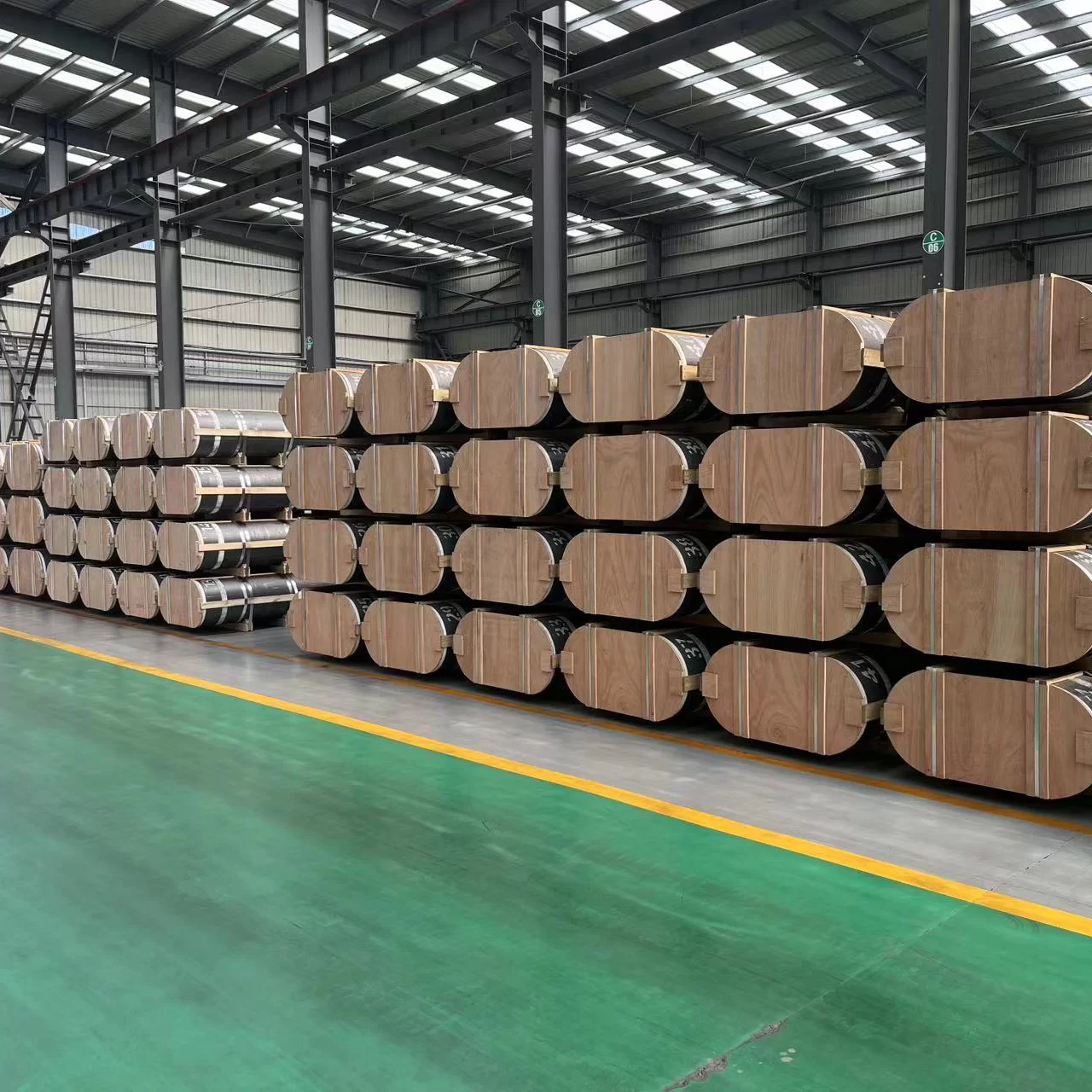
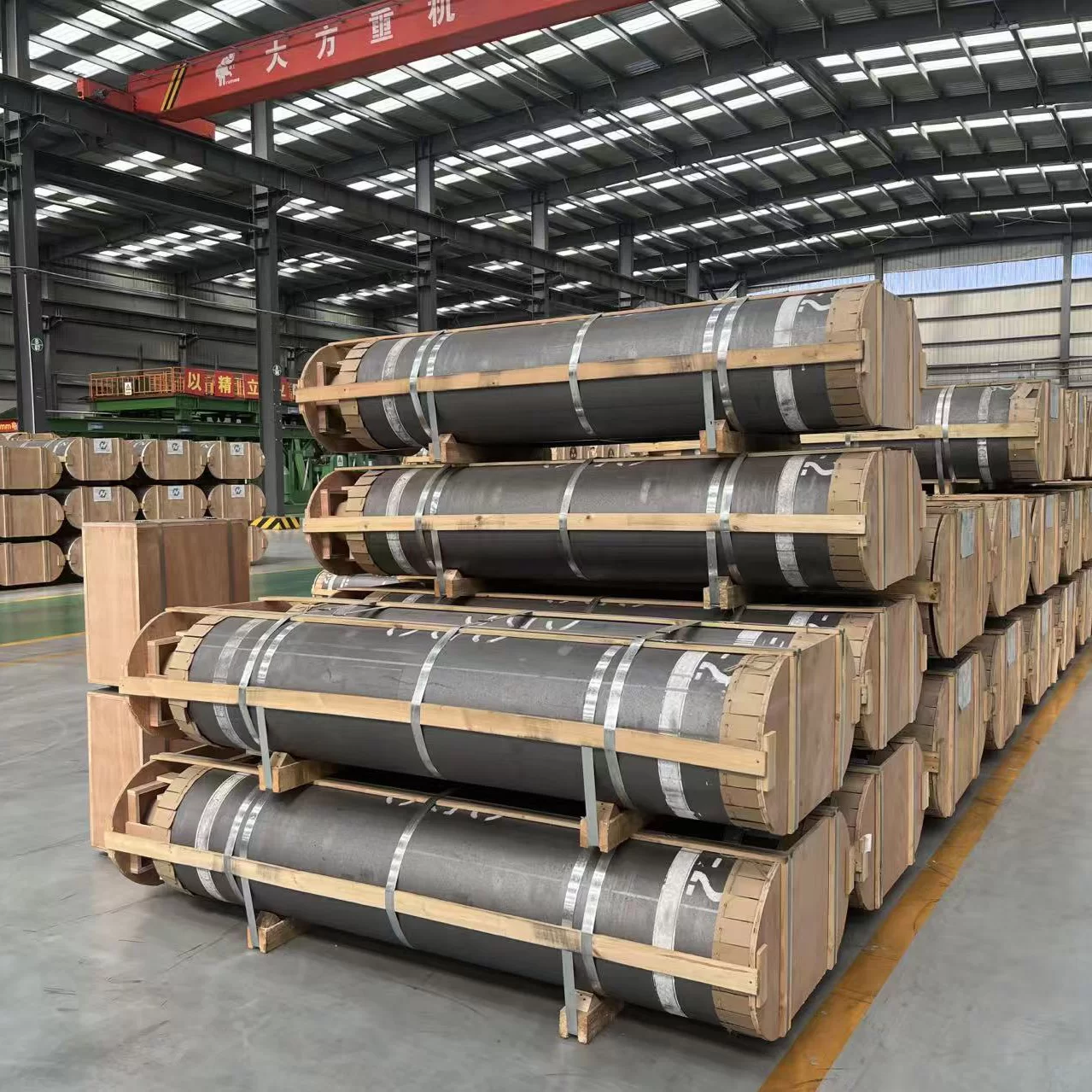
A: They support sustainability indirectly by improving efficiency and longevity of systems; many manufacturers also prioritize greener production methods now. - Q: Can carbon graphite blocks be shipped internationally without issues?
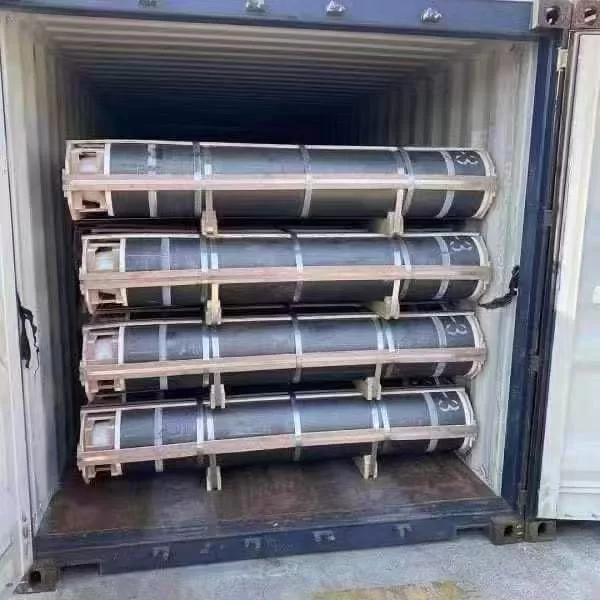
A: Yes, reputable vendors like Dah Carbon offer global shipping with secure packaging solutions to protect the blocks.
Conclusion
To wrap it up, carbon graphite blocks are much more than industrial workhorses. They represent a crucial intersection of toughness, adaptability, and sustainability critical to many industries worldwide. If you want to delve deeper or consider upgrading your materials, don’t hesitate to visit our website — the future of durable carbon graphite blocks awaits.
A little something to keep in mind: these blocks are quietly undergirding some of the most cutting-edge industrial leaps, and their story is still unfolding.