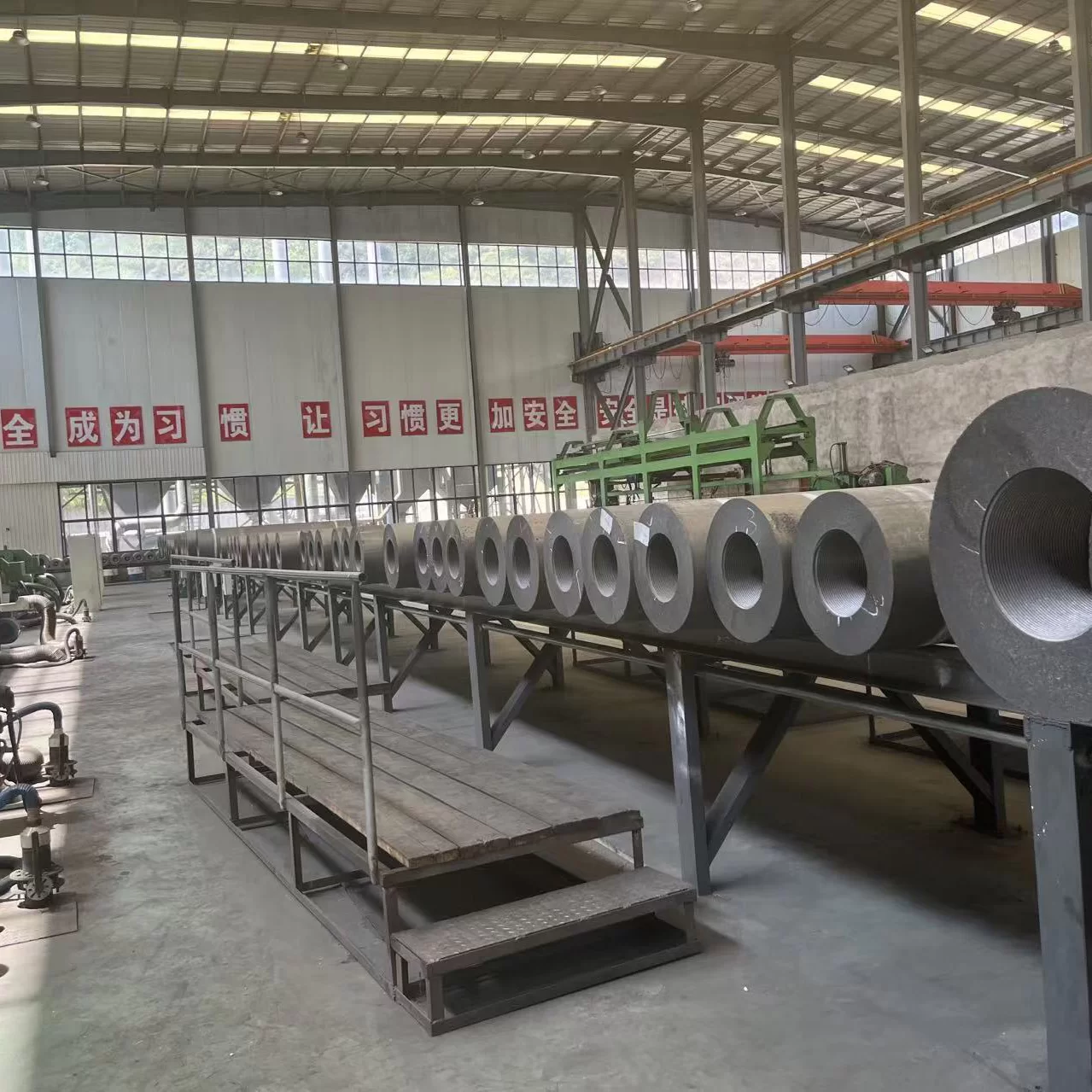
Understanding the Carbon Graphite Block: Industrial Backbone and Global Impact
The carbon graphite block might sound like niche tech jargon, but it’s quietly powering industries worldwide—and not in some distant future way, but right now. This material plays a crucial role in sectors ranging from electronics to renewable energy, improving efficiency, durability, and sustainability. It’s no exaggeration to say understanding carbon graphite blocks connects you to the pulse of modern manufacturing and innovation.
Globally, the uses and benefits of carbon graphite blocks matter because they directly influence energy systems, electronics manufacturing, and even humanitarian efforts. As the world pushes toward cleaner energy and industrial resilience, the humble carbon graphite block is a silent hero helping meet those challenges.
Introduction: Why Carbon Graphite Blocks Matter Worldwide
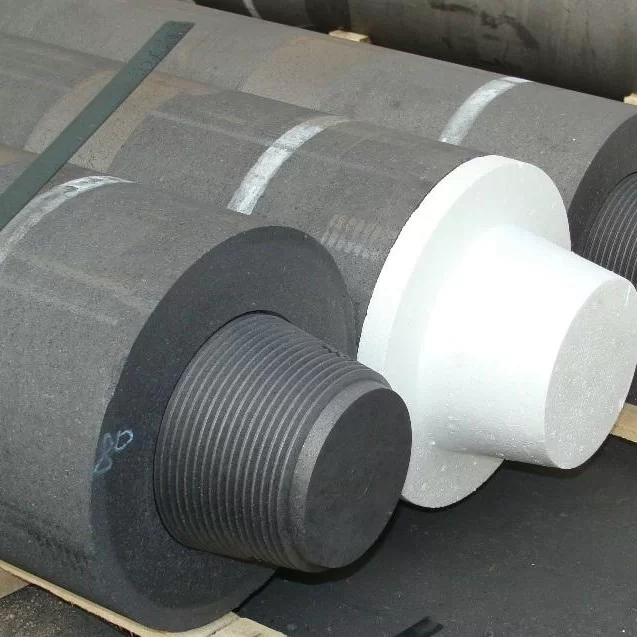
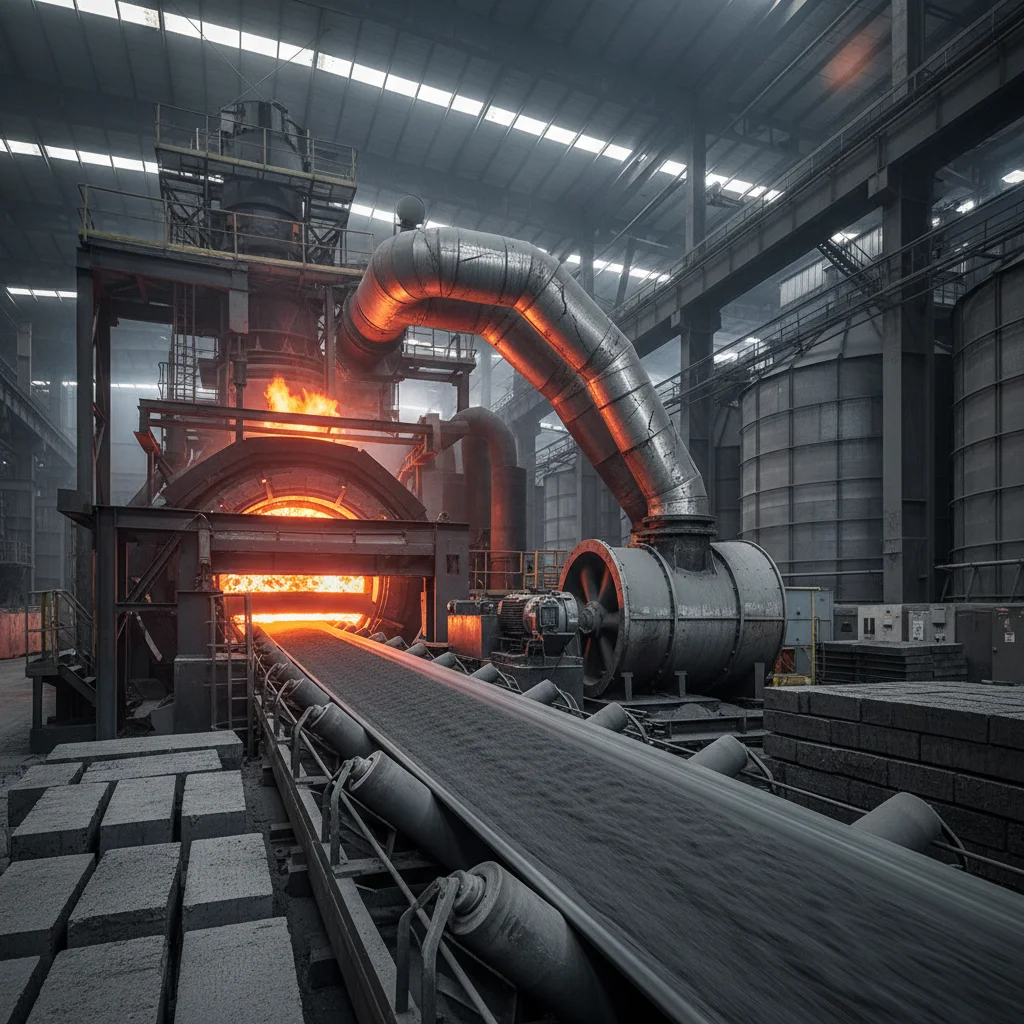
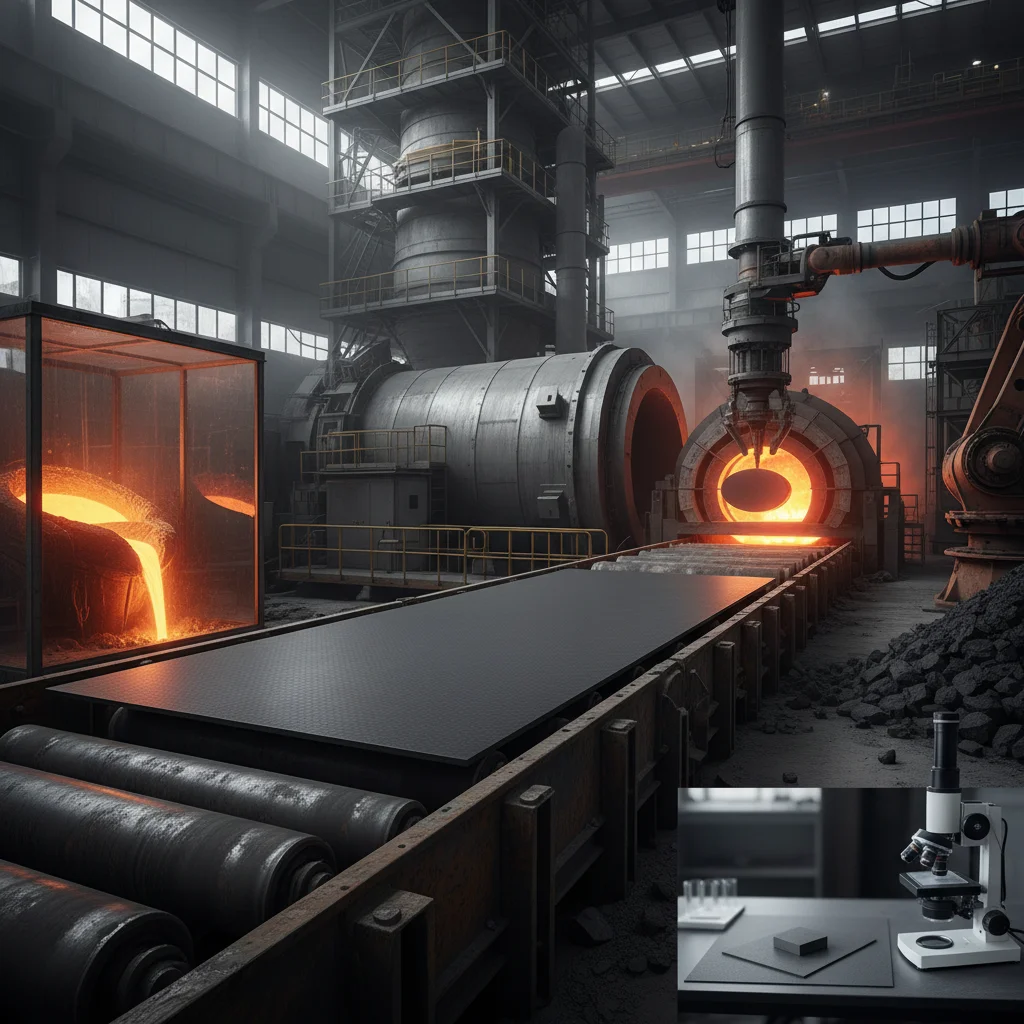
The global market for carbon and graphite materials was valued at over $20 billion in recent years, with an expected steady rise due to increased demand in electric vehicle batteries and renewable energy sectors (Statista). It might surprise some, but industries are constantly wrestling with the heat, wear, and current-flow challenges that these blocks help solve. For instance, in high-temperature furnace linings or electrodes for steel manufacturing, the performance of carbon graphite blocks directly impacts production quality and cost efficiency.
And frankly, traditional materials often fall short: they can erode, corrode, or simply wear down too quickly. Enter carbon graphite blocks—a durable, reliable alternative that addresses many of these problems. The continued industrial pivot toward sustainability further boosts the need for materials that are recyclable and robust, often found in carbon graphite.
What Exactly Is a Carbon Graphite Block?
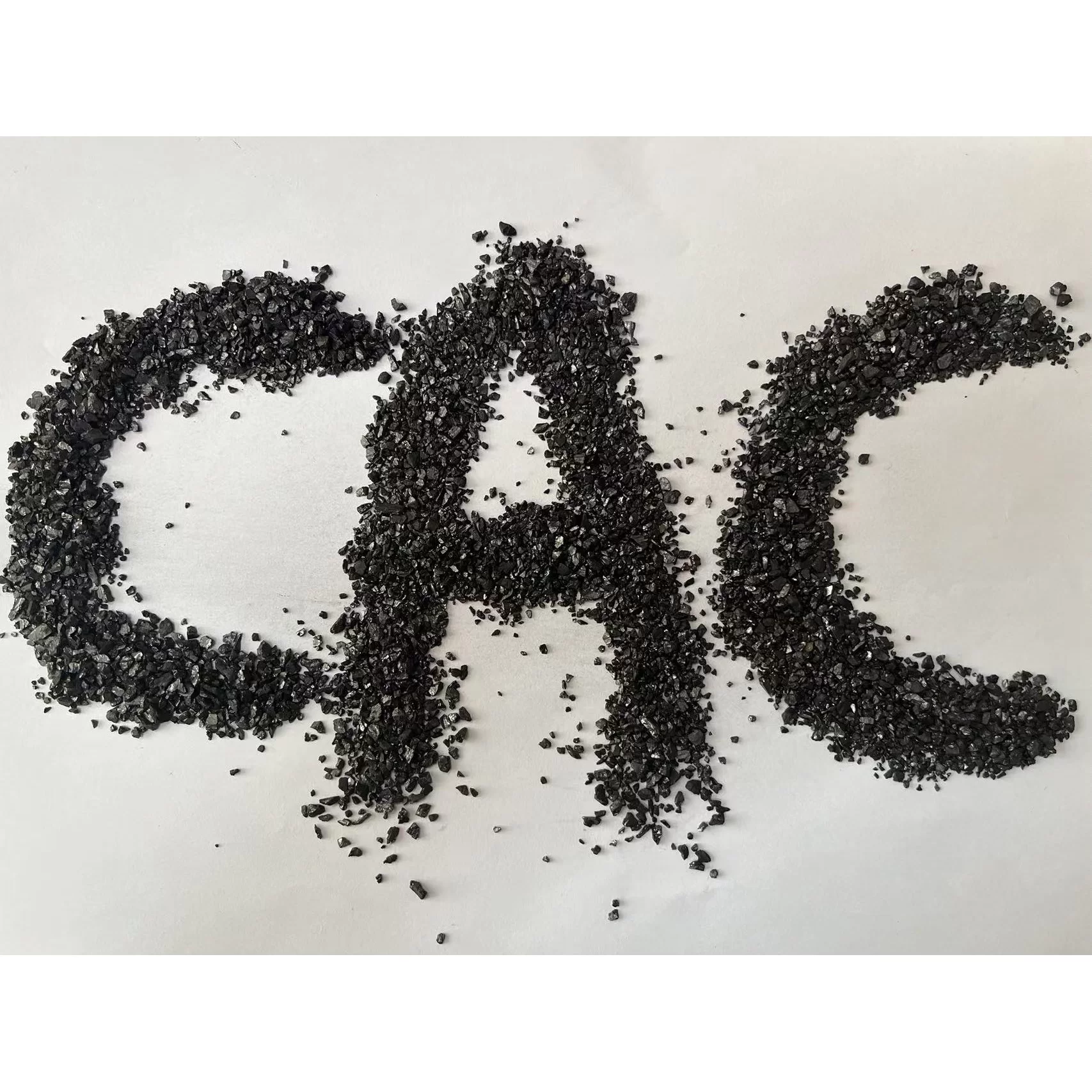
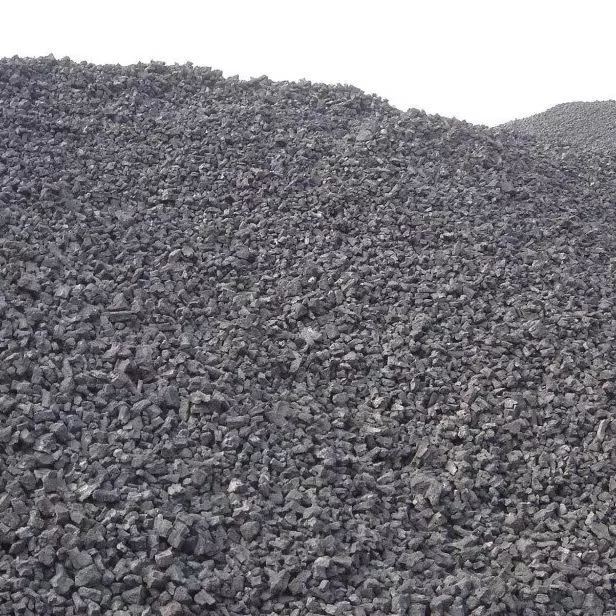
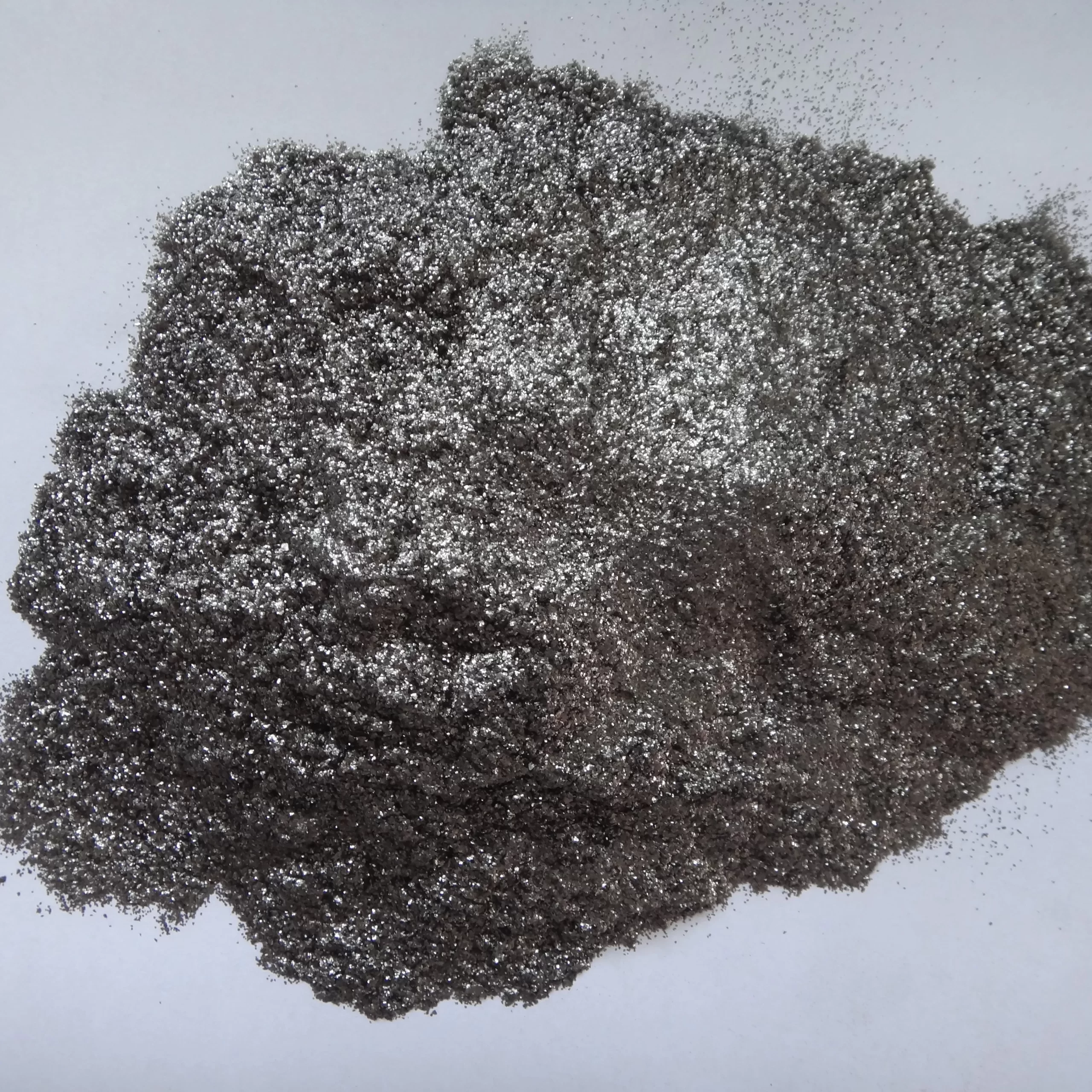
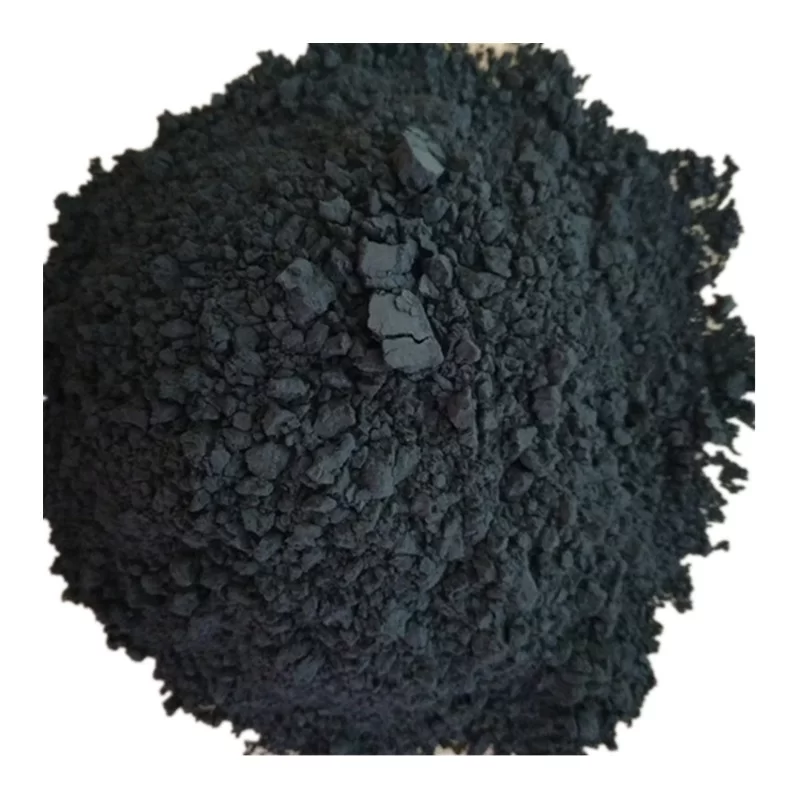
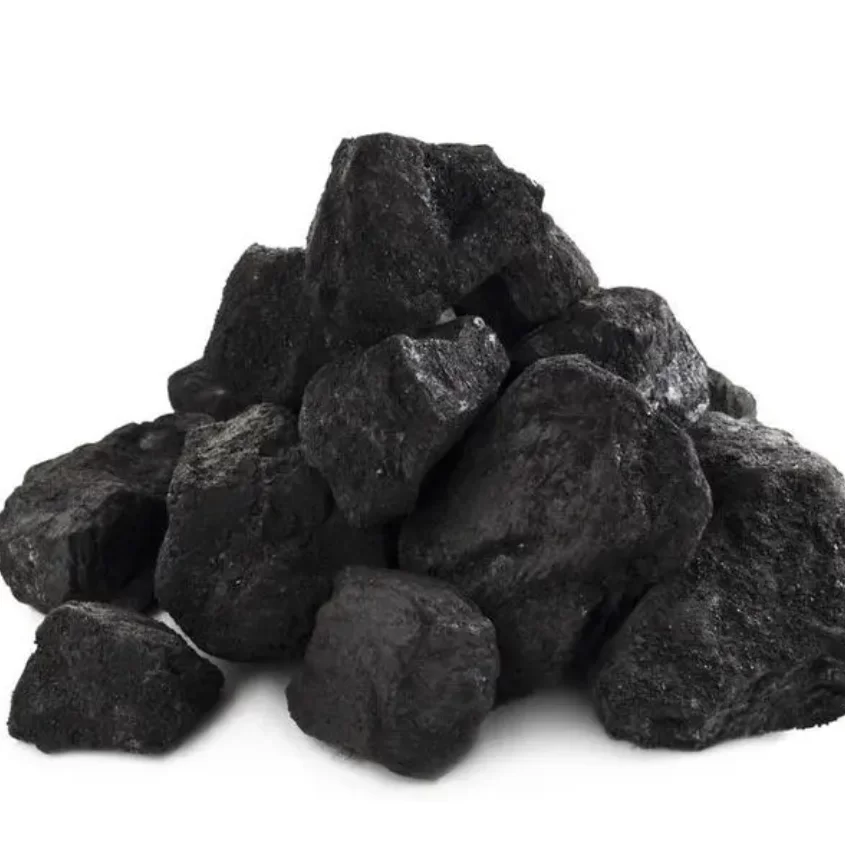
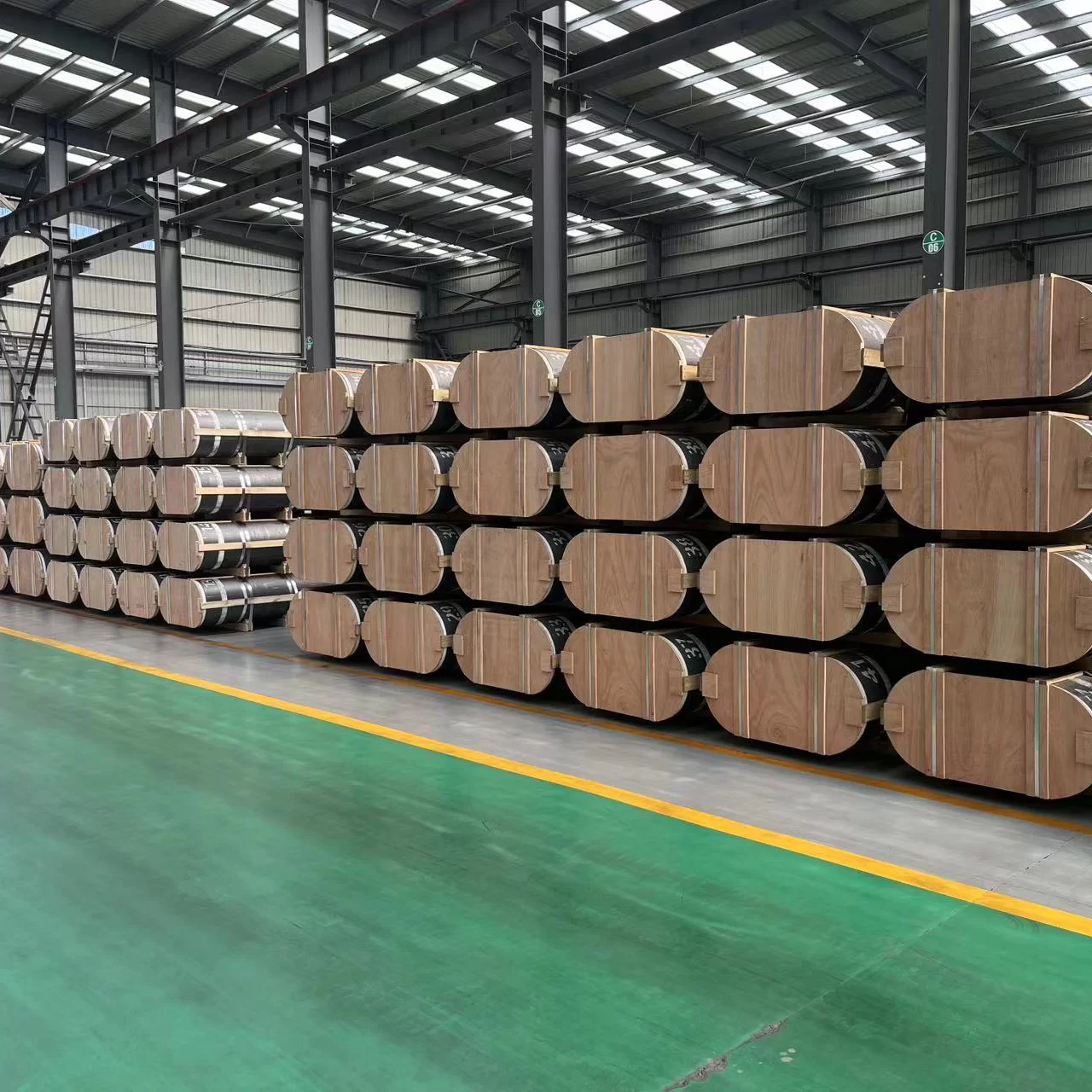
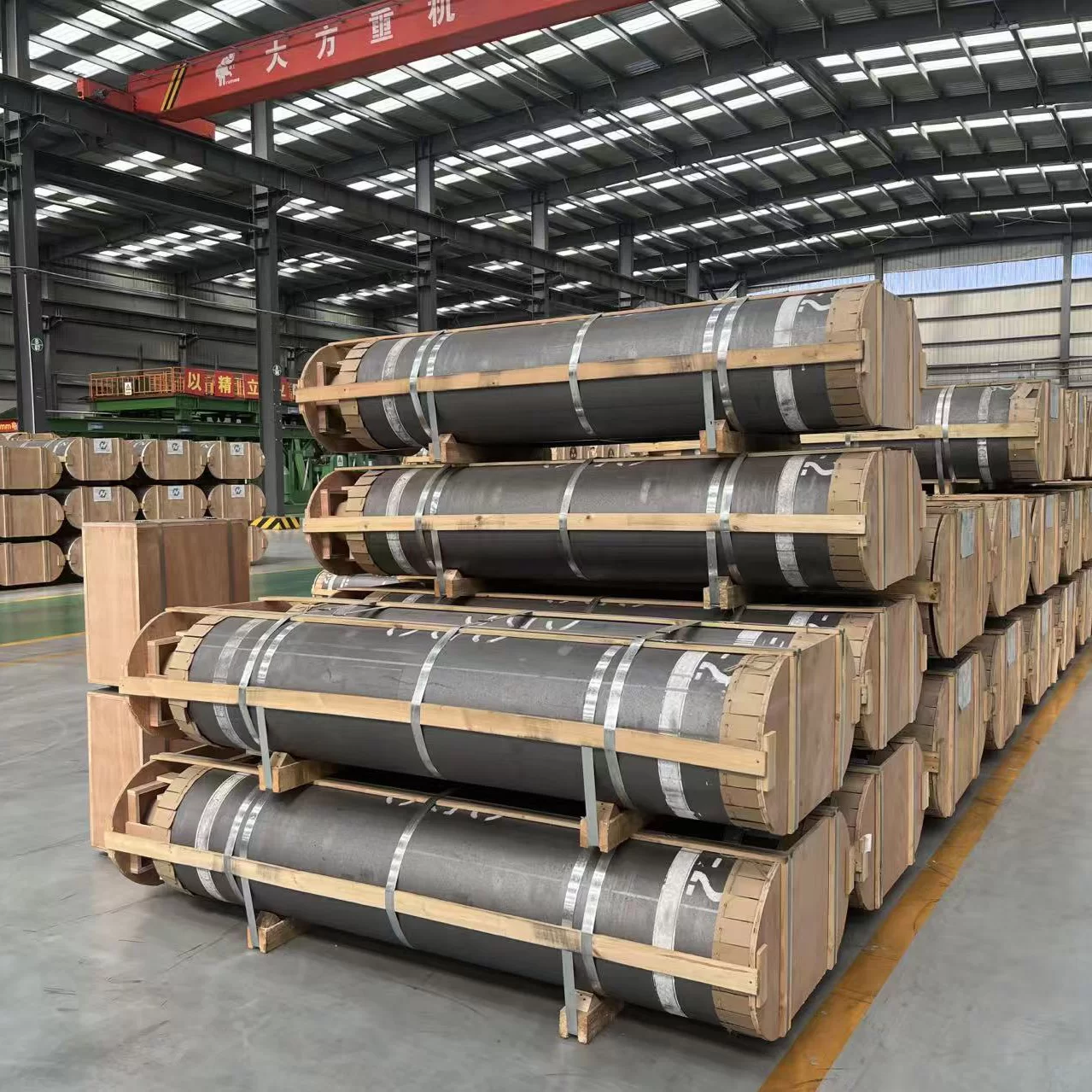
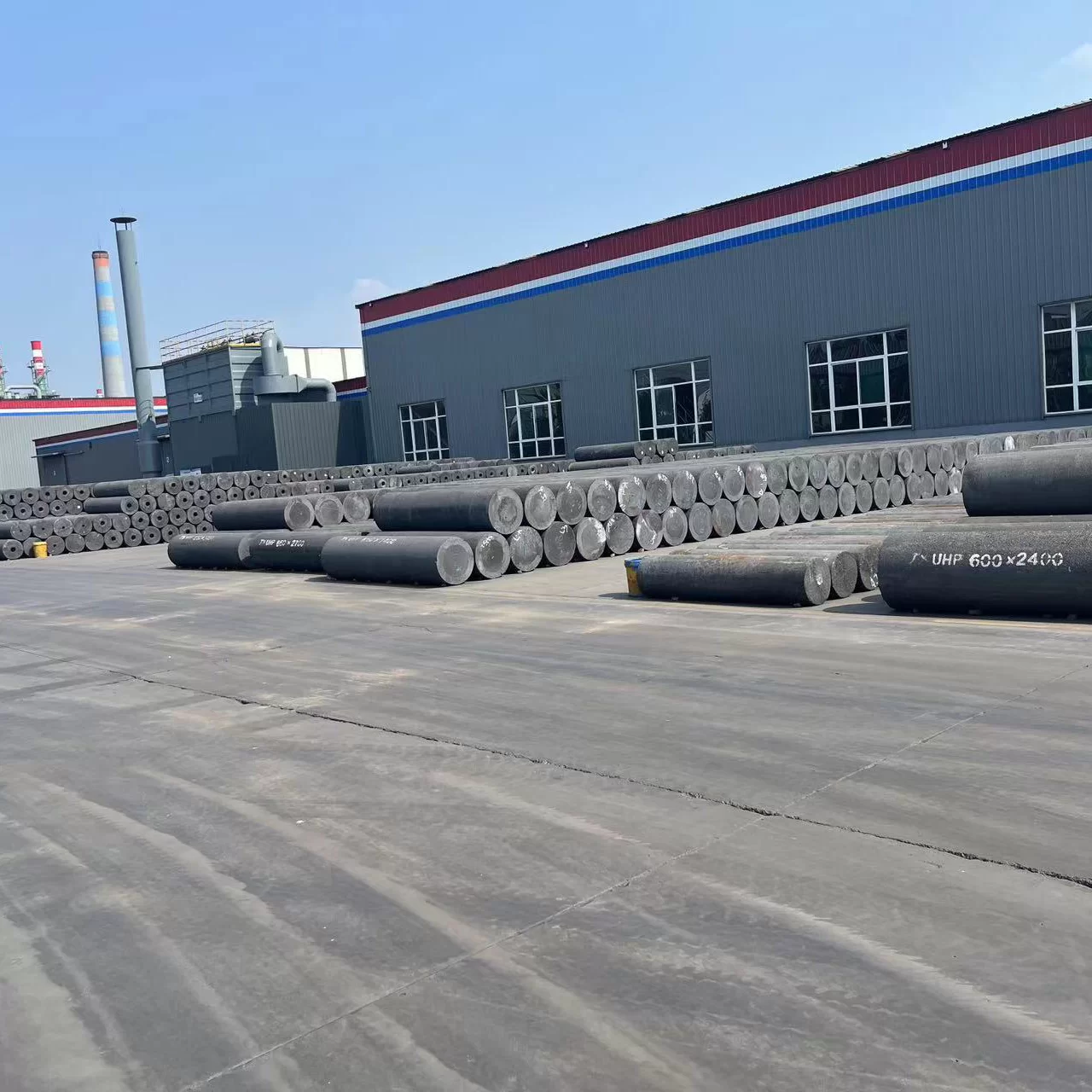
At its core, a carbon graphite block is a manufactured solid composed mainly of graphite and carbon compounds. It is engineered for superior thermal conductivity, excellent corrosion resistance, and a high melting point. Think of them as the workhorses inside electric arc furnaces, battery electrodes, or heat exchangers.
Their relevance goes beyond industry—they often underpin infrastructure in extreme environments, such as aerospace or even advanced electronics. Because carbon graphite blocks efficiently conduct electricity and heat, they become foundational in high-tech applications that require stability under intense stress.
Core Components and Key Factors of Carbon Graphite Blocks
Durability
Carbon graphite blocks are renowned for their extraordinary resilience to physical and chemical wear. In environments where extreme temperatures and corrosive chemicals prevail, these blocks can withstand the torture better than many traditional materials. This dramatically reduces downtime and maintenance.
Thermal Conductivity
Unlike many ceramics or metals, carbon graphite offers superb heat dissipation. This makes it ideal for applications like furnace linings or industrial heat exchangers. The ability to manage heat efficiently translates into improved energy use and safer industrial operations.
Electrical Conductivity
The blocks are excellent conductors of electricity, essential for electrodes in steel production and battery components. The consistency of their electrical properties ensures predictable performance, necessary for sensitive modern electronics and manufacturing processes.
Cost Efficiency
While initial costs might seem higher than some alternatives, the longevity and reduced maintenance cycle lead to lower long-term expenses. Companies that switch to carbon graphite blocks often see savings owing to less frequent replacements and reduced operational interruptions.
Scalability & Customization
Manufacturers can tailor carbon graphite blocks to specific shapes, sizes, and properties depending on the application. This customization means broader usability—whether that’s a tiny block for electronics or massive furnace components.
Mini takeaway:
Carbon graphite blocks bring a winning combination of durability, thermal and electrical performance, plus cost benefits that clearly align with today’s industrial challenges.
Global Applications and Use Cases
The carbon graphite block’s reach is impressive. For example:
- Metal production: Used as electrodes in electric arc furnaces for steel and aluminum manufacturing worldwide.
- Renewable energy: Components in lithium-ion batteries rely on graphite blocks for electrical conduction and heat management.
- Electronics: Heat spreaders in semiconductors and high-power devices.
- Aerospace: Used in thermal shielding due to their ability to endure extreme temperatures.
- Disaster relief infrastructure: In some innovative projects, carbon graphite block materials are part of modular heating or power units deployed in remote or post-disaster zones, highlighting their utility in humanitarian settings.
Regions like East Asia, Europe, and North America lead in using carbon graphite blocks, partly due to advanced manufacturing and energy sectors.
Advantages and Long-Term Value of Carbon Graphite Blocks
The long-term benefits are pretty compelling. There’s the tangible value of lowering maintenance costs and increasing machine uptime. Plus, many engineers mention the peace of mind that comes with a material so resilient—especially when safety depends on it.
Socially, using durable and recyclable blocks aligns with growing global attention to sustainability and responsible sourcing. You could say that companies investing in carbon graphite blocks are “future-proofing” their industrial operations.
Product Specifications: Carbon Graphite Block
| Property | Typical Value | Units |
|---|---|---|
| Density | 1.7 - 1.9 | g/cm³ |
| Thermal Conductivity | 120 - 165 | W/m·K |
| Electrical Resistivity | 2.5 - 4.0 | μΩ·m |
| Flexural Strength | 25 - 40 | MPa |
| Operating Temperature Range | Up to 3000 | °C |
Vendor Comparison: Carbon Graphite Block Suppliers
| Supplier | Customization | Price Range | Lead Time | Sustainability Initiative |
|---|---|---|---|---|
| Dah Carbon | High (custom orders available) | $$$ | 4-6 weeks | Recycling program and eco-friendly processing |
| GraphiteTech Inc. | Medium (standard variants) | $$ | 2-4 weeks | Partial use of recycled materials |
| CarbonBlock Solutions | Low (standard catalog) | $ | 1-3 weeks | No formal sustainability plan |
Future Trends & Innovations in Carbon Graphite Blocks
Honestly, the future looks bright for carbon graphite technology. Innovations are focusing on improving environmental impact by increasing recyclability and reducing carbon footprint during production. Researchers are experimenting with nano-engineered graphite composites that enhance strength while lowering weight.
Also, as the green energy wave flows, carbon graphite blocks are integral to the batteries and fuel cells that power everything from electric cars to grid storage. Digital technologies like AI-driven manufacturing are streamlining custom production, making it easier and faster to design blocks that match precise performance specs.
Challenges & Solutions to Keep an Eye On
It’s not all roses though. One challenge is brittleness at certain stress points, which calls for tighter quality controls and better composite formulations. Price volatility driven by raw material sourcing is another hurdle, especially with graphite mined only in select global regions. Supply chain resilience is critical.
Some innovative fixes include synthetic graphite materials cultivated from carbon waste streams and hybrid composites that blend graphite with polymers for enhanced toughness. Plus, companies focusing on near-shore manufacturing—reducing freight emissions and improving delivery timelines—are pioneering solutions.
FAQ: Frequently Asked Questions About Carbon Graphite Blocks
- Q: How long do carbon graphite blocks typically last in industrial settings?
A: Depending on the application and operating conditions, carbon graphite blocks can last anywhere from several months to multiple years. Their longevity hinges largely on exposure to mechanical stress, temperature extremes, and corrosive chemicals. With proper maintenance, some blocks have exceeded five years in continuous use. - Q: Can carbon graphite blocks be customized for specific industrial needs?
A: Absolutely. One of the strengths of carbon graphite blocks is their versatility. Manufacturers often tailor density, size, shape, and electrical or thermal properties to fit unique production parameters. - Q: Are carbon graphite blocks recyclable?
A: Yes, many carbon graphite blocks can be reprocessed or recycled, which is key to reducing environmental impact. However, recycling infrastructure varies by location, so it is wise to work with suppliers who have clear sustainability programs. - Q: How do carbon graphite blocks compare to traditional refractory materials?
A: Carbon graphite blocks generally offer superior thermal conductivity and electrical conduction compared to refractory bricks or ceramics. They also tend to have higher resistance to thermal shock and corrosion, translating to less downtime and maintenance.
Conclusion
In real terms, investing time in understanding carbon graphite blocks gives you an edge on where industrial materials are heading—towards greater efficiency, longevity, and sustainability. The blend of thermal performance, durability, and customization speaks volumes for industries demanding reliability in demanding environments.
Interested in exploring high-quality graphite materials? Feel free to visit our website: carbon graphite block to learn more about advanced solutions tailored to your industrial needs.