Why Graphite Brushes Remain Essential in Industrial Equipment
After working in the industrial equipment sector for well over a decade, I can say that the humble graphite brush is one of those components that quietly sustains a surprising amount of our machinery’s life. You rarely get a spotlight moment, unlike shiny new controls or next-gen drives, but without reliable brushes, well... the whole show could grind to a halt.
Graphite brushes serve as the vital interface between stationary components and rotating parts like motors and generators. The key is their ability to conduct electricity while coping with constant friction, heat, and wear, all at reasonable cost. Many engineers I’ve met swear by the natural lubricity and electrical properties of these brushes, and frankly, it’s hard to argue when you consider how these materials save downtime down the line.
Getting Practical: Graphite Brush Design and Performance
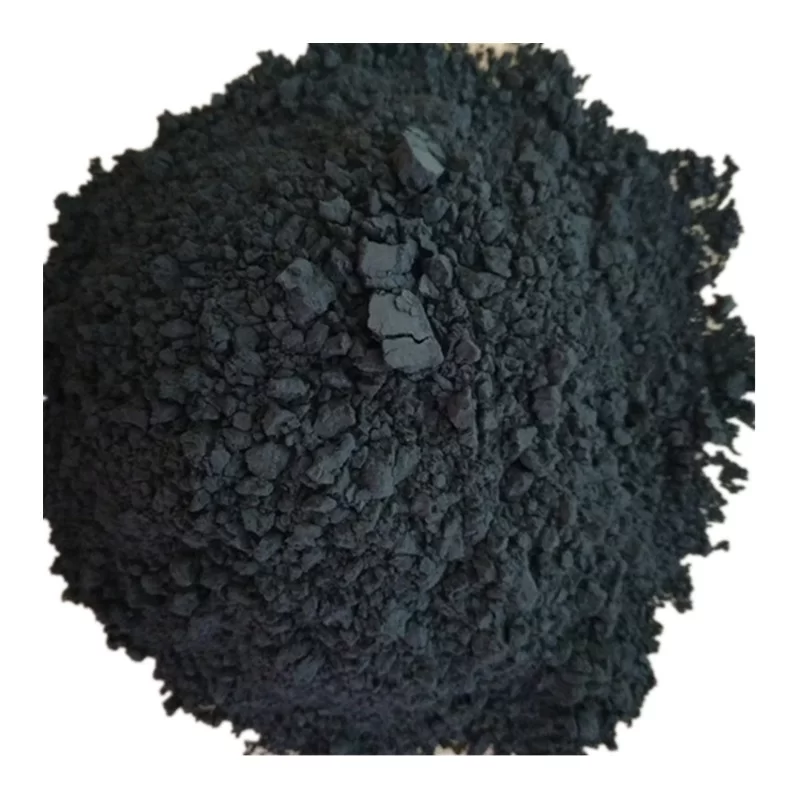
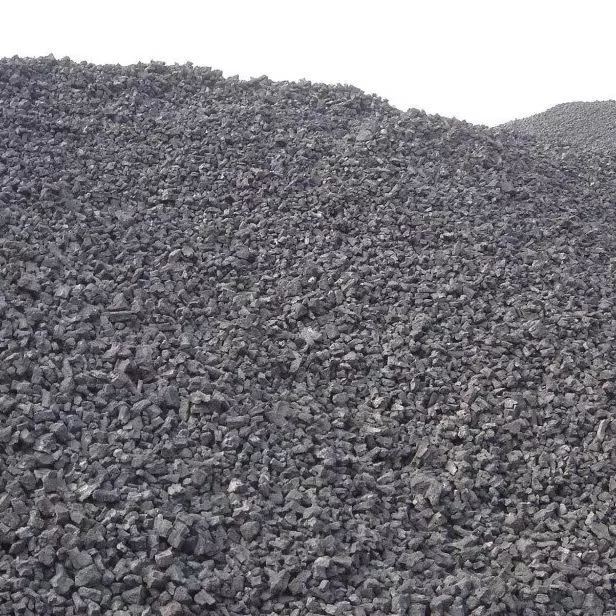
The design has evolved but remains refreshingly classic — a compact, durable block of graphite, sometimes mixed or impregnated with copper or other substances to boost conductivity or wear resistance. Oddly enough, despite all the tech advances, the basic composition hasn’t dramatically shifted in decades. I remember a conversation at an industry event where a veteran engineer humorously said, “If it ain't broke, don’t fix it — just make it better.”
When it comes to product specifications, manufacturers often offer custom sizes and grades tailored to the application. Whether it’s a low-speed, high-load mining motor or a tiny precision machine brush, the right formulation really makes a difference. Heat tolerance, hardness, and current capacity are the standard trio of specs that guide engineers.
| Specification | Typical Value | Notes |
|---|---|---|
| Material Composition | Natural Graphite with Copper Impregnation | Balance of conductivity & durability |
| Hardness (Mohs Scale) | 2.5 – 3 | Moderate hardness reduces wear on commutators |
| Maximum Operating Temp. | 250°C (approx.) | Depends on specific grade |
| Electrical Conductivity | ~10^4 S/m | Allows efficient current transfer |
| Typical Lifespan | 1,000 – 3,000 hours | Varies by load and speed |
A Quick Look at Vendor Options in Graphite Brushes
Of course, sourcing the right graphite brush isn’t just about specs—service, customization, and quality control count just as much. I’ve seen too many projects suffer because of generic sourcing or unclear specs. If the brush doesn’t quite fit or the material isn’t right, equipment performance dives quickly.
Here’s a distilled comparison of three prominent suppliers I’ve encountered over the years (a mix of international and regional vendors). These distinctions often influence purchasing decisions more than you’d think.
| Vendor | Customization | Turnaround Time | Cost | Technical Support |
|---|---|---|---|---|
| DAH Carbon | Highly customizable grades & sizes | 2–3 weeks | Mid-range, great value | Strong, responsive support |
| Vendor B | Limited sizes, standard grades | 1–2 weeks | Higher | General assistance only |
| Vendor C | Custom options available but costly | 3–4 weeks | High | Excellent, dedicated engineers |
Real-World Impact of Quality Graphite Brushes
I remember a case with a mid-sized conveyor belt motor at a mining site. The motors kept failing because of rapid brush wear. Swapping to a tailored graphite brush with better heat tolerance and copper impregnation extended run times significantly — cutting maintenance stops almost in half. That kind of improvement doesn’t just save money, it saves headaches.
For anyone involved in motor maintenance or industrial equipment design, choosing the right graphite brush often feels like a small detail — until it isn’t. So, next time you’re reviewing components, remember that those little graphite blocks quietly carry a heavy load.
Thanks for sticking with me through the gear talk — if you work with motors or generators, I'm fairly sure you've got stories or pain points with brushes too. Feel free to share!
References & Further Thoughts
- Long-term industrial equipment servicing experience, 2010–present.
- DAH Carbon product literature and customer case studies.
- Industry forums and discussions with fellow maintenance engineers.