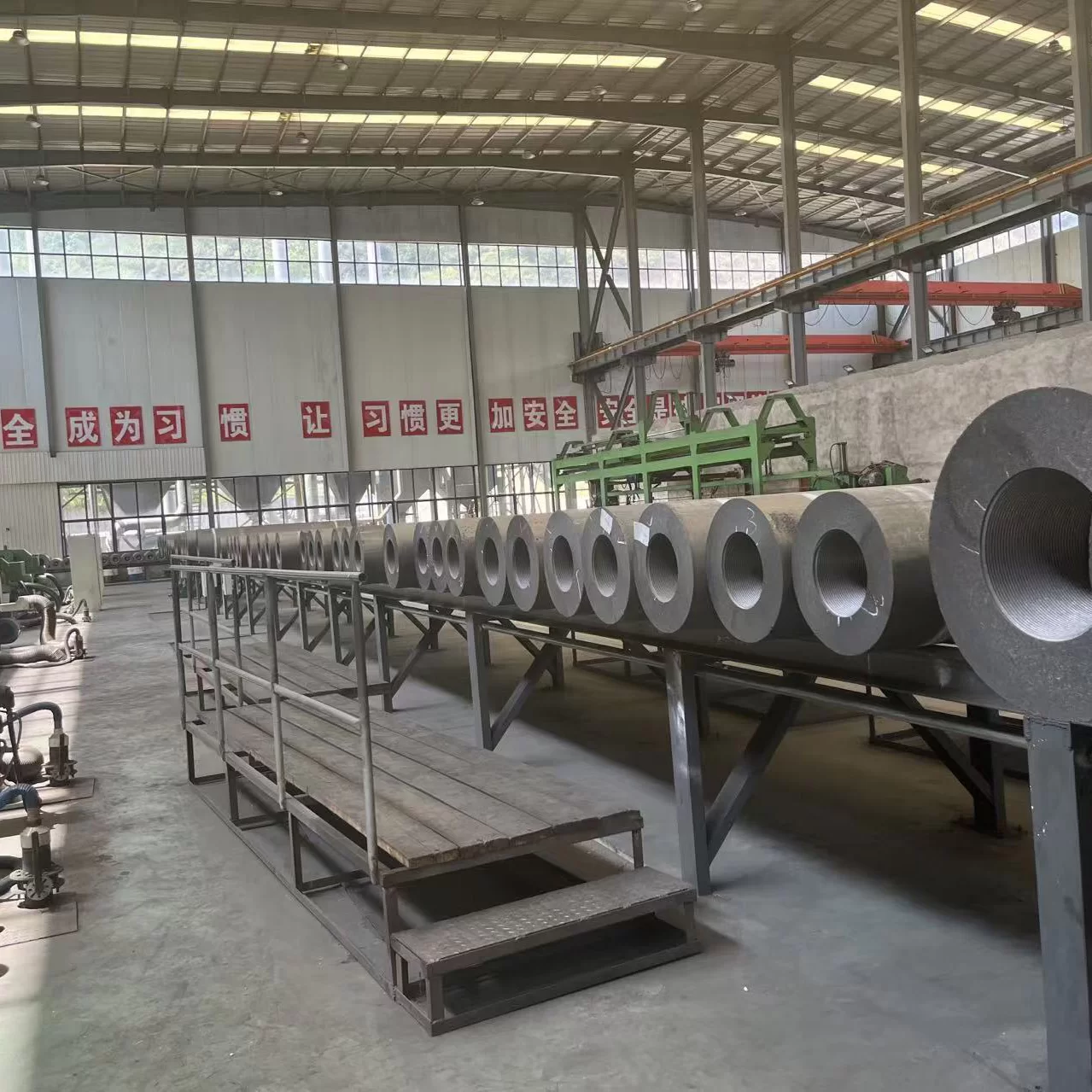
Graphite Blocks: The Industrial Backbone You Might Overlook
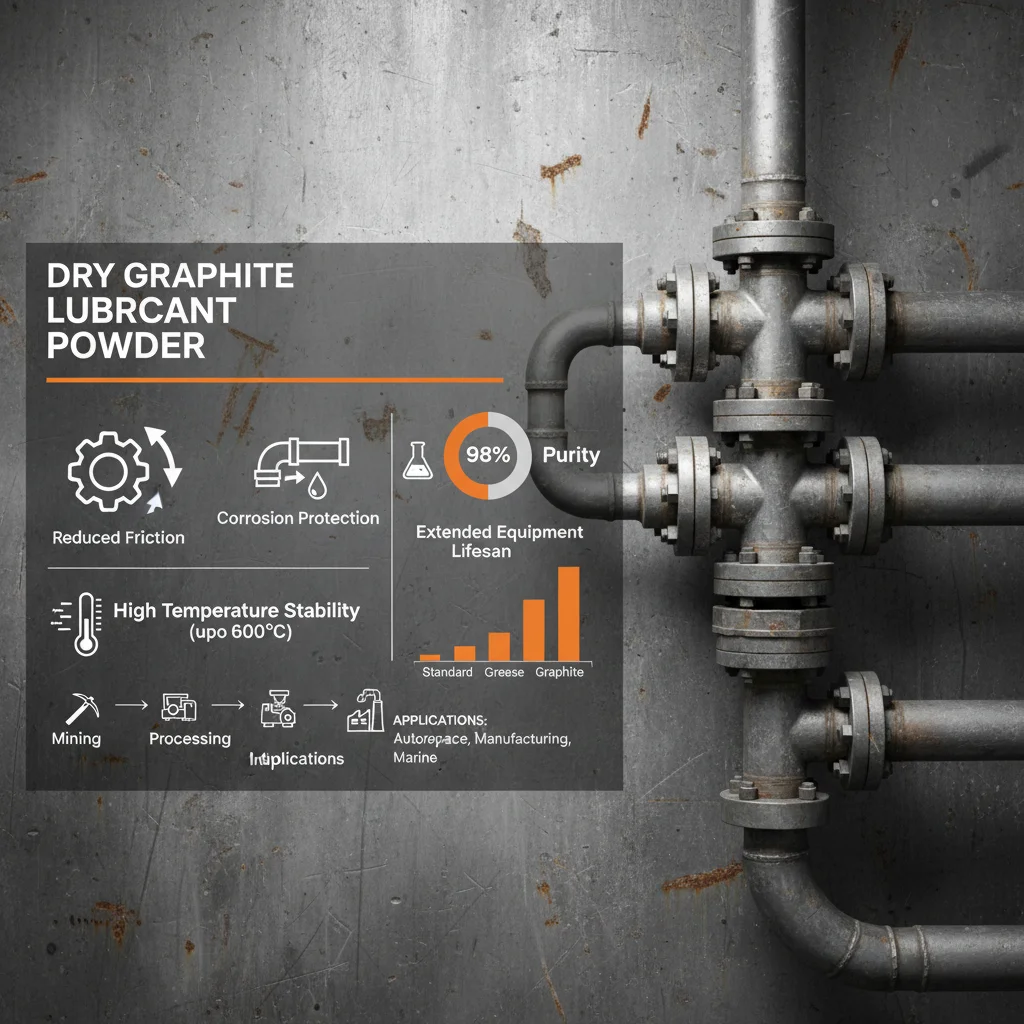
Graphite blocks — sounds kind of mundane, right? Yet these unassuming carbon structures play a major role in industries worldwide. Whether it’s in steel production, high-temperature applications, or emerging clean-energy tech, understanding graphite blocks matters. They are durable, heat-resistant, and conductive, making them indispensable for manufacturing, energy solutions, and even humanitarian uses that emphasize sustainability and reliability. Let’s unpack why graphite blocks stand quietly at the heart of so many global operations and what benefits they carry for industry and society.
Global Context: Why Graphite Blocks Matter More Than You Think
Globally, the graphite market is projected to cross $20 billion by the mid-2020s, largely driven by the manufacturing sector and green technologies like lithium-ion batteries (UN Comtrade, 2022). Graphite blocks are especially critical in steel and aluminum smelting where extreme heat and conductivity are constant demands. But beyond industrial scale, they address challenges such as reducing carbon footprints and promoting renewable energy infrastructure.
Still, the challenge remains: how do companies meet high-performance requirements while keeping costs down and sustainability up? Graphite blocks offer a promising compromise of durability and efficiency, and that’s a core reason they have endured through decades of industrial innovation.
What Are Graphite Blocks, Exactly?
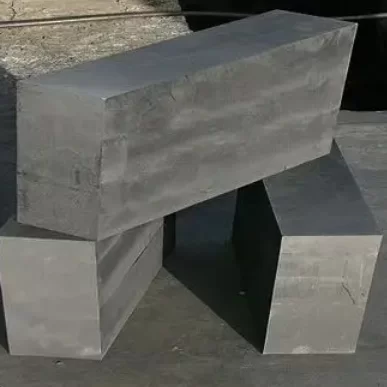
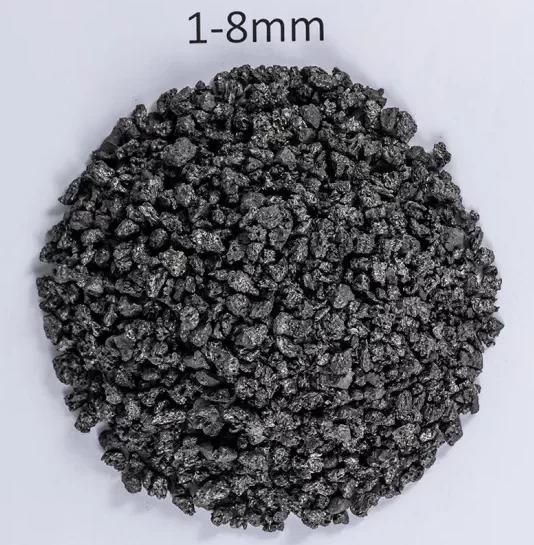
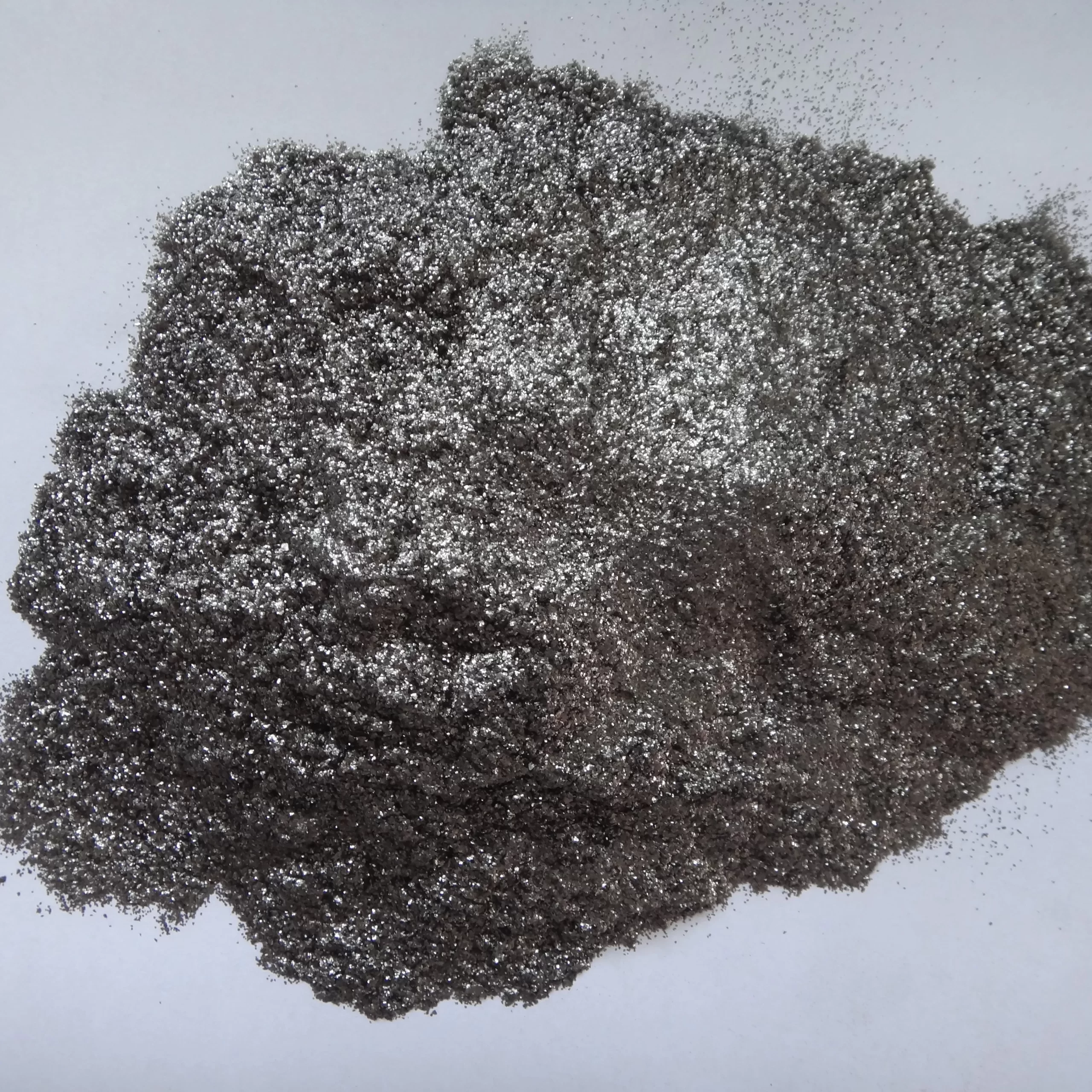
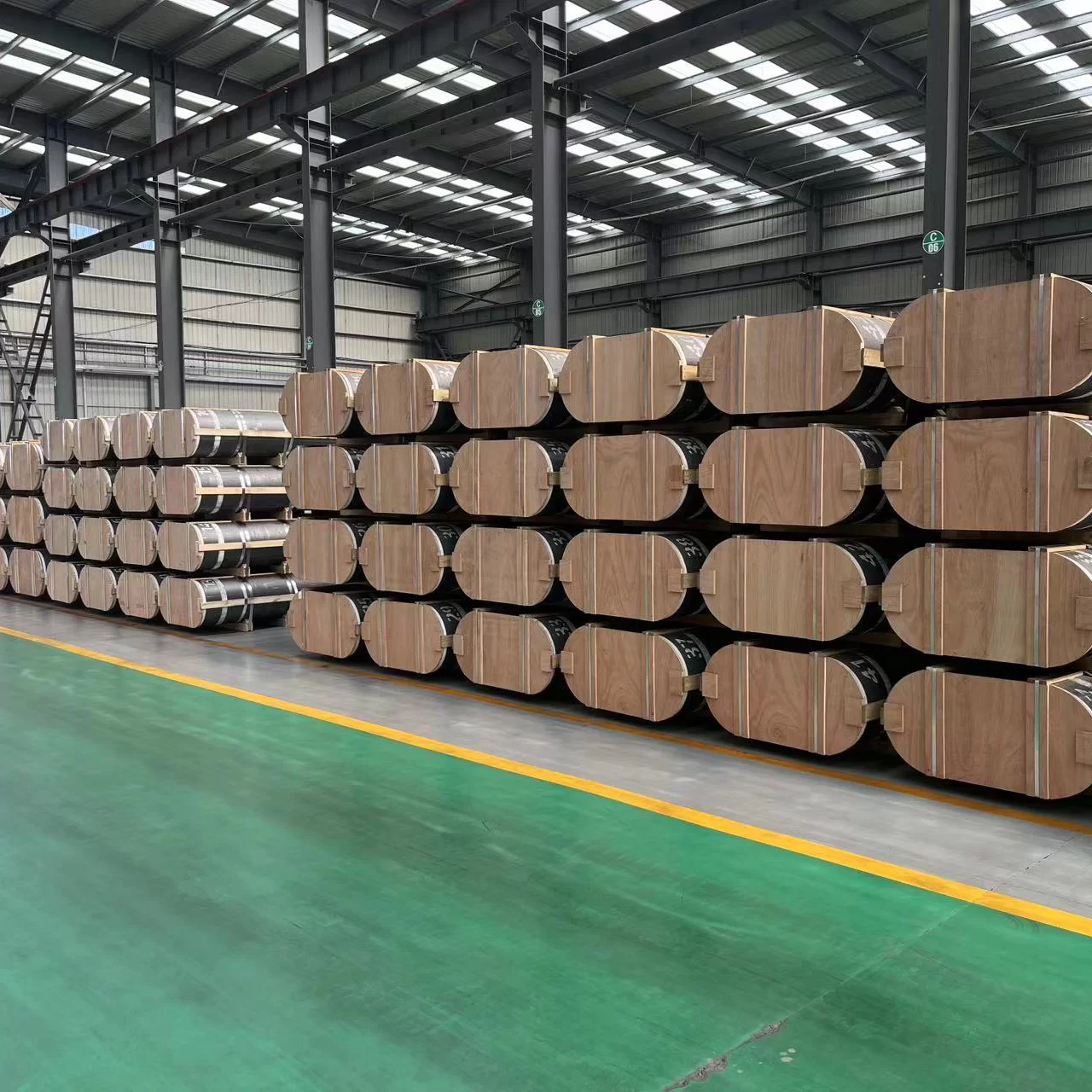
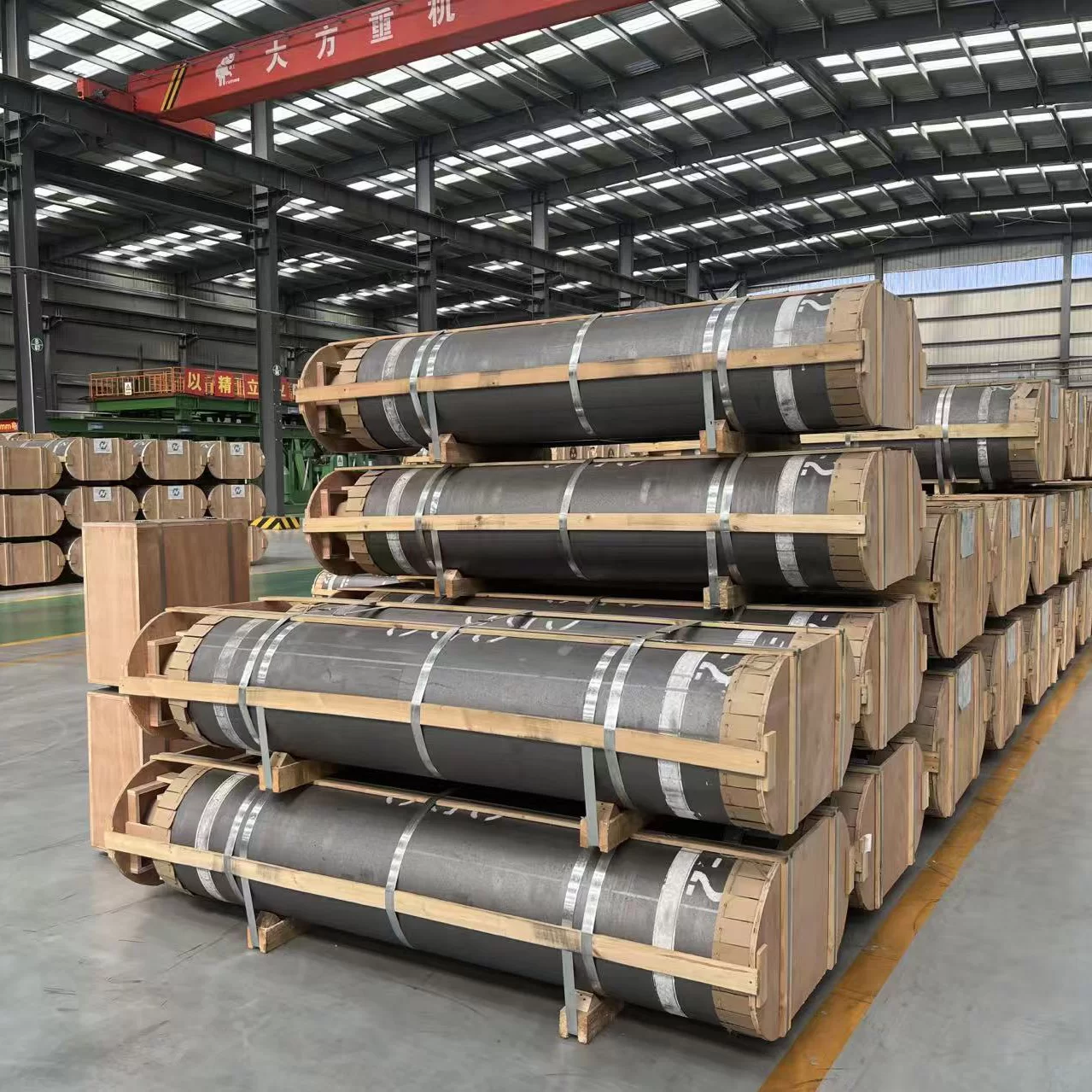
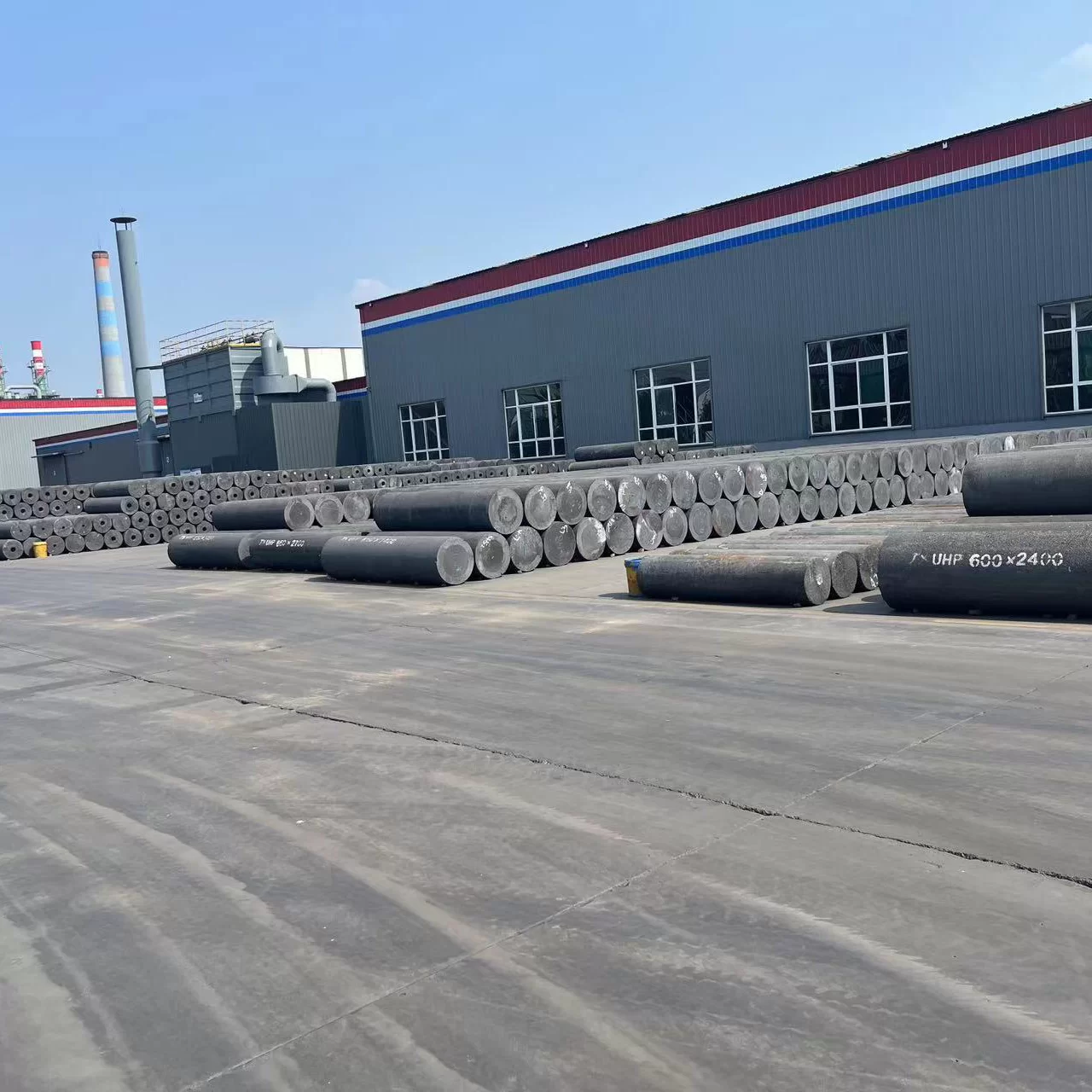
Simply put, graphite blocks are solid masses made from compressed graphite powder bonded with pitch or resin. They’re engineered to withstand ultra-high temperatures, chemical corrosion, and mechanical stresses that most materials simply can’t. That’s why they’re everywhere from the electrodes in steel furnaces to heat shields in aerospace.
Oddly enough, they bridge the gap between natural carbon sources and sophisticated industrial needs, offering a balance of performance and economic viability. And with today’s increasing global emphasis on sustainability, their recyclability and long lifespan are more valuable than ever.
Key Aspects of Graphite Blocks
1. Durability & Thermal Resistance
Graphite blocks can tolerate temperatures exceeding 3000°C without melting. This exceptional thermal stability makes them perfect for high-temperature environments like arc furnaces or nuclear reactors.
2. Electrical Conductivity
Thanks to their crystalline carbon structure, graphite blocks conduct electricity remarkably well. This property is why they’re used as electrodes or components in battery technology.
3. Chemical Resistance
Graphite is chemically inert to many acids and alkalis, which means the blocks don’t corrode easily even when exposed to harsh chemicals — a big plus when durability is key.
4. Machinability & Customization
Manufacturers can machine graphite blocks into precise shapes and sizes, tailoring them to specific industrial uses — from molds for glass manufacturing to components in semiconductor plants.
5. Cost Efficiency
While initial costs may seem high, the longevity and low maintenance of graphite blocks translate into significant savings over time. Plus, recyclability adds environmental and economic value.
Global Applications of Graphite Blocks
You’d find graphite blocks at the core of global heavy industries, such as:
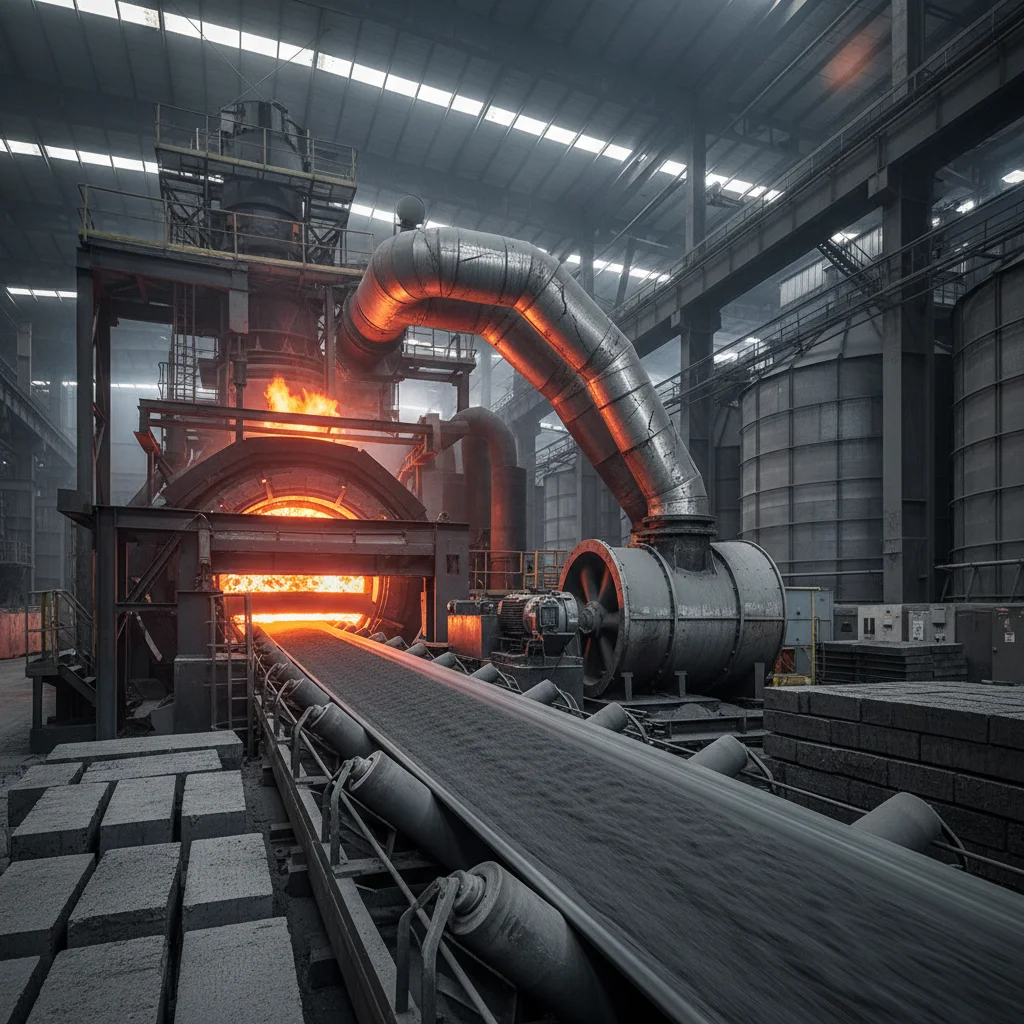
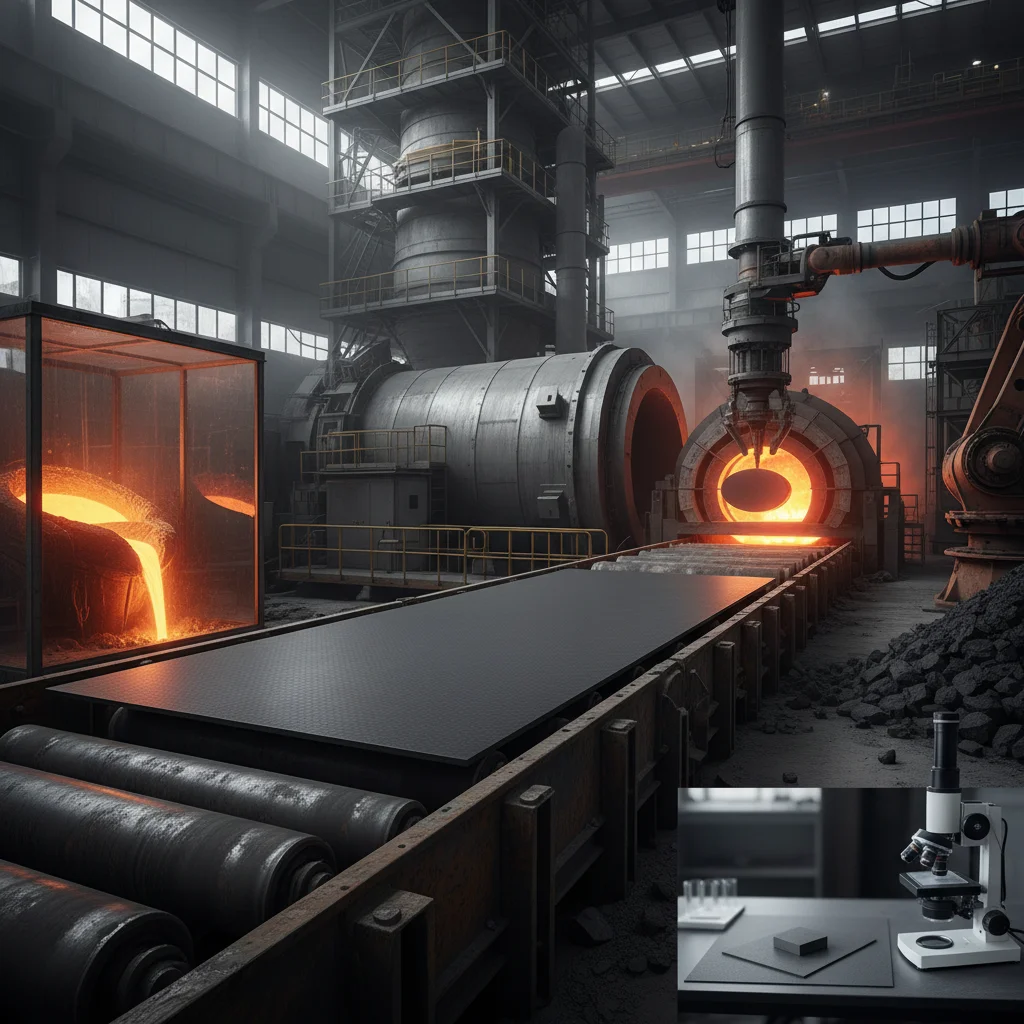
- Steel and Aluminum Production: Used for electrode rods and furnace linings in regions like China, India, and the EU, the biggest producers of steel worldwide.
- Battery and Electronics Manufacturing: Essential in lithium-ion battery anodes worldwide, powering everything from EVs in North America to consumer electronics in Asia.
- Clean Energy Sector: Emerging nuclear plants and solar power facilities use graphite blocks for their thermal performance characteristics.
- Space and Aerospace Industries: Graphite’s heat shielding is critical during rocket launch and reentry phases.
In real terms, in post-disaster scenarios, graphite electrodes enable rapid reactivation of steel mills, helping rebuild infrastructure quicker. Similarly, in remote industrial zones, their reliability reduces downtime, which can be costly.
Advantages and Long-Term Value
There’s a sort of quiet assurance that comes with using graphite blocks: they’re tested, reliable, and kind of fail-safe under stress. Companies appreciate the cost savings on replacements and repairs, but there’s also a social dimension — safer equipment and reduced emissions mean better outcomes for workers and communities.
- Environmental Sustainability: Graphite blocks are recyclable and have a smaller environmental impact compared to metals.
- Economic Stability: Long service lives reduce downtime and maintenance costs, improving operational efficiencies.
- Innovation Enablement: Their properties enable cutting-edge tech like hydrogen fuel cells and graphene production.
Product Specification Table
| Specification | Typical Values |
|---|---|
| Density | 1.65 - 1.85 g/cm³ |
| Compressive Strength | 60 - 110 MPa |
| Thermal Conductivity | 100 - 160 W/(m·K) |
| Maximum Operating Temperature | Up to 3000°C (inert atmosphere) |
| Electrical Resistivity | 5 - 15 μΩ·m |
Comparing Top Graphite Block Vendors
| Vendor | Material Quality | Customization Options | Lead Time | Price Range |
|---|---|---|---|---|
| Dahcarbon | High purity, isotropic | Full machining support | 4-6 weeks | Mid-to-high |
| Vendor B | Standard grade | Limited customization | 6-8 weeks | Low-to-mid |
| Vendor C | Premium quality | Custom molds & designs | 3-5 weeks | High |
Future Trends & Innovations in Graphite Blocks
Looking ahead, graphite blocks are shifting gears with sustainability and tech trends. The rise of graphite blocks optimized for battery anodes signals growing importance in clean energy sectors. Advances in additive manufacturing (“3D printing” graphite composites) could revolutionize customization and reduce waste. Automation in machining and testing means faster delivery and improved quality assurance.
Oddly enough, governments and industries worldwide are starting to recognize the carbon footprint of carbon products — a paradox. Still, ongoing research focuses on bio-based pitches and greener binders to make graphite blocks even more eco-friendly.
Challenges & Solutions
Like any industrial material, graphite blocks come with challenges. For instance, their brittle nature sometimes leads to cracking during handling or installation. Environmental regulations demand cleaner production methods — pushing manufacturers toward innovation. Supply chain disruptions have also shown how critical sourcing high-quality raw materials is.
To overcome these, companies invest in enhanced quality control, better packaging, and recycling programs. Collaborations between manufacturers and academia foster improved formulations that enhance toughness and reduce impurities.
Frequently Asked Questions About Graphite Blocks
- What industries benefit most from graphite blocks?
Primarily steel, aluminum, battery manufacturing, aerospace, and clean energy sectors rely heavily on graphite blocks for their thermal and electrical properties. - How long do graphite blocks typically last in industrial use?
With proper handling and maintenance, graphite blocks can last several years, often outperforming metal alternatives in high-temperature environments. - Are graphite blocks environmentally sustainable?
Yes, due to their recyclability and long service life, along with innovations aimed at using bio-based binders, graphite blocks present a more sustainable option compared to many traditional materials. - How customizable are graphite blocks for specific industrial needs?
Very customizable. Most vendors offer machining, shaping, and material purity options to meet precise specifications for various applications.
Conclusion: Why Graphite Blocks Deserve Your Attention
Graphite blocks might feel like the quiet workhorse of industrial materials, but their impact is anything but small. Combining unmatched thermal, electrical, and chemical resilience with cost-effective longevity, they enable critical global industries and innovations in sustainability. For anyone in manufacturing, energy, or tech sectors, learning more about graphite blocks is pretty much a no-brainer. To explore high-quality options and expert support, visit Dahcarbon’s website — they really understand the makeup of reliable graphite materials.
Takeaway: In the race for industrial resilience and green sustainability, graphite blocks quietly win the marathon.