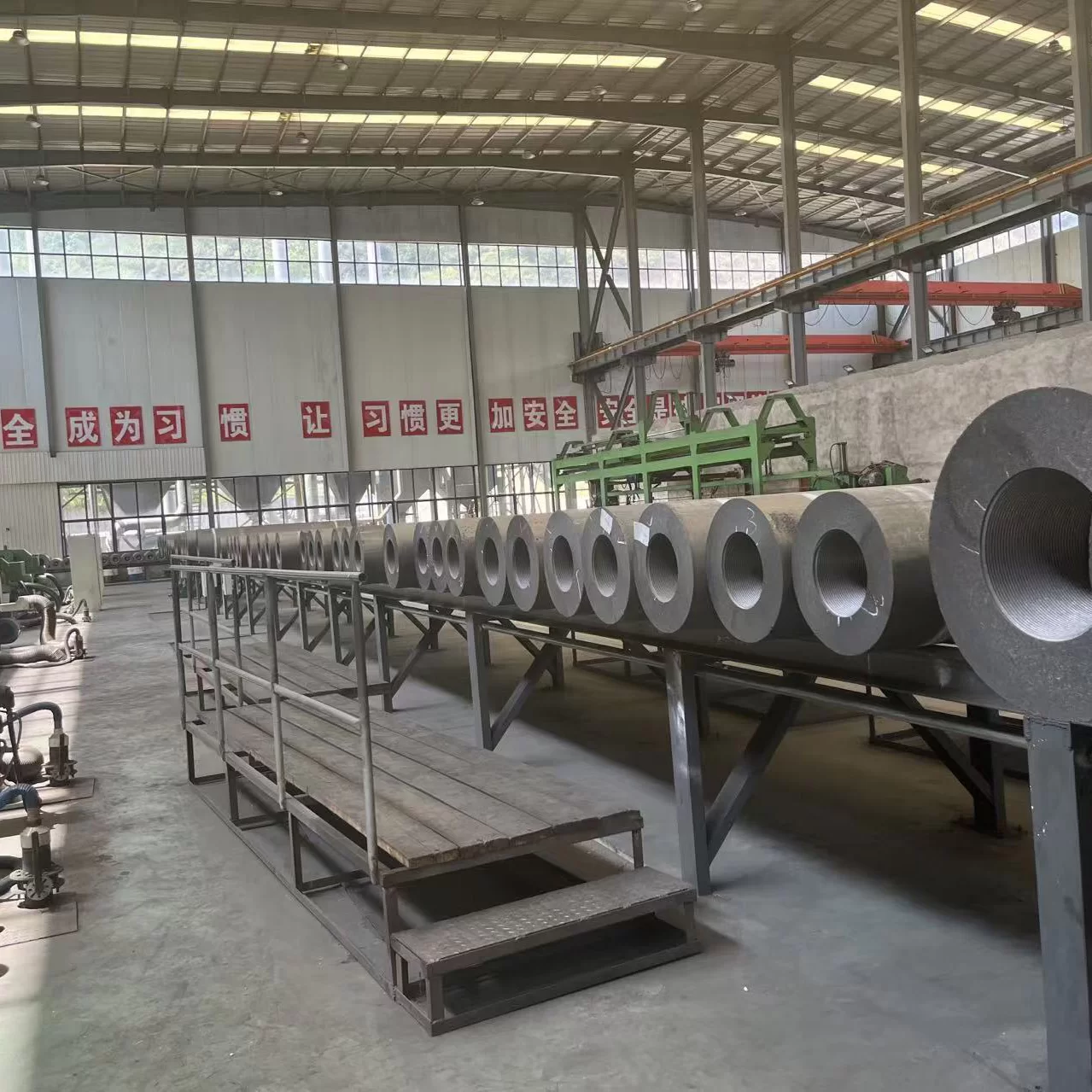
Graphite Mold Making: Durable Solutions from an Industry Insider
Having worked alongside metallurgists and toolmakers for over a decade, I can honestly say the art and science of graphite mold making never gets old. It’s one of those niche areas where material science meets practical problem solving — and every project feels like a conversation between creative engineering and raw, physical forces.
Why Graphite Molds Remain a Favorite in Industrial Equipment Manufacturing
In industrial equipment production, molds need to endure intense conditions: high temperatures, mechanical stress, and often corrosive environments. Graphite molds fit the bill like few others. Their thermal conductivity means faster, more uniform cooling cycles. They aren’t just robust; they actually help speed production without compromising quality.
One interesting thing I’ve noticed is how adaptable graphite can be. You can fine-tune grain sizes to balance density and strength, then machine them with sharp precision. The machinability is a real plus because you can achieve complex mold cavities without exorbitant tool wear.
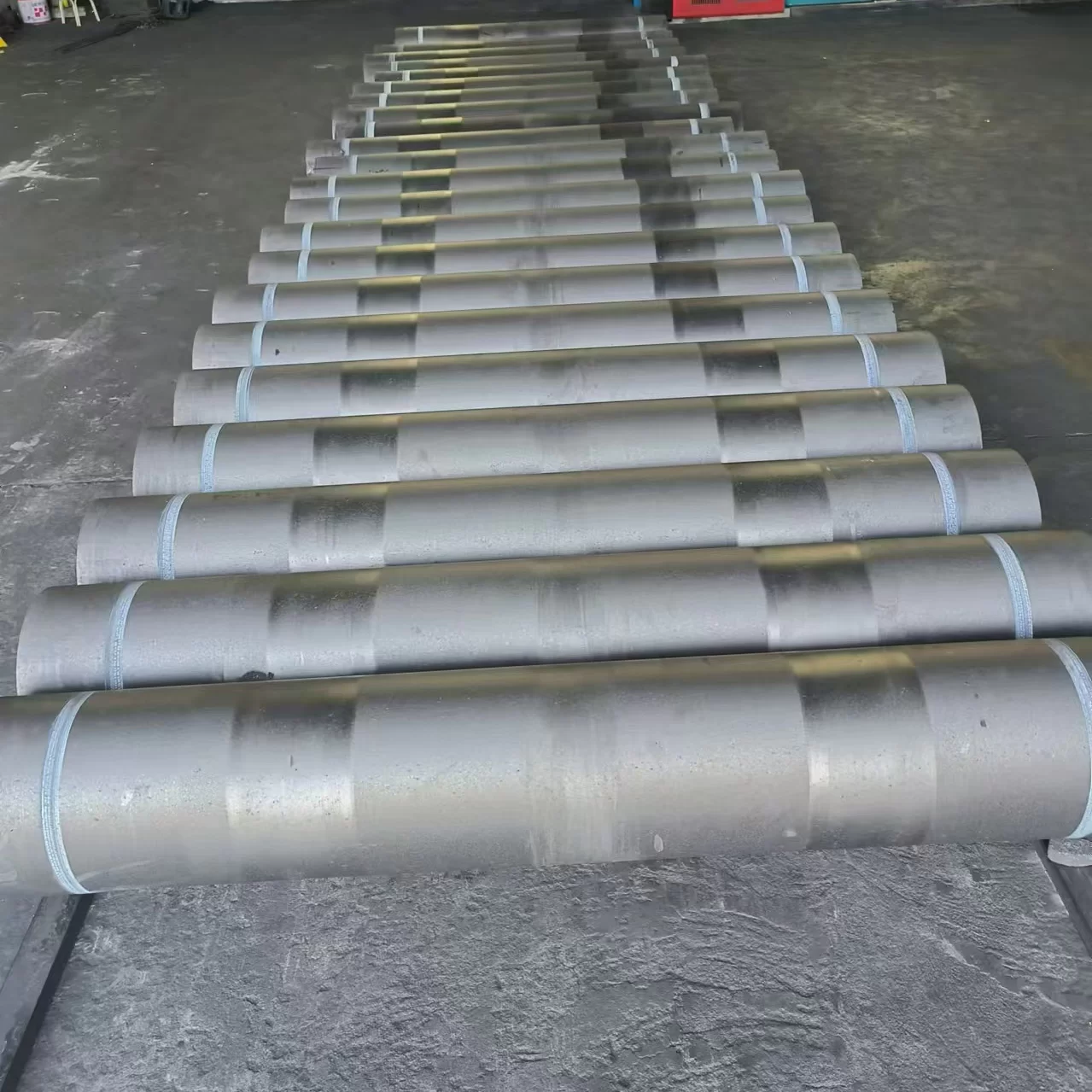
And let’s talk about customization for a moment. Not every job requires the same mold geometry or thermal profile. Using modern CAD-guided CNC machining on graphite blanks, manufacturers can quickly produce single-piece molds or multi-cavity setups that align perfectly with highly specific casting or forming requirements.
Technical Specifications of Standard Graphite Molds
| Specification | Typical Range / Value |
|---|---|
| Density | 1.6 – 1.9 g/cm³ |
| Thermal Conductivity | 80 – 160 W/m·K (varies by grade) |
| Flexural Strength | ≥ 20 MPa |
| Max Operating Temp. | Up to 3000°C (inert atmosphere) |
| Machining Tolerance | ±0.01 mm (varies with process) |
Choosing the Right Supplier: Comparing Leading Graphite Mold Vendors
Now, here’s something I can’t stress enough: sourcing graphite molds isn’t just about specs. It’s about reliability, customization, and after-sale support. I’ve seen manufacturers lose precious time because their supplier couldn’t handle rush orders or didn’t provide detailed thermal performance data.
So, to save you some legwork, here’s a quick rundown comparing three prominent vendors in the industrial graphite mold market:
| Vendor | Lead Time | Customization | Material Quality | After-Sales Support |
|---|---|---|---|---|
| DAH Carbon | 2-4 weeks | Full CAD-based CNC machining | High-purity, fine grain graphite | Dedicated project management & tech support |
| Graphite Solutions Ltd. | 3-5 weeks | Standard molds with limited customization | Medium quality graphite | Email support, no dedicated manager |
| Carbotech Manufacturing | 4-6 weeks | Custom tooling on request, slower turnaround | Good quality, but variable consistency | Basic support, phone only |
A Quick Story from the Field
Back when I worked on those heavy gear housings, one of our foundries switched to graphite molds for their aluminum castings. The difference was striking — not just the improved surface finish but the consistent cycle times, even on those tight schedules. Furnace operators loved that cooling was more predictable, and quality control recorded fewer defects.
That was roughly three years ago, and I keep hearing from that foundry; they’ve been expanding their graphite mold usage since. I admit, stories like that make you think differently about mold materials — sometimes, investing a little extra upfront saves tons down the line.
Final Thoughts on Graphite Mold Making in Industrial Applications
In real terms, graphite mold making combines tradition with modern tooling technology. It’s not flashy like some new composites but offers unmatched balance — heat tolerance, ease of machining, and durability. If you’re sourcing molds or stepping into designing your own tooling, it pays to partner with a knowledgeable supplier who understands the industrial grind.
If you want reliable, top-grade graphite solutions tailored to your needs, check out DAH Carbon. They’ve been upping the bar for years with their mix of quality and service.
Anyway, I could go on—graphite molds have that sort of layered complexity. But it’s enough to say that in this line of work, knowing your material inside and out is half the battle.
References / Further Reading:
- "Advanced Graphite Materials for Mold Making," Journal of Industrial Tooling, 2022.
- Personal experience from various industrial foundries, 2010–2023.
- DAH Carbon product data sheets and technical resources, 2024.