Micro Graphite Lubricant: Revolutionizing Industry With Tiny Particles
At first glance, the words micro graphite lubricant might conjure images of tiny particles slipping quietly between metal parts, reducing friction like a silent hero. And honestly, that’s not far from the truth. But behind those tiny flakes lies a world of industrial innovation impacting everything from automotive engines to aerospace components, and even sustainable manufacturing practices worldwide. Why should we care? Because friction costs industry billions every year. Reducing it improves efficiency, extends the life of machinery, and helps conserve energy—benefits that echo from factories in Germany to remote mining outposts in Australia.
Understanding micro graphite lubricant matters globally because it addresses fundamental industrial challenges: how to keep machines running smoothly for longer, with less energy wasted. The ripple effect supports not just profit margins but also environmental stewardship and safer workplaces. Ready to explore why this tiny material punches way above its weight?
Global Context: Why Micro Graphite Lubricant Is a Game-Changer
According to the International Energy Agency, about 20-30% of industrial energy consumption is lost due to mechanical friction, making lubrication a critical lever for energy efficiency. Micro graphite lubricant is part of a growing movement toward smarter, more sustainable solutions to tackle this problem. Industries ranging from manufacturing giants in the EU to automotive suppliers in Japan increasingly adopt graphite-based lubricants for their combination of durability and eco-friendliness.
What complicates things, though, is the challenge of finding lubricants that work well under extreme pressure, varying temperatures, and with minimal environmental impact. Traditional oil-based lubricants sometimes falter in these conditions or create unwanted waste streams. This is where micro graphite lubricant steps in: it’s dry, stable, and able to withstand harsh environments—qualities that industry pros prize.
What Exactly Is Micro Graphite Lubricant?
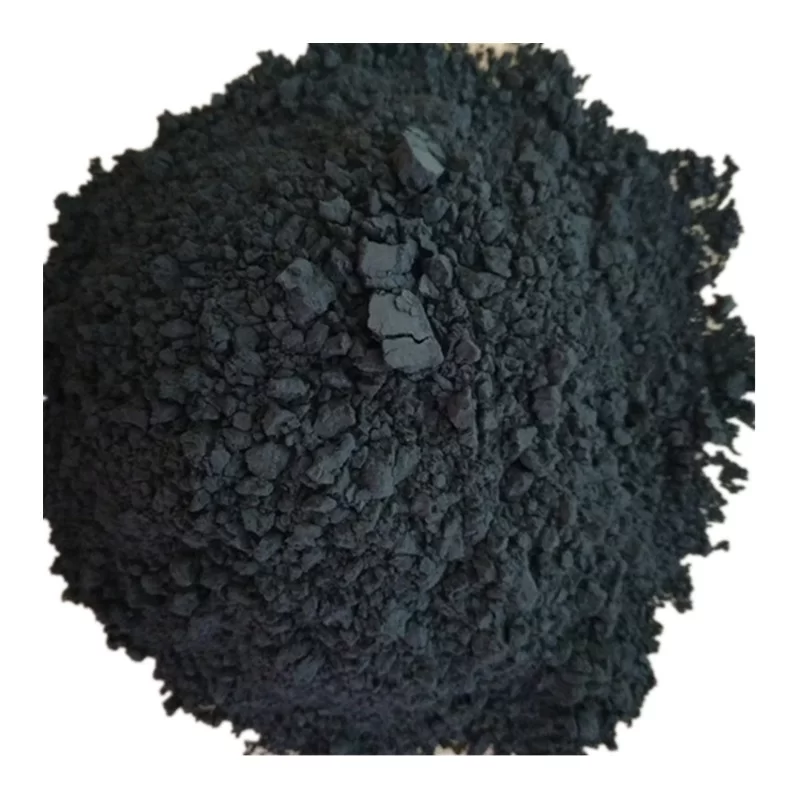
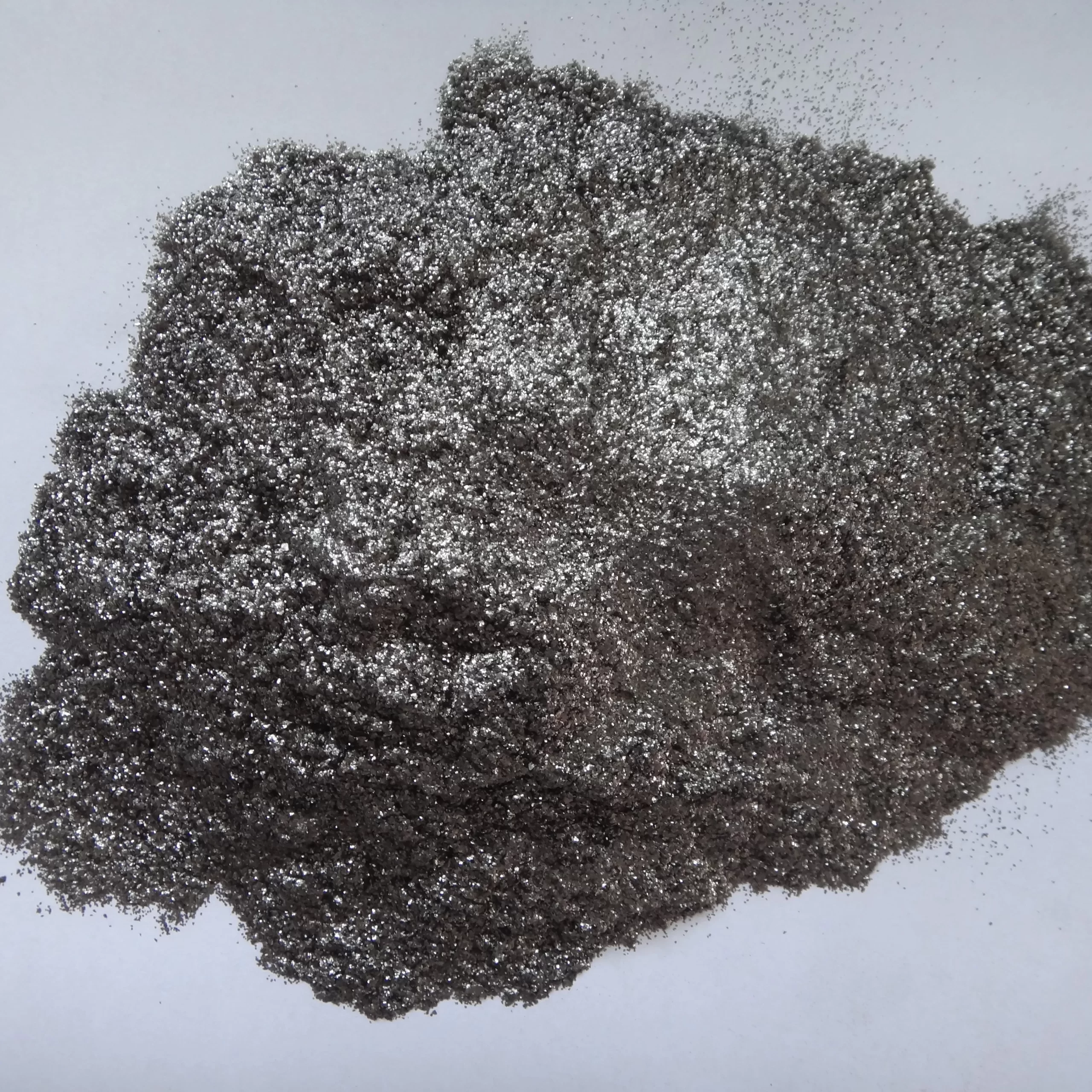
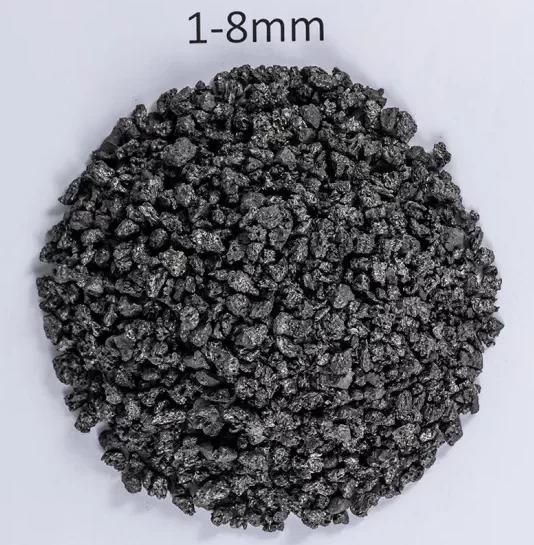
In simple terms, micro graphite lubricant consists of micron-scale particles of graphite—a naturally occurring form of carbon known for its layered, slippery structure. Think of it as tiny sheets sliding over each other effortlessly, reducing friction between moving parts.
But it’s not just a fancy powder. These micro particles are formulated with binders or carriers that help them adhere to surfaces, creating ultra-thin films that resist heat and wear. This makes them indispensable for industries where traditional lubricants might evaporate or degrade.
Beyond industrial machines, micro graphite lubricants also contribute to humanitarian efforts, such as making equipment more reliable in disaster relief operations—where machinery failure isn’t an option.
Key Components and Attributes of Micro Graphite Lubricants
1. Durability Under Stress
Micro graphite excels when equipment must run continuously in tough conditions. Its film resists breakdown at high temperatures (often exceeding 400°C) and under heavy loads, unlike oil-based alternatives that can become unstable or evaporate.
2. Enhanced Energy Efficiency
By significantly reducing friction, it helps machines consume less power, which for large industrial operations leads to substantial cost savings and lower carbon emissions.
3. Environmental Friendliness
Unlike many synthetic oils, micro graphite lubricant is free from volatile organic compounds (VOCs) and hazardous chemicals, making cleanup easier and reducing environmental contamination risk.
4. Compatibility & Versatility
It's effective on metals, plastics, and composites, enabling use across automotive, aerospace, manufacturing, and even consumer electronics industries.
5. Scalability & Customization
Thanks to adaptable formulations, manufacturers can tweak particle size, binder types, and delivery methods (sprays, pastes, coatings) for specific applications.
Mini Takeaway
The real strength of micro graphite lubricant lies in its unique combination of physical resilience, eco-friendliness, and adaptability—traits that open doors to countless industrial breakthroughs.
Micro Graphite Lubricant in Action: Global Applications & Use Cases
From Germany’s high-precision automotive plants to China’s vast wind turbine farms, micro graphite lubricant sees diverse usage:
- Automotive Engines: Reduces wear in pistons and bearings, improving lifespan and fuel efficiency.
- Aerospace Components: Maintains reliability under extreme temperature swings and pressure.
- Manufacturing Equipment: Keeps conveyor belts and robotic arms running smoothly.
- Mining Operations: Ideal for heavy machines in abrasive, dusty environments where oil lubricants fail.
- Emergency Relief Machinery: In disaster zones where regular maintenance isn’t feasible, dry lubricants ensure equipment keeps working.
Oddly enough, some startups also experiment with micro graphite in battery manufacturing—leveraging its conductivity and heat resistance.
Typical Product Specifications at a Glance
| Property | Specification |
|---|---|
| Particle Size | 1–10 microns |
| Operating Temperature Range | -50°C to 450°C |
| Film Thickness | 5–20 microns |
| Base Carrier | Water / solvent-free binders |
| Coefficient of Friction | 0.05–0.15 (varies with application) |
| Shelf Life | 24 months (sealed) |
Comparing Leading Micro Graphite Lubricant Vendors
| Vendor | Key Strengths | Application Focus | Price Range |
|---|---|---|---|
| Dah Carbon Technologies | High purity graphite, tailored formulations | Automotive, aerospace, manufacturing | $$$ (premium) |
| GraphLube Inc. | Wide distribution, fast delivery | Mining, heavy industry | $$ |
| EcoLubers LLC | Green chemistry focus, bio-based binders | Renewables, electronics | $$$ |
Why Micro Graphite Lubricant Offers Long-Term Value
Choosing micro graphite lubricant is not just a short-term fix. It’s an investment in reliability and sustainability. The benefits? Lower maintenance downtime, reduced energy consumption, and fewer environmental compliance headaches. And let’s not forget the social impact — when machines in critical infrastructure last longer and run safer, workers feel more secure, and entire communities benefit.
Innovation, too, thrives here. Many engineers say that switching to such lubricants often sparks new design approaches — less worry about heat build-up, more focus on efficiency. It’s a rare win-win in manufacturing.
Looking Ahead: Emerging Trends in Micro Graphite Lubricants
The future feels exciting. Researchers now explore nano-graphite blends combining even finer particles with graphene additives to push performance boundaries further. Environmental regulations also bolster demand for non-toxic, biodegradable lubricants. Automated application methods—such as drone spraying or 3D-printed lubricant matrices—could soon become industry standards.
And oddly enough, with the rise of electric vehicles, the low-friction properties of micro graphite lubricants could contribute to optimizing motor efficiency, extending battery life, and improving sustainability.
Overcoming Challenges: What Industry Experts Are Saying
Like any technology, micro graphite lubricants are not perfect. Issues around uniform particle dispersion and adhesion in certain extreme environments remain. However, advances in carrier chemistries and hybrid lubricant formulations help address these.
For example, combining micro graphite powders with complementary lubricants creates synergistic effects that enhance performance while avoiding typical drawbacks. Field tests in heavy industry and aerospace continuously improve best-practices, narrowing limitations.
FAQ: Practical Questions About Micro Graphite Lubricants
Q1: How does micro graphite lubricant differ from traditional oil-based lubricants?
A1: Unlike liquid oils, micro graphite lubricant is a dry solid film that reduces friction without evaporation or contamination risks. It performs better under high temperatures, heavy loads, and dusty or corrosive environments where oils might fail.
Q2: Can micro graphite lubricants be applied in cold climates?
A2: Yes, micro graphite lubricants remain stable at low temperatures (down to -50°C) and don’t freeze or thicken like some oils. This makes them ideal for applications in arctic or high-altitude locations.
Q3: What industries benefit most from these lubricants?
A3: Automotive, aerospace, heavy mining, manufacturing, and renewable energy sectors utilize micro graphite lubricants extensively due to their durability and eco-safety.
Q4: How is micro graphite lubricant applied?
A4: It comes in sprays, pastes, or dry powder forms, applied via spray guns, brushes, or specialized coating equipment depending on the machinery and environment.
Q5: Are these lubricants environmentally safe?
A5: Yes. They lack harmful solvents and VOCs, reducing environmental contamination. Many suppliers now offer bio-based binders for enhanced green credentials.
In Conclusion: The Small Particle That Makes a Big Difference
Micro graphite lubricant may sound niche, but its impact is global and growing. From improving industrial efficiency to supporting sustainability, it offers an elegant solution to a stubborn mechanical problem. If your operation demands high performance with an eye to environmental responsibility, it’s definitely worth considering.
Want to learn more or explore product options? Visit micro graphite lubricant today and discover how small particles can lead to big innovations.