Microfine Graphite Powder — A Veteran’s Take on Its Industrial Edge
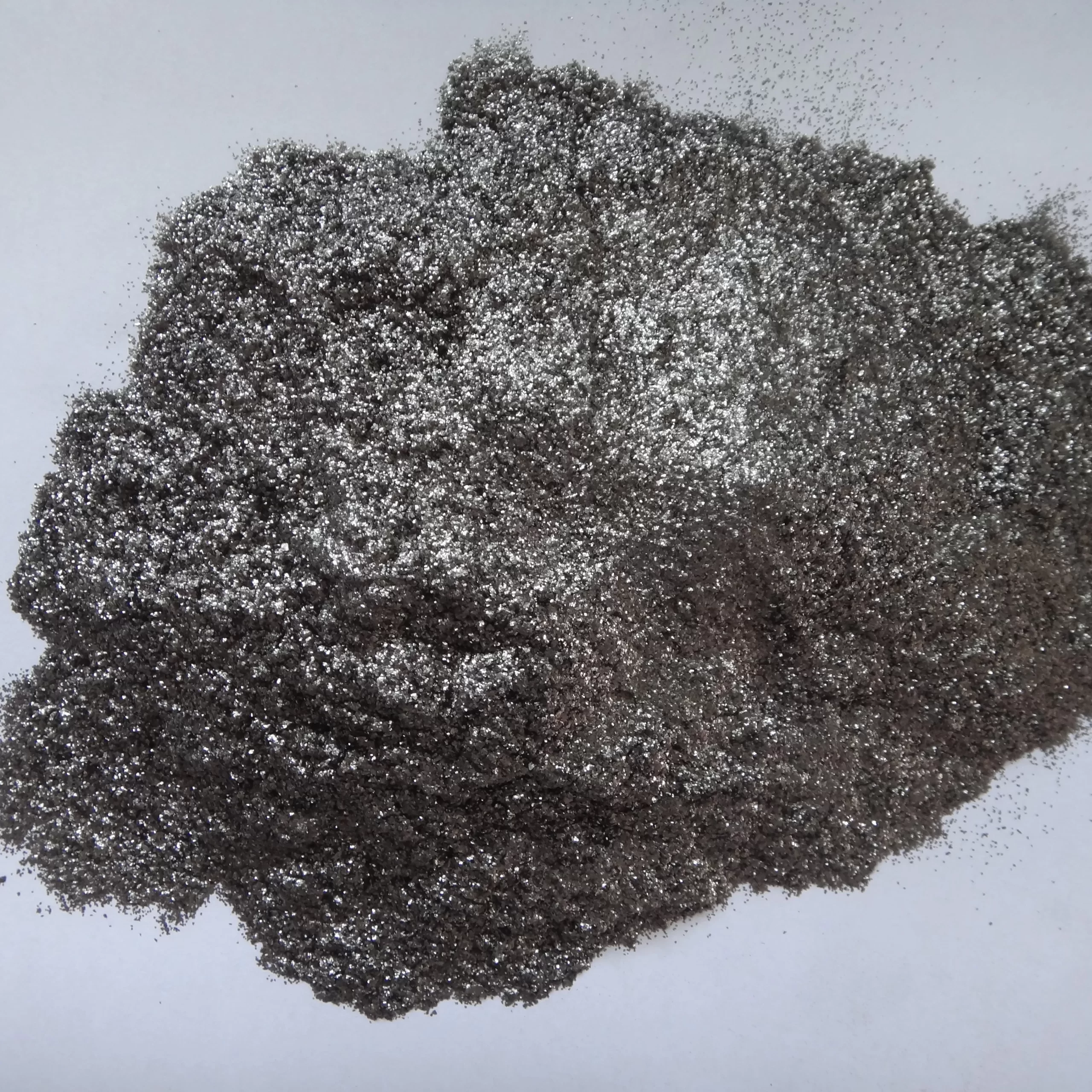
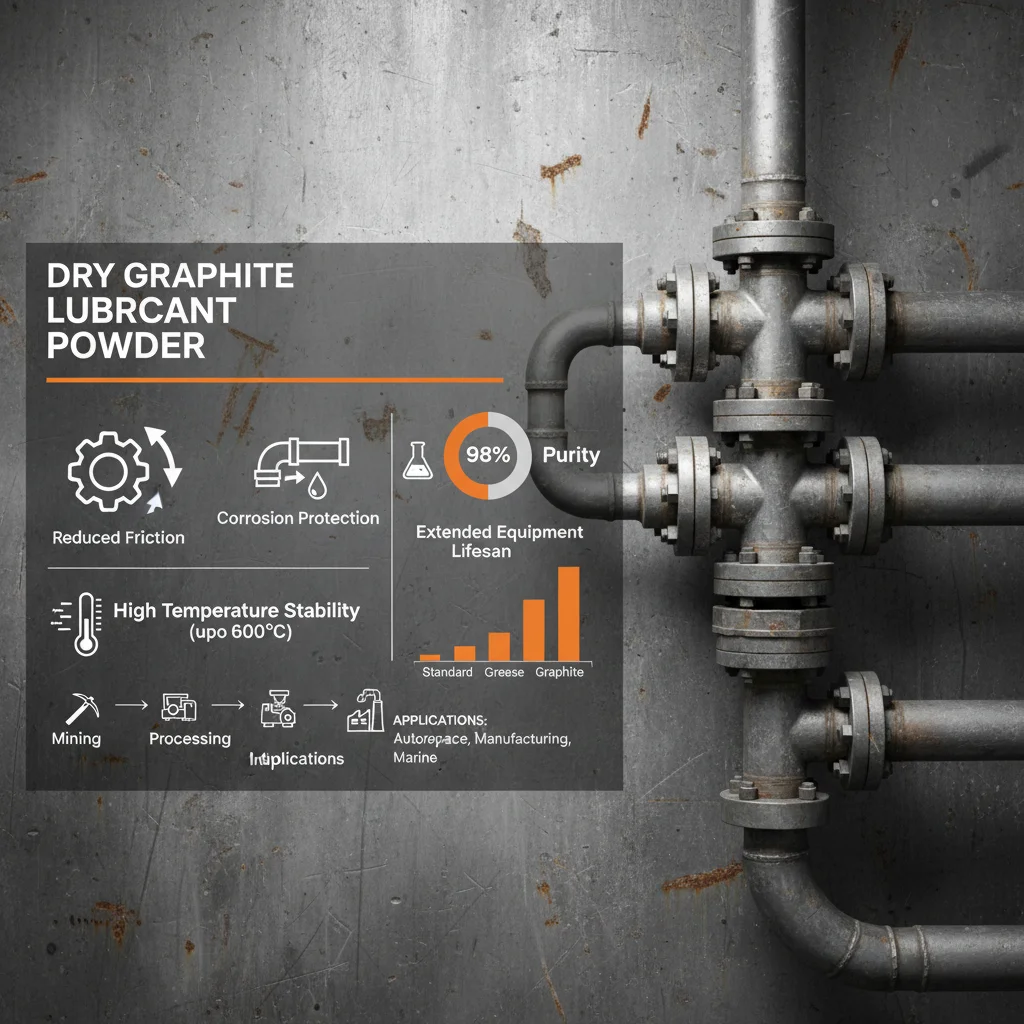
Having spent a solid decade in the industrial equipment world, I've had my fair share of encounters with countless raw materials. But microfine graphite powder—well, it’s a small particle with a surprisingly large role in many manufacturing processes. You see, it’s not just about graphite’s infamous lubricity or thermal conductivity in broad strokes; the microfine grade introduces a finesse that’s quietly revolutionizing industries here and there.
Frankly, microfine graphite isn’t always the first thing that engineers rave about in meetings, but once you start digging, you realize how critical it can be for precision applications. Picture this: in electric motors or sealing systems, particle size matters—not to mention purity. I recall one project where a customer needed a graphite powder that could consistently survive high temperatures while retaining superior sliding properties. Regular flake graphite simply wouldn’t cut it, but the microfine grade made the difference.
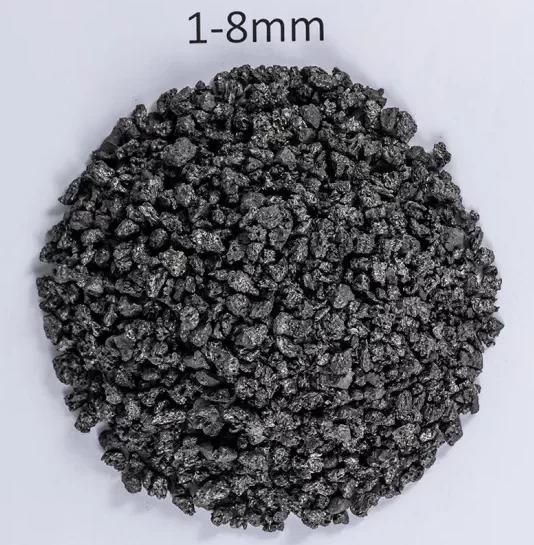
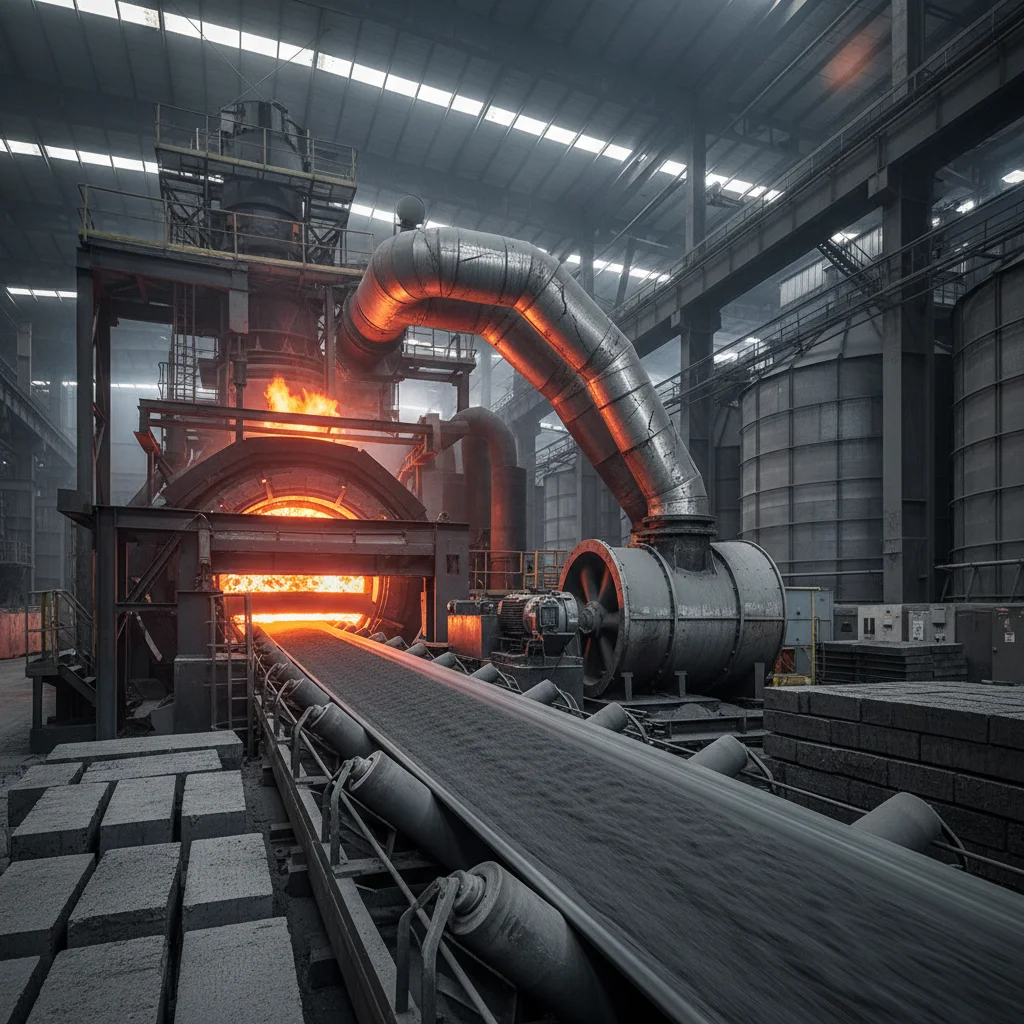
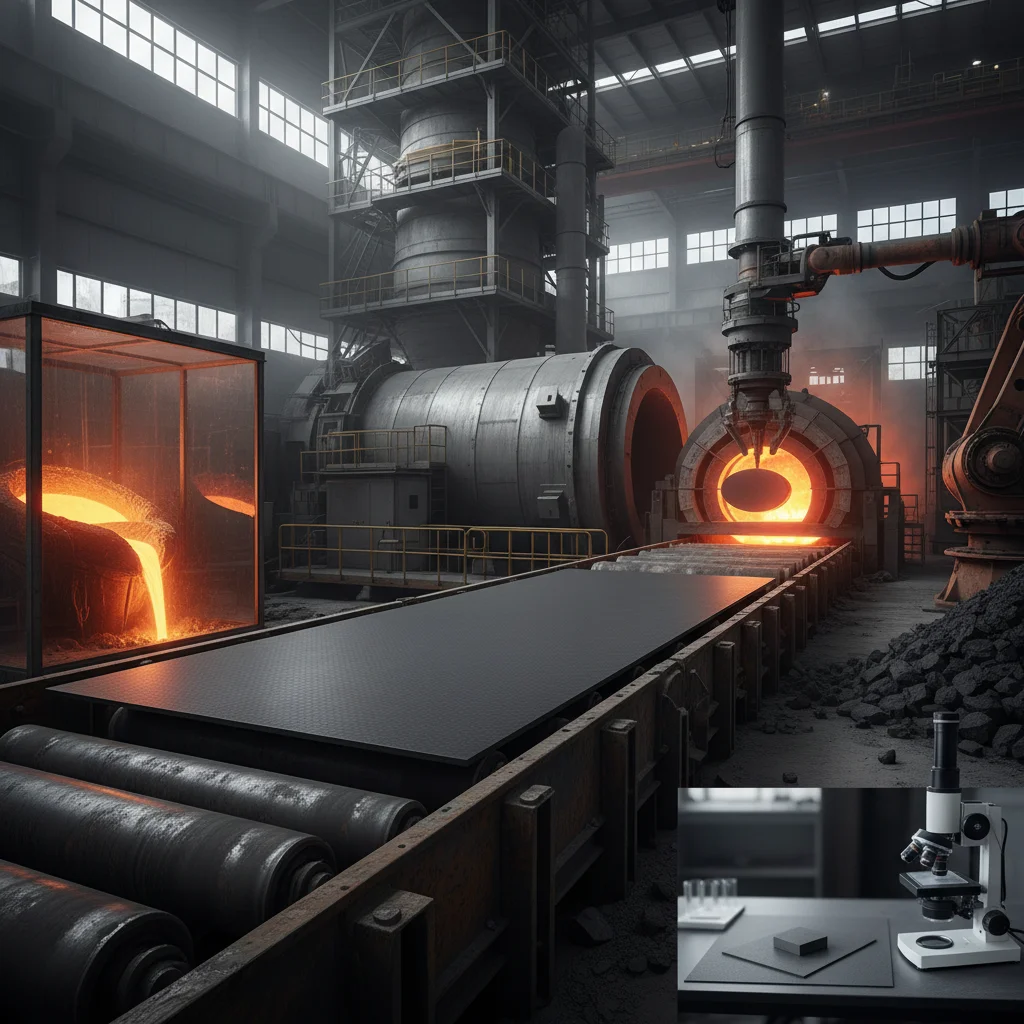
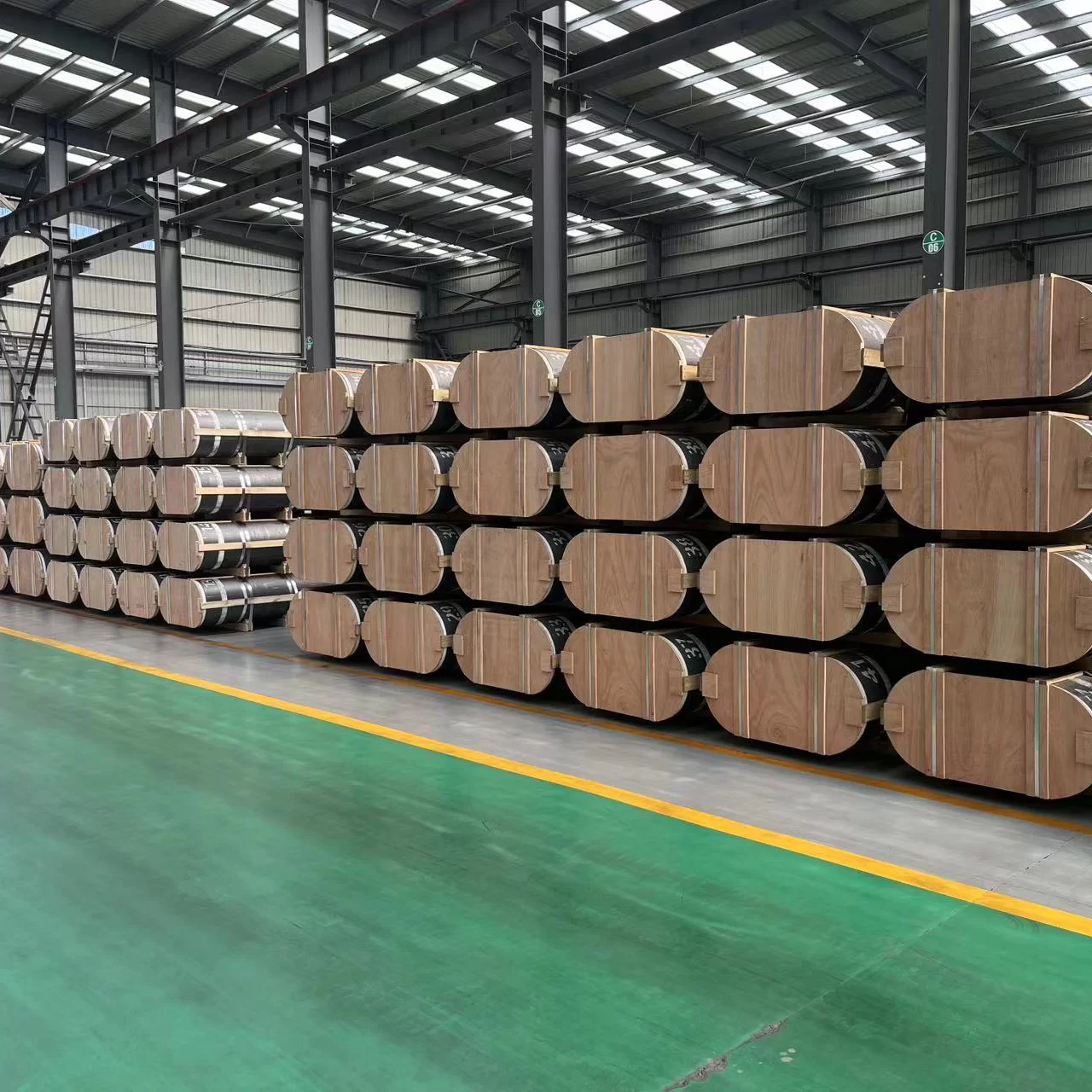
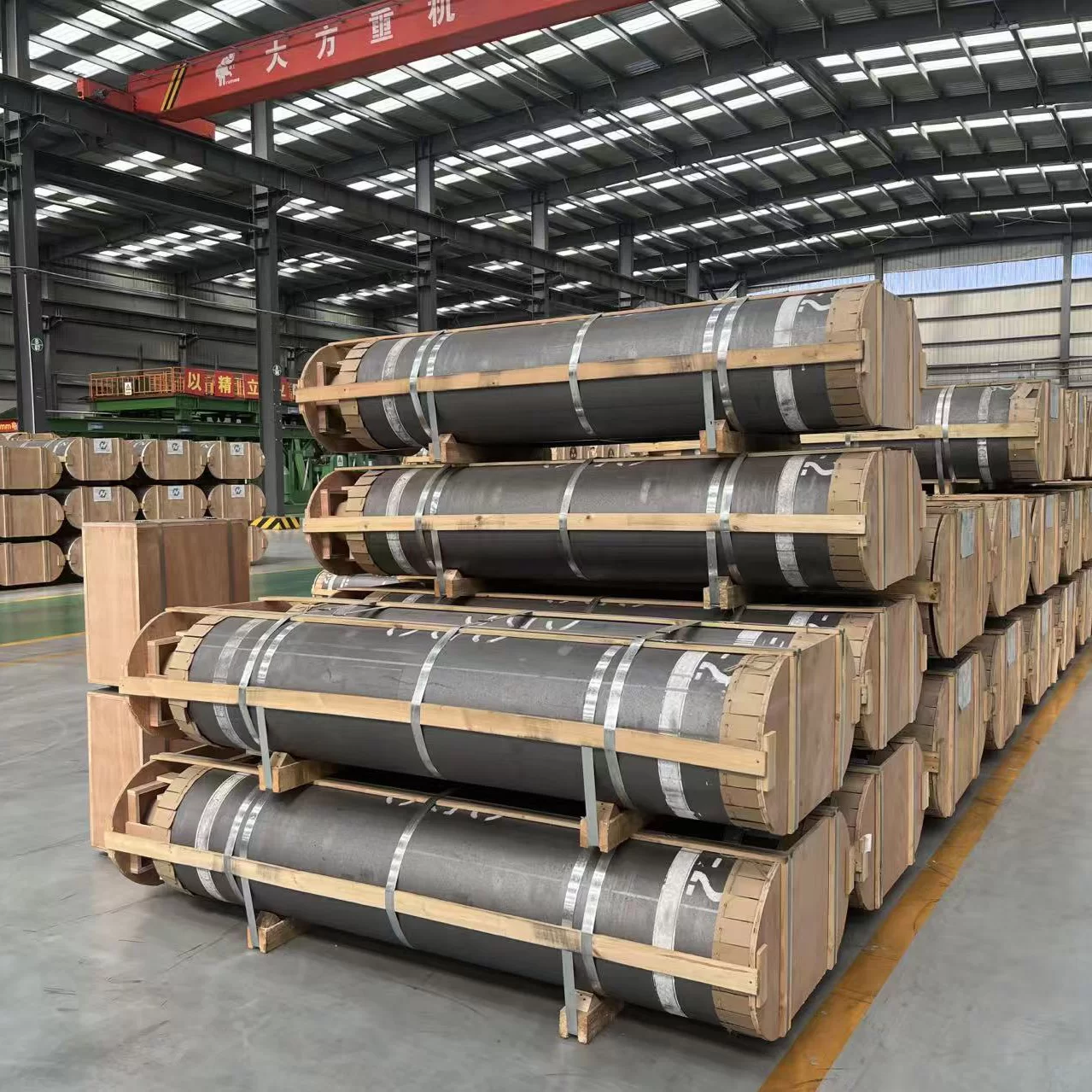
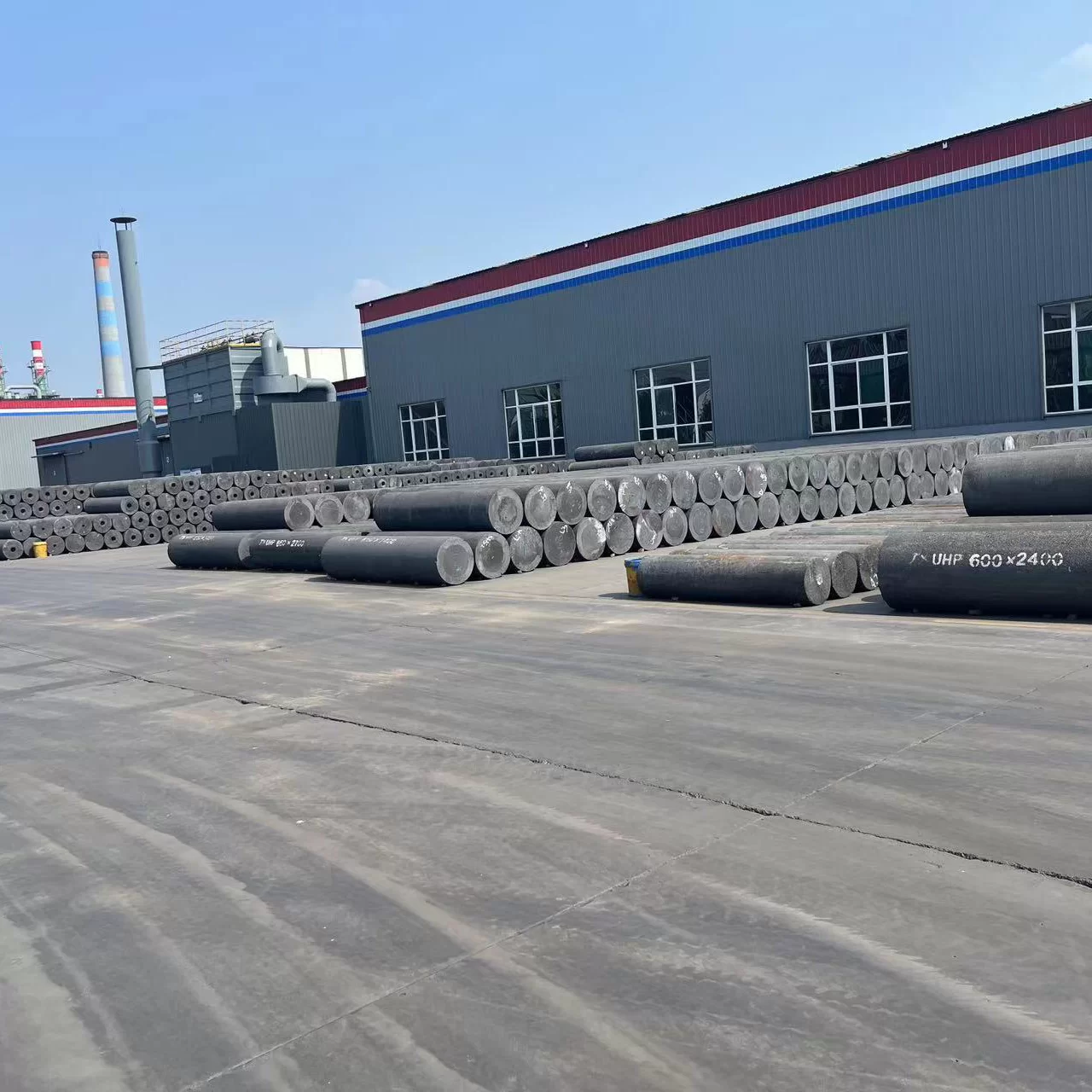
Now, the production process itself is a bit of an art. Creating microfine graphite powder involves extensive milling and sorting to reach particle sizes often below 10 microns. While refining graphite obviously reduces impurities, you really have to watch out for oxidation and moisture content, especially when it's going into sensitive equipment components.
| Specification | Typical Value | Notes |
|---|---|---|
| Particle Size (D50) | 5-8 microns | Ultra-fine for high precision |
| Purity | >99.9% | Low ash content critical for performance |
| Moisture Content | Prevents clumping and oxidation | |
| Resistivity | 35-45 μΩ·cm | Ensures good conductivity |
What’s interesting is the customization angle. Some manufacturers can tweak the surface treatments to enhance dispersibility in lubricants or composites. I’ve seen variations tailored specifically for battery electrodes, where micron-level particle uniformity translates directly into improved charge cycles. Makes you realize how narrowly focused applications benefit from what might look like just “another graphite powder” at first glance.
Comparing vendors, you quickly notice differences—not just in purity but in consistency, delivery timelines, and technical support. For instance, I’ve worked with suppliers who offer rapid batch testing certifications versus those who provide detailed application consultations upfront, which, odd as it sounds, can save weeks during product development phases.
| Vendor | Purity (%) | Particle Size (D50 μm) | Lead Time | Technical Support |
|---|---|---|---|---|
| Dah Carbon | 99.9 | 5-8 | 2-3 weeks | Comprehensive and responsive |
| GraphiteCo | 99.7 | 6-9 | 3-5 weeks | Standard, email only |
| FineGraph Supplies | 99.5 | 4-7 | 1-2 weeks (stock) | Limited |
Speaking of customers, I remember a supplier once told me how a client in aerospace used microfine graphite powder as a dry lubricant on a new kind of actuating pin. The high purity and fine particle distribution prevented galling and extended service life significantly. Stories like that reinforce why choosing the right powder is more than just ticking specs.
So, in real terms, if you're sourcing graphite powders, and precision and reliability are a must, it’s worthwhile consulting with suppliers who can back up their material with robust specs and who are willing to dive into your application specifics. I suppose at the end of the day, it’s the small grains that make the biggest difference.
Just a thought from someone who's tracked graphite powders from dusty warehouses to state-of-the-art plants.
References:
- “Graphite Powder Applications and Properties,” Industrial Minerals Journal, 2022.
- “Particle Size Effects on High-Temperature Lubricants,” Tribology Today, 2021.
- Dah Carbon Product Specifications and Technical Whitepapers, 2023.