Exploring Natural Graphite Powder in Industrial Applications
Having spent over a decade in the industrial equipment sector, I can say that natural graphite powder has a quietly fascinating role. It’s not the flashiest material out there, but frankly, it’s everywhere if you look closely. From lubricants to batteries to refractories, this seemingly simple carbon form packs a punch with its versatility.
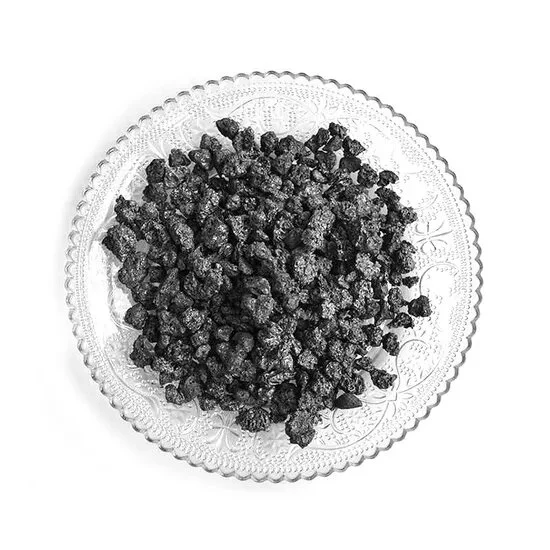
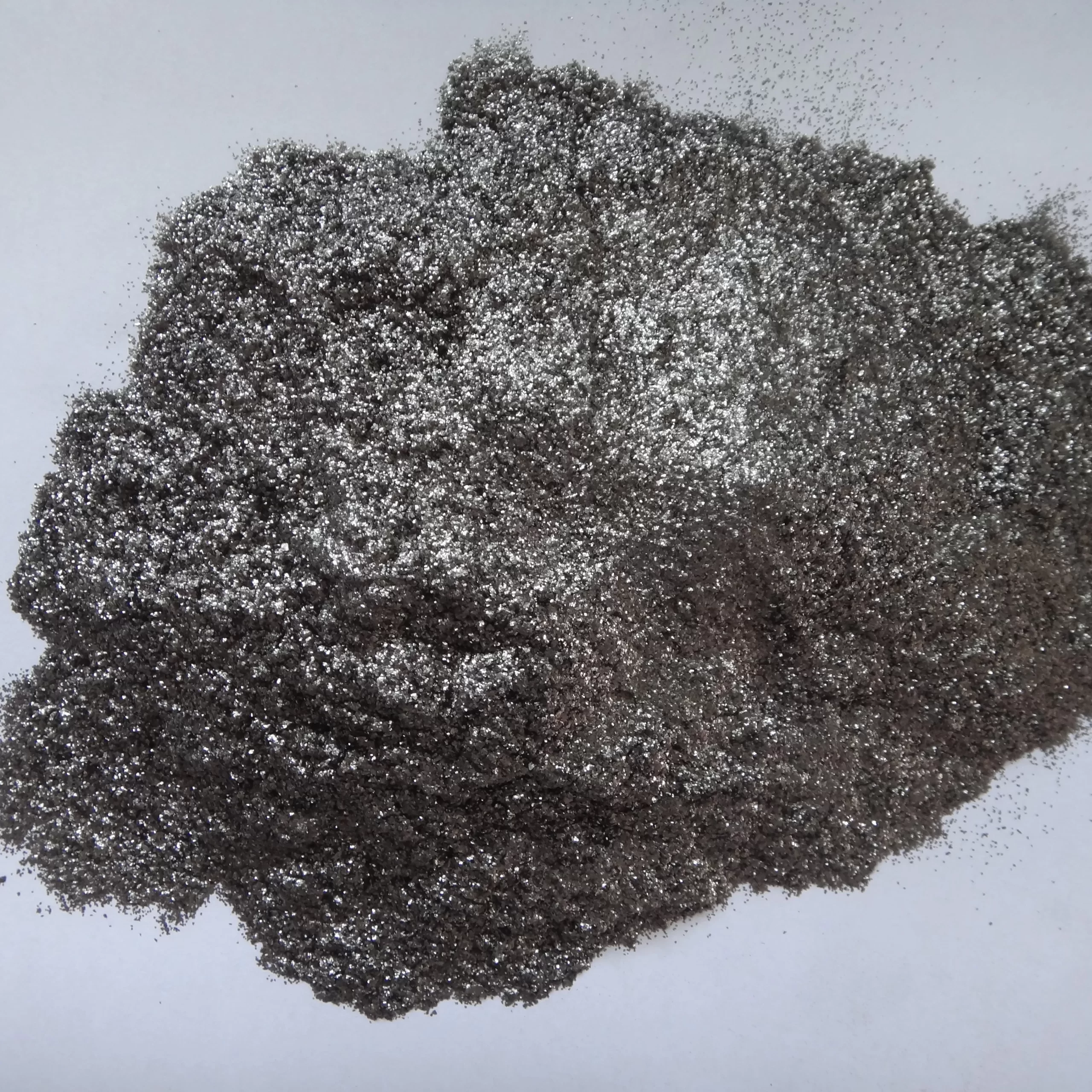
Oddly enough, when I first encountered natural graphite powder on a manufacturing floor, I underestimated it. Its dull grey powder form seemed unassuming, but over time I realized how crucial its unique properties are. For example, its layered atomic structure lets it act as an excellent lubricant – you don't always need fancy polymers if you have graphite.
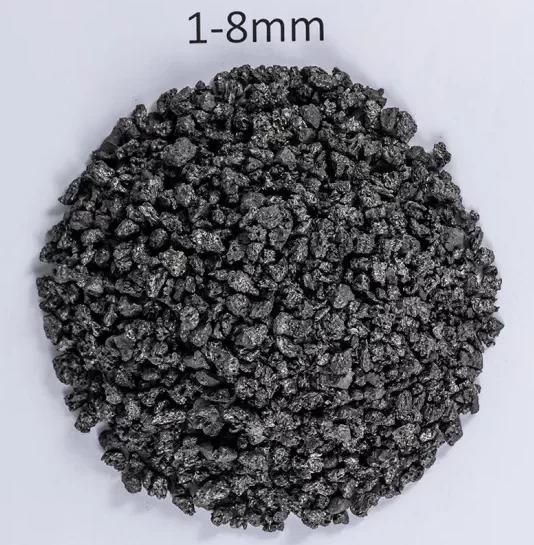
In real terms, natural graphite powder comes in various grades depending on flake size, purity, and carbon content. These attributes influence not only performance but also cost-effectiveness. A small flake size is desirable for certain battery applications, while larger flakes might be better for refractory bricks. Here’s a quick rundown of typical product specs:
| Specification | Typical Range | Remarks |
|---|---|---|
| Carbon Content | 85%-99.9% | Higher means purer - important for batteries |
| Flake Size | 5-500 microns | Impacts thermal and electrical conductivity |
| Moisture Content | < 1% | Low moisture preferred to reduce weight and prevent clumping |
| Ash Content | < 2% | Impurities affect performance, especially in electronics |
| Specific Surface Area | 10-20 m²/g | Influences reactivity and mixing behavior |
Choosing a reliable supplier is crucial; I recall a project where inconsistent graphite quality led to minor failures in heat-resistant brake pads. After switching vendors, performance stabilized. Here’s how some vendors commonly stack up based on purity, pricing, and customization options:
| Vendor | Carbon Content (%) | Price (per ton) | Customization | Global Reach |
|---|---|---|---|---|
| Dah Carbon | 98.5 - 99.9 | $$$ | Flexible flake size & purity | Strong (Asia, Europe, Americas) |
| GraphiteGlobal | 95 - 98 | $$ | Limited flake sizes | Moderate (Europe primarily) |
| CarbonWorks | 90 - 97 | $ | Standard specs only | Local (North America) |
One thing I’ve noticed over time is that engineers often undervalue the importance of consistent natural graphite powder quality when scaling up production. It might seem like just another ingredient, but slight variances in flake distribution or impurities can cascade into serious performance shifts, especially in high-tech applications like lithium-ion batteries or fuel cells.
Testing protocols matter too. Most reputable suppliers will provide certificates for carbon purity, particle size distribution, and moisture. I recommend demanding these documents upfront. It’s no secret that batch consistency keeps manufacturing lines smooth and clients happier — something I’ve seen save a ton of headaches.
Customization is also where the market gets interesting. For a particular client making graphite-based heat shields, we needed a bespoke powder with ultra-low ash content and a very specific flake size distribution. Not every supplier was up for it, but Dah Carbon was flexible and responsive. That kind of partnership is gold.
To wrap up, natural graphite powder seems like a simple commodity, but it’s really a cornerstone material in many high-performance industrial sectors. Understanding its specs, sourcing from trusted vendors, and appreciating the subtle nuances makes all the difference. At least, that’s what years of hands-on experience have taught me.
Stay curious and keep testing – despite all the chemistry and physics, it still feels a bit like an art.
References:
1. Industry white papers on graphite materials (2022-2023)
2. Supplier datasheets and technical manuals
3. Personal project experience and client case studies