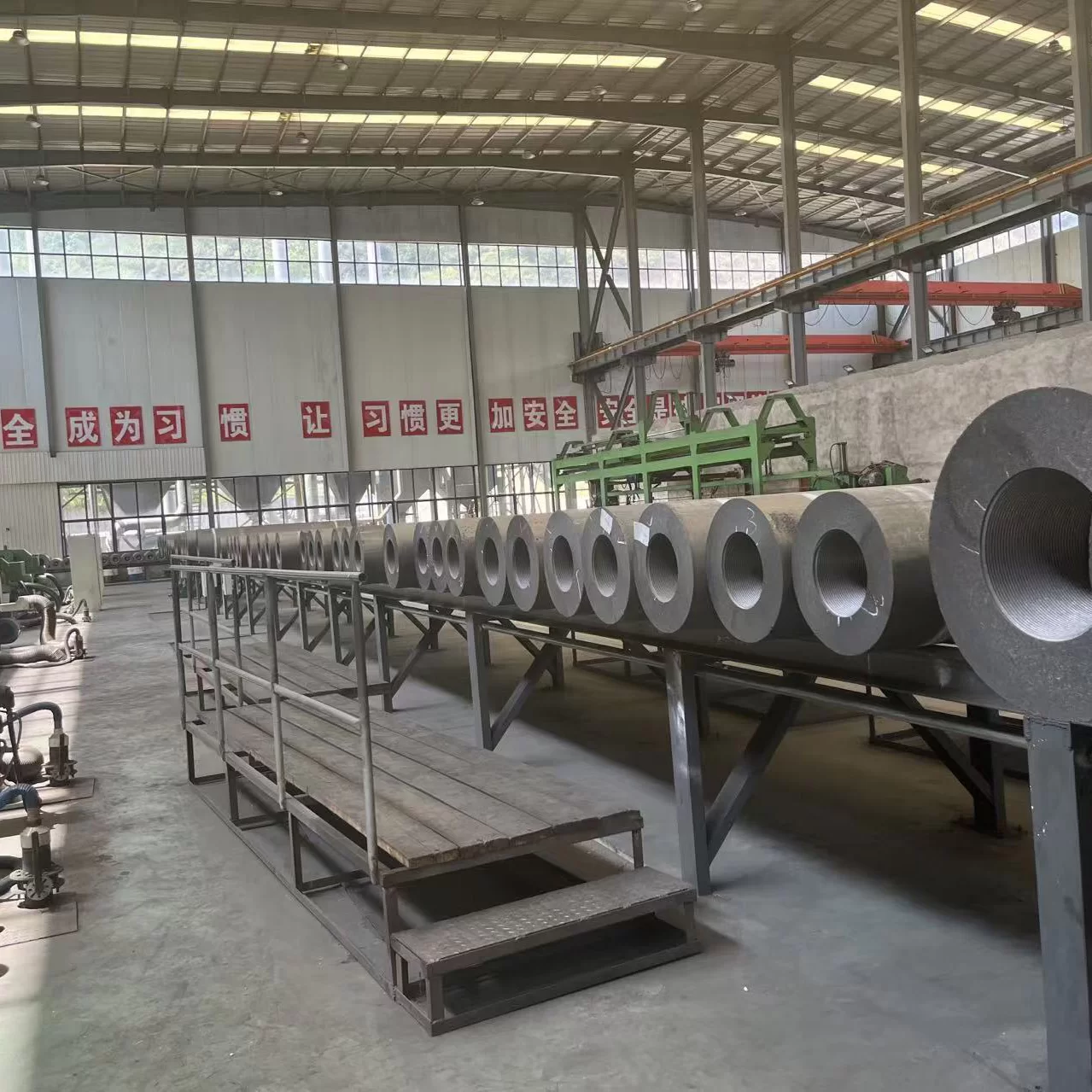
Pure Graphite: The Unsung Hero of Modern Industry and Sustainability
When you hear the word pure graphite, you probably think of pencils, right? Well, that’s just the tip of the iceberg. This remarkable material plays a key role worldwide—in technology, energy, manufacturing, and even humanitarian initiatives. It’s lightweight, sturdy, and highly conductive, attributes that make it indispensable in ways most people overlook. Understanding pure graphite today isn’t just about knowing a mineral; it’s about grasping a resource that powers countless innovations and tackles global challenges.
Frankly, the future owes a lot to this humble carbon allotrope.
The Global Pulse: Why Pure Graphite Matters More Than Ever
The global demand for pure graphite has surged dramatically over the past decade, thanks largely to its critical role in clean energy and high-tech manufacturing. According to the International Energy Agency, the growth of lithium-ion batteries—the kind that power electric vehicles and renewable grids—has pushed graphite supply into the spotlight. In 2023, global graphite production topped 1.2 million metric tons, with China, Brazil, and Canada leading the market (source: USGS Mineral Commodity Summaries).
Yet, the challenge isn’t just mining more. Pure graphite must meet stringent quality and environmental standards—without which industries from aerospace to disaster relief would falter.
The irony is palpable: a material as old as the Earth’s crust is now a linchpin in tomorrow’s green infrastructure.
What Exactly is Pure Graphite?
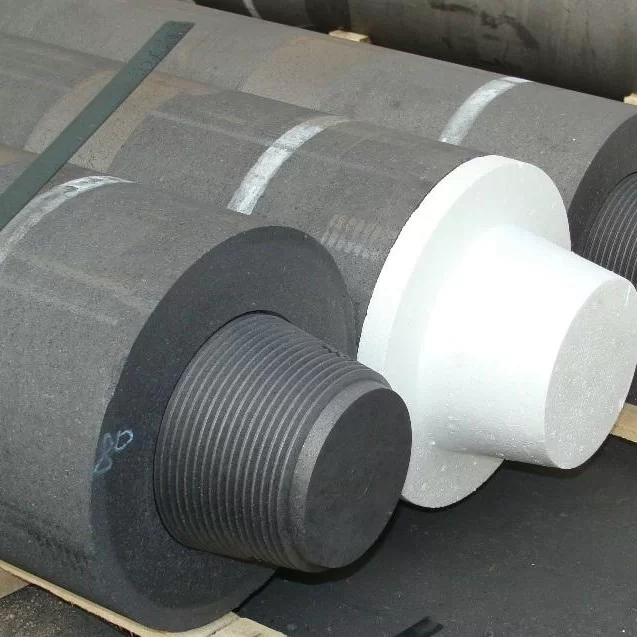
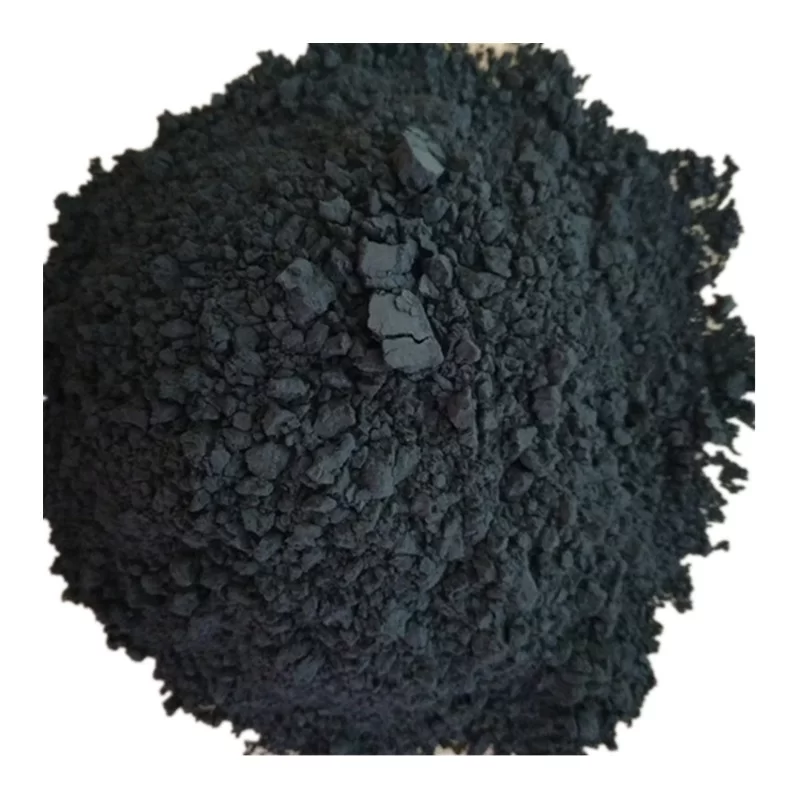
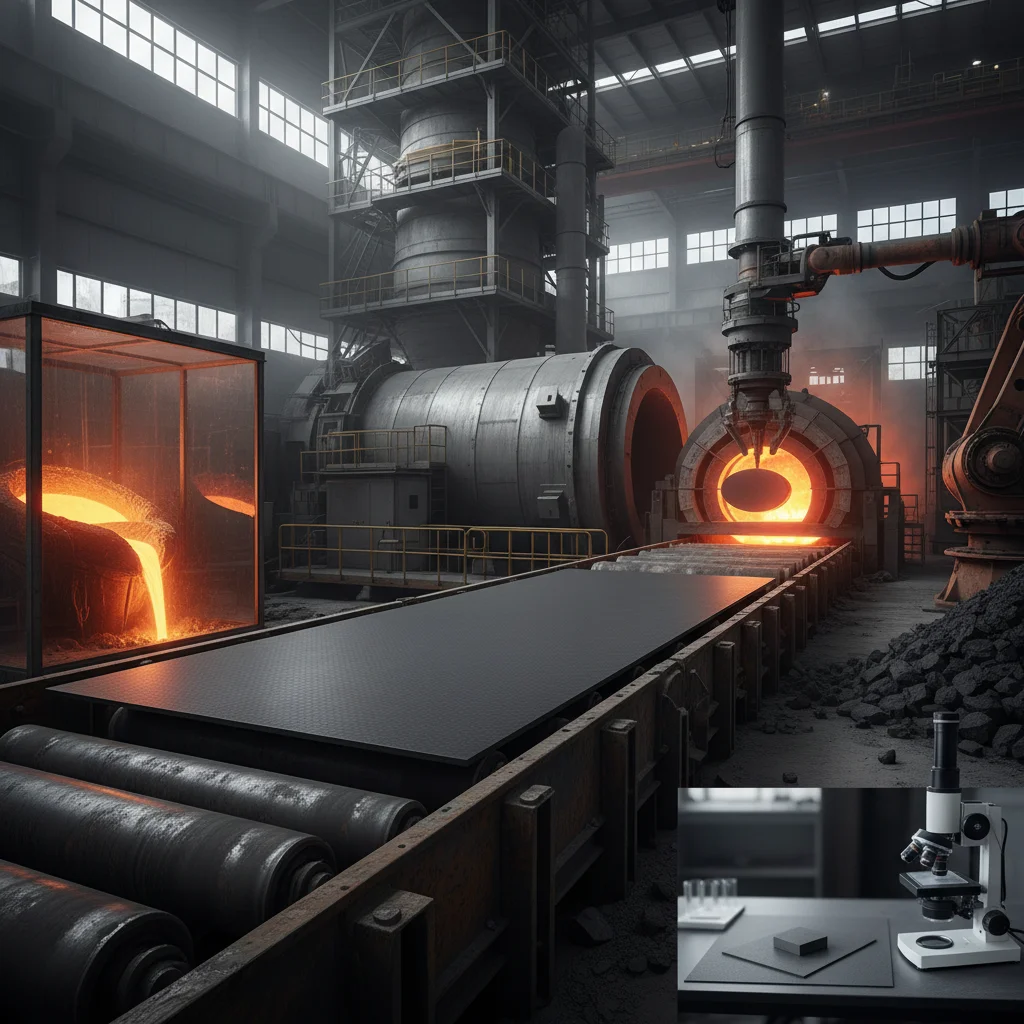
At its core, pure graphite is a form of carbon with an unusually ordered crystal structure, which gives it exceptional electrical conductivity, heat resistance, and mechanical strength. It’s essentially carbon atoms bonded in layers of hexagonal sheets, sliding easily over one another—hence why graphite feels slippery. But unlike charcoal or amorphous carbon, pure graphite boasts high purity levels, often above 99% carbon, crucial for industrial applications.
This purity means it can be fine-tuned for performance in lithium-ion batteries, nuclear reactors, precision tools, and more. Oddly enough, despite its industrial cachet, it’s also friendly to humanitarian applications, like water purification systems or even specialized medical devices.
Mini takeaway:
- Pure graphite is a highly ordered, carbon-rich material.
- Its purity levels dictate usability in high-tech and humanitarian fields.
Core Qualities of Pure Graphite That Make It So Valuable
1. Electrical and Thermal Conductivity
Pure graphite conducts electricity better than most non-metal materials and dissipates heat exceptionally well. This makes it a favorite in battery anodes, electronic components, and heat shielding.
2. Chemical Stability
Graphite resists many corrosive environments. In harsh chemicals or extreme temperatures, it holds its ground, essential for industrial reactors or protective coatings.
3. Mechanical Strength and Durability
Despite being lightweight and soft to the touch, in engineered forms, pure graphite withstands wear and mechanical stress, useful in aerospace seals and high-precision bearings.
4. Scalability & Purity Control
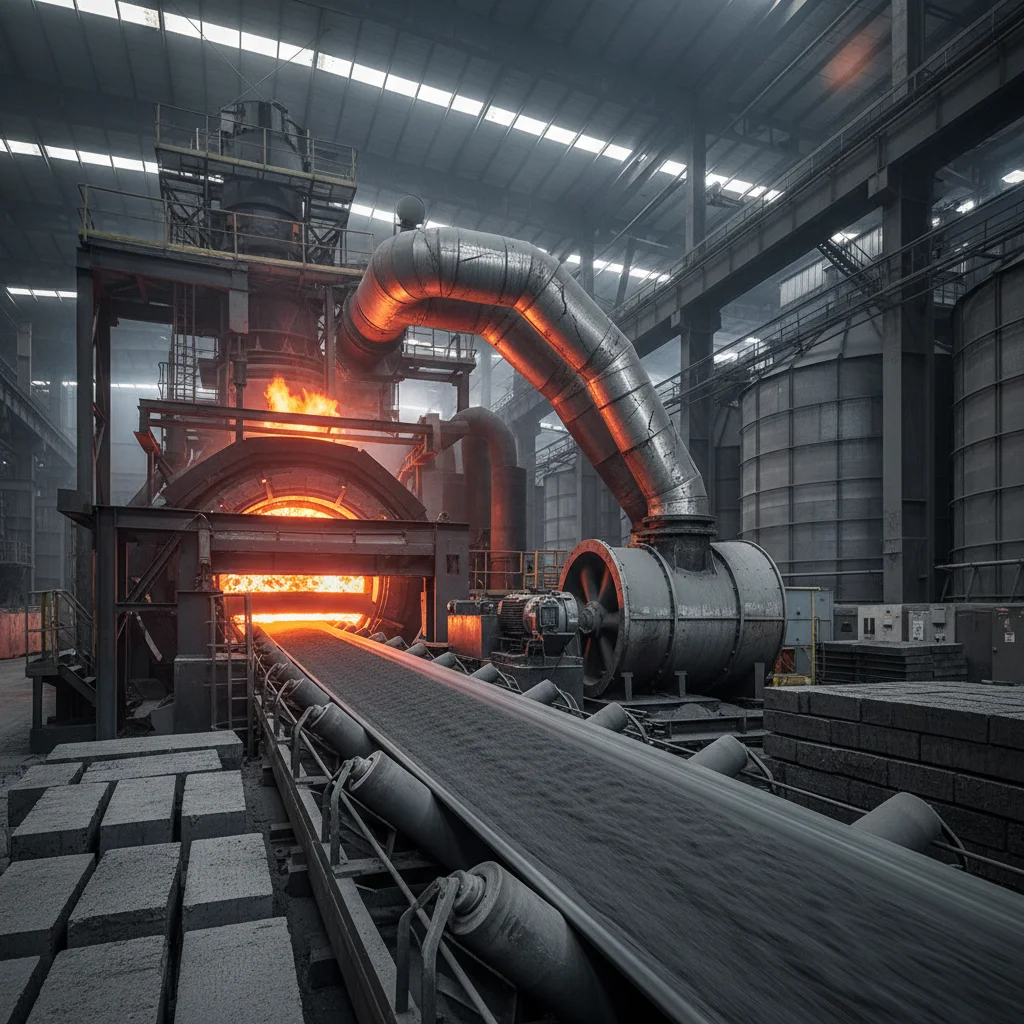
With advances in purification processes, manufacturers can produce pure graphite with custom grain sizes and surface structures to meet specific industrial needs.
5. Environmental Compatibility
Unlike synthetic materials, pure graphite can be sourced and recycled with relatively lower environmental footprints, aligning with global sustainability goals.
Mini takeaway:
- Its unique combination of conductivity, durability, and chemical resistance is rare.
- Customization of purity and grain size expands its applications.
- Environmental benefits highlight its long-term potential.
Real-World Uses: Where Pure Graphite Shines
Industries around the globe depend on pure graphite daily—
- Energy Storage: The electric vehicle boom spiked demand for high-purity graphite anodes, especially in Asia and Europe.
- Industrial Manufacturing: Aerospace components in North America use graphite for its heat shielding and mechanical resilience.
- Humanitarian Aid: In water filtration and sterilization devices for remote disaster zones, graphite’s chemical stability is key.
- Electronics: Semiconductors and heat dissipation in smartphones rely on precisely graded graphite.
One interesting story: a nonprofit working in Sub-Saharan Africa incorporated graphite-filter-based water purification units in villages with no power, enabling clean water access where traditional filters failed due to harsh water chemistry.
Product Specification Table: Typical Pure Graphite Attributes
| Specification | Typical Value | Units |
|---|---|---|
| Purity | > 99.5 | % |
| Bulk Density | 1.6 – 1.9 | g/cm³ |
| Electrical Conductivity | 1,200 - 1,400 | S/m |
| Thermal Conductivity | 100 - 200 | W/m·K |
| Operating Temp. Range | Up to 3,000 | °C |
Vendor Comparison: Leading Suppliers of Pure Graphite
| Feature | Dah Carbon | CarbonTech Ltd. | GrapheneWorks |
|---|---|---|---|
| Purity Level | >99.6% | >99.3% | >99.8% |
| Customization | Grain size, shape | Basic size options | Graphene composites |
| Sustainability Commitment | Recycling & eco-friendly mining | Limited | Strong focus on green tech |
| Lead Time | 2-4 weeks | 3-6 weeks | 4-8 weeks |
Advantages and Long-Term Value of Pure Graphite
Why do so many engineers swear by pure graphite? Aside from its technical merits, it offers practical and emotional advantages:
- Cost Efficiency: Higher purity may cost more initially but drastically improves product lifespan and performance, reducing downtime.
- Sustainability: Recyclability and low toxicity make pure graphite a friendlier alternative to synthetics.
- Reliability: Components made with pure graphite tend to be safer and lend more operational trust, critical in aerospace or medical fields.
- Innovation Catalyst: It’s a enabler for next-gen batteries, eco-friendly electronics, and clean tech.
Taken together, that’s a compelling package—something that truly changes how industries think about material value.
Emerging Trends & Innovations Shaping Pure Graphite
Looking ahead, two major trends stand out:
- Green Mining and Recycling Efforts: The push toward sustainable sourcing promises lower carbon footprints, with automated extraction and more closed-loop graphite reuse.
- Graphene Hybrids: An exciting frontier is blending pure graphite with graphene for ultra-lightweight, ultra-strong composite materials for aerospace and electronics.
At the same time, digital transformation is accelerating quality control, enabling suppliers to provide tailored graphite grades faster than ever before.
Challenges and How Experts Are Tackling Them
Despite its promise, pure graphite faces hurdles: inconsistent supply chains, environmental concerns from mining, and price volatility. Many producers are addressing this by investing in synthetic purification tech, geography diversification, and collaborations with recycling firms.
One solution gaining traction is advanced chemical vapor deposition (CVD) methods that can create ultra-pure graphite films with less environmental impact—an exciting development if scaled economically.
FAQ: Frequently Asked Questions About Pure Graphite
Q1: What industries benefit most from pure graphite’s conductivity?
A: Electronics manufacturing, battery production (especially for EVs), and aerospace applications rely heavily on pure graphite’s superior electrical and thermal conductivity to enhance performance and safety.
Q2: How is purity measured and why does it matter?
A: Purity is typically assessed by carbon content percentage and impurity presence. Higher purity means improved conductivity and chemical stability, crucial for sensitive uses like semiconductors or nuclear reactors.
Q3: Can pure graphite be reused or recycled?
A: Yes, graphite can be recycled, especially from spent batteries and industrial components. Recycling reduces environmental impact and helps stabilize supply.
Q4: Is pure graphite compatible with green technologies?
A: Absolutely. It is a key enabler for renewable energy storage, fuel cells, and lightweight composites that lower emissions.
Q5: How can international buyers ensure the quality of pure graphite?
A: Working with reputable vendors offering certifications (ISO, ASTM) and transparency about sourcing helps ensure consistent quality and compliance.
Conclusion: Why Pure Graphite Deserves Your Attention Today
In real terms, investing time to understand pure graphite unlocks a deeper appreciation for how material science underpins clean energy, tech innovation, and even human wellbeing. Its rare combination of purity, conductivity, and sustainability align closely with global priorities—from decarbonization to digital transformation.
So if you’re in manufacturing, energy, or humanitarian sectors, digging into pure graphite’s potentials might just reshape your strategic choices tomorrow.
Want to dive deeper? Check out more on pure graphite applications and procurement by visiting https://www.dahcarbon.com.