Synthetic Graphite Price Per Ton: Understanding Its Global Impact and Industry Relevance
Synthetic graphite price per ton may sound like a dry number at first glance, but honestly, it’s a crucial figure in modern industry and technology. Why? Because this black, carbon-based material powers everything from electric vehicle batteries to aerospace components to high-tech manufacturing. Understanding its cost dynamics helps businesses forecast budgets, governments anticipate supply risks, and researchers innovate better materials. On a global scale, as clean energy and advanced electronics gain steam, the market for synthetic graphite is heating up — quite literally in some production processes.
Introduction: Why Synthetic Graphite Pricing Matters Globally
To put it simply, synthetic graphite’s price per ton affects more than just raw material suppliers. According to the United Nations Industrial Development Organization (UNIDO), demand for synthetic graphite is projected to rise by over 7% annually through 2030, largely driven by the growth of lithium-ion batteries and renewable energy storage solutions. However, price volatility is a problem. Fluctuations can ripple through supply chains — influencing everything from electric vehicle manufacturing costs to the affordability of smart devices in emerging economies.
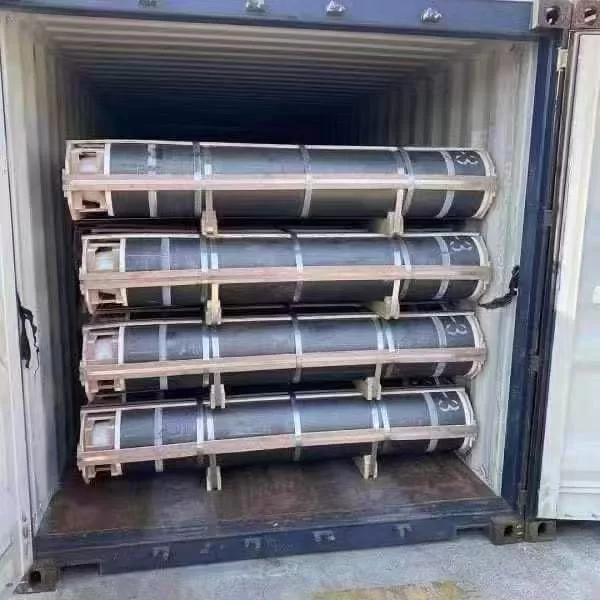
In fact, synthetic graphite price per ton has become a crucial metric for investors and manufacturers alike to keep an eye on. Raw material shortages or geopolitical tension can spike costs suddenly, creating bottlenecks. This challenge is particularly acute in regions heavily reliant on graphite imports, like Europe and North America.
What Exactly Is Synthetic Graphite Price Per Ton?
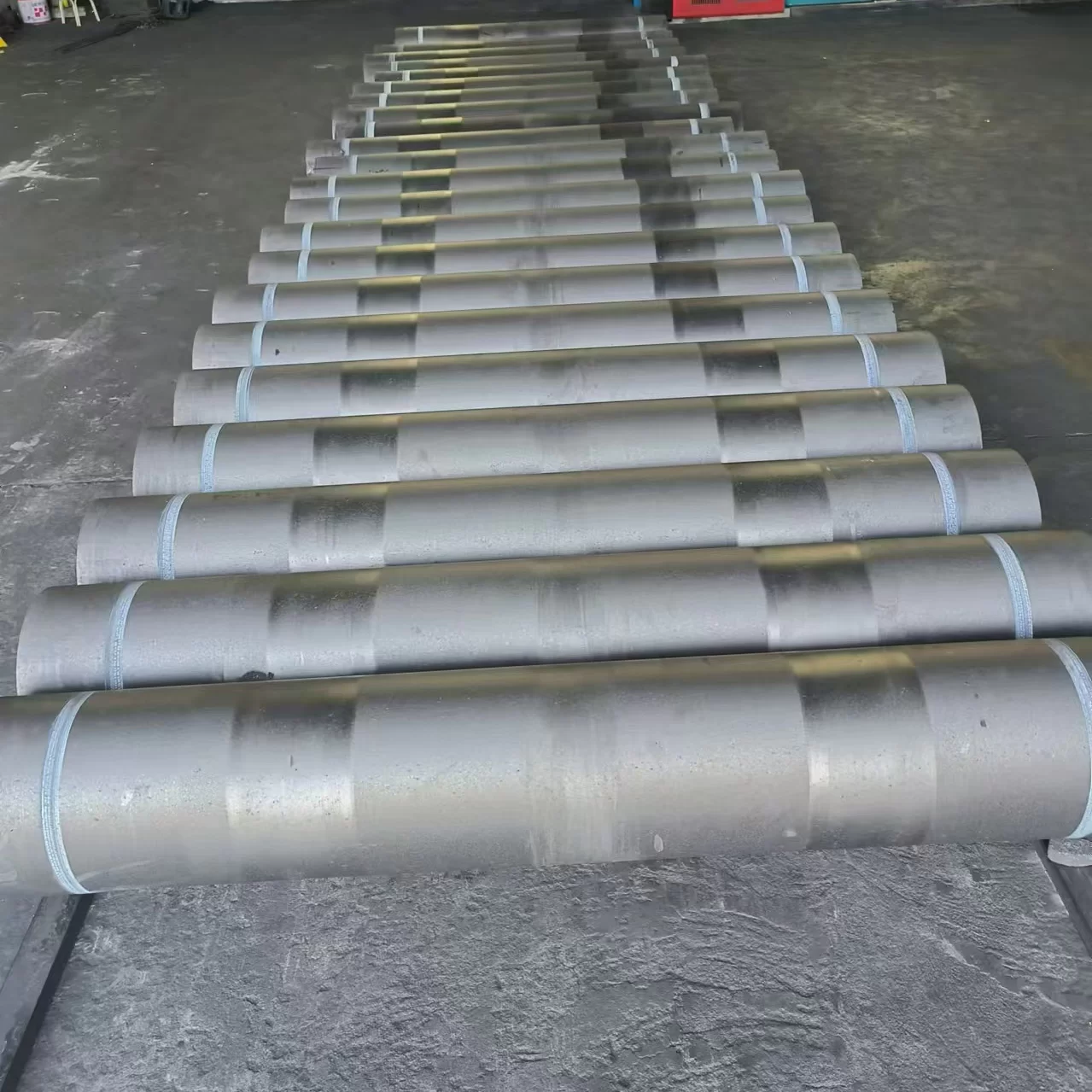
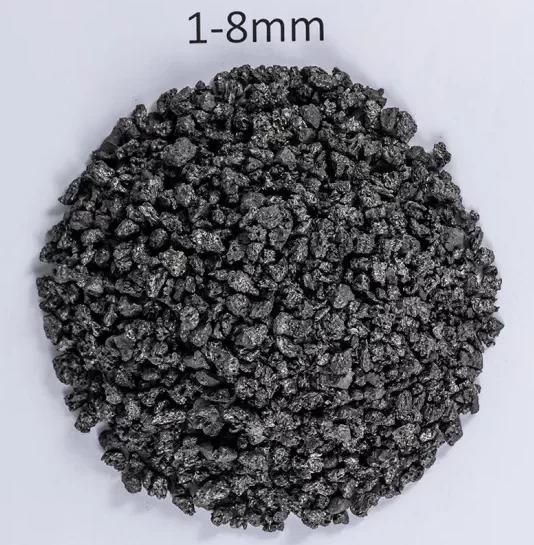
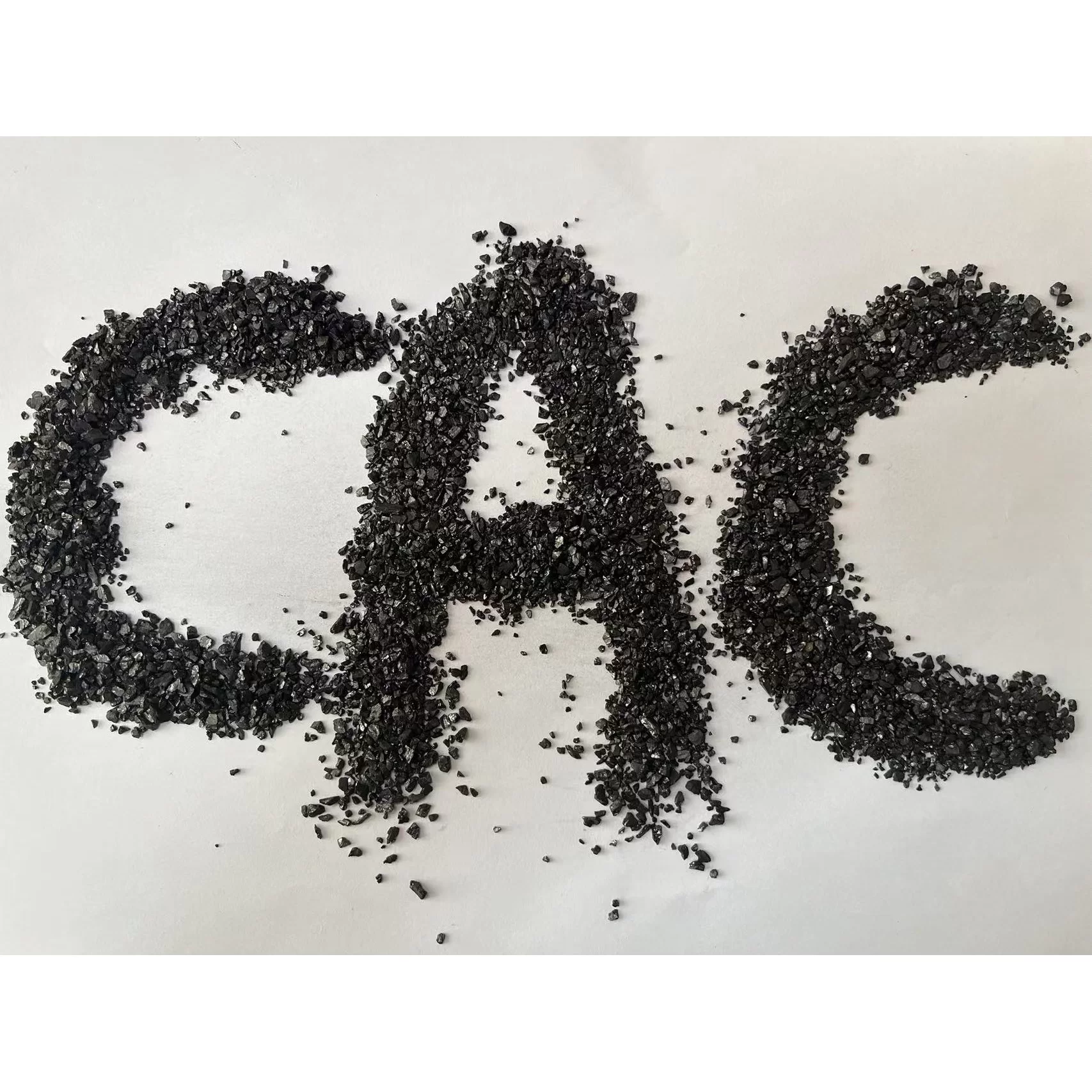
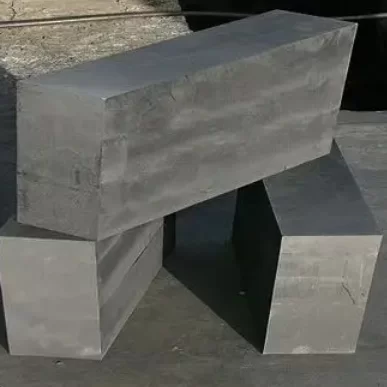
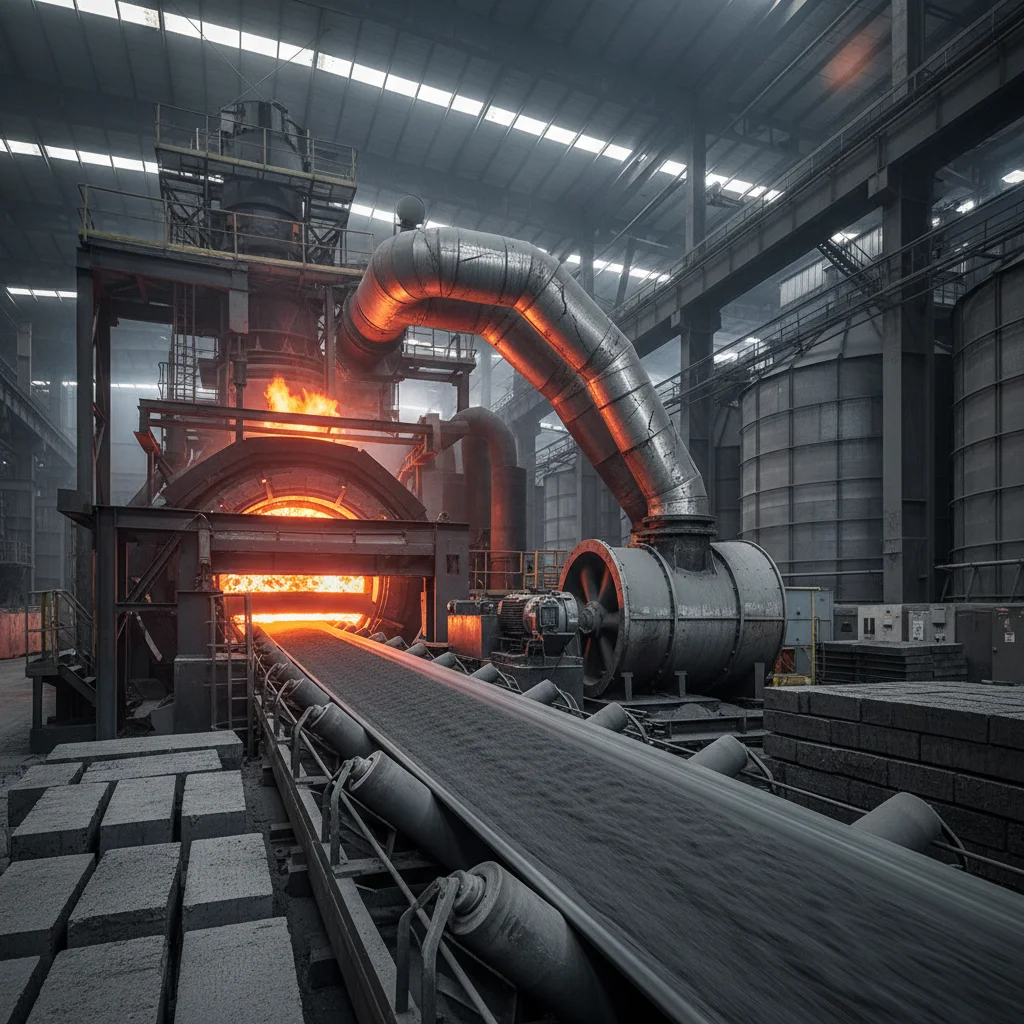
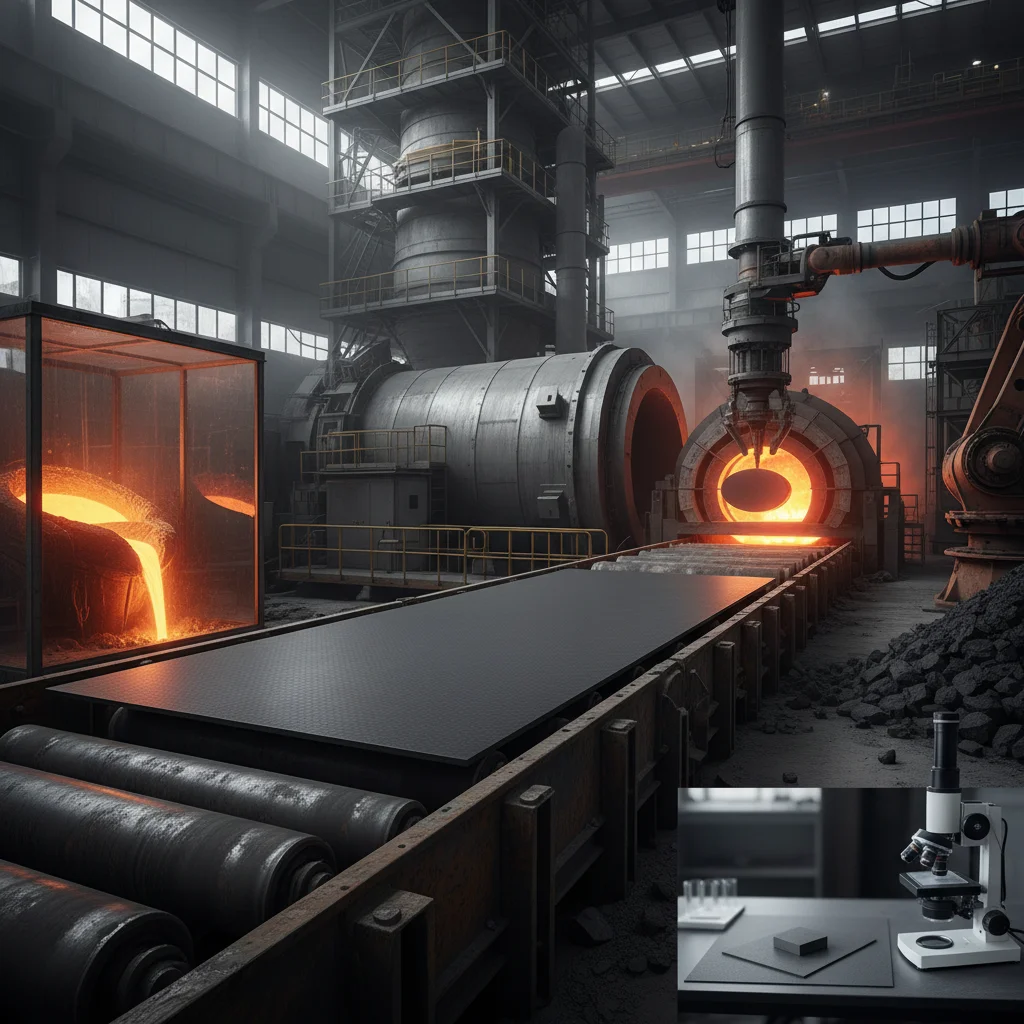
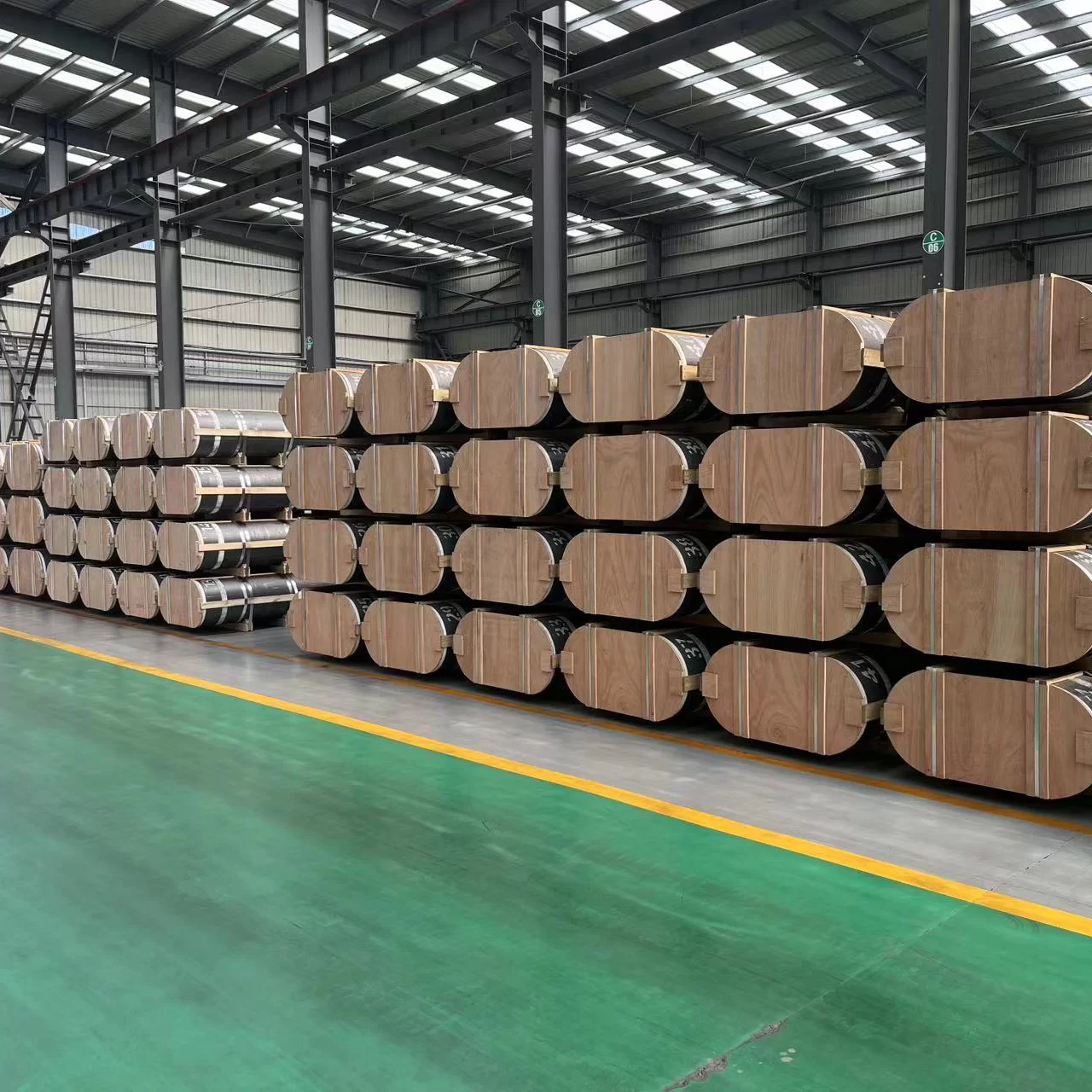
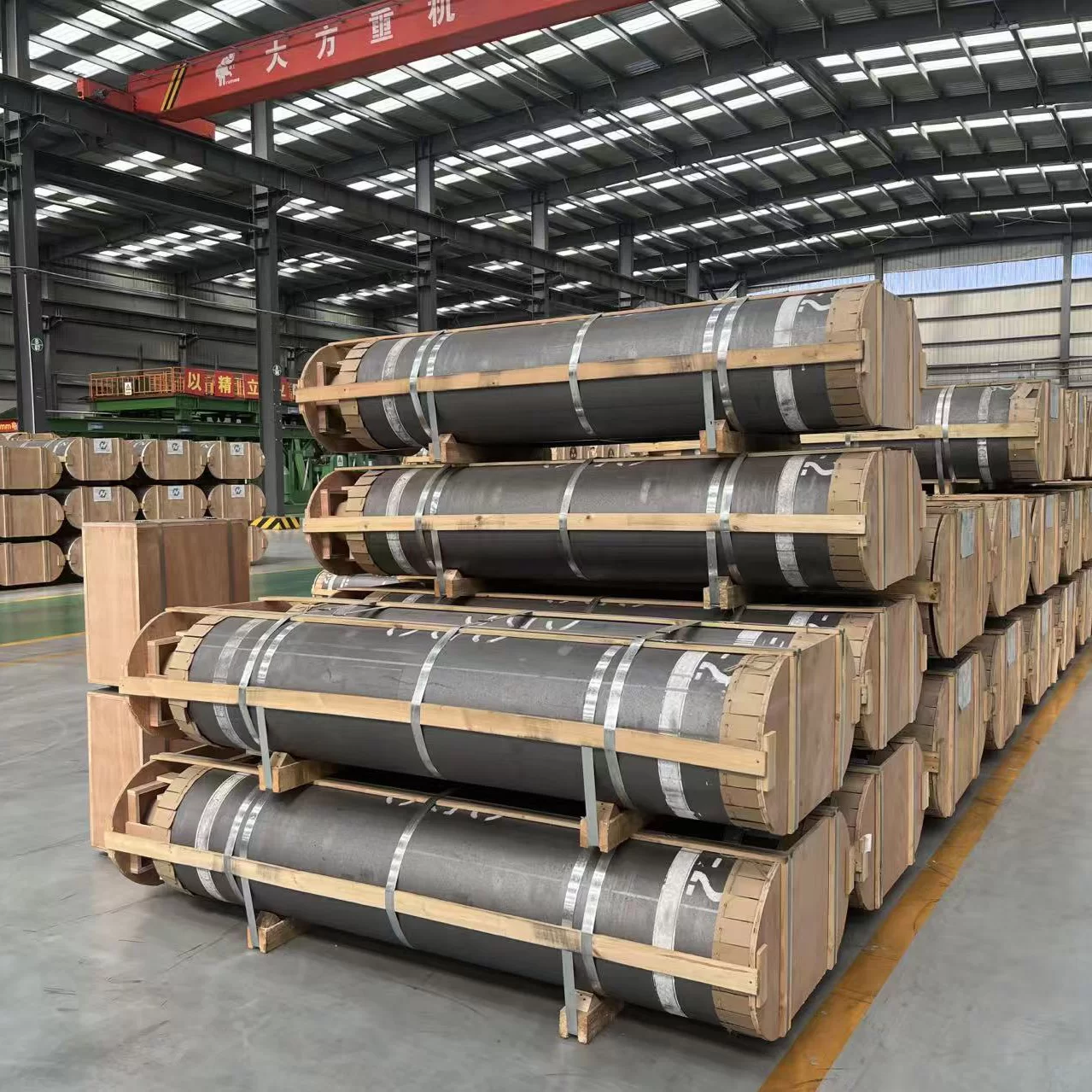
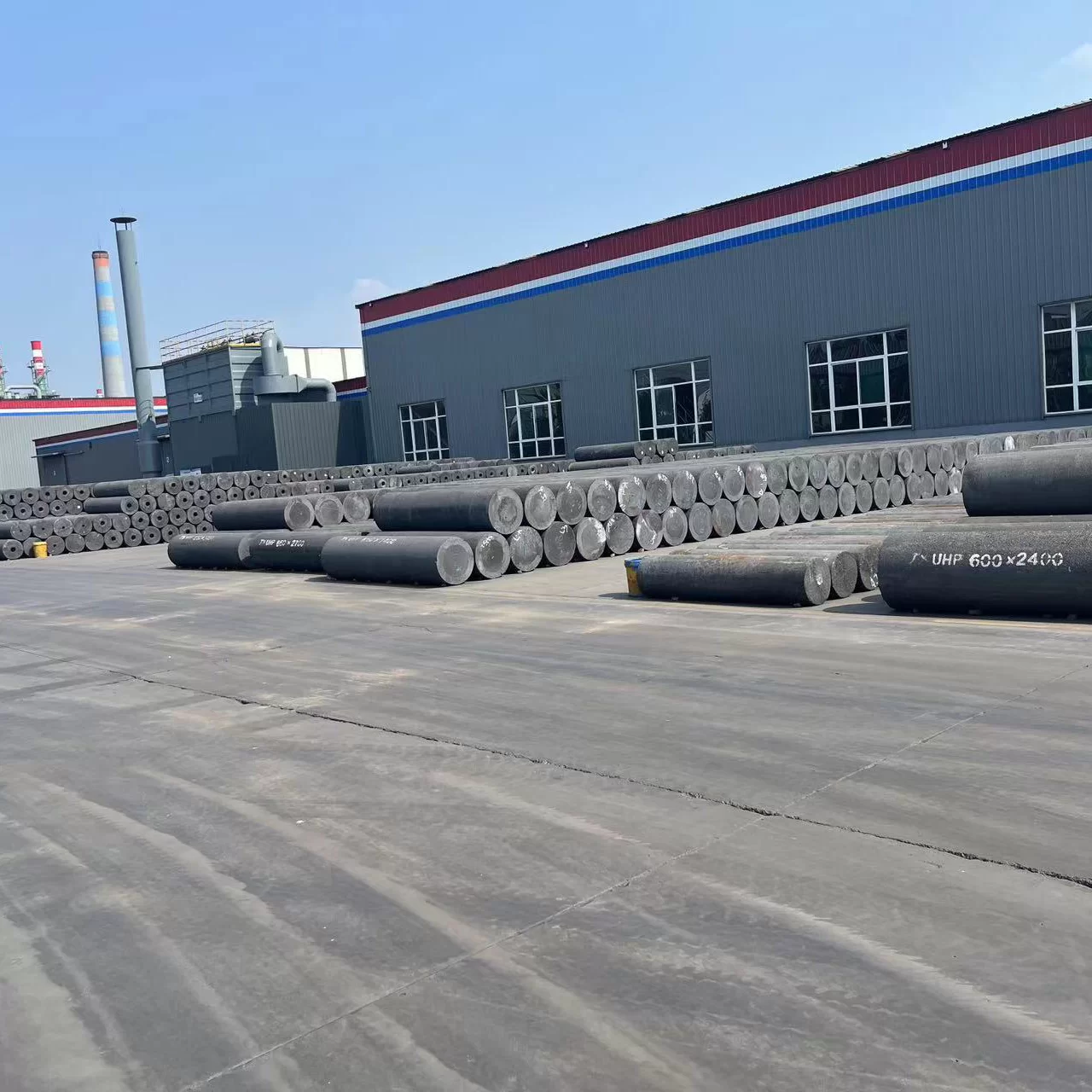
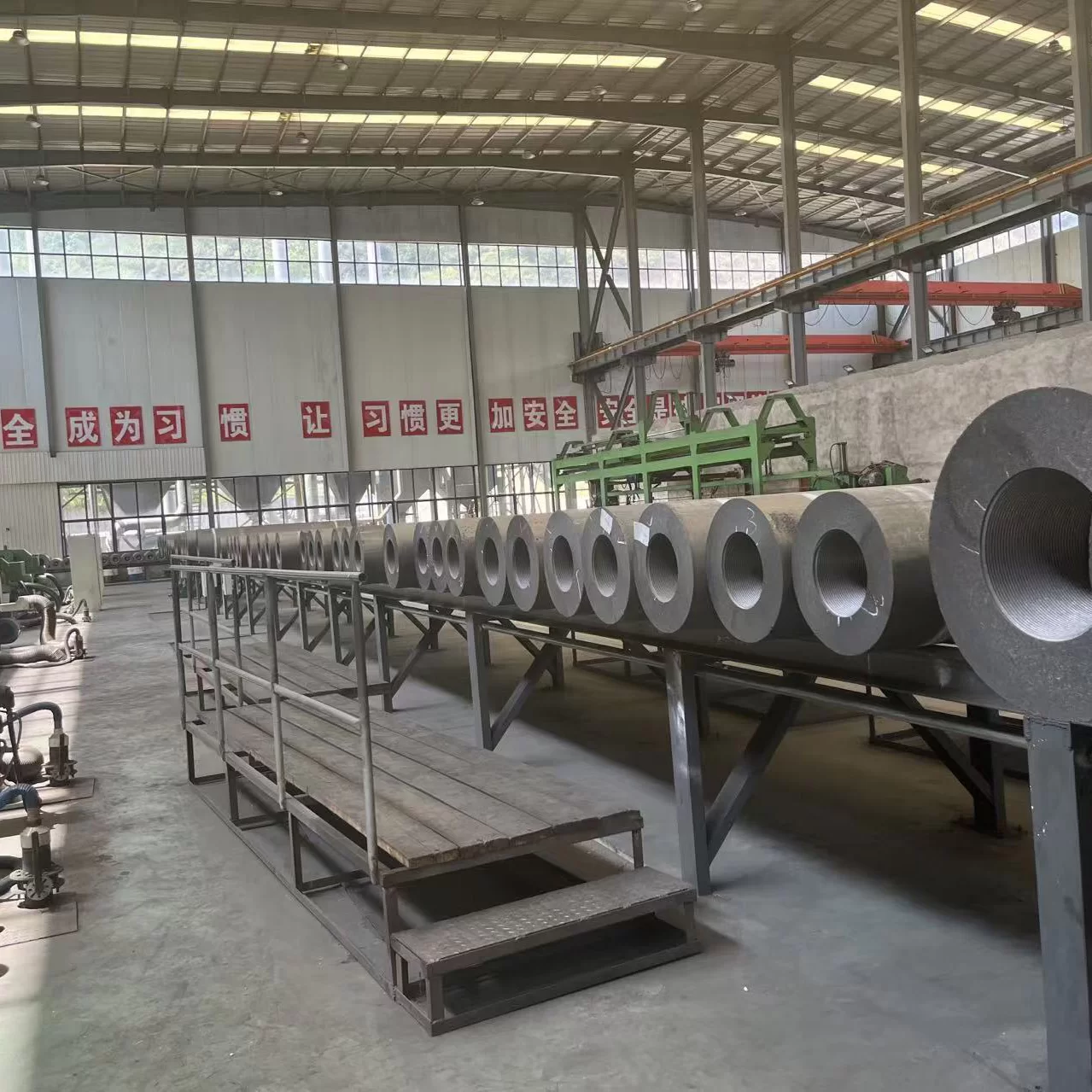
At its core, 'synthetic graphite price per ton' refers simply to the average market cost of purchasing one metric ton (1,000 kilograms) of man-made graphite material. Unlike natural graphite harvested from mines, synthetic graphite is manufactured in factories by heating carbon-rich materials to extremely high temperatures — usually around 3000°C or more. This deliberate process yields graphite with highly uniform structures, improving properties like conductivity and heat resistance.
So that price per ton encapsulates not just raw materials but also huge energy inputs and specialized manufacturing technology. Because synthetic graphite is vital for several cutting-edge sectors — think aerospace, battery tech, and steel production — knowing its pricing helps forecast how affordable and scalable these industries can be in the future.
Key Factors Influencing Synthetic Graphite Pricing
1. Purity and Quality Grade
Synthetic graphite is not one-size-fits-all. Higher purities — often above 99.9% carbon content — cost more due to complex refining steps. For example, ultra-high purity grades are indispensable in electric vehicle (EV) battery anodes, where impurities can reduce performance or shorten lifespan.
2. Production Scale and Capacity
Larger manufacturers benefit from economies of scale, and conversely, smaller or niche producers may charge premiums. The price per ton can reflect this dynamic vividly, especially when demand surges outpace supply.
3. Raw Material Costs and Energy Prices
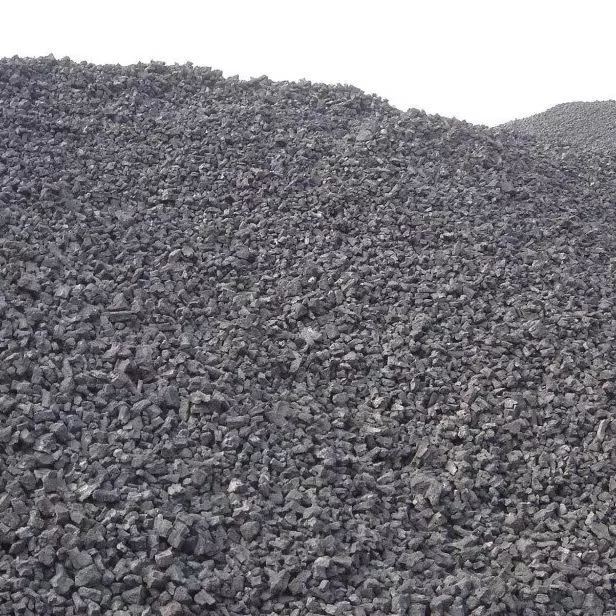
Because making synthetic graphite requires heating petroleum coke or other carbon precursors at scorching temperatures, fluctuations in oil, coal, or electricity prices often influence final costs.
4. Technological Innovation and Efficiency
Newer production methods or recycling initiatives can reduce energy consumption or waste, potentially lowering price per ton, though initial capital investment might be high.
5. Geopolitical and Trade Factors
Tariffs, export restrictions, and political unrest can inflame prices suddenly, especially when supply chains are concentrated in a few countries.
Typical Specifications of Synthetic Graphite
| Specification | Value | Unit |
|---|---|---|
| Carbon Content | ≥ 99% | % |
| Particle Size | 10–50 | microns |
| Ash Content | % | |
| Bulk Density | 0.9–1.1 | g/cm³ |
| Resistivity | 18–25 | µΩ·m |
Global Applications & Case Studies
Synthetic graphite’s reach is pretty broad. For starters, the booming electric vehicle industry consumes large volumes of this material for battery anodes, often concentrated in China, the US, and the EU. Aerospace applications demand lightweight, high-heat resistant graphite composites in the US and Europe. Steelmaking blast furnaces in India and Brazil use synthetic graphite for electrode applications, thanks to its excellent electrical conductivity and durability. There’s even a humanitarian angle—post-disaster relief operations sometimes turn to modular housing with synthetic graphite-based insulation for faster construction and energy efficiency.
Vendor Comparison on Synthetic Graphite Pricing
| Vendor | Price per Ton (USD) | Purity (%) | Production Capacity (tons/year) | Lead Time (weeks) |
|---|---|---|---|---|
| Dah Carbon | $3,500–$4,000 | ≥ 99.9 | 30,000 | 4 |
| Graphite Corp | $4,200–$4,800 | ≥ 99.7 | 25,000 | 6 |
| CarbonX Ltd. | $3,800–$4,200 | ≥ 99.8 | 20,000 | 5 |
Long-Term Advantages & Value of Synthetic Graphite
When you think about it, synthetic graphite is arguably more than just a commodity price. It’s a linchpin in the transition to sustainable energy, with its role in battery technologies reducing dependence on fossil fuels. That alone imparts huge social value — safer air, more resilient energy grids. Moreover, its durability means equipment and batteries last longer, reducing waste and costs down the line. This combination of financial and ethical benefits plays well in boardrooms and communities alike.
Emerging Trends & Innovations
The field is evolving quickly. Researchers are developing low-energy synthetic graphite production techniques aiming to shrink carbon footprints. Meanwhile, recycled graphite and hybrid carbon materials are gaining market traction. Digitalization and automation in manufacturing also improve consistency and cost efficiency. On top of that, with governments strengthening environmental regulations, clean production is no longer optional but mandatory, likely influencing future synthetic graphite price per ton structure.
Challenges in Synthetic Graphite Markets & Potential Solutions
Of course, it’s not all smooth sailing. One major hurdle is the heavy energy consumption of current production methods, which contributes to carbon emissions and cost pressure. Supply chain concentration is another issue; geopolitical tensions can disrupt availability or push up prices. Experts suggest diversifying raw material sourcing, investing in more energy-efficient manufacturing, and fostering international trade agreements as promising solutions.
FAQ: Frequently Asked Questions About Synthetic Graphite Price Per Ton
- Q: What factors cause fluctuations in synthetic graphite price per ton?
A: Mainly raw material costs, energy prices, supply-demand imbalances, and geopolitical issues influence the pricing. Seasonal demand variations and technological advancements also play roles. - Q: How does the purity level affect synthetic graphite pricing?
A: Higher purity grades require more refined processing, increasing energy and time costs, which pushes prices higher—critical for battery-grade graphite. - Q: Are synthetic and natural graphite prices linked?
A: To some extent, yes, but synthetic graphite generally commands a premium due to its manufacturing complexity, consistency, and tailored qualities. - Q: How can buyers ensure stable synthetic graphite supply?
A: Diversifying suppliers, establishing long-term contracts, and monitoring market trends help mitigate risks related to price and availability. - Q: Is the increasing synthetic graphite price per ton slowing down EV adoption?
A: Not currently; while material costs are influential, advances in battery technology and scaling production keep EV prices competitive overall.
Conclusion
Tracking the synthetic graphite price per ton is more than an exercise in numbers — it’s a window into a material that supports much of the clean energy future and high-tech advancement. For companies and governments aiming to navigate this space, understanding pricing trends, supply chain factors, and innovations is vital. If this article piqued your interest, I warmly encourage you to visit our website: https://www.dahcarbon.com for deeper insights and the latest market updates.
Takeaway: Synthetic graphite pricing reveals trends deeply connected to global sustainability and technology growth — something to watch closely.