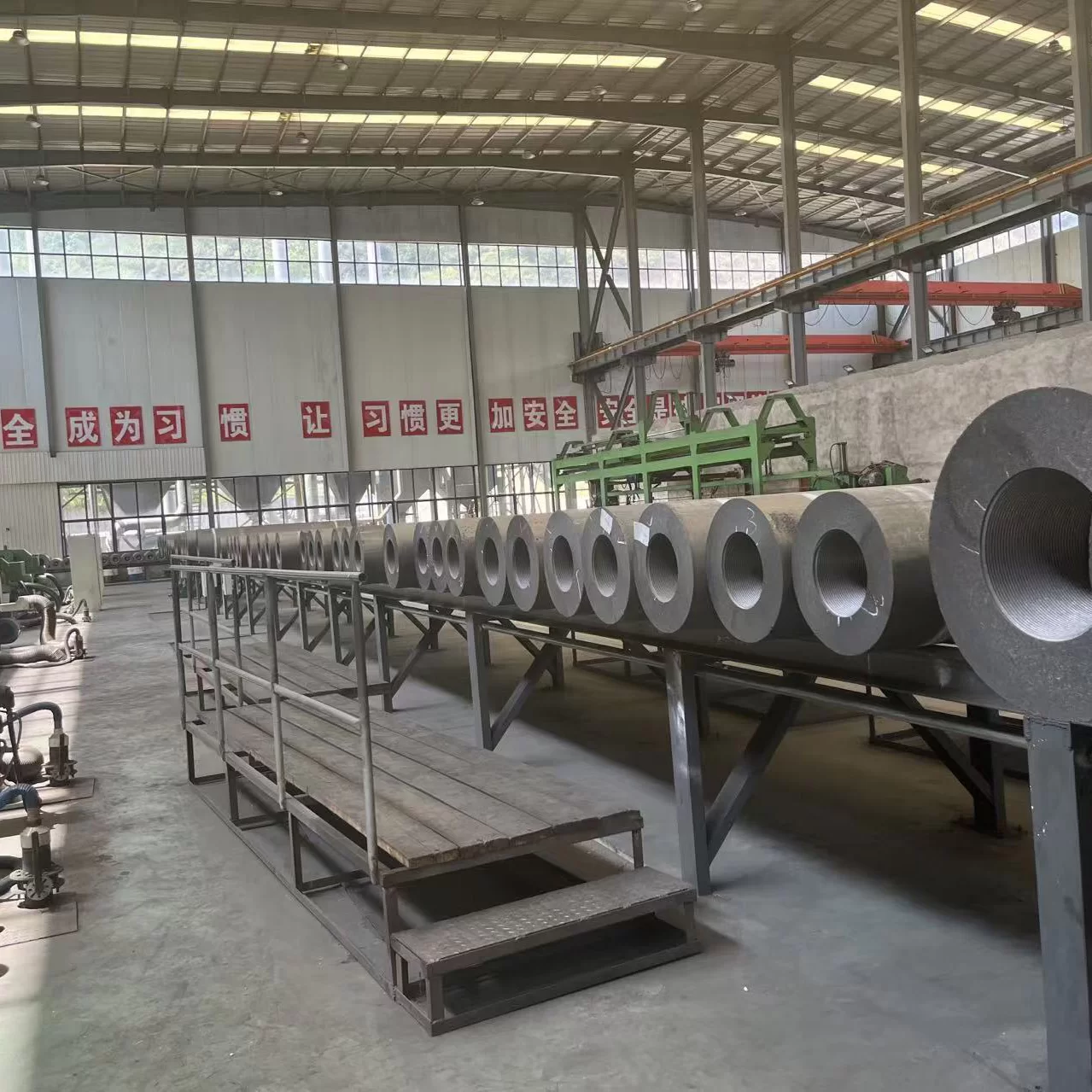
Synthetic Graphite Manufacturing Process: A Global Perspective
Understanding the synthetic graphite manufacturing process isn’t just an exercise in materials science — it’s a window into shaping industries that power everything from batteries to aerospace. Globally, synthetic graphite’s demand is soaring, driven by the green energy transition, electric vehicles, and tech innovations. So why does grasping this process matter? For starters, it unlocks insights into sustainability, cost efficiency, and groundbreaking applications that can redefine modern manufacturing and environmental impact.
Global Context: Why Synthetic Graphite is More Relevant Than Ever
Oddly enough, synthetic graphite was once a niche material, but today the synthetic graphite manufacturing process supports industries worth billions. According to the International Energy Agency, lithium-ion battery production — heavily reliant on high-quality synthetic graphite — is expected to grow over 15% annually through 2030. Meanwhile, the ISO highlights carbon materials as crucial for emission reductions in industrial processes. Yet, with surging demand, challenges like raw material sourcing and production scalability persist.
In practical terms, as industries strive for sustainability and performance, the efficiency and consistency of synthetic graphite production directly influence product quality and carbon footprints worldwide.
What is the Synthetic Graphite Manufacturing Process?
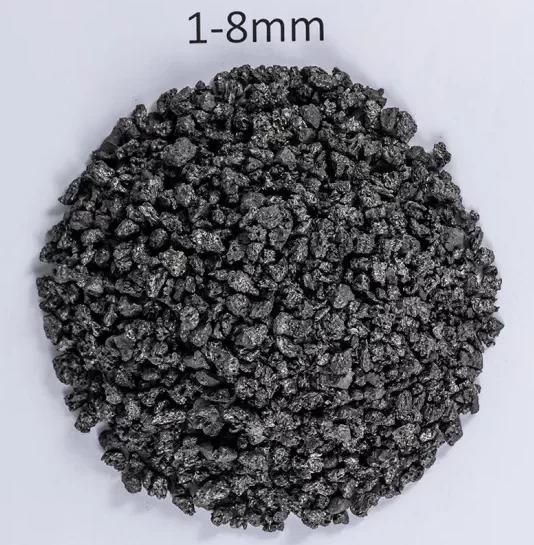
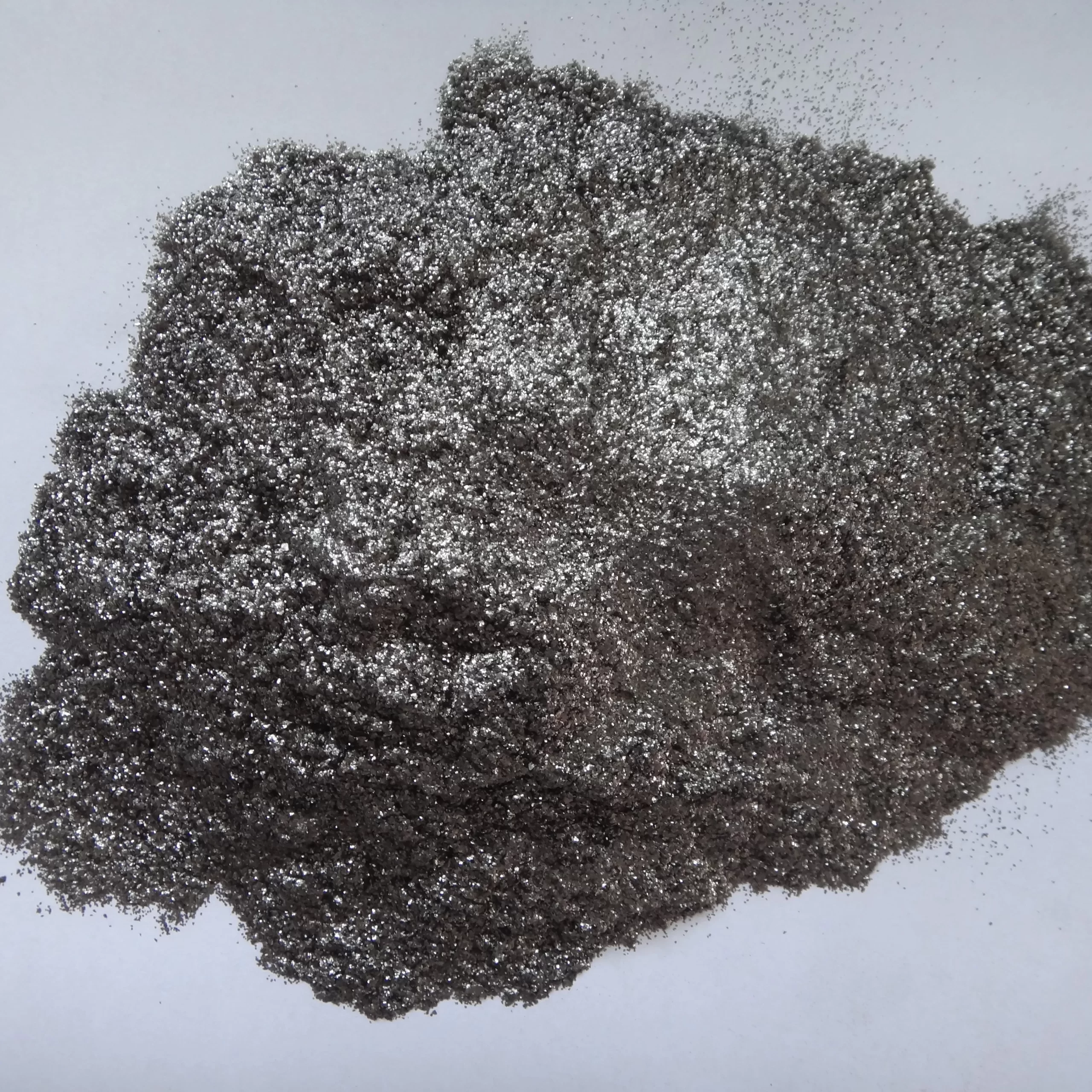
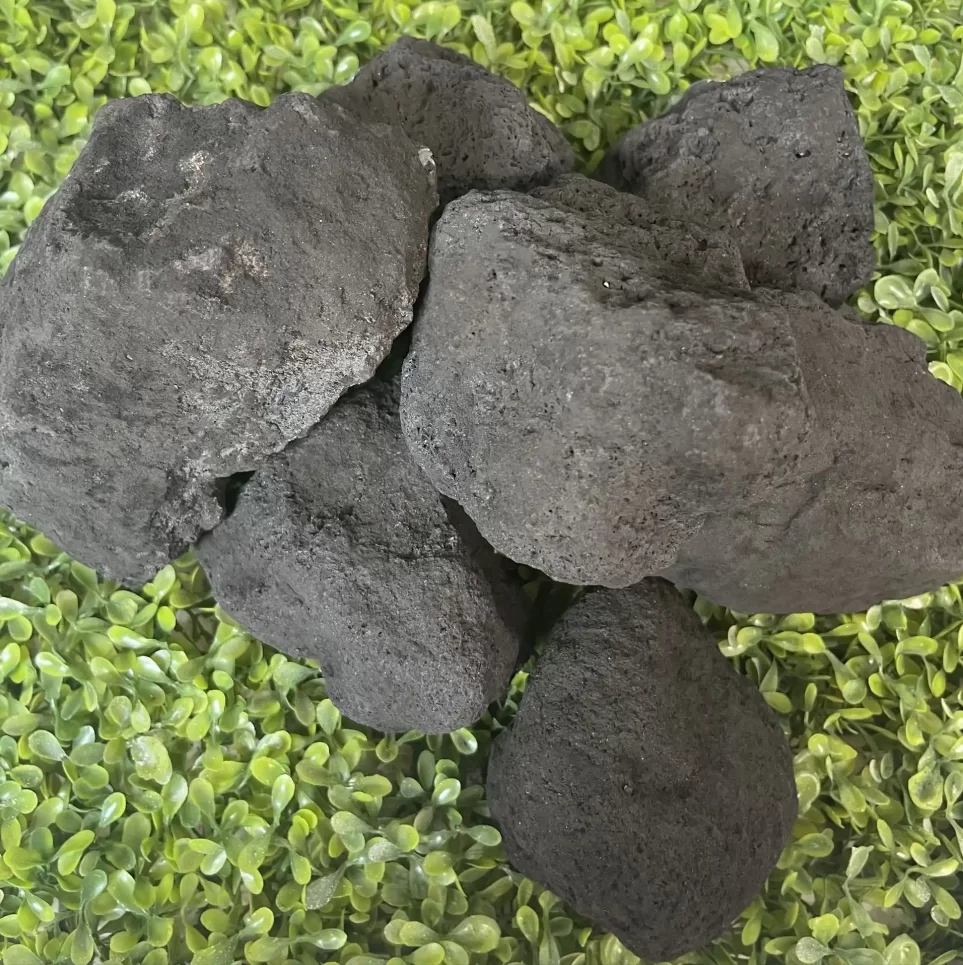
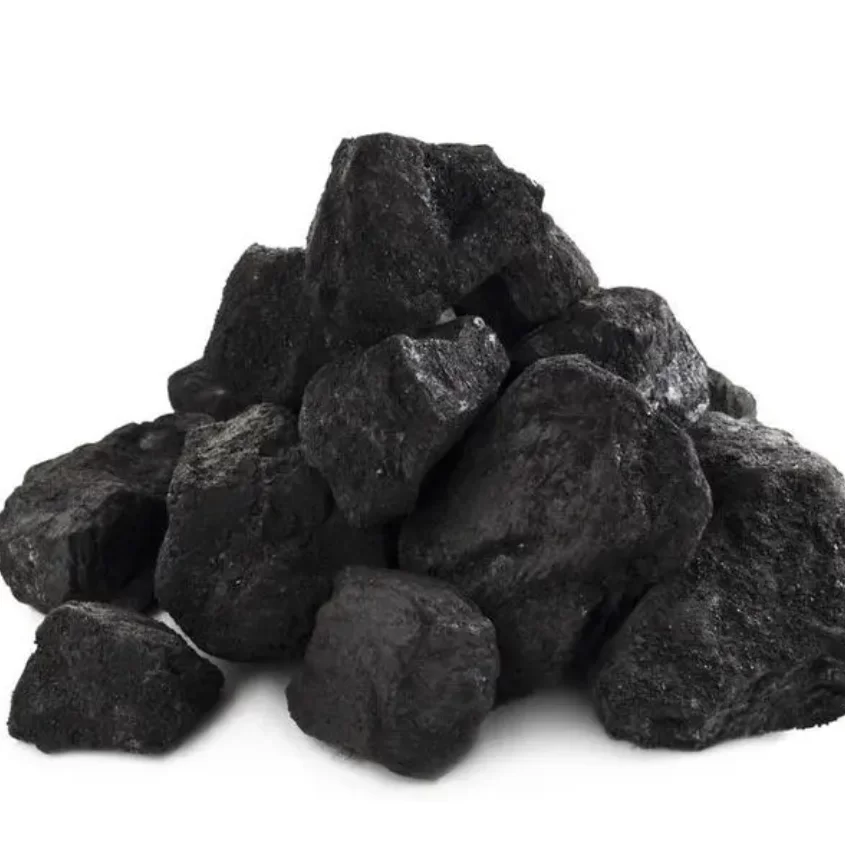
At its core, the synthetic graphite manufacturing process transforms carbon-rich materials — typically petroleum coke or coal tar pitch — through high-temperature treatments, graphitization, and purification steps to produce a material resembling natural graphite but engineered for specific properties. It’s roughly a four-step journey:
- Raw material selection: Choosing carbon precursors with desired purity and structure.
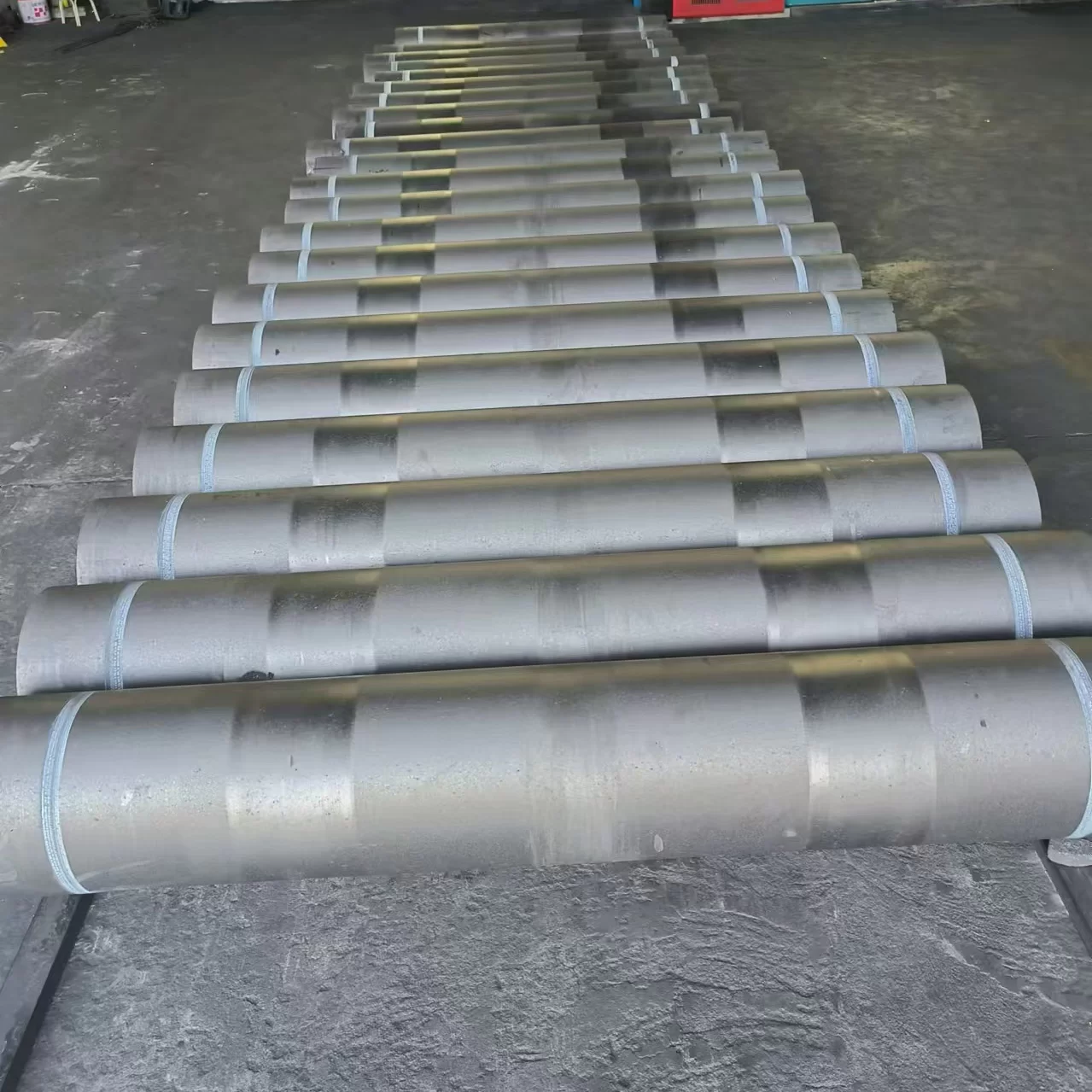
- Forming: Shaping the raw carbon into billets or electrodes.
- Carbonization: Heating the material to expel volatile compounds.
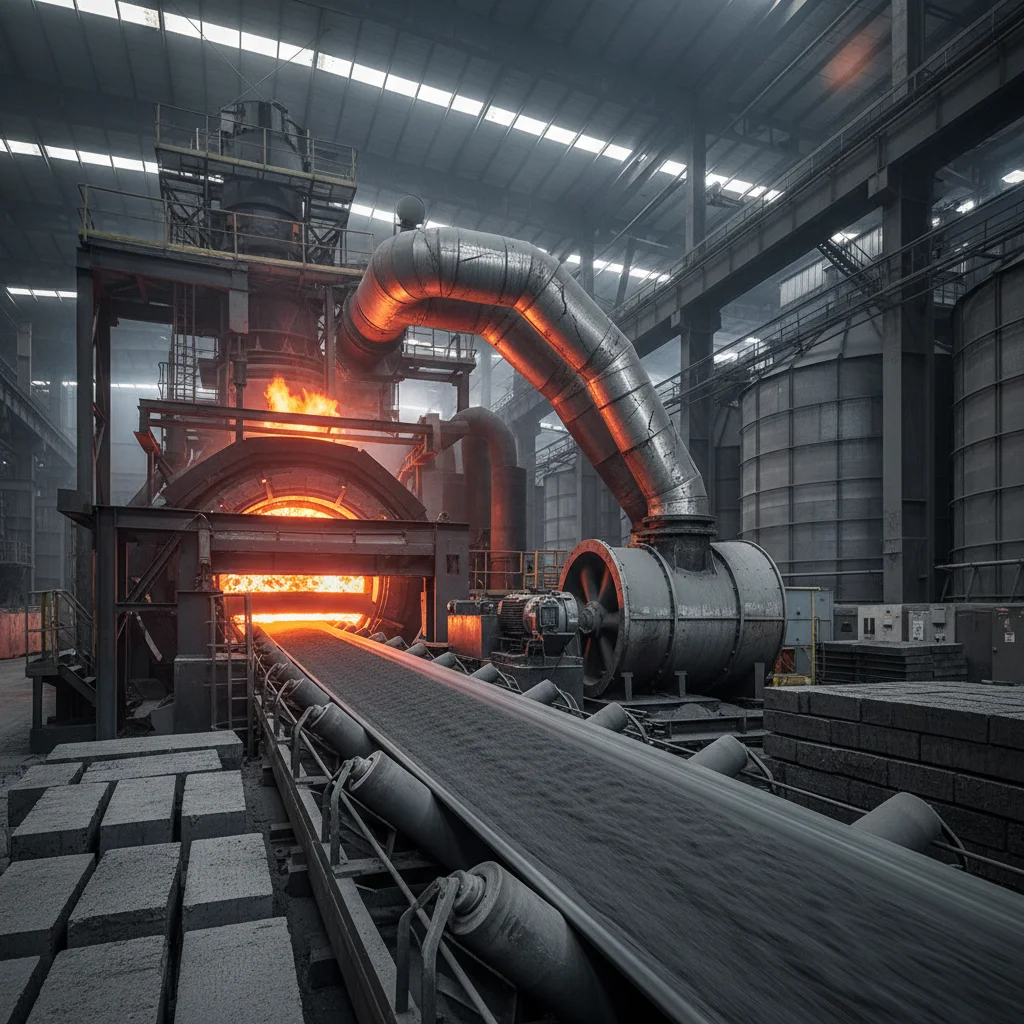
- Graphitization: Subjecting material to ultra-high temperatures (~3000°C) to realign carbon atoms into the hexagonal graphite crystal structure.
Why does this matter beyond chemistry? Because synthetic graphite is vital for everything from lithium-ion battery anodes to heat-resistant composites in aviation — it’s the backbone for modern technologies demanding precision and durability.
Key Factors in Synthetic Graphite Production
1. Purity and Quality Control
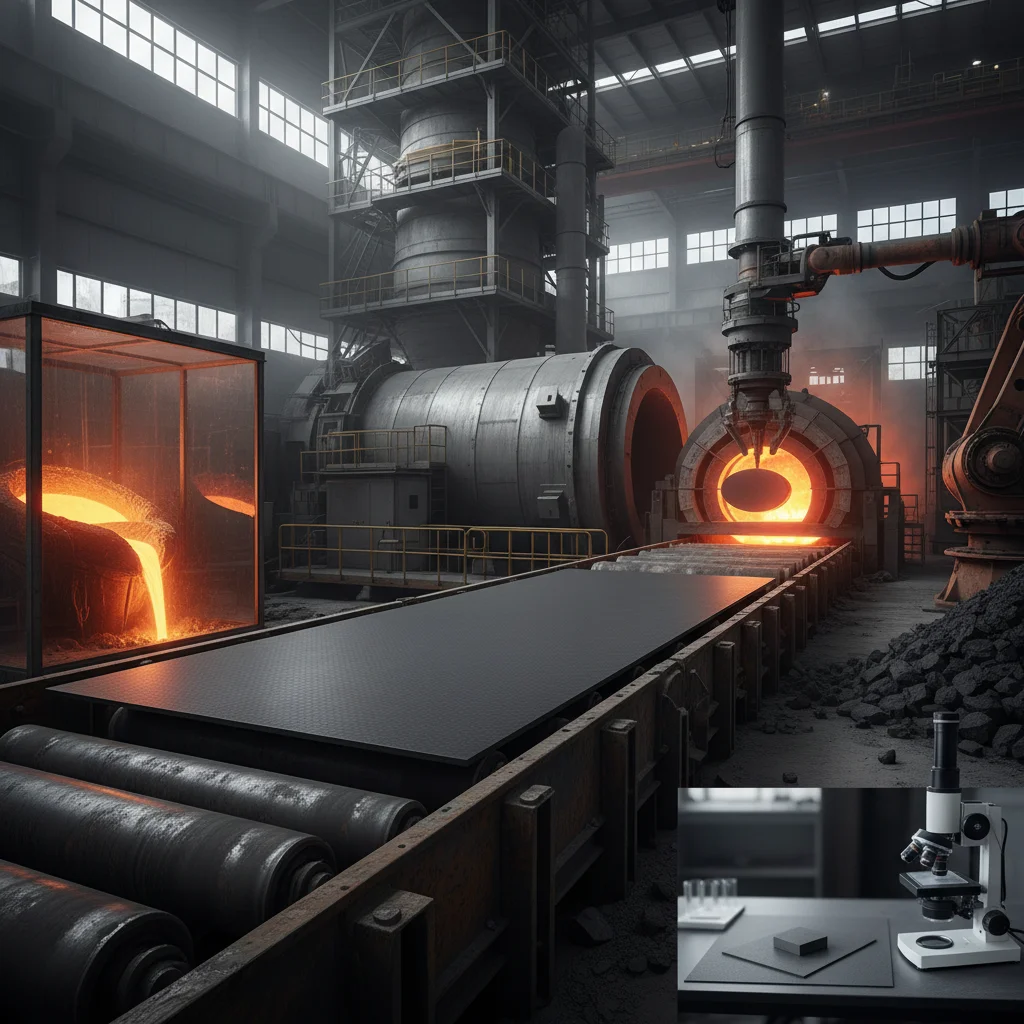
Graphite quality hinges on near-perfect carbon purity. Impurities can degrade electrical conductivity or strength. So producers use rigorous testing methods, including X-ray diffraction and scanning electron microscopy, to maintain standards.
2. Scalability and Production Volume
Meeting global demand means processes must be scalable without sacrificing quality. Continuous furnace designs and automated handling have improved throughput remarkably in recent years.
3. Energy Consumption
Graphitization requires temperatures up to 3000°C, demanding heavy energy inputs. Innovators are exploring greener energy sources and heat recovery systems to reduce the carbon footprint.
4. Cost Efficiency
Cost depends on raw material sourcing, fuel costs, equipment, and labor. Optimizing each stage, including recycling offcuts or using alternative precursors, can save millions annually.
5. Environmental Impact
Emissions during carbonization and graphitization require careful control. Advanced filtration and waste gas treatment are increasingly standard in top facilities.
Mini Takeaway:
Simply put, the synthetic graphite manufacturing process is a delicate balance of chemistry, engineering, and sustainability — all crucial for meeting industry needs at scale.
Global Applications & Use Cases
The applications of synthetic graphite stretch wide and deep:
- Electric Vehicles (EVs): Anodes in lithium-ion batteries depend on synthetic graphite's consistent conductivity and structure.
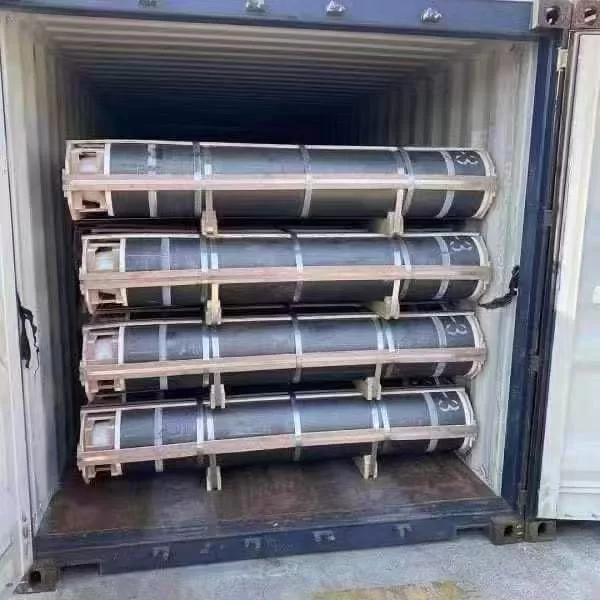
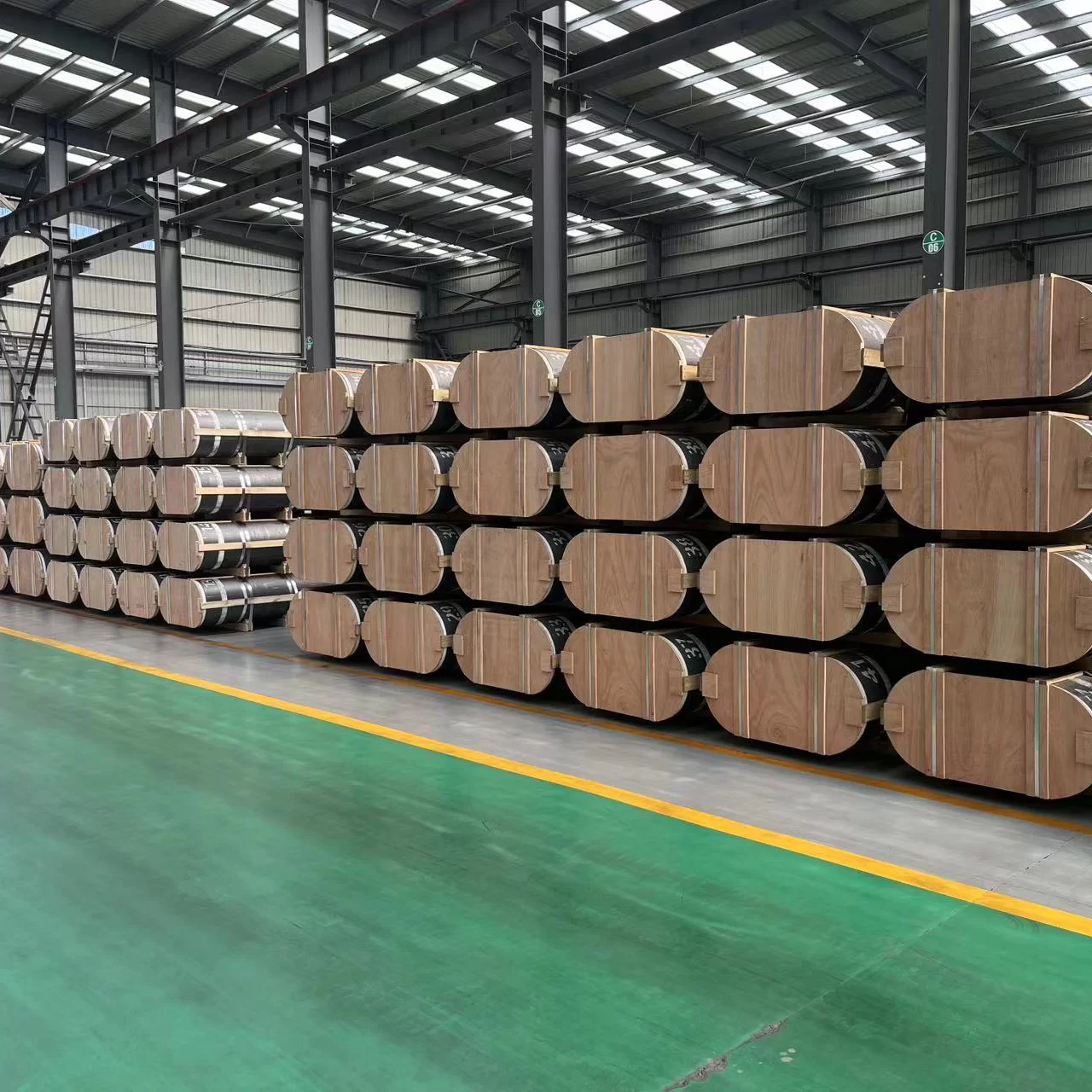
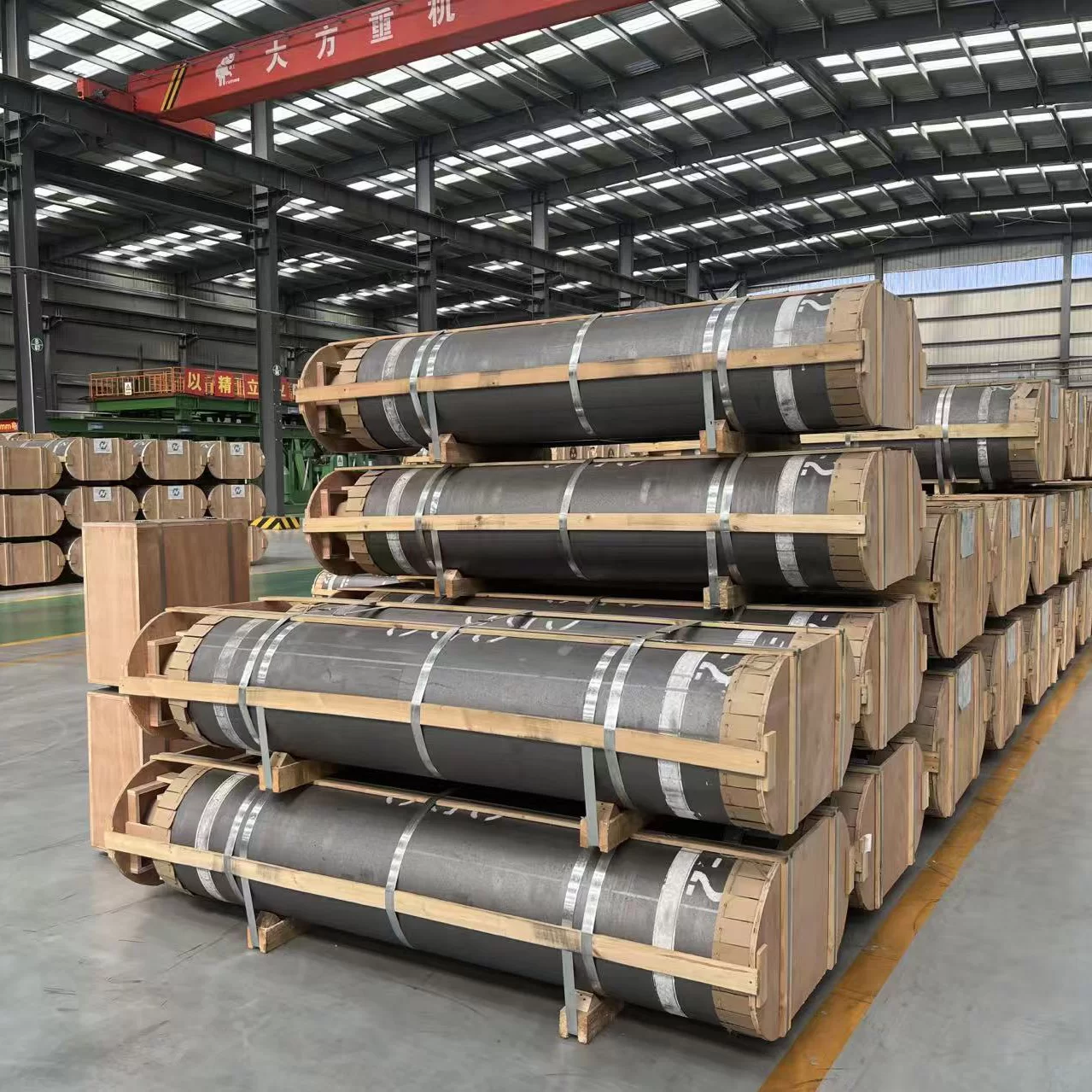
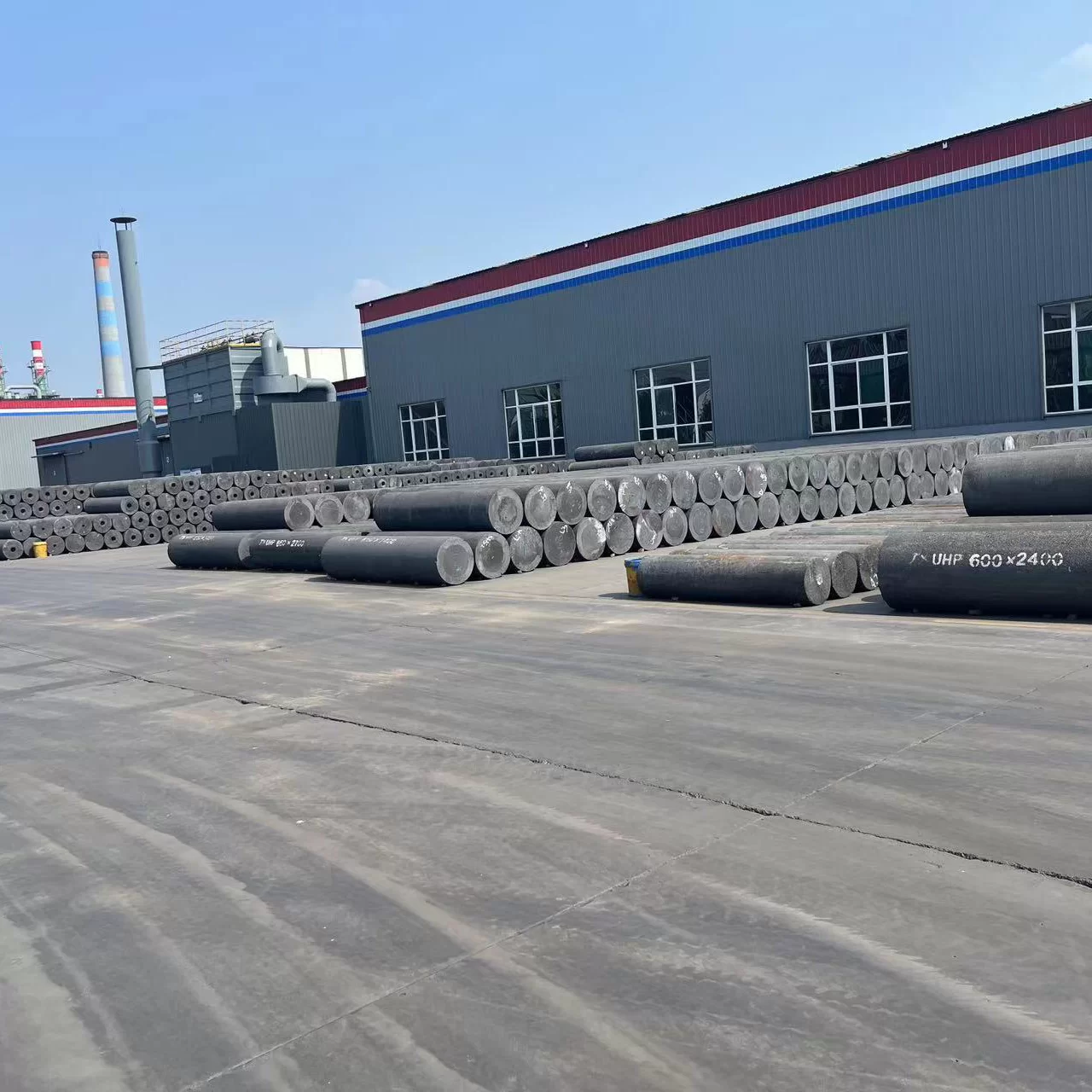
- Steel Making: Electrodes made of synthetic graphite withstand intense heat and electrical loads during steel smelting.
- Refractories and Aerospace: Heat-resistant components in aircraft and spacecraft employ synthetic graphite composites.
- Renewable Energy Storage: Grid-level batteries use graphite-based electrodes for large-scale energy buffering.
In China and the US, major battery manufacturers invest heavily in synthetic graphite facilities to meet exploding EV demands. Meanwhile, Japan leads in quality-focused processes tailored for aerospace-grade materials.
Advantages & Long-Term Value
Why invest trust and innovation into the synthetic graphite manufacturing process? Beyond stable supply chains and cost advantages, it offers:
- Sustainability: Enables cleaner energy technologies and reduces reliance on rare natural graphite mining.
- Reliability: Uniform properties lead to safer, longer-lasting batteries and engines.
- Innovation: Customizable graphite materials open doors to next-gen electronics and thermal management.
- Economic impact: Supports millions of jobs in mining, manufacturing, and tech industries worldwide.
Product Specification Table: Representative Synthetic Graphite
| Parameter | Typical Value | Unit |
|---|---|---|
| Carbon Purity | >99.9 | % |
| Density | 1.75 - 1.85 | g/cm³ |
| Electrical Resistivity | 6 - 8 | μΩ·m |
| Thermal Conductivity | 100 - 150 | W/m·K |
| Graphitization Temperature | 2800 - 3000 | °C |
Comparing Leading Synthetic Graphite Vendors
| Vendor | Product Range | Graphitization Method | Sustainability Practices |
|---|---|---|---|
| Vendor A | Battery-grade & Industrial | Electric Arc Furnace | Green energy sourcing, waste recycling |
| Vendor B | Aerospace & Specialized Composites | Induction Heating | Emission control tech, sustainable precursors |
| Vendor C | Mass-market Graphite Electrodes | Resistance Heating | Energy recovery, process optimization |
Future Trends & Innovations
Looking ahead, the synthetic graphite manufacturing process is evolving rapidly. Researchers and companies focus on greener methods, such as:
- Using bio-based carbon precursors to replace fossil-derived inputs.
- Implementing automation and AI in furnace control for tighter quality management.
- Integrating renewable energy like solar or wind to power graphitization.
- Developing nano-structured graphite for enhanced battery capacities.
These innovations will shape industries for decades — possibly making synthetic graphite not just a material, but a symbol of industrial sustainability.
Challenges & Innovative Solutions
Despite progress, challenges remain:
- High energy consumption: Graphitization’s extreme heat demands massive power, raising costs and carbon footprints.
- Raw material variability: Dependence on petroleum coke and coal tar pitch may lead to supply volatility.
- Pollution control: Volatile organic compounds and CO₂ emissions need stringent management.
Solutions? Many firms invest in green energy contracts and advanced emission capture. Some pioneer alternative feedstocks like recycled carbon or even lignin derivatives. Frankly, the race is on to make synthetic graphite greener without sacrificing performance.
FAQ: Synthetic Graphite Manufacturing Process
Q1: What are the main differences between natural and synthetic graphite?
A1: Natural graphite forms in nature with variable purity and structure, whereas synthetic graphite is engineered from carbon precursors under controlled conditions, offering higher purity and tailored properties, which is critical for technology applications like batteries and aerospace.
Q2: How energy-intensive is the synthetic graphite production?
A2: It's quite energy demanding — graphitization requires up to 3000°C temperatures. Many manufacturers seek renewable energy integration and heat recovery to mitigate environmental impacts and cut operational costs.
Q3: Can synthetic graphite be customized for specific industries?
A3: Absolutely. By adjusting raw materials, graphitization temperature, and forming methods, manufacturers tailor mechanical strength, conductivity, and thermal properties to match uses like electrodes, battery anodes, or heat shields.
Q4: What role does synthetic graphite play in green energy?
A4: It's indispensable in lithium-ion battery production, grid storage, and fuel cells — all critical for renewable energy adoption and reducing fossil fuel reliance.
Conclusion & Call to Action
To sum up, the synthetic graphite manufacturing process stands as a cornerstone in global manufacturing and green technology advancement. With opportunities to improve design, efficiency, and sustainability, this process will continue to impact our world’s energy, transportation, and industrial sectors profoundly.
If you want to dive deeper into the nuances or explore advanced synthetic graphite solutions, don’t hesitate to visit our site: https://www.dahcarbon.com. It feels like the future’s being built right here — one carbon atom at a time.