Understanding Expanded Graphite: A Global Industrial Game-Changer
If you’ve ever wondered about the materials quietly powering major industrial and environmental solutions around the world, expanded graphite is definitely one of them. It’s a versatile, high-performance material that’s growing in importance—whether in battery technology, thermal management, or sealing applications. Interestingly, its global relevance keeps expanding as industries push for sustainability and efficiency.
Globally, the market for expanded graphite is expected to grow steadily, fueled by the rise in electric vehicles, alternative energy storage solutions, and environmental regulations requiring safer, more durable materials (Source: International Energy Agency 2023). What makes this so important? Well, it helps solve long-standing challenges like heat dissipation, chemical resistance, and airtight sealing—crucial for cleaner energy and safer infrastructures.
Mini takeaway: Expanded graphite plays a pivotal role worldwide by addressing critical industrial needs, especially where durability and sustainability intersect.What Exactly is Expanded Graphite?
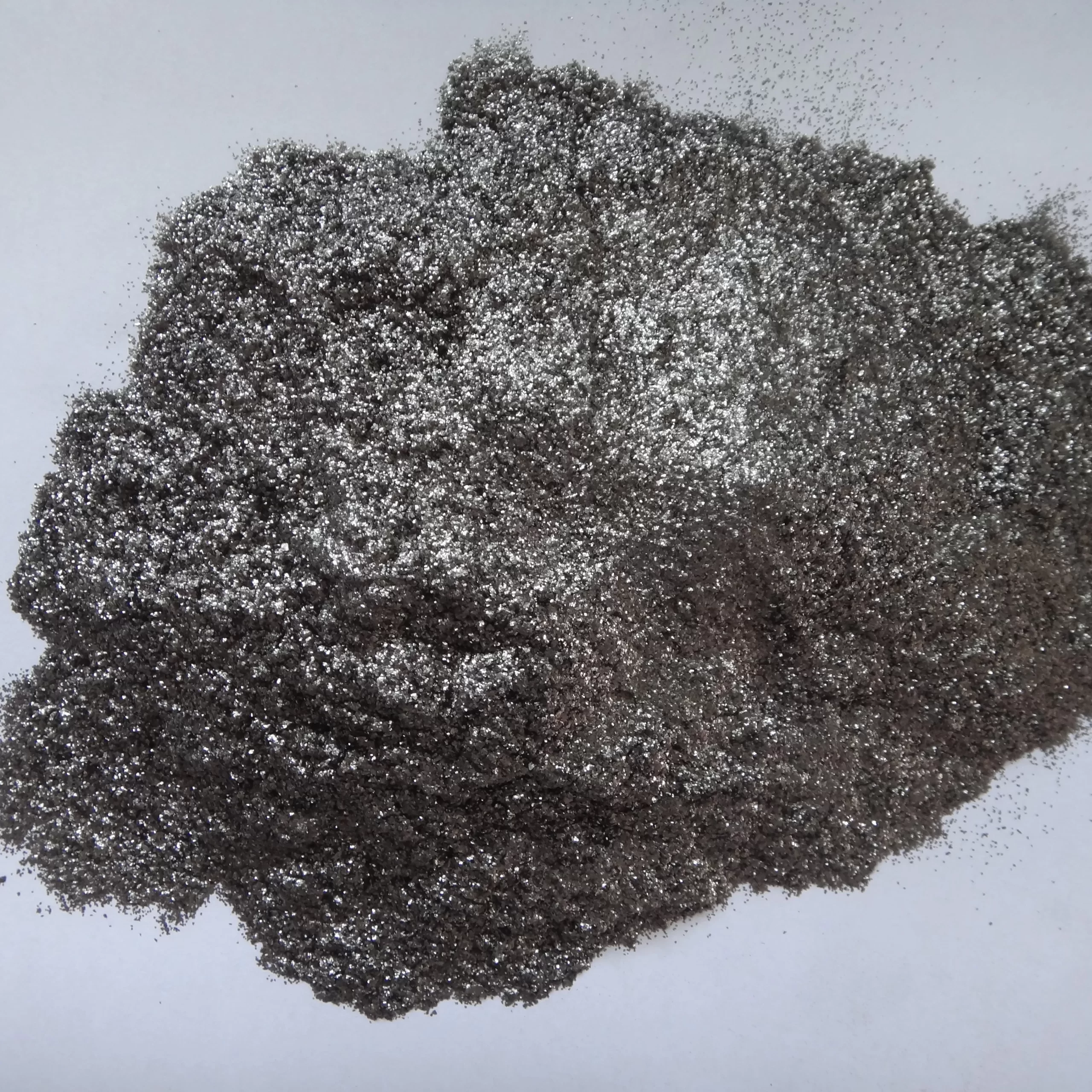
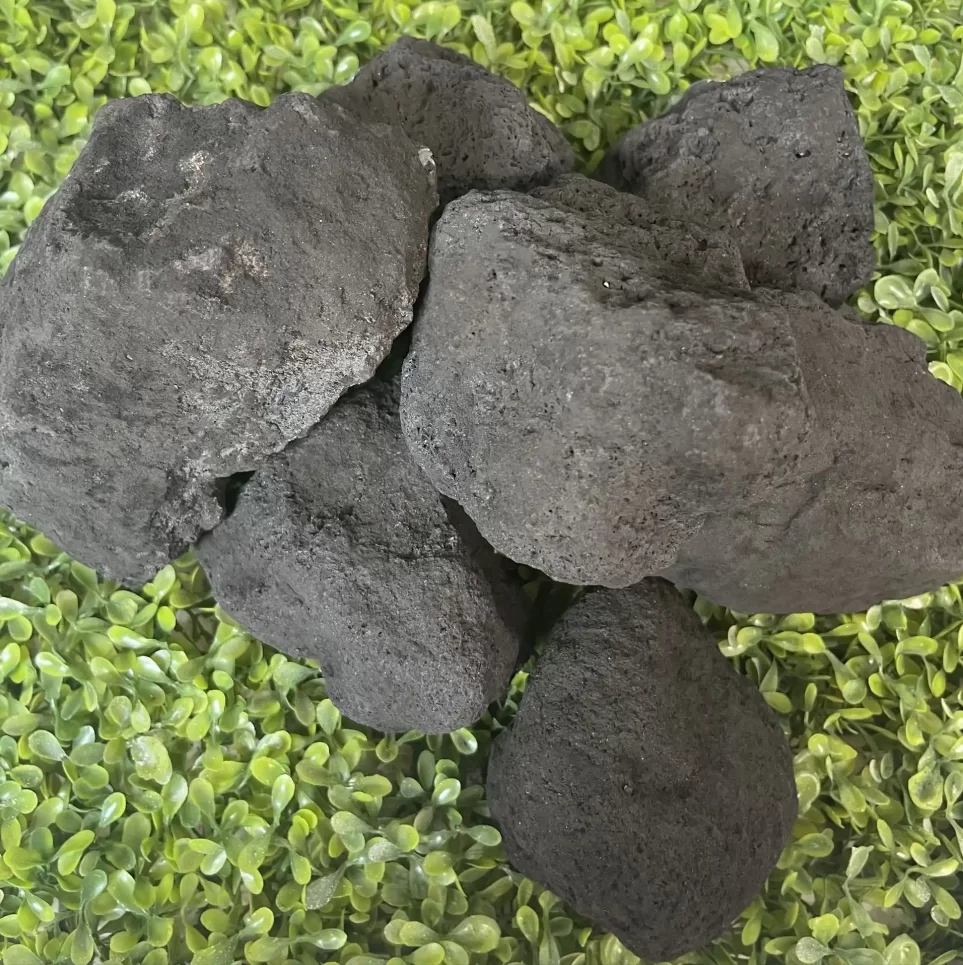
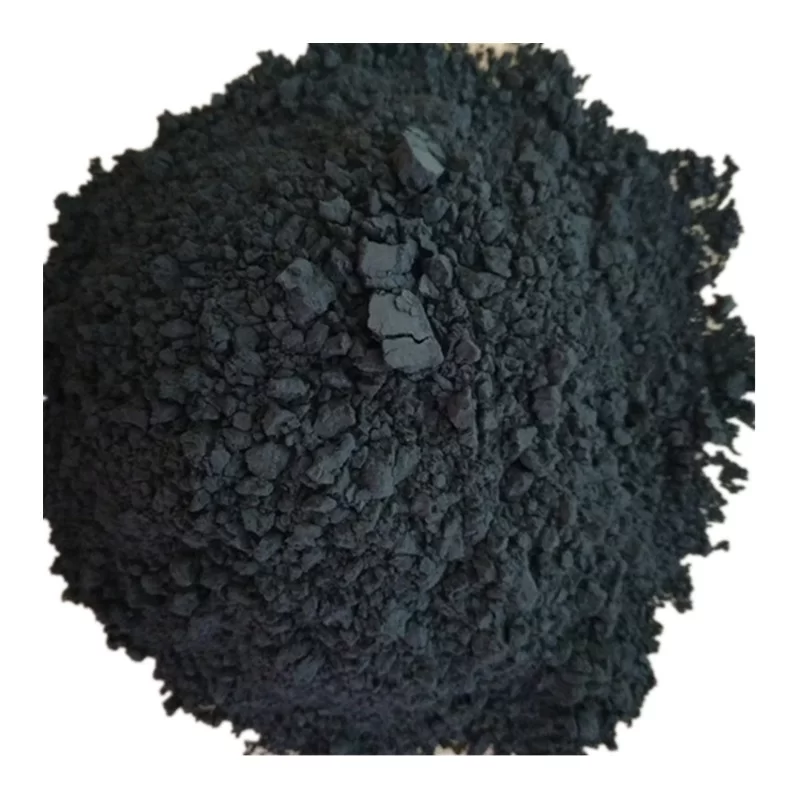
At its simplest, expanded graphite is graphite that’s been treated with heat or chemicals to make its layers separate and “expand,” kind of like exfoliating layers of flaky mineral into worm-like strands. This process turns raw graphite into a lightweight, flexible material with enhanced properties.
Why does this matter? Because these properties make it perfect for creating flexible gaskets, conductive films, heat sinks, and other key components in modern technology. It’s no surprise expanded graphite finds applications in batteries, fuel cells, and even in environmental sealing systems used by humanitarian organizations during disaster relief.
Its versatility means it straddles the line between industrial need and humanitarian benefit—a rare thing among advanced materials.
Mini takeaway: Expanded graphite is transformed graphite notable for its lightness, flexibility, and broad industrial utility.Key Attributes of Expanded Graphite
1. Durability and Chemical Resistance
Expanded graphite withstands extreme temperatures and corrosive environments, making it ideal for sealing fluids and gases in challenging industrial settings.
2. Thermal Conductivity
One of its star features—expanded graphite can dissipate heat efficiently, which is why it’s often found in battery packs and thermal management systems for electronics.
3. Flexibility & Compressibility
Unlike rigid fillers, expanded graphite’s worm-like flakes adapt well to uneven surfaces, creating tight seals without cracking under pressure.
4. Environmental Friendliness
Because it is made from natural graphite and can often be recycled within manufacturing processes, it aligns well with circular economy principles.
5. Scalability & Cost Efficiency
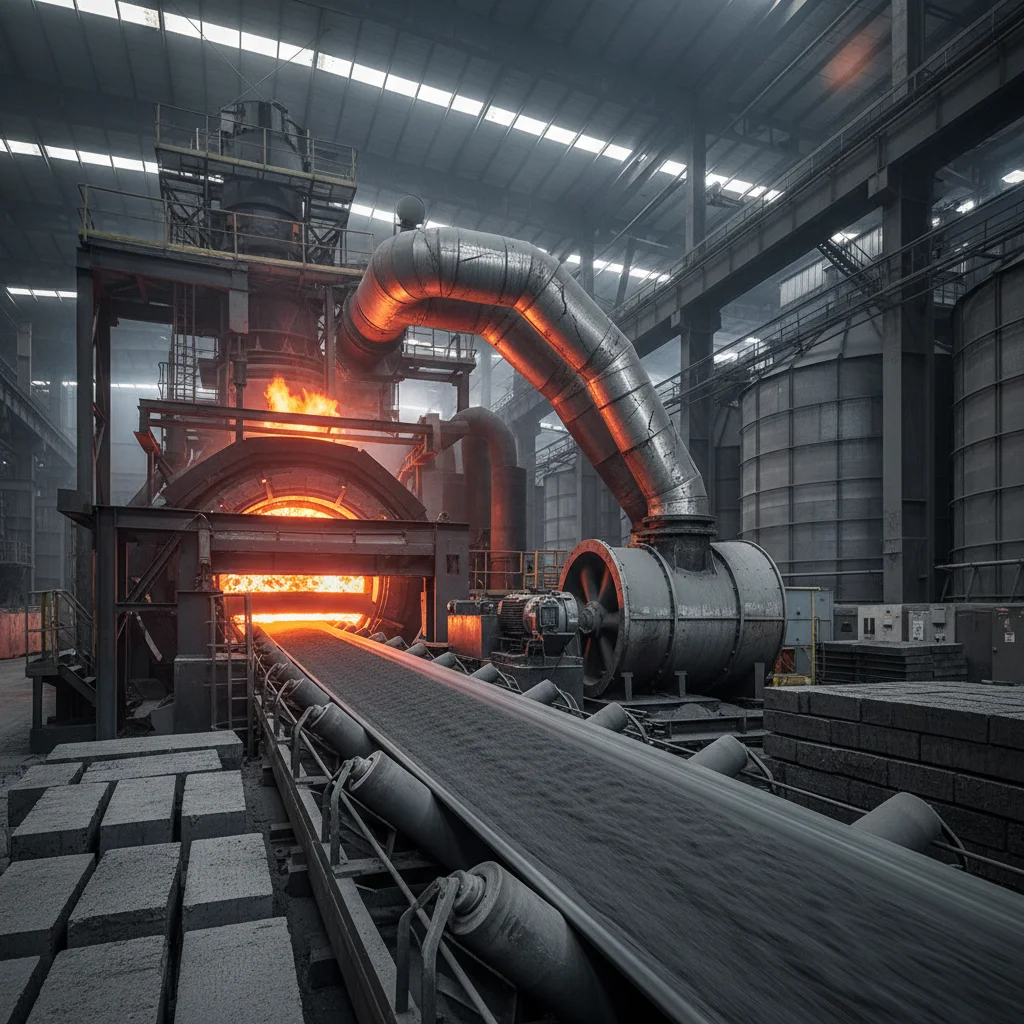
Manufacturers can produce expanded graphite additives at scale, which keeps costs manageable—an important consideration for all sectors.
Mini takeaway: These core characteristics make expanded graphite a highly adaptable and reliable material for diverse industrial applications.Global Applications & Industry Use Cases
- Energy Storage: In East Asia, lithium-ion batteries use expanded graphite to enhance conductivity and heat management, helping EVs run safer and longer.
- Sealing Solutions: In chemical manufacturing hubs such as Germany’s Ruhr region, the material serves in high-pressure gaskets that prevent leaks of hazardous substances.
- Disaster Relief: NGOs employ expanded graphite-based materials in portable filtration units to provide clean water in remote, disaster-affected areas.
- Thermal Management: Electronics manufacturers globally use expanded graphite films to cool smartphones and laptops without adding bulk.
Notably, enterprises across North America and Europe lead innovation by integrating expanded graphite into next-gen green energy projects, underscoring its critical role worldwide.
Mini takeaway: From clean energy to humanitarian aid, expanded graphite has found crucial roles across continents and sectors.Expanded Graphite Product Specifications
| Specification | Typical Range | Notes |
|---|---|---|
| Expansion Ratio | 100-300 ml/g | Indicates degree of expansion during processing |
| Bulk Density | 0.02-0.10 g/cm3 | Low density ensures lightness |
| Thermal Conductivity | ~100-200 W/m·K | Enables effective heat dissipation |
| Purity | >90% | Higher purity improves performance |
| Particle Size | Controls reactivity and texture |
Vendor Comparison: Major Expanded Graphite Suppliers
| Vendor | Purity (%) | Production Capacity (MT/year) | Global Reach | Typical Applications |
|---|---|---|---|---|
| Dah Carbon | >95% | 10,000+ | Asia, Europe, North America | Battery, Sealing, Thermal Management |
| GraphiteTech Co. | 90-94% | 7,000 | Europe, North America | Thermal Interface Materials, Gaskets |
| FlexiGraph Ltd. | High polymorphic purity | 5,000+ | Asia-Pacific | Flexible Films, Specialty Applications |
The Advantages & Long-Term Value of Expanded Graphite
Choosing expanded graphite isn't just a short-term fix—its cost efficiency, plus the environmental benefits due to its recyclability and longevity, add real long-term value. It contributes to safer industrial environments by cutting down equipment failures, thanks to its excellent thermal and chemical resistance.
There’s also a human side: materials enhanced with expanded graphite often mean safer batteries or cleaner water in disaster-stricken zones. That safety and dignity piece, frankly, is priceless.
Mini takeaway: Beyond specs and tech, expanded graphite fosters innovation, reliability, and environmental responsibility.Future Trends & Innovations in Expanded Graphite
Looking forward, expanded graphite’s role in green energy and digital transformation deepens. Researchers are working on nano-scale modifications—allowing batteries to charge faster and last longer. Plus, smart manufacturing techniques like automation are enabling custom material blends that better fit specific needs.
On the sustainability front, regulatory bodies (ISO 14001 and others) push companies to adopt materials like expanded graphite that align with circular economies and carbon reduction pledges.
Mini takeaway: Innovation and sustainability converge to push expanded graphite into next-gen technologies and greener industry practices.Challenges & Solutions
Of course, expanded graphite isn’t perfect. Its tendency to oxidize at high temperatures, for example, can limit ultra-high-temperature applications. Production consistency and purity can vary, which sometimes hinders uniform performance.
Industry leaders solve this by combining coatings or blending expanded graphite with other materials and improving process controls. Continuous R&D and collaborations between materials scientists and manufacturers are key to overcoming these hitches.
FAQ: Frequently Asked Questions About Expanded Graphite
- What are the advantages of expanded graphite over traditional graphite?
- Expanded graphite offers higher flexibility, lower density, and better thermal management, making it ideal for sealing and heat dissipation tasks where raw graphite would be too brittle or heavy.
- How is expanded graphite used in battery applications?
- It enhances electrical conductivity and heat dispersion in battery electrodes and separators, significantly improving safety and performance—especially in lithium-ion and fuel cell technologies.
- Is expanded graphite environmentally friendly?
- Generally yes. Since it originates from natural graphite and can be recycled in many applications, it supports sustainable manufacturing, though the overall environmental impact depends on processing methods.
- Can expanded graphite withstand chemical exposure?
- Yes, expanded graphite has excellent chemical resistance, which is why it’s often used to create gaskets or seals that safely isolate corrosive fluids in industrial processes.
- Where can I source high-quality expanded graphite?
- Reputable suppliers include Dah Carbon and similar specialized manufacturers, who provide material with consistent purity and tailored grades for varied industrial demands.
Conclusion + Call to Action
Expanded graphite is much more than a niche material—it’s a cornerstone of modern sustainable industry and innovation. Its unique combination of flexibility, thermal performance, and environmental benefits makes it a wise choice for manufacturers and engineers worldwide. Staying updated on advancements in expanded graphite isn’t just smart; it’s essential for anyone seriously invested in the future of materials science.
If this has piqued your interest, or you're looking into sourcing top-tier expanded graphite, I highly recommend visiting Dah Carbon for detailed specifications, expert guidance, and reliable supply options.
In real terms, expanded graphite feels like a quiet revolution beneath the surface of many solutions that keep our modern world running smoothly and sustainably.