White Graphite Lubricant: A Quiet Revolution in Industrial Efficiency
White graphite lubricant might not be a household name, but in manufacturing plants, automotive assembly lines, and industrial machinery around the globe, it’s slowly but surely becoming a star player. Why? Because it solves some very real, very sticky problems with friction and wear — and it does so with a surprisingly clean environmental profile. Understanding this specialty lubricant not only helps engineers optimize machines but also supports industries seeking sustainability and reliability in an increasingly competitive, globalized market.
The Global Context: Why White Graphite Lubricant Matters
When you zoom out, friction is a universal challenge: it’s the unseen enemy that costs industries billions annually through energy loss and equipment degradation. According to the International Organization for Standardization (ISO), industrial friction and wear account for roughly 1-2% of global energy consumption, which translates into an enormous carbon footprint. Enter white graphite lubricants — engineered to reduce friction with a clean, graphite-based formula that resists contamination and metal oxidation.
From remote manufacturing hubs in Southeast Asia to aging steel mills in Eastern Europe, the demand for efficient lubricants is relentless. United Nations data shows the global manufacturing output has steadily climbed over the past decades, increasing the need for materials that not only last longer but also comply with tighter environmental regulations. White graphite lubricants step up as a response, offering a non-toxic alternative to traditional greases, especially in sensitive areas like food production or pharmaceuticals.
Mini takeaway: The push for sustainability and operational efficiency worldwide creates a growing niche for white graphite lubricant — a small but mighty material tackling a big industrial headache.What Exactly Is White Graphite Lubricant?
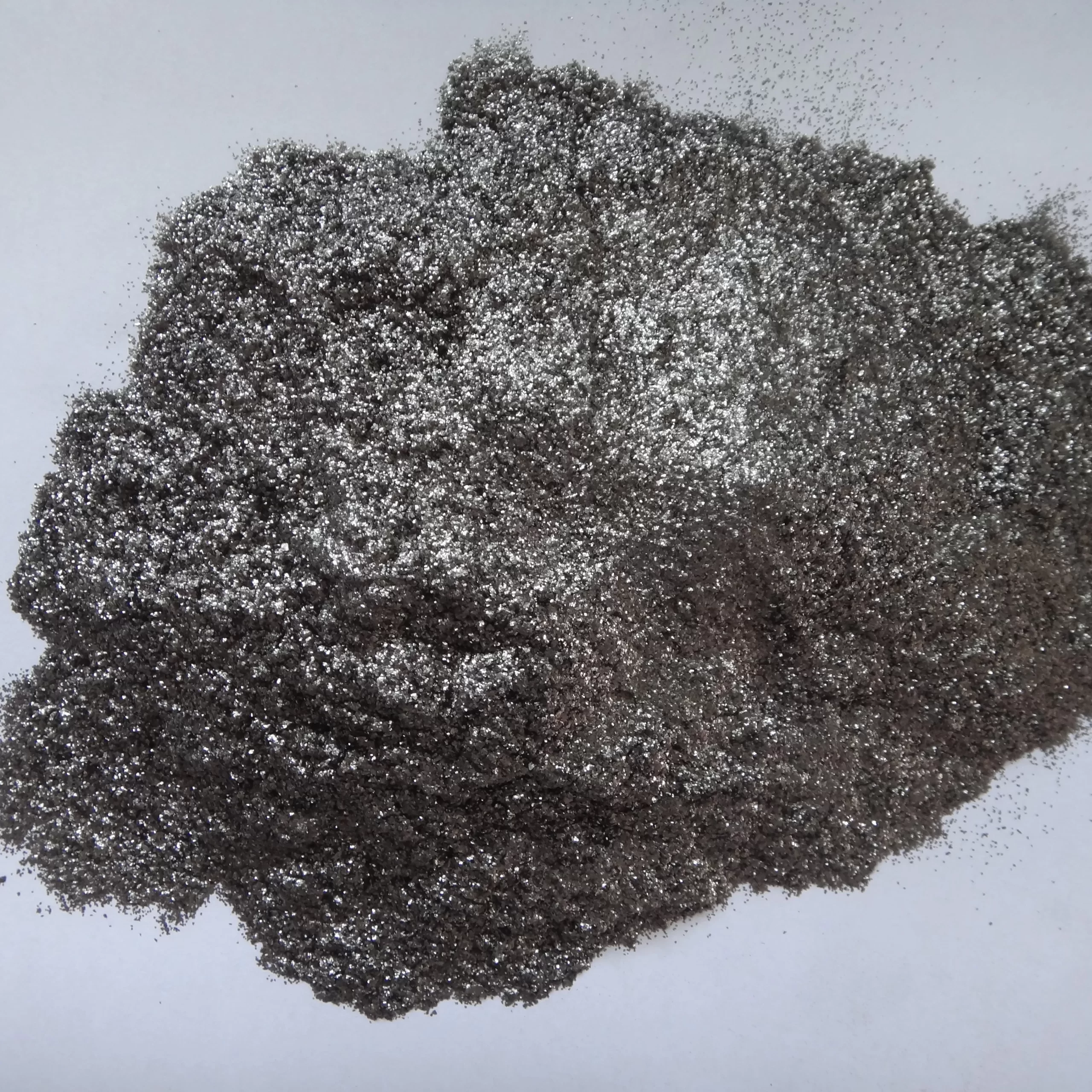
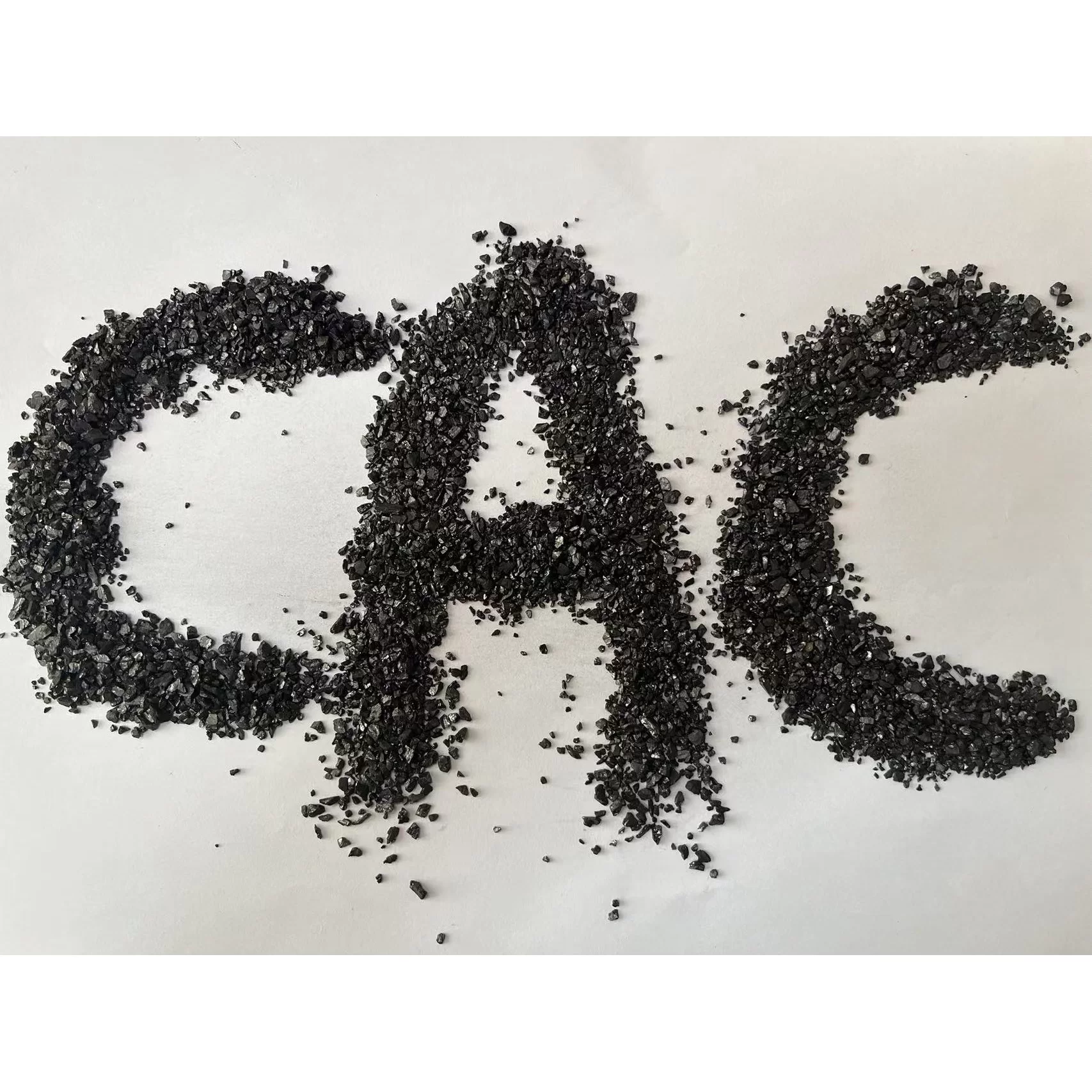
Put simply, white graphite lubricant is a solid or semi-solid compound that uses a fine, purified form of white graphite — a unique allotrope of carbon. Unlike traditional graphite, which is dark gray or black, white graphite has been treated to remove impurities, offering a cleaner pigment and excellent lubricity. It’s often combined with additives or binders to tailor performance.
Why use it? Because this type of lubricant minimizes metal-to-metal contact, decreases heat buildup, and resists corrosion without relying on heavy oils or synthetic compounds. In industries where contamination or color staining is a concern, white graphite is preferred over conventional black lubricants, making it valuable in food processing machinery, pharmaceutical plants, and sensitive electronic manufacturing.
Core Qualities That Make White Graphite Lubricant Special
Durability and Wear Resistance
This lubricant can withstand high loads and temperatures, maintaining its lubricating film longer than many alternatives. It's precisely why many engineers swear by it for heavy-duty applications.
Cleanliness and Non-Staining Properties
White graphite's purity means it won’t leave unsightly black streaks or residues, a must in industries where cleanliness isn’t negotiable — like medical equipment assembly.
Environmental and Safety Profile
It’s often free of heavy metals and volatile organic compounds (VOCs), which makes it a safer choice both for workers and the environment.
Compatibility with Various Surfaces
Whether used on steel, aluminum, or plastics, white graphite lubricants bond effectively without causing chemical damage.
Temperature and Moisture Resistance
They maintain performance in extreme temperature swings and resist washout from water or other fluids.
Mini takeaway: White graphite lubricant isn’t just slippery stuff — it’s a carefully engineered solution balancing performance, cleanliness, and safety.How White Graphite Lubricant Finds Use Across the Globe
- Food and Beverage Industry: Because of its clean properties, it lubricates packaging machines and conveyors without risking contamination. In Europe, strict hygiene laws make such lubricants indispensable.
- Automotive Assembly Plants: In North America and East Asia, white graphite lubrication reduces wear on conveyors and robotic arms operating in precision assembly lines.
- Heavy Machinery and Mining: Used in harsh environments where dirt and abrasive particles are a constant challenge, such as Australian mining rigs or South African construction equipment.
- Pharmaceutical Manufacturing: Ensures machinery remains clean and contaminant-free, crucial for drug packaging and processing facilities worldwide.
- Remote Industrial Regions: In places like Siberia or the Canadian Rockies, durable and low-maintenance lubricants reduce downtime drastically.
It’s also not uncommon to find this lubricant in post-disaster industrial recovery efforts, where machinery must be brought back online quickly, with as little maintenance as possible.
Advantages & Long-term Value of Using White Graphite Lubricant
At face value, white graphite lubricant can seem pricier than traditional greases. However, in real terms, many businesses find the longer machinery lifespan, fewer breakdowns, and reduced cleaning needs quickly offset the upfront costs. Here’s why it pays off:
- Cost Efficiency: Lower maintenance frequency means less downtime and labor costs.
- Sustainability: Its eco-friendly components align well with the circular economy goals many companies embrace.
- Safety & Compliance: Non-toxic formulas ease regulatory concerns, especially in food and pharma.
- Reliability: Fewer unexpected failures build trust with clients and end-users.
- Emotional Benefits: Employees appreciate working with safer materials; managers gain peace of mind from fewer disruptions.
White Graphite Lubricant Product Specifications
| Specification | Typical Values | Remarks |
|---|---|---|
| Pure Graphite Content | ≥ 98% | High purity ensures non-staining |
| Operating Temperature Range | -40°C to 450°C | Suitable for heavy machinery |
| Penetration (ASTM D217) | 265–295 | Consistency range for semi-solid lubricants |
| Water Resistance | ≤ 5% Washout | Resists moisture during operation |
| Color | White to Off-White | For application sensitivity |
Comparing Leading Vendors of White Graphite Lubricants
| Vendor | Product Range | Sustainability | Industry Focus | Global Reach |
|---|---|---|---|---|
| Dah Carbon | White graphite lubricants, dry coatings | Eco-friendly sourcing, low VOC | Food, pharma, heavy machinery | Europe, Asia, Americas |
| GraphLub Inc. | Graphite paste and spray lubricants | Standard compliance, moderate eco-focus | Automotive, electronics | North America, Europe |
| PureGlide Solutions | Custom blends, white and black graphite | Bio-based additives, recycled packaging | Pharma, food processing, aerospace | Global |
The Future of White Graphite Lubricants Looks Bright
With the global manufacturing sector embracing Industry 4.0, IoT sensors, and automation, lubricants are becoming smarter — monitored and applied precisely for maximum efficiency. White graphite lubricants are being tailored for integration with such systems, offering real-time lubrication condition feedback. There’s also a distinct trend toward greener materials; combining bio-degradable bases with crystalline white graphite could soon make these lubricants both high-performance and completely eco-friendly.
Policy-wise, stronger environmental regulations (ISO 14001 and EU REACH compliance) are nudging industries away from hazardous materials, indirectly pushing white graphite lubricants into the spotlight. Not to mention the rise of electric vehicles and clean energy plants, where silent, contaminant-free lubrication is non-negotiable.
Challenges and How Experts Are Tackling Them
Yet, all that glitters isn’t graphite. Handling and applying white graphite lubricants can be tricky — they may require specialized equipment to prevent dust generation or uneven layers. Longevity in extremely abrasive conditions is sometimes debated, demanding customized formulations.
Many vendors are responding with advanced hybrid composites and better binders to solve adhesiveness and wear issues. Training and knowledge sharing is also improving, so users don’t treat these lubricants like standard greases. Frankly, it’s a gradual learning curve.
Frequently Asked Questions About White Graphite Lubricant
- What industries benefit most from white graphite lubricant?
- Industries with stringent cleanliness demands like food processing, pharmaceuticals, and fine electronics rely heavily on it thanks to its non-staining and non-toxic qualities.
- How does white graphite lubricant compare to traditional greases?
- It offers superior temperature resistance, less contamination risk, and a cleaner application though sometimes at a slightly higher cost, which balances out with longer machinery life.
- Is white graphite lubricant safe for use in sensitive environments?
- Yes, it is often free from heavy metals and harmful solvents, making it safe for use around food, medicines, and clean rooms.
- Can white graphite lubricants be used in outdoor or wet conditions?
- Most formulations resist moisture and water washout, but certain heavy rain or washdown scenarios might require reapplication or enhanced formulations.
- Where can I buy high-quality white graphite lubricants?
- Vendors like Dah Carbon specialize in premium, eco-friendly white graphite lubricants suitable for diverse industries worldwide.
Final Thoughts: Why White Graphite Lubricants Are Worth Your Attention
In all honesty, white graphite lubricant is one of those unsung heroes in industrial maintenance. It blends practicality with sustainability, cost-effectiveness with cleanliness, and that balance is rare. If you’re keeping machines running smoothly while taking care of environmental and safety concerns, exploring these lubricants is a smart move.
Curious to learn more or source industry-grade white graphite lubricants? Visit our website for detailed product info and expert advice.
References: