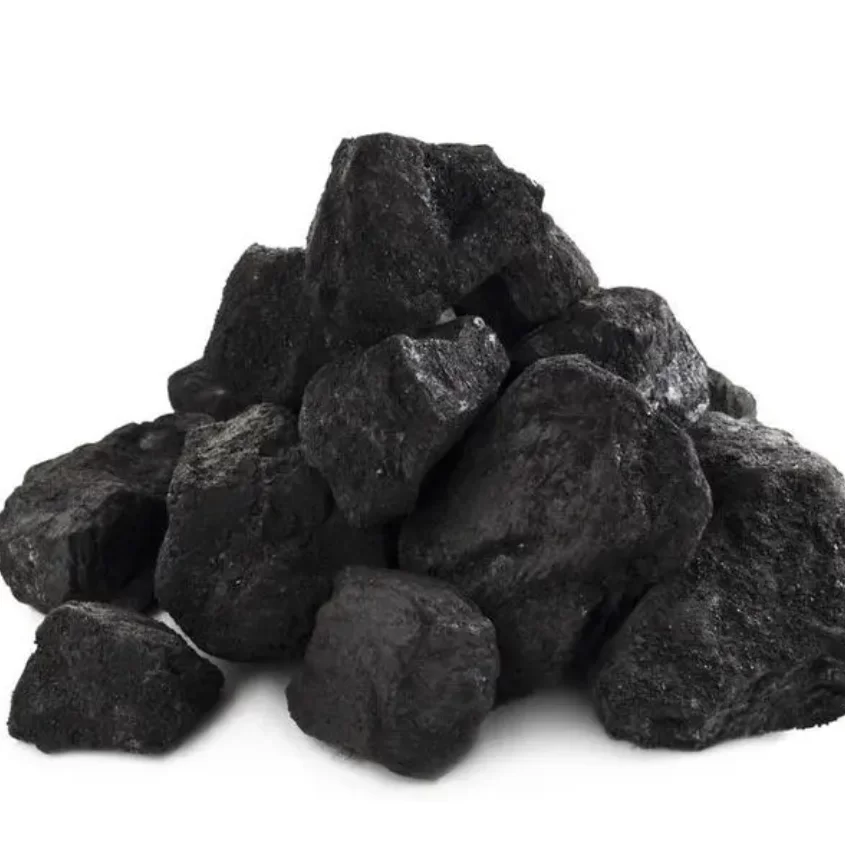
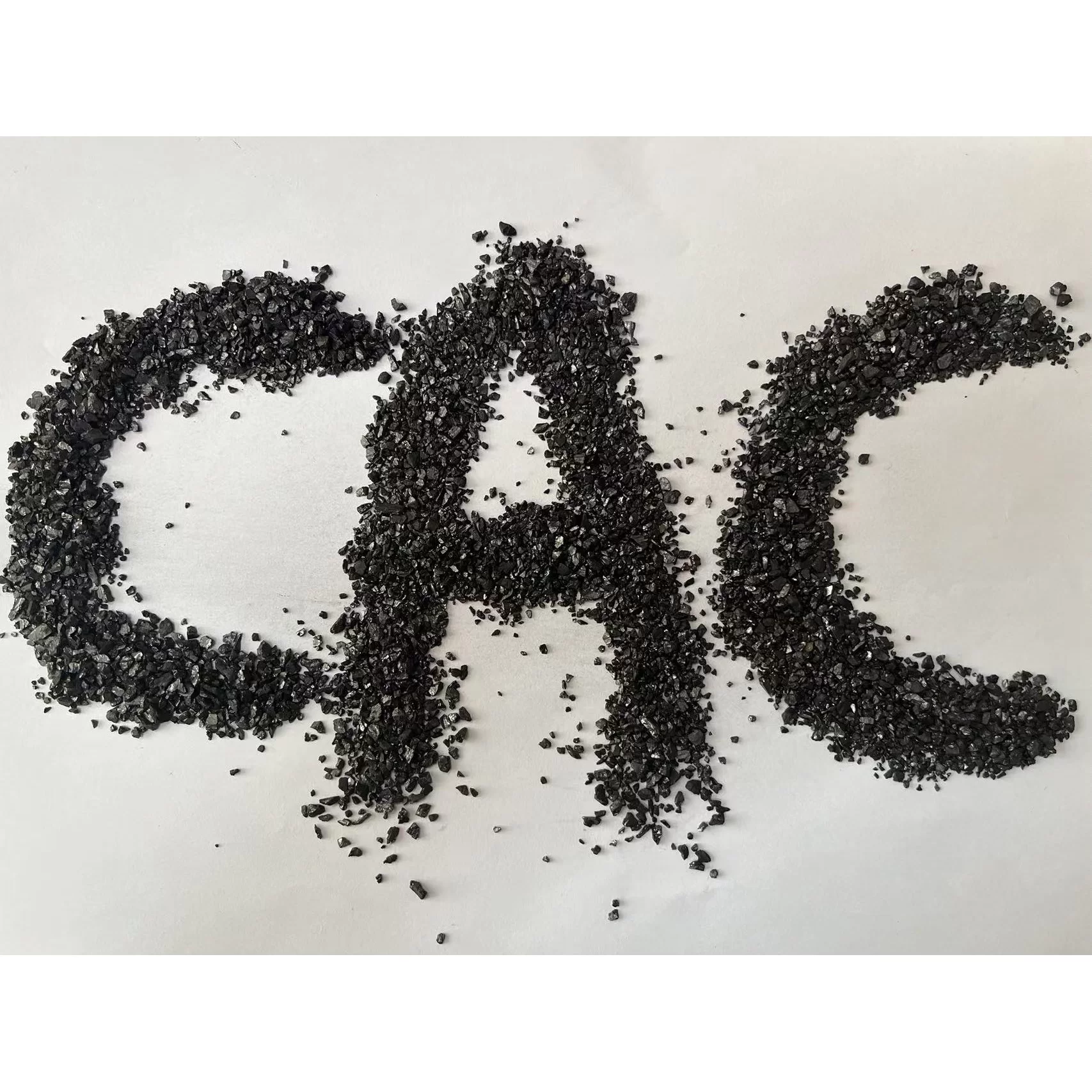
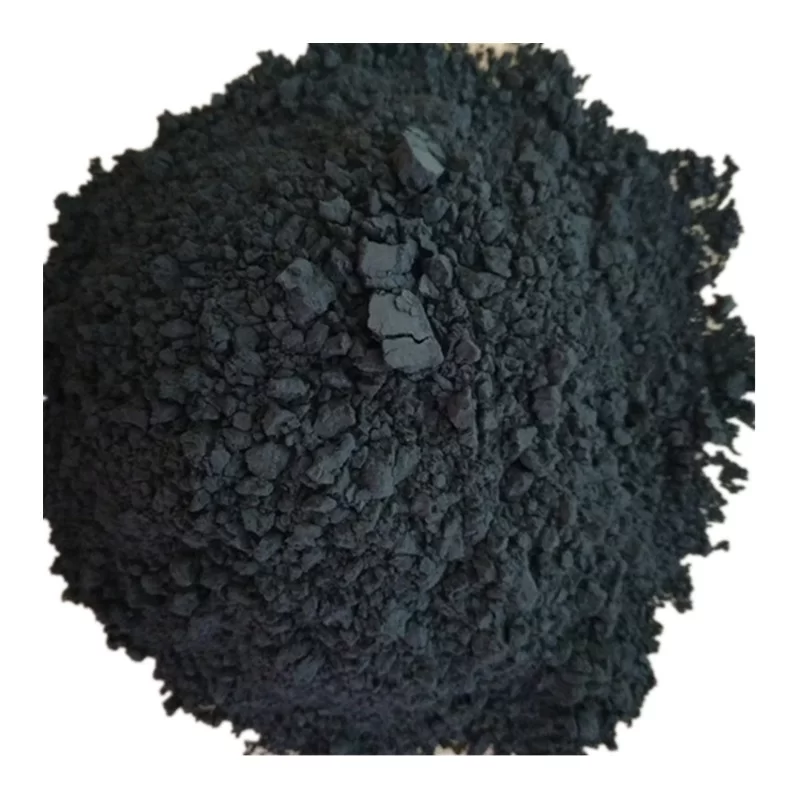
Indonesia's metallurgical sector, particularly in nickel and steel smelting, relies heavily on high-performance calcined petroleum coke to maintain furnace stability. The country's strategic position as a mineral powerhouse has created an urgent demand for materials that can withstand extreme temperatures while resisting the corrosive effects of high humidity common in the Indonesian climate.
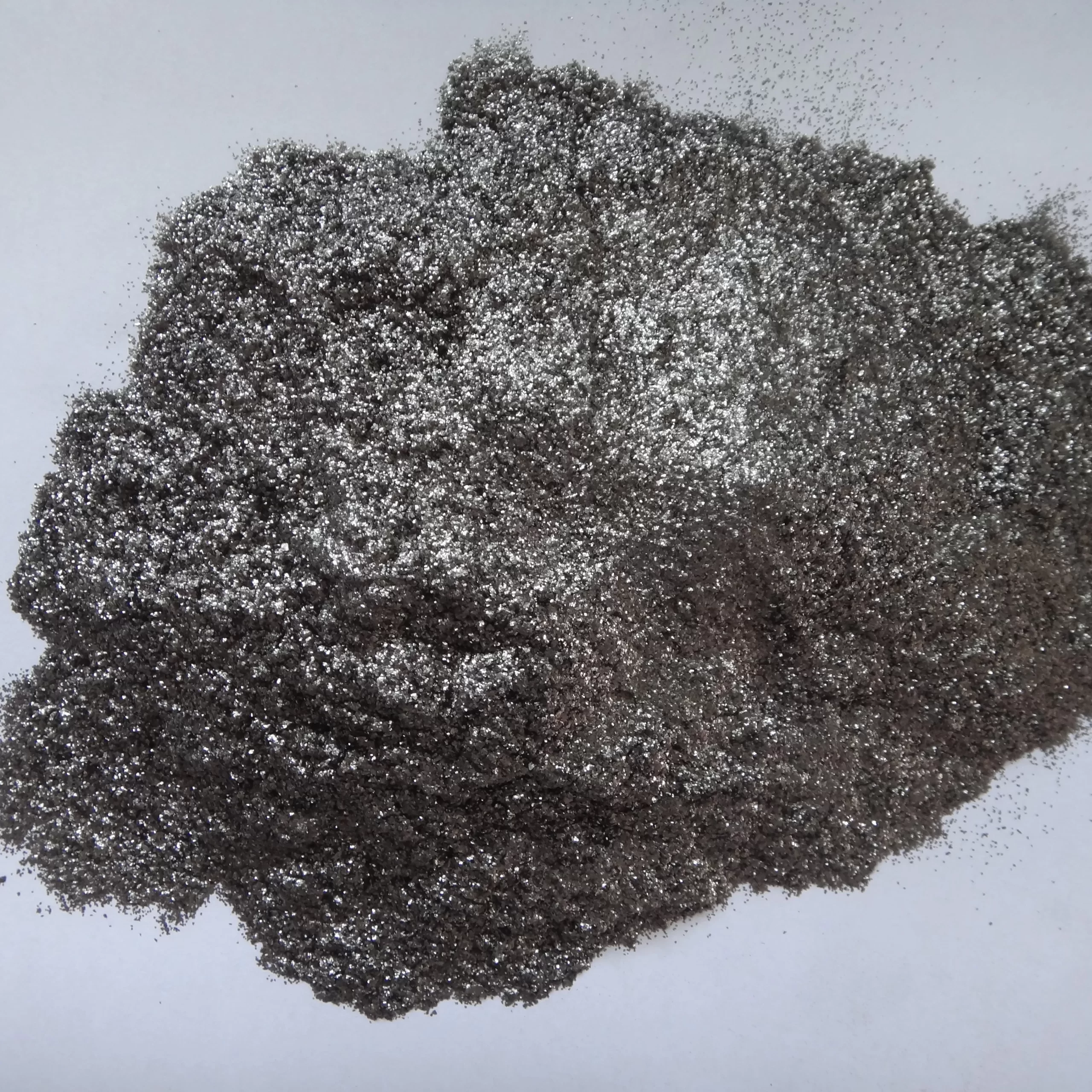
Currently, the market faces a transition from basic carbon additives to specialized graphitized petroleum coke. Many local plants are upgrading their smelting technologies to increase purity and reduce energy consumption, shifting away from traditional low-grade coke towards high-density graphite solutions that minimize electrode consumption per ton of metal produced.
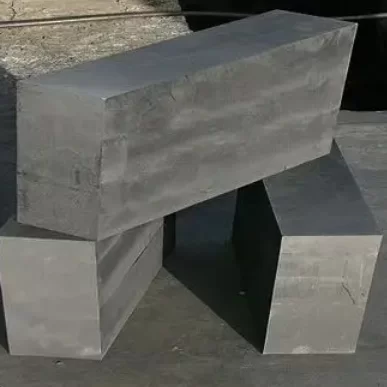
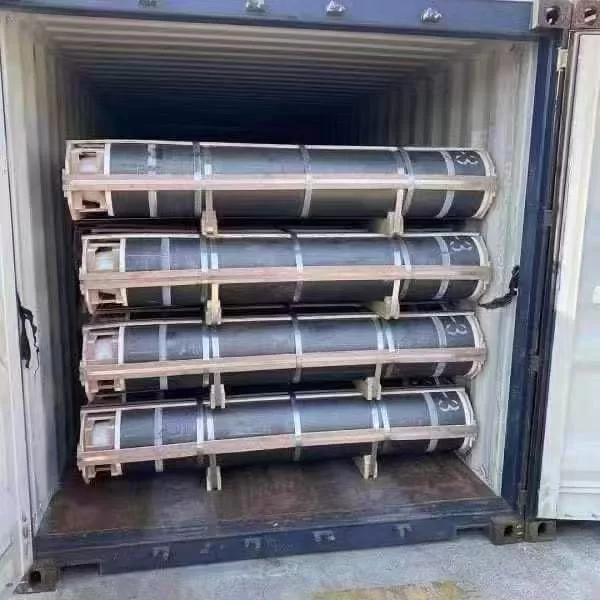
The logistics of distributing graphite blocks across the archipelago remains a critical challenge. However, the rise of industrial parks in Sulawesi and Kalimantan is concentrating the demand for industrial electrodes, pushing the industry toward more standardized, high-quality imports that meet international E-E-A-T industrial standards.