Advanced arc furnace electrodes Solutions for Nigeria’s Steel Industry

Advanced arc furnace electrodes Solutions for Nigeria’s Steel Industry

Advanced arc furnace electrodes Solutions for Nigeria's Steel Industry

Empowering Nigerian metallurgical plants with high-conductivity carbon materials to optimize energy efficiency and production yield.

Advanced arc furnace electrodes Solutions for Nigeria's Steel Industry

Providing high-performance graphite and carbon products tailored for the demanding electrical and thermal requirements of Nigerian industrial smelting.

Current State of Carbon Material Consumption in Nigeria

Analyzing the intersection of energy infrastructure and carbon raw material demand in West Africa.

Nigeria's manufacturing sector, particularly in the non-metallic mineral products industry, faces significant challenges due to volatile energy costs and reliance on imported high-grade calcined petroleum coke. The local steel mills in regions like Lagos and Kano struggle with electrode consumption rates that are higher than global averages due to unstable power grids causing frequent arc instability.

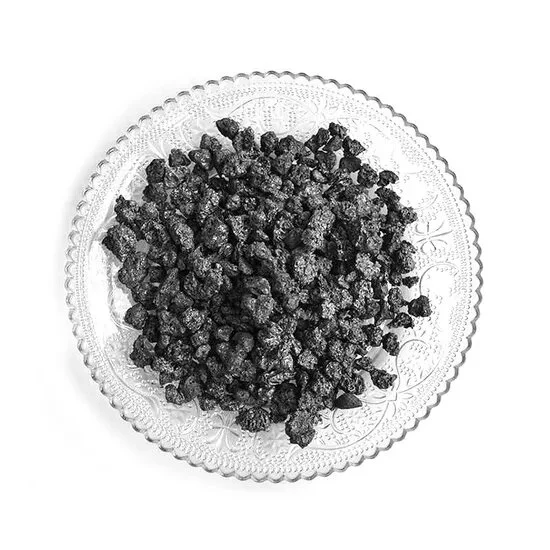
The environmental conditions in Nigeria, characterized by high humidity and tropical heat, accelerate the oxidation of graphite components. This necessitates the use of premium graphitized petroleum coke to ensure that electrodes maintain structural integrity under extreme thermal cycling in local arc furnaces.

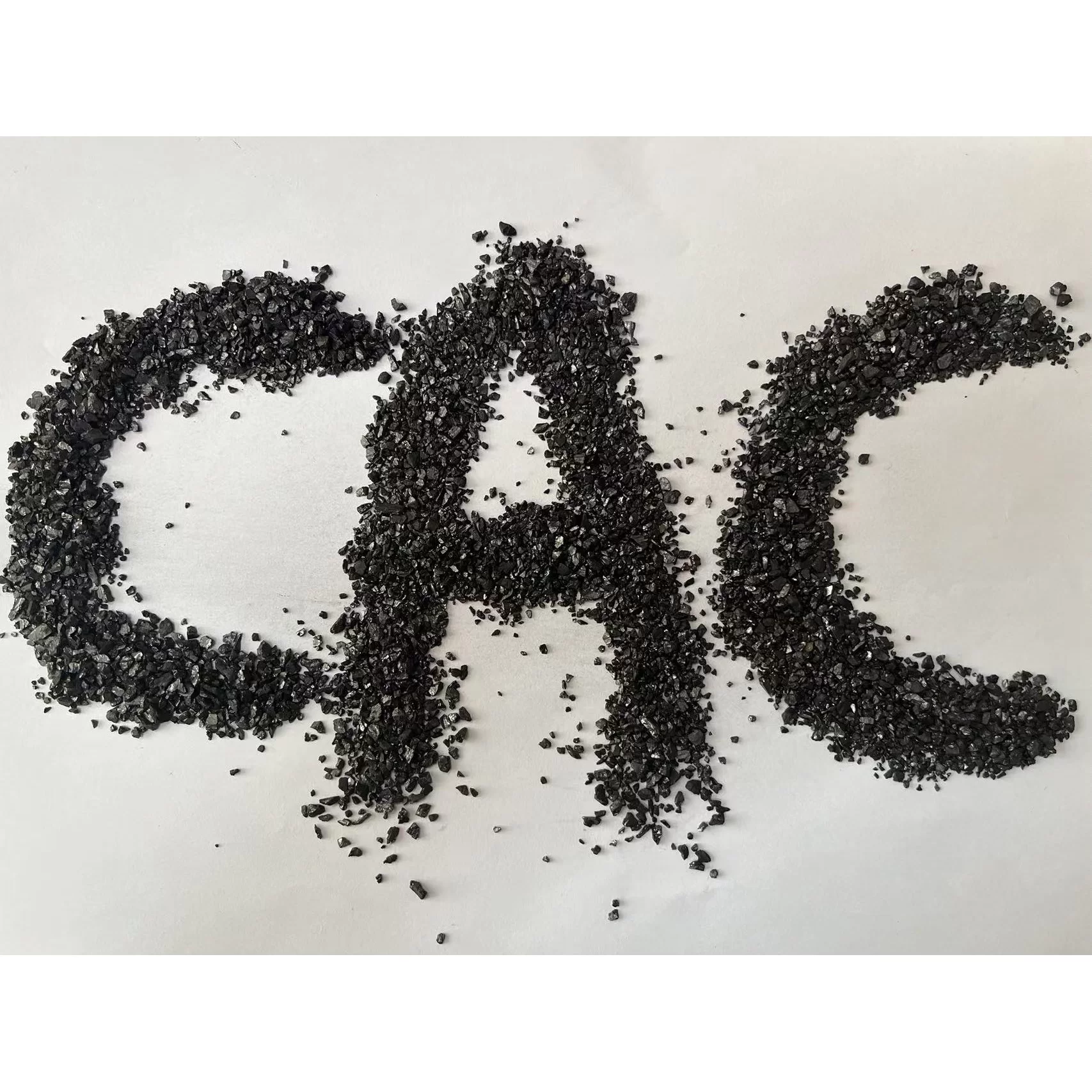
Currently, the market is shifting from low-grade carbon additives to specialized graphite powder to improve the quality of local cast iron and steel production, aiming to meet international export standards for Nigerian industrial goods.
Evolution of Carbon Technology in Nigerian Metallurgy

From basic carbonization to precision graphitization.

Market Development History

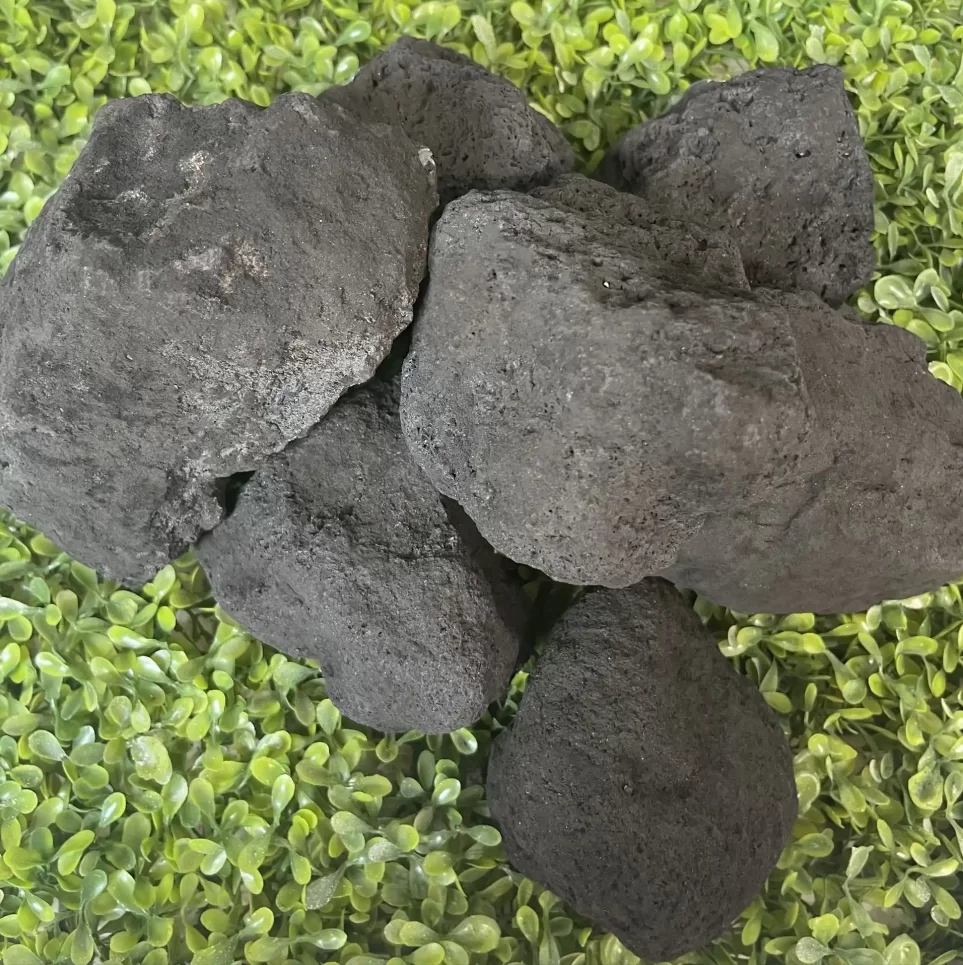
In the early 2000s, Nigerian smelters primarily utilized crude carbon sources with high impurity levels, leading to inefficient melting and high waste. The reliance was heavily on basic petroleum coke without advanced processing.

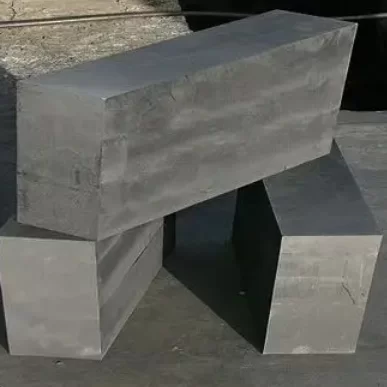
Between 2010 and 2020, the industry transitioned toward the adoption of graphite blocks for furnace lining and specialized electrodes, as the demand for higher purity carbon grew to support the burgeoning construction sector's need for reinforced steel.

Entering the 2020s, the integration of automated electrode control systems has driven the demand for carbon materials with tighter tolerances and higher electrical conductivity, marking the era of precision carbon engineering in West Africa.

Future Development Trends

Integration of Ultra-High Purity Carbon

Search trends indicate a rising demand for materials with sulfur levels below 0.1%, pushing the market toward specialized calcining processes to reduce environmental impact and improve metal purity.

Shift Toward Sustainable Recarburizers

There is a growing trajectory toward using recycled carbon sources blended with high-grade additives to lower the carbon footprint of Nigerian industrial emissions.

Adoption of Nano-Graphite Additives

Future technical iterations will likely see the introduction of nano-structured powders to enhance the fluidity and strength of specialty alloys produced within Nigeria.

Industrial Trends and Future Outlook for Carbon Products

Strategic projections for the Nigerian non-metallic mineral sector through 2028.

Energy Efficiency Optimization
Reducing KWh per ton of steel by upgrading to high-conductivity graphite materials.
Oxidation Resistance
Developing coatings and denser carbon structures to survive Nigeria's humid climate.
Supply Chain Digitalization
Implementing real-time tracking for bulk carbon shipments to Nigerian ports.
Material Customization
Tailoring carbon density to specific Nigerian ore composition for better smelting.

Industry Outlook

Google search data indicates a 15% year-on-year increase in inquiries regarding "industrial carbon suppliers in West Africa," suggesting a rapid industrialization phase in Nigeria. The focus is shifting from mere availability to the performance metrics of carbon inputs.

Over the next 3-5 years, we expect the Nigerian market to move toward a "Zero-Waste" carbon cycle, where the use of high-purity graphitized products reduces slag formation and improves the recovery rate of precious metals.

Localized Application Scenarios in Nigeria

Real-world implementation of graphite and carbon solutions across Nigerian industries.

01. Steel Smelting in Lagos Industrial Zones

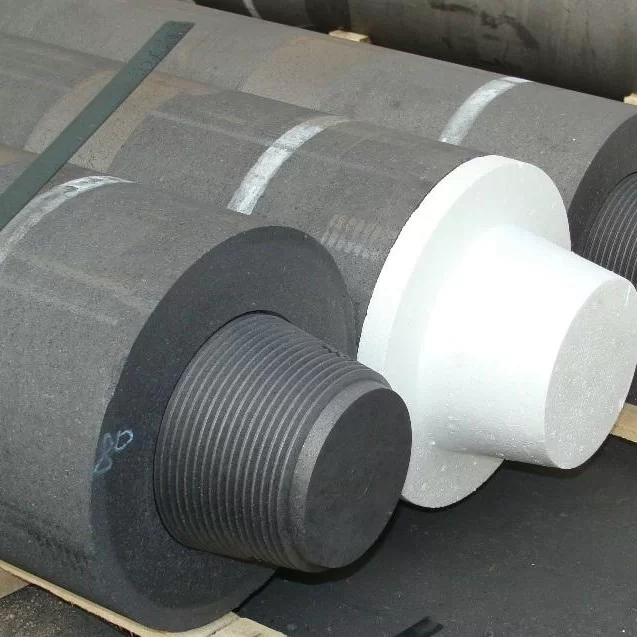
Utilizing arc furnace electrodes to process scrap metal into construction-grade rebar, optimizing current stability despite grid fluctuations.

02. Aluminum Casting in Ogun State

Implementing graphite blocks as high-temperature crucibles and molds to ensure smooth surface finishes for automotive parts.

03. Iron Foundry Operations in Kano

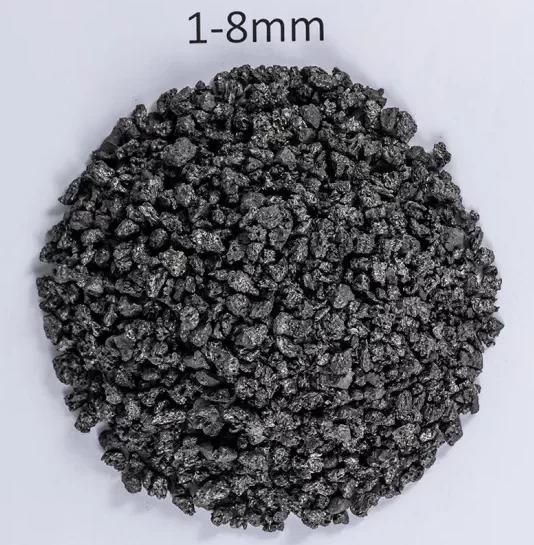
Applying high-grade graphite powder as a precision recarburizer to achieve exact carbon percentages in grey iron casting.

04. Non-Ferrous Metal Refining in Delta State

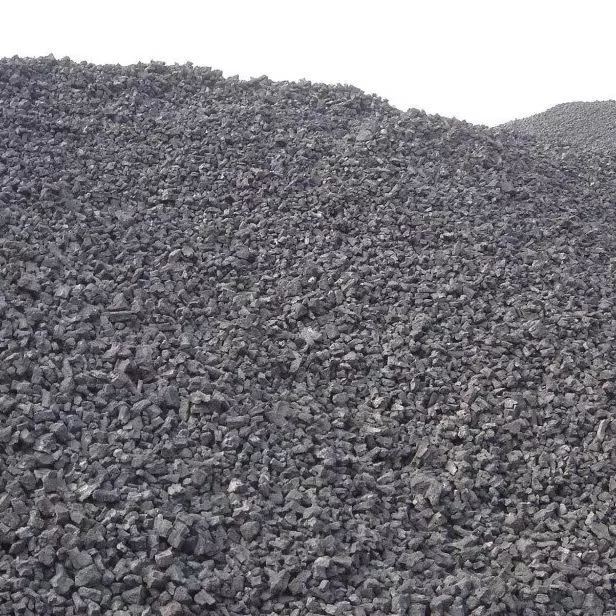
Employing graphitized petroleum coke to improve the electrical conductivity of anodes in electrolysis processes.

05. Industrial Heat Treatment Plants

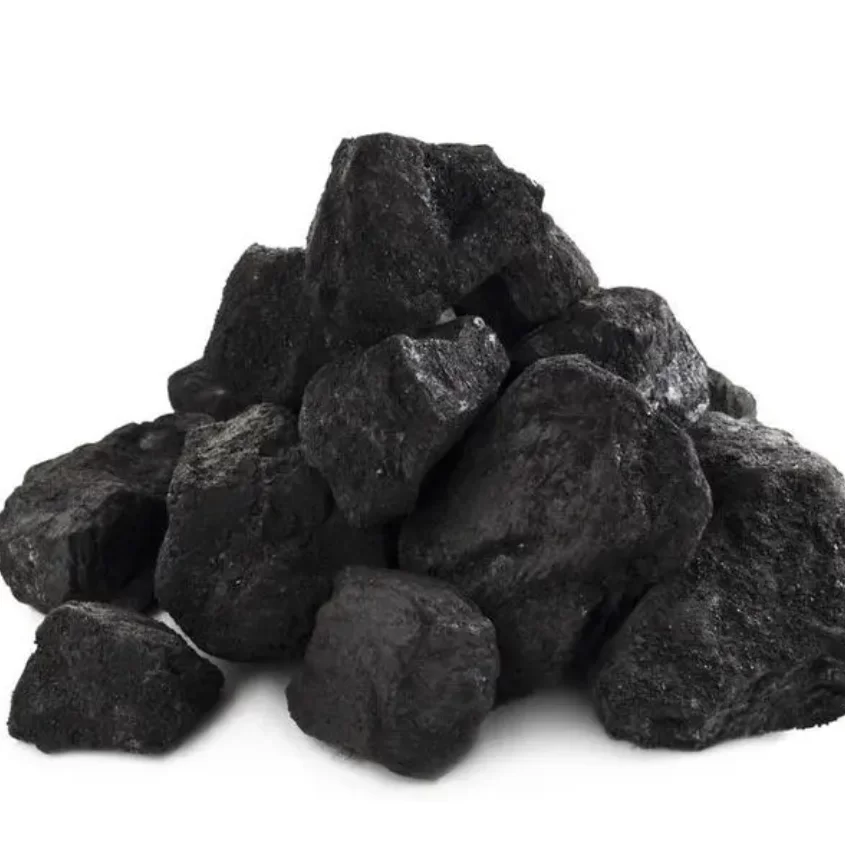
Using calcined petroleum coke as a raw material for producing high-density carbon bricks for industrial kilns.

Brand Story

Global Development History of Hebei Tiksen Carbon Co., Ltd.

Founding Vision

Established to bridge the gap between raw carbon extraction and high-precision industrial application, focusing on purity and performance.

Technical Breakthroughs

Developed proprietary graphitization processes that significantly reduced the energy required to produce high-conductivity carbon.

Global Expansion

Expanded operations into the African market, specifically Nigeria, to support the continent's rapid infrastructure growth.

Quality Certification

Achieved international ISO standards, ensuring every batch of carbon material meets the rigorous demands of the global steel industry.

Sustainable Future

Currently pioneering "Green Carbon" initiatives to reduce the environmental footprint of carbon manufacturing worldwide.

Comprehensive Carbon Product Portfolio for Nigeria

A one-stop solution for all metallurgical and industrial carbon needs in West Africa.

Nigerian Market FAQs

Expert answers to common technical and logistical questions.

How does the humidity in Nigeria affect the storage of graphite powder?

High humidity can lead to clumping and surface oxidation. We recommend moisture-proof vacuum packaging and storing materials in climate-controlled warehouses to maintain purity.

Which arc furnace electrodes are best for unstable power grids?

Electrodes with higher mechanical strength and thermal shock resistance are ideal for preventing breakage during sudden power surges or outages common in some Nigerian regions.

What is the lead time for shipping calcined petroleum coke to Lagos?

Depending on the order volume, shipping typically takes 30-45 days. We optimize logistics through major Nigerian ports to ensure timely delivery.

Can graphitized petroleum coke replace standard coke in Nigerian foundries?

Yes, it offers significantly higher conductivity and lower impurity levels, which reduces energy consumption and improves the quality of the final metal cast.

How to choose the right density for graphite blocks in industrial kilns?

Density should be chosen based on the operating temperature and the corrosiveness of the materials being processed. Higher density generally provides better longevity.

Are your carbon products compliant with Nigerian industrial standards?

Our products meet and exceed international ISO and ASTM standards, ensuring they are fully compliant with all Nigerian industrial and environmental regulations.

Ready to Optimize Your Production?

Contact our technical team today for tailored carbon material solutions delivered across Nigeria.

Contact Us Now

If you are interested in our products, you can choose to leave your information here, and we will be in touch with you shortly.

  • captcha