HighPerformance arc furnace electrodes Solutions for Austria’s Steel Industry

HighPerformance arc furnace electrodes Solutions for Austria’s Steel Industry

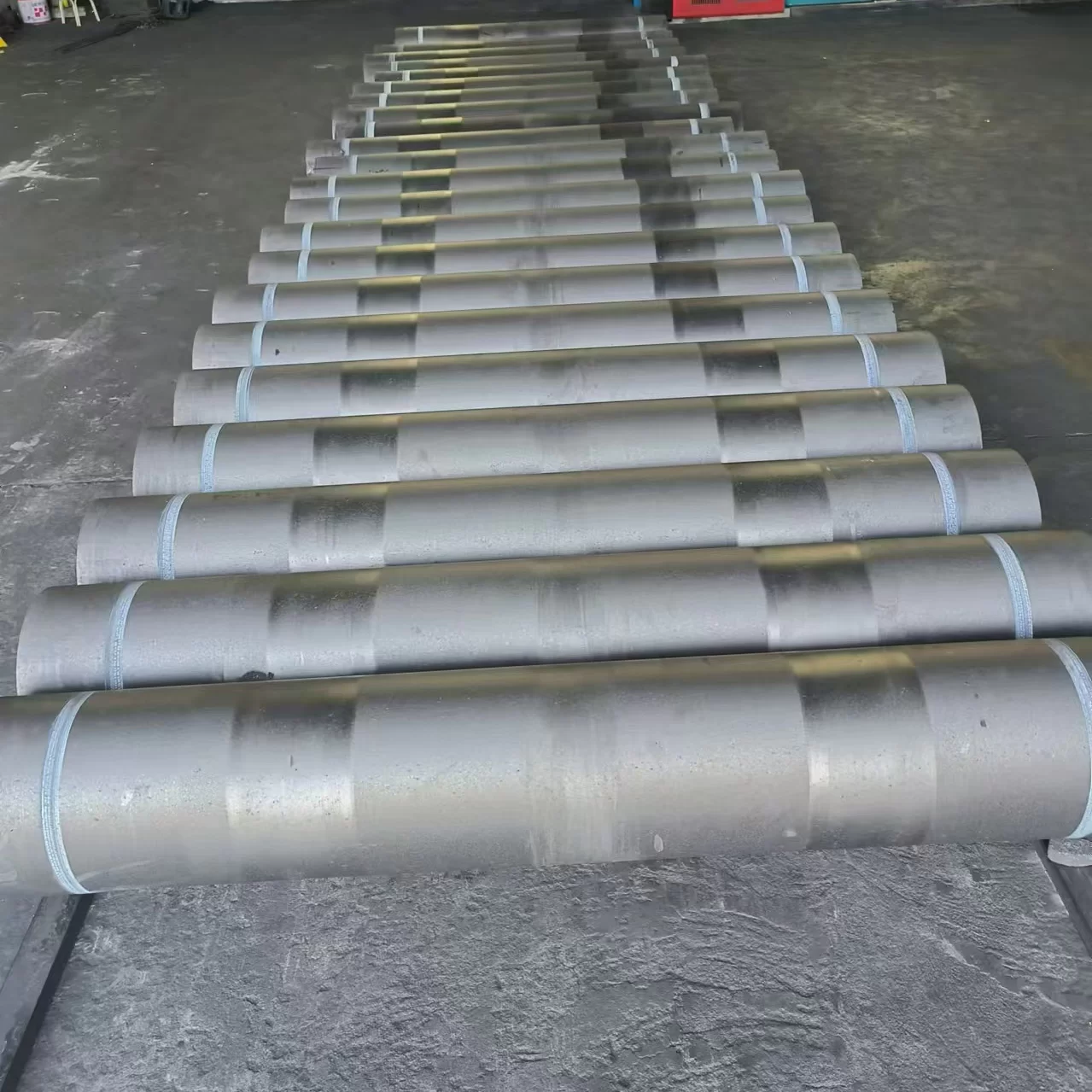
High-Performance arc furnace electrodes Solutions for Austria's Steel Industry

Precision-engineered carbon materials designed to enhance thermal efficiency and operational stability for Austrian metallurgical plants.

High-Performance arc furnace electrodes Solutions for Austria's Steel Industry

Integrating advanced carbon science to optimize energy consumption and electrode lifespan in the demanding environments of Austrian heavy manufacturing.

Carbon Material Ecosystem in Austria

Analyzing the intersection of Austrian environmental standards and industrial carbon requirements.

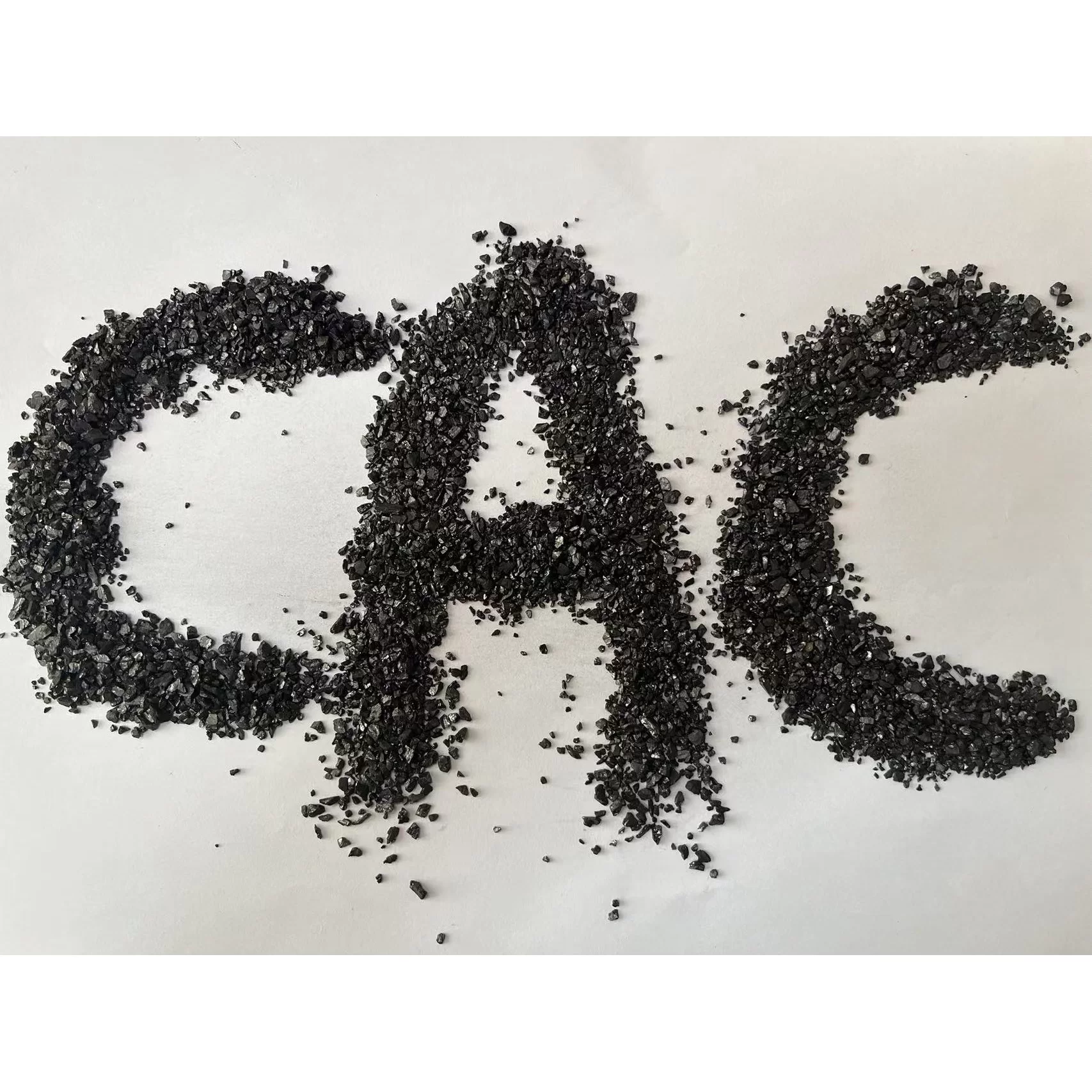
Austria's manufacturing landscape, particularly in the Alpine regions, is characterized by a rigorous commitment to "Green Steel" initiatives. The demand for calcined petroleum coke has evolved from simple volume requirements to a strict focus on purity and low-sulfur content to meet EU emissions regulations.

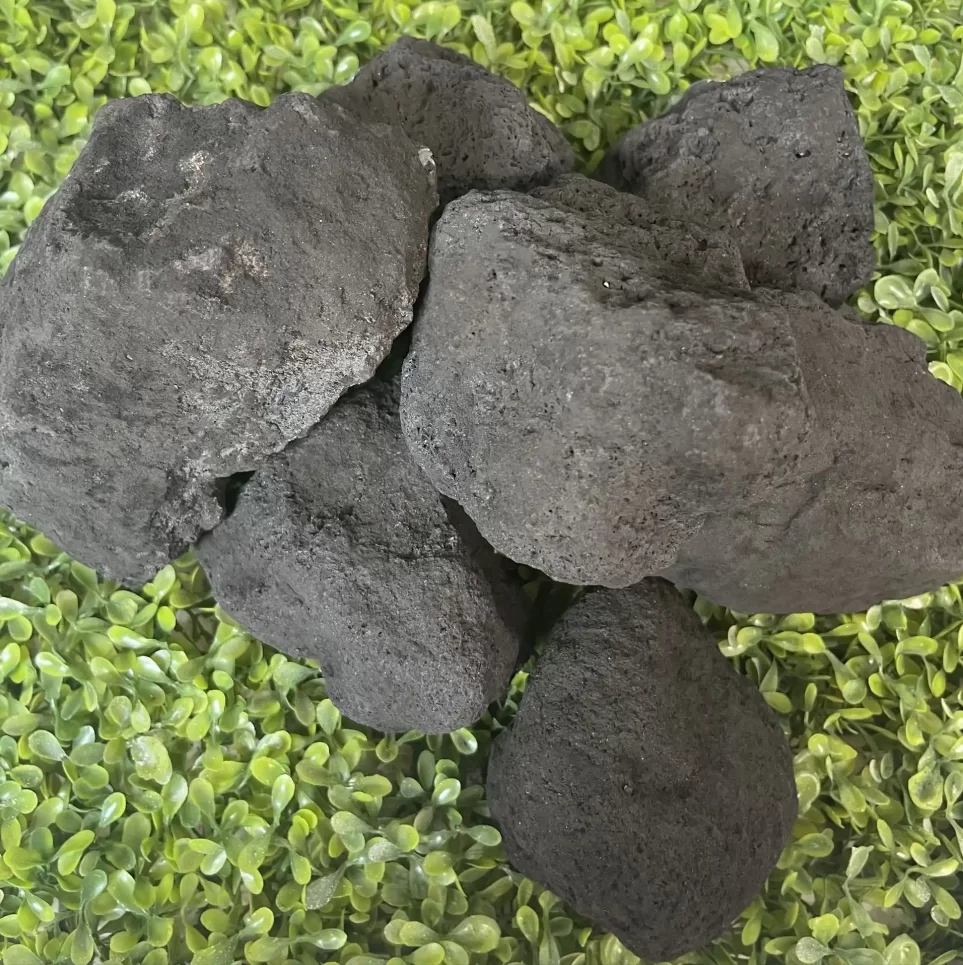
The local industry faces a unique challenge: balancing the high electricity costs of the region with the need for maximum electrical conductivity. This has led to a surge in the adoption of graphitized petroleum coke, which offers superior stability and reduced energy loss during the smelting process.

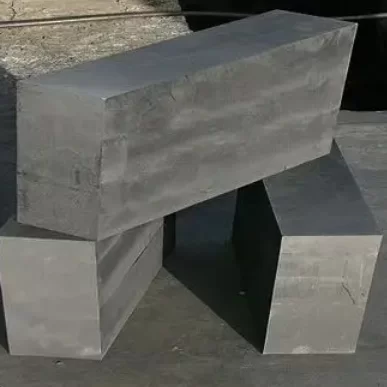
Furthermore, Austria's specialized machinery sector requires high-precision graphite blocks that can withstand extreme thermal cycling without deformation, reflecting the country's reputation for high-end engineering and metallurgy.
Evolution of Carbon Technology in Austrian Manufacturing

From traditional smelting agents to nano-engineered carbon solutions.

Market Development History

In the late 20th century, Austrian industry relied heavily on standard carbon additives. The primary focus was on availability and basic structural integrity, utilizing early forms of petroleum coke for basic recarburization.

Between 2005 and 2015, the transition toward precision graphite occurred. The introduction of refined graphite powder allowed for the development of advanced composites, shifting the market from bulk commodities to specialized technical materials.

Since 2018, the "Digitalization of Metallurgy" has integrated smart monitoring with electrode performance, requiring materials with highly consistent physical properties to prevent unplanned furnace downtime.

Future Development Trends

Ultra-Low Emission Carbon

Future trends point toward carbon materials with zero-volatile organic compounds to align with the Austrian Climate Protection Act.

High-Density Graphite Structures

Increasing pressure to improve electrode longevity will drive the demand for ultra-high-density graphite with improved oxidation resistance.

Circular Carbon Economy

Development of closed-loop recycling systems where spent electrodes are reprocessed into industrial-grade carbon powders.

Future Outlook for Non-Metallic Mineral Products

Strategic forecasting for the carbon sector based on European industrial shifts.

Energy Efficiency Optimization
Focusing on reducing specific energy consumption per ton of steel through high-conductivity carbon materials.
Material Purity Standards
Increasing demand for ultra-low sulfur and ash content in carbon inputs to ensure high-grade alloy production.
Thermal Shock Resistance
Development of advanced binders to enhance the mechanical strength of electrodes under rapid temperature shifts.
AI-Driven Grade Matching
Using predictive analytics to match carbon material grades with specific furnace furnace chemistries.

Industry Outlook

According to Google search trends in the DACH region, there is a marked increase in queries related to "Sustainable Carbon Sourcing" and "High-Efficiency Arc Electrodes." This indicates a shift from cost-driven procurement to value-driven technical partnerships.

The next 3-5 years will see a convergence of materials science and environmental engineering, where the "Carbon Footprint" of the electrode itself becomes as important as its electrical performance.

Local Application Scenarios in Austria

Real-world implementations of carbon materials across Austrian industrial sectors.

01. Specialized Steel Smelting in Upper Austria

Utilization of premium electrodes to maintain arc stability in high-alloy steel production, reducing slag contamination and improving yield.

02. Aluminum Casting in Alpine Regions

Implementing custom-sized graphite blocks for mold lining and thermal management in high-precision aluminum component casting.

03. Chemical Processing in Vienna Industrial Zones

Applying high-purity carbon powders as additives in advanced lubricant production and synthetic material synthesis.

04. Power Generation Infrastructure

Integration of graphitized carbon materials into electrical contact systems for high-voltage power distribution networks.

05. Automotive Component Manufacturing

Use of high-density carbon materials for heat treatment furnaces used in the production of precision automotive gears.

Brand Story

Global Development History of Hebei Dahcarbon Co., Ltd.

Foundation and Core Vision

Established with a mission to solve the inconsistency of carbon material purity, we began by refining the production of industrial coke.

Technological Breakthroughs

Invested heavily in graphitization technology to move beyond basic coke, developing high-conductivity materials for the global market.

Global Expansion Strategy

Expanded our footprint into the European market, aligning our quality standards with the strict requirements of Austrian and German industry.

Sustainability Pivot

Implemented eco-friendly manufacturing processes to reduce the carbon footprint of our own production lines.

The Future of Carbon Engineering

Leading the industry toward smart carbon materials that offer predictable performance and maximum energy efficiency.

Comprehensive Carbon Portfolio for Austria

Tailored material grades to meet European metallurgical and industrial standards.

Industrial Carbon FAQ - Austria

Technical answers to the most common questions from our European partners.

How does the sulfur content in calcined petroleum coke affect steel quality?

High sulfur content in coke can lead to embrittlement of the steel. Our low-sulfur variants ensure high-ductility and structural integrity for high-grade alloys.

What is the advantage of graphitized petroleum coke over standard coke?

Graphitized coke offers significantly higher electrical conductivity and better thermal stability, which reduces energy loss in arc furnaces.

Can graphite blocks be customized for specific thermal expansion needs?

Yes, we adjust the grain size and binder ratio to meet specific thermal expansion coefficients required for precision Austrian engineering.

What is the typical lifespan of high-performance arc furnace electrodes?

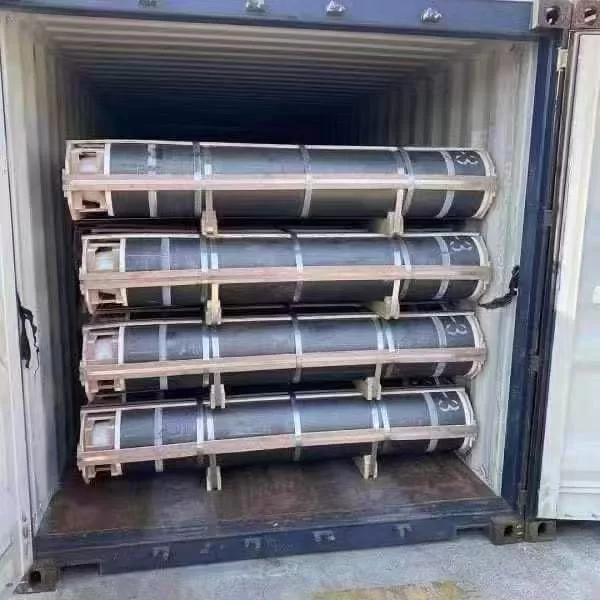
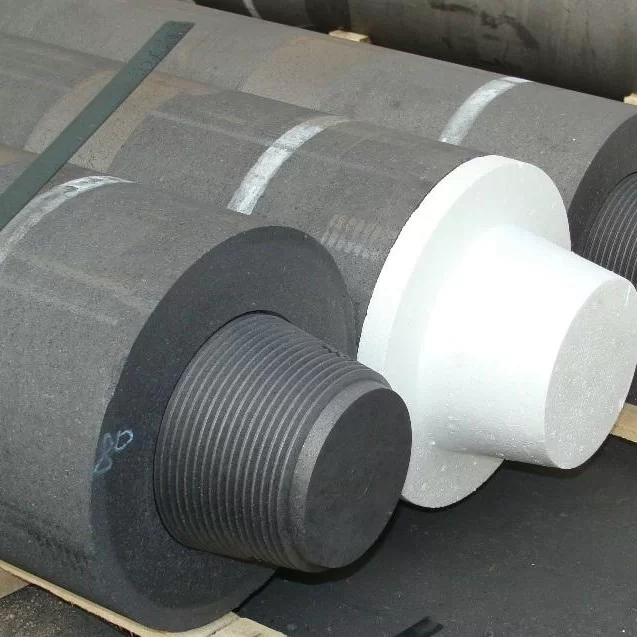
Lifespan varies by application, but our premium electrodes are designed to reduce consumption rates by 10-15% through improved oxidation resistance.

How is graphite powder packaged for moisture-sensitive applications?

We use vacuum-sealed, moisture-proof lining in industrial drums to ensure the powder remains dry and free-flowing during transit to Austria.

Are your carbon products compliant with EU REACH regulations?

All our products exported to Europe are fully compliant with REACH and other local environmental safety standards.

Expert Carbon Consultation

Ready to optimize your metallurgical process in Austria? Contact our technical team for a material grade analysis.

Contact Us Now

If you are interested in our products, you can choose to leave your information here, and we will be in touch with you shortly.

  • captcha