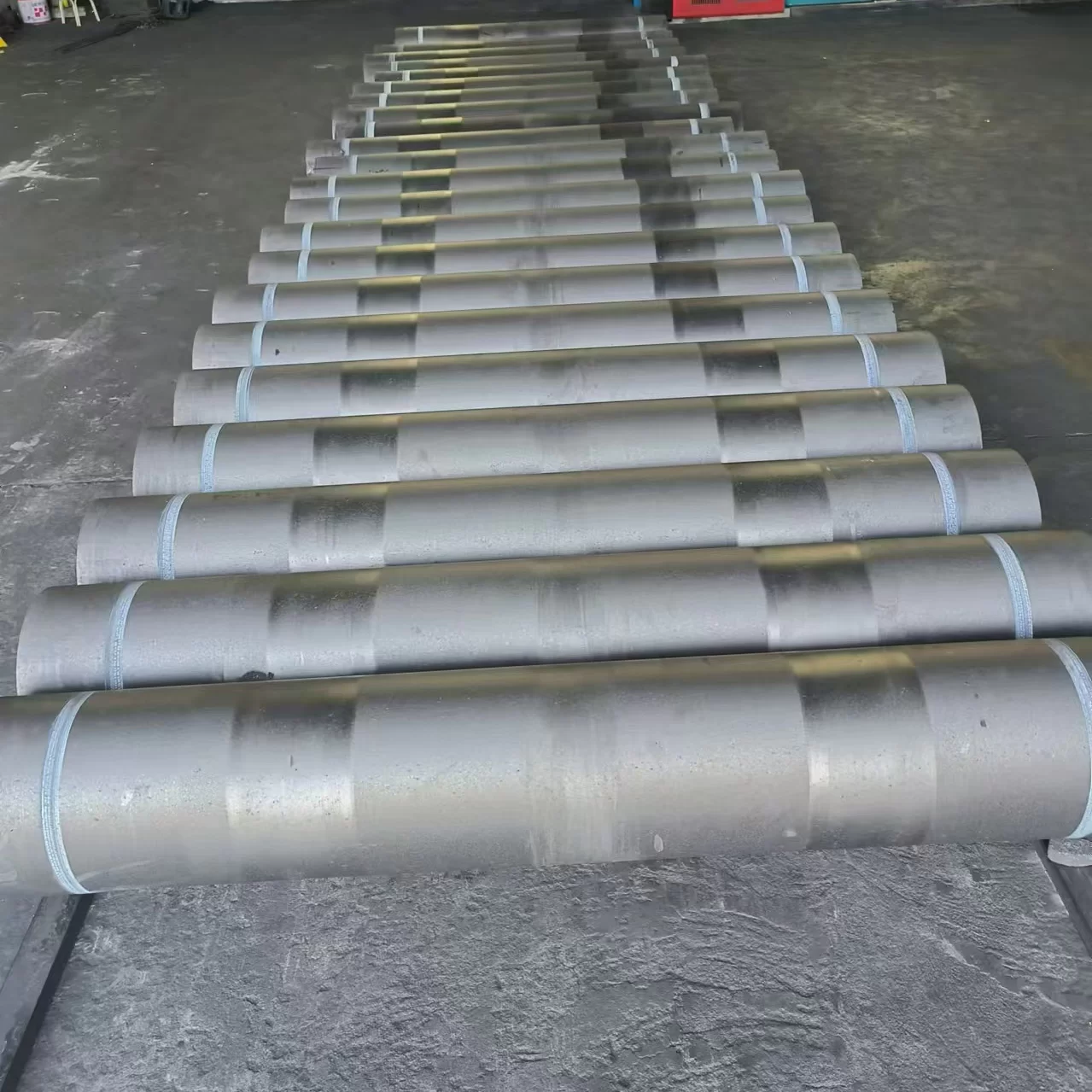
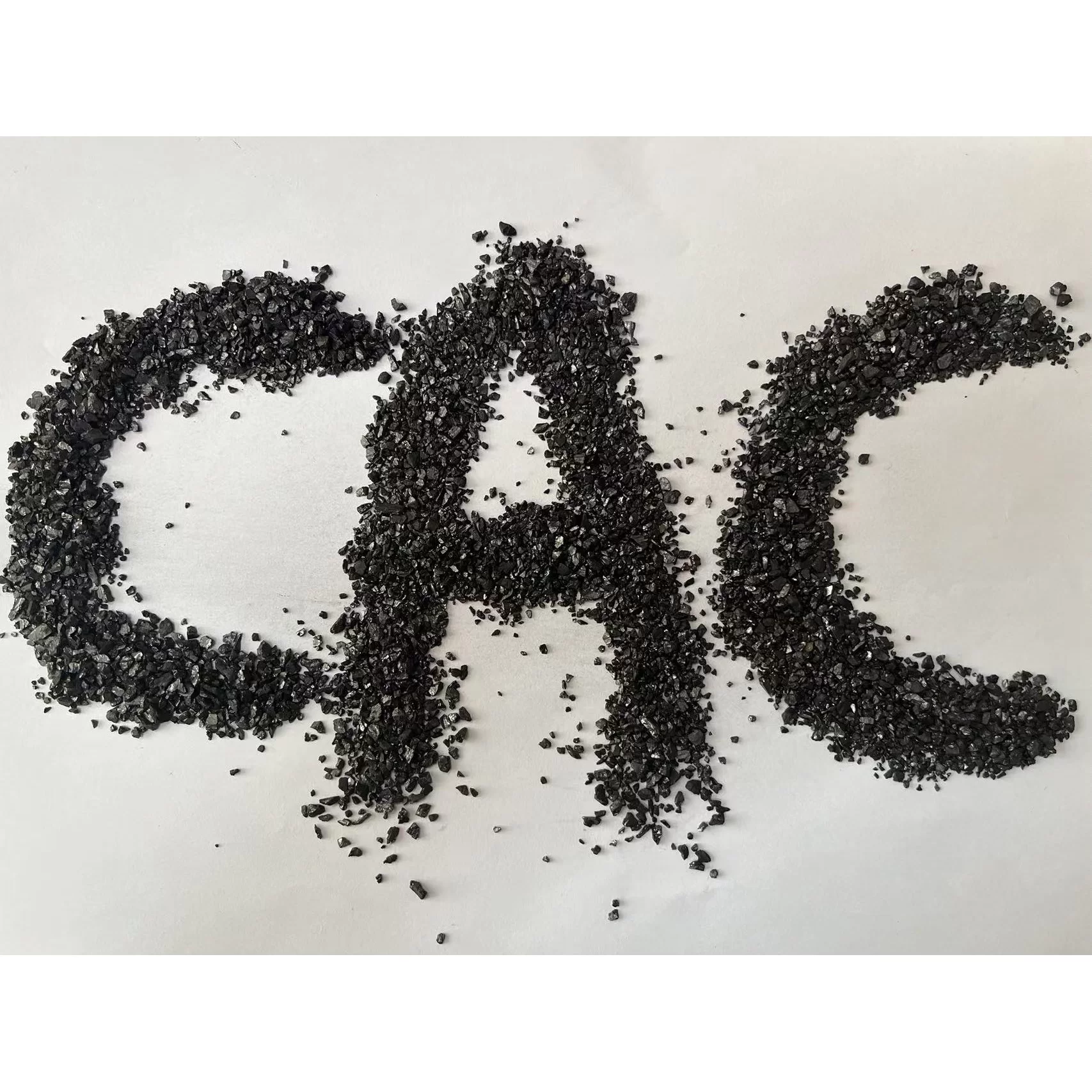
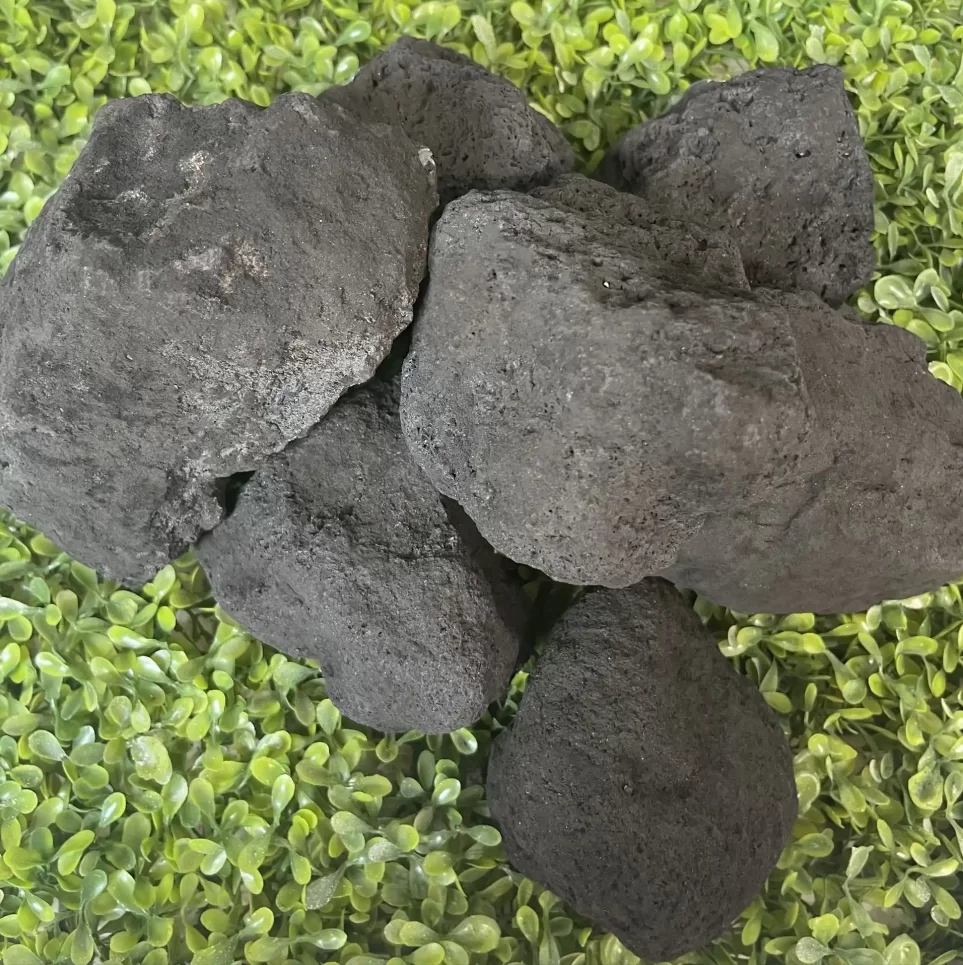
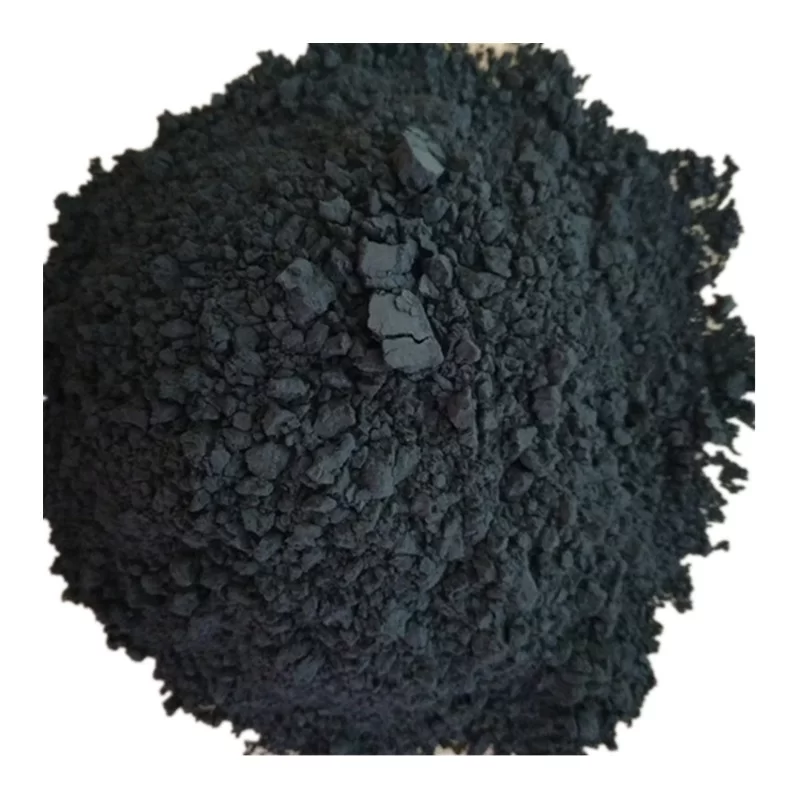
HighPerformance arc furnace electrodes Solutions for Japan’s Heavy Industry

HighPerformance arc furnace electrodes Solutions for Japan’s Heavy Industry

High-Performance arc furnace electrodes Solutions for Japan's Heavy Industry

Precision-engineered carbon products delivering unmatched electrical conductivity and thermal stability for the Japanese metallurgical sector.

High-Performance arc furnace electrodes Solutions for Japan's Heavy Industry

Empowering Japan's steel mills and foundries with premium grade carbon materials, from raw feedstock to precision electrodes, ensuring maximum efficiency in high-temperature environments.

The State of Carbon Material Integration in Japan

Analyzing the intersection of strict environmental regulations and high-precision manufacturing requirements.

Japan's manufacturing landscape is characterized by a relentless pursuit of "Monozukuri" (perfection in crafting). In the non-metallic mineral sector, the demand for calcined petroleum coke is driven by the need for ultra-low sulfur and high-purity inputs to meet stringent Japanese industrial standards (JIS).

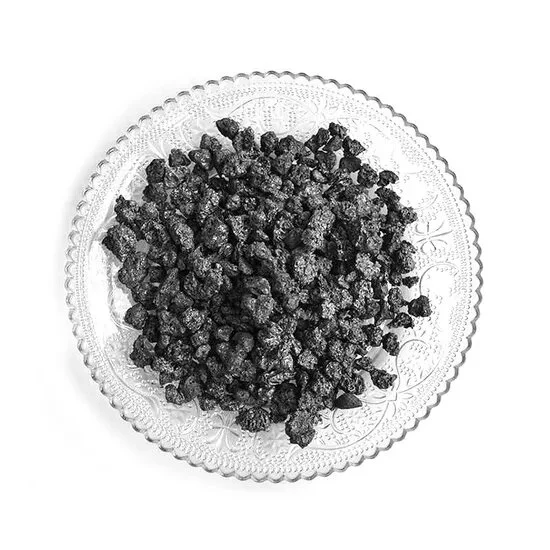
The geographic concentration of steel plants in coastal regions like Chiba and Hyogo necessitates a highly optimized supply chain. Local industries rely heavily on graphitized petroleum coke to enhance the conductivity of aluminum smelting and specialty steel production, balancing energy costs with extreme performance.

Furthermore, Japan's aggressive carbon neutrality goals by 2050 are forcing a shift toward more efficient graphite blocks that reduce energy waste and minimize emissions during the smelting process, pushing the industry toward a "Green Steel" paradigm.
Evolution and Trajectory of Japanese Carbon Manufacturing

From traditional smelting to the era of nano-precision graphite materials.

Market Development History

During the post-war industrial boom (1950s-1980s), Japan focused on massive scale-up, utilizing standard petroleum coke for its growing steel infrastructure. The primary goal was volume and structural integrity for basic industrial applications.

Between 1990 and 2010, the focus shifted toward "High-Value Added" materials. This era saw the introduction of advanced graphite powder with controlled particle size distributions, catering to the burgeoning electronics and precision molding sectors.

From 2011 to the present, the industry has entered the "Digital & Green" phase. Integration of IoT in furnace monitoring has led to a demand for customized electrode geometries that optimize current density and reduce material consumption.

Future Development Trends

Decarbonization of Electrode Production

Transitioning toward hydrogen-based reduction processes to lower the carbon footprint of graphite manufacturing.

Ultra-High Purity Requirements

As semiconductor materials evolve, the demand for 99.99% purity graphite will surge, moving beyond standard industrial grades.

AI-Driven Material Customization

Using predictive modeling to tailor the physical properties of carbon products based on specific furnace atmospheric data.

Future Strategic Outlook for Carbon Products

Anticipating the technological pivots in the Asia-Pacific region.

Energy Efficiency Optimization
Developing electrodes with lower electrical resistivity to decrease voltage drop and energy loss.
Sustainable Sourcing
Integrating bio-based carbon precursors to replace traditional petroleum-based inputs.
Advanced Material Purity
Implementing multi-stage purification for high-end semiconductor graphite applications.
Precision Thermal Management
Developing isotropic graphite structures to ensure uniform heat distribution.

Industry Outlook

Based on Google search trends in Asia, there is a significant increase in queries regarding "carbon-neutral smelting" and "high-purity graphite." This indicates that Japanese procurement managers are pivoting from purely cost-based selection to sustainability-indexed selection.

We predict that the next 3-5 years will see a consolidation of the market where suppliers who can provide a full vertical chain—from raw petroleum coke to finished electrodes—will dominate the Japanese high-end manufacturing sector.

Localized Application Scenarios in Japan

Real-world implementation of carbon products across Japanese industrial hubs.

01. Specialty Steel Production in Okayama

Using premium arc furnace electrodes to produce high-alloy steels for the Japanese automotive industry, requiring zero impurity contamination.

02. Aluminum Smelting in Kyushu

Implementation of high-density graphitized petroleum coke as an anode material to increase current efficiency in aluminum electrolytic cells.

03. Semiconductor Component Manufacturing

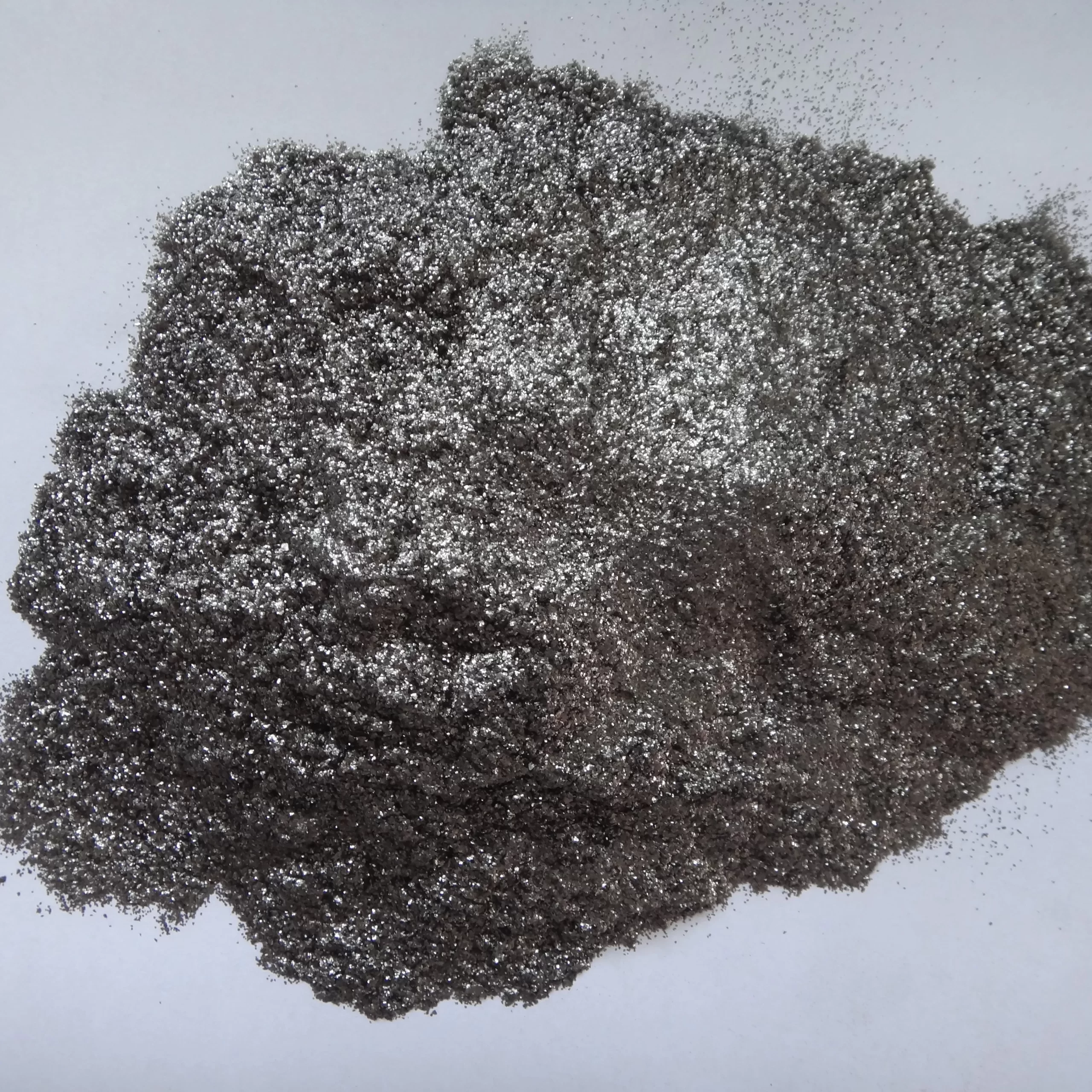
Utilizing ultra-fine graphite powder for the creation of high-precision molds used in silicon wafer processing.

04. Heavy Machinery Casting in Osaka

Deploying customized graphite blocks as crucibles for casting high-temperature aerospace components.

05. Industrial Carbon-Based Refractories

Integration of calcined petroleum coke into refractory linings for high-temperature kilns in the Japanese ceramics industry.

Brand Story

Global Development History of Hebei Dah-Carbon Co., Ltd.

Foundational Excellence

Established with a vision to solve the purity crisis in carbon feedstock, we began by perfecting the calcination process for industrial coke.

Technological Breakthrough

Developed a proprietary graphitization method that significantly reduced energy consumption while increasing material conductivity.

Global Expansion

Expanded operations into the Asia-Pacific market, establishing strategic partnerships with top-tier Japanese steel mills.

Sustainability Pivot

Launched a series of eco-friendly carbon products designed to meet the 2050 carbon-neutral goals of our global clients.

Industry Leadership

Today, we stand as a beacon of reliability, solving the most complex thermal and electrical challenges in the carbon industry.

Complete Carbon Product Portfolio for the Japanese Market

A one-stop supply chain for all high-performance non-metallic mineral needs.

Common Inquiries from Japanese Industrial Partners

Technical answers to the most frequent questions regarding carbon material procurement.

How does your calcined petroleum coke comply with JIS standards?

Our products undergo rigorous testing for sulfur content and ash residue to ensure they meet the strict Japanese Industrial Standards for high-grade smelting.

What is the conductivity advantage of your graphitized petroleum coke?

Through high-temperature graphitization, we achieve a crystal structure that minimizes electrical resistance, reducing power consumption in aluminum anodes.

Can graphite blocks be customized for specific thermal dimensions?

Yes, we provide precision machining and custom sizing to ensure a perfect fit for Japanese precision-casting applications.

What is the lifespan of your arc furnace electrodes in high-intensity environments?

Our electrodes are engineered for high mechanical strength and oxidation resistance, significantly reducing the frequency of replacements in electric arc furnaces.

Is your graphite powder suitable for vacuum furnace applications?

Absolutely. Our powder is processed to remove volatile elements, making it ideal for high-vacuum and high-temperature semiconductor environments.

Do you provide technical support for carbon material integration in Japan?

We offer full technical consultancy, including material compatibility tests and performance auditing for Japanese industrial plants.

Ready to Optimize Your Carbon Supply Chain?

Partner with the global leader in high-performance carbon materials for your operations in Japan.

Contact Us Now

If you are interested in our products, you can choose to leave your information here, and we will be in touch with you shortly.

  • captcha