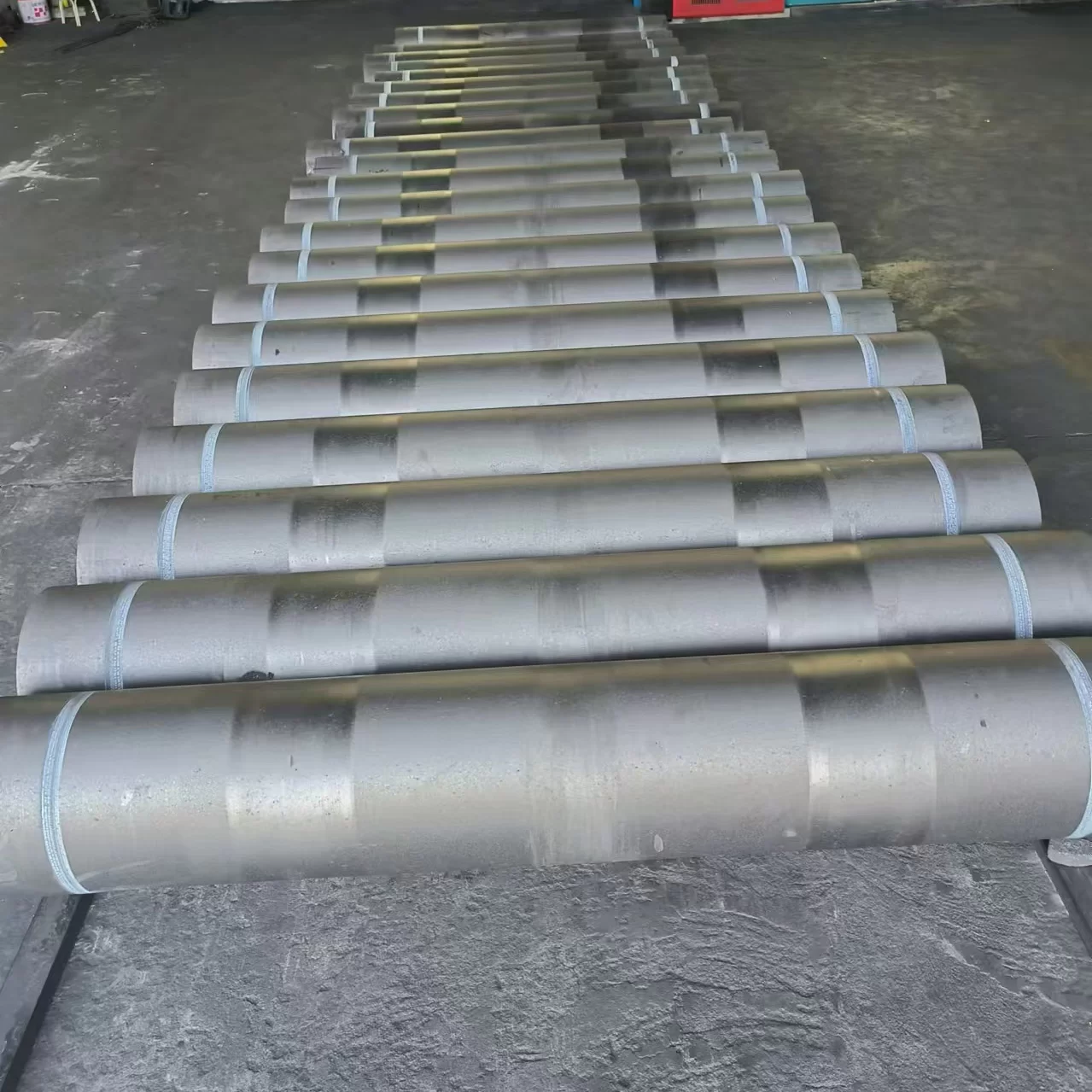
HighPerformance Arc Furnace Electrodes Solutions for Mexico’s Steel Industry

HighPerformance Arc Furnace Electrodes Solutions for Mexico’s Steel Industry

High-Performance Arc Furnace Electrodes Solutions for Mexico's Steel Industry

Optimizing metallurgical efficiency and conductivity across North American smelting operations with premium carbon products.

High-Performance Arc Furnace Electrodes Solutions for Mexico's Steel Industry

Providing the Mexican industrial sector with critical carbon materials, from high-purity graphite powder to robust electrodes, ensuring maximum thermal stability and electrical conductivity.

Industrial Carbon Landscape in North America - Mexico

Analyzing the synergy between Mexico's mining geography and the demand for high-grade carbon additives.

Mexico's industrial heartland, particularly in states like Nuevo León and Coahuila, faces unique challenges due to extreme temperature fluctuations and a heavy reliance on imported high-purity calcined petroleum coke. The regional steel industry is currently undergoing a transition toward leaner, more energy-efficient smelting processes to meet USMCA trade standards.

The logistics of sourcing graphitized petroleum coke in the region are complicated by the need for strict impurity control. Many Mexican foundries are shifting away from low-grade domestic alternatives toward specialized carbon products that reduce electrode consumption rates during the melting phase.

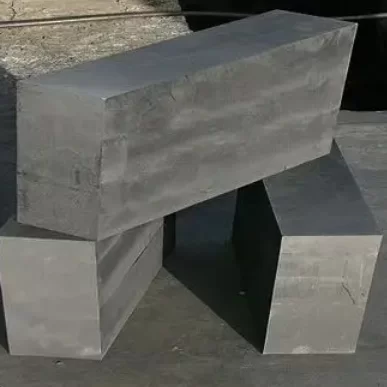
Furthermore, the growth of the automotive hub in Central Mexico has spiked the demand for precision graphite blocks. These components are essential for high-temperature molds and dies, requiring materials that can withstand the thermal shock typical of rapid-cycle manufacturing environments.
Evolution of Carbon Material Technology in Mexico

From traditional coke additives to advanced graphitization processes.

Market Development History

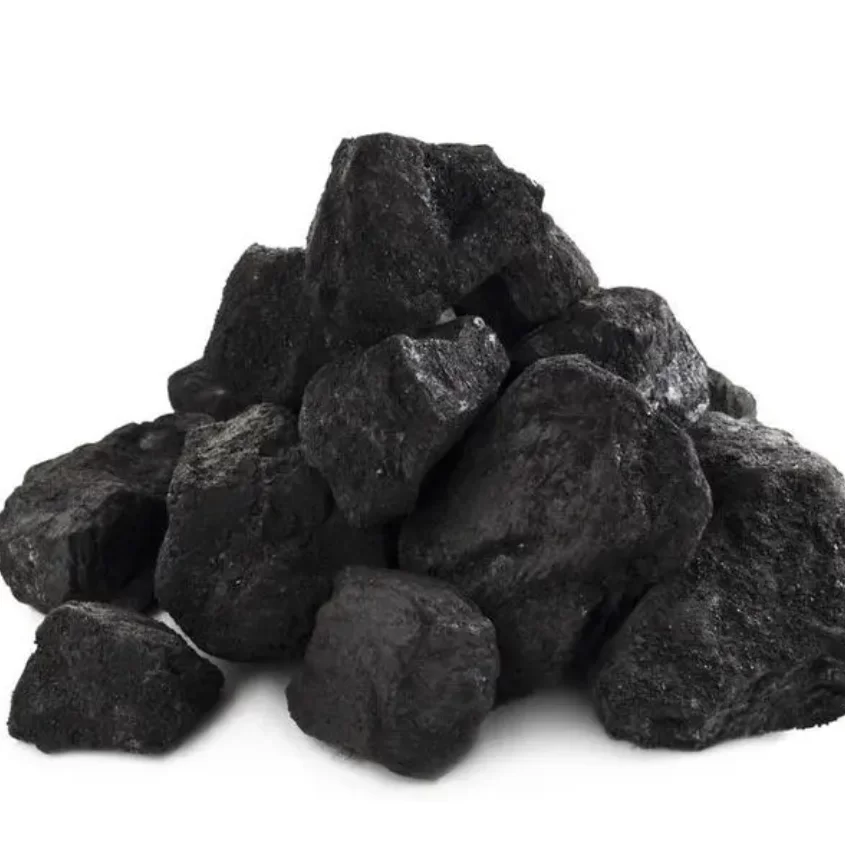
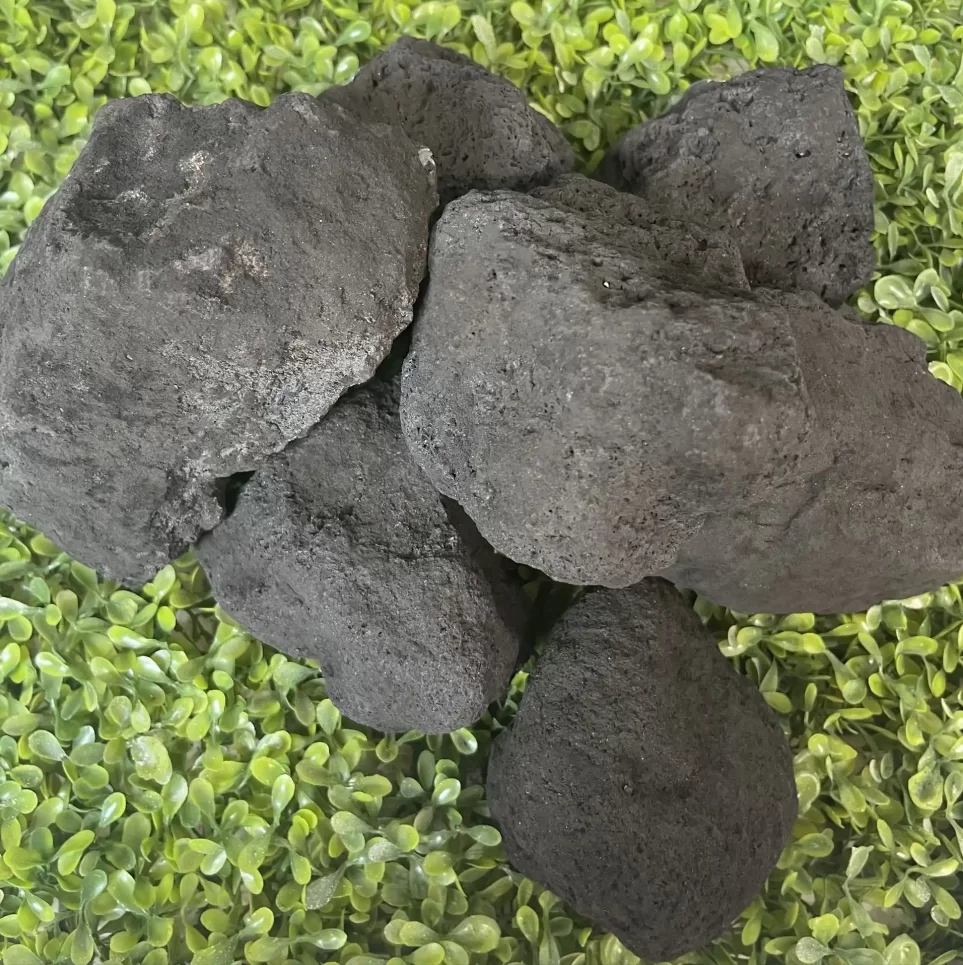
In the late 20th century, Mexico's smelting operations relied primarily on basic petroleum coke. However, by the early 2000s, the introduction of high-temperature calcining shifted the market toward calcined petroleum coke to improve the volumetric density of electrodes.

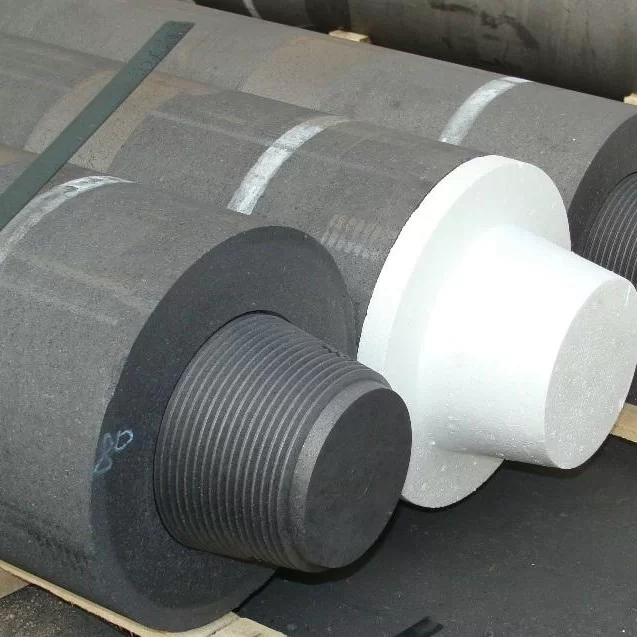
Between 2010 and 2020, the industry witnessed a technological leap with the adoption of ultra-high power (UHP) arc furnace electrodes. This era marked a transition from simple conductivity to a focus on mechanical strength and oxidation resistance to handle larger melt capacities.

Currently, the focus has shifted toward the "Graphitization Era," where the use of graphitized petroleum coke has become the standard for reducing electrical resistance and energy costs in high-precision metallurgy.

Future Development Trends

Green Carbon Integration

The trend is moving toward "Green Carbon," focusing on reducing the CO2 footprint during the calcination process to align with international environmental protocols.

Nano-Structured Graphite Powder

Increasing demand for graphite powder with nano-scale particle distribution to enhance the lubricity and thermal conductivity of composite materials.

Automation in Electrode Control

Integration of AI-driven electrode positioning systems to minimize waste and maximize the lifespan of graphite components in EAFs.

Industry Outlook and Future Projections

Predicting the trajectory of carbon products in the Mexican metallurgical sector.

Energy Efficiency Optimization
Shift toward low-resistance carbon materials to reduce KWh per ton of steel produced.
Purity Standardization
Stricter sulfur and ash content limits for specialized alloy production in North America.
Composite Integration
Growing use of graphite-reinforced ceramics for extreme environment applications.
Supply Chain Resilience
Diversification of carbon sources to avoid reliance on single-region imports.

Industry Outlook

Based on current search trends and industrial growth in Mexico, we anticipate a 15% increase in the demand for high-density graphite blocks as the aerospace and automotive sectors expand their domestic manufacturing capabilities.

The shift toward Electric Arc Furnaces (EAF) over traditional blast furnaces in Mexico will fundamentally drive the long-term growth of the arc furnace electrodes market, prioritizing materials with lower oxidation rates.

Localized Application Scenarios in Mexico

Practical implementations of graphite and carbon products across key Mexican industries.

01. Steel Smelting in Monterrey

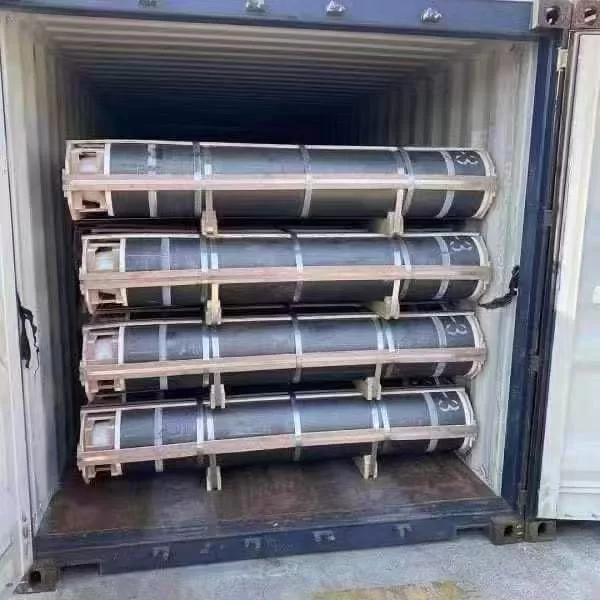
Utilization of high-current arc furnace electrodes to optimize the production of specialty alloy steels for the North American automotive supply chain.

02. Aluminum Casting in Querétaro

Implementation of high-purity graphite blocks as mold inserts to ensure superior surface finish and thermal dissipation in aluminum components.

03. Precision Foundry Carbon Additives

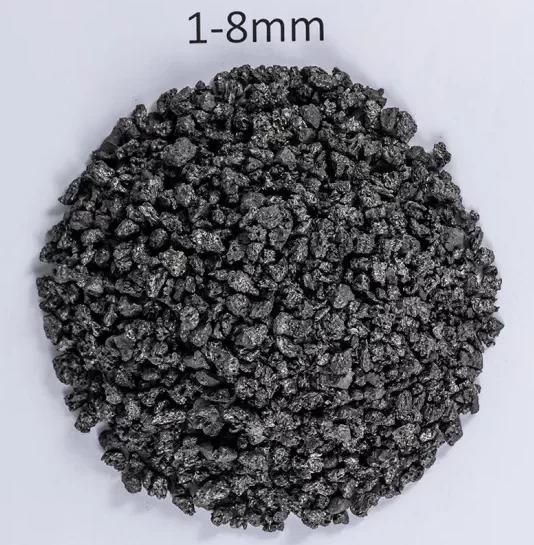
Using graphitized petroleum coke as a recarburizer in the production of high-grade ductile iron for heavy machinery.

04. Chemical Processing in Veracruz

Application of graphite powder as a high-temperature lubricant and sealing agent for industrial valves and pumps in the petrochemical sector.

05. Mining Infrastructure in Sonora

Deploying calcined petroleum coke in the manufacture of industrial anodes for non-ferrous metal extraction.

Brand Story

Global Development History of Hebei Tixun Carbon Co., Ltd.

Foundational Excellence

Established with a mission to solve the instability of carbon purity in industrial electrodes, focusing on the mastery of calcination processes.

Technological Breakthrough

Pioneered the integration of ultra-high temperature graphitization, significantly reducing the energy consumption of end-user smelting furnaces.

Global Expansion

Expanded operations to North America, establishing a robust supply chain to provide Mexico's industry with consistent, high-grade carbon materials.

Quality Certification

Achieved international standards for carbon purity and mechanical strength, becoming a trusted partner for Fortune 500 metallurgical firms.

Sustainable Future

Currently investing in carbon-capture technologies and eco-friendly graphite production to lead the industry toward a net-zero future.

Complete Carbon Product Portfolio for the Mexican Market

Integrated solutions from raw coke to engineered graphite components.

Frequently Asked Questions - Mexico Region

Technical guidance and procurement FAQs for carbon products.

What is the advantage of using calcined petroleum coke over raw coke in Mexican EAFs?

Calcined petroleum coke has lower volatile content and higher density, which significantly reduces the electrode consumption rate and improves the structural integrity of the carbon block.

How does graphitized petroleum coke improve energy efficiency in steelmaking?

The graphitization process increases electrical conductivity, which lowers the voltage drop across the electrode and reduces the overall electricity cost per ton of steel.

Can graphite blocks be customized for specific automotive mold dimensions in Mexico?

Yes, we provide precision CNC machining for all graphite blocks to meet the exact tolerances required for high-pressure die casting in the automotive industry.

What are the key performance indicators for high-quality arc furnace electrodes?

The primary KPIs include compressive strength, electrical resistivity, and oxidation resistance, all of which determine the electrode's lifespan and stability.

How should graphite powder be stored to avoid contamination in humid coastal regions like Veracruz?

Graphite powder should be stored in moisture-proof, vacuum-sealed packaging in a cool, dry environment to prevent oxidation and impurity absorption.

What is the typical lead time for shipping bulk carbon products to Northern Mexico?

Depending on the volume and specific grade, lead times typically range from 3 to 6 weeks, utilizing optimized maritime and land logistics routes.

Request a Technical Consultation

Our engineers are ready to help you optimize your carbon material procurement in Mexico.

Contact Us Now

If you are interested in our products, you can choose to leave your information here, and we will be in touch with you shortly.

  • captcha