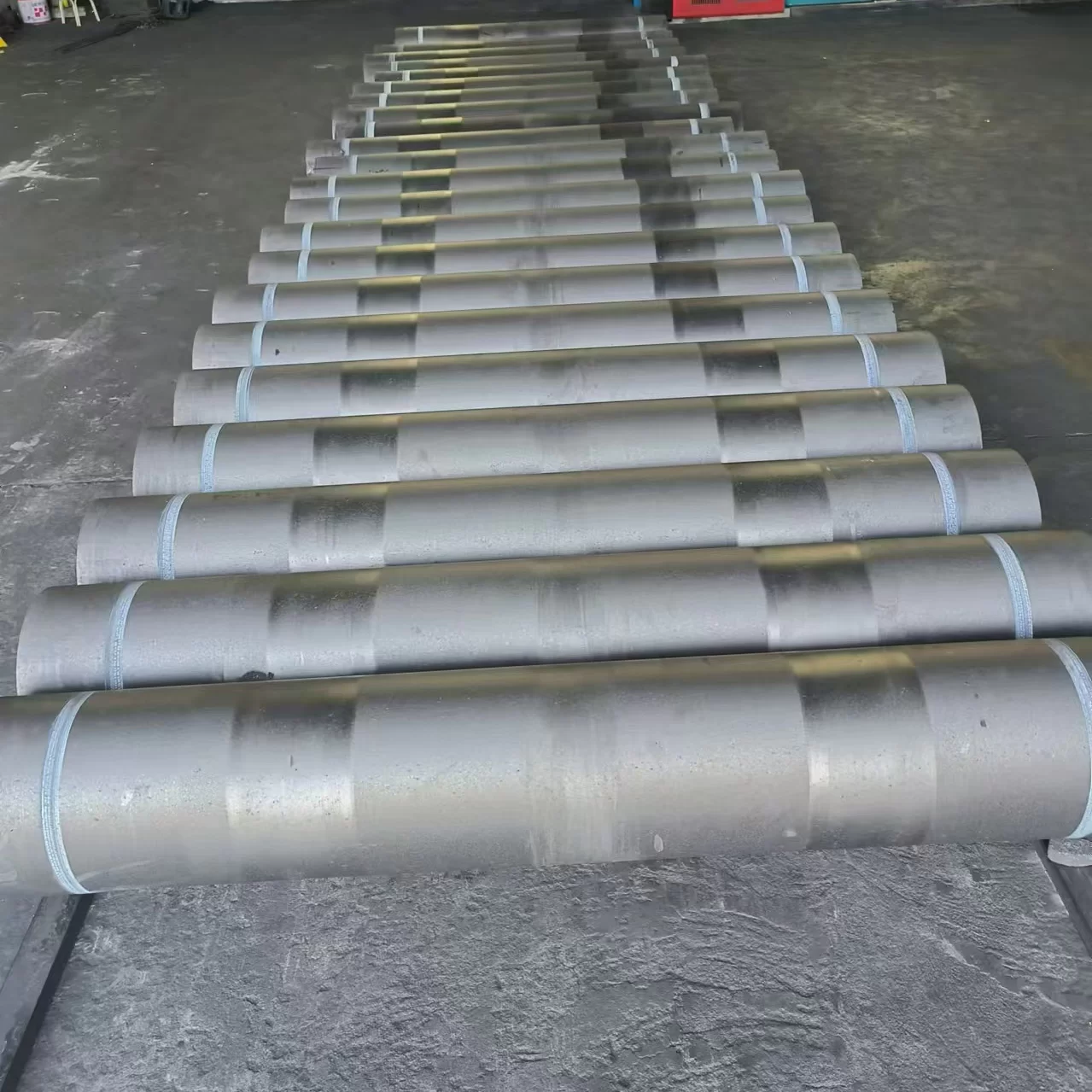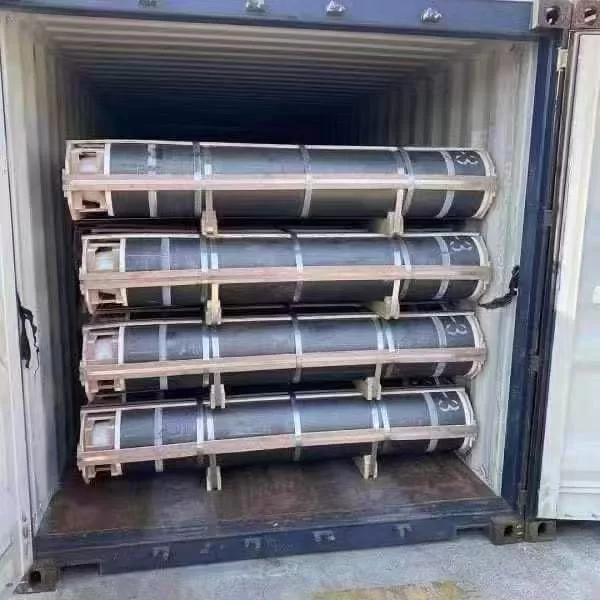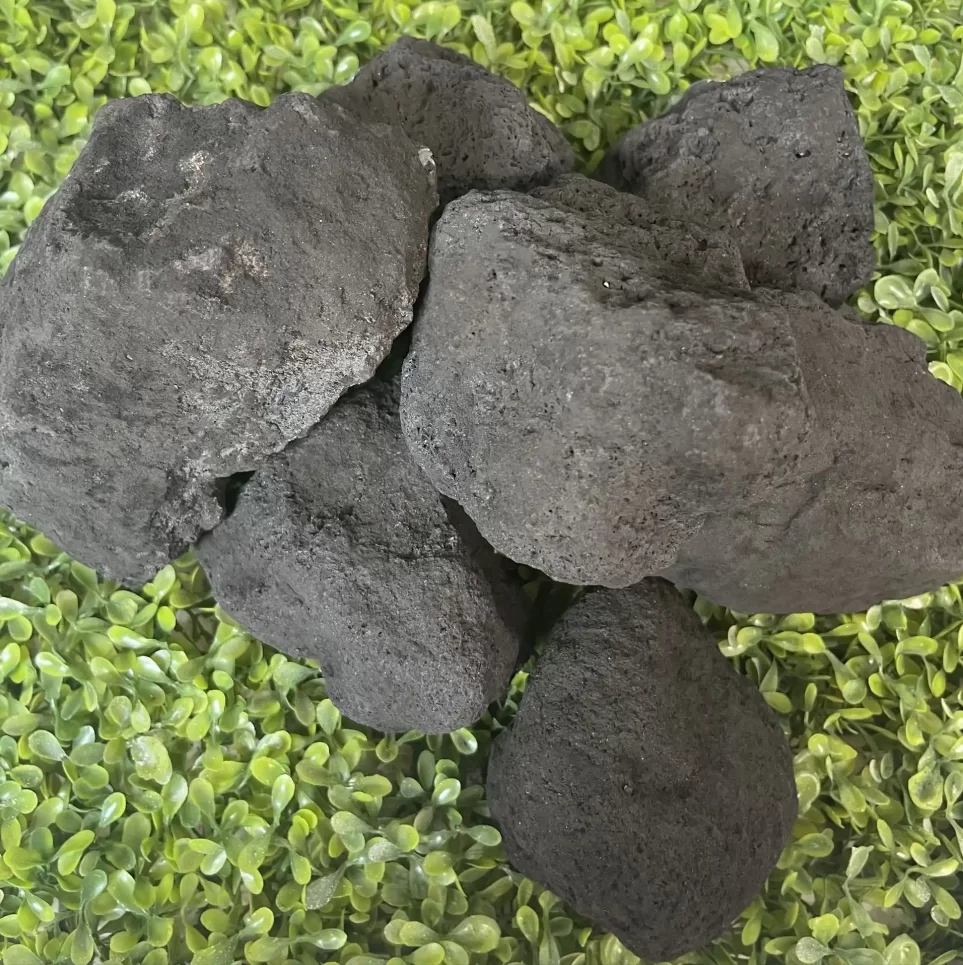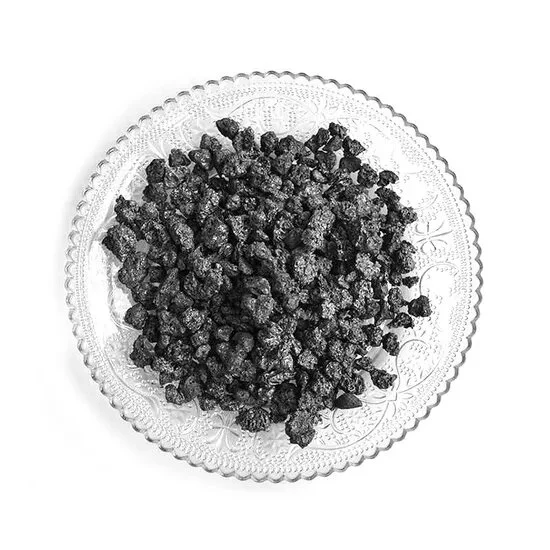
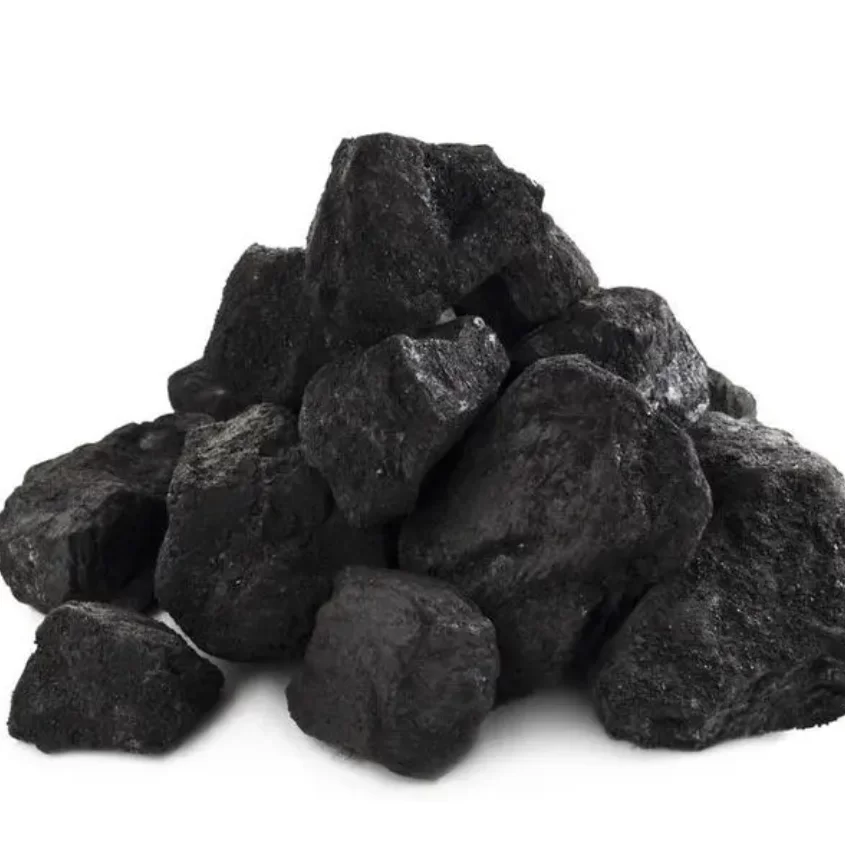
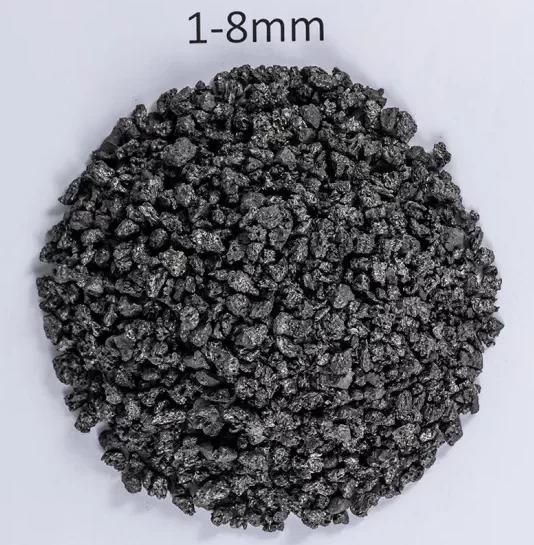
Peru's industrial sector, heavily reliant on mining and smelting, faces unique challenges due to the diverse geography ranging from coastal deserts to Andean highlands. The demand for high-purity calcined petroleum coke is driven by the need for stable recarburizers in steel production, where consistent carbon absorption is critical for metallurgy.
Due to the remote location of many mining sites, the logistics of transporting heavy graphite blocks becomes a significant operational cost. Local industries are increasingly seeking materials with higher density and lower thermal expansion coefficients to reduce downtime caused by thermal shock in extreme altitude environments.
The current market state in Peru is transitioning from traditional carbon sources to precision-engineered graphitized petroleum coke. This shift is primarily motivated by the need to increase energy efficiency in electric arc furnaces, reducing the carbon footprint of the smelting process while maintaining structural integrity.