HighPerformance arc furnace electrodes Solutions for Spain

HighPerformance arc furnace electrodes Solutions for Spain

High-Performance arc furnace electrodes Solutions for Spain

Empowering the Spanish metallurgical industry with premium carbon products designed for extreme temperatures and maximum efficiency.

High-Performance arc furnace electrodes Solutions for Spain

We provide a comprehensive range of carbon materials, from high-purity graphite powder to industrial-grade electrodes, specifically optimized for the rigorous demands of Spain's heavy manufacturing sector.

Carbon Material Landscape in Spain

Analyzing the intersection of Spanish industrial heritage and modern carbon requirements.

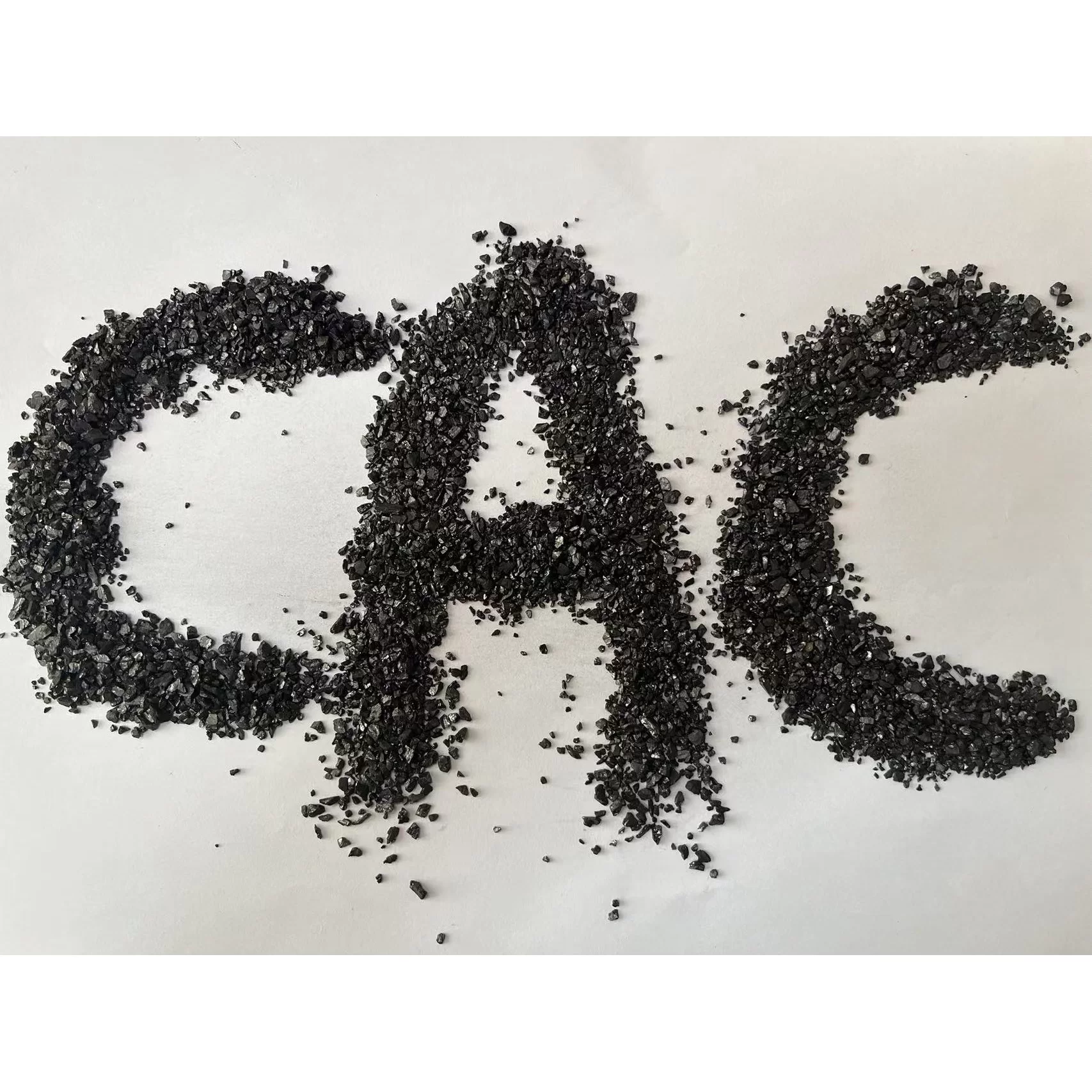
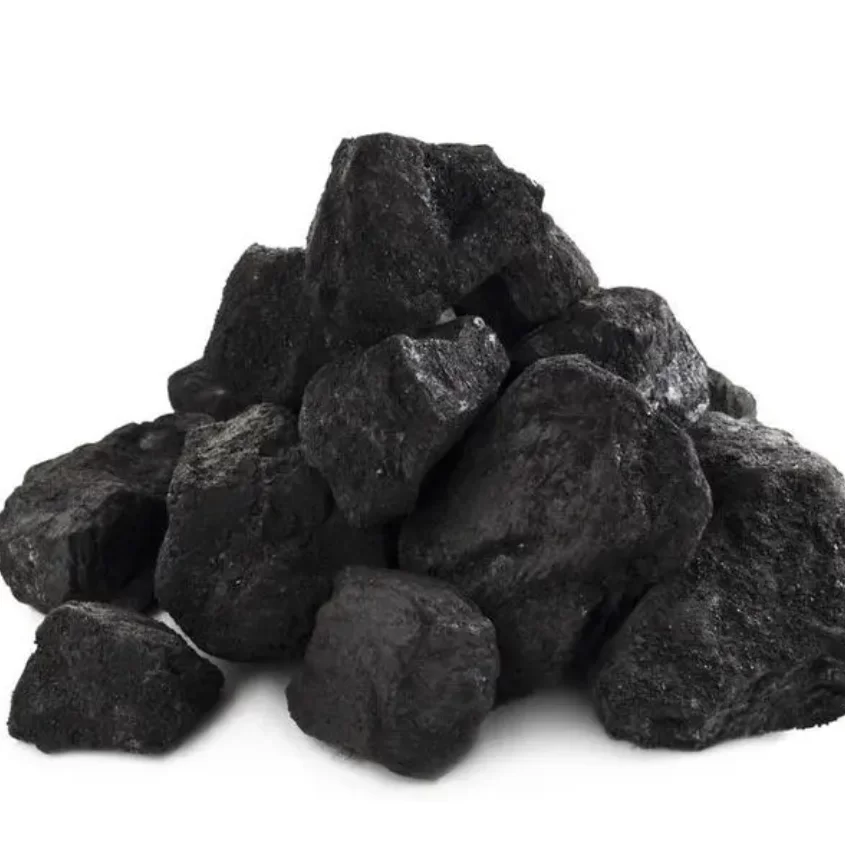
Spain's industrial sector, particularly in regions like Asturias and the Basque Country, relies heavily on high-quality carbon inputs. The demand for calcined petroleum coke is driven by the necessity for stable recarburizers in the local steel industry, where precise carbon control is vital for alloy quality.

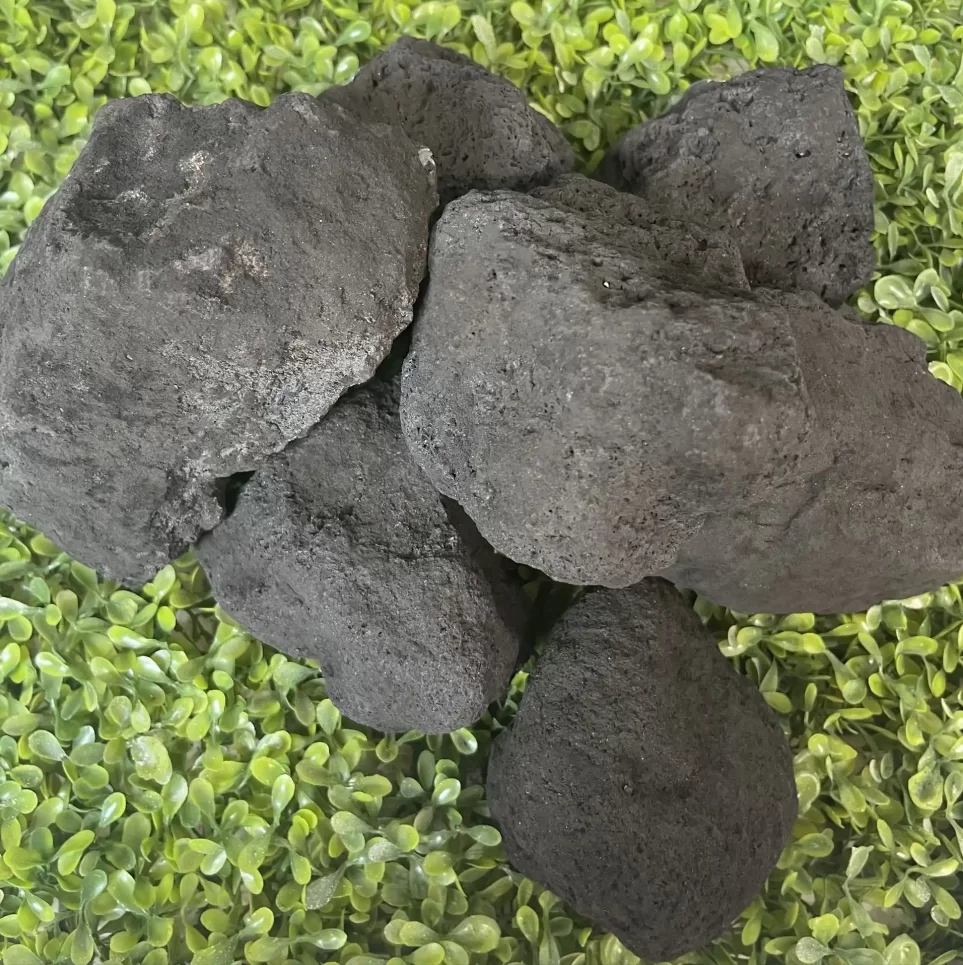
With the Mediterranean climate influencing logistics and storage, the Spanish market requires materials with high stability and resistance to oxidation. The adoption of graphitized petroleum coke has increased as local foundries shift toward more energy-efficient smelting processes to reduce overhead costs.

Currently, the Spanish market is facing a transition toward "Green Steel," forcing a shift in the specifications of graphite blocks to support more sustainable, lower-emission electric arc furnace (EAF) operations.
Evolution of Carbon Technology in Spain

From traditional coke ovens to precision-engineered graphite components.

Market Development History

In the mid-20th century, Spain's carbon use was dominated by basic metallurgical coke. The 1980s marked a pivot toward refined calcined petroleum coke as the industry sought to improve the purity of Spanish steel exports to the rest of Europe.

By the early 2000s, the integration of advanced graphitization technology allowed for the local use of high-density graphite blocks, enabling more complex molding and high-temperature vacuum environments in Spanish aerospace and automotive parts manufacturing.

From 2015 onwards, the focus shifted toward the optimization of electrode consumption. The introduction of ultra-high power electrodes revolutionized the efficiency of EAFs across Spain, reducing electrical energy waste per ton of steel produced.

Future Development Trends

Decarbonization of Electrode Production

The push for Net-Zero in the EU is driving the development of electrodes produced with lower carbon footprints, integrating bio-based binders.

Precision Nano-Carbon Integration

The increase in demand for high-purity graphite powder for battery anode materials as Spain expands its "Battery Valley" initiatives.

Smart Monitoring in EAFs

Integration of IoT sensors into graphite components to monitor real-time erosion and thermal stress in Spanish smelting plants.

Industry Outlook & Future Projections

Strategizing the next 5 years of carbon material innovation in Spain.

Energy Efficiency Shift
Optimization of electrode conductivity to lower energy costs in Spanish EAF plants.
Purity Standardization
Moving toward 99.9% purity for graphitized materials to support high-tech manufacturing.
Circular Economy
Development of recycling systems for spent graphite blocks in Spanish industrial zones.
Digital Twin Integration
Using simulation software to predict graphite wear in Spanish metallurgical furnaces.

Industry Outlook

Based on Google search trends in Europe, there is a surging interest in "low-carbon graphite" and "electric arc furnace efficiency." In Spain, this manifests as a demand for materials that reduce the carbon intensity of the final steel product.

We expect the Spanish market to shift heavily toward specialized graphitized petroleum coke for the emerging EV battery supply chain, moving beyond traditional metallurgy into energy storage applications.

Localized Applications in Spain

Real-world implementation of carbon solutions across Spanish industrial hubs.

1. Steel Smelting in Asturias

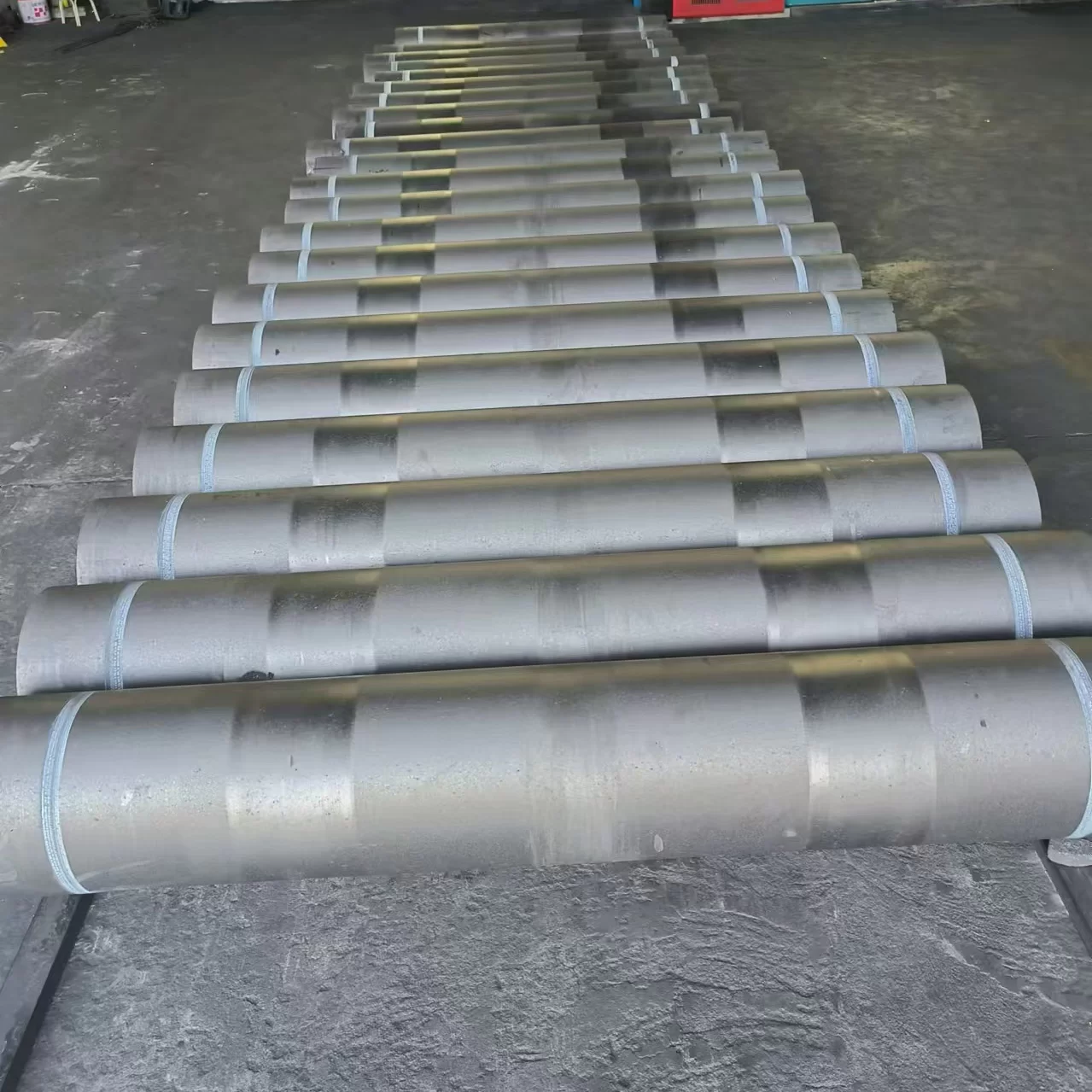
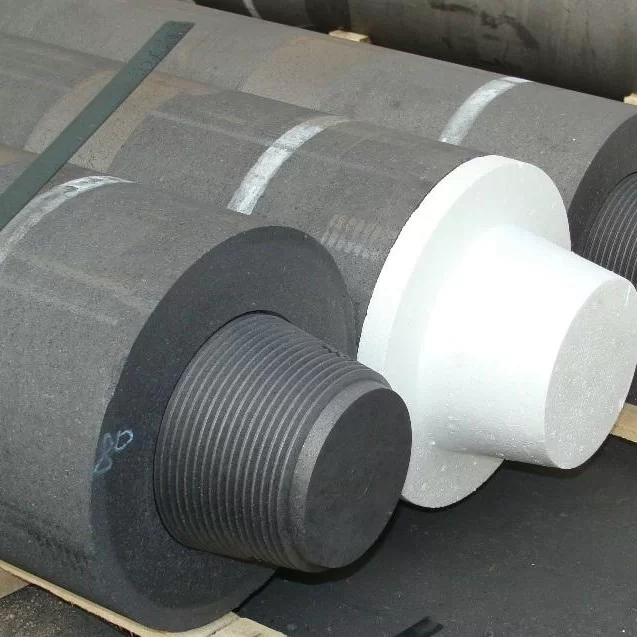
Utilizing high-current arc furnace electrodes to process scrap steel, ensuring minimal electrode consumption per heat cycle.

2. Automotive Casting in Catalonia

Implementation of precision graphite blocks for high-temperature molds used in the production of aluminum engine components.

3. Alloy Production in the Basque Country

Using calcined petroleum coke as a high-purity carbon additive for specialty ferro-alloys destined for the European market.

4. Chemical Processing in Valencia

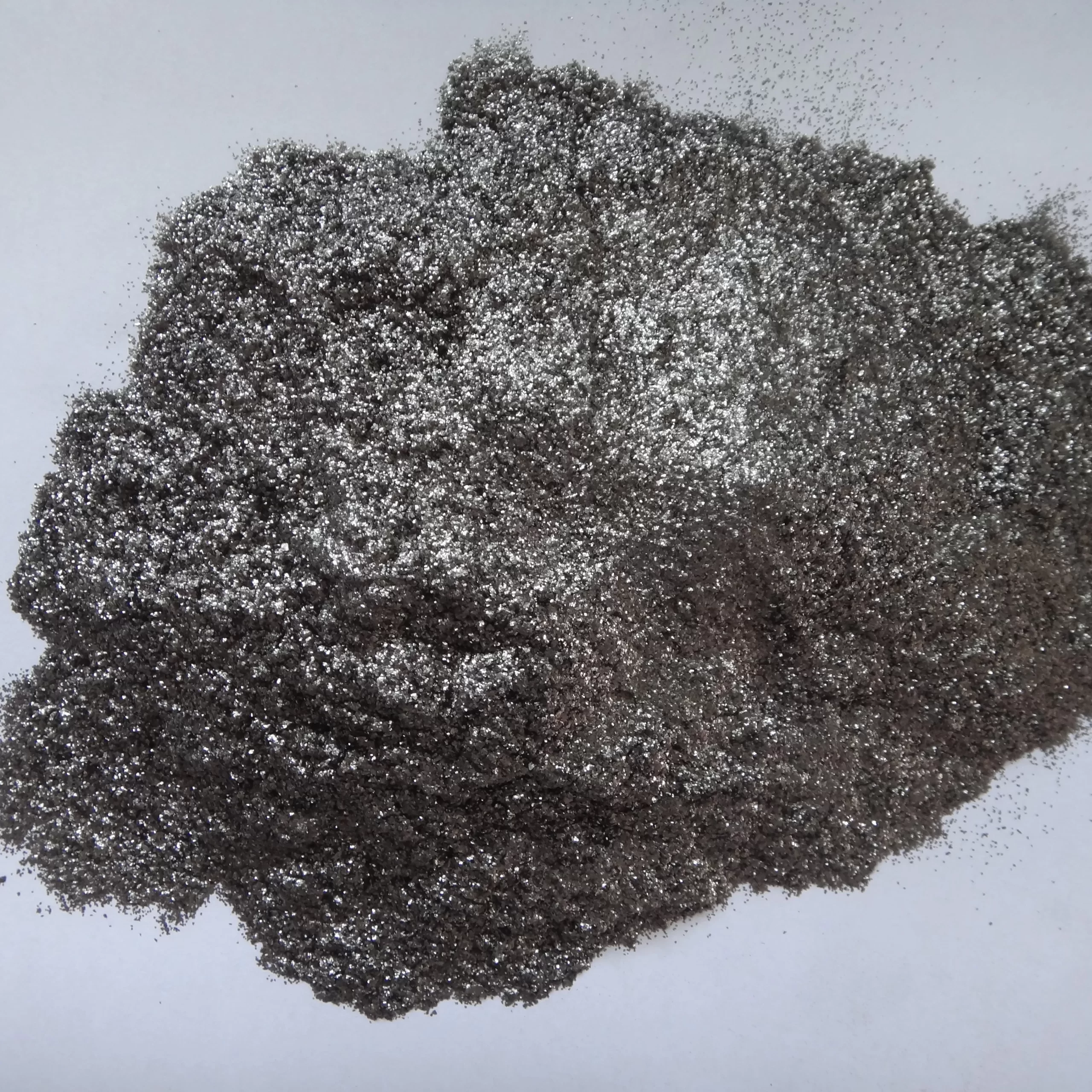
Application of graphite powder as a lubricant and conductive additive in specialized chemical reactor linings.

5. Energy Storage R&D in Madrid

Leveraging graphitized petroleum coke for the development of next-generation anode materials for industrial-scale batteries.

Brand Story

Global Development Journey of Hebei Tiksen Carbon Co., Ltd.

Foundation of Excellence

Established with a vision to bridge the gap between raw carbon extraction and high-precision industrial application.

Technological Breakthrough

Perfected the graphitization process to produce ultra-low sulfur carbon materials for the global market.

European Expansion

Strategically entered the European market, establishing key partnerships with Spanish metallurgical leaders.

Sustainability Pivot

Launched an R&D initiative focused on reducing the environmental impact of carbon electrode production.

Global Leadership

Recognized as a premier supplier of specialized carbon products, solving critical thermal stability issues for clients.

Complete Carbon Product Portfolio for Spain

A one-stop source for all your non-metallic mineral and graphite needs.

Common Questions for Spanish Industrial Clients

Expert answers to technical queries regarding carbon materials.

How does calcined petroleum coke purity affect steel quality in Spain?

High-purity coke reduces sulfur and phosphorus impurities in the melt, which is critical for the high-grade alloys produced in Spain's automotive sector.

What is the optimal lifespan for arc furnace electrodes in EAF operations?

Lifespan depends on current density and slag chemistry, but our premium electrodes are designed to minimize oxidation and cracking in high-power Spanish furnaces.

Can graphitized petroleum coke be used for battery anode production in Spain?

Yes, due to its high conductivity and structured crystallinity, it is an ideal precursor for the anode materials required by Spain's growing EV industry.

What are the advantages of using graphite blocks over traditional ceramics?

Graphite blocks offer superior thermal shock resistance and higher thermal conductivity, essential for the rapid heating/cooling cycles in Spanish foundries.

How is graphite powder stored to prevent moisture in coastal Spanish regions?

We recommend vacuum-sealed moisture-proof packaging and climate-controlled warehousing to avoid clumping and oxidation in humid coastal areas.

What certifications do your carbon products hold for the EU market?

Our products comply with ISO standards and EU REACH regulations, ensuring safety and environmental compliance for all Spanish industrial applications.

Get Your Custom Carbon Solution

Ready to optimize your production efficiency? Our experts are available to provide technical consulting and material sampling for your projects in Spain.

Contact Us Now

If you are interested in our products, you can choose to leave your information here, and we will be in touch with you shortly.

  • captcha